No plant enjoys being forcibly relocated. But thanks to you, certain perennials just realized that their current location is trash.
They’ve had a lovely summer hogging the light and looking fantastic, but now they’re crowded and demanding. Moving them now, however, gives their roots a fighting chance. If they survive, they’ll owe you big next spring.
Why the Forced Relocation? (And Why Now?)
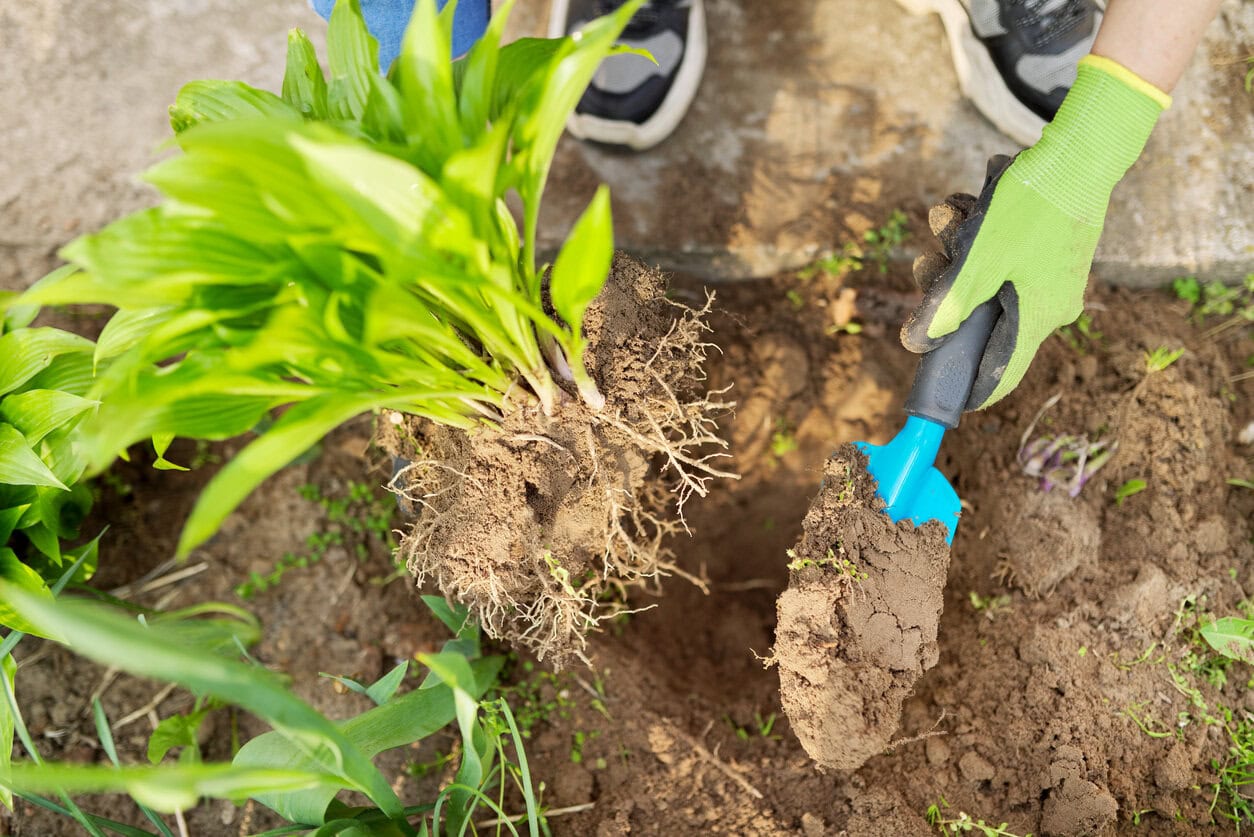
These aren’t plants looking for a spiritual journey. They’re facing eviction because their root balls have gone full Kardashian mansion (just too large, too crowded, and creating problems for the neighbors). So, we relocate them to:
The “Why Now” answer lies in the roots. Fall opens the perfect window for perennial expats because air temperatures drop, but the soil remains warm. Plants hit their post-bloom dormancy, and all their effort focuses on establishing new roots in their new location.
It gives them a massive head start when spring rolls around. Move them now, or you risk killing them with kindness (or, rather, killing them with winter).
The Spreaders & Crowders You Need to Divide

These three plants have zero sense of personal space. They spread, they crowd, and their passive-aggressive leaf rubbing prevents new, quality blooms. After moving them, some should be fertilized while others not, here’s which plants to fertilize before winter (and which to skip).
1: Hostas

The Hosta is the silent garden glutton. They look innocent, but underground, their roots are waging a hostile takeover of all available soil.
Splitting them is less “gardening” and more “aggressive root management.” The best time to divide them is anytime after the first frost, right up until the ground freezes.
Quick tip: You can divide hostas in spring, but good luck beating the slugs to those tender new shoots. I stick to fall when they’re too busy hiding to cause trouble!
For a full walkthrough, here’s how to divide hostas in fall.
2: Daylilies

Daylilies look fantastic until their clump gets so dense, they effectively suffocate their own bloom cycle. If they haven’t flowered well in a year, they’re begging you to split them. Division maintains their flower vigor, and the ideal timing depends on your climate!
Quick tip: I like to split my daylilies every three or four years. It keeps the clumps fresh and the blooms nonstop.
If you love easy spreaders, you’ll enjoy these perennials that divide just as easily and multiply your blooms.
3: Irises

Irises have a serious depth perception problem. When their rhizomes start looking like bumpy potatoes half-surfacing from the dirt, you know they’re not ready for a tough winter.
Give them a better fighting chance with new soil, a deeper place to fight winter from, and covering their exposed… anatomy. The ideal window is right after they finish blooming, but you can replant through:
Quick tip: Irises hate wet feet. Choose a bright spot with well-drained soil so their rhizomes don’t rot through winter. If you miss fall, you can tem in early spring, just before new growth starts!
Once they’ve settled, here’s a guide on how and when to cut back iris leaves properly.
The Late Bloomers & Shallow Rooters You Need to Protect

They require specific care and often sulk if not moved carefully, but their shallow crowns demand attention before the harsh reality of winter sets in. Once you’re all settled, you can tidy the rest of your garden using this guide on bulbs to dig up before winter (and which to leave in the ground).
1: Peonies

Peonies are your high-maintenance neighbors. They hate being disturbed, but if they’re in a dreadful spot (too shady, too wet), fall is the timefor the intervention.
The most critical thing? Their eyes (the tiny, pink buds on the root crown) cannot be planted deeply. Plant them too far down, and they’ll refuse to bloom forever.
Quick tip: They require minimal depth (no deeper than 2 inches!) and maximum attitude. They can also be moved in spring, but don’t expect flowers that year, they’ll spend the season rebuilding their roots instead.
To keep them blooming strong next year, avoid these common mistakes that keep perennials from coming back.
2: Bleeding Heart

The Bleeding Heart is that one friend who leaves the party without saying goodbye. They disappear early, leaving behind… nothing. Moving them in the fall (when you can still generally tell where they are) is vital.
You need to excavate the entire root ball carefully, or you’ll lose them to the void until next season, their roots snap like glass if you rush! Do it after the foliage dies back completely.
Quick tip: When you move them, pick a cool, shady spot with moist soil to help them settle in before the freeze. They’re happiest where they can quietly fade out in peace after blooming.
Before cleaning up the bed, check which perennials to cut back before winter (and which to leave standing).
3: Hardy Geranium (Cranesbill)

Unlike their finicky cousins, Cranesbill is one of the more forgiving movers. They transplant happily and are one of the best plants for dividing to create more coverage elsewhere. They’re tough and bounce back easily. *Looking at the spot Bleeding Heart just vacated.*
Quick tip: Cranesbills forgive just about anything. I’ve even divided them mid-bloom on a cloudy afternoon and they never sulked once.
The Heavy Drinkers & Quick Establishers You Need to Anchor

They either need soil that settles quickly, or they spread so aggressively that they require boundary checks. They forgive quick moves, so get them planted now.
1: Yarrow

Achillea rarely complains about being split, relocated, or generally manhandled. If you need to fill a big, sunny space now, divide and replant yarrow anytime from early to late fall.
As long as the soil isn’t frozen, it doesn’t mind the cold one bit. They will thank you for the extra space by producing way more blooms next summer.
Quick tip: Yarrow loves neglect. Give it full sun and lean soil, the poorer the dirt, the better the blooms. As long as the soil isn’t frozen, and it’ll keep blooming like nothing happened.
While you’re prepping for colder weather, here’s which plants you should mulch before winter (and which you shouldn’t).
2: Shasta Daisy

If your daisy clump starts looking like a floral life raft with a gaping hole in the middle, congratulations, you’ve achieved the “donut of death.” The center roots have expired, and only the edges survive.
Moving them means throwing out the unalived center and replanting only the young outer sections. It sounds brutal, but it’s actually a botanical resurrection.
Quick tip: Don’t feel bad about tossing the old center roots. Daisies rebound fast, you’ll have a thick new clump by next summer. If you miss your fall window, divide them in spring, just get them in before new shoots stretch up.
3: Coral Bells
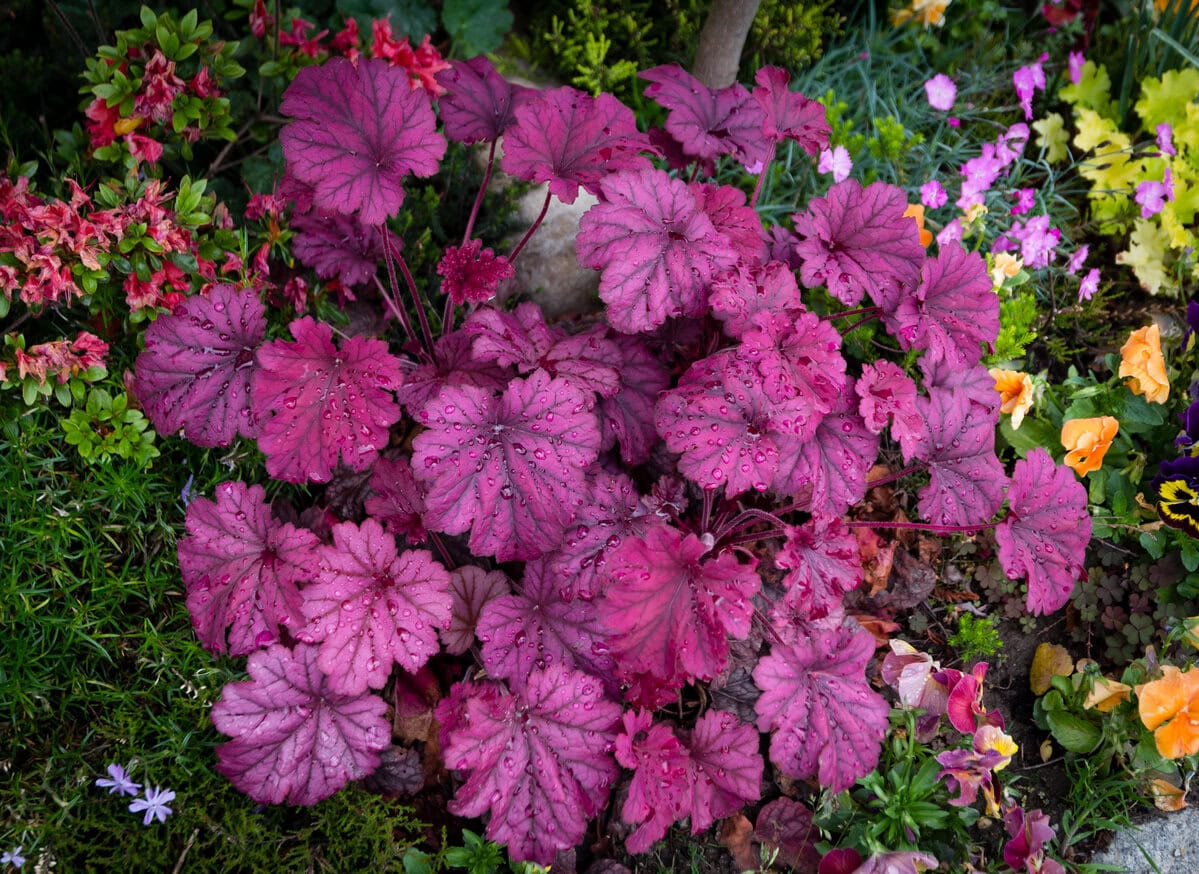
Coral Bells commit a slow-motion gardening crime called heaving. Their crown subtly rises out of the soil on a woody stem over time. It makes them look leggy like 80s models and exposes the roots to winter’s wrath.
When you transplant them, tuck them a few inches deeper than before, to fully protect their crowns.
Quick tip: After transplanting, I always mulch mine with a layer of leaves or compost. It keeps their crowns from heaving during freeze-thaw cycles. Also, don’t let their roots dry for even a few minutes, keep them moist as you move!
For more fall prep inspiration, here’s which perennials to cut back or leave alone before winter.
Dig Like a Diplomat

The success of forced perennial relocation hinges entirely on how quickly their roots settle into their new… digs.
With that in mind, water the original spot heavily a day before you dig. Hydrated roots bend. Dry roots snap. Then, dig wide (at least 12 inches) using a sharp spade to scoop up the entire root ball.
Amend the new spot before planting. Water the freshly moved perennial generously, too, and then immediately cover the area with mulch. And if you’re working on other beds, here’s which shrubs you need to protect before winter hits.
You’ve done your part. Now hope your perennials are smart enough to realize that surviving a forced relocation is far better than continuing to dispute their original poor placement.