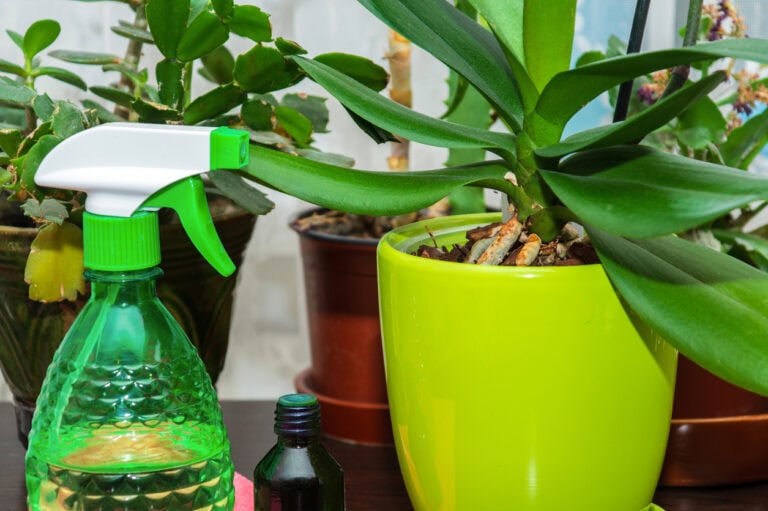
As beautiful and lovely as frost may seem, for the average gardener, it’s definitely something to fear. Frost weakens sensitive plants and freezes their roots, causing mayhem in the garden and rendering any effort put into growing those plants useless.
In today’s article, I’m going to share with you a list of cold-sensitive plants you should bring indoors before frost hits. Let’s take a look at them, shall we?
But, First, Why Bring Plants Indoors? It’s Simple!
Of course, not every plant minds the cold, some blooms actually keep going even when the frost sets in. Here are a few examples of fall-blooming flowers that can handle frost.
How Do I Know When To Bring My Plants Indoors?

As a general rule of thumb, you should start moving your plants indoors when the nighttime temperatures drop any further below 50°F (or 10°C).
It’s also important to check the frost dates in your area beforehand and keep them at the back of your mind when planning anything in the garden.
Remember, your USDA hardiness zone makes a big difference here, gardeners in colder regions (Zones 3 to 6) often need to move plants inside weeks earlier, while those in milder climates (Zones 7 to 9) may have a little more time before frost sets in.
If you’re curious about how zones affect what you can plant and when, check out this guide on flowers you can sow in fall for spring blooms by zone.
Plants To Bring Inside Before Frost Kicks In

1: Geraniums (Pelagornium)

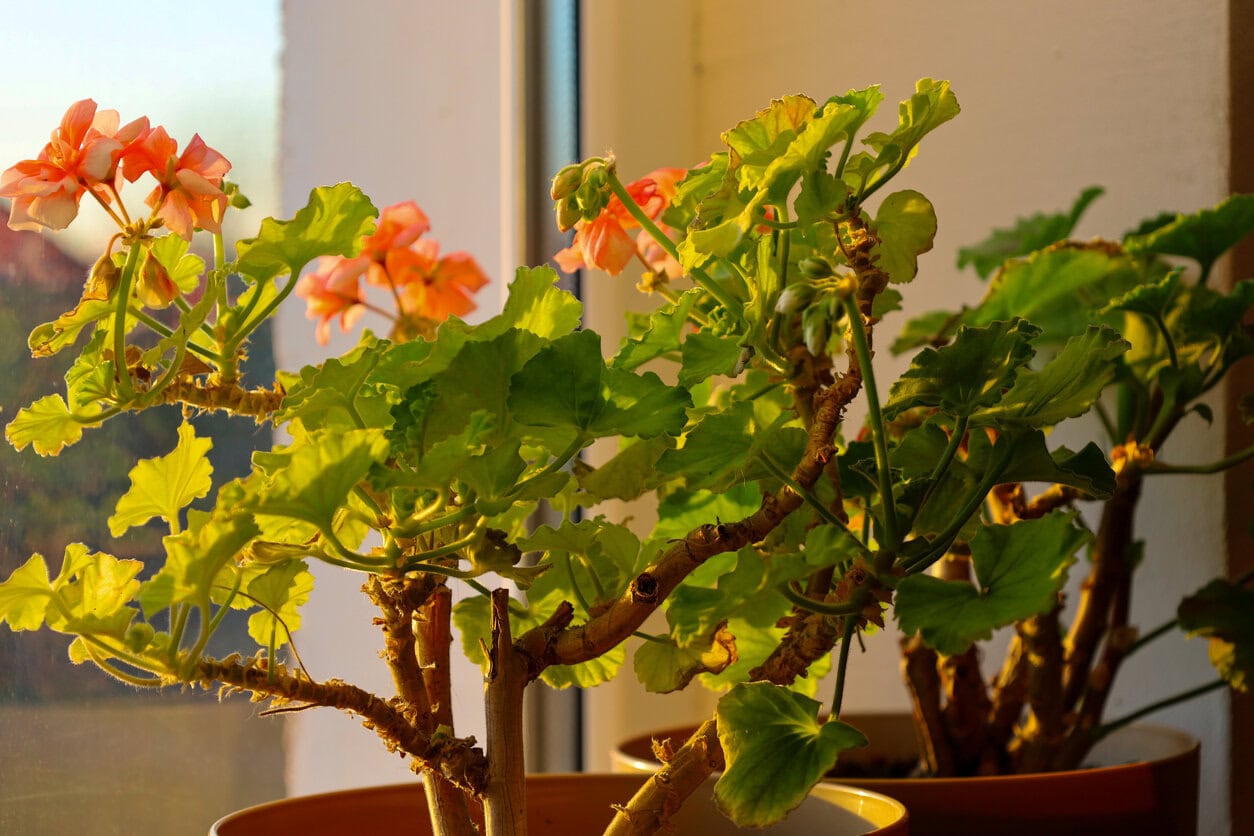
The zonal geranium (or Pelagornium) is a classic summer favorite that, although stunning, does not tolerate frost at all. Grow these in pots and move them indoors before nighttime temperatures drop below the minimum tolerable threshold.
Hardy geraniums, on the other hand, can remain outdoors through winter.
2: Begonias

Both tuberous and fibrous begonia varieties are sensitive to cold. You can either dig their tubers out and store them indoors or move the whole plant inside if it’s potted.
Along with moving tender plants, this is also the moment to look at your vegetables and harvest what you can before the first frost.
3: Hibiscus

Tropical hibiscus varieties typically cannot handle frost. You must place them indoors near a sunny windowsill and reduce watering frequency until growth begins to slow down.
But, hardy hibiscus, on the other hand, can remain outdoors through winter.
4: Coleus
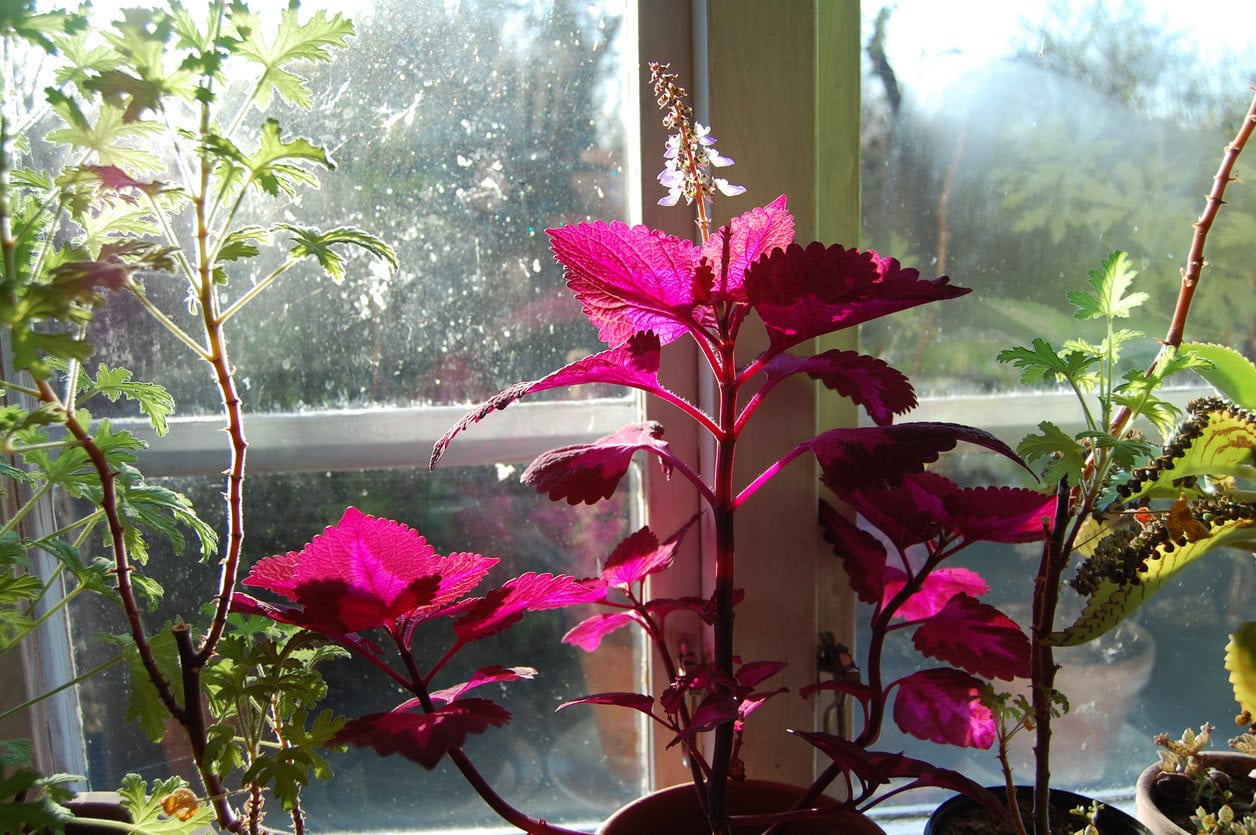
Coleus is primarily known for its vibrant foliage, but it can quickly deteriorate if exposed to prolonged harsh frost. You can either take cuttings or bring the whole coleus plant indoors to protect it from serious damage.
5: Caladiums

These tropical bulbs need to be dug out before frost and stored in a cool, dark place until the time for spring planting comes around.
And while you’re at it, don’t forget those quick pre-fall garden jobs that set you up for spring.
6: Fuchsias

If you’re growing fuchsias in hanging baskets or containers, it’s probably a good idea to bring them inside before frost kicks in full power. Fuchsias can overwinter pretty well if stored in a bright, cool room.
7: Citrus Trees (Lemon, Lime, Orange)

Small potted citrus trees are much more frost-sensitive compared to larger varieties. Ideally, you should move them indoors near a sunny window or place them under grow lights if natural sunlight is insufficient.
8: Herbs

Classic tender herbs like basil will die back at the first sign of frost, so bring them inside early.
Others, such as rosemary, thyme, oregano, parsley, and chives, can adapt well to indoor growing conditions and will keep providing fresh leaves all winter long if given enough light.
9: Succulents & Tender Perennials
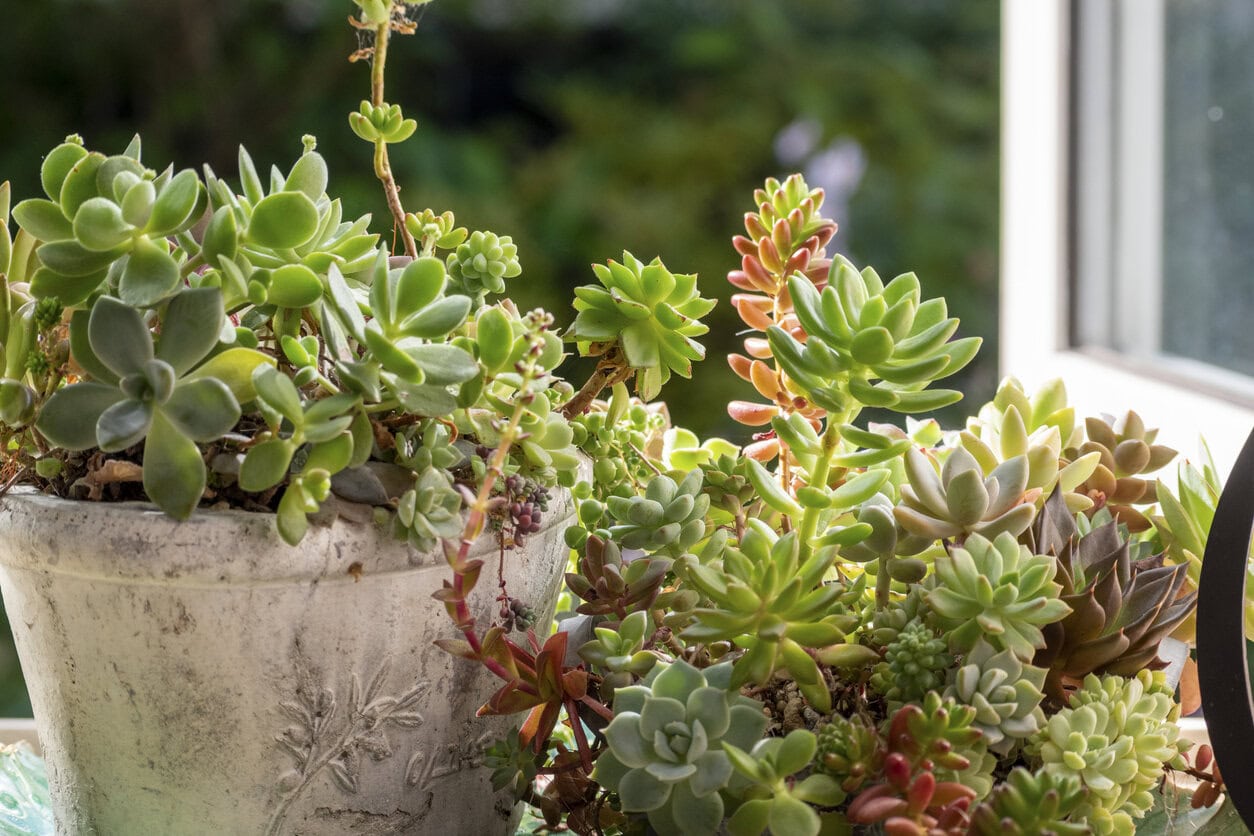
All your classic succulent plants like jade, aloe vera, and other non-hardy succulents need a completely frost-free environment to thrive. Bring these plants in early to protect them from sudden cold shock.
Some plants are best left standing. here are 6 plants you shouldn’t cut back in fall if you love feeding the birds
Where Should I Put My Plants Indoors?

While plant placement mainly depends on you and your indoor environment, my general suggestion would be to place it near a sunny window (south or west-facing) where direct or filtered light hits the plant most during the daytime.
If light is limited for some reason, or you feel it’s unsafe to place the plant near the window, supplement with simple grow lights for 10-12 hours daily.
And if you’re already shifting things around, it’s also a good season to divide perennials in early fall.
Let’s Conclude
As much as I love and enjoy frost and the stunning look it brings to the garden, the truth is that some of my plants definitely do not appreciate frost the same way, and I’ve learned that I must cater to their preferences if I want them to thrive in the long run.
Since the cold season is just around the corner with frost about to kick in soon, it’s time you make yourself aware of the cold reality and take appropriate action. Figure out the frost dates in your area and start moving your plants indoors now!