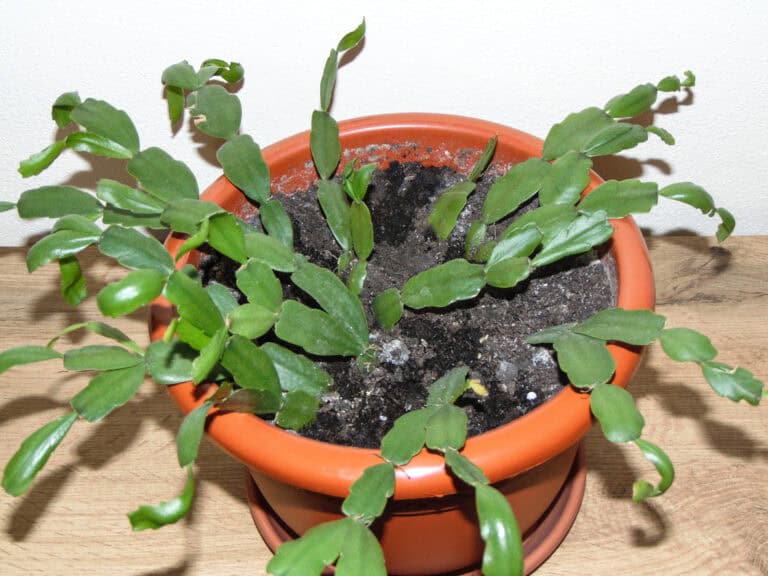
‘Winter is coming’ is one of the phrases that strikes fear into the hearts of gardeners everywhere.
As the first frost signals the inevitable long night of dormancy, most of your flora is landing. But a select dozen refuse to play along.
While lesser plants are packing it in, these twelve botanical Starks are holding the doors (to your garden). Here are the plants that remember what it takes to survive when the frost sets in.
Late-Season Mainstays for Lasting Color

Every fall garden has its legends. These are the last ones standing, and they want you to know it.
And while most of your summer bloomers are winding down, it’s actually a great time to plant a few spring stunners. Here are 11 flowers to plant in September that will reward you with a breathtaking spring display.
Chrysanthemums:

The undisputed champs of the fall garden in zones 4–9, chrysanthemums are what happens when a plant decides a season isn’t long enough.
They come in a ridiculous number of colors and shapes, and their main hobby is just blooming, blooming, and then blooming some more. They are the model “highly frost-tolerant” plant, which is gardener lingo for “this flower has no sense of the concept of winter.”
Tip: If your mums are getting leggy, pinch them lightly in early September. This encourages bushier growth and a flush of buds before frost hits.
Asters (New England Aster):

Asters are for gardeners in zones 3–8 who appreciate commitment. They don’t mess around. Instead, they produce a sea of deep purple, pink, or white blooms that last far into the fall.
They are also a critical last-call bar for every pollinator who needs a final drink before winter.
Tip: Add a layer of mulch around the base to help stabilize soil temps and keep roots happy as the nights cool down.
Sedum (Autumn Joy):

Sedum, just like wine, gets better with age. It starts out a respectable pink, but as the season cools down, its flowers transform into a stunning rust color.
Not only does it thrive through frost in zones 3–9, but it also looks fantastic frozen solid! It becomes the most attractive art piece you can get for exactly zero dollars and zero effort.
Bonus: Many of these hardy perennials can also be divided in early fall to multiply your color show next year. Here are the best perennials to divide in the early fall.
Goldenrod (Solidago):
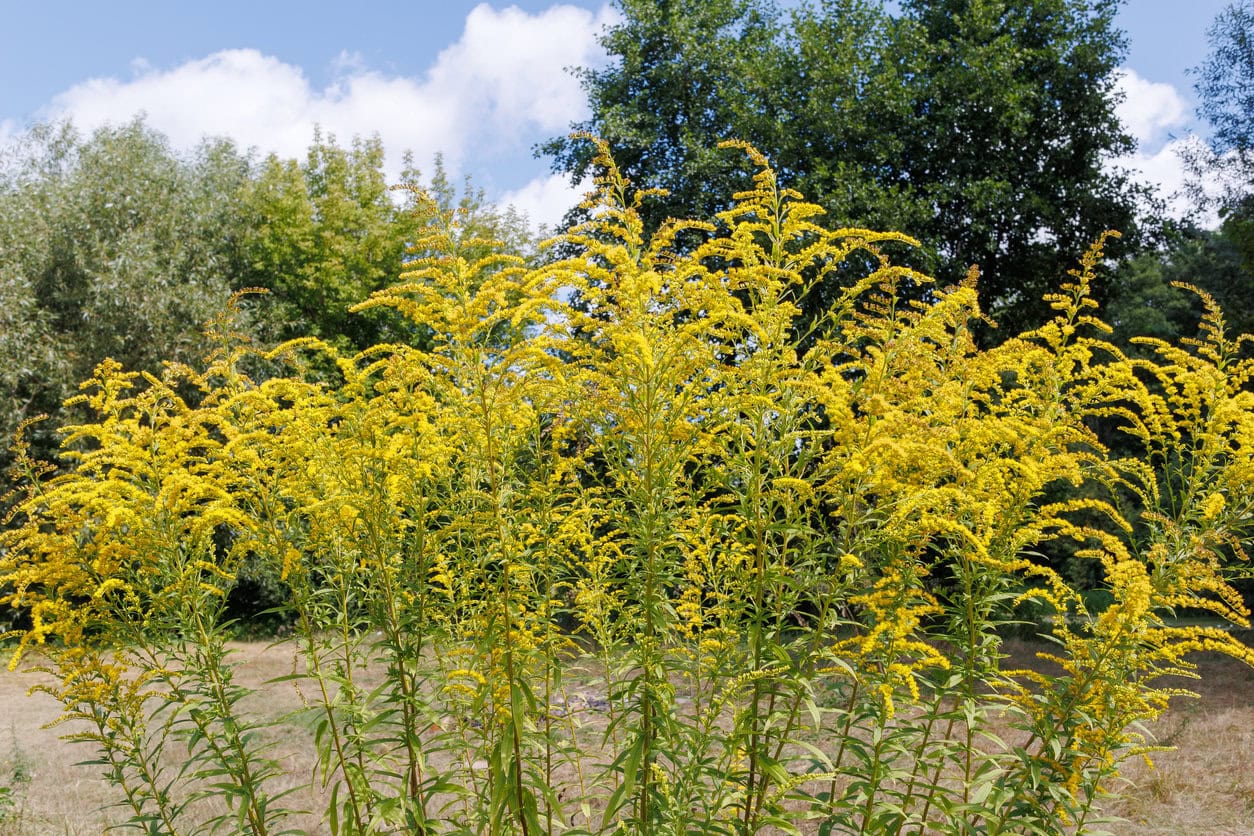
This is one of the most unfairly maligned fall garden stars. Unfortunately, most people blame it for allergies (that’s usually ragweed’s fault).
Despite it, it lights up the landscapes across zones 3–9 with its plumes of bright yellow flowers, attracting every pollinator in a two-mile radius. And equally important, they also provide a much-needed burst of sunshine right up until the first frost.
Unique Textures and Blooms for Cooler Weather

They’re the sculptors, the anti-basic blooms of the fall doing their own thing, and your garden is all the more interesting because of it.
Russian Sage (Perovskia):

This is the fall garden’s cool, calm, and collected comrade. Russian Sage’s hazy, lavender-blue blooms and silver foliage start looking great in summer and then just maintain their rich color even as the temperature drops throughout zones 4–9.
In most gardens, a cold front gets the plants. For Russian Sage, the plants get the cold front.
Black-eyed Susan (Rudbeckia hirta):
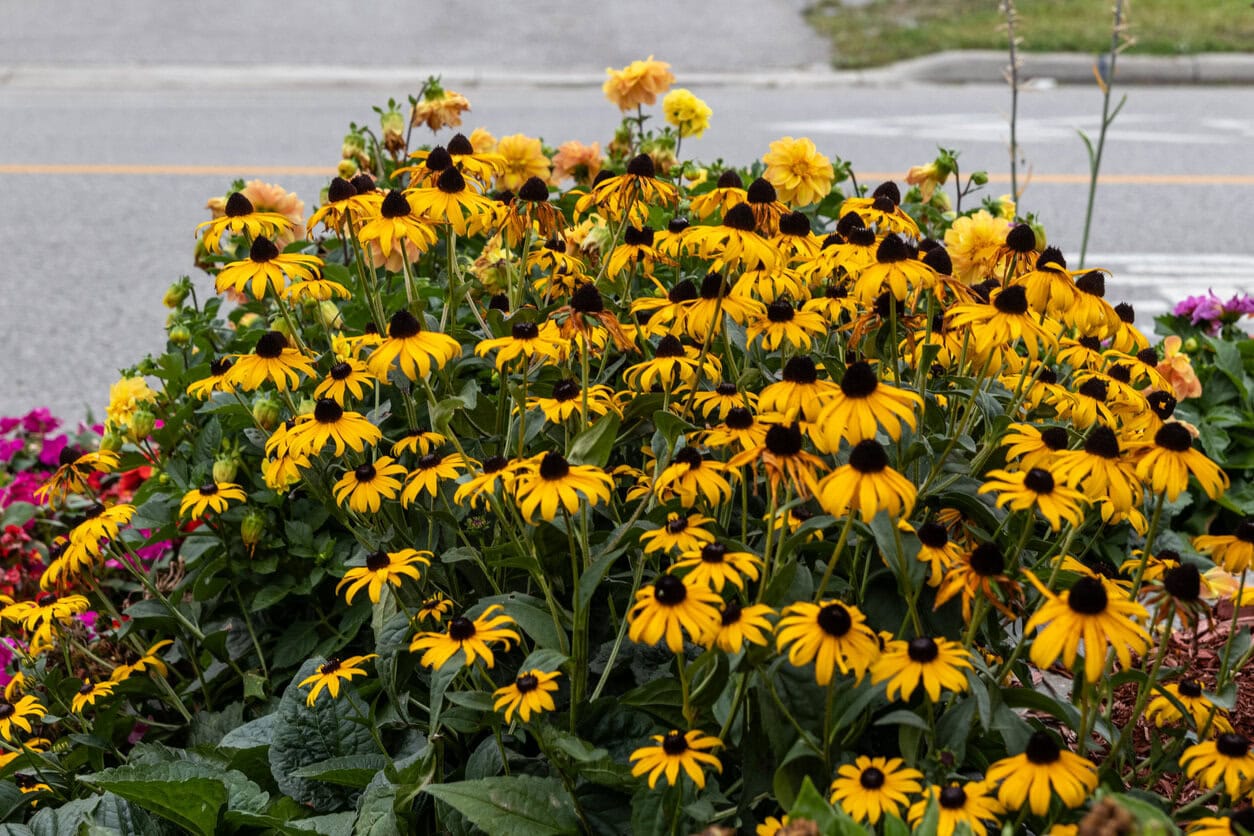
Its upbeat yellow blooms are a mood booster that, luckily for us, can’t read the thermometer. Black-eyed Susans are shockingly tough!
They can give lessons in shrugging off chilly nights and providing a dose of pure optimism long after the more delicate flowers in zones 3–9 have succumbed to seasonal depression.
Tip: Keep deadheading throughout early fall to stretch the bloom season, then leave the last few seed heads for the birds to enjoy through winter.
Not sure what to snip and what to leave for the birds? This September deadheading guide breaks it all down with examples of what to deadhead and what to skip.
Coneflowers (Echinacea):

Some plants are all beauty. Coneflowers, however, are all style and substance even after the frost hits. In zones 3–9, they bravely persist into the fall, not just for their robust flowers, but for the seed heads they leave behind.
Turns out, their hat style, worthy of the British upper crust, can also double as a vital snack for local birds.
Tip: Remove spent blooms in September to keep the show going, then let the final flowers go to seed. Birds will snack on them all winter long.
Helenium (Sneezeweed):
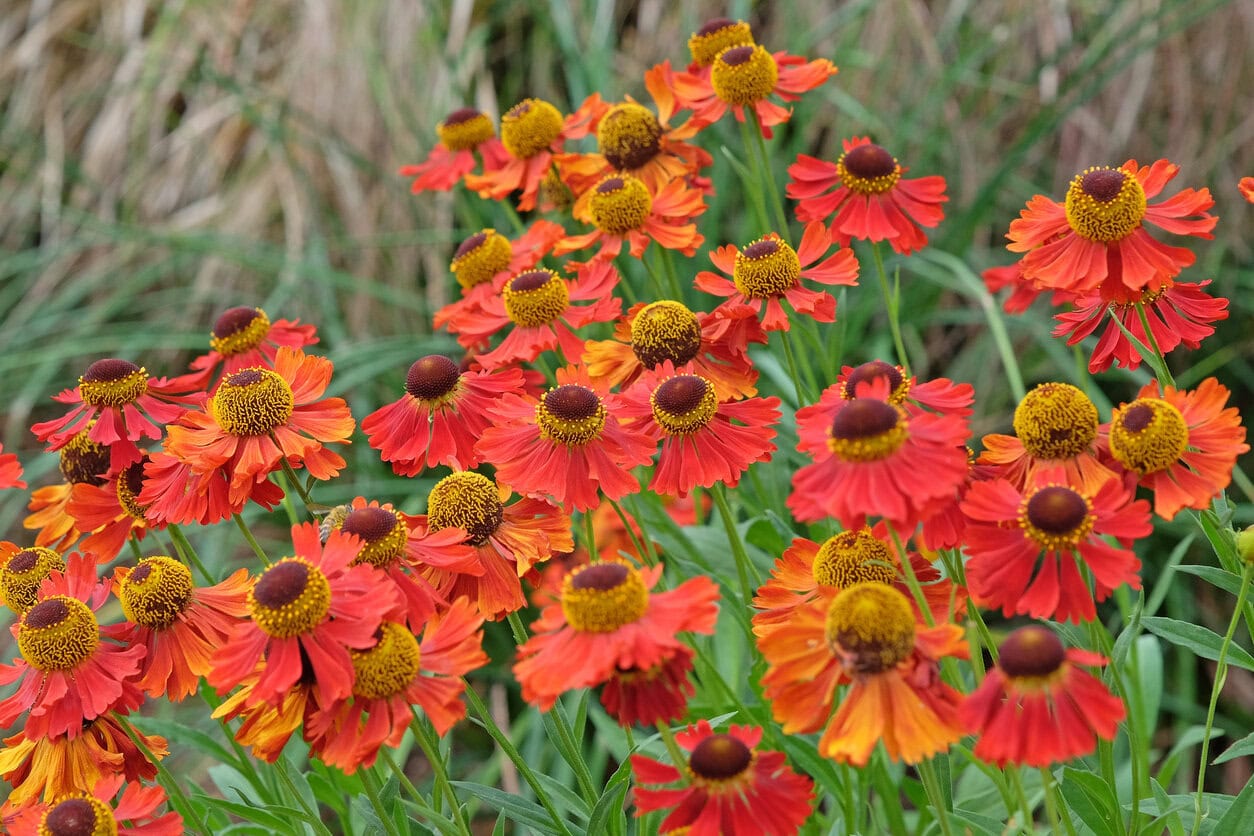
Helenium is a non-allergenic flower element found in zones 3–8 that undergoes a stunning chromatic reaction as temperatures drop. When others fade, it ignites into brilliant reds, oranges, and yellows.
But its most notable property is a unique frost-tolerance which allows it to remain stable and performs reliably.
Annuals and Perennials That Go the Extra Mile
If you’re among gardeners looking to truly push the boundaries of the season, these flowers are cold-hardy annuals and tenacious perennials that continue to bloom well past the first few frosts.
Quick tip: A light dose of low-nitrogen fertilizer in early fall can give blooming annuals one last push before frost settles in.
Pansies:

Pansies are the garden’s relentlessly optimistic minions that arrive in zones 6-9 in the fall, armed with a singular mission: to bloom. Their numerous, smiling faces are a welcome sight as the weather turns, and are perfect for fall planting. These cold-tolerant annuals are bananas for cold weather.
Anemones (Japanese Anemone):

With their graceful pink or white blooms, Japanese Anemones anime-tedly handle the crisp autumn air across zones 4–8. Unlike many flowers that fade away with the approaching chill, anemones can always manga-e time to bloom.
Sweet Alyssum:

Alyssum is the garden’s unofficial cheerleader with its pom-pom-like flowers always on the sidelines. It’s a low-growing annual that blooms continually through fall frosts in zones 7–11.
Its good attitude also comes with a sweet perfume, because a good cheerleader always smells victory. And a cold snap won’t send it running for the locker room either.
Tip: Lightly shear faded blooms mid-season to encourage fresh new growth and extend the flowering into late fall.
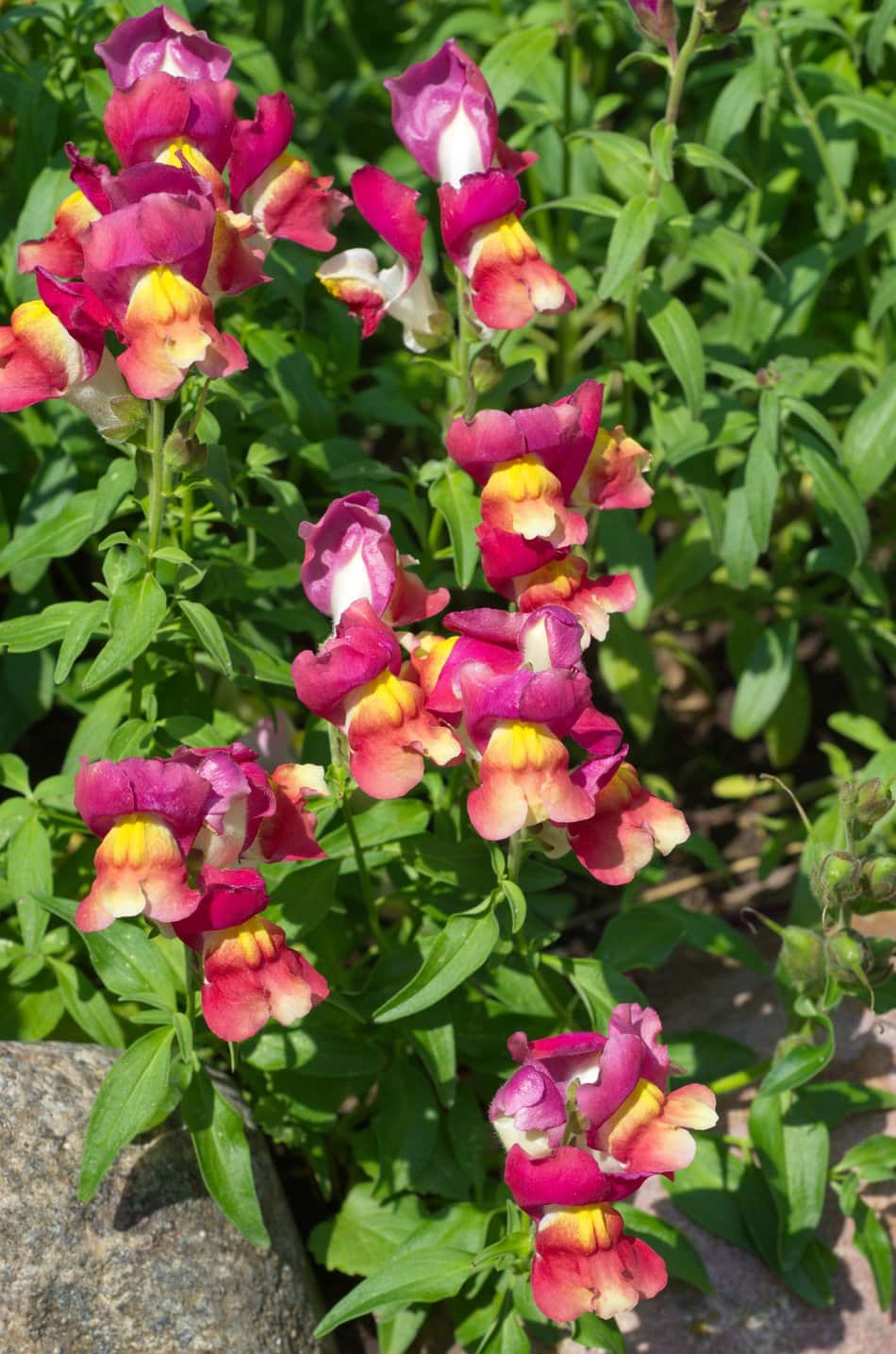
Snapdragons:

Always ready to snap into action in zones 7–10, they bloom so attractively that you just have to snap a picture. They’re quick to bloom and even quicker to mock the cold. At least until the first heavy frost.
The garden itself may not be able to breathe fire, but these delightful flowers bring the heat, just to show the winter bully who’s boss.
Tip: Move pots closer to the house or under a porch if heavy rain or frost is coming, sheltered flowers bloom longer and stay upright.
And if you’re wondering which plants benefit from a fall trim versus which should be left untouched, this pruning guide for September has your back.
Winter is Coming, And They’re Ready

Want even more color next fall? Start these fall-blooming flowers in August or September and extend your garden’s bloom season year after year.
The typical gardening story ends with the first frost, but your garden doesn’t have to follow that tired script.
While other gardens are just a distant memory, yours will have the plants that have been forged in the cold.
You paid for a full season, and these plants are here to make sure you get your money’s worth, and then some. So don’t pull up the welcome mat just yet, these fall stars are still strutting their stuff.