April showers may bring May flowers, but who has time for high-maintenance plants? As the legendary, Sweet Brown once said, “ain’t nobody got time for that.” So, what do we want? Big flowers. When do we want them? Before you can say USDA.
If you’re looking for even more seeds you can plant right now, we also wrote a guide on direct-sow flowers you can plant outside in April.
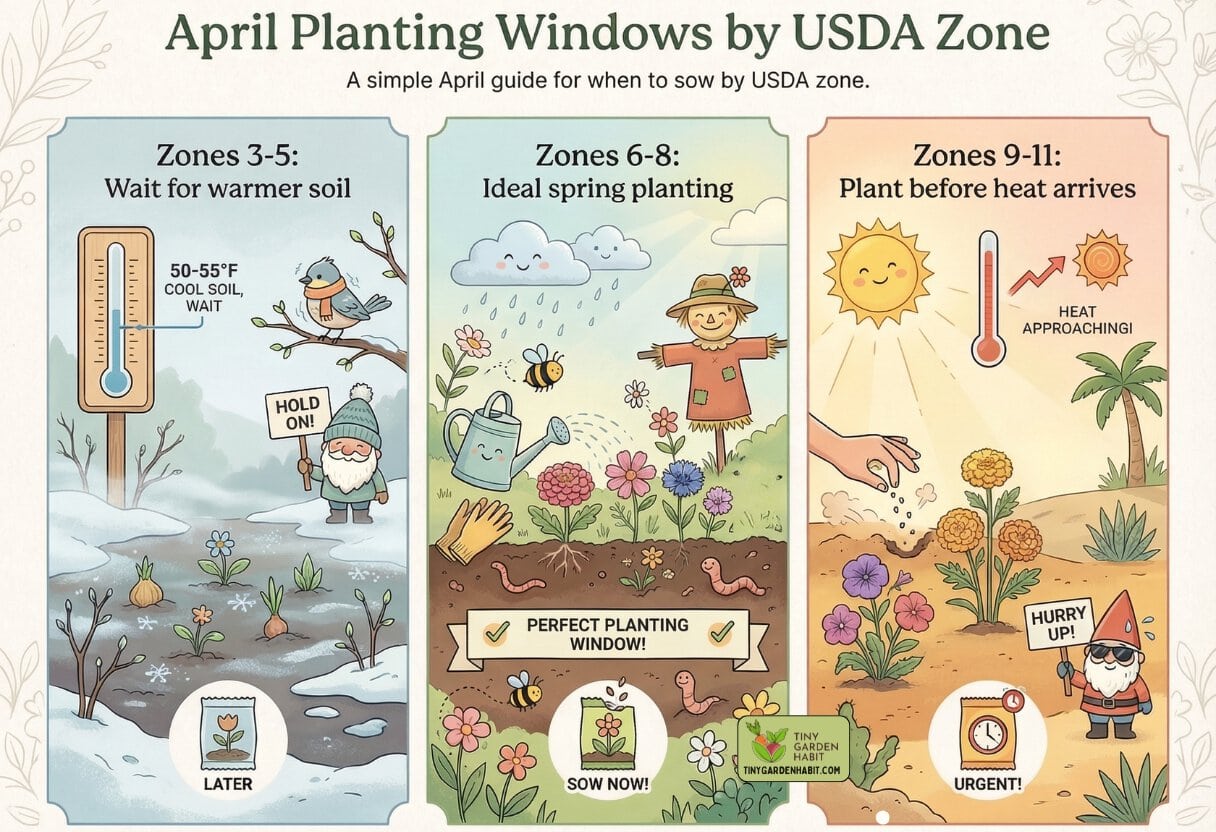
Through the USDA Lens
Fast Growing Big Bloomers

Not all zones operate on the same bandwidth, and not all flowers have fast connections. If your local climate feels like dial-up while a rival yard is streaming in 4K, you need plants that skip buffering and satisfy the criteria for:
Every single flower here behaves itself perfectly as none of them are considered invasive or aggressive spreaders, because life’s too short for plants that try to take over the garden.
1: California Poppy (USDA Zones 6-10)

Watch the petals on these orange cups closely as evening approaches; they snap shut like a shy secret the moment the sun dips. You can toss these seeds across your driest, sunniest patches of soil and expect a full show in about 55 days.
Once the soil hits 60°F, these golden beauties hit a growth spurt that requires zero intervention.
Quick tip: They possess a stubborn taproot that hates being moved, so scatter them exactly where you want them to stay.
If you enjoy flowers that basically take care of themselves, we also wrote an article about native wildflowers that practically grow themselves.
2: Gaillardia Pulchella (USDA Zones 3-10)
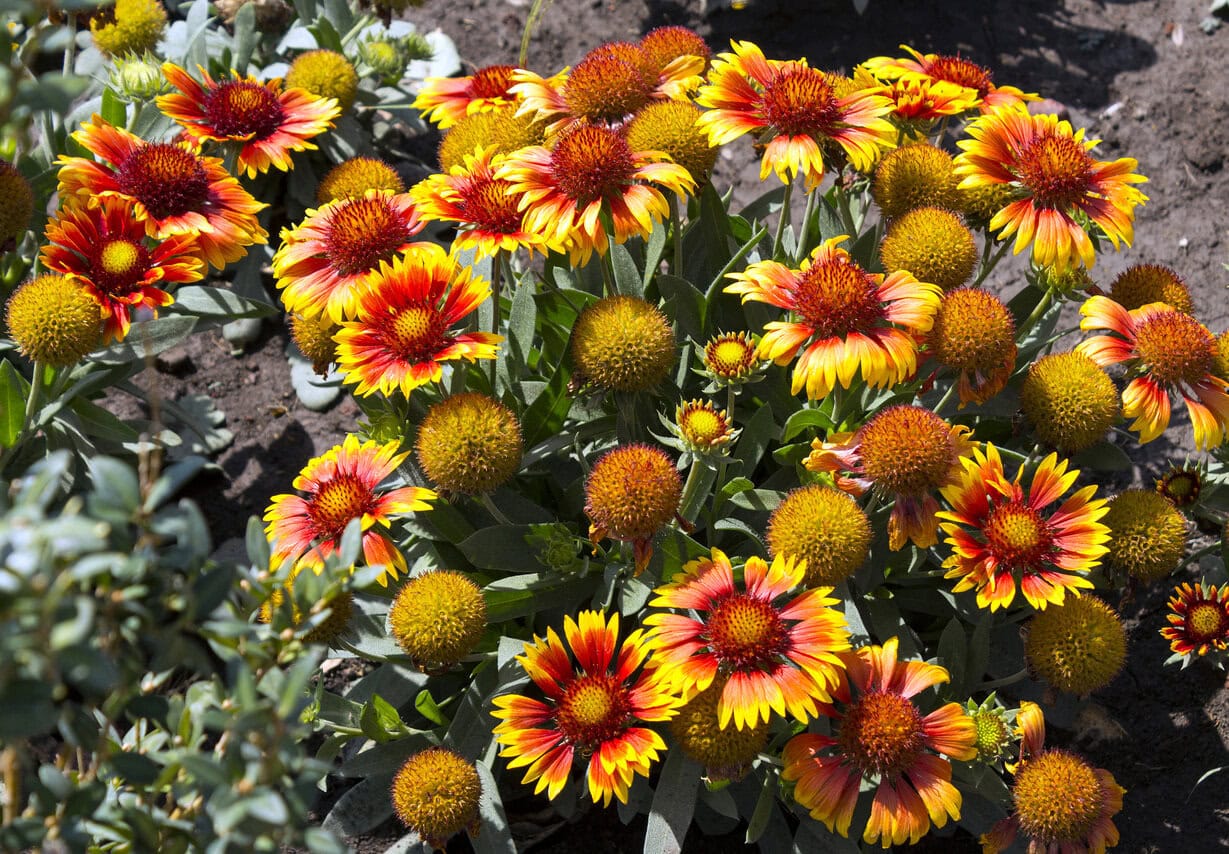
Birds will eventually treat your garden like an a-maize-ing diner it is once the seed heads on this plant dry out. Before that feast, you get a riot of red and yellow wheels that start spinning in about 50 days.
July afternoons won’t scorch this hardy plant, even if your soil is mostly rocks and dust.
Quick tip: You simply need to clear out the old blooms to trigger another round of flowers.
3: Annual Phlox (USDA Zones 4-10)
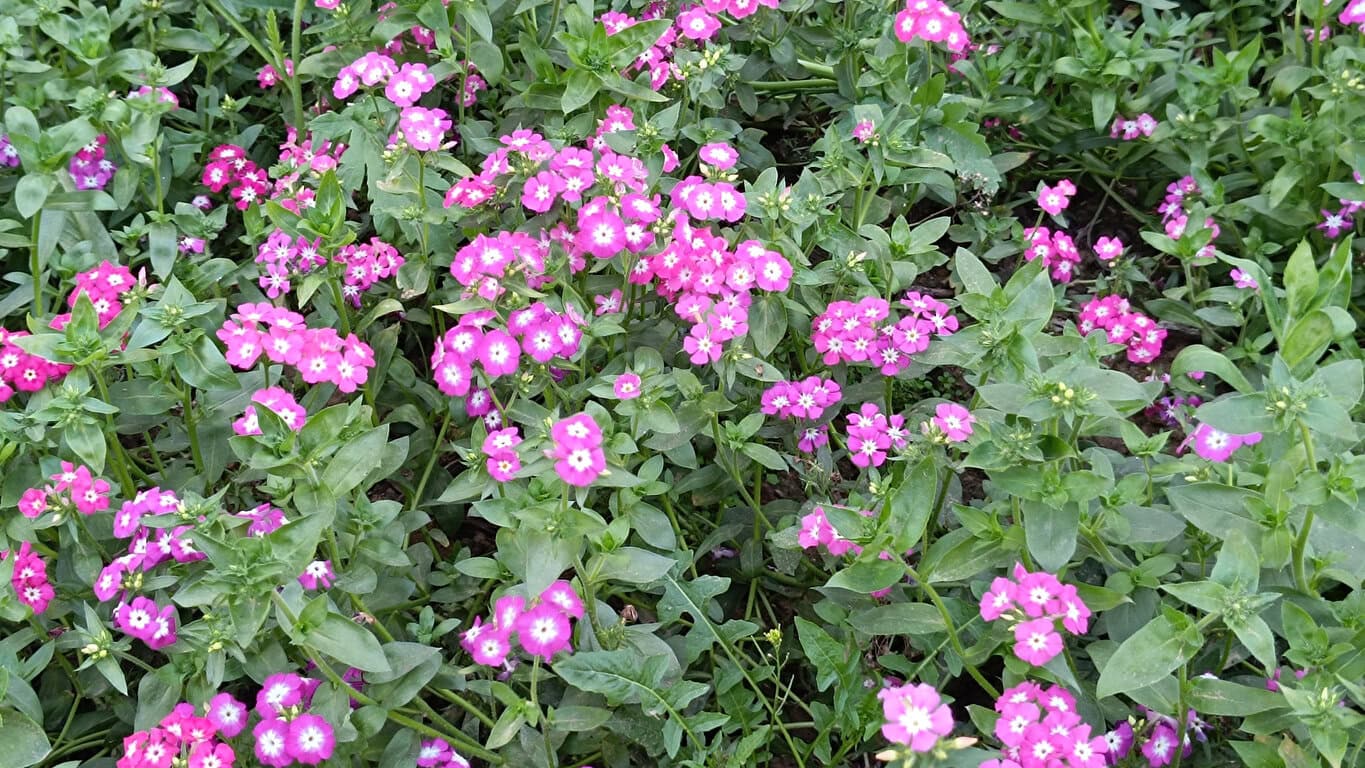
Butterflies find the vanilla-cake fragrance of this Texas native absolutely irresistible. It creates a dense, neon carpet across your bare ground, often reaching full maturity in about 50 days.
Do not be surprised if it fades during a heatwave; it usually drops enough seed to guarantee a colorful return when spring rolls around again.
Quick tip: Since it stays low to the earth, you should use it to anchor the front of a flower bed where its clusters can shine.
If you love fast color like this, we explain more options in our guide on fast-blooming flowers that burst into color in under 60 days.
4: Lemon Bee Balm (USDA Zones 4-10)

I once rubbed a handful of these leaves on my arms during weeding, and the citrus scent stayed with me longer than my morning coffee. That’s not its only benefit, though.
If you’re planting it, you’re essentially installing a tiered purple pagoda of blooms that reaches full tilt in about 60 days.
Quick tip: It will thrive in the neglected corners of your property where the soil is mostly gravel, as long as the spot is sunny.
If you’re trying to attract more butterflies, we also wrote an article about flowers that thrive in containers and attract butterflies.
5: Plains Coreopsis (USDA Zones 3-10)

Because the stems stay thin and wiry, these mahogany and yellow flowers seem to hover above the foliage in the breeze. This hardy annual germinates so quickly that you will see blossoms in about 45 days.
Quick tip: You should scatter these seeds in a sunny spot where they can mass together for the best visual impact. A bonus? It requires almost zero maintenance.
If you’re also looking for flowers that start the show early in the season, we wrote another guide on perennials that wake up first in spring.
6: Common Sunflower (USDA Zones 2-11)

You might actually hear the stalks creaking as these giants stretch toward the clouds during a growth spurt. They begin blooming in about 70 days and function as natural skyscrapers, shading out smaller plants that cannot handle the direct sun.
Support those dinner-plate blossoms with a sturdy stake if your yard faces punishing gusts. Your reward will arrive in late summer when goldfinches come in droves to harvest the bounty you’ve grown.
Quick tip: Plant sunflower seeds directly in the ground instead of starting them in pots. Their roots grow fast and deep, and they hate being transplanted.
If you want to bring even more birds and pollinators into your yard, we also explain how in our article about flowers that attract birds and butterflies naturally.
7: Sulfur Cosmos (USDA Zones 3-10)

Forget the fertilizer with this one; too much food results in a forest of green leaves with zero orange stars to show for it. This tough, heat-loving flower performs flawlessly across most of the U.S., usually popping its first blossoms in about 50 days.
Quick tip: You should consider this the ultimate shortcut for a high-impact yard without the grueling labor. Its airy, lacy foliage provides an essential stylistic break from the wider leaves in your collection.
8: Partridge Pea (USDA Zones 3-9)

Its fascinating foliage sets it apart, as the fern-like leaves often fold up when you touch them. It pulls nitrogen directly from the air to fuel its own frantic growth, leading to yellow blossoms in 45 to 50 days.
It serves as a critical host for several sulfur butterflies, making it more than just a pretty face in your flower bed. These plants are hardworking residents that actually improve your soil quality.
Quick tip: Partridge pea seeds have a tough coating. Soaking them in warm water overnight helps them sprout faster.
9: Clasping Coneflower (USDA Zones 3-9)
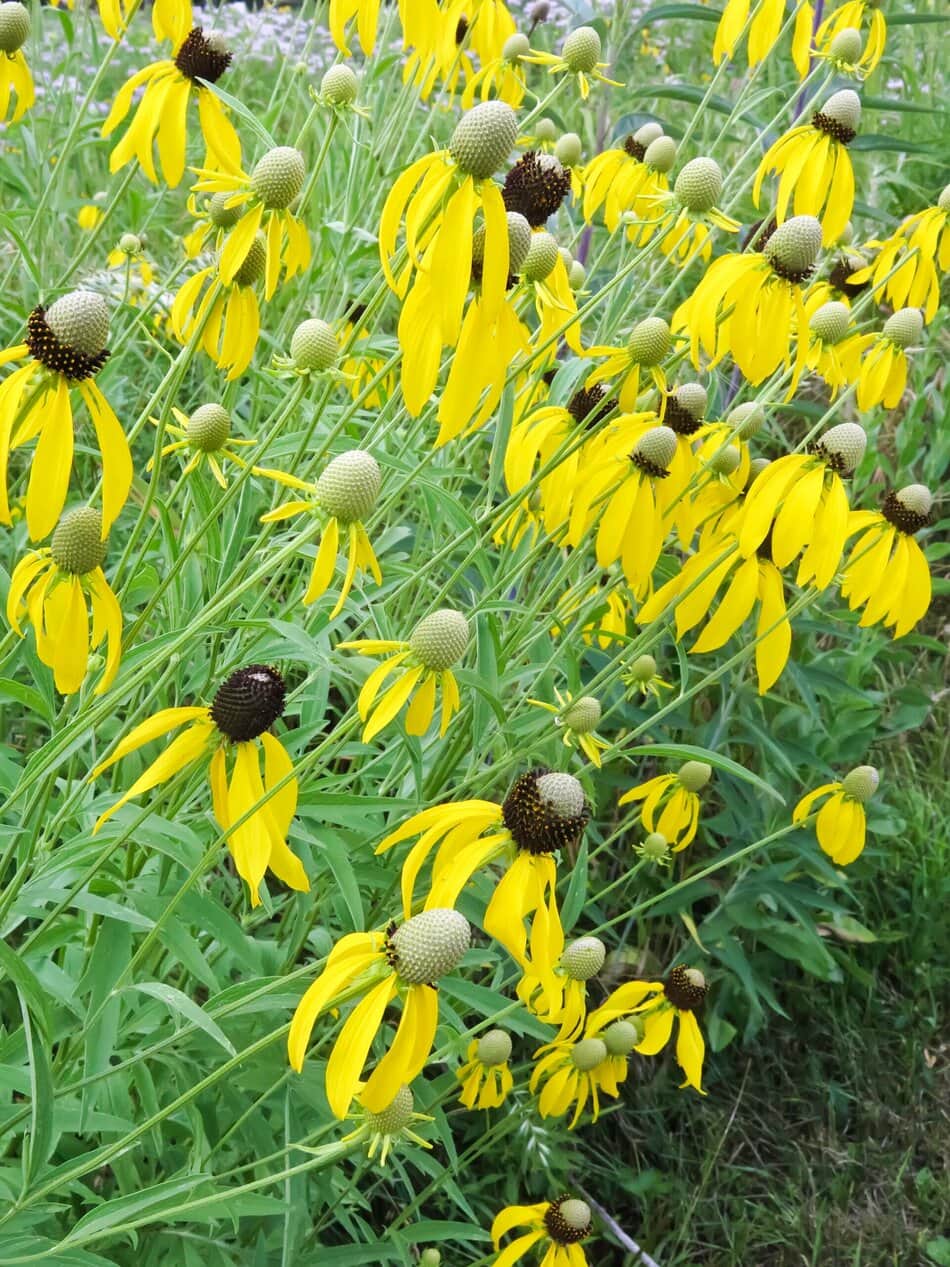
The leaves on this species wrap snugly around the central stem, which is how the plant got its name. It is a hero that handles moist spots better than most wildflowers, welcoming slightly damp soil like a paid-off student loan.
You will see drooping petals circle a tall cone in about 60 days, creating a vertical look that persists long after the color fades.
Quick tip: Give clasping coneflower a little breathing room. Sow them spaced about 12-18 inches apart, it helps the tall stems stay stronger and the blooms stand out more.
If you enjoy coneflowers, we explain everything about them in our guide on growing and caring for coneflowers.
10: Black-Eyed Susan (USDA Zones 3-9)
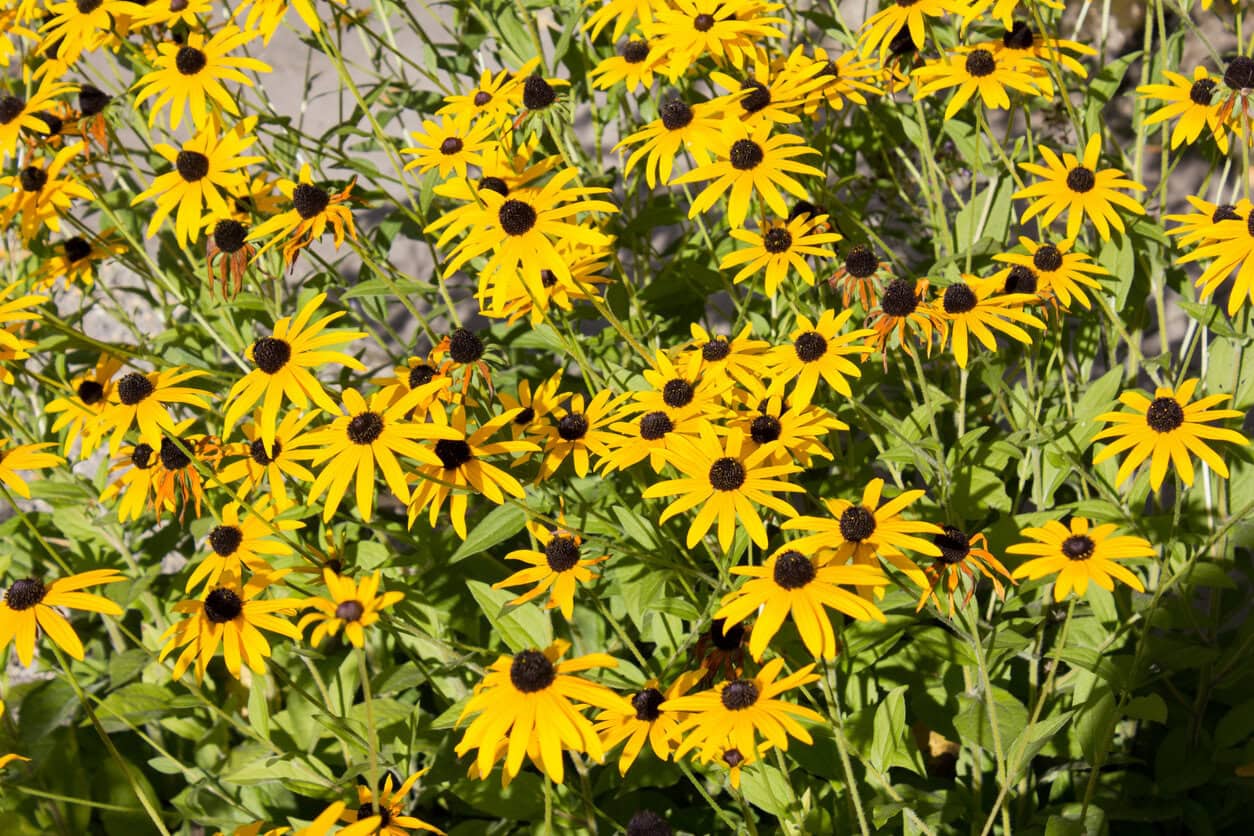
This version ignores the typical perennial nap and rushes to bloom in about 65 days. It provides that classic, sturdy prairie look that anchors the landscape with golden petals and dark, ink-spot centers.
Quick tip: Since it has a high tolerance for the cold, you can get these seeds into the soil the moment the hard frost clears your area.
11: Showy Tickseed (USDA Zones 3-9)

Stick it in a sunny spot with decent drainage and stand back. This native grows fast, throws out bright blooms in about 65 days, and fills in so densely that weeds start looking for easier real estate.
Quick tip: If you want longer blooms, snip off faded flowers every week or two. A quick trim encourages the plant to keep producing fresh color.
April’s Coming. Sow What?

Want to show the planet some love without having to write a giant check? April is the now-or-never deadline, so scatter, stomp, water, and gloat.