
While coneflowers are some of the most popular flowers out there, they can be a pain in the bum to grow and maintain properly. As a matter of fact, the most common queries we get in our Facebook community are regarding coneflowers.
In today’s article, I’ll simplify this hardy perennial for you and share tried-and-tested tips that actually make a difference when growing coneflowers. Without wasting any more time, let’s dive straight into it!
Is It Difficult To Care For Coneflowers?

Well… yes… and no…
I’m someone who’s of the opinion that nothing is difficult or “challenging” if you’re truly passionate about it. Because I like garden work and actually enjoy it, caring for coneflowers is super simple and easy for me.
That said, if you’re doing this as a chore, you might find coneflowers a little stubborn and hard to get the hang of, especially compared to other low-maintenance flowers.
How Long Do Coneflowers Live?

Most Echinacea varieties live about 3-5 years, but with excellent care, some can thrive for up to a decade!
However, you must provide them with the right growing conditions and fulfill their constant needs to keep them healthy for so long.
Timely watering, pruning, fertilization, and division are all factors that matter for achieving vigorous, long-lasting coneflowers.
Expert Tips For Growing & Caring For Coneflowers

Here are the care practices that have worked best for me over the years.
1: Give Them Plenty of Sunlight

Keep your coneflowers in full sun. This perennial thrives with 6-8 hours of daily sun exposure. Less sunlight directly relates to fewer blooms. They’ll tolerate a bit of afternoon shade, but full sun really brings out the most vibrant flowers.
If you’re working on improving other full-sun bloomers, here are some great tips for marigolds that love sunshine just as much.
2: Choose the Right Soil
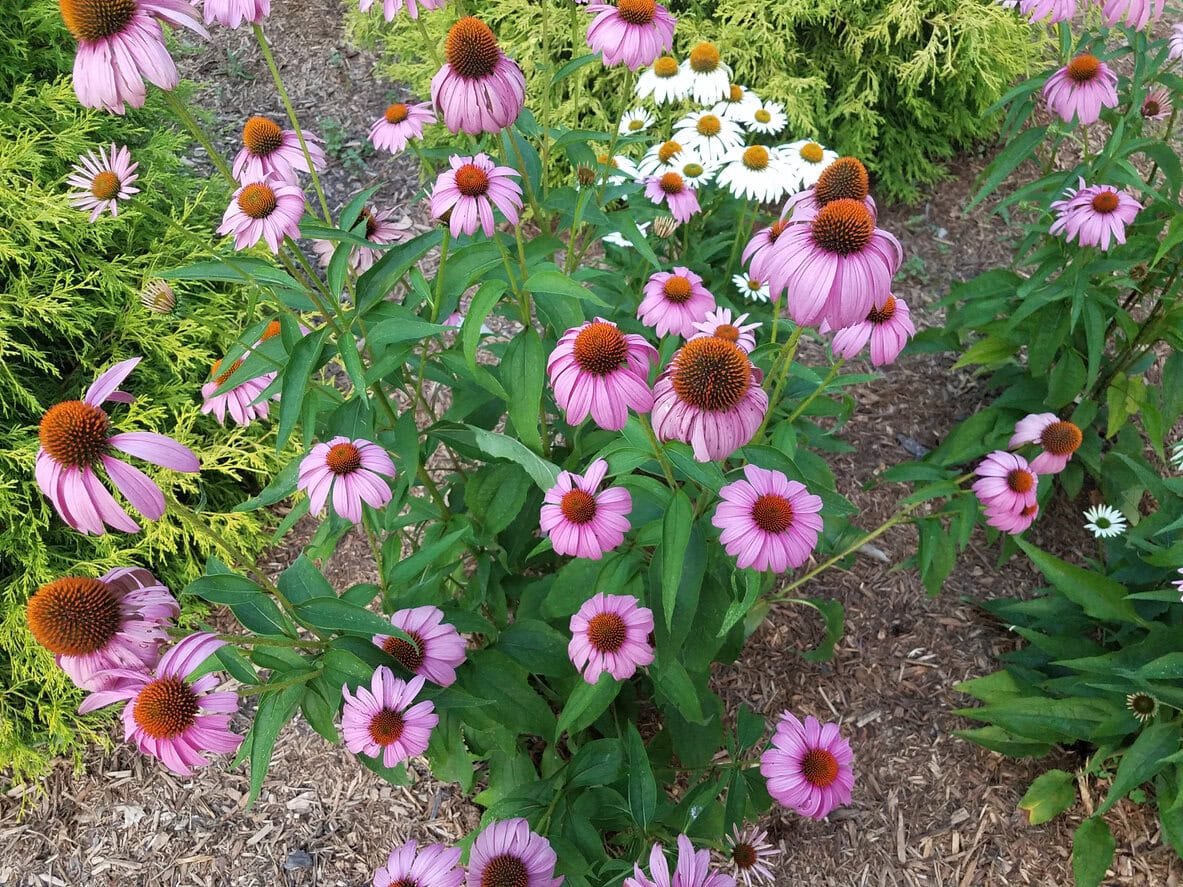
Choose well-drained soil for planting your coneflowers. They hate soggy roots and standing water. A sandy or loamy soil that drains well is ideal.
They also prefer neutral to slightly acidic soil (around pH 6.0-7.0), which helps them absorb nutrients more efficiently.
3: Don’t Crowd Them
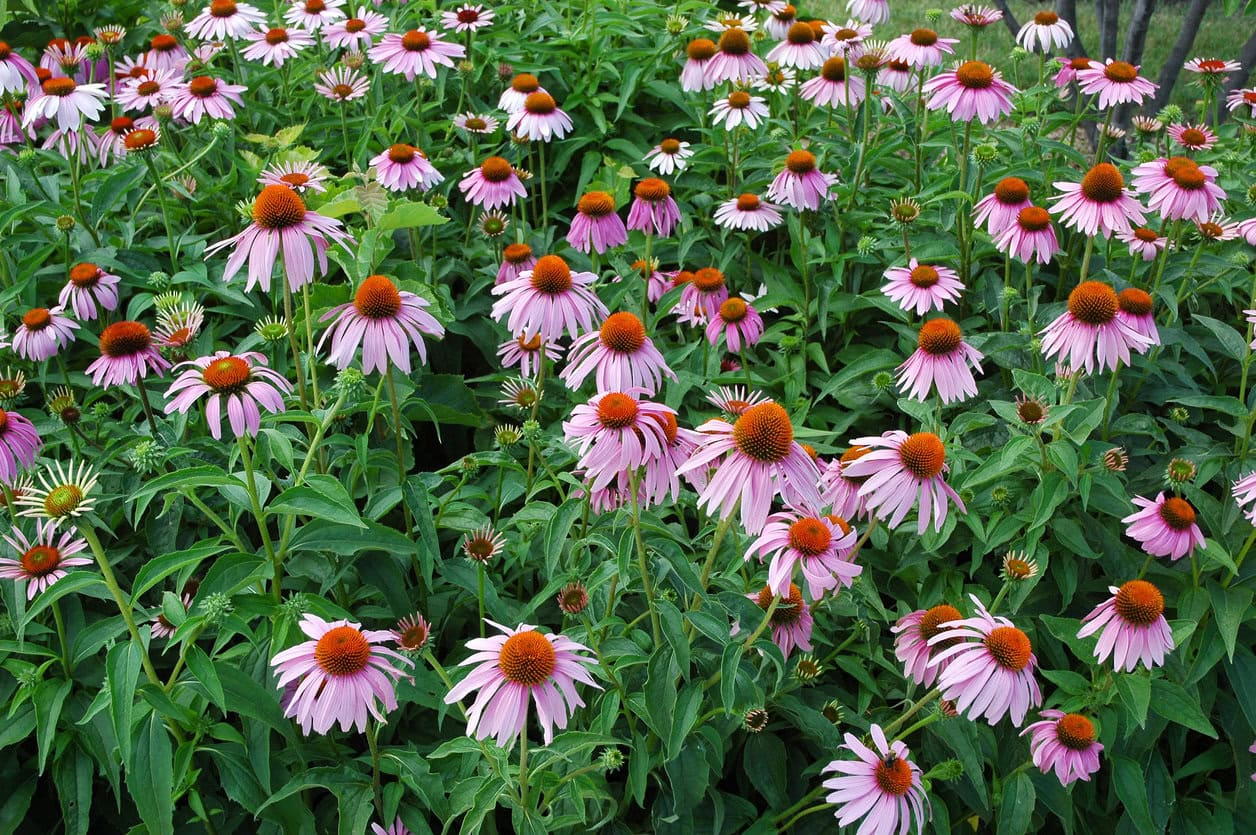
Space out your coneflowers properly. A good 18-24 inches of space between plants is ideal to avoid overcrowding and suffocation.
4: Water Deeply, Not Constantly

Try to water your coneflowers deeply but infrequently. This means you keep the watering sessions per week low, but water thoroughly every time to ensure the plant is deeply hydrated.
During dry spells, watering once a week is usually enough, just make sure the top few inches of soil dry out in between.
5: Go Easy on Fertilizer

Avoid overfeeding coneflowers with heavy fertilizers. While you might get slightly taller stems with an extra couple of doses, they’ll be weak and floppy, which you obviously don’t want.
A thin layer of compost in spring provides all the nutrients they need for the season.
6: Deadhead for More Blooms
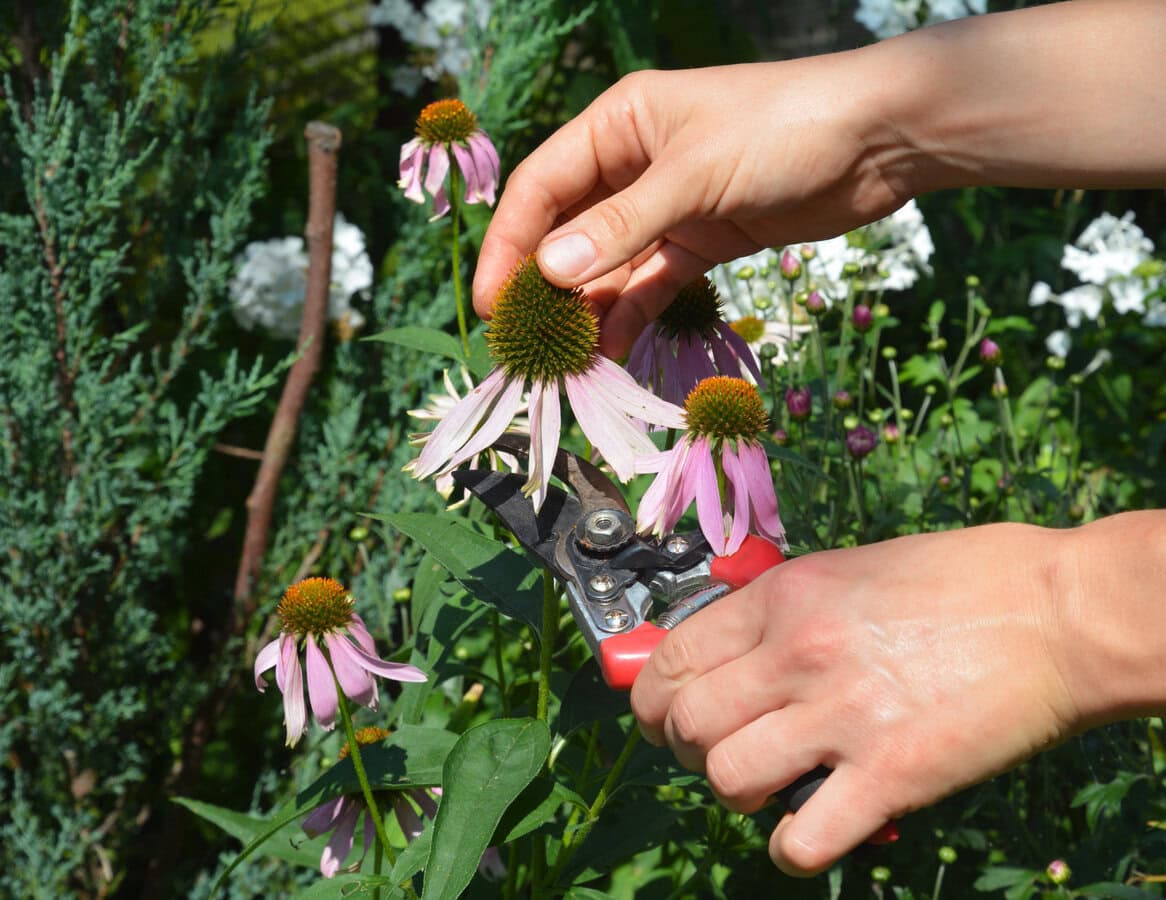
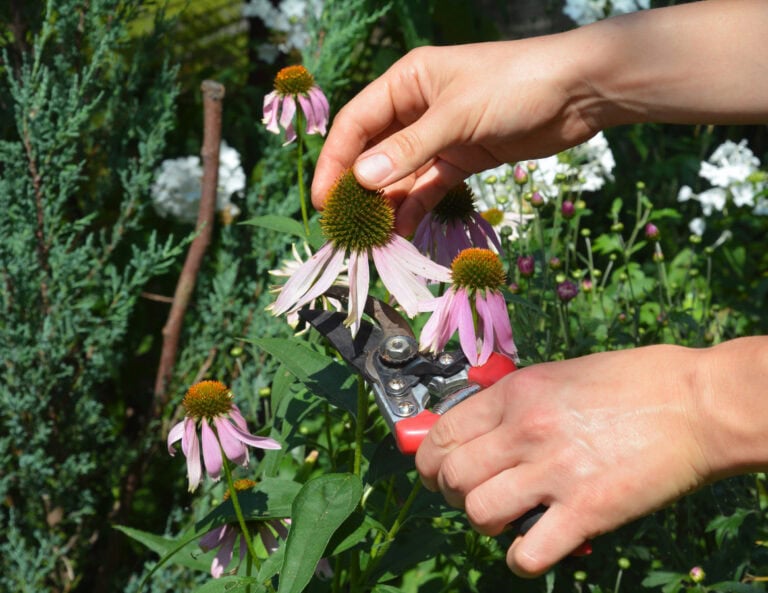
After the coneflowers are done blooming, remove the spent flowers to potentially trigger a new flush of blooms and extend blooming into late summer.
If you’d like a step-by-step guide, here’s exactly how to deadhead coneflowers without damaging next year’s growth.
7: Divide Every Few Years
Divide coneflower clumps every 3-4 years to keep the perennials multiplying and growing vigorously.
If you love dividing perennials, here are more plants to divide in the fall while the soil is still workable.
8: Keep an Eye Out for Pests and Disease
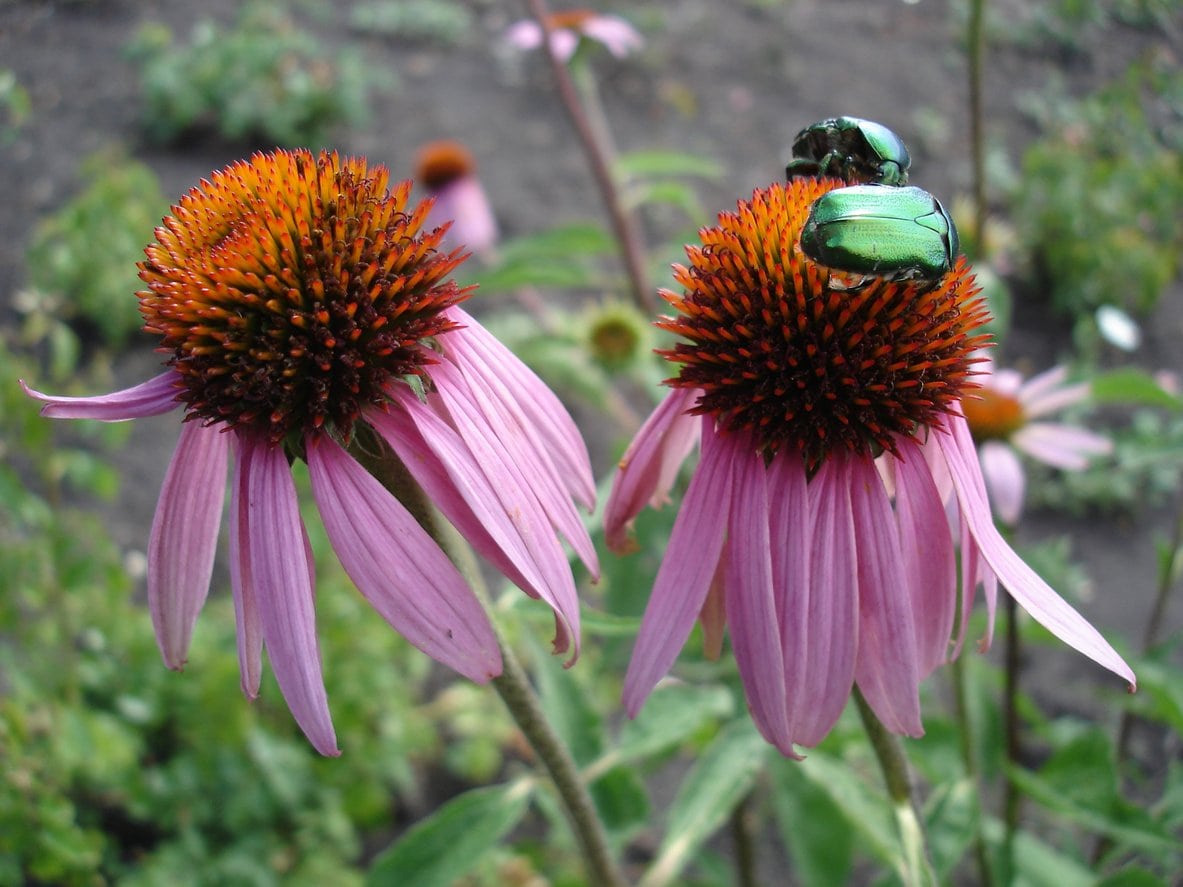
Watch out for common pests and insects like aphids and Japanese beetles. Unfortunately, coneflowers are also susceptible to fungal problems like powdery mildew, so you may have to use prevention methods like neem oil spray if needed.
To stay ahead of infestations, check out plants that benefit from neem oil spray and how to use it safely.
9: Mulch Wisely in Winter
Apply a thick layer of 2-3-inch layer of mulch around the base of your coneflowers in winter.
This will help combat temperature irregularities, suppress weeds, and retain much-needed moisture. But, make sure to keep the mulch a few inches away from the crown to prevent rot and allow good airflow around the base.
10: Cut Back at the Right Time

Cut back your coneflowers in late fall or wait until early spring once frost has passed. Some gardeners might choose to delay pruning till spring to acquire wildlife-friendly seed heads too.
11: Pair Them With the Right Companions

One of the most important aspects of gardening is undoubtedly finding the right companions for your plants. For coneflowers, black-eyed Susans, Russian sage, and different ornamental grass varieties are worth considering.
They also look lovely near flowering vines, here’s a quick guide on how to keep clematis blooming longer.
12: Leave Some Seeds for the Birds
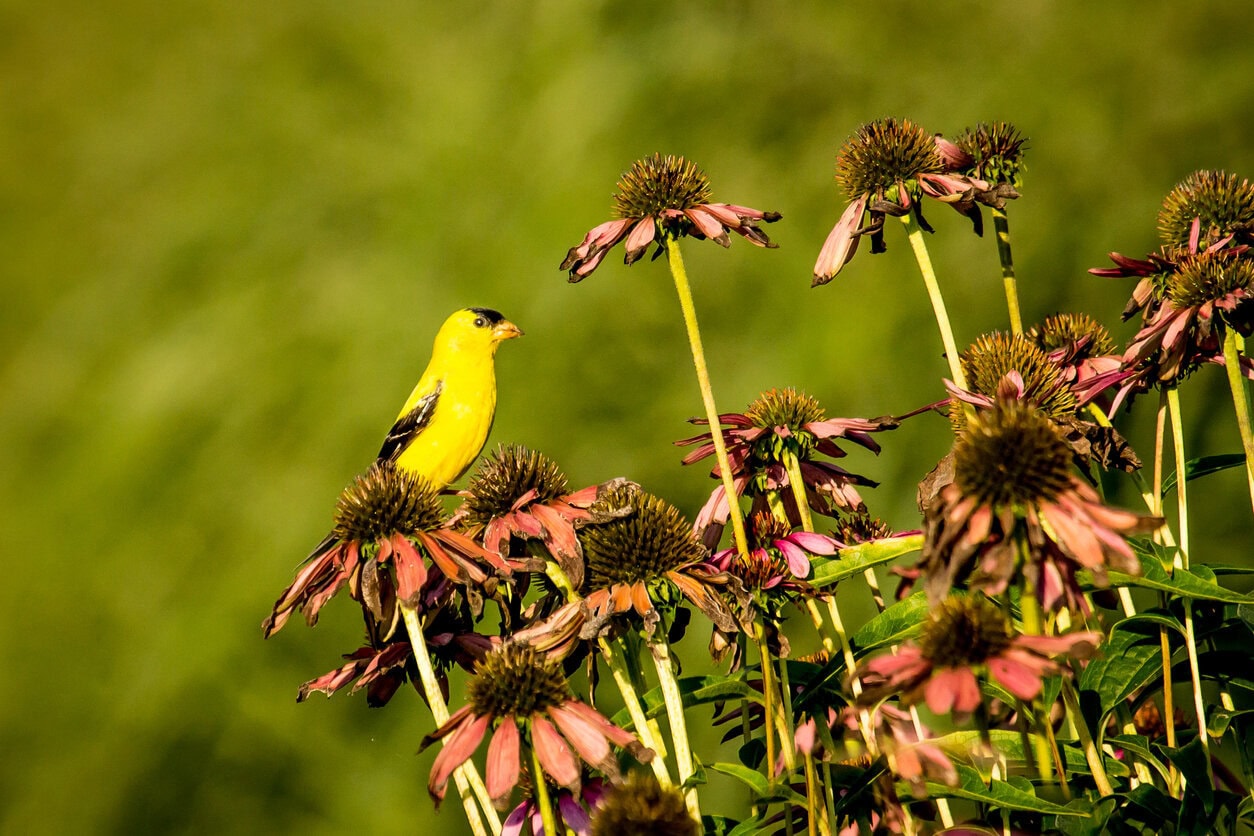
Try not to be greedy with seed heads. Birds like finches love flower seeds, so you might want to leave some behind in the garden for them. Plus, the dried cones holding those seeds add great winter interest to the landscape, so why not?
If you prefer leaving plants for wildlife, here are more plants to leave for the birds that also add beauty through winter.
Let’s Conclude

Although I’ve experimented with and grown hundreds of different plants and perennials over the years, coneflowers will always be a staple in my mom’s garden, and they hold a special place in my heart as well.
My grandma loved them, my mom loves them, and I love them just as much!
If you were unsure about how you’re going to grow coneflowers in your garden, I hope this article provided you with some answers and clarity. Now, it’s time for you to put these tips to work and actually grow some!



Thank you so much for the information!
I purchased some bare root coneflowers recently! I truly hope they will grow and be beautiful, but they were dry as a bone when I received them!?
Blessings!
Helen Fritzie
Hi Helen 🙂 Bare roots can look pretty dry when they arrive, so don’t panic yet. I’d soak the roots in water for a couple of hours before planting, then plant them in well-drained soil with plenty of sun and keep the soil lightly moist while they settle in. Hope they take off beautifully for you!
I have coneflowervseeds from the flower will they take hold and grow and how should I plant them in a row or in bunches . I like to use them as a bored from the woods to my yard .
Hi Kathy 🙂 Yes, coneflower seeds can grow, though they may take a little patience and won’t always look exactly like the parent plant.
For a border, I’d plant them in loose groups or drifts instead of one straight row so it looks more natural from the woods to the yard. Press the seeds lightly into well-drained soil in a sunny spot, keep them lightly moist while they sprout, and thin or space plants about 18 to 24 inches apart as they grow.
I was going to save some of the seed heads of Cone Flowers that have already darkened and dried out. Should I immediately separate and save til spring before planting. Should I plant the seeds in the ground or is it better to start in the house and plant once they start growing?
Hi Marie 🙂 You can do either! If the seed heads are fully dry, you can separate the seeds now. The easiest option is to sow them directly outside in late fall so winter gives them the cold period they need. If you’d rather start them indoors in spring, save the seeds and give them about 4-6 weeks of cold, moist stratification in the refrigerator before sowing. I usually like direct sowing because nature does that step for you.