Put the eggnog down. I mean it. Do not waste a single second. If you believe the best time for dabbling in horticulture is a sunny Saturday in April, and you happen to live in Zones 7-10, you’ve got the whole calendar upside down, mister. If you’re not in these zones, fine… grab your eggnog.
The dirt is ready. The air is crisp. And *drumroll* the plants are blissfully unconscious. December elsewhere? Goofing around in reindeer hats. December here is for transplanting perennials
A Winter Chance for Nine Plants

Nothing makes a perennial happier than getting its worst shock out of the way while it’s (mostly) out cold. If you’re stacking December garden tasks like I am, here’s our full guide on which container plants you should cut back right now.
1: Hostas (Zones 7-8)

It’s safe to separate them and move them while they look like a melting zombie. Mark the perimeter of the existing clump before you start digging, though. Unless you have superhuman vision, it’s impossible to know where the root ball ends once the visible foliage evaporates.
Quick tip: If the ground feels like a brick, or if you’re in one of those annoying freeze–thaw weeks, wait it out. Your plants will forgive a short delay. Trying to move anything while the soil is frozen is a waste of time and perfectly good coffee.
If you’re already digging up hostas, here’s my full guide on the other perennials you can still divide in December in warmer zones.
2: Daylilies (Zones 7-10)

Daylilies have the lowest expectations of any plant you will meet. They are happy to be moved in December, primarily because their standards for a ‘good’ move are incredibly low.
Just toss them in the ground, and they’ll thrive out of spite. They start growing new roots almost immediately when the soil warms again.
3: Bearded Iris (Zones 7-9)

Bearded Iris demand top-shelf treatment, literally. You need to divide every few years and plant the rhizome shallowly. They are social climbers and refuse to flower if they think they are buried beneath the common folk.
Quick tip: I garden in Zone 7, and I’ll tell you this from experience: winter transplanting can work for Bearded Iris here, but it’s a gamble. Cold, wet soil and freeze-thaw cycles can rot or heave the rhizomes. If the weather swings wild in your area like it does in mine, wait for a stable mild spell, or just hold off until early fall when they’re at their happiest.
And if you’re already out there working in the cold, here’s our full guide on the shrubs you should wrap or protect before winter really kicks in.
4: Peonies (Zones 7-8)

Fall is supposedly the ideal time, but in Zones 7-8, December is still acceptable as long as the soil isn’t frozen. Just be obsessively careful not to plant those reddish “eyes” more than two inches deep; they are picky about their sightlines.
5: Coneflowers (Zones 7-9)

Coneflowers have seen things. Blizzards, droughts, and now, your December landscaping frenzy. Their deep taproots make them incredibly hardy witnesses to your efforts. Move them with a decent root ball, and they’ll continue their stoic watch next season, completely unfazed.
Quick tip: Give your coneflower a good drink right after transplanting to settle the soil around that taproot, then leave it alone. They hate fussing as much as I do in December.
6: Sedum (Zones 7-9)

Their succulent leaves and shallow roots mean they travel light and pack fast. They are so tough and require so little effort that they could probably re-root just by being thrown onto the soil. Do not overthink this one.
Quick tip: Sedum will shrug off almost anything, but winter soggy soil is their one real enemy. Give them a spot with good drainage and they’ll root faster than you can put the shovel away.
And if you’re thinking bigger than perennials, here’s my full guide on the trees you can plant safely now while they’re dormant.
7: Astilbe (Zones 7-8)

Their fibrous roots are neatly clumped, making the actual digging part surprisingly tidy. Hence, moving them while they are dormant is the easy part.
The hard part is living up to their hydration expectations without turning their surrounding garden into a swamp. Keep the soil evenly moist after moving Astilbe, but don’t drown them. I water just enough so the top few inches never dry out, especially during those sneaky warm winter spells.
8: Coral Bells (Zones 7-9)
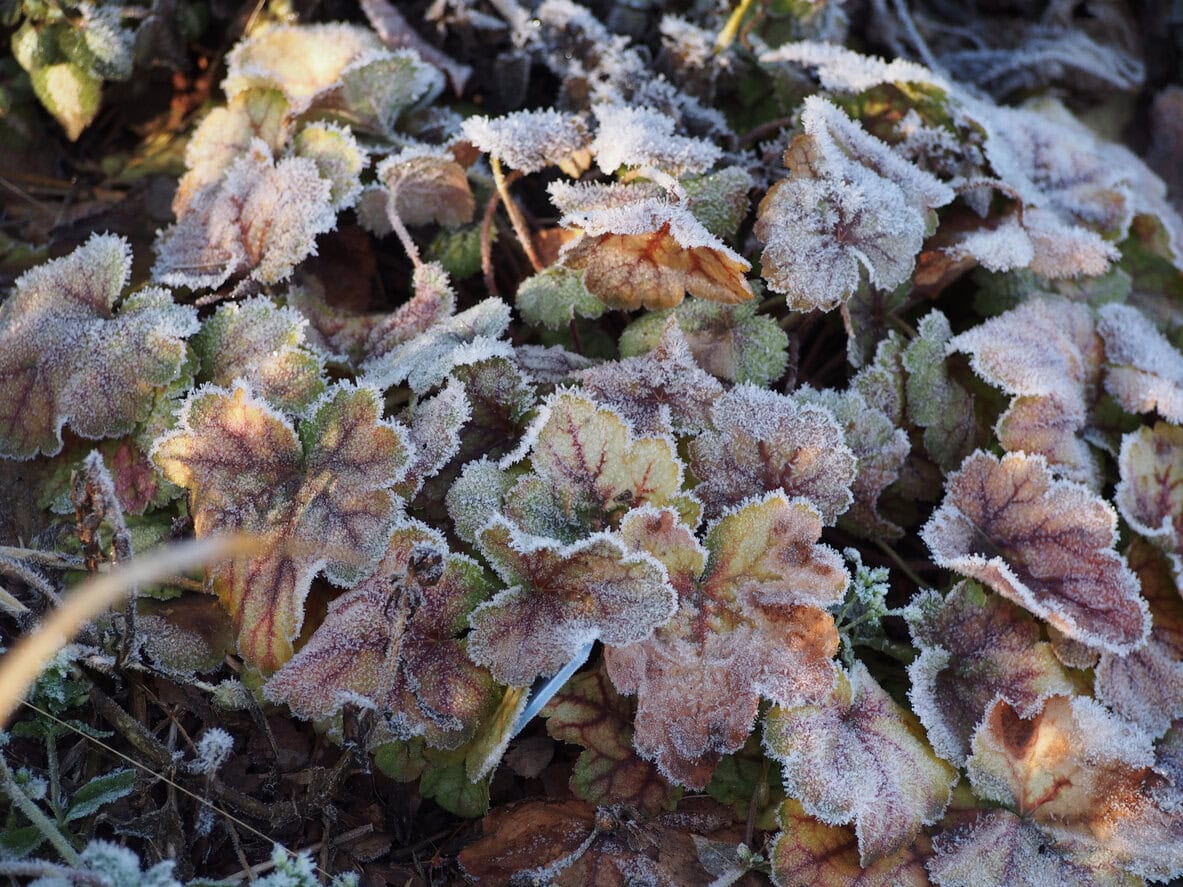
While they keep some of their foliage, their growth is currently paused. Move them carefully now for a Fast Forward on root establishment. They will be ready to start the season the moment spring hits Play.
Quick tip: Because Coral Bells are shallow-rooted, I always tuck a little mulch around the base after moving them. It helps prevent winter frost heaving, which likes to pop them out of the ground like toast.
If you want to get mulching right (and avoid smothering the wrong plants), here’s our full guide on what to mulch before winter and what to leave alone.
9: Bleeding Hearts (Zones 7-8)

They go fully dormant and disappear, just like the Hostas. Moving them while they are invisible is perhaps the most advanced test of your blind faith, but it’s also the easiest way to give them a new, shady home without root damage.
Shovel Etiquette AKA How Not to Traumatize a Dormant Root
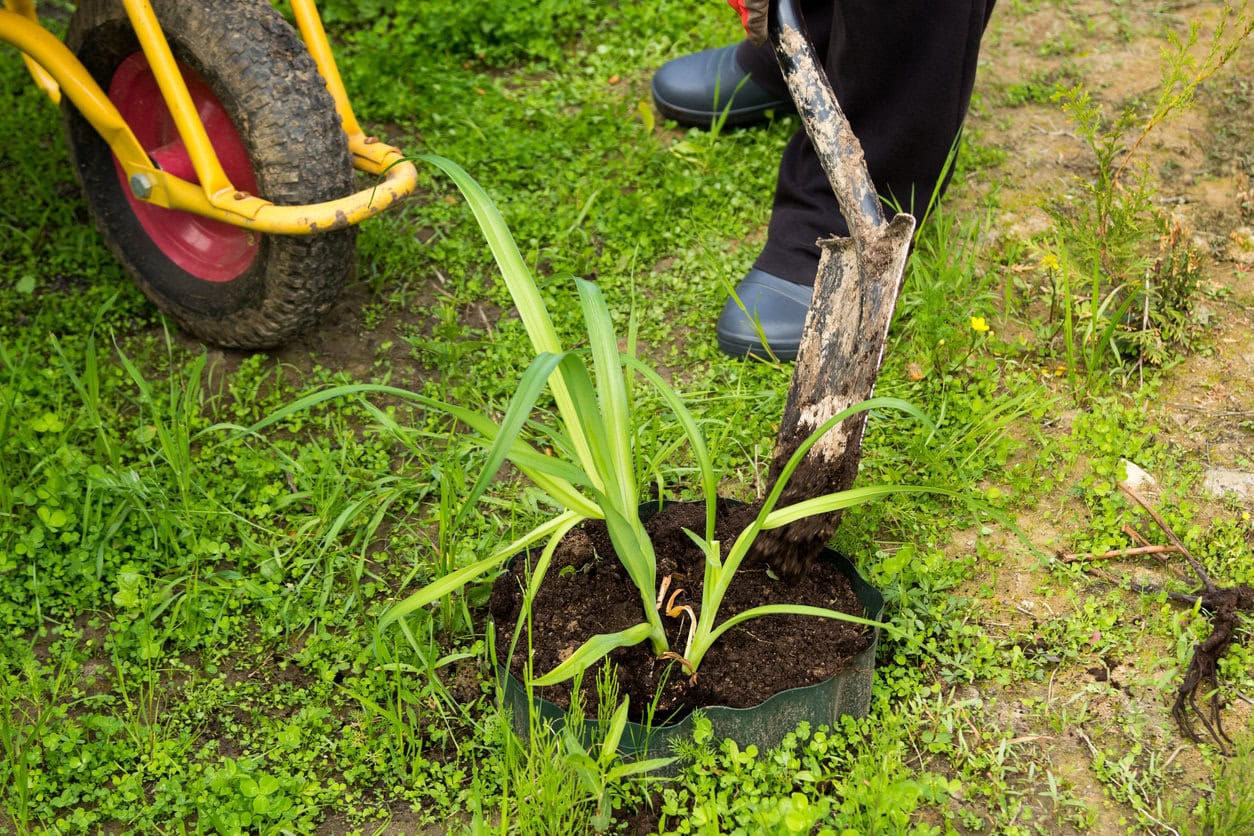
Let’s set some ground rules for the great December transplant:
If your New Year’s resolution was ‘I will not procrastinate, even in December’ and you went through this list without a headache, you can go ahead and scratch that off the list.
If you’re knee-deep in winter cleanup, here’s my full guide on what to cut back versus what to leave standing in a December garden.
Plant ‘Em and Forget ‘Em
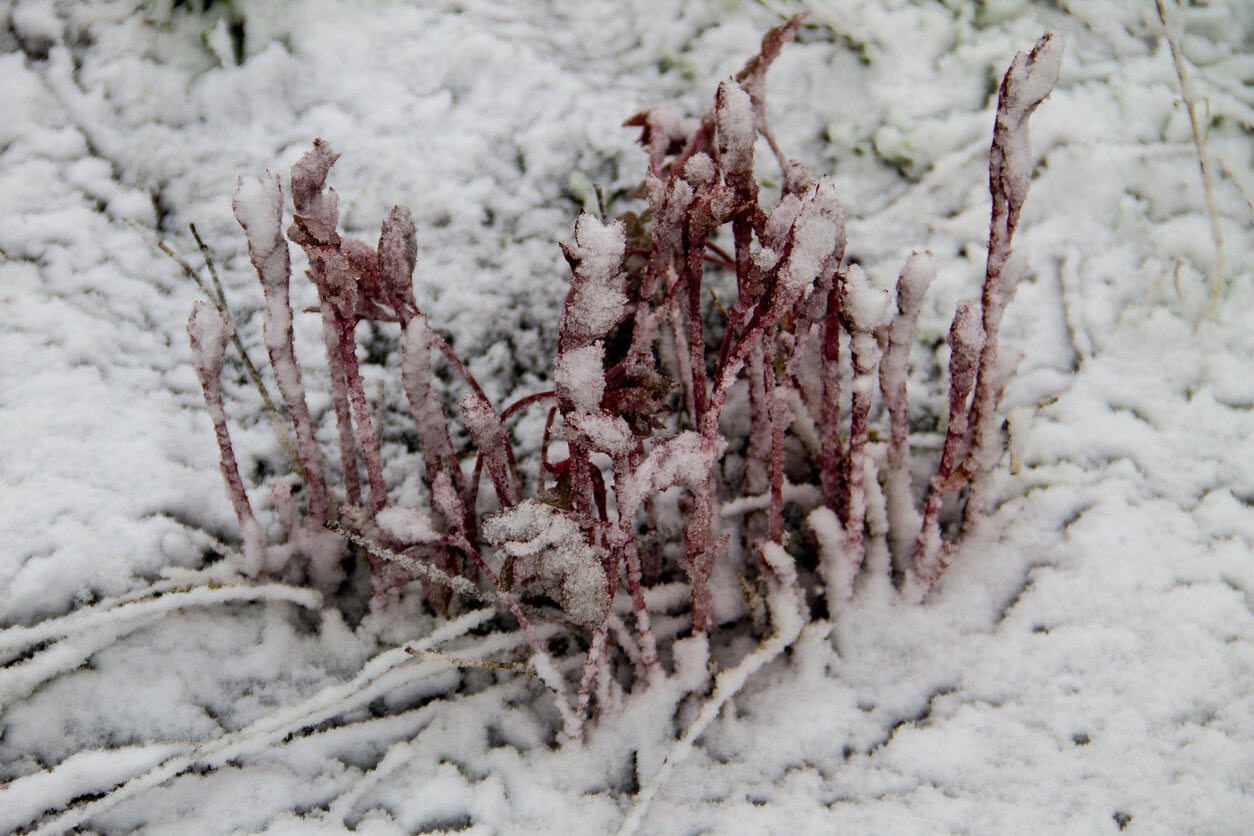
Unlike most of your extended family, when you deal with these nine, you can rest assured they’ll behave. They won’t drink too much, eat too much, they’ll sit where you place them, won’t talk (at all!), and will be mostly invisible. At least until spring. That’s what’s great about transplanting perennials in December: you get a second chance at relatives.
If you want next year’s blooms to actually show up on time, here’s my full guide on the mistakes that keep perennials from coming back stronger.