
Mulching, as most gardeners know,, is an essential winter task, especially if you grow plants that are tender or not very cold-hardy.
In today’s article, we’ll take a look at plants that should be mulched before winter to ensure the best protection. But that’s not all! You’ll also learn about a few plants you shouldn’t really mulch before winter, and the underlying reason behind it.
Now, let’s get right into it, shall we?
Why Is Mulching Important Before Winter?
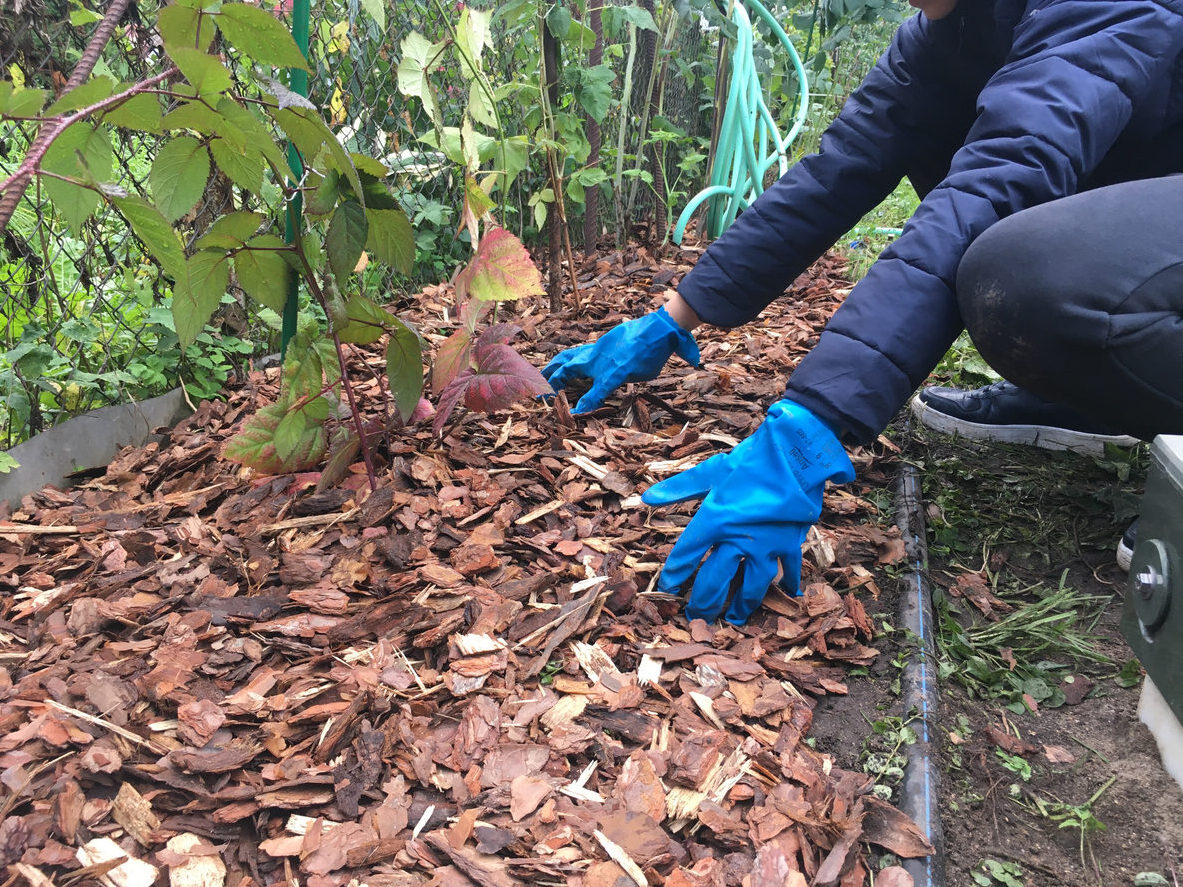
Mulch is essentially just protection. You mulch around the base of plants so that the roots remain insulated and protected from external temperature extremes.
Mulch prevents frost heave during freeze-thaw cycles and helps retain moisture during dry winter spells.
That said, one very special quality of mulch that people don’t talk about much is the fact that it can inhibit weed growth incredibly well and protect your garden space from unwanted guests.
If you’re not sure which plants need trimming before you mulch, here’s a quick guide on which perennials to cut back before winter (and which to leave standing).
Plants You Should Mulch Before Winter

1: Strawberries (Zones 3-8)

Mulch can protect delicate strawberry crowns from frost heave. Ideally, you should be using straw or pine needles for this.
Both materials insulate well without trapping too much moisture and keep the berries clean in spring.
2: Roses (Zones 4-9)

Mulching roses, especially hybrid tea roses, provides much-needed insulation to the roots. I’d also suggest mounding some soil around the base of your rose plants to ensure further protection.
Shredded bark, pine needles, or composted leaves work best since they stay airy and prevent the soil from becoming waterlogged.
If your roses are still blooming and you’re unsure what to do before mulching, here’s a helpful guide on whether to cut back or leave roses alone after they bloom.
3: Hostas (Zones 3-8)

Hostas are quite susceptible to damage from freeze-thaw cycles and tend to get soggy if the winters are wet. Mulch helps protect the crown and may reduce overwintering pests.
A light layer of shredded leaves or pine needles is ideal, as it keeps them insulated but still allows air circulation.
Hostas can also be refreshed before winter, if yours are getting crowded, here’s how to divide hostas this fall.
4: Peonies (Zones 3-8)

Young peonies, especially those that are newly planted or transplanted, must be protected in the winter since their roots are still shallow. You can eventually remove the mulch in spring if you like.
Straw or composted bark works well to keep the soil evenly cold without staying wet.
You can also check out this seasonal guide on cutting back or leaving peonies through winter.
5: Dahlias (Zones 8-11, or dig up tubers in colder zones)

In milder zones, dahlias can overwinter in the ground, so mulch heavily to protect those left in the ground. In colder zones, dig up and store tubers indoors!
If you’re leaving them in the ground, use straw, shredded leaves, or pine needles to form a thick insulating layer over the soil.
If you live in a colder zone and need to lift your tubers, here’s a step-by-step guide on how to overwinter dahlias: dig, store, and replant next spring.
6: Hydrangeas (Zones 4-9)

For young or less hardy varieties like Bigleaf hydrangeas, mulch helps protect roots from freeze damage. Mulch is important for ensuring root system insulation and preventing plant fatality due to harsh conditions.
Pine needles or bark chips are best here, they help insulate while keeping soil moisture balanced.
For more detailed pruning tips before you mulch, take a look at what to do with hydrangeas after blooming: cut back or leave them alone in fall.
7: Azaleas & Rhododendrons (Zones 4-9)

Mulch can help protect fibrous azaleas and rhododendron roots that are shallow and super sensitive to cold and dryness. Mulch keeps their shallow, fibrous roots from drying out in cold, windy conditions.
A mix of pine needles and shredded bark works perfectly since it mimics the natural forest floor they love.
8: Blueberries (Zones 3-8)
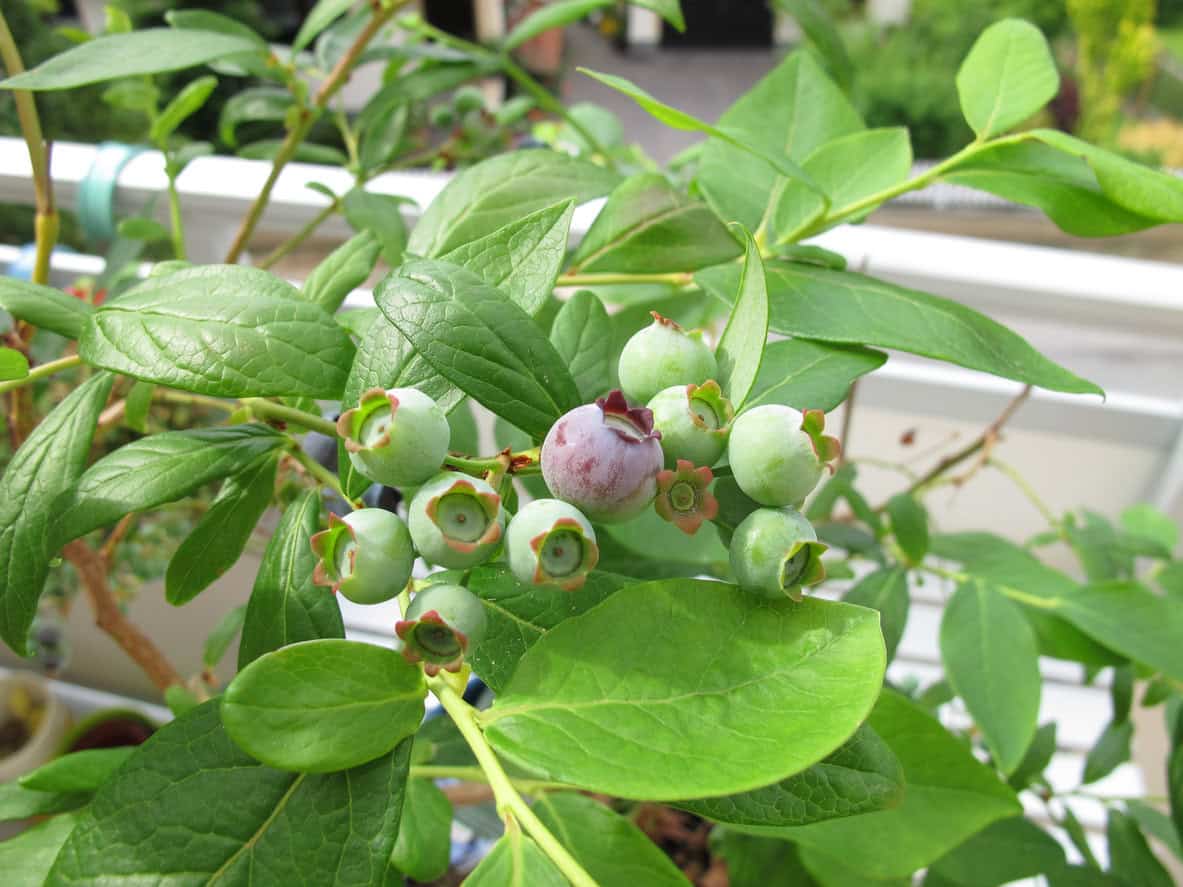
Blueberries require constant moisture and root insulation to stay afloat in the harsh winters.
Use bark or pine needles to mulch your blueberry bushes. Both maintain the soil’s natural acidity, which blueberries thrive on.
9: Garlic (Zones 3-7)

If your garlic is fall-planted, mulch around it immediately in winter to keep the frost heave from ruining it.
Clean straw or shredded leaves are ideal, they protect from temperature swings while still letting the soil breathe.
10: Carrots (Zones 3-9)

Believe it or not, you can actually extend carrot harvests through winter using mulch! It prevents the soil from freezing and keeps it workable.
Straw or loose hay makes the best cover, it’s easy to pull back when you’re ready to harvest.
11: Beets (Zones 3-9)

Beets are pretty much similar to carrots in the sense that mulching around them helps extend harvests well into late winter.
Use the same materials, straw or shredded leaves, to hold warmth in and stop the soil from hardening.
12: Asparagus (Zones 3-8)

Because asparagus crowns are a little sensitive, mulch is ideal for protecting them and preventing weeds from germinating before spring arrives.
A thick layer of compost or shredded leaves provides insulation and adds nutrients as it breaks down.
Plants You Shouldn’t Mulch Too Heavily (Or At All)
And if you’re planning a full garden cleanup, this November guide on what to cut back vs what to leave standing will help you decide which plants to leave untouched for wildlife.
1: Spring Bulbs

Classic spring bulbs like tulips, daffodils, and hyacinths shouldn’t be mulched too heavily, as it can cause trapping of unwanted moisture and rot growth. A light layer of mulch in extremely cold zones is okay, but thicker applications should be avoided at all costs.
Bulbs need cold soil to trigger spring flowering, so too much insulation can interfere with that natural process.
2: Lavender

This Mediterranean fragrant plant hates wet soil. If you want to protect your lavender, mulch around it but avoid covering the crown.
3: Sedums

Sedums have this inherent drought-tolerant nature. They handle pretty well on their own, and excess mulch does nothing for them except invite rot.
4: Irises
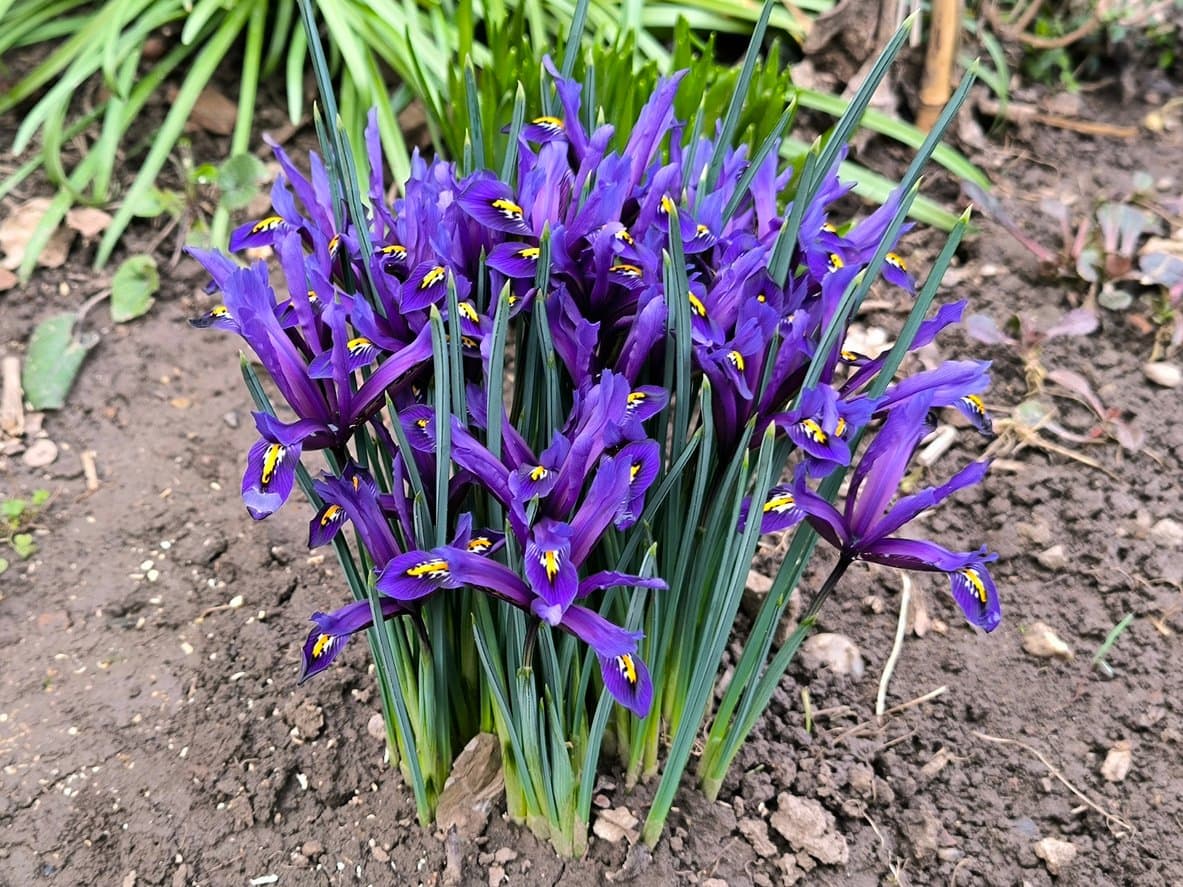
Due to their growing nature, iris rhizomes need plenty of air circulation to do well, and heavy mulch limits that. This is especially true for bearded varieties.
5: Succulents/Agave

Succulents are known for retaining water in their foliage, and mulch would only lead to excess moisture retention, which is not needed.
Remember, some plants actually benefit from being left alone, especially those that feed birds and pollinators. Here’s a helpful list of plants not to cut in fall because birds need them for winter.
How Thick Should Winter Mulch Be?

Generally speaking, winter mulch should be slightly on the thicker side to ensure utmost protection.
For example, for tender plants like roses or garlic, applying a slightly thicker, deeper layer of mulch is much more helpful.
What’s The Best Mulch Material For Winter?

While there are tons of mulch material options to choose from, in winter, dry, dense materials work best. Your best bets include straw, pine needles, shredded leaves, wood chips, and bark.
I’d suggest avoiding materials that turn soggy or wet, like grass clippings or compost, over time since they can lead to all sorts of fungal diseases and rot.
Can Mulching Harm Plants?
Well…yes and no.
Like we discussed today, many plants don’t need mulch because they have growth tendencies or environmental preferences that do not harmonize with mulch very well. In that case, yes, mulching can absolutely do more harm than good.
Overdoing it, especially with thick, soggy layers, can smother roots and do more harm than good
Let’s Conclude

While mulching is a winter task that isn’t discussed very often and generally flies under the radar, that doesn’t mean it’s not important. If you want your winter garden to thrive and plants that actually survive, understanding when, how, and what to mulch is essential.
Some plants can get by without mulch, but the ones that need it won’t survive winter without that extra layer of protection.

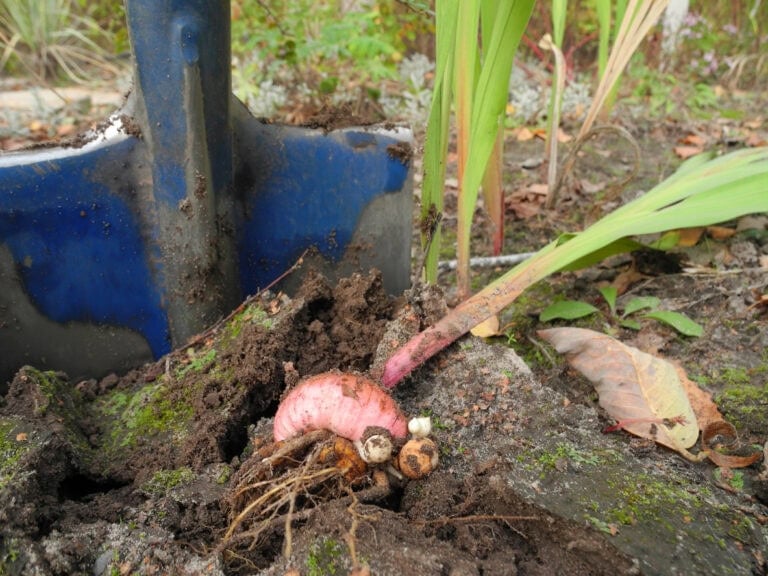


My question is when doing the winter coverings. I bought both (this is my first time winter gardening)can I use both hay and wood chips together. I live in New Jersey zone 7, it gets pretty cold here. Looking forward to your reply. Thank you !!
Hi Janine! 😊 You can definitely use both! I’d put a light layer of hay first, then top with wood chips, that combo insulates really well and keeps the hay from blowing away in winter winds.