
Many new gardeners I see these days are of the opinion that the month of November is rather late to plant any meaningful vegetable in the garden. This, however, couldn’t be farther from the truth!
In today’s article, I’m going to take you through a long list of vegetables you can still plant in November and have them grow surprisingly well. To make picking and choosing easier for you, I’ll also mention the ideal planting zone for each one.
Let’s get started!
Can You Really Plant Vegetables In November?

Absolutely! One thing I can tell you for certain is that people who claim you can’t plant anything in November because it’s too cold outdoors have no creativity or ideas whatsoever; it’s best to avoid taking advice from them.
What you can plant solely depends on your USDA zone and garden conditions. Cold-hardy vegetables like garlic, spinach, kale, and arugula can easily be planted in fall without any trouble whatsoever.
If you live in a warmer zone, November still gives you the time to plant quick greens and root crops.
Before diving into veggies, I’ve also been dividing some of my perennials this month. If you’re wondering which ones can still be split safely, here’s a helpful guide on perennials you can still divide in November (even in cold zones)
Vegetables You Can Still Plant In November

November is also the perfect time to tidy things up a bit. I usually follow this November checklist that helps prepare the garden for winter before the real cold sets in.
1: Garlic (Zone 3-9)

The variety you choose will determine how well your garlic handles winter temperatures.
If you’re going to plant garlic, plant the cloves 2 inches deep in the ground and 6 inches apart, ideally. In cooler zones, make sure to mulch heavily to protect the garlic through winter.
I usually plant my garlic about two to three weeks before the ground freezes, that gives the cloves time to set roots before winter hits.
2: Onions (Zone 5-9)

For onions, go for short-day or overwintering varieties that can handle the cold well. Onions need evenly moist soil for strong growth, and, in case the cold gets too harsh, use straw to protect them.
Quick tip: I like to use onion sets instead of seed in late fall. They’re quicker to establish in cool soil and a lot less fussy to start.
If you’re cleaning up your beds before planting, it helps to know what to cut back vs what to leave standing in a November garden, that way you won’t accidentally remove plants that protect beneficial insects or self-seed next spring.
3: Spinach (Zone 5-9)
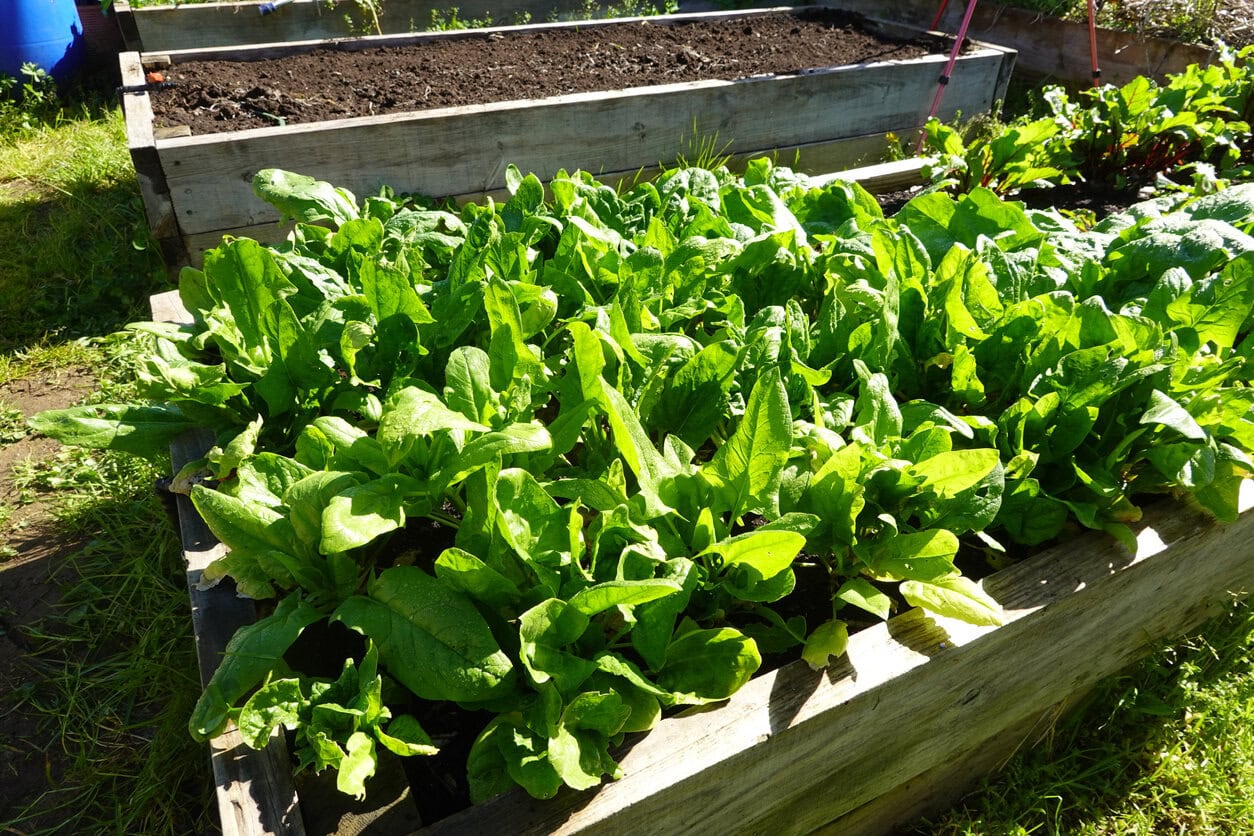
Spinach should be sown directly in the ground in November, as it tolerates frost and cold conditions extremely well. For extended harvests, cover your spinach with a frost cloth during harsh nights. I always go with cold-hardy types like ‘Bloomsdale Long Standing’.
4: Lettuce (Zone 6-9)

You can either sow your lettuce directly into the ground or use cold frames to grow it. I would suggest harvesting baby leaves before hard frost kicks in. Choose cold-tolerant varieties like ‘Winter Density’ or ‘Arctic King’.
Quick tip: I usually tuck a few trays under a simple plastic tunnel, and it keeps them growing for weeks longer.
5: Kale (Zone 5-9)

Because of how hardy kale is, you can easily sow it directly in well-drained soil. If you want, you can mulch around the base. Kale leaves typically get sweeter through frost.
While your veggies grow, it’s also a great time to give your perennials a little attention, here’s a list of perennials to prune in November for a healthier spring if you’re doing a full garden refresh.
6: Carrots (Zone 6-9)

Sow your carrot seeds near the surface of the soil and mulch heavily around the base to keep the ground from freezing. Fortunately, carrots are one of those vegetables that you can harvest anytime in winter (once they’re fully grown, of course).
I usually go for faster types like ‘Napoli’ or ‘Little Finger’ when planting this late.
Quick reminder: Keep in mind that new carrot seeds may not sprout once the soil gets too cold, but any roots that have already formed will stay firm and sweet under mulch all winter long.
7: Beets (Zone 6-9)

Beets cannot and should not be planted without good drainage. Ideally, you should plant them in raised beds and cover them with a frost cloth in the harsh winter months to extend yield.
I usually go for varieties like ‘Chioggia’ or ‘Detroit Dark Red’, they never disappoint me.
Beet seeds can struggle to germinate in cold soil, but established plants tolerate light frost well and continue growing slowly until spring.
8: Radishes (Zones 6-9)

Radishes are relatively quick to mature, so you’re free to sow them strategically every 1-2 weeks. If frost is expected to be rough, it’s best to cover them up even though they’re hardy enough to handle light frost on their own.
9: Peas (Zones 8-9)

Popular pea varieties like sugar and snap peas should be sown directly in soils with good drainage. Due to their vertical growing nature, providing them with a cage or trellis to climb on is essential. Younger pea plants tolerate frost the best.
Quick tip: When I have the space, I plant peas in late fall just for the fun of it. They sprout early in spring and always give me a head start. I also like to use inoculated seeds for healthier roots.
10: Fava Beans (Zones 7-9)
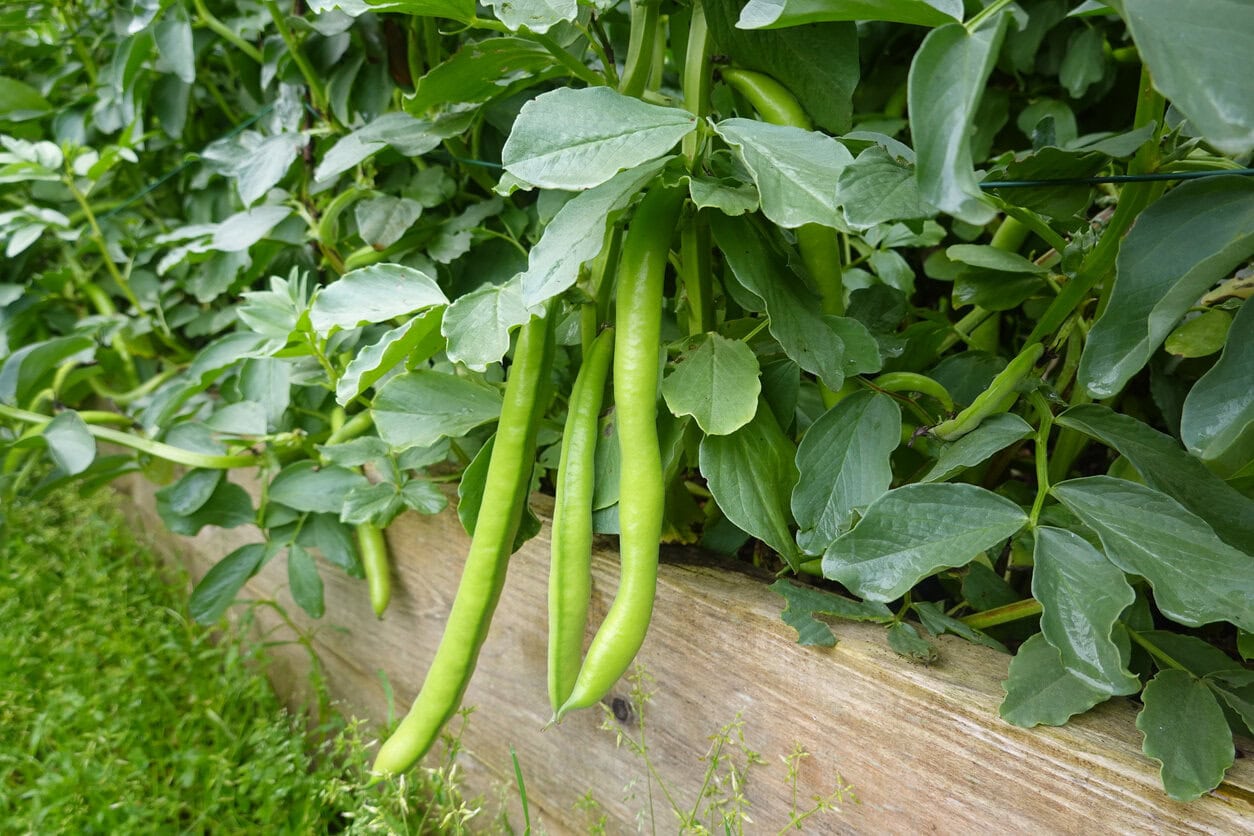
Plant your fava beans 2-3 inches deep in the ground. They’re resilient enough to overwinter on their own, produce generous harvests early in spring and enrich the soil for spring crops.
I usually plant a few cool-season vegetables alongside my fall flowers, if you want spring color too, here’s a guide on bulbs to plant in November for gorgeous spring blooms.
11: Collard Greens (Zones 6-9)

If you’re an OG reader, you’ll know that my winter green lists are incomplete without collard greens; they are an absolute classic! Sow collard greens directly in the soil in November.
Although they handle quite well on their own, some protection from row covers and frost cloths every now and then doesn’t hurt.
What Vegetables Grow Best In Cold Soil?
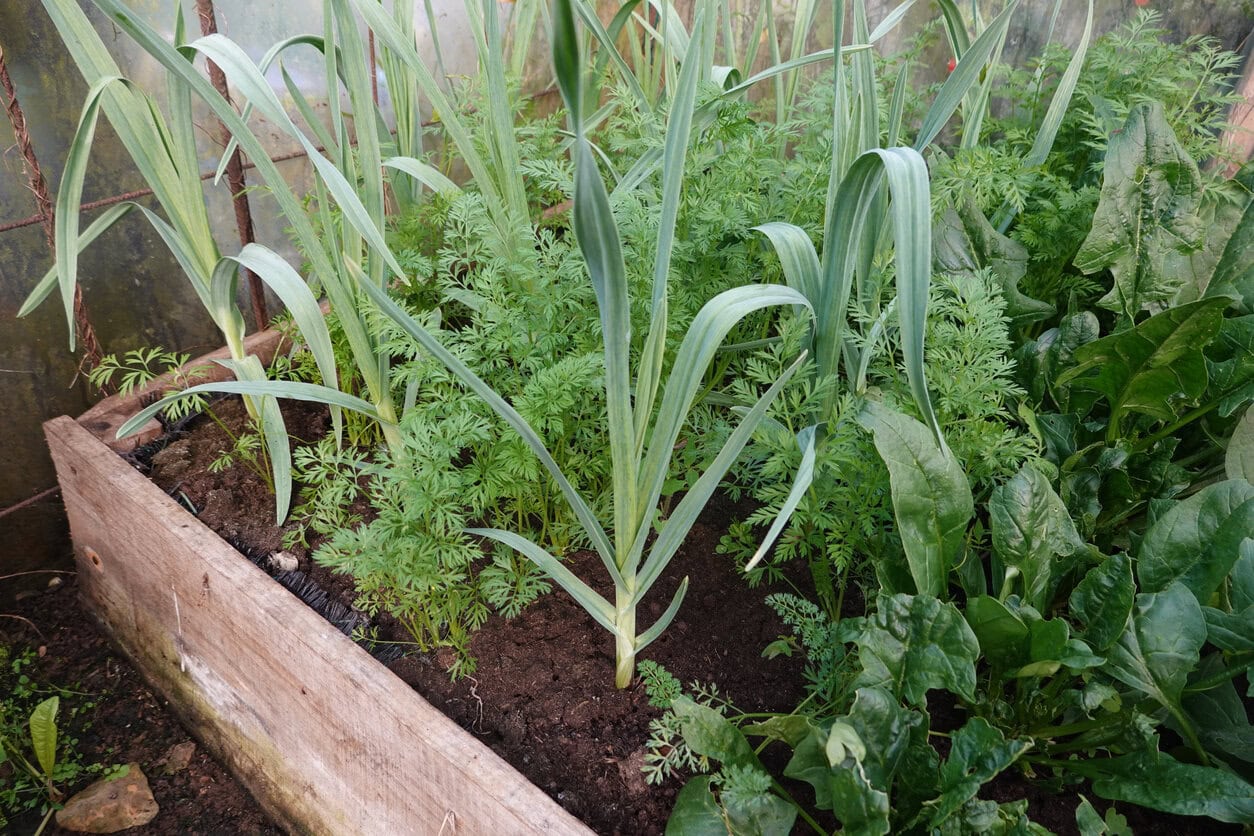
Most of the vegetables and leafy greens we discussed today are pretty cold-hardy and can grow well in cold soil.
Classics like onions, garlic, fava beans, spinach, and kale should be given priority since they’re easy for beginners and can even improve in flavor after undergoing frost.
From my own garden, I’ve noticed that raised beds and well-drained soil make a huge difference when planting in cold weather, the soil stays just a bit warmer and prevents roots from sitting in icy water.
If you’re not sure which flowers suit your region best, take a look at wild flowers to sow in fall for a burst of color next spring, it breaks everything down by zone so you can plan even better.
Do You Need To Cover Your November Plantings?

I also like to check my garden early in the morning after a frost, it’s amazing to see how resilient these crops are once they’ve adjusted to the cold!
If you don’t have much garden space, you can still grow plenty, these fall vegetables do amazingly well in 5-gallon buckets and can be moved easily when frost threatens.
Let’s Conclude
November might feel quiet, but it’s actually one of my favorite times to plant, it sets the stage for a thriving spring garden.
The process of picking the right plants and vegetables for your garden is already a tough task, and misinformation and lack of ideas tend to make it even harder. Stay well-informed about the facts, and don’t let old-school ideologies affect your present garden. Best of luck!


