Most gardeners start stowing their trowels about the time the Sun rises in Scorpio. And November is usually reserved for contemplating seed catalogs and wondering where the squirrels hid all the nuts. Like a fall Easter nut hunt.
However, the truly clever plant people know the best garden work happens when no one is watching. Time to sneak out, split some sleepy clumps, and pretend the hard freeze isn’t rapidly approaching.
The Zone Talk
When we talk about cold zones, we’re mainly thinking of areas where the ground actually freezes, but not every garden goes dormant at the same pace. Here’s how November division plays out across different zones:
True, dividing now is a calculated risk, but the reward is a garden full of free divisions come spring. You only need to replant your new clumps immediately and apply a generous blanket of insulating mulch before the ground freezes solid. That’s all.
Before you grab your shovel, make sure you’ve checked off the basics from this November checklist that helps you prepare your garden for winter.
The Elite Eleven or Perennials That Welcome a November Split
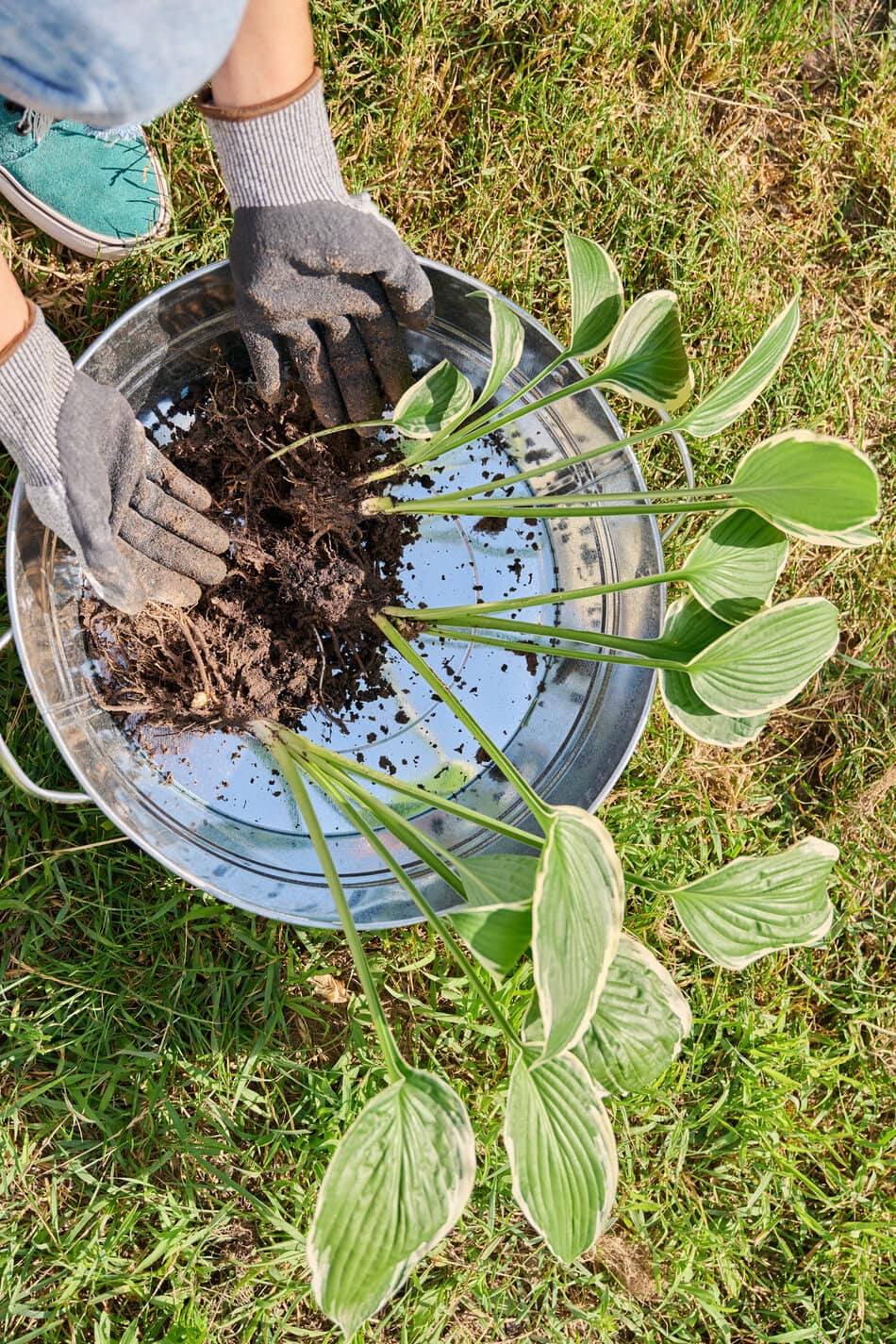
While the neighborhood is busy cleaning gutters, you can be quietly multiplying your garden. Do you enjoy free things and a (very mild) rebellion against conventional gardening wisdom? Excellent.
Siberian Iris:

Tough, as you’d expect. Rubbery roots. They have invented a swift separation. Don’t divide if foliage is still green, wait until it yellows and flops completely.
Here’s how to divide it: Lift the entire clump, slice it into hand-sized sections with a sharp spade or knife, and replant divisions 12 to 18 inches apart with the crown just below soil level.
While you’re at it, don’t forget to tuck in a few bulbs nearby, these bulbs to plant in November for gorgeous spring blooms pair beautifully with late-fall perennials.
Daylilies (Hemerocallis):

Undisputed champions of division. They handle it so easily, it’s almost insulting to other plants. Almost. If the soil is dry or you’re mid-bloom season, wait until after frost or early spring.
The division process is simple: Dig up the clump, shake off soil, and pry apart the fans by hand or with two garden forks. Trim foliage to 6 inches and replant with crowns an inch below soil.
Hostas:
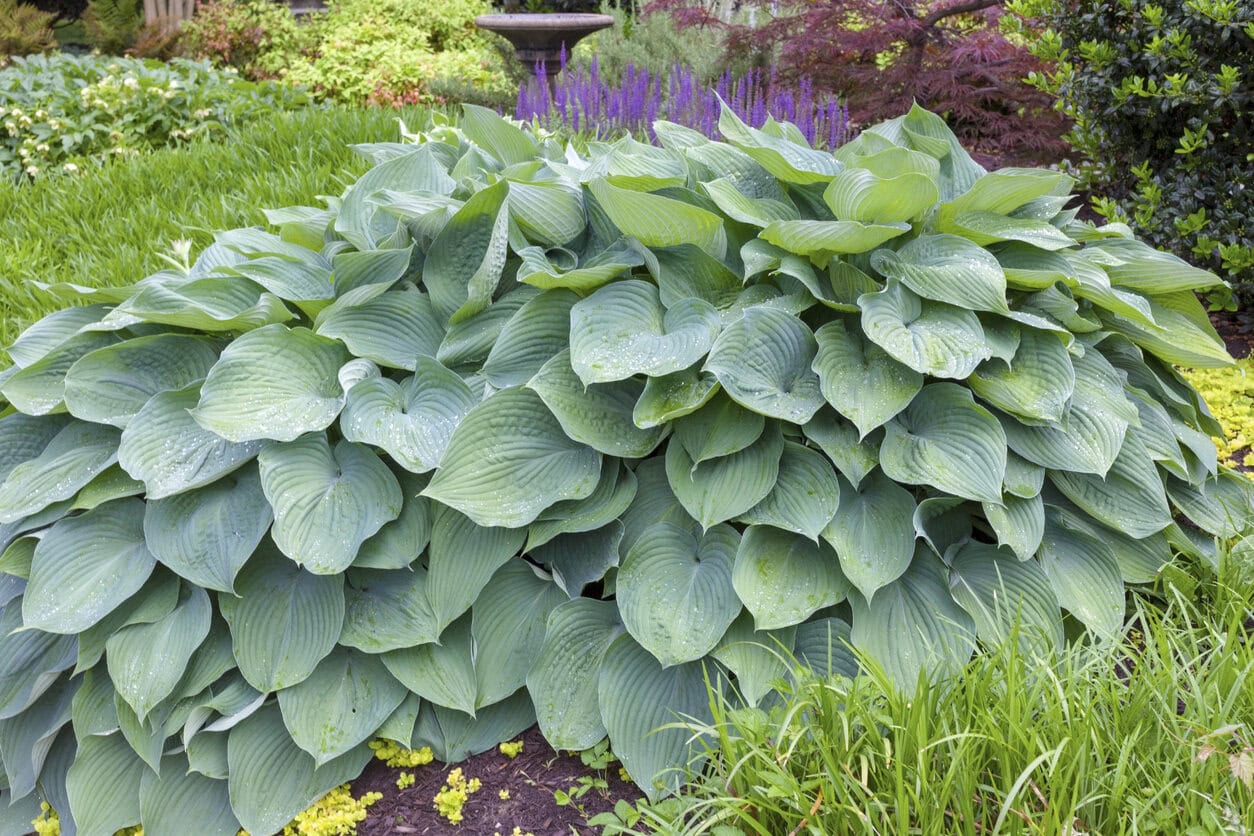
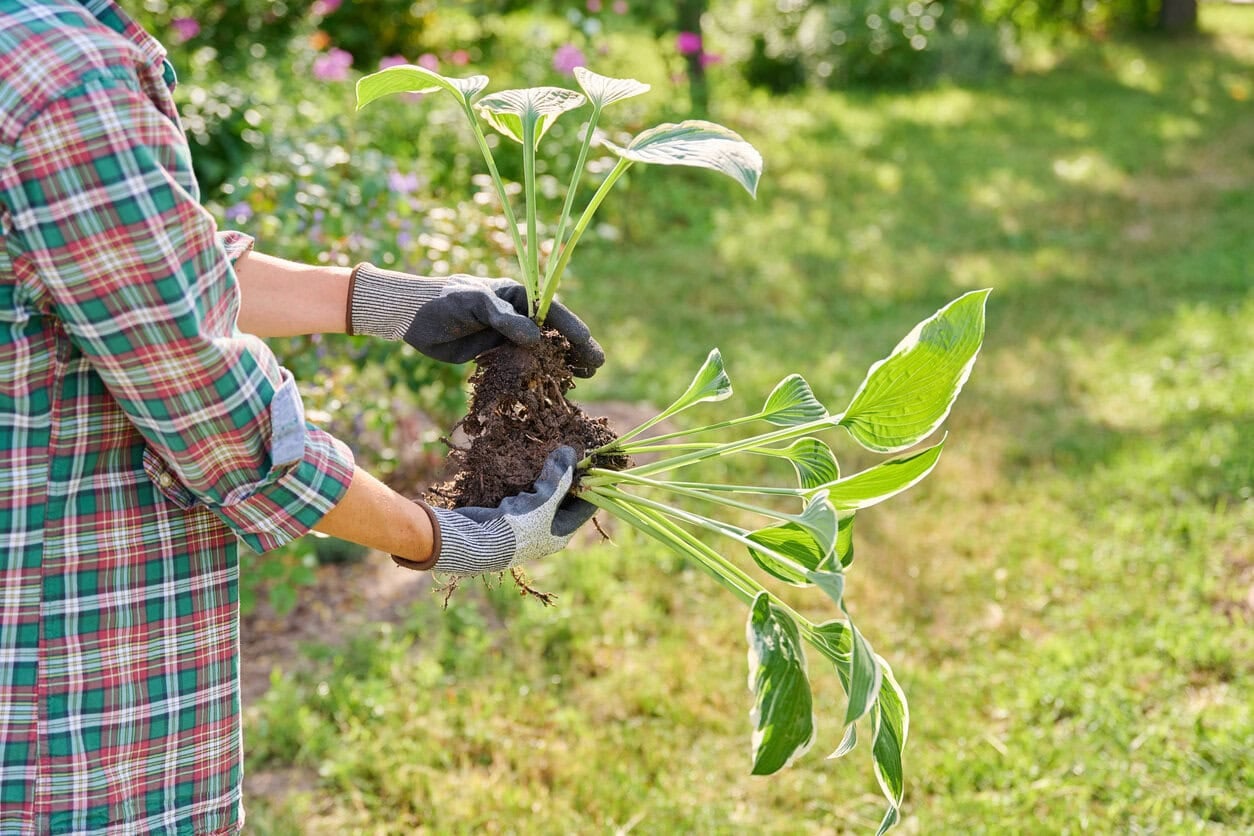
You know it is time when the leaves achieve the texture of a very used sponge. In the hosta language, it signifies consent for you to grab your spade. Avoid leaving divisions bare for even a few hours, the roots dry fast.
When it’s ready, do this: Slice through the crown cleanly with a knife or shovel, keeping at least 3 to 4 eyes per division. Replant at the same depth and mulch lightly to prevent heaving.
You can see the full step-by-step guide here: how to divide hostas this fall for bigger, healthier plants next year.
Bleeding Hearts (Dicentra):

If the roots look brittle, that is because they are. They don’t appreciate rough November surprises, so go gently. If the roots feel brittle or the soil is icy, wait until early spring instead.
Once it’s dormant, follow these steps: Use a sharp knife to separate only a few thick, fleshy root pieces, each with buds. Handle carefully and replant at the same depth in humus-rich soil.
Coral Bells (Heuchera):

They often heave out of the ground anyway. Might as well give them a full repositioning.
To keep it happy through winter: Lift the plant, trim away woody centers, and replant healthy outer sections just deep enough so the crown sits level with the soil. Keep mulch slightly back from the base to prevent rot.
Bee Balm (Monarda):

A furious gossip that spreads all its business everywhere. If you do not divide this spreader now, it will happily take over the entire hood.
Here’s how to divide it: Dig out a portion of the outer ring and replant the vigorous pieces in fresh soil. Discard the old, woody centers that’s where powdery mildew tends to linger.
Astilbe:

They are not ones for sunbathing. Find a damp, shady, perfectly happy spot for the division and wait until its foliage is entirely yellow or brown.
Once the foliage yellows, here’s what to do: Lift clumps carefully with a fork, separate young shoots with roots attached, and replant immediately in moist, rich soil. Water well and mulch to retain moisture, dry roots won’t recover.
Shasta Daisies (Leucanthemum):

Easy to lift, and is never one to be out-clumped. They are happy to quickly put down fresh roots and be the center of attention. Only divide mature clumps once growth slows, not brand-new plantings.
Here’s how to divide it: Divide every 2 to 3 years by slicing off outer sections with strong roots and green crowns. Compost the old center.
Black-Eyed Susan (Rudbeckia):
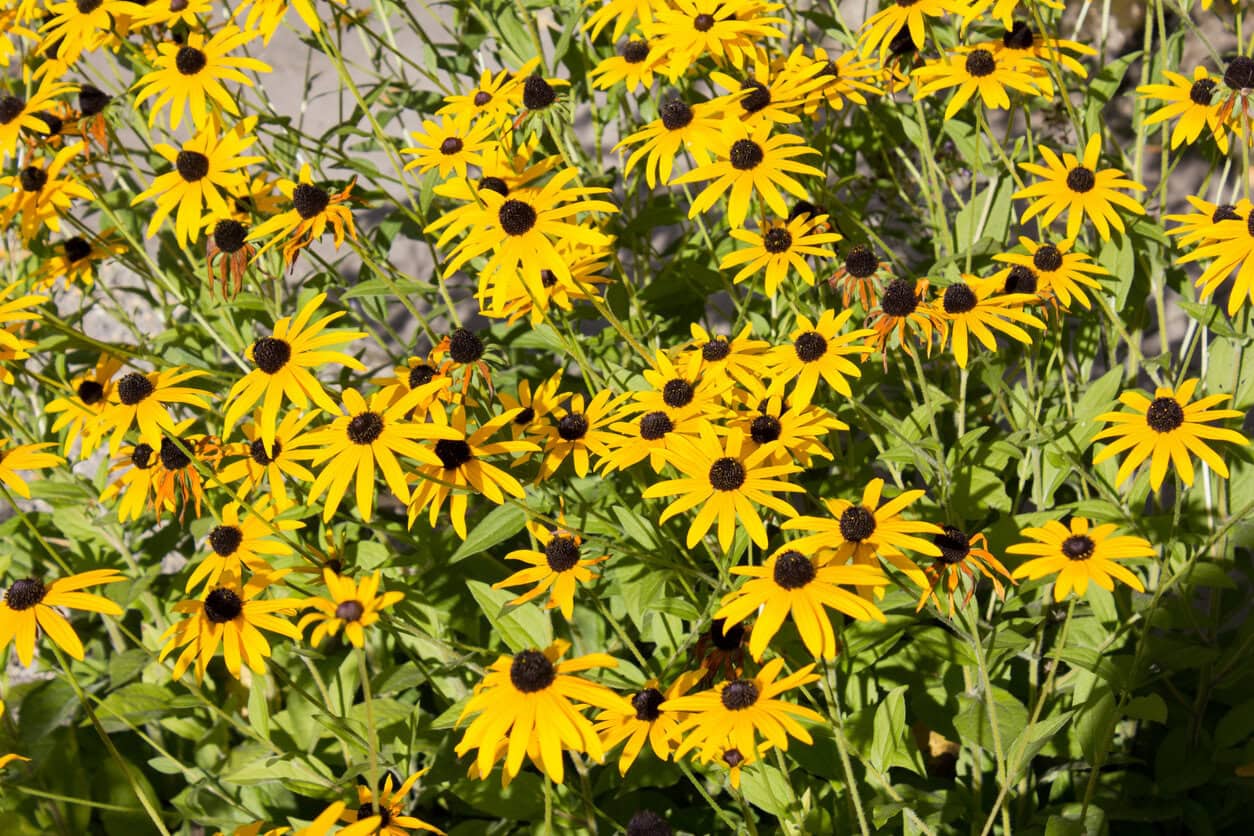
Divide only the younger, outside sections and leave the old center clump in place. It’s root-back-ia. Get it?
The division process is simple: Cut around the clump, lift the outer ring, and separate into small sections with a few shoots each. Replant promptly and water lightly afterward.
These plump plants don’t mind a November move one bit, but skip the heavy mulch, it traps moisture and can cause rot. If you’re not sure which plants actually need mulching, check which plants you should mulch before winter (and which you shouldn’t).
Oriental Poppies:
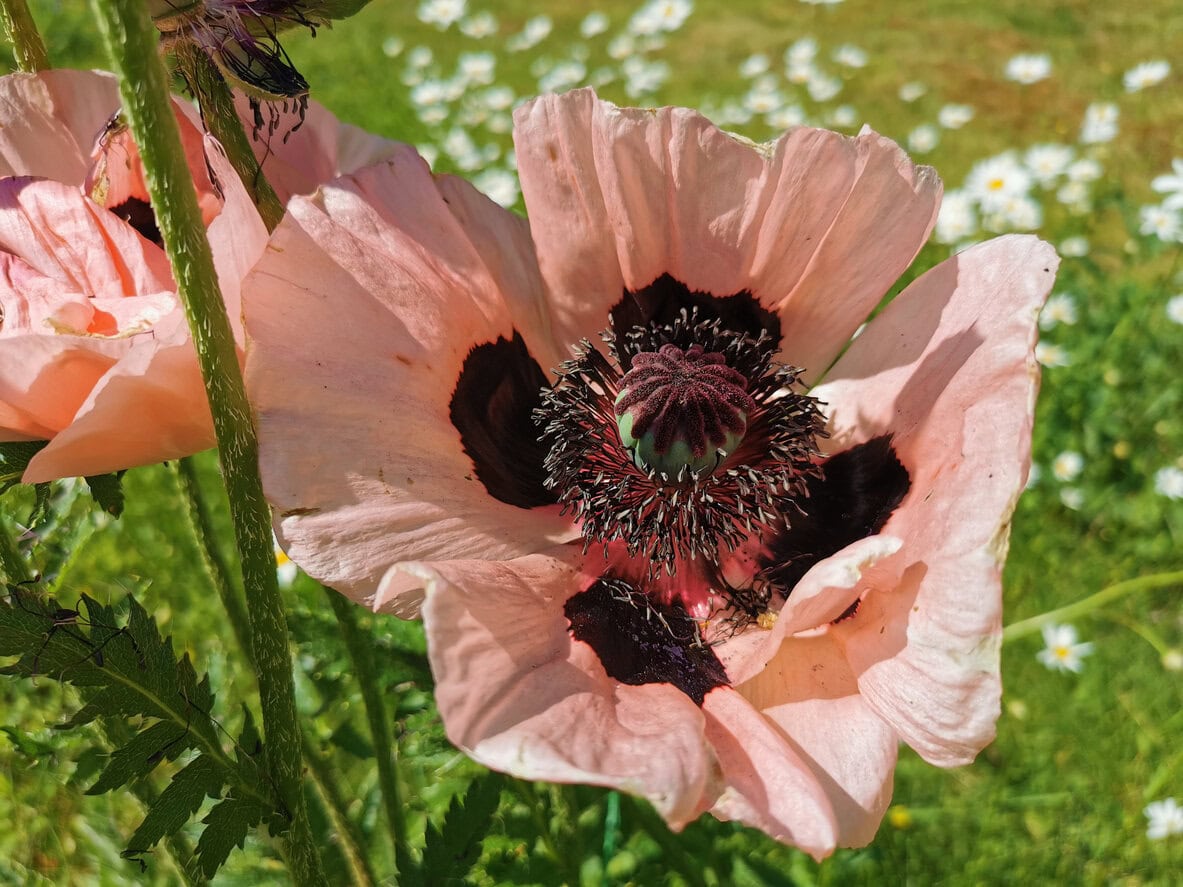
Work fast. Dig up a bit, slice off a pencil-thin piece of the root, and put the mother plant right back. A careful dig and immediate re-siting usually works well.
For this one, take a gentler approach: Take 2 to 3-inch root cuttings, lay them horizontally in loose soil, and cover lightly. Avoid moving the main crown, take root cuttings instead to prevent sulking. Label them, they’re easy to lose sight of until spring.
Sedum (Upright Varieties):

Practically indestructible. These plump plants don’t mind a November move one bit.
Here’s how to divide it: Lift and divide by hand or spade; replant sturdy shoots 12 inches apart in well-draining soil. Avoid soggy spots over winter.
Your November labor means these plants get a head start, rooted in their new spots and tucked in for a winter’s nap, long before the soil puts up the “closed for the season” sign.
Gone ‘Til November (But the Roots are Still Here)
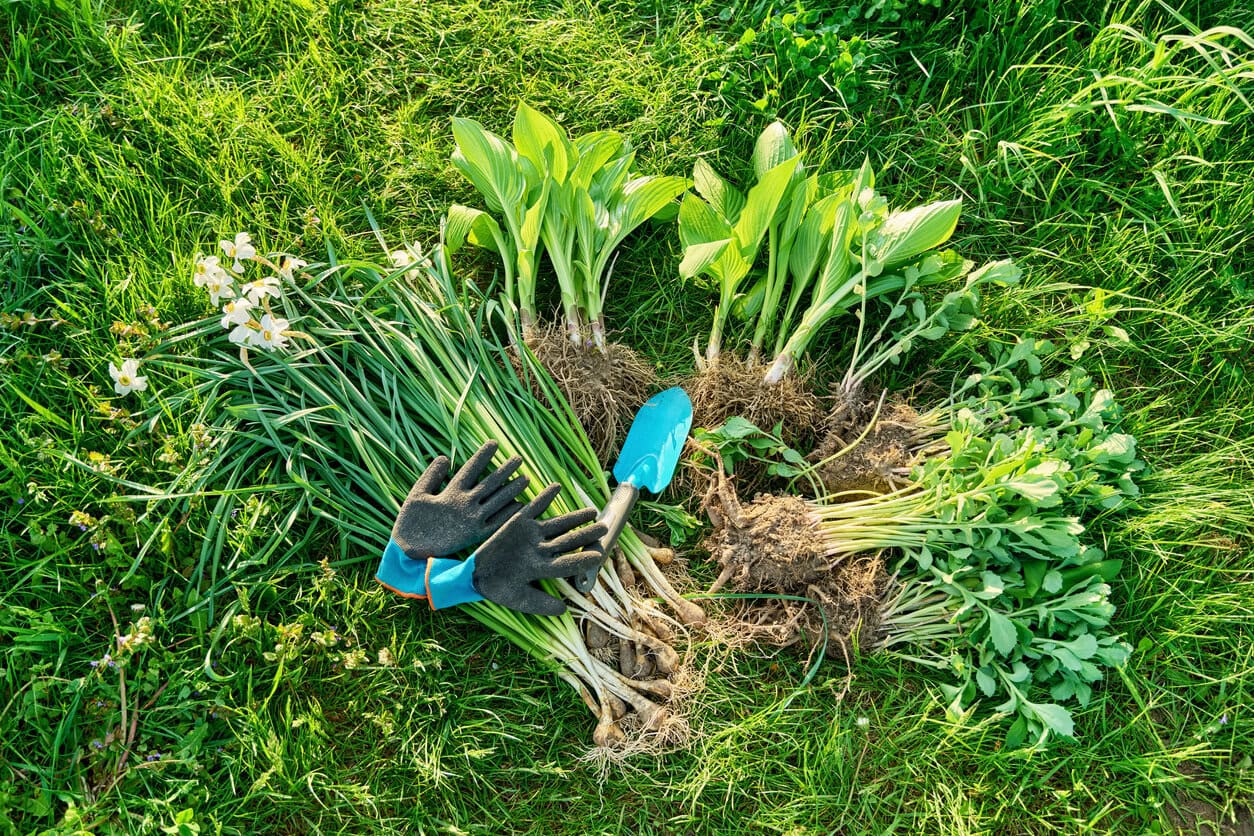
Why risk getting your hands cold, cramped, and (wonderfully) filthy in the eleventh month? Because you’re performing a quiet intervention while the plants are asleep on the job. This timing works for three specific reasons.
Plants in PJs
Dormancy. The perennials we’re discussing have entirely shifted focus. Their tops are yellow, flopping, or simply nonexistent. They aren’t trying to impress anyone. Their entire energy budget is being spent below ground.
When you cut and move them, the little clump doesn’t throw a tantrum because it’s in a deep, happy slumber. In other words, transplanting shock is reduced to a minor annoyance.
Just make sure the top growth has fully died back, that’s your cue the plant’s asleep
The “False Spring” Trap Avoidance
Next, you’re cleverly sidestepping the “False Spring” trap. Many eager gardeners divide plants too early in the spring, only to have a confusing week of warmth followed by a nasty freeze.
It causes new divisions to wake up, stretch their roots, and then promptly get smacked back to sleep, often with fatal results.
So when you divide now, when the cold is legitimately settling in, you are guaranteeing that the plant will not wake up until the threat of confusion is long gone.
If you’re not sure which plants to trim back and which to leave standing before frost, take a look at what to cut back vs leave standing in a November garden.
The Soil is Still Manageable
Finally, the soil is still serving us a purpose. Even if your toes are numb, the soil a few centimeters down holds enough residual heat to allow the recently disturbed roots a helpful but quick chance to heal or grab a tiny foothold.
Soil stays workable until about 38-40°F (3-4°C). Below that, it becomes too cold for new root growth. If the soil still crumbles in your hands (not rock-hard), you’ve got just enough time!
Crucially, you must work swiftly. Dig up the clump, divide the root ball using whatever method brings you joy, and immediately settle the new, smaller divisions into their new beds. Think of it as a brief garden emergency. No loitering allowed, doctor!
Sleep Well, Little Clump
Every year, Mother Nature sends a stern “No More Gardening” circular email around November first. You should forward it to a colleague gardener, write “I consulted my shovel. It disagreed.” and then spam it.