
While the month of November is a difficult one to navigate, there are many things you can plant during this period to improve your garden tremendously.
In today’s article, we’ll be discussing bulbs specifically, and I’ll be taking you through a whole list of bulbs you can plant in November to achieve gorgeous spring blooms.
Let’s get into it, shall we?
Can You Really Plant Bulbs In November?

Absolutely! However…planting bulbs in November does come with some conditions, with the first being that the ground shouldn’t be frozen.
Believe it or not, some bulbous plants actually prefer growing in mild to slightly cool soil since the cold temperature tends to prevent rot and premature sprouting.
Before planting, loosen the soil at least 8 inches deep and mix in compost or leaf mold to improve drainage. Avoid low spots where water tends to pool, since soggy soil can cause bulbs to rot over winter.
Do USDA Zones Matter When Planting Bulbs In November?

Unsurprisingly, yes, they do matter, especially since many bulbs grow and bloom depending on the conditions they’re exposed to.
Dutch irises and hyacinths thrive in mild to warm regions, while daffodils adapt well to both cool and moderate climates. In my opinion, this is just the beauty and essence of gardening – the inability to plant whatever we want forces us to be more creative and strategic with our ways.
If you’re unsure when to start planting bulbs in your area, here’s a helpful guide on the best time to plant spring and summer bulbs by zone.
Bulbs You Can Still Plant In November By USDA Zone
1: Tulips (Zones 3-8)

Tulips fortunately need cold winters to be able to grow and bloom well. In warmer zones (8-10), they typically behave like annuals unless they’re pre-chilled for 6-8 weeks before planting.
Plant tulip bulbs 6 to 8 inches deep and 4 to 6 inches apart, with the pointed end facing up.
2: Daffodils (Zones 3-9)

Daffodils are perhaps the most cold-hardy and resilient flowering bulbs out there. They’re able to naturalize pretty easily and withstand late planting well as long as the ground isn’t completely frozen.
Set daffodil bulbs about 6 inches deep and 4 to 6 inches apart to give them room to naturalize over time.
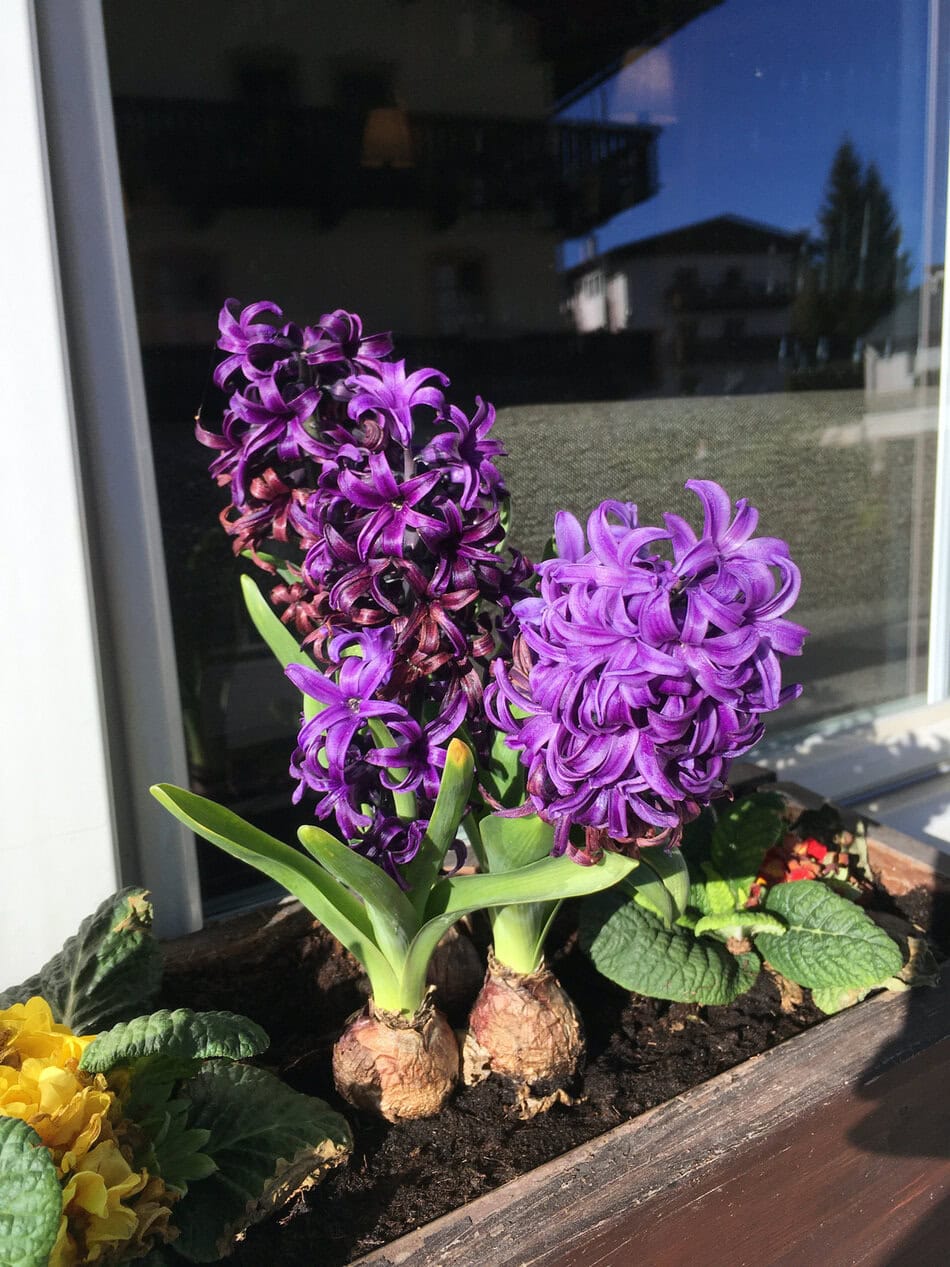
3: Hyacinths (Zones 4-8)

Hyacinths need November to chill the soil slightly so that planting conditions can become more ideal. In warmer zones (9-10), it makes sense to pre-chill the bulbs before planting for the best results.
Plant hyacinths roughly 4 to 6 inches deep and 4 inches apart in well-draining soil.
4: Alliums (Zones 4-8)

Most alliums thrive in zones 4-8, though some smaller species like ‘Allium moly’ can handle slightly warmer climates, and hardy types like ‘Allium cernuum’ can tolerate cooler zones down to 3.
Place large allium bulbs 6 to 8 inches deep and 6 to 8 inches apart, while smaller types like Allium moly can go 3 to 4 inches deep and 3 to 4 inches apart.
5: Crocus (Zones 3-8)

Not only are crocuses resilient to cold, but they also bloom early in the wintertime. Getting them to flower in warmer zones might be challenging since they need pre-chilling for that.
Crocus bulbs should be planted 3 to 4 inches deep and 2 to 3 inches apart for a dense, colorful cluster when they bloom.
6: Snowdrops (Zones 3-8)

Snowdrops are amongs the earliest bloomers in the winter. They struggle in warmer zones and climates, but absolutely thrive in the cold.
Bury snowdrop bulbs about 3 inches deep and 2 to 3 inches apart, and plant them soon after purchase since they dry out quickly.
If you’d like even more winter color, here are some beautiful plants that bloom through the cold months.
7: Dutch Iris (Zones 5-9)
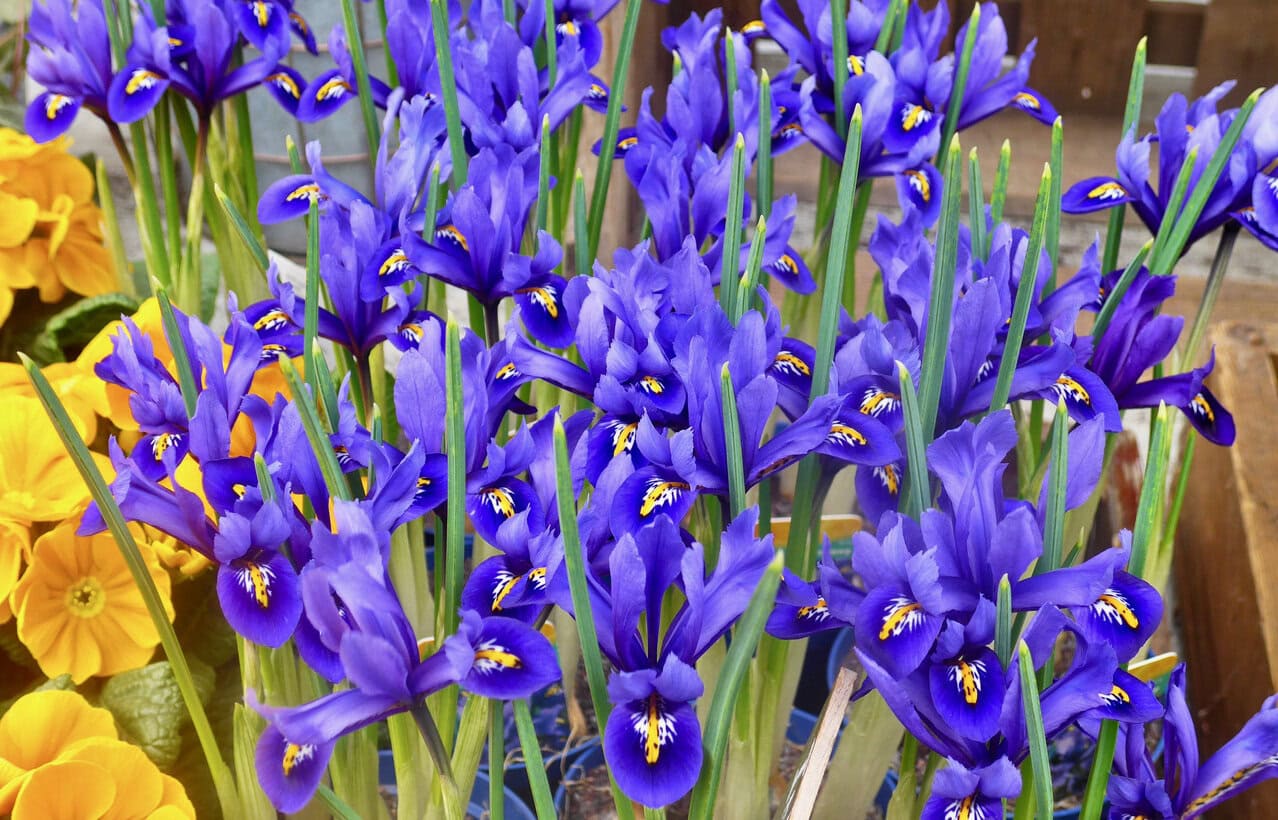
While Dutch irises are not as hardy as some of the other bulbs on this list, they are still a solid choice for zones that experience more moderate winters. While you can plant them in the cold, protection from mulch and covers will eventually be needed.
Plant Dutch iris bulbs 4 inches deep and 3 to 4 inches apart in light, well-drained soil, then mulch after planting if frost is expected.
8: Grape Hyacinths (Zones 3-9)

Grape hyacinths are tough naturalizers that adapt easily to most soil conditions and tolerate both mild climates and cold winters very well.
Set grape hyacinth bulbs 3 inches deep and 2 inches apart, planting them in groups for a natural carpet effect.
For even more ideas, take a look at the best fall bulbs to plant for colorful spring blooms.
9: Fritillaria (Zones 4-8)

Fritillarias have a preference for cooler winters and well-drained soil. In case the cold is too harsh, mulch snugly around the bulbs to protect it.
Plant fritillaria bulbs 4 to 8 inches deep (depending on size) and 6 to 8 inches apart, placing each bulb slightly on its side to prevent rot.
So, Let’s Summarize!
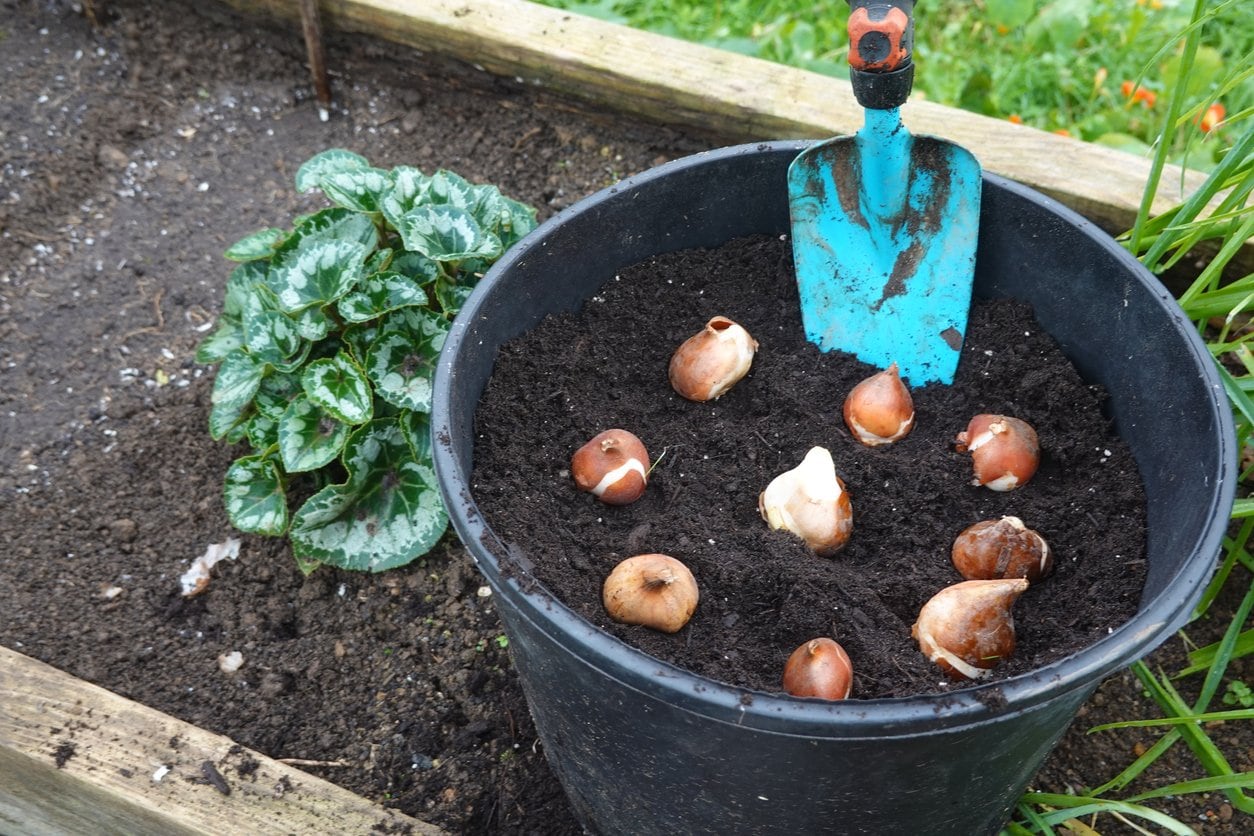
Come spring, you’ll start to see green shoots pushing through as soon as the soil thaws. By late March or April, your garden will burst into color, a perfect reward for planting ahead in chilly November!
Let’s Conclude
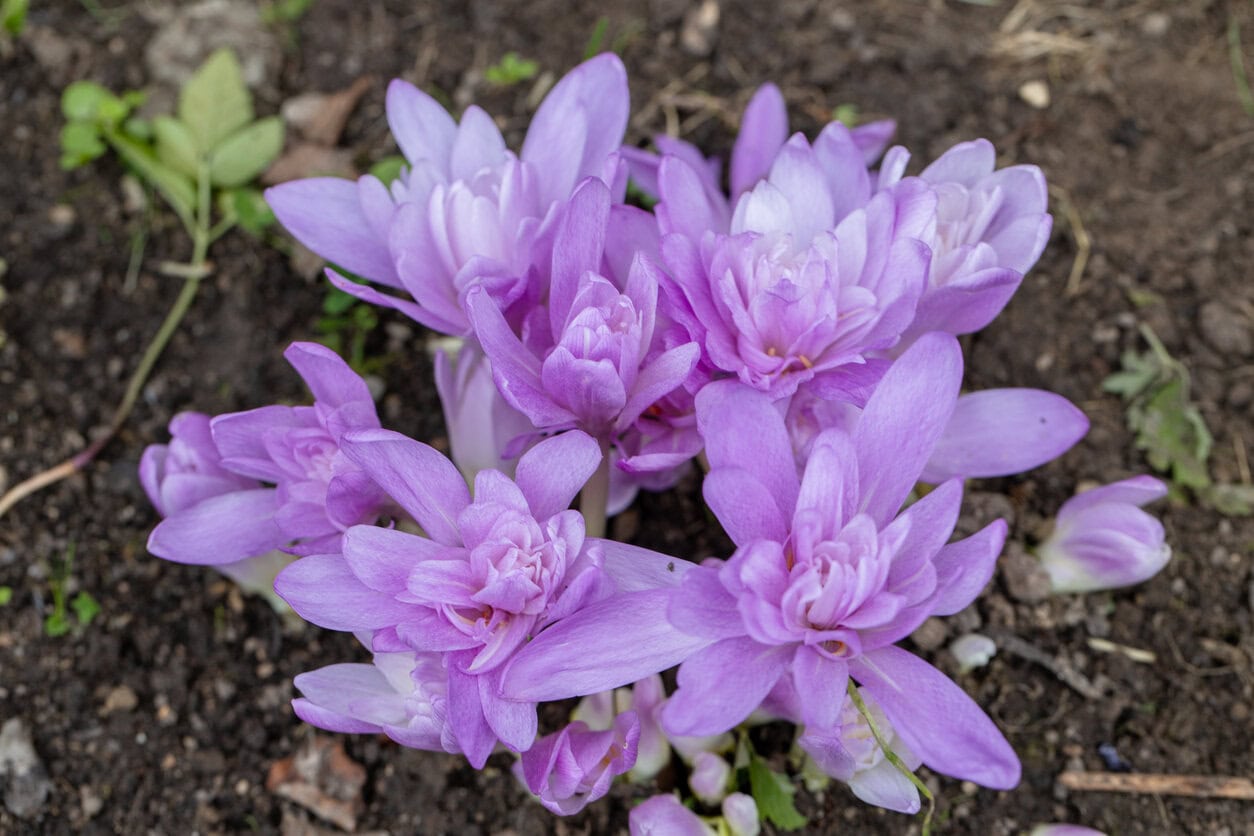
While many gardeners tend to surrender to the cold and just get lazy by November, the wise are those who are picking what they should be planting next, and taking action early in the season. For flowering bulbs that need cold conditions to establish and grow well, this is the time to plant them!
And if you’re cleaning up your garden before winter, remember, some plants should be left alone until spring. Here’s a quick list of plants you should never prune in fall
Since November is just around the corner, I’d suggest you pick what bulbs will suit your garden best and just begin planting!


