Back when I was young and beginning to develop a fondness for nature and gardening, flowers that changed colors as they grew were the most fascinating to me.
And…I mean…for good reason. Imagine a flower that’s already incredibly beautiful taking on a completely different color right in front of your eyes!
In today’s article, we’ll be taking a closer look at these color-changing flowers and going over a list of options you can try out in your own garden. So, without wasting any more time, let’s jump straight to the good stuff!
Are There Really Flowers That Change Color?

While it may sound like a far-fetched, fairyland idea, flowers that change color during their growth actually exist, and can charm even the biggest of skeptics.
Certain triggers, like aging, pollination, soil pH, light, and temperature shifts, can mess with pigments such as anthocyanins and carotenoids, causing the flowers to naturally adopt a slightly (or sometimes completely) different color as they grow.
And while many of these shifts happen gradually, some flowers (like the Confederate Rose) can actually change shades in just a single day!
Flowers That Change Color As They Grow
1: Lacecap Hydrangeas
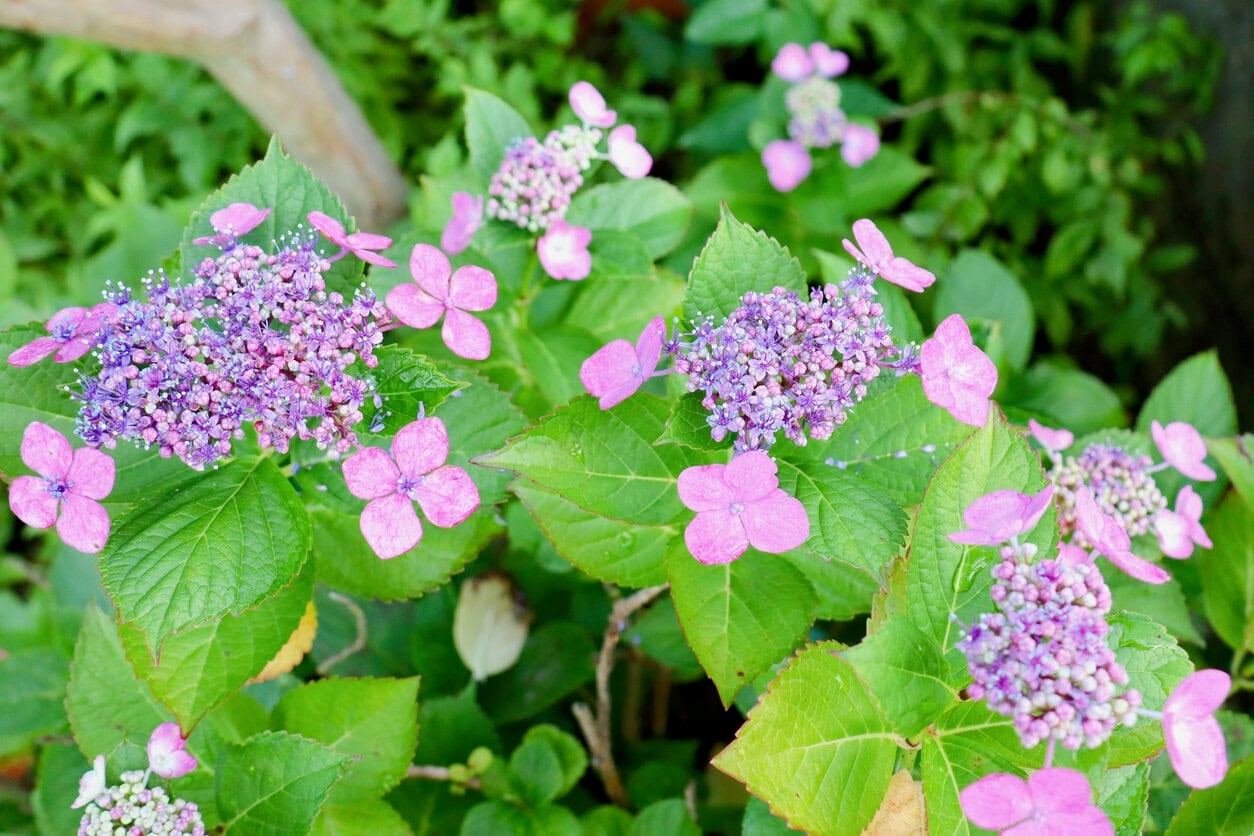
The hydrangea is a classic color shifter, and many know it as only that. Increased acidity in the soil makes the flowers blue; while alkaline conditions turn them pink or sometimes even purple.
White hydrangeas, however, stay white! They may age to a greenish tint, but their color can’t be altered through soil. Unfortunately, age is the biggest enemy of hydrangeas, and they may turn paler as they grow older.
If you want to dive deeper into the soil trick, take a look at my guide on changing hydrangea colors naturally.
Note: All hydrangeas contain compounds that are toxic if eaten, so keep pets and kids away from them!
2: Confederate Rose
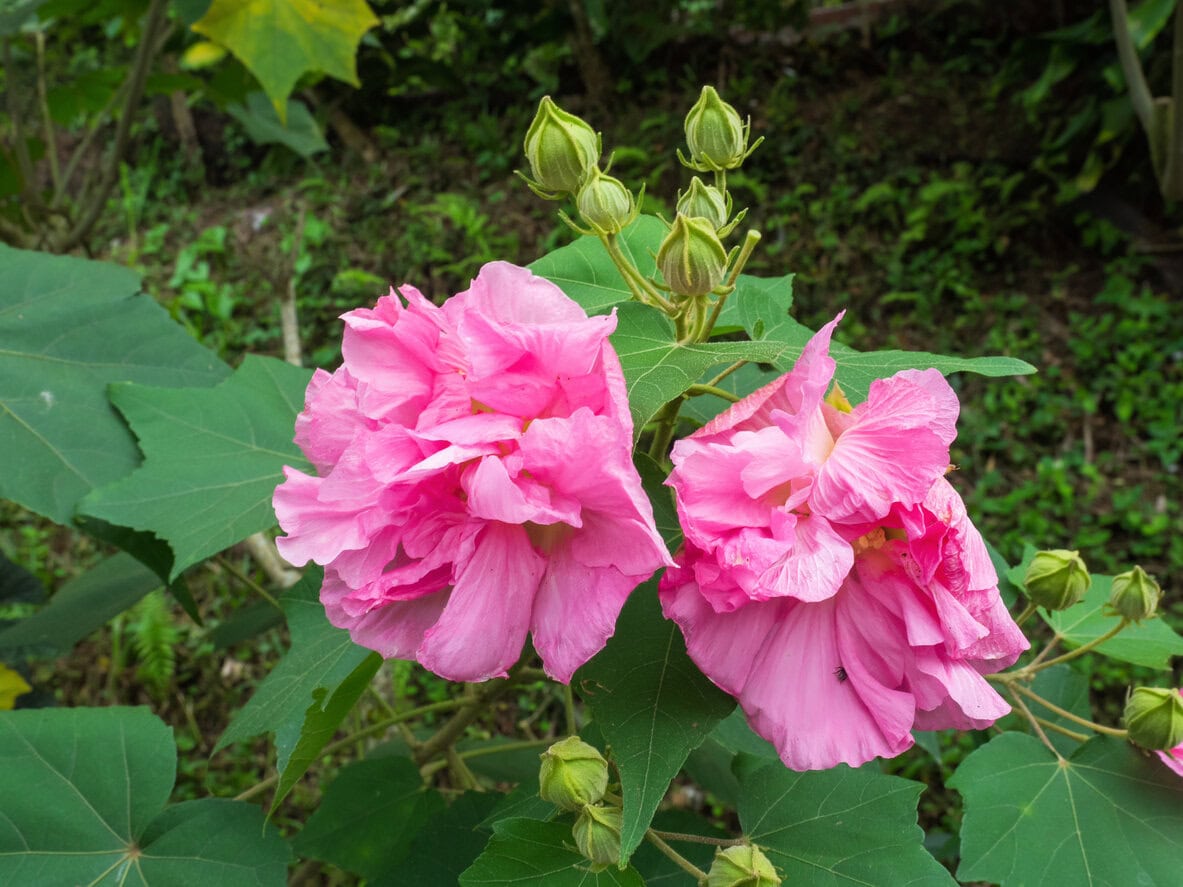
This hibiscus variety, often called Confederate Rose, is an absolute showstopper that opens up in a pearly white shade in the morning, blushes baby pink by midday, and transitions to deep red by evening. And, yes, all this in just one single day!
Note: It isn’t considered invasive in the U.S., but it can spread quickly in warm climates if left unchecked!
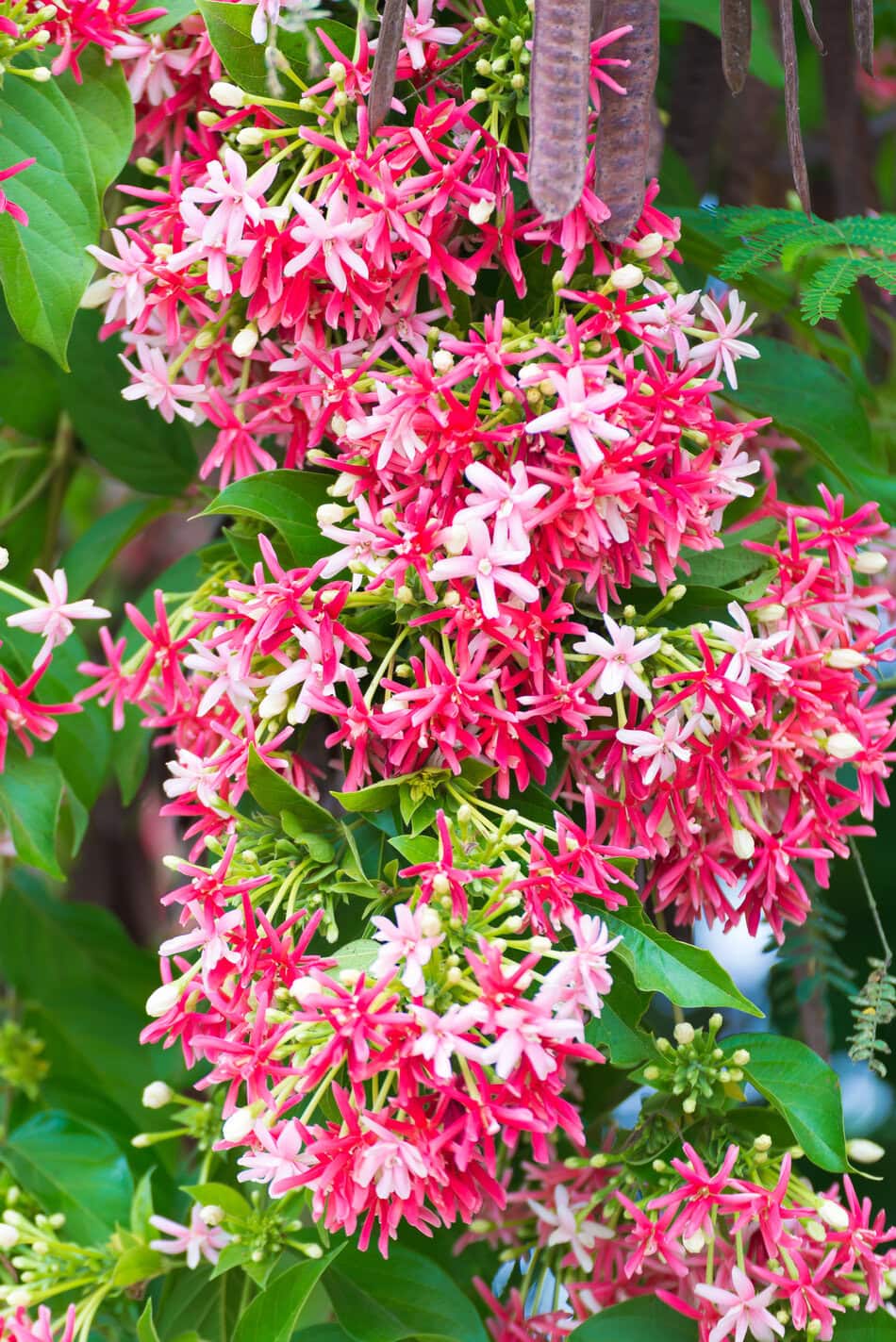
3: Rangoon Creeper
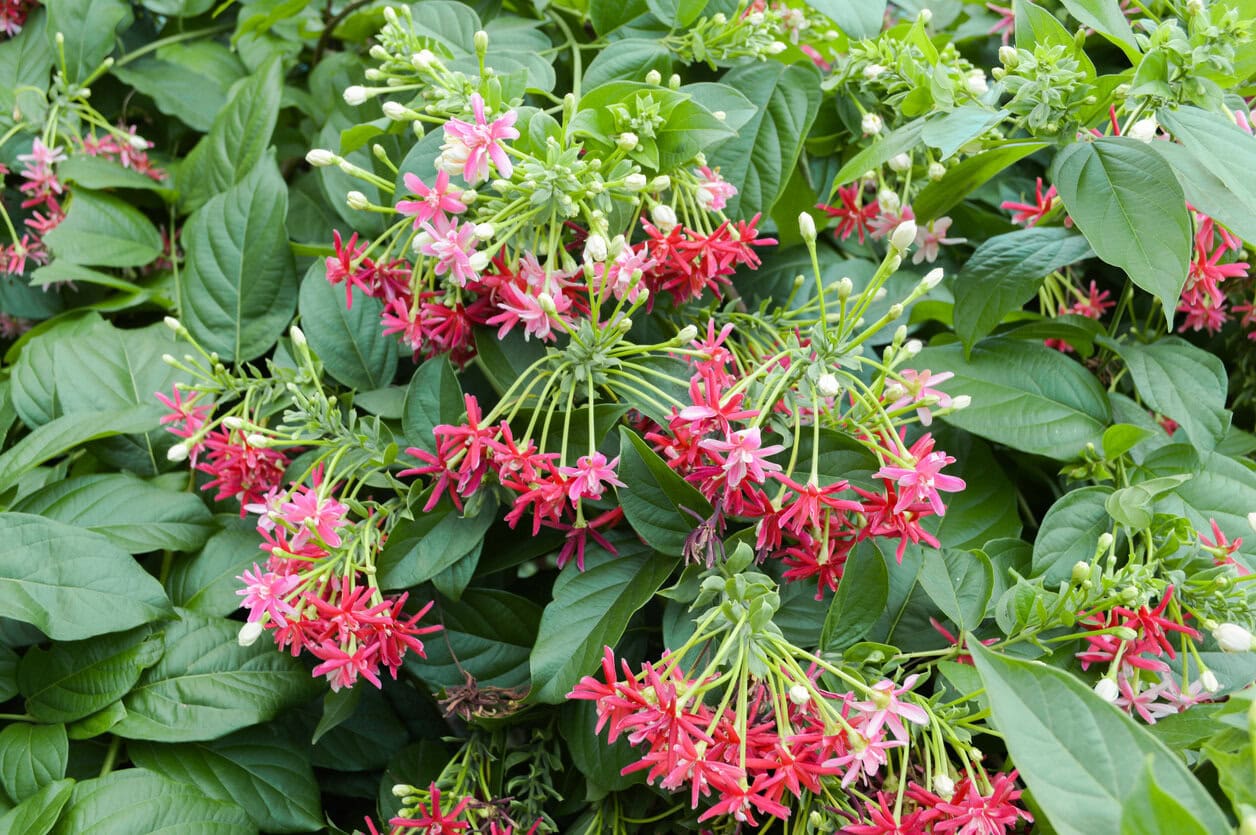
This tropical vine produces clusters of tiny flowers that initially have a pale color but quickly shift to pink and then crimson as they’re allowed to mature.
Note: Beautiful but be cautious, it can be aggressive in Florida and other warm regions, and its seeds are toxic if eaten.
And if you love the idea of climbers filling your garden with color, I’ve shared more in my post on climbing flowers for instant color.
4: Lantana

Lantanas are a sunny-season favorite amongst old-school gardeners. Their flowers can open in a yellowish-white color and gradually transition to pink, orange, and red, giving the clusters this aesthetic, multicolored look.
Plenty of sun encourages the brightest color transitions, so placement in your garden can make a difference!
Note: Lantana is considered invasive in several southern states, and all parts (especially the berries) are toxic to pets and livestock.
They’re also a magnet for butterflies and you can grow them in pots! See more ideas in my article on flowers for containers that attract butterflies.
5: Yesterday-Today-And-Tomorrow
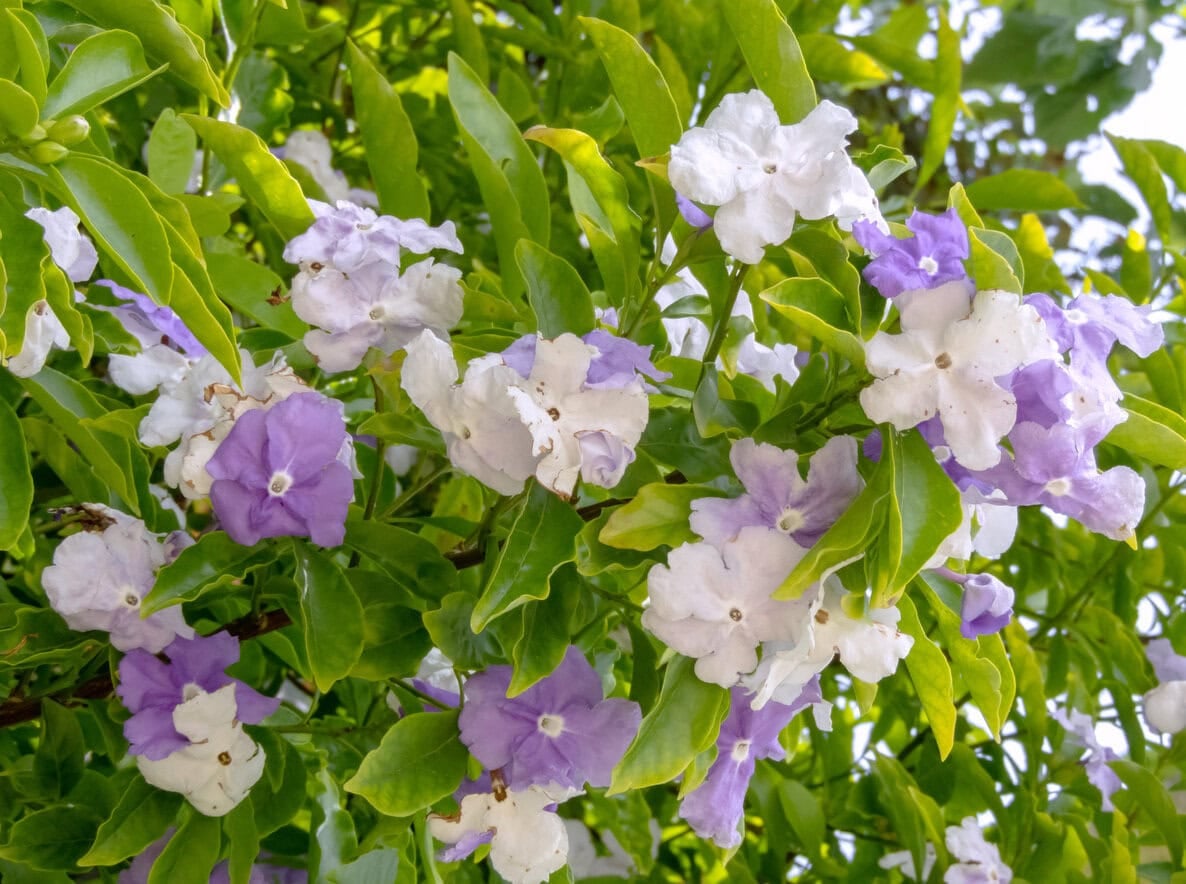
These flowers are literally named for their three-day transformation. Initially, they start with a violet purple color on the first day, shift to a pale lavender shade on the second, and turn completely white by the third!
Note: These flowers are stunning, but very toxic to cats and dogs. Don’t plant them if pets have access to the garden!
6: Four O’Clocks
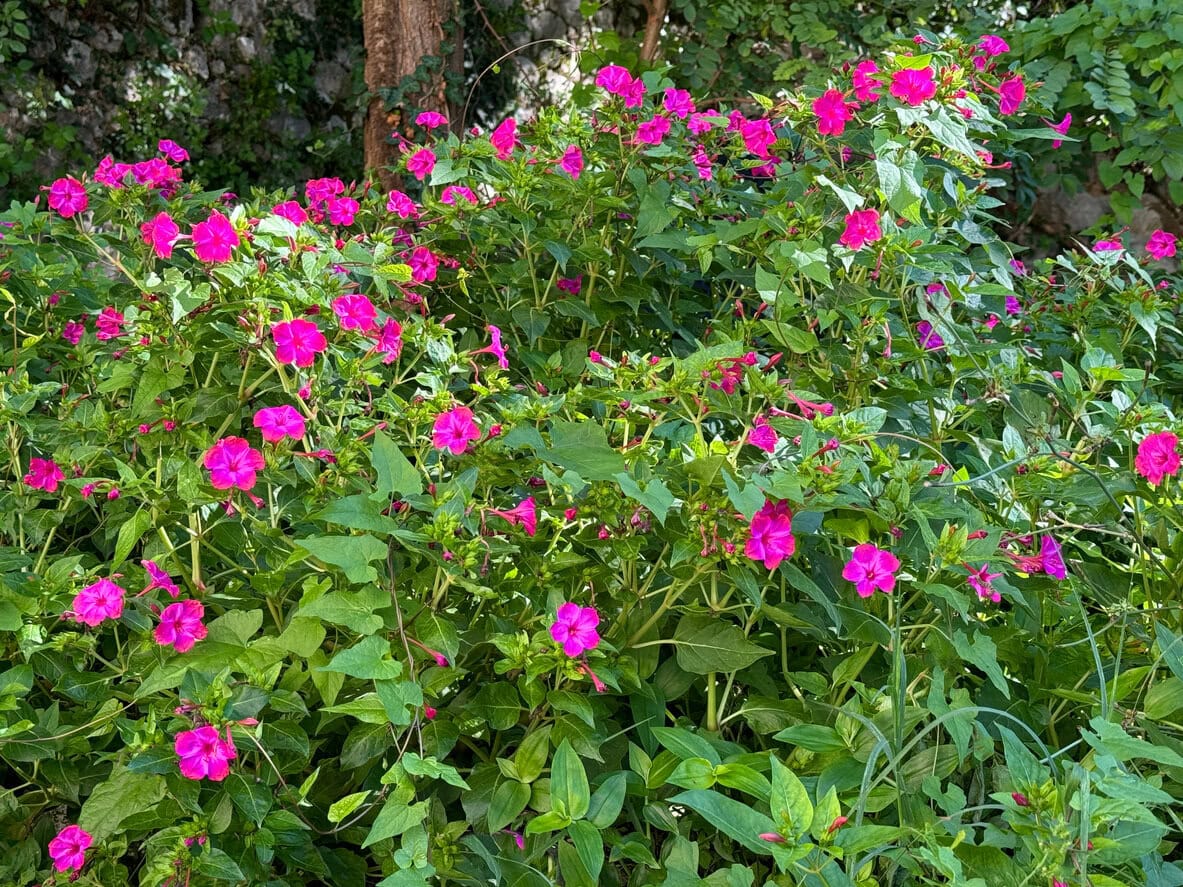
These unique annuals produce flowers that, again, open one color and eventually fade to another. Sometimes, single plants can even carry multiple flower shades at once!
Note: They reseed easily and can become weedy, plus their seeds are poisonous if ingested.
7: Red Hot Poker

Red hot pokers offer blooms that open from bottom to top, slowly transitioning in color as they age. They usually start out red, then fade to orange, and finally to yellow as the blooms age.
If you enjoy flowers that keep the color show going for weeks, you might also like my roundup of long-blooming flowers for pots and planter boxes.
8: Coral Sunset Peony
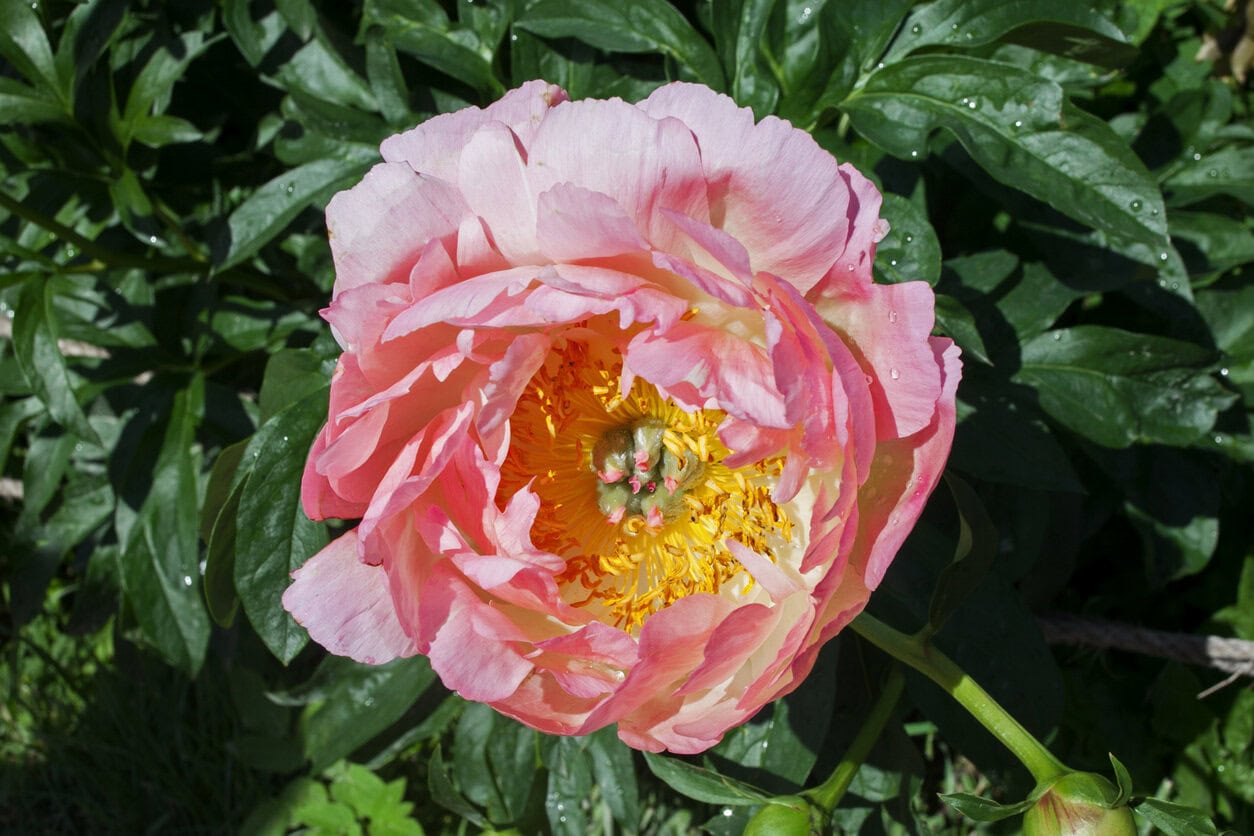
This early-blooming peony variety initially kicks off with vibrant coral petals that soften into a pinkish color, and finishes pearly white before eventually fading and dropping.
9: ‘Peach Lemonade’ Rose
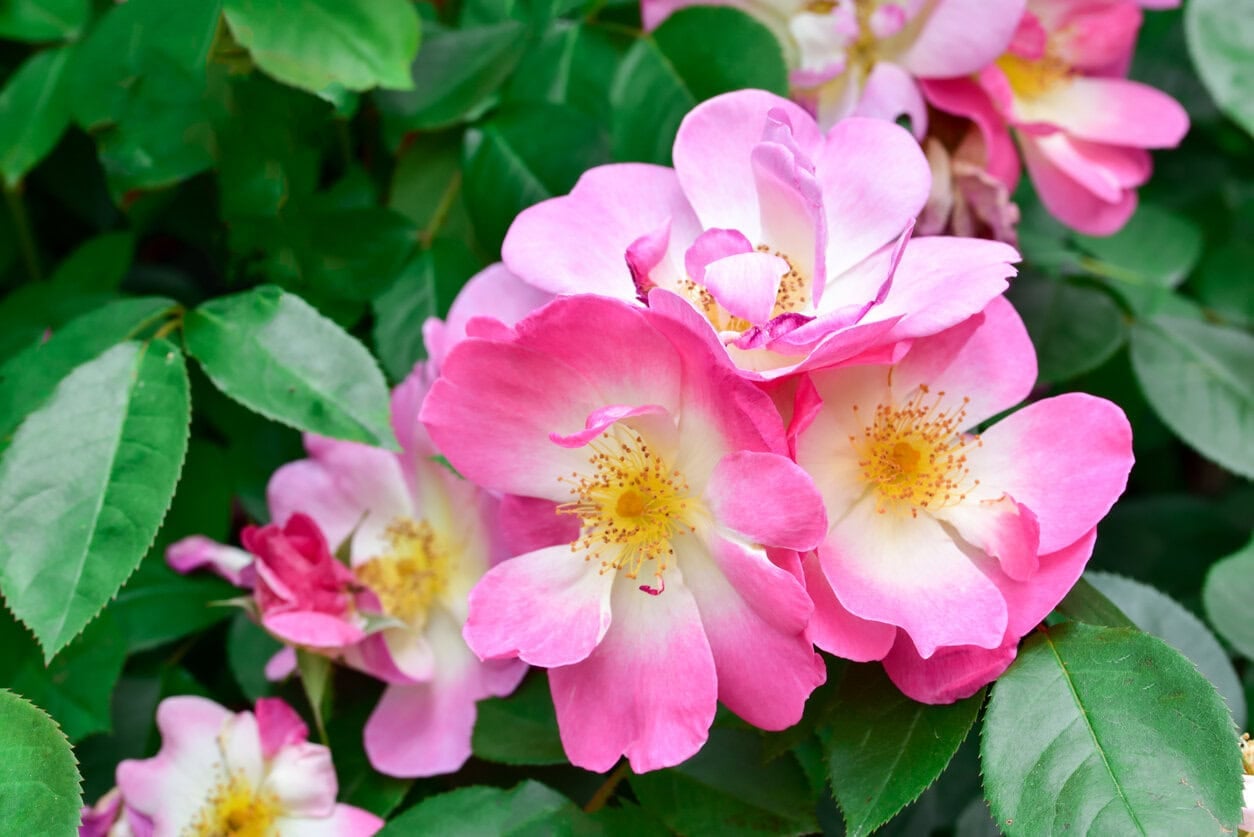
This vibrant but compact rose variety opens with a bright yellow shade and gradually transitions to a pinkish tone, sometimes even displaying both colors on the same shrub!
10: Hydrangea Mophead Cultivars

Beyond typical soil-driven color changes, certain mophead cultivars naturally fade from deep pinks and blues to softer shades of green and other antique colors as they mature.
Like other hydrangeas, soil pH influences whether they lean blue or pink before fading into antique shades.
Note: Like other hydrangeas, they’re mildly toxic if eaten!
11: Chrysanthemums
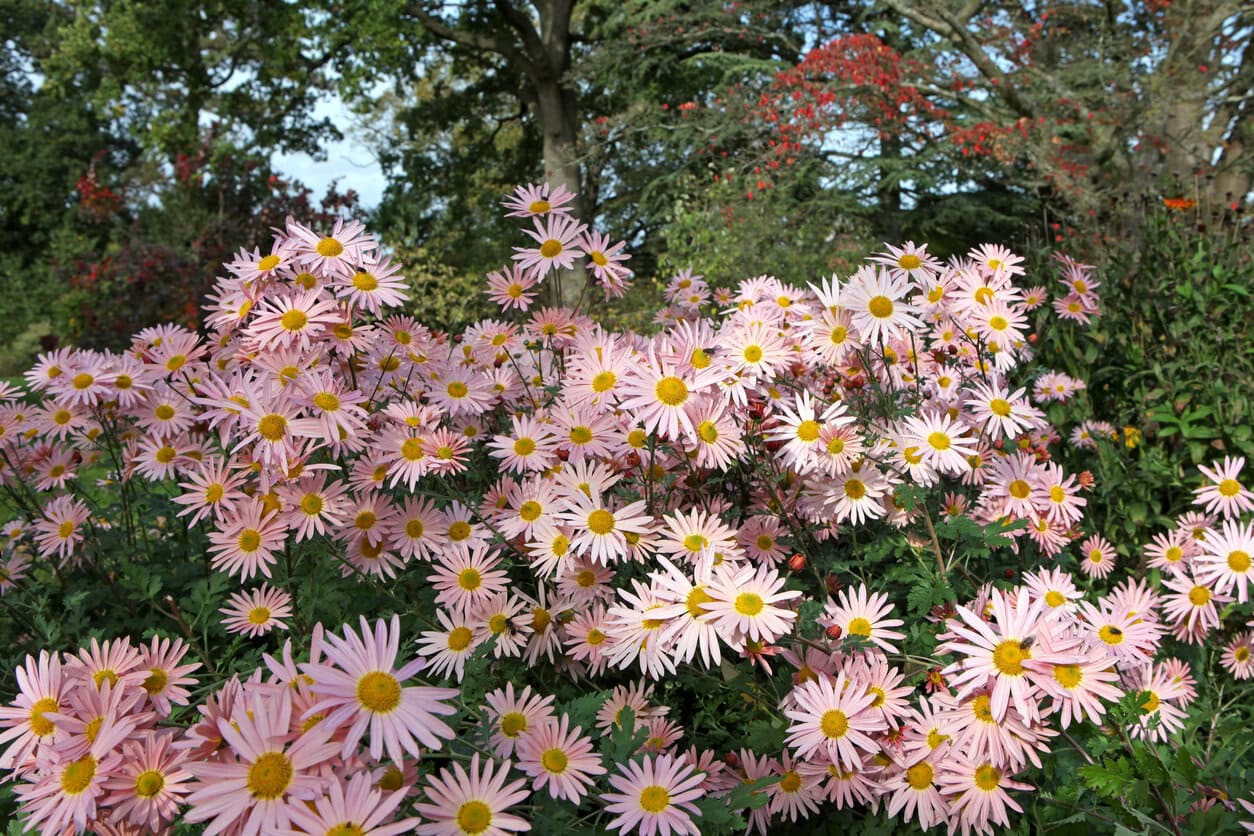
Certain chrysanthemum varieties gradually transition to lighter (occasionally deeper) colors as they age or are exposed to nighttime temperature shifts.
So, planting time and local climate can influence the intensity of their shift!
Note: Mums contain pyrethrins, which can make cats and dogs sick if they chew on them!
Can You Control Flower Color Changes In Your Garden?

With some flowers, yes, you can, while with others, it may be a challenge.
As an example, you can alter the color of your hydrangea flowers by adjusting the acidity or alkalinity of the soil.
Similarly, lantanas can be placed in sunny spots to achieve more vibrant color shifts. Other flowers, such as hibiscus, naturally shift colors as they age and mature.
Are Color-Changing Flowers Harder To Care For?
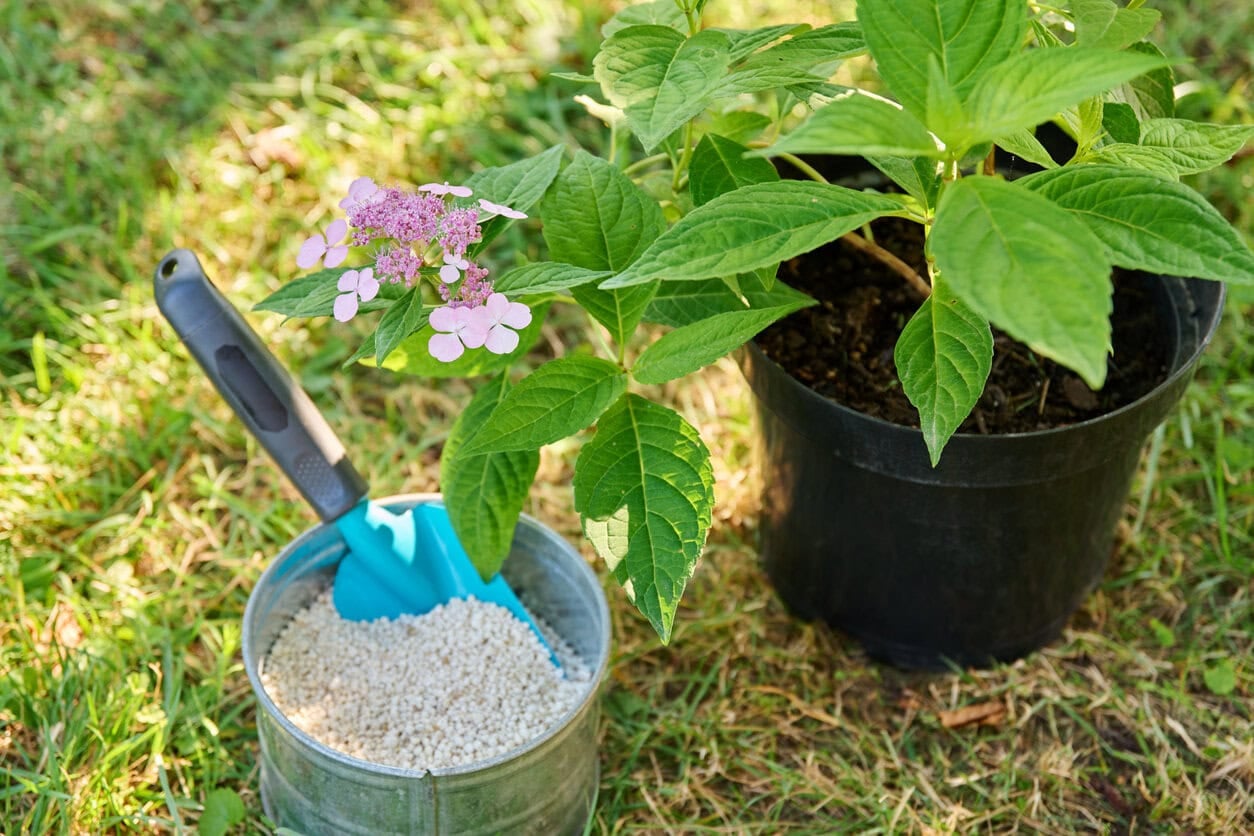
To be honest… I wouldn’t say so. Color-changing flowers aren’t some completely different breed of flowers entirely; most of them are just regular old flowers that are fairly easy to grow and maintain.
For even more garden inspiration, I put together a guide on essential cut flowers to plant in waves, perfect if you love having fresh bouquets at home.
Let’s Conclude
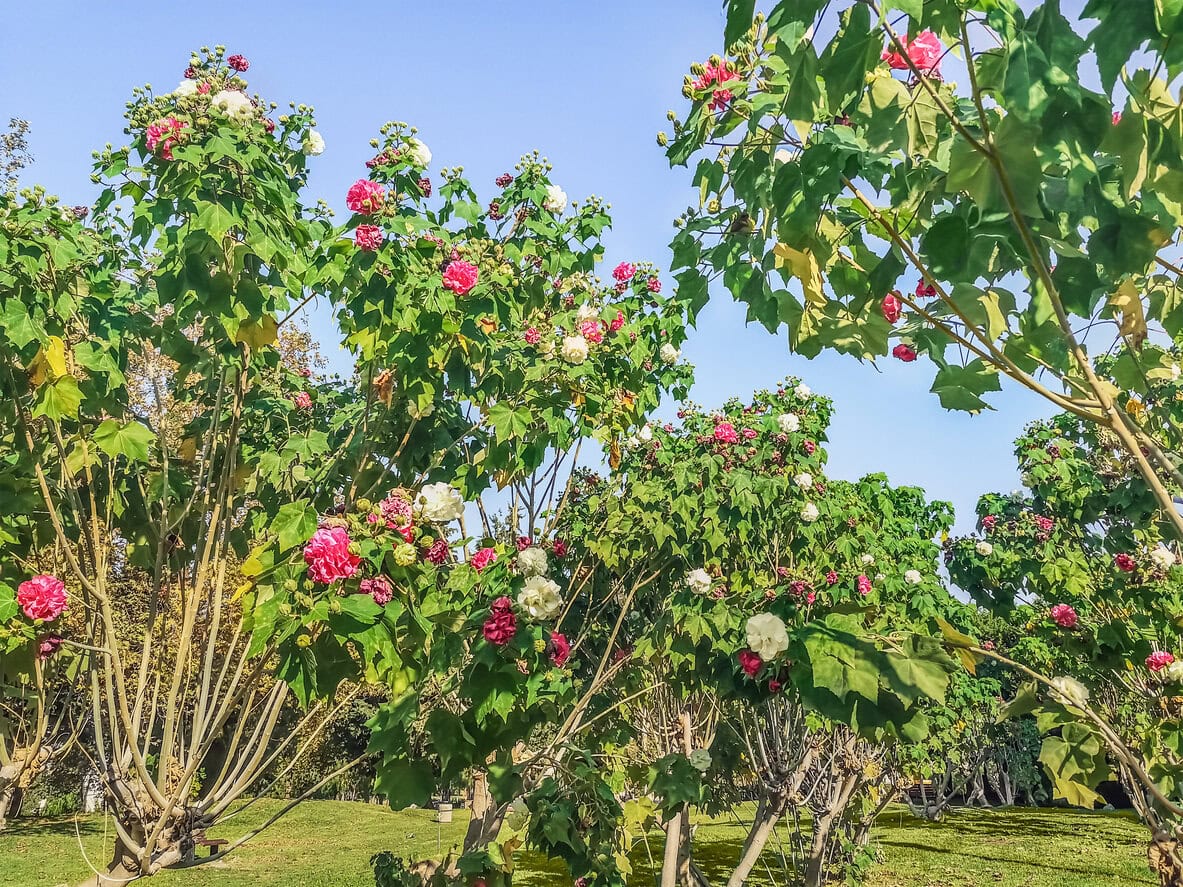
If you haven’t played around with color-changing flowers much, I would highly recommend you do so.
While some gardeners might prefer simple, single-colored flowers to make up their gardens, others yearn for lots of changing and developing colors that bring a factor of novelty to the landscape.
If you believe yourself to be the latter, color-changing flowers can quite literally change your garden in the most stunning way possible!