
Growing organic? Afraid of pests? Plant these eight flowers, and let the biology start screaming. smell strange, leak useful compounds, lure in the good bugs, and make pests work harder for lunch.
Your chatty neighbor may also suffer minor fence-related discouragement. Now for the floral offenders, and what they actually do once they’re in the ground.
Peak Pest Protection
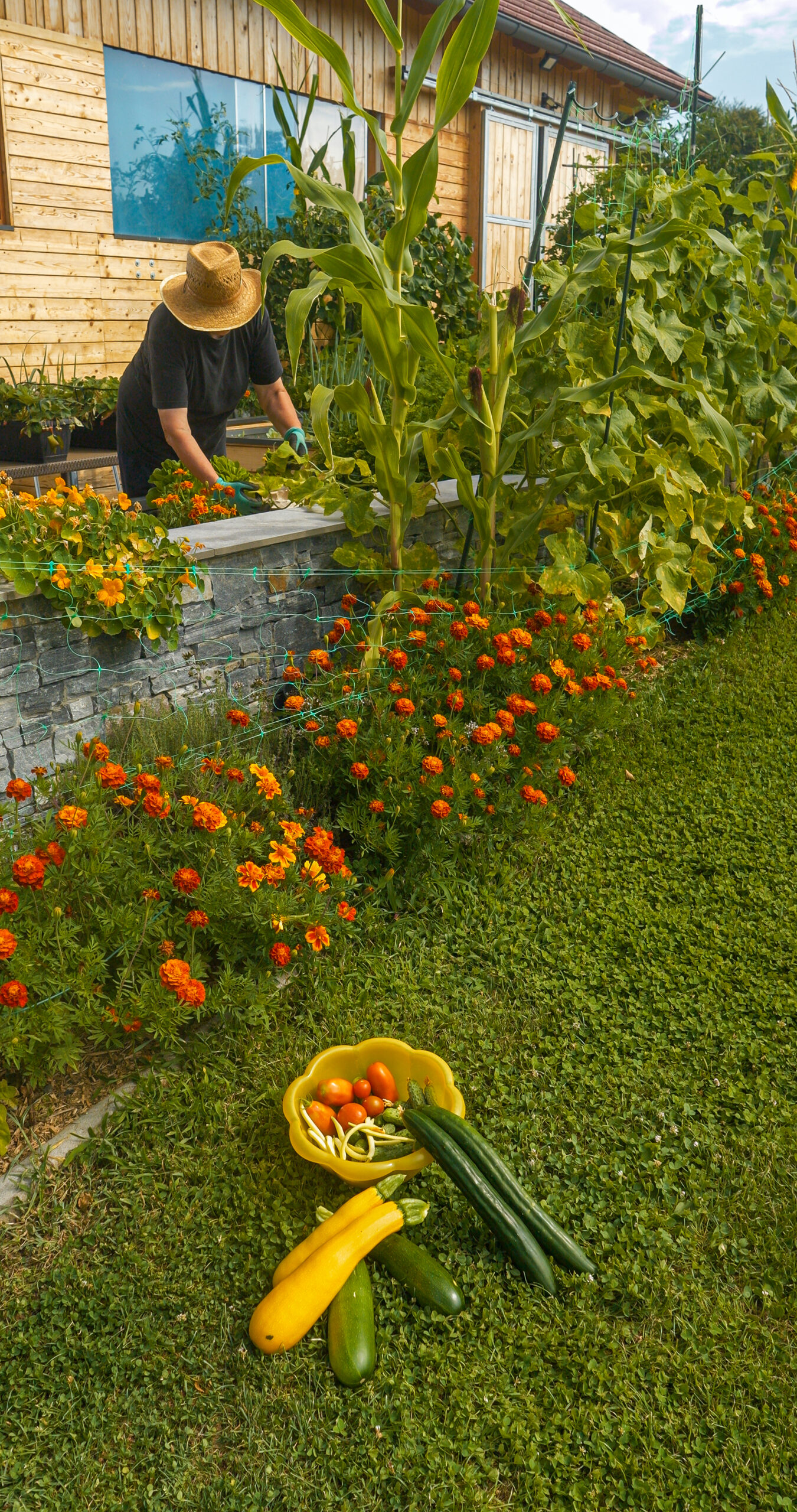
These flowers release scents and compounds that ruin a pest’s afternoon and, with enough luck, discourage your landlord from “just dropping by”.
1. Marigolds (USDA Zones 2-11)
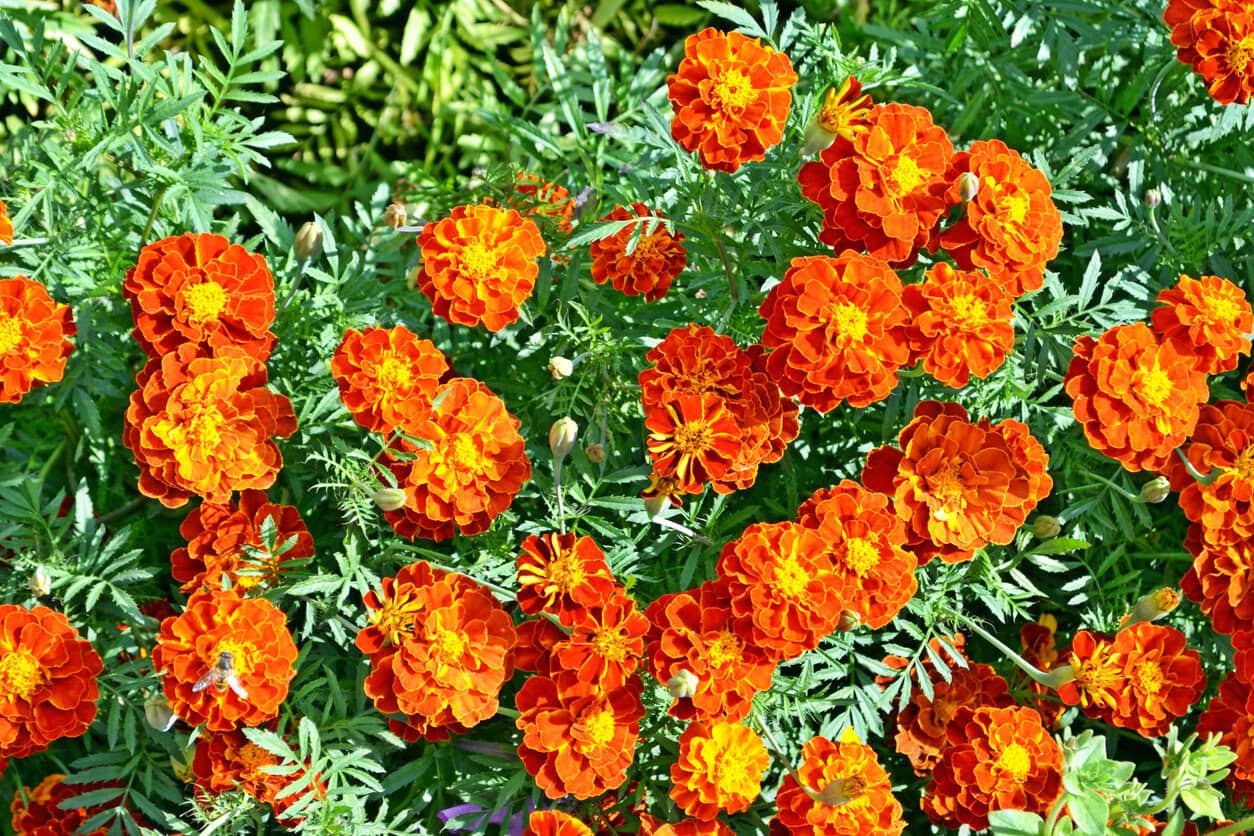
What they repel and where to use them: Beetles, whiteflies, and some plant-parasitic nematodes. I like to tuck them around vegetable beds and scatter them near pest-prone crops, especially where I want a living stink barrier.
Marigolds stink in a useful way. They give off that sharp, musky smell that makes garden freeloaders regret visiting. Below the soil, certain marigolds also produce alpha-terthienyl, a compound that helps suppress some plant-parasitic nematodes.
Beyond pest control, I use them for blessed silence. It’s hard to maintain a conversation when your landscaping smells like it has strong opinions.
2. Lavender (USDA Zones 5-9, or Annual Elsewhere)
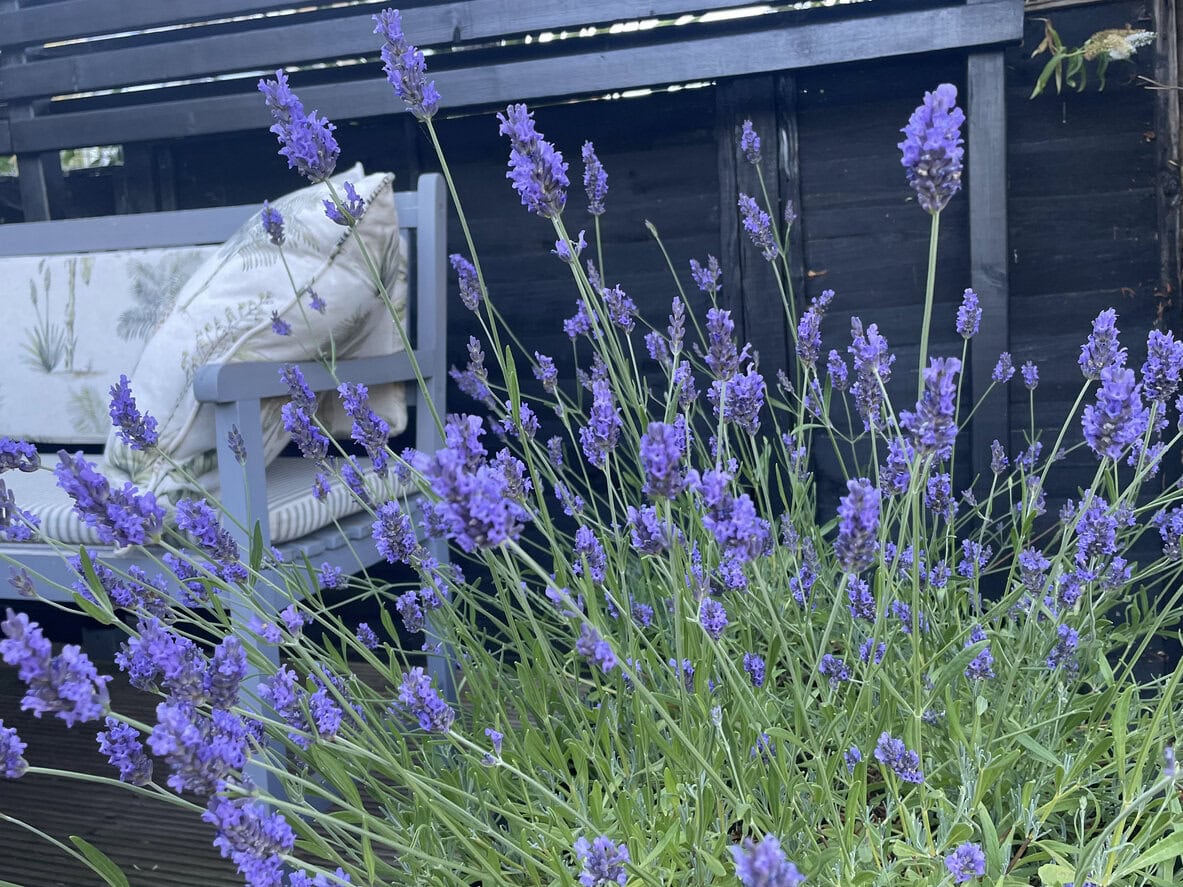
What it repels and where to use it: Mosquitoes, moths, fleas, and flies. I like to plant it near seating areas, paths, and sunny spots where I actually want to sit without becoming a buffet.
Lavender’s aggressive levels of refinement do a lot of work. I can confirm this. I’ve had far fewer airborne freeloaders around the seating area since I planted three shrubs nearby.
The plant gives off its strongest oils (the stuff that actually bothers the bugs) when it gets full sun, sharp drainage, and lean soil (my garden checks all three). Over-fertilizing gives you a lush plant that smells like nothing and repels no one.
3. Petunias (USDA Zones 2-11)

What they repel and where to use them: Aphids, leafhoppers, and some tomato pests. I like them near tomatoes, peppers, and other vegetables that pests treat like a salad bar.
Who borrows a little flypaper as their weapon of choice? A petunia. Sticky stems and leaves can make small pests regret getting too comfortable, while the pretty flowers distract you from the fact that the plant is quietly unpleasant.
Give them full sun and skip overhead watering, unless you prefer blooms with the texture of wet tissues.
4. Catnip (USDA Zones 3-9)

What it repels and where to use it: Mosquitoes. I keep it in containers near sitting areas or garden edges.
Catnip turns your garden into a feline frat party, but mosquitoes are much less impressed. The oil in catnip has even beaten DEET in some lab tests, which is embarrassing for the chemical industry but worth mentioning.
Plant this unhinged mint monster in a container unless you want it to annex the neighborhood. Pruning keeps the fresh, smelly growth coming, ensuring your neighborhood stays cat-rich and mosquito-poor.
5. Chives (USDA Zones 3-9)
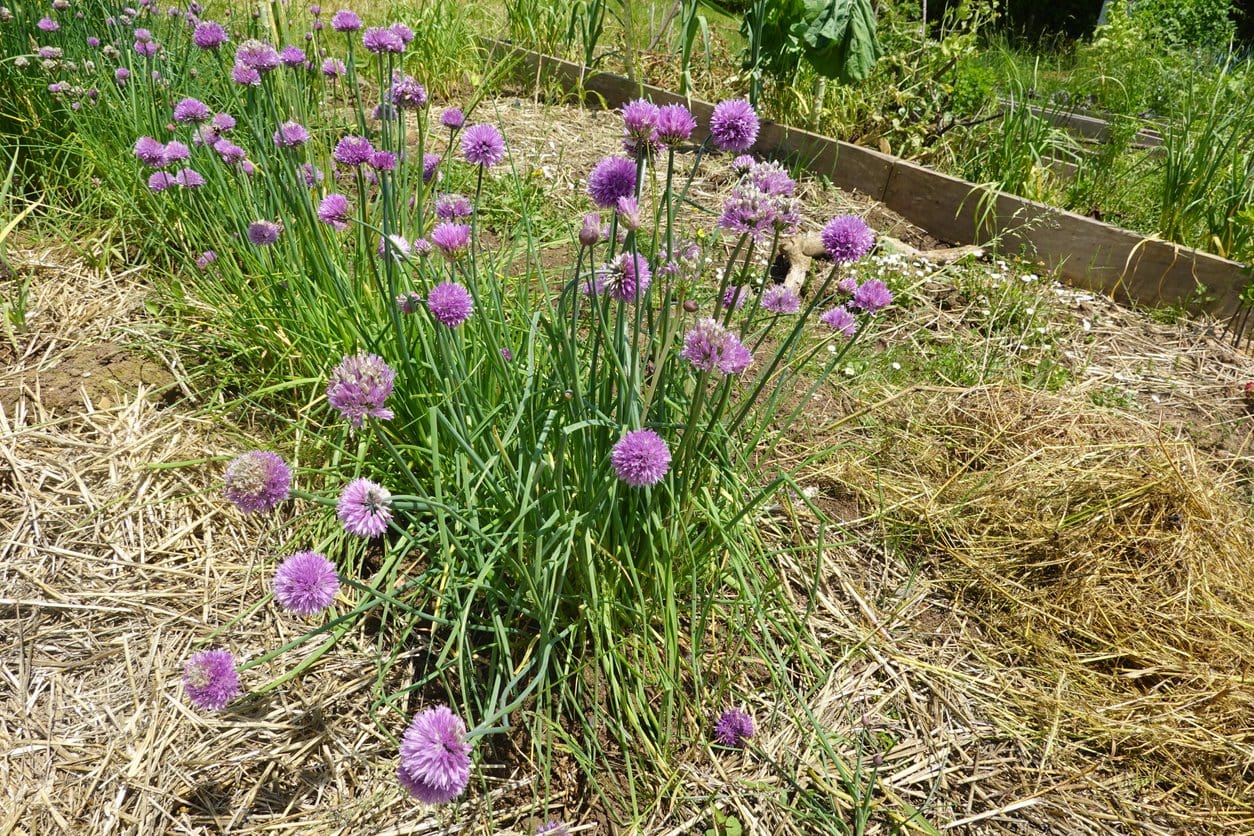
What they repel and where to use them: Aphids, Japanese beetles, carrot flies, and some brassica pests. I like them near carrots, brassicas, and pest-prone vegetables where that onion-garlic smell can add one more layer of confusion.
Garlic chives bring flat leaves, white flowers, and enough onion-garlic attitude to make some pests reconsider the menu. They’re also are nearly impossible to kill, thrive in full sun, and return annually with a vengeance.
Common chives, with hollow stems and purple pom-poms, look cute while quietly making the garden less inviting. Then there are the ornamental alliums, the massive globe flowers grown mostly for show. They possess enough breath from hell to discourage deer and rodents.
6. True Hyssop (USDA Zones 3-9)
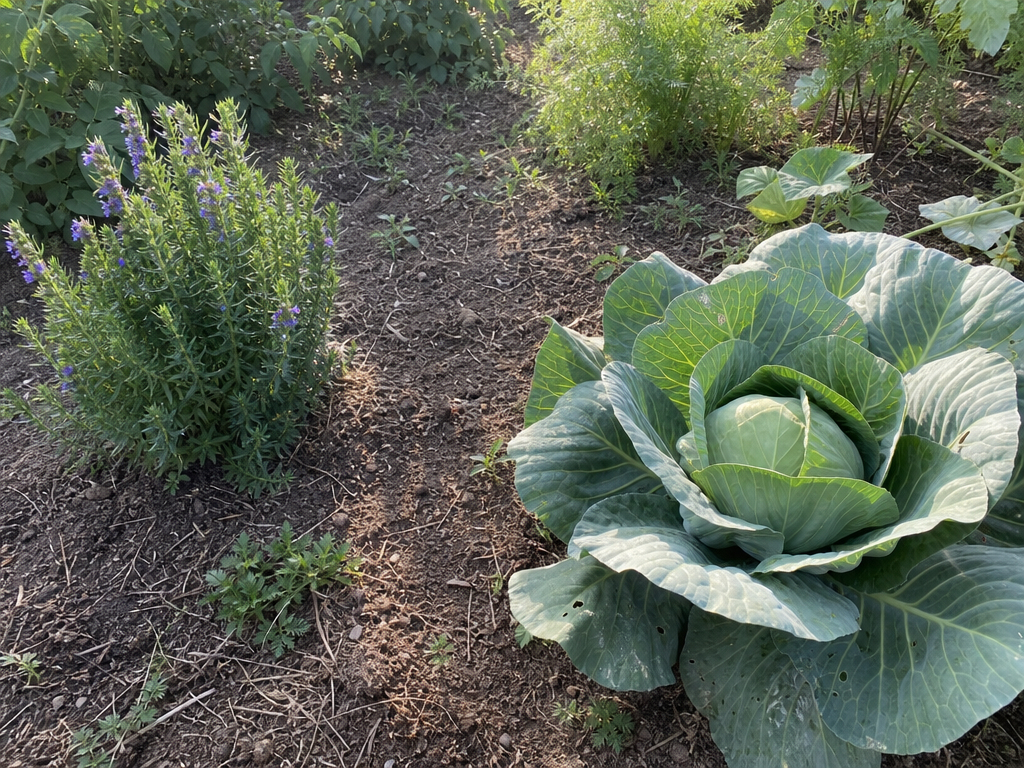
What it repels and where to use it: Cabbage pests. I like true hyssop near brassicas, especially where it gets full sun and enough airflow to throw its scent around.
True hyssop is a resinous little fortress that creates a camphor-heavy attitude, while the flowers pull in the pollinators we actually invited. This shrub prefers the harshest life: rocky soil, intense sun, sharp drainage, and zero pampering. Humidity is its sworn enemy.
It’s a woody, long-term shield that asks for nothing but sunshine and an occasional, ruthless trim after it blooms. While pests reconsider their life choices, honeybees give the deep-blue flower spikes five stars.
7. Chamomile (USDA Zones 3-9)
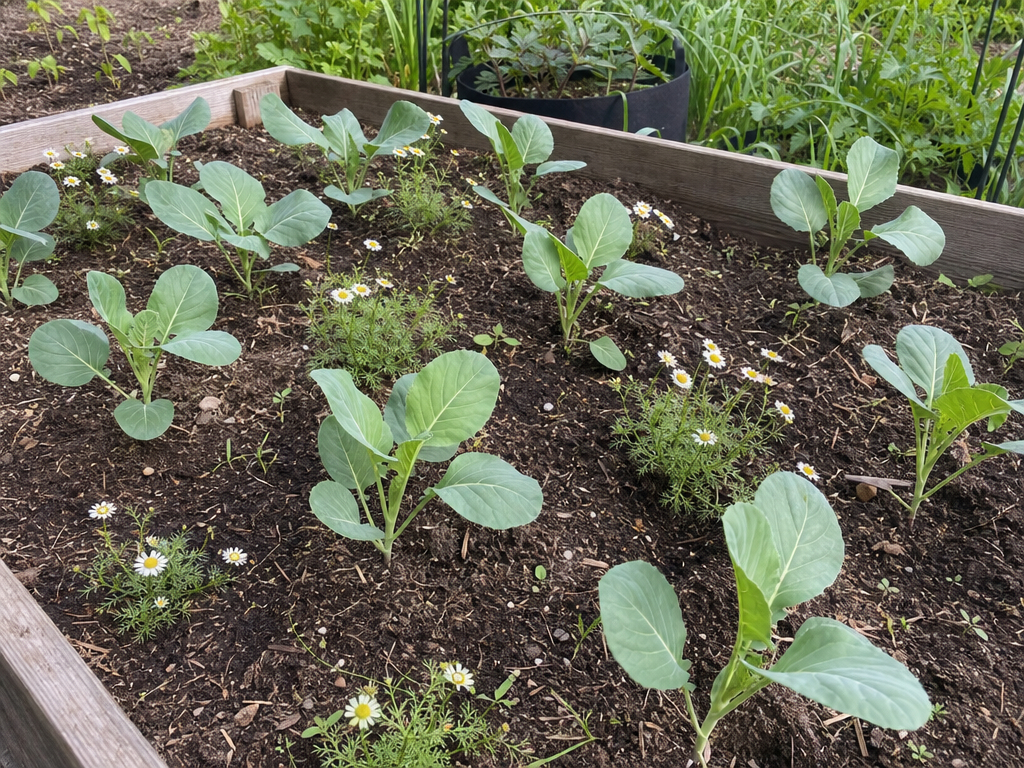
What it repels and where to use it: Cabbage moths and some soft-bodied pests. I like it near brassicas, where it can help muddle the scent trail and bring in beneficial insects.
Chamomile smells sweet to us, but some pests are less charmed. It is not a magic force field, but it earns its space by making the garden more confusing for the insects I do not want.
It also brings in helpful insects. Hoverflies, tiny parasitic wasps, and ladybugs are much more welcome than the freeloaders chewing holes through dinner.
Roman chamomile stays low and tidy, while German chamomile gets taller and reseeds like it has unfinished business. Either way, it keeps the garden feeling slightly more civilized while quietly participating in pest politics.
8. Rosemary (USDA Zones 7-10, or Annual Elsewhere)
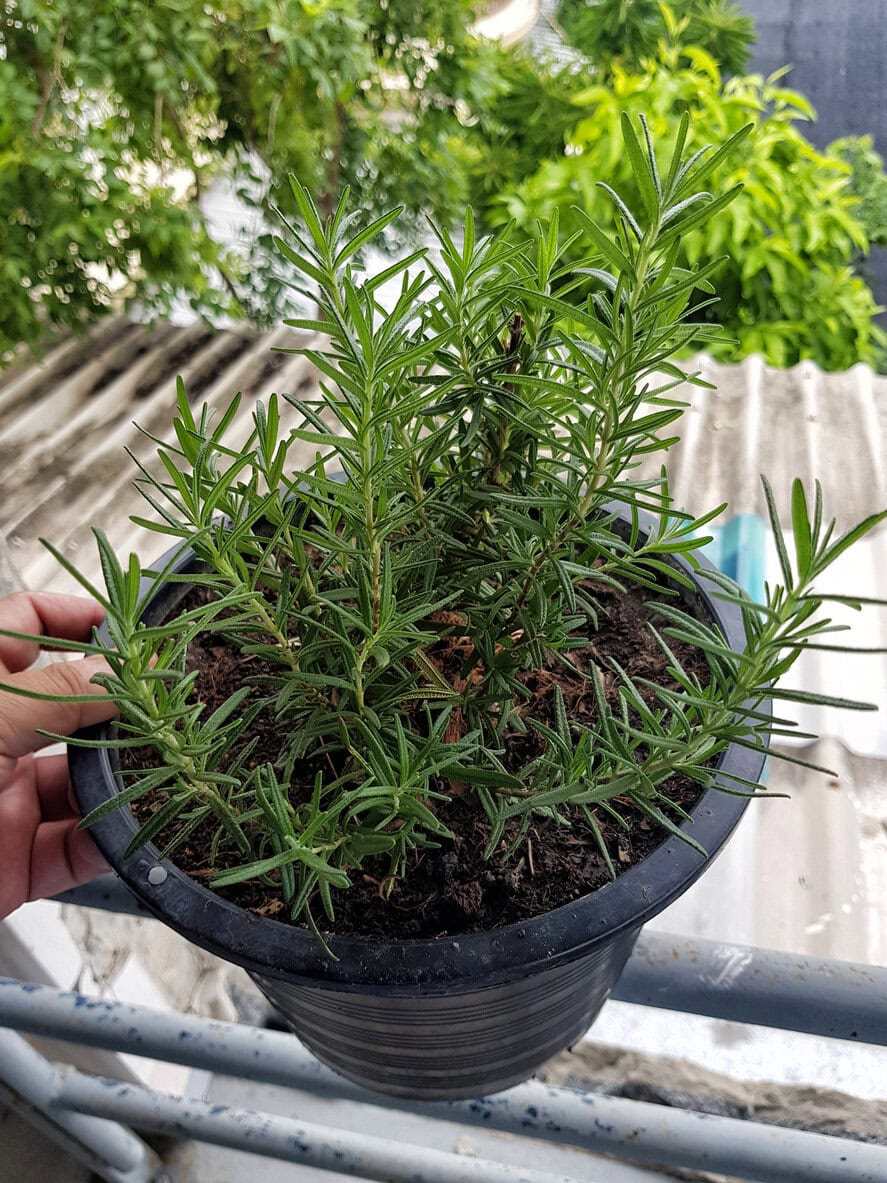
What it repels and where to use it: Cabbage moths, carrot flies, and some other scent-following pests. I like rosemary near brassicas and carrots, where its strong smell can make the garden less obvious.
Perhaps blooms are not its most striking feature, but hear me out. Tiny blue flowers arrive early to feed the insects we actually want, while the oily needles repel the ones we would rather not host.
Once established, it handles dry spells like it trained for them, standing there with oily little needles and mocking the annuals. It will not build an invisible force field, but it does make pests work harder for lunch, and honestly, that is the least they deserve.
Pet note: If you garden with curious dogs or cats, be careful with this list. Chives and other alliums are toxic to pets, and lavender, chamomile, and catnip can also cause problems if eaten in enough quantity. However, marigolds depends on the type, so keep enthusiastic chewers away from the flower buffet.
Geography Matters…
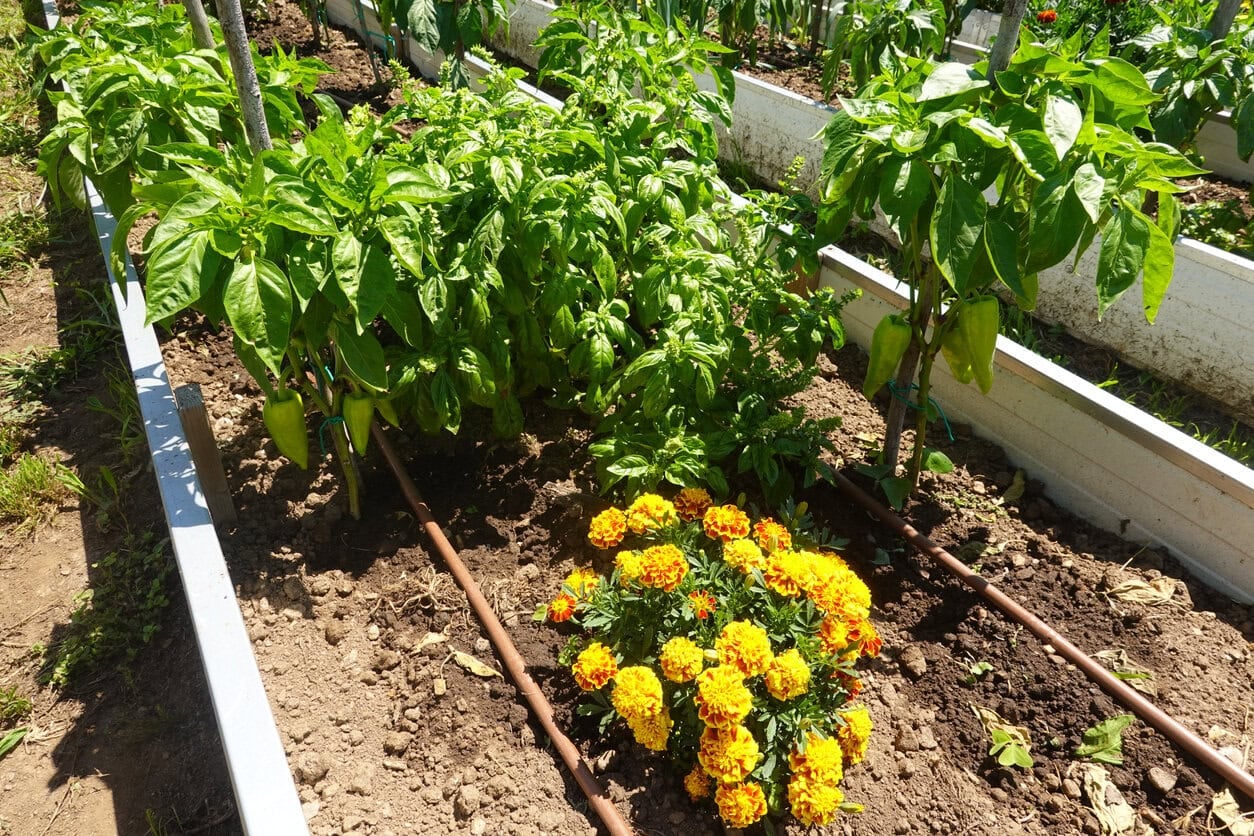
Shoving a solitary marigold in a corner is a waste of time and the marigold. You need to interplant them among your vegetables as a physical wall of stink!
…But Timing Is Everything

Some of these plants show up early. Others need to be treated like dramatic houseguests until the weather behaves.
Bloom or Doom
Gardening is just a series of chemical (dis)agreements. With these eight on your side (of the garden wall), pests find someone else to bother, pollinators get a decent meal, and your neighbor might finally take the hint that your yard is a closed ecosystem. And they’re not a part of it.



What is a good insecticide to put around my Brussels sprouts ?
Hi Trish 🙂 It depends on what pest you’re seeing. For Brussels sprouts, I’d first check for cabbage worms, aphids, or flea beetles. For cabbage worms, Bt spray works well and is targeted for caterpillars. For aphids, a strong spray of water or insecticidal soap can help. I’d avoid putting a broad insecticide around the plant unless you know what pest you’re treating.