
Basements carry a bad rep, and honestly, it feels completely unjustified. What if I told you that you can use them to grow life down there, and not one tied to a… never mind. Mine turns into a full-blown nursery every March!
Indoor seed starting is the ultimate power move for an impatient gardeners like me. With a heat mat, a few trays, and some decent lighting, you can create spring weeks before it officially arrives.
Germination Station
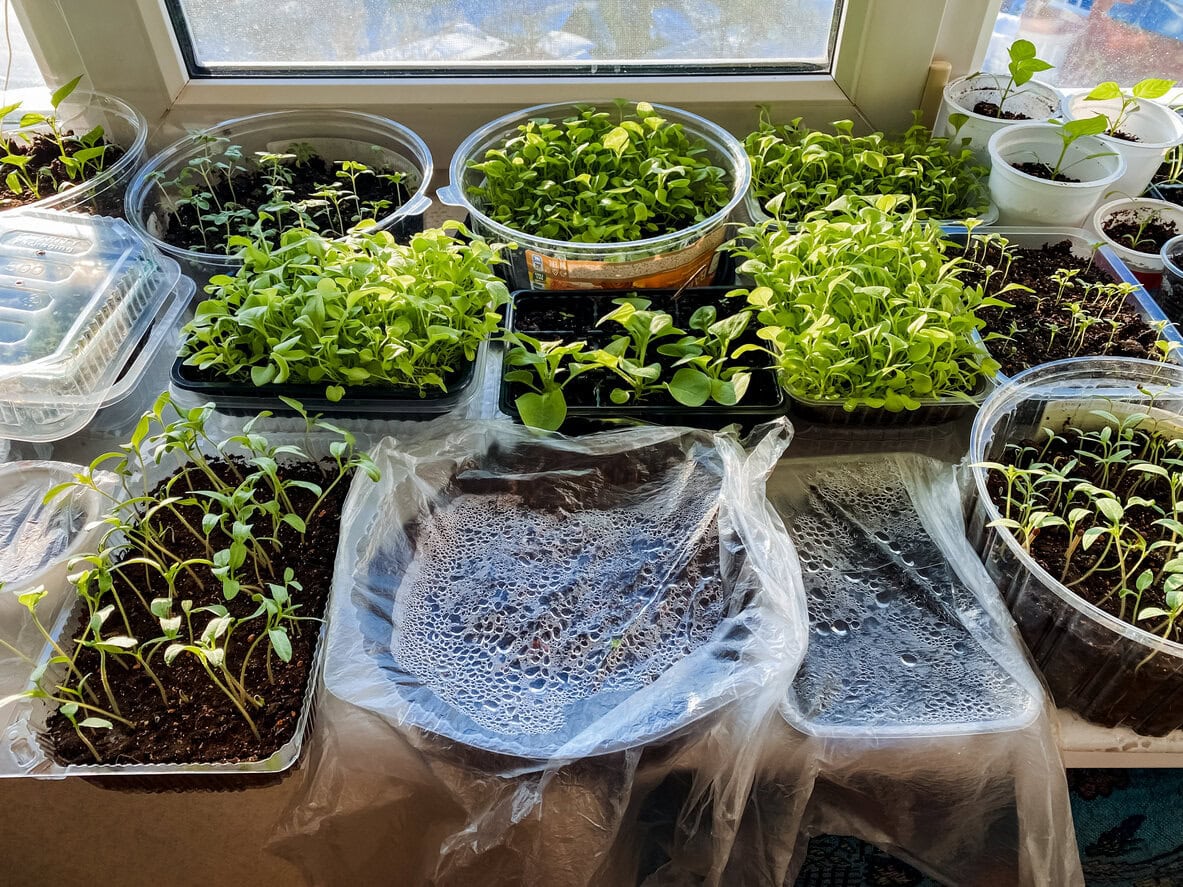
Some plants are ready to grow the distance if you provide the right motivation and a little water. But before you start filling trays, take five minutes to check your last frost date.
Quick note: Seed timing isn’t about enthusiasm, it’s about math. Most crops should be started indoors 4-8 weeks before your average last frost. Start too early, and you’ll have leggy, stressed plants taking over your house. Start too late, and you lose the head start entirely.
1: Peas
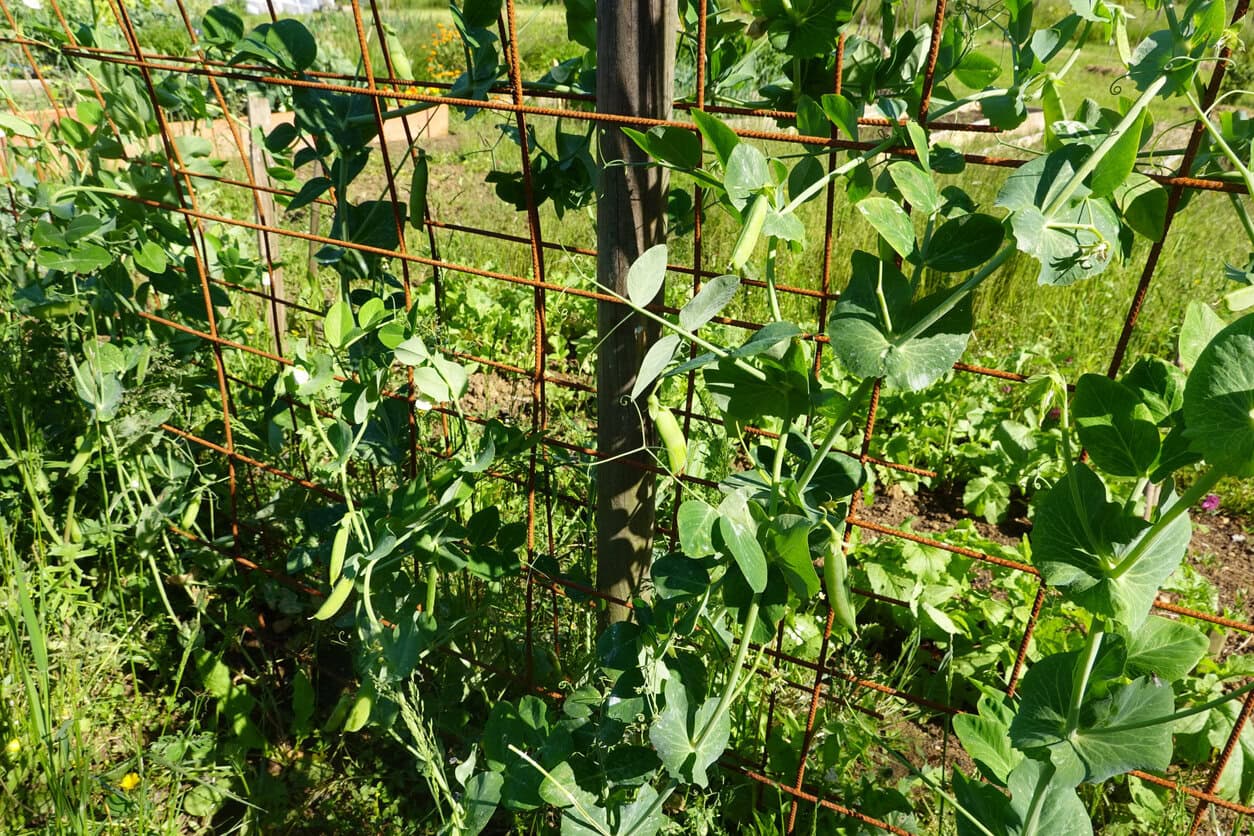
Peas usually prefer to be sown directly into the ground, but March is the perfect time to give them a head start indoors.
It’s much easier to establish them indoors where you can control the moisture, than sow them directly into muddy ground and hope they don’t rot before they sprout. They have a single sensitive taproot that quits if you jostle it. One wrong move and the plant stunts for weeks!
How I do it: I always soak my seeds in a jar of water for a full day first (or at least 12 hours) to soften their hard outer shell and speed up germination. Then I plant them about an inch deep in a loose, well-draining seed-starting mix.
To reduce transplant shock, I also like to start mine in cardboard tubes (or any kind of biodegradable pots) so I can bury the entire plant later without ever disturbing it.
2: Kale and Chard

Greens like kale and chard possess the stubborn resilience of a Viking warrior. They actually enjoy a little frost, but starting them under lights in March allows for a massive early harvest by May.
If you, against better judgment, let your seedlings get too hot, the leaves will turn so thick and tough you could use them as roof shingles.
My secret? Organic compost and consistent moisture! Mix one part aged compost into four parts of your starting medium to give them a gentle nitrogen boost.
You must also keep the soil evenly moist to ensure the plants never have to armor up and remain tender. Keep the temperature around 60ºF to 70°F. Kale and chard won’t bolt just because it’s slightly warm, but prolonged heat can push the plant toward flowering, making you feel like a total chard-latan.
If watering feels like guesswork, we explain exactly when and how often to water indoor seedlings so you’re not overdoing it.
3: Peppers
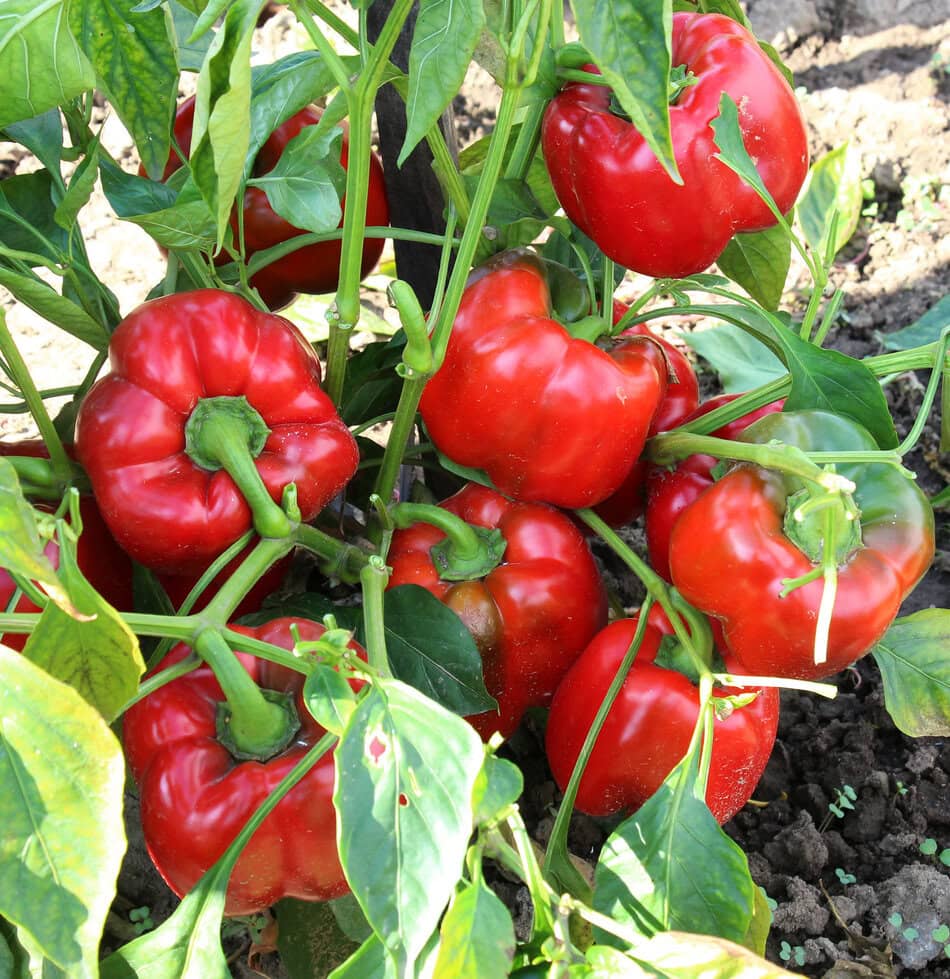
Peppers want warmth and humidity, and they want them yesterday. March is your final boarding call for habaneros and bell peppers if you live in a colder zone.
They germinate best when soil temperatures stay around 75°F to 85°F. So if you don’t use a heat mat for peppers, you’re wasting your time. Without one, they can still sprout, but they’ll take their sweet time…
Don’t give up on your pepper trays too early, as they can take three full weeks to show up. My supposedly dead ghost peppers sprouted in a compost bin weeks after I tossed them.
When I transplant them, I bury them at the same depth they were growing before. Unlike tomatoes, peppers don’t benefit from being buried deeply.
Don’t let the top layer of soil dry into a hard crust. Those tiny, tender sprouts won’t be able to break through a dried-out surface and will probably rot.
Once they’re ready for the garden, we also put together a full guide on tips for growing peppers outdoors, whether you’re planting sweet bells or fiery hot varieties.
4: Tomatoes
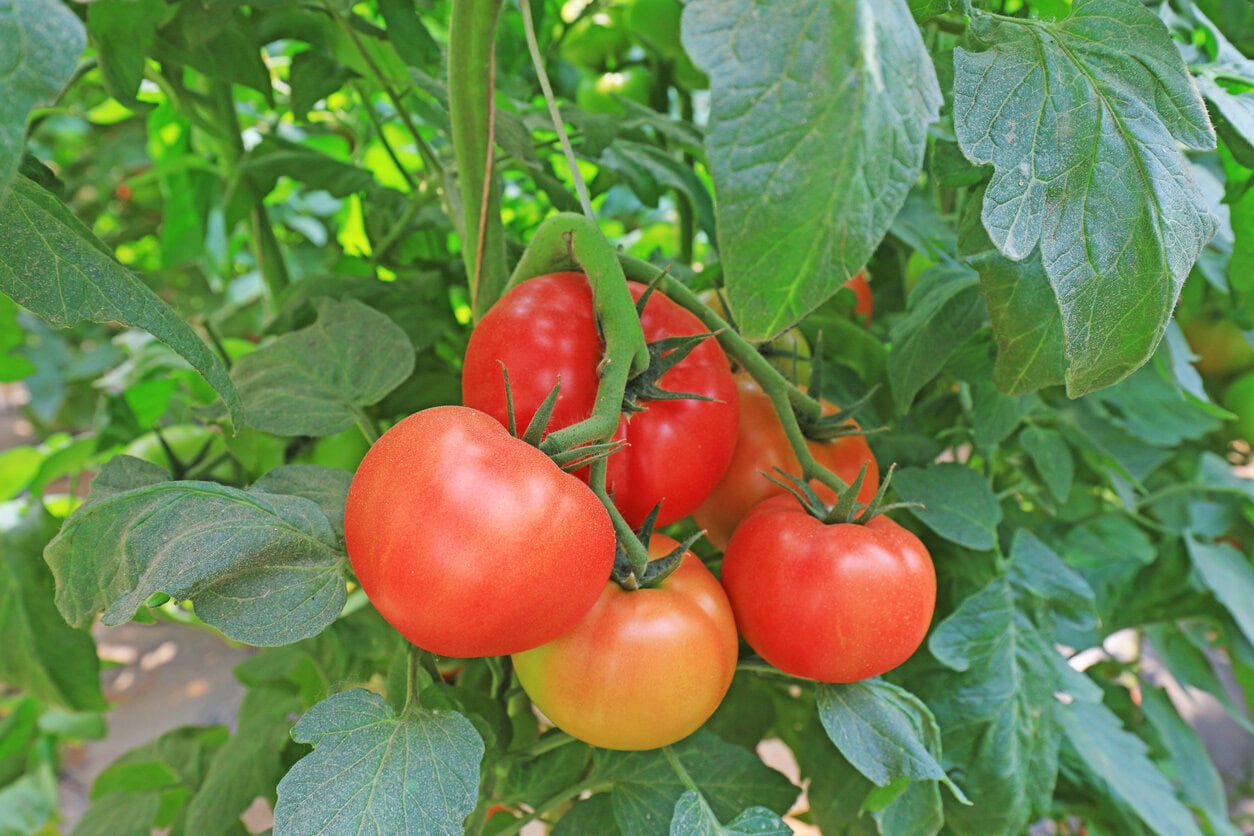
Waiting until March to start tomatoes is a test of character. Ignore your itchy fingers in February and don’t start your seeds way too early. I’ve done it, and I ended up with three-foot-tall stalks that were a nightmare to transplant later.
Quick tip: Check your calendar and count back six weeks from the last frost date. That’s the sweet spot for most tomatoes, especially indeterminate types that grow like Jack’s beanstalk.
I usually mix a handful of worm castings into the seed-starting mix for an organic kick. It’s not a magic fix but it’s like a multivitamin for the little guys so they can ketchup to the season without overfeeding them early on.
And once summer rolls around, we’ve shared even more practical advice in our guide on growing tons of tomatoes for a bigger harvest.
5: Squash and Pumpkins

Squash and pumpkins grow fast. If you start them too early, they will literally take over your guest bedroom. I’ve made that mistake once, and those vines do not respect personal space!
However, for gardeners in very cold climates with short summers, a March start indoors is a clever way to cheat the short growing season (but only if you have strong light and enough room!). Without enough light, they’ll stretch and become weak long before they make it outside.
Use quality seed-starting mix and large biodegradable pots. Handle them carefully at transplant time, since squash roots dislike disturbance.
Just make sure you plant them out as soon as the soil has warmed and all risk of frost has passed. These plants crave full sun and steady warmth! It is a gourd-geous way to ensure you get a decent harvest before the first autumn frost.
6: Herbs

Stagnant air is one of the fastest ways to give a death sentence to your aromatic herbs. I keep a small fan running on my herb shelf a few hours a day because still, humid air is exactly how you end up with white mold on your soil, or worse, damping-off disease!
Beyond suppressing mold, airflow also builds muscle in the stems. That gentle movement mimics outdoor conditions. Without that physical stress from the breeze, your herbs will be too weak and spindly to survive the transition to the garden.
Since thyme is on your side this early in the season, focus on proper drainage. You can use a seed-starting mix that contains plenty of perlite (or another aerating material) and ensure water has a quick exit strategy.
Most herbs like warmth and bright light, and while they need consistent moisture to germinate, they’re much happier once established if the soil dries slightly between waterings rather than staying soggy. Basil-ically, they all just want to stay warm and dry.
If you want to keep an herb shelf going year-round, we also wrote about the best herbs to grow in water indoors all year round.
What Else Can You Start in March?
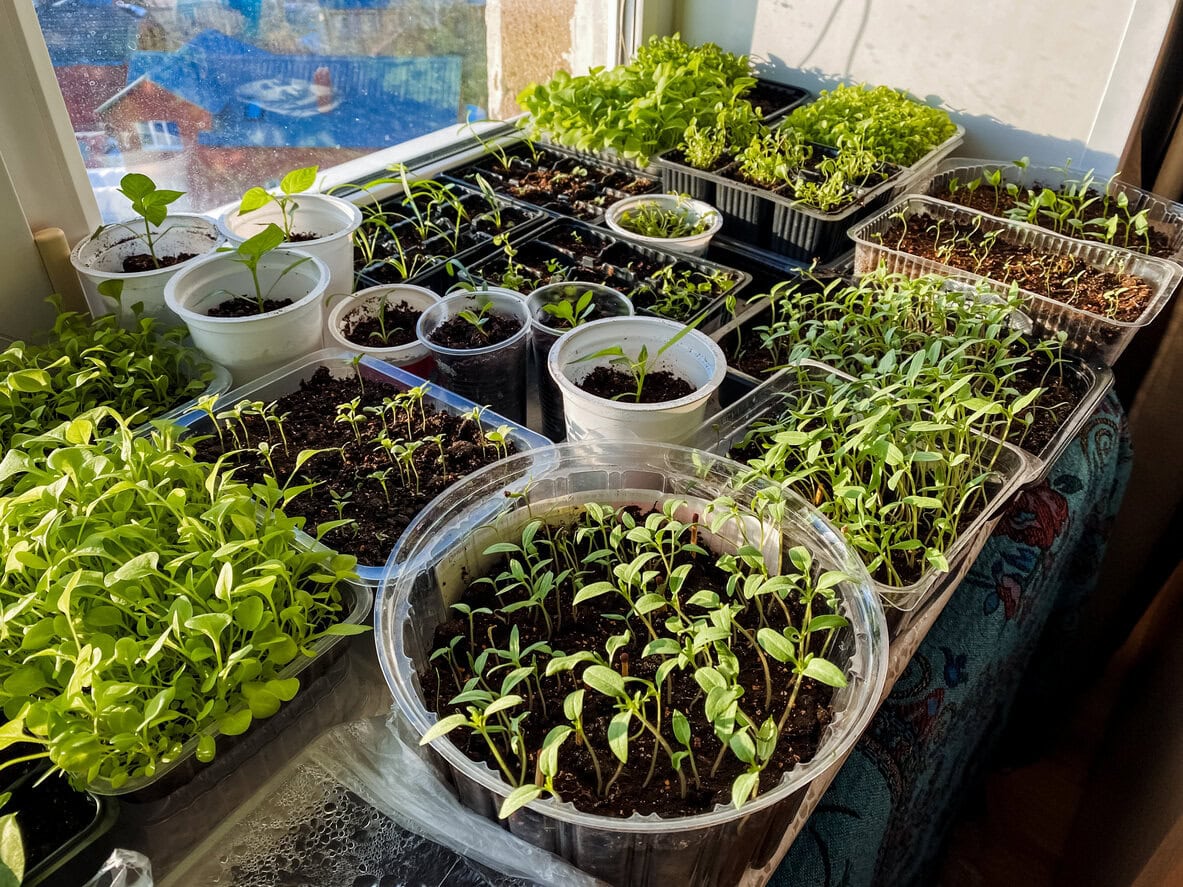
Are you reading this and thinking, “Wait… are these the only things I can start in March?” Absolutely not. What you can start in March really depends on your climate and your last frost date.
If you like mixing your own, we walk through a simple homemade seed-starting soil recipe that works beautifully for leafy greens.
Survival of the Greenest
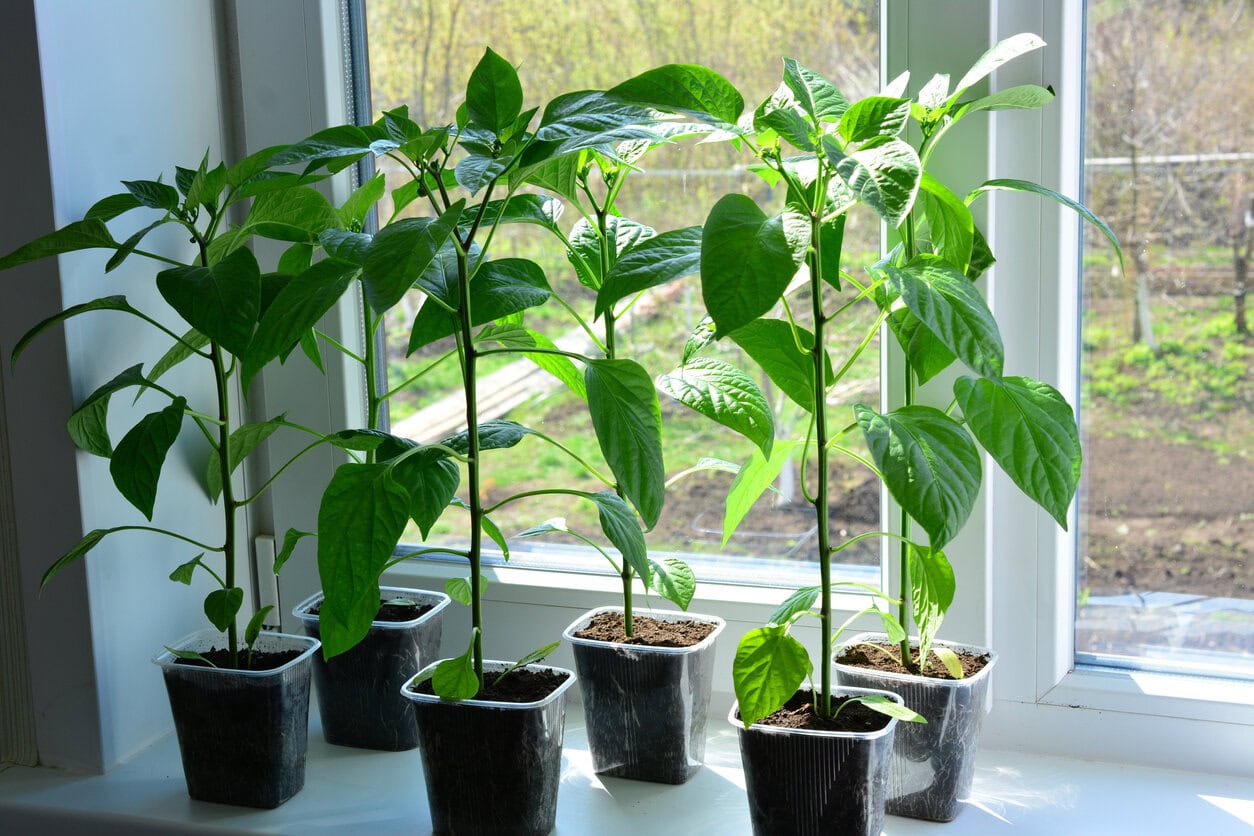
If you’ve ever ended up with tall, floppy starts, we explain exactly why seedlings get leggy and how to fix it in another guide.
I look at March as the weird halfway house between the winter blues and the total chaos of summer. This month offers a real chance to grow produce with flavor.
And if something fails? That’s part of it. I’ve had trays collapse from damping-off and seedlings shrivel for no obvious reason. It happens. Take a breath, adjust the light or watering schedule, and try again!
And if you’re craving something even faster, we’ve also shared a list of microgreens you can grow indoors and harvest in under two weeks.




Hello Dragana I enjoy your information …when and how ….I would like to stay in touch…Marta😊🌺🌺🌺🌺💕
Hello Marta! You surely planted a smile on my face! Please, don’t hesitate to put down roots in our comment section. You can always find me right here. And our Facebook page also offers a fertile ground for anyone looking to branch out. (Bear with me and my puns…)
Gardening and especially writing feel less lonely when we share our wins (and fails).
Peas and love, Dragana