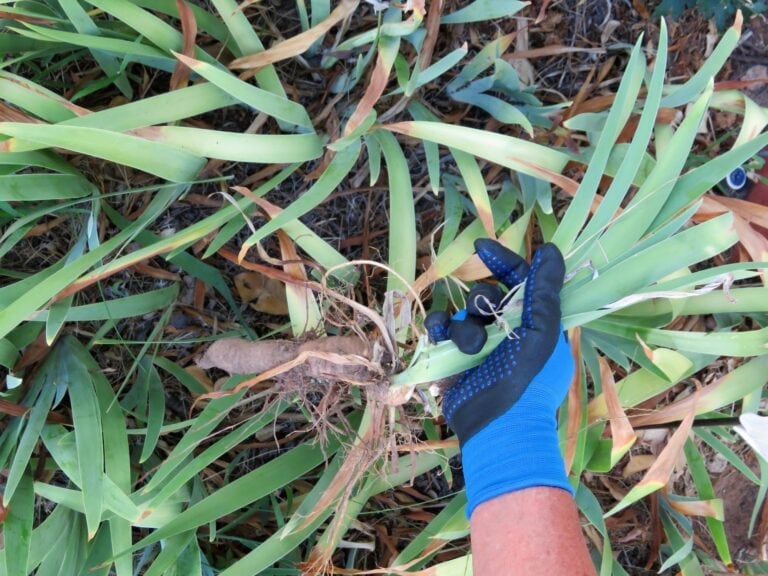
Gardening is a slow-motion game of chess against nature, where the pieces grow, multiply, and battle in ways you can’t see them. Are you a grandmaster or not? Your opening move starts in March. Reorganize the board now.
10 Crowded Perennials You Should Divide in March
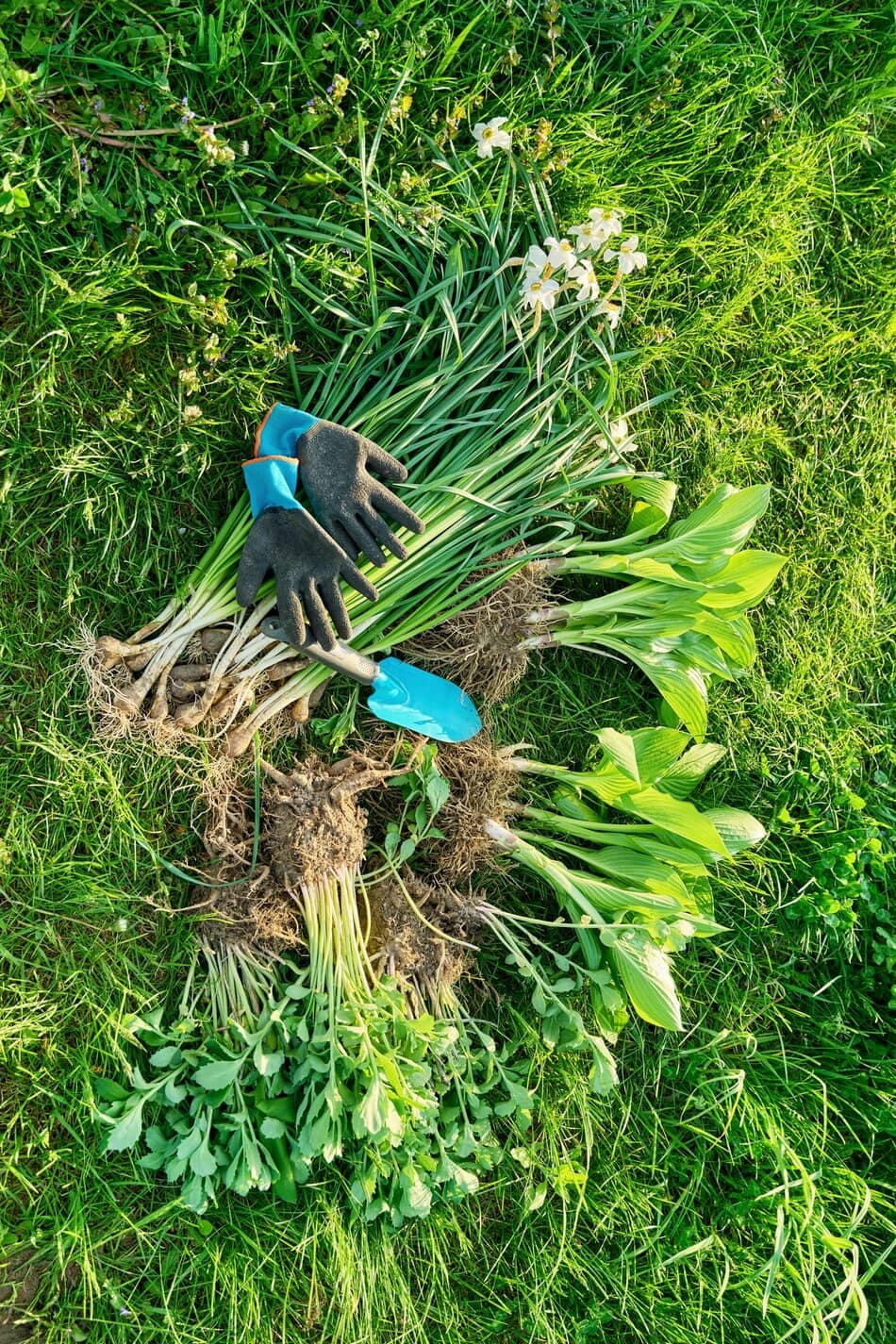
Your backyard hides a fortune in free plants, hidden between mud, worms, and your dog’s hidden toys. And it usually takes just a few minutes per plant to multiply your net green worth. Few garden tasks offer a return like this.
Quick note: I already know someone is typing a sarcastic comment about their three feet of snow. Relax. Some of us live in milder zones (hi, Zone 9 here!). If you’re under a blizzard right now, just wait until the soil is workable and you see new growth emerging. Then tackle this task in early spring, whenever that actually arrives in your climate.
If you’re trying to sort out what should be cut back now versus left standing a little longer, we also put together a guide on what to cut back vs. leave standing in late winter.
1: Hostas (Best for March Division in USDA Zones 6-8)
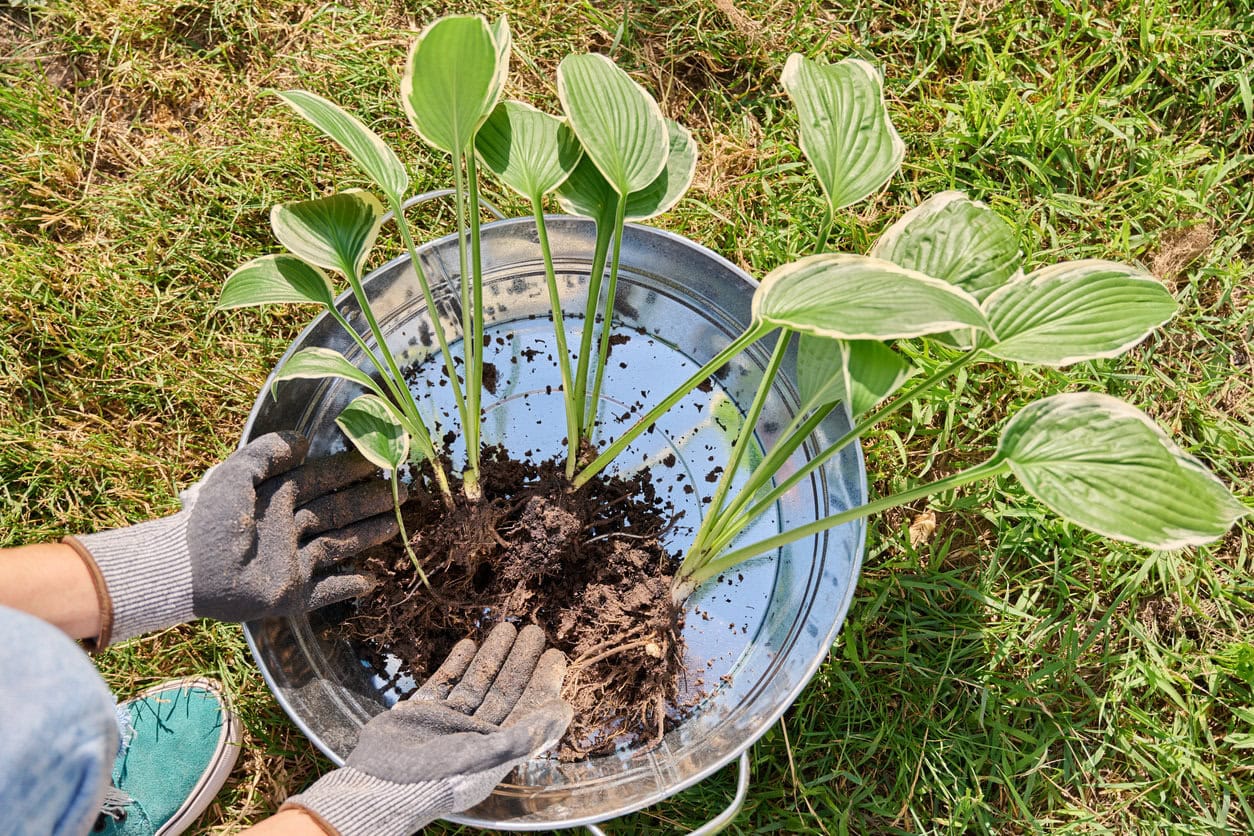
Middle age makes hostas go crazy, like some men. Centers go bald while edges thrive, creating a sad donut. Fix the situation by driving a sharp spade straight through the crown just as new shoots begin to emerge.
Slice it like a birthday cake for a neighbor you only moderately like. Smaller chunks establish quickly, while larger pieces will size up faster (choose your strategy).
Quick tip: Just ensure each division contains at least one visible eye and a healthy portion of roots to ensure a reliable spring comeback.
If you want a step-by-step breakdown of the process, we also wrote an article about dividing hostas in fall, the method is nearly identical, just timed differently.
2: Heuchera (Best for March Division in USDA Zones 6-9)

You’ll notice how the crown eventually lifts off the dirt like a cheap wig in a gale. Frost heaves the woody centers upward until the roots parch in the sun.
Dig these colorful survivors up every few years to reset their depth. Trim away any leafless, woody growth and replant so the crown sits at soil level (roots covered, but not buried). That keeps them grounded without inviting rot.
Timing really matters with perennials like this, which is why we also explain which plants should not be cut back in March if you’re unsure what’s safe to touch right now.
3: Iris (Best for March Division in USDA Zones 6-8)

A dense mat of Siberian iris eventually slows down when the center dies out. That’s your cue to lift the entire tangled clump. Slice away the mushy or weakened sections with a heavy blade.
Save the outer fans and divide the clump into sections with several healthy fans attached. Replant them in a sunny spot and water thoroughly. These thirsty plants appreciate consistent moisture while they re-establish.
Quick tip: Siberian iris are best divided in early spring before growth surges, or right after they finish blooming.
4: Daylily (Best for March Division in USDA Zones 6-9)

Summer displays dwindle when the fleshy roots pack together like commuters in NYC. I suggest you lift the heavy root mass with a sturdy fork and pry the interconnected fans apart to give them some personal space.
Select the strongest shoots for your revamped bed. Cut the foliage back to about six inches to help the plant focus its energy on re-establishing underground. Daylilies are incredibly forgiving, even small divisions rebound quickly in spring.
And if you’re already planning for nonstop summer color, we put together a guide on flowers you can start in February and March for even more blooms later on.
5: Astilbe (Best for March Division in USDA Zones 6-8)
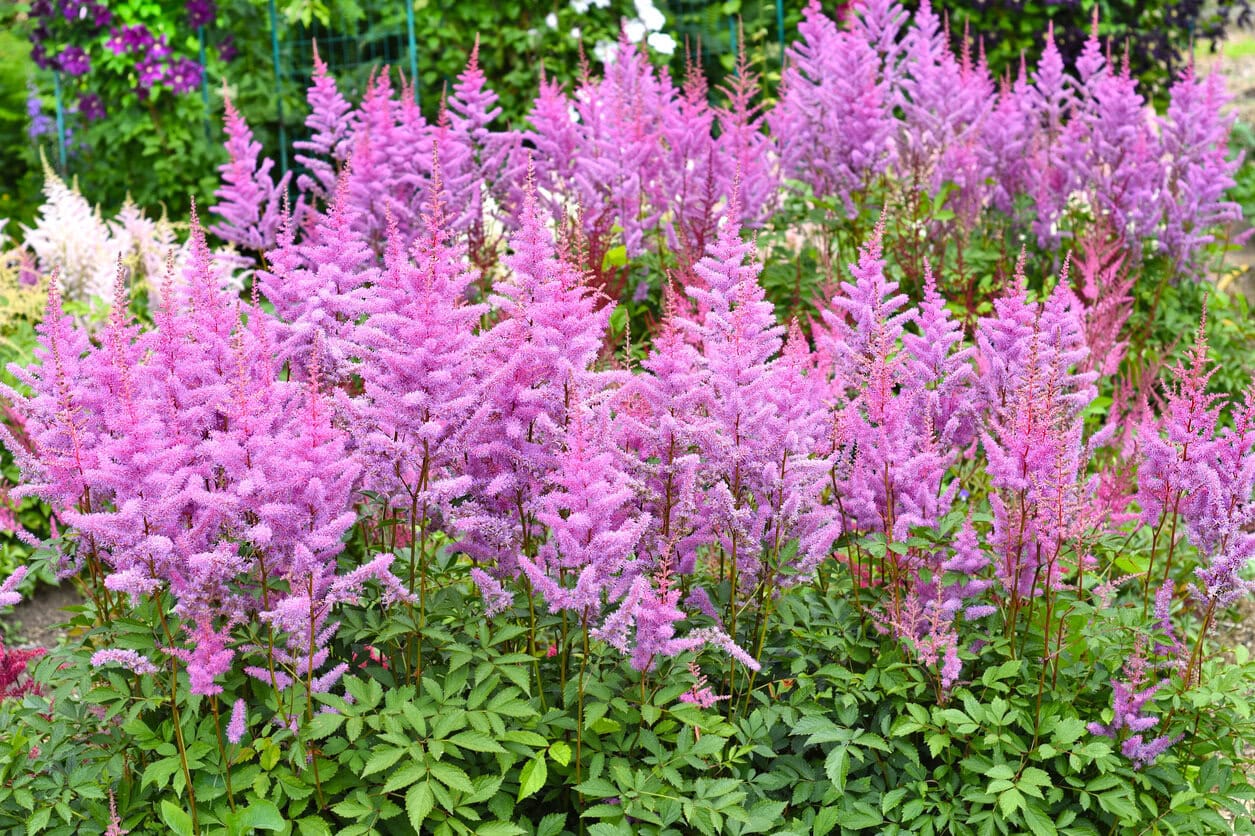
Feathery plumes shrink if the crown stays in one place for too long. I’ve found that division revitalizes these moisture-loving perennials just before the spring growth begins.
So I separate the clump to sturdy sections with a serrated knife, making sure each piece has a healthy crown and roots attached.
You just need to keep the fresh divisions consistently moist, they dislike drying out.
Quick tip: I also like to add a layer of rich compost around the base to help those fuzzy spikes return triumphantly.
6: Miscanthus (Best for March Division in USDA Zones 6-9)

Giant mounds of ornamental grasses can turn into stubborn boulders that break cheap shovels. Tackle the clump in early spring just as new growth begins to emerge. Don’t be shy, use sharp axe if needed to fix that receding hairline.
Divide the ring into quarters and save your aching back, and discard the woody, declining center. Also, smaller sections establish quickly, while larger pieces bulk up faster.
7: Sedum (Best for March Division in USDA Zones 6-9)

I suggest you pluck any tipsy branches and tuck them into a bright spot where they can finally stand on their own. They’ll root so easily you might not even finish flirting with your neighbor before they settle in.
Divide the main parent to keep the habit upright and save it from a droopy sedum-tary lifestyle.
Quick tip: I’ve found that planting divisions in well-drained soil (and resisting the urge to overwater) keeps fresh cuts from rotting while they establish.
8: Bleeding Heart (Best for March Division in USDA Zones 6-8)

Too much company in the shadows, and these perennials slump with a heavy heart. I recommend you lift the entire clump in early spring and gently separate the crown into sections, using your hands or a knife to avoid snapping the brittle roots.
Make sure each division has a visible bud and several healthy fleshy roots attached.
Quick tip: Replant with the crown just below soil level in evenly moist, well-drained soil. Spring rains will take care of the rest.
9: Phlox (Best for March Division in USDA Zones 6-8)

Mildew thrives in the stagnant air of a crowded border, and tall phlox is particularly vulnerable.
Thin the herd to improve air circulation and boost flower counts. Slice through the root mass and separate the clump to give those stems room to breathe.
Replant only the vigorous outer growth for a cleaner, healthier season. Fragrant blooms will reward your ruthless behavior by midsummer.
Proper pruning plays a big role in preventing issues like this, and we also share a list of plants that benefit from a March trim if you’re refreshing the whole garden.
10: Bee Balm (Best for March Division in USDA Zones 6-9)

You probably already know it behaves like its minty cousins. Spreading underground rhizomes quickly conquer every inch of available space, so slicing back the perimeter once a year keeps it in check.
A sharp spade makes quick work of the shallow root mat. Separate the clump into sturdy sections to create several independent starts from one mother ship.
Quick tip: Pass the extras along to friends who lack a green thumb. They’re going to love it!
The Hole Truth
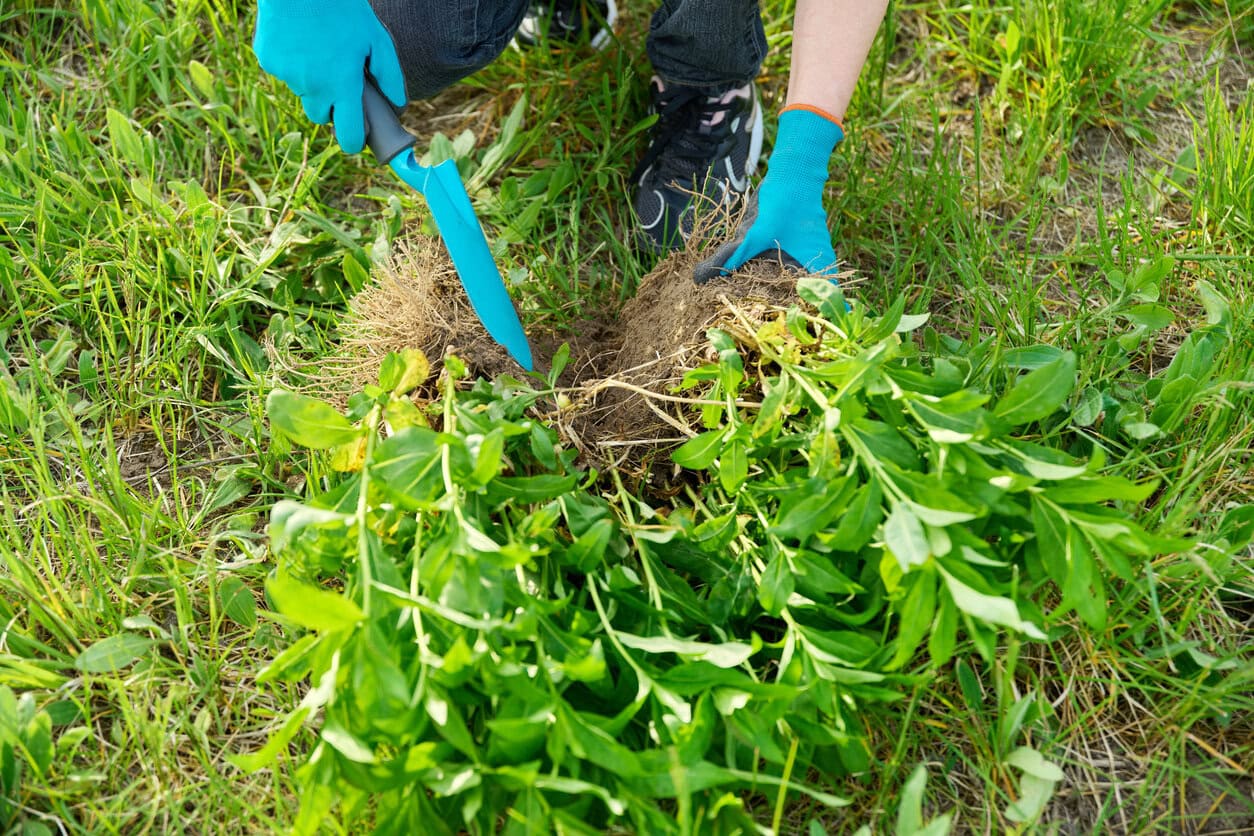
Dig a generous hole for each new plant and mix compost into the surrounding soil.
When you tuck in the divided chunks, firm the soil gently to eliminate any sneaky air pockets. Water thoroughly to settle everything in (but don’t leave the area waterlogged!).
Surplus pieces will also easily thrive in containers for your favorite neighbors… if you have any. Use a fresh, well-draining potting mix instead of garden soil, which compacts and drains poorly in pots. Tuck the young plants in and keep them in light shade while they recover.
If you’re curious which other perennials can safely be divided in early spring (and which ones are better left alone) we break that down in another guide.