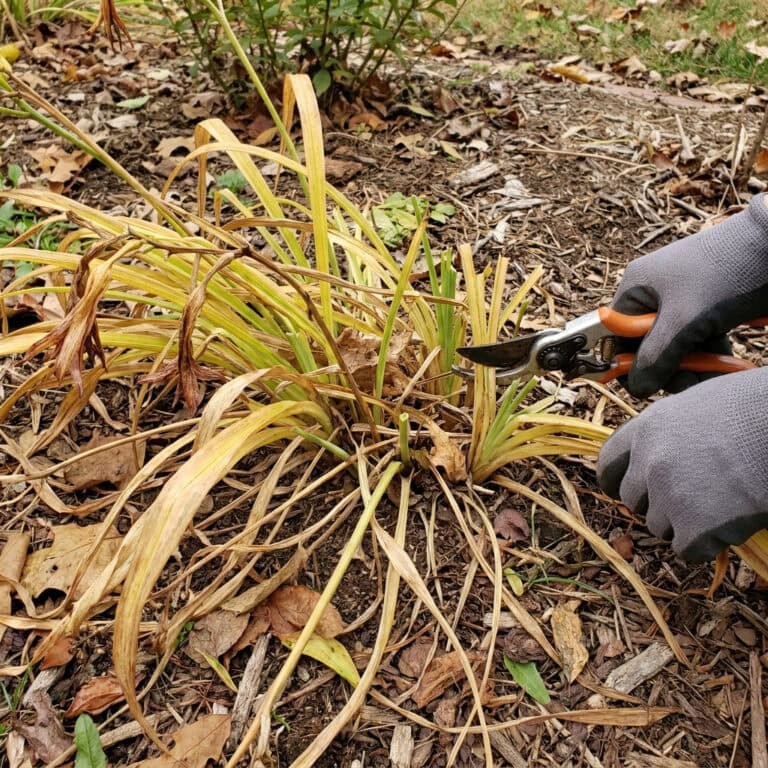
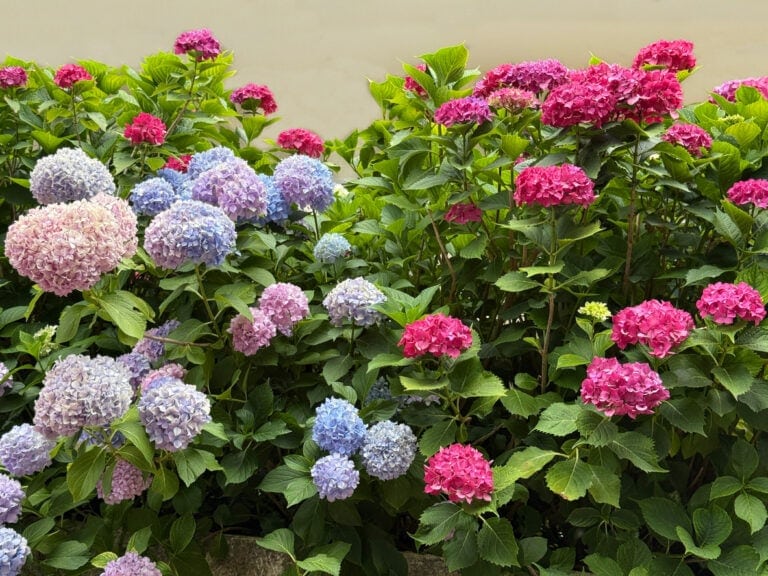
Dividing perennials is the ultimate “buy one, get four free” coupon for thrifty gardeners. I’ve turned one healthy clump into half a dozen plants more times than I can count.
Yet, if you move too early, the poor things will freeze. Move too late, and they sulk like teens forced to attend a family reunion. Can’t a plant just take a hint and split?
Early spring is when the soil is workable and new shoots are just emerging, so it’s the sweet spot in most U.S. gardens. Let’s look at which perennials will actually let you cash in that coupon and which ones would rather be left alone.
The Split Personalities You’ll Love
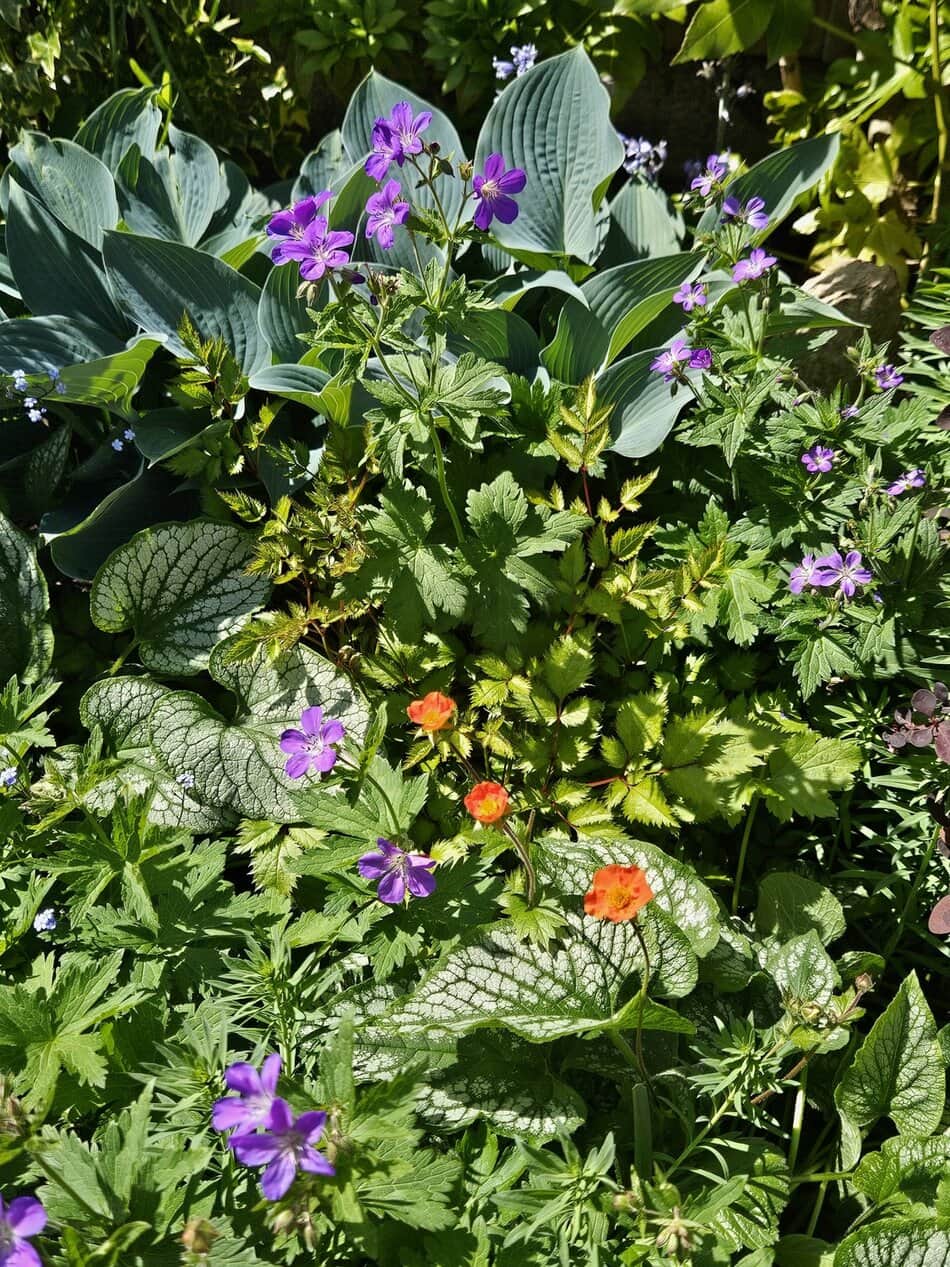
Quick note: If your garden is still under snow or the ground is frozen solid, don’t rush it. Wait until the soil has thawed and you can actually get a shovel in without a battle. Early spring timing depends a lot on where you live, so let your weather be the guide.
Some plants handle a midlife crisis better than others. I’m talking about perennial division. Since when did greenery ever buy a convertible?
1: Ornamental Grasses (USDA Zones 3-9)
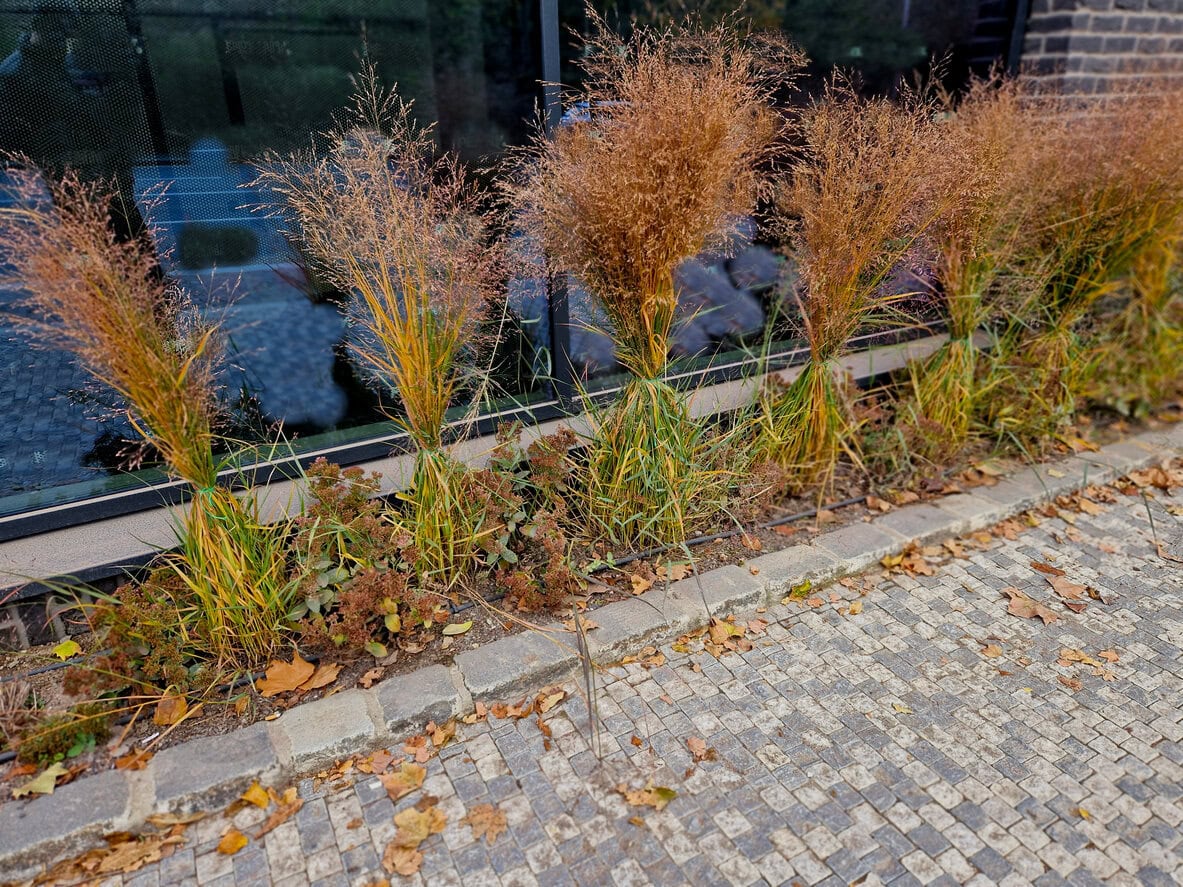
Big bluestem and switchgrass eventually develop a dead zone in the center as it ages.
How I do it: I lift the entire root mass in early spring just as new growth begins but before the new blades reach 6 inches tall.
An axe or a sharp spade helps me slice through the dense and woody roots. I usually cut the clumps into 6-inch chunks. Just make sure it has at least several healthy shoots and a solid root system.
Replanting these vigorous outer sections ensures sturdy and upright growth. One heavy clump easily becomes five strong new plants for my fence line.
2: Asters (USDA Zones 4-8)
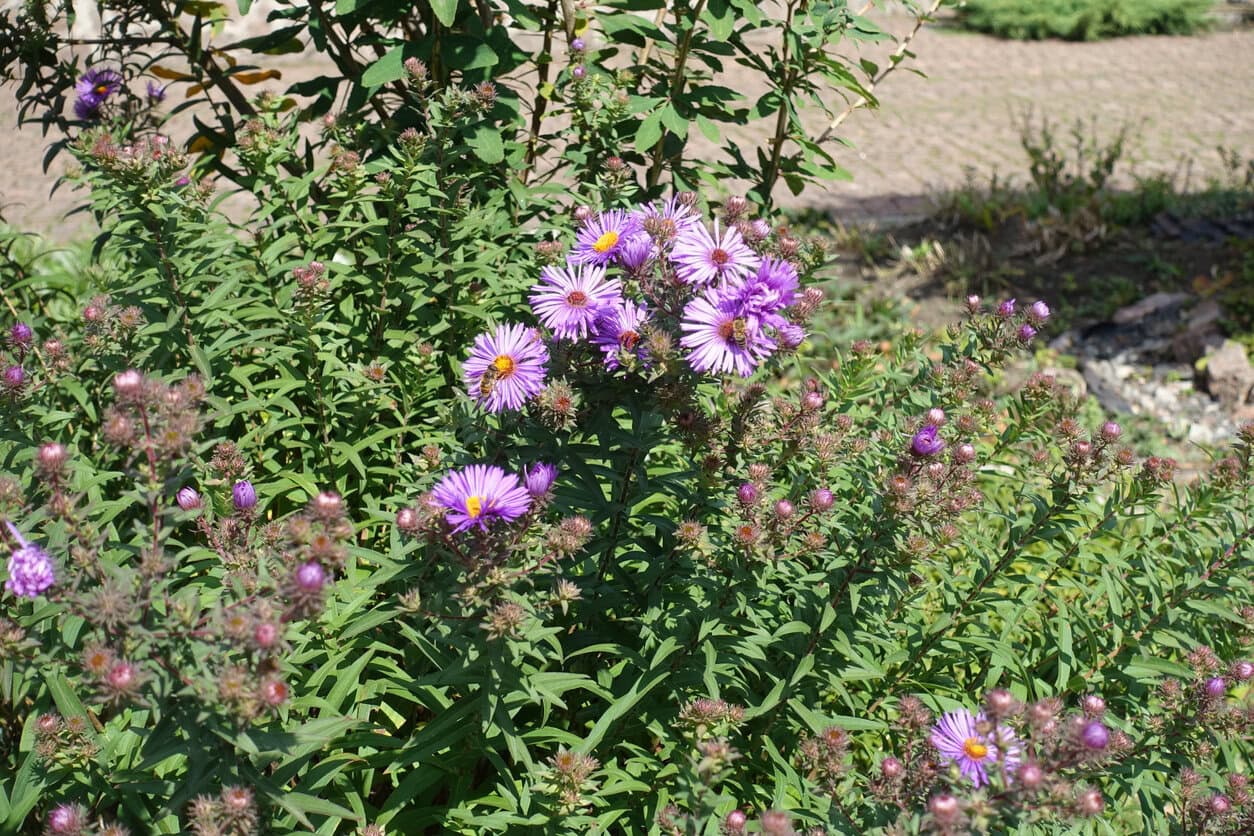
Asters thrive when I move them every three years. I dig them up as soon as new growth emerges to maintain airflow and leaf health.
How I do it: I pull the young and outer shoots away from the woody center by hand.
I space them 18 inches apart in full sun to maximize bloom potential. For taller varieties, I go closer to 24 inches so they have room to stretch without crowding each other. These outer divisions possess the most energy and produce a wealth of purple stars by September!
3: Lamb’s Ear (USDA Zones 4-9)

Stachys spread via matted runners that can eventually choke each other out. When the patch starts looking tight or thin in the middle, it’s time to thin it out!
How I do it: I gently tease apart the rooted sections by hand to expand my flock. Manual separation preserves the delicate and fuzzy leaves that neighborhood kids love to pet.
I replant the new divisions 12 inches apart in well-draining soil. Such spacing improves airflow, allowing the foliage to dry quickly after rain and maintain that signature silver sheen.
4: Goldenrod (USDA Zones 4-9)

Modern Goldenrod cultivars offer garden-scale beauty without the invasive habits of their wild cousins.
How I do it: Every third spring, I stick my sharpest shovel through the heart of my goldenrod clumps to keep them looking tidy.
Dividing the root mass into three or four distinct sections also discourages that dreaded center dieback and keeps the plants blooming heavily. Once I find these new babes new homes in full sun, they quickly settle in to dominate my fall landscape.
5: Siberian Bugloss (USDA Zones 3-8)
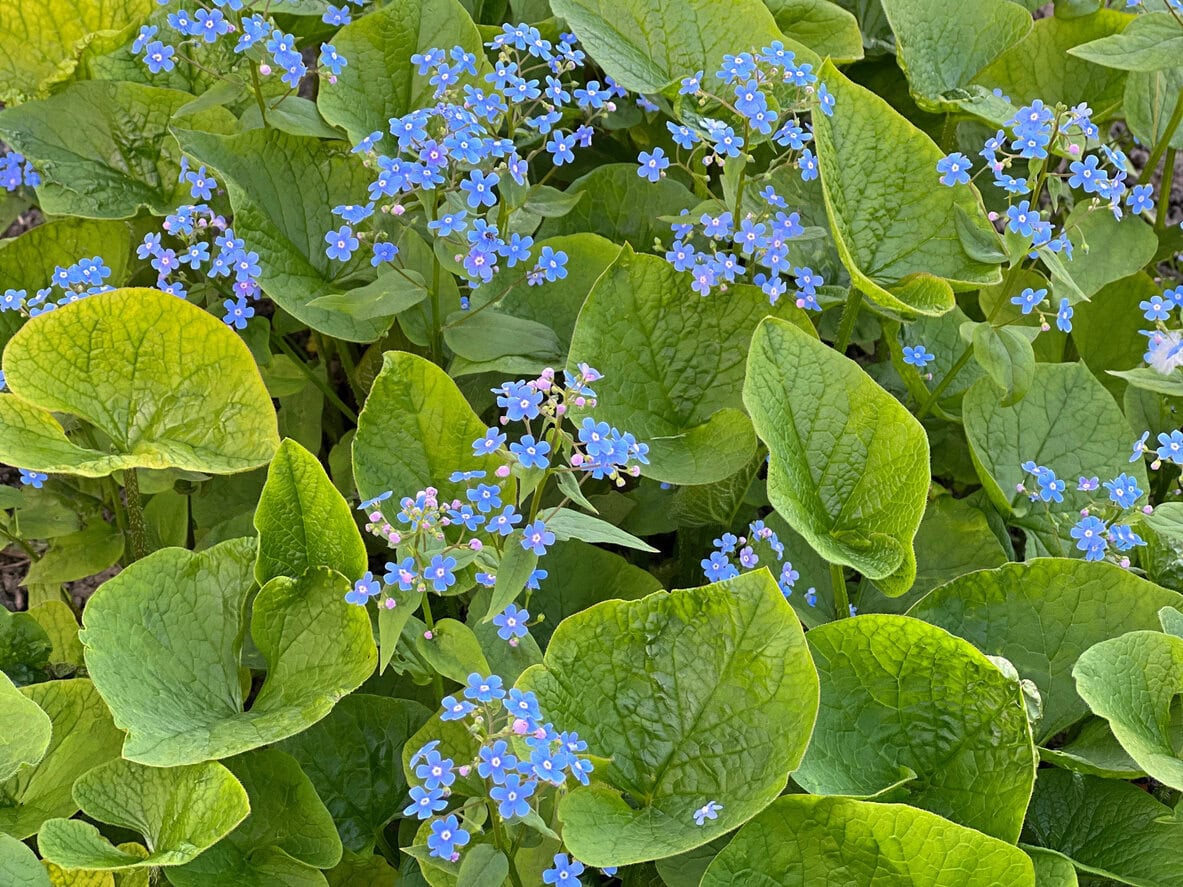
Brunnera features heart-shaped leaves that brighten my dark and damp corners. I divide mine once the clump starts getting oversized, usually when it exceeds 18 inches in width.
How I do it: I slice the crown into thirds, making sure each piece has a healthy section of roots and at least one or two growing points (you’ll often see a few leaves starting up, too).
They settle in quite fast if you keep the soil consistently moist for the first couple of weeks. A single gift plant grew into a sea of blue flowers for me with this exact method.
6: Catmint (USDA Zones 3-8)

Nepeta grows on a mission and eventually flops in the center.
How I do it: In early spring, I lift the entire root mass and slice it into thirds with a sharp spade.
In my experience, dividing it like this brings back a fuller, more upright growth returns with a second flush of lavender-colored spikes later in the year.
New plants establish themselves in full sun with very little fuss. Within a few months, those soft violet blooms are paws-itively gorgeous, and local cats give me five paws on “trip” advisor.
7: Penstemon (USDA Zones 4-9)

Hummingbirds now haunt these tubular flowers in my garden from dawn ‘til dusk.
How I do it: I look for the small offsets, often called pups, around the base of the main plant. I gently separate them with some roots attached.
I tuck them into the soil about 15 inches apart to ensure the beds look full and lush without crowding. Beardtongues genuinely appreciate a rejuvenation every few seasons.
Quick note: Not all penstemons love being divided, but I’ve had much better success transplanting those younger side shoots than the older and woodier center.
8: Yarrow (USDA Zones 3-9)
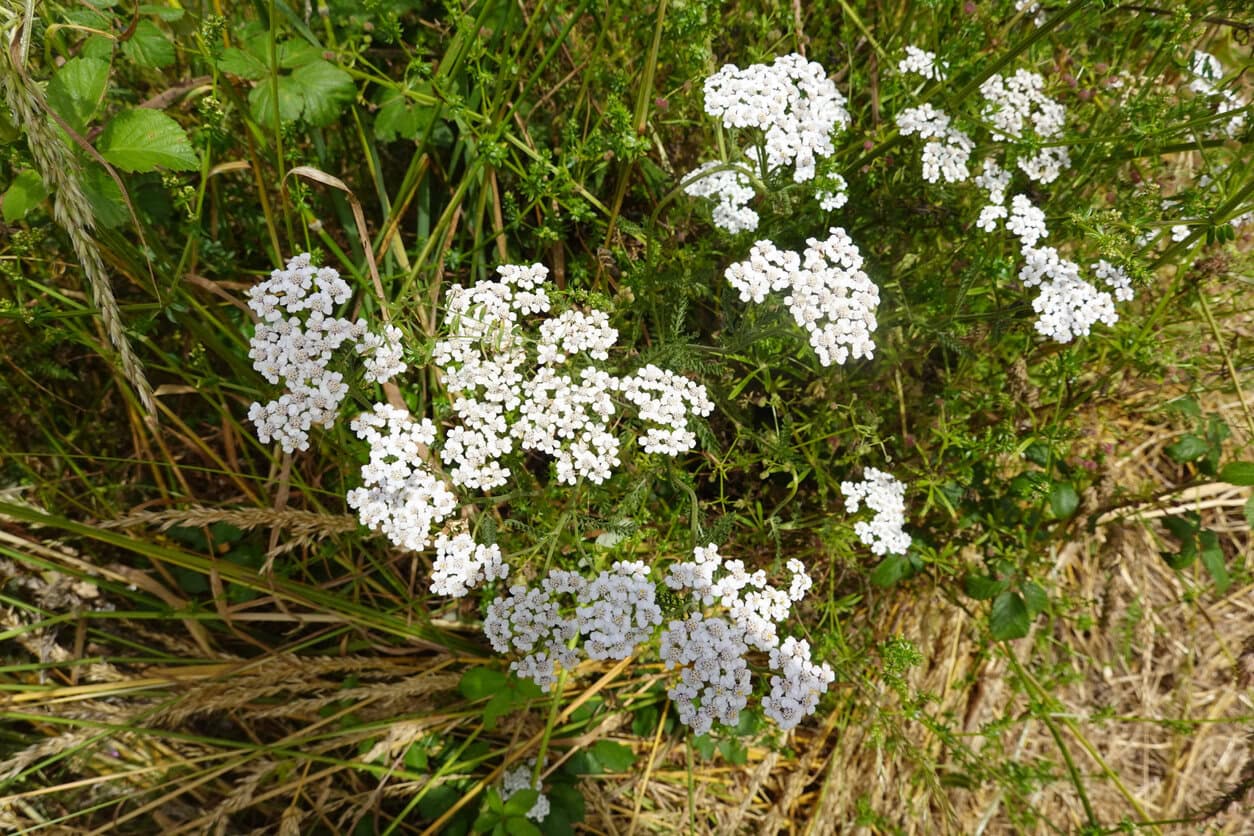
I swear by Yarrow since it thrives in my most pathetic soil with zero complaints. After a few seasons, the center of the clump eventually dies out and leaves a hollow ring, which is my cue to step in.
How I do it: I dig up the clump and cut healthy sections from the outer edges (usually around 4 inches or so), making sure each piece has strong roots and fresh growth.
Replanting these young divisions keeps the stems upright and the flat flower heads nice and large. Small pieces establish faster for me than giant and cumbersome clumps.
9: Ajuga (USDA Zones 3-9)

Groundcover plants like Ajuga spread by stolons and are a breeze to propagate.
How I do it: I simply lift the small plantlets that have rooted away from the mother ship. Then I snip the connecting runner and move the plantlet to a bare spot.
By now, it has filled countless gaps in my landscaping for zero dollars. One flat of Ajuga can cover a whole hillside for you once spring divisions become a habit.
Just keep an eye on it, because it spreads enthusiastically once it’s happy.
And before you start cutting or dividing everything in sight, we wrote a guide on perennials you should never prune in early spring because some plants really do better if you leave them alone.
Look But Don’t Touch

Some perennials love being divided, but a few would really rather be left alone.
Instead of fighting them, I let these loners go to seed and enjoy the volunteers. I’d advise you, too, to respect their boundaries, save yourself the backache, and keep the garden full. Some things simply belong where they first landed.
If you ever feel unsure about what to cut back and what to leave standing in early spring, we explain it step-by-step in our spring flower maintenance guide.
Go Forth and Multiply… Perennials
I’ve got good news and bad news. The good news is, if you ever tried manual pollinating, delivering baby plants is far less awkward. The bad news is, you’re about to perform a quadruplet bypass surgery with a spade and zero anesthesia. No one said perennial-ting was easy.