

I am not saying that Christmas Cactus is our distant cousin, but hear me out. We do share a part of the evolutionary trajectory. We both started life high up in the branches, at some point. No bills, no commitment, true tree-hugging bohemians.
Now? You both find yourself under the same cosy roof. The only important difference? The cactus doesn’t pay the mortgage. Yet, it still deserves an improvement in its living conditions.
I start by fixing the most depressing feature of its domestic life: its soil.
The Audacity of Your Soil

You first need to grasp why a cheap bag of potting mix is a prison cell for your Schlumbergera. Most houseplants are content rooting around in the subterranean mud.
Your Christmas Cactus is a sophisticated epiphyte. Say it with me, ep-ih-fight. It means “growing upon,” in a really old language. In its natural state, the plant prefers perching on taller plants’ branches, not sitting in a swamp.
Up there, it gets air, gentle moisture, and space to breathe. And that’s exactly what its roots still expect in your living room. Dense, generic potting soil traps water and suffocates them, the same way you’d feel if someone wrapped your morning coffee in cling film.
Soggy soil leads straight to rot, pale growth, and a cactus who politely declines to bloom ever again. What it truly needs is balance: fast drainage, light moisture retention, and non-negotiable airflow.
If your plant looks washed out or strangely pale, here’s a deeper look at why Christmas Cactus pads fade and how to fix the color.
The DIY Gourmet Grub for Grown-Up Plants

Are you still using generic potting soil? That’s week-old leftovers you wouldn’t feed a raccoon. Your Christmas Cactus deserves a gourmet, structural, well-aerated feast and not dense mud posing as housing!
Luckily, building the deluxe suite it wants is easier than making a decent cocktail. Your cactus thrives in a mix that’s chunky, light, airy, and fast-draining, with just enough moisture to keep the roots from turning crispy minutes after watering.
This recipe is simple, scales effortlessly, and uses ingredients easier to find than an honest politician. Treat your Cactus to a five-star Michelin meal. Ingredients?
Each ingredient plays a role! The bark keeps air moving, perlite prevents sogginess, coir holds just enough moisture so your veteran plant doesn’t look its age, and chunky elements mimic the bark structure.
Ultimately, for the sake of science, the mix should be slightly acidic. A pH between 5.5 and 6.2 makes nutrients readily accessible. Mix everything in a big bucket. If you don’t have a big bucket… you now have an excuse to buy a big bucket.
And if watering has always felt like guesswork, here’s my simple guide on how to water a Christmas Cactus the right way without risking root rot.
My Not-So-Secret Soil Secrets

Now let’s talk upgrades! You already have a fine sedan, and you’re adding the turbo kit, surround system, and leather seats. What? Leather is forever.
A handful of worm castings is my first secret. It introduces gentle nutrients and beneficial microbes at a slow, steady pace. It’s like giving your plant a spoonful of high-end caviar. Just… don’t dump the whole jar. Subtlety matters!
Then there’s horticultural charcoal, my true secret weapon. A small amount keeps the mix feeling fresh, prevents that stale smell, and quietly absorbs impurities before they become a problem. It’s one of those ingredients you don’t notice until you forget to use it.
And finally, a word of protection: skip compost and garden soil entirely. They’re far too dense and heavy. One handful of that stuff and your beautifully airy mix turns into mud. Don’t sabotage your masterpiece with common dirt.
And if blooms still refuse to show up, even with healthy roots, these are the main reasons Christmas Cactus won’t bloom and what actually helps.
When Your Mix is Misbehaving

A perfect mix can still go wrong, especially if you have been too generous with the watering can. Your plant sends clear, undeniable distress signals. It is not subtle about its displeasure, and yet we all know how certain people can be clueless.
Your cousin has spoken, and its review of your soil is one star. What’s your emergency exit strategy?
If the wilting keeps happening no matter what you change, here’s why Christmas Cactus collapse and the easiest ways to fix it.
Refreshing the Home

Just a heads up, this isn’t a set it and forget it fantasy. All potting media eventually break down and compact. The bark and coir decompose, filling vital air gaps. It’s only natural.
I recommend you refresh your mature plants’ home every two to three years. Do not wait until your plant starts screaming bloody murder in cactus sign language.
Can you honestly handle a plant that looks perpetually disappointed in you? Forget these timings, and prepare for the ultimate consequence.
How Your Soil Supports the Spectacle
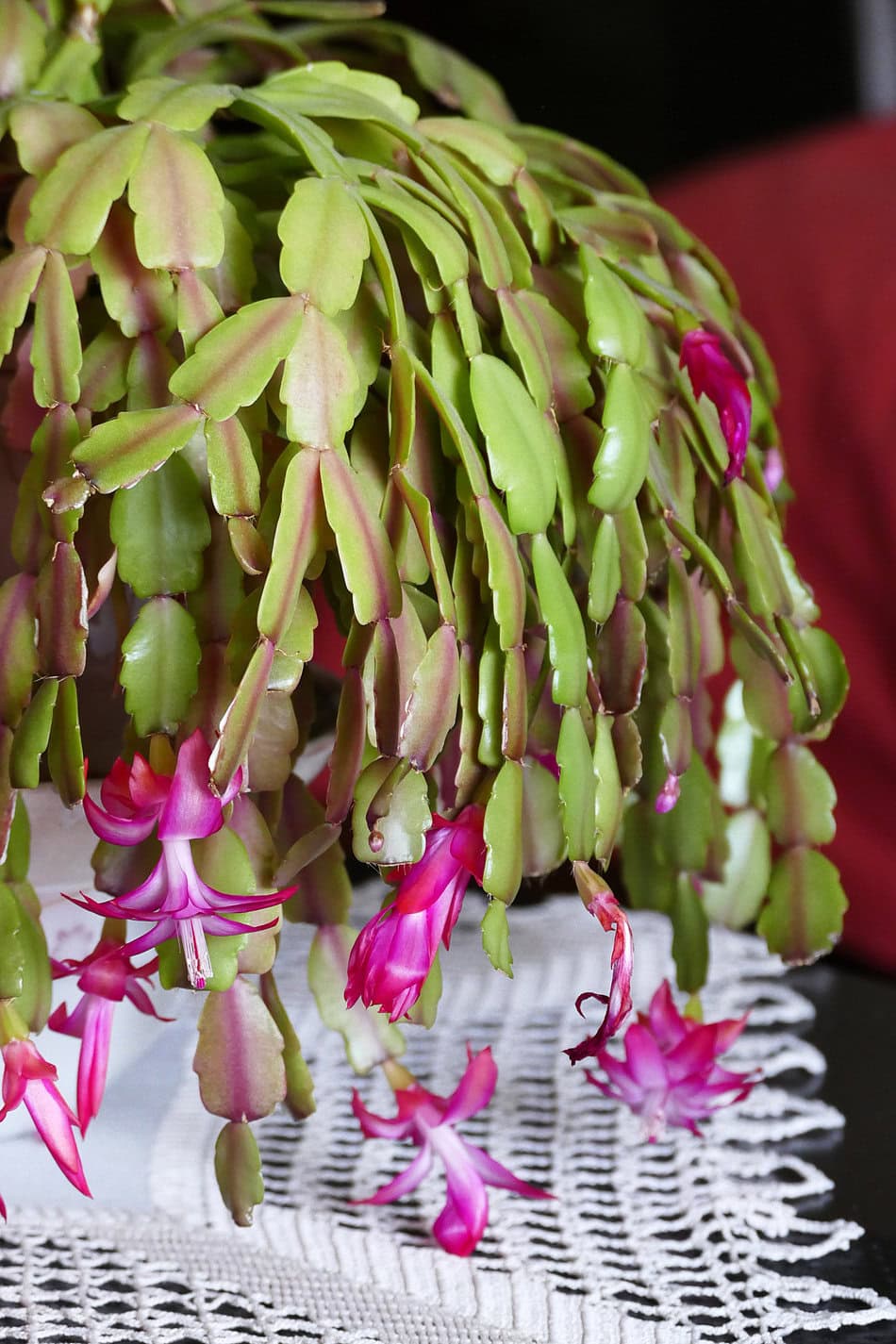
So why do you go through all this effort? Because your ultimate goal is a plant covered in stunning blooms when the holidays arrive. It’s a flex, really. And the secret lies in the boring stuff beneath the surface.
And if your plant needs a little shaping after it recovers, here are the signs it’s time to prune a Christmas Cactus without hurting future blooms.
Healthy roots support bud formation. When your roots are thriving, breathing, and properly hydrated, your plant can direct its energy towards creating flowers.
Otherwise, suffocating roots demand all the resources just to survive. Aeration is the key. Oxygen-rich roots absorb nutrients faster than my aunt absorbs gossip.
Soggy soil prevents blooming altogether. Luckily, your clever DIY mix stabilizes everything, ensuring your roots are perfectly pampered. Never too thirsty, never drowning in their sorrow.
In short, it gives your reluctant cousin the emotional stability needed to throw the best flower party of the year.
To keep those blooms on schedule every season, here’s my simple Christmas Cactus care calendar that shows exactly what to do each month.


