An ecosystem upgrade tucked into a delicate white border. A honey-scented recruitment center for hardworking beneficial insects. A perfumed living mulch that quietly pulls more weight than most decorative garden extras.
That’s Sweet Alyssum, the pretty companion plant I seriously underestimated!
The Tiny Flower Doing Big Work in Your Garden
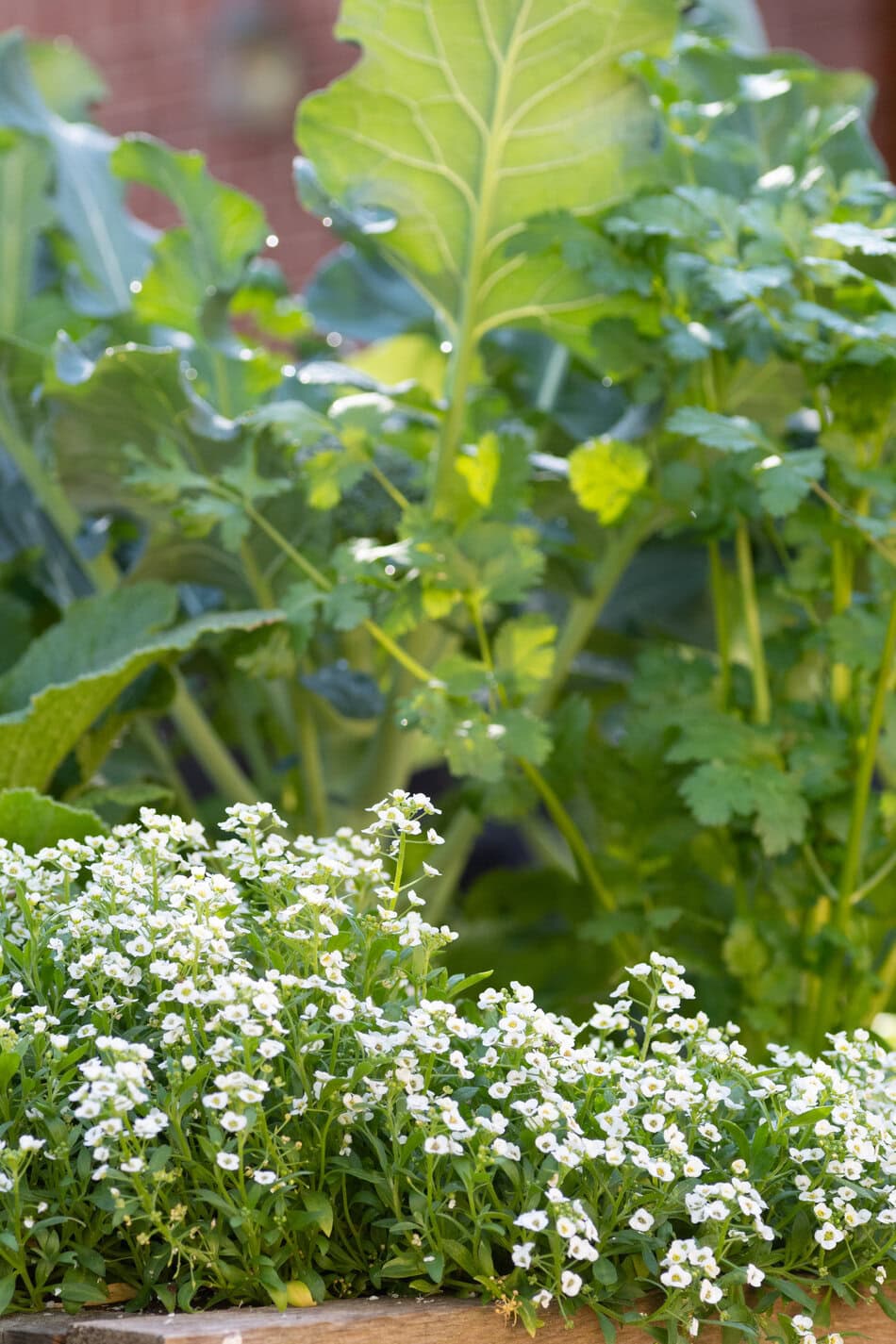
Its small stature hides a massive potential and a surprisingly bigger list of ways this plant quietly upgrades your garden. I’ve learned not to underestimate anything that blooms this sweetly and works this hard.
1: Director of Security
I like to bribe the local beneficial insects with a little sweet alyssum nectar to help keep my vegetables safe.
Adult hoverflies and tiny parasitic wasps show up for the easy food source, but most stick around long enough to lay eggs nearby. Once their larvae hatch, they go straight to work feeding on soft-bodied pests like aphids.
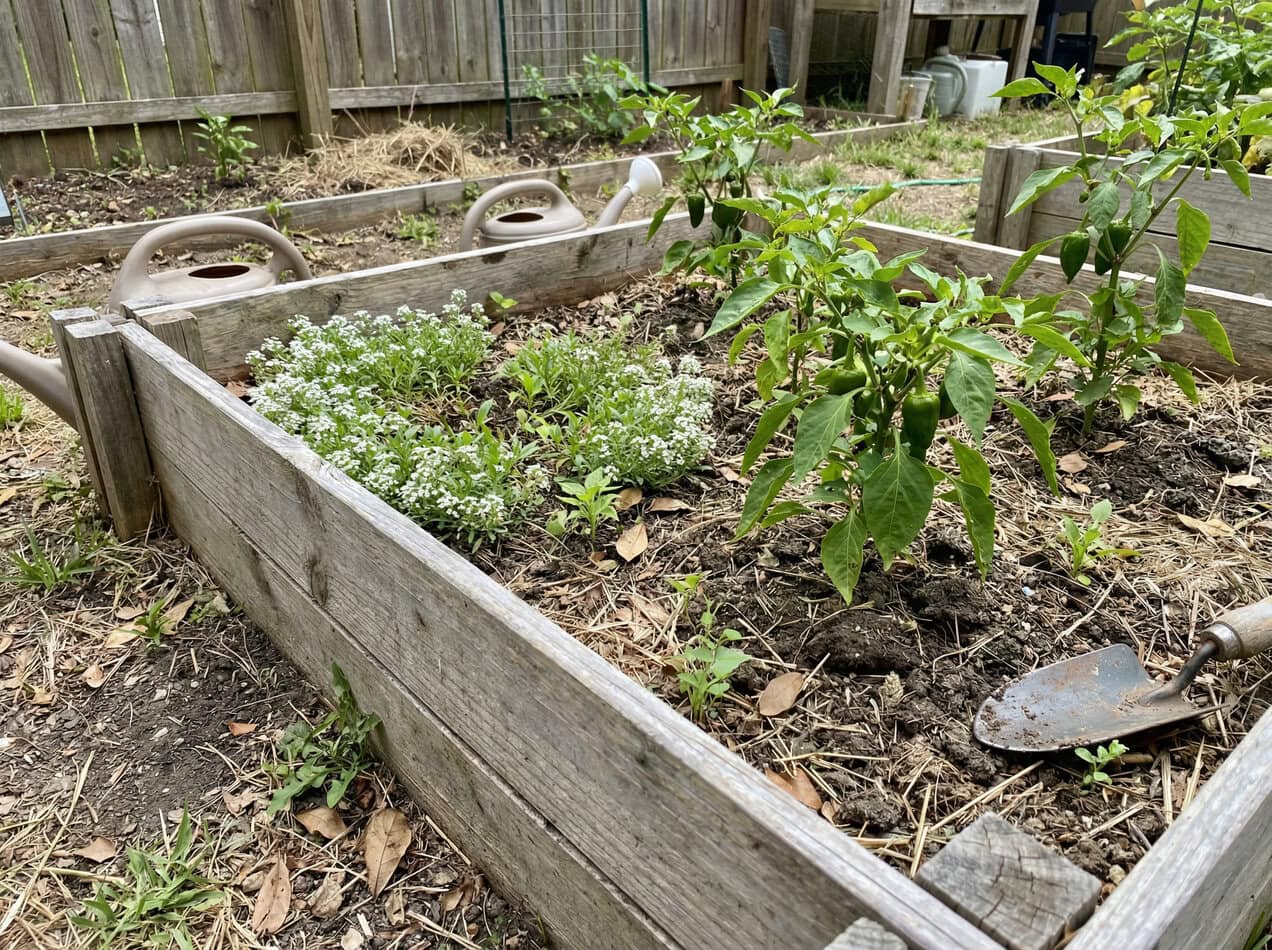
Planting alyssum every 10-12 inches creates a steady nectar supply, which helps keep these natural predators stay exactly where the trouble starts.
I’ve noticed this works especially well tucked in among peppers, roses, or anything that tends to attract aphids early in the season.
And if aphids are already taking over, we also explain a few simple ways to get rid of aphids naturally without reaching for harsh chemicals.
2: Full-Time Mulch

I’ve watched sweet alyssum grow thick enough that sunlight barely reaches the soil. Weeds had far less chance to sprout in my garden last year and I spent way less time pulling invaders.
I also noticed the soil stayed a bit cooler and didn’t dry out as quickly during a long, brutal summer heatwave. It won’t fully replace wood chips, but in my beds, it definitely cuts down on bare soil and extra work.
3: Bee-sy Networking
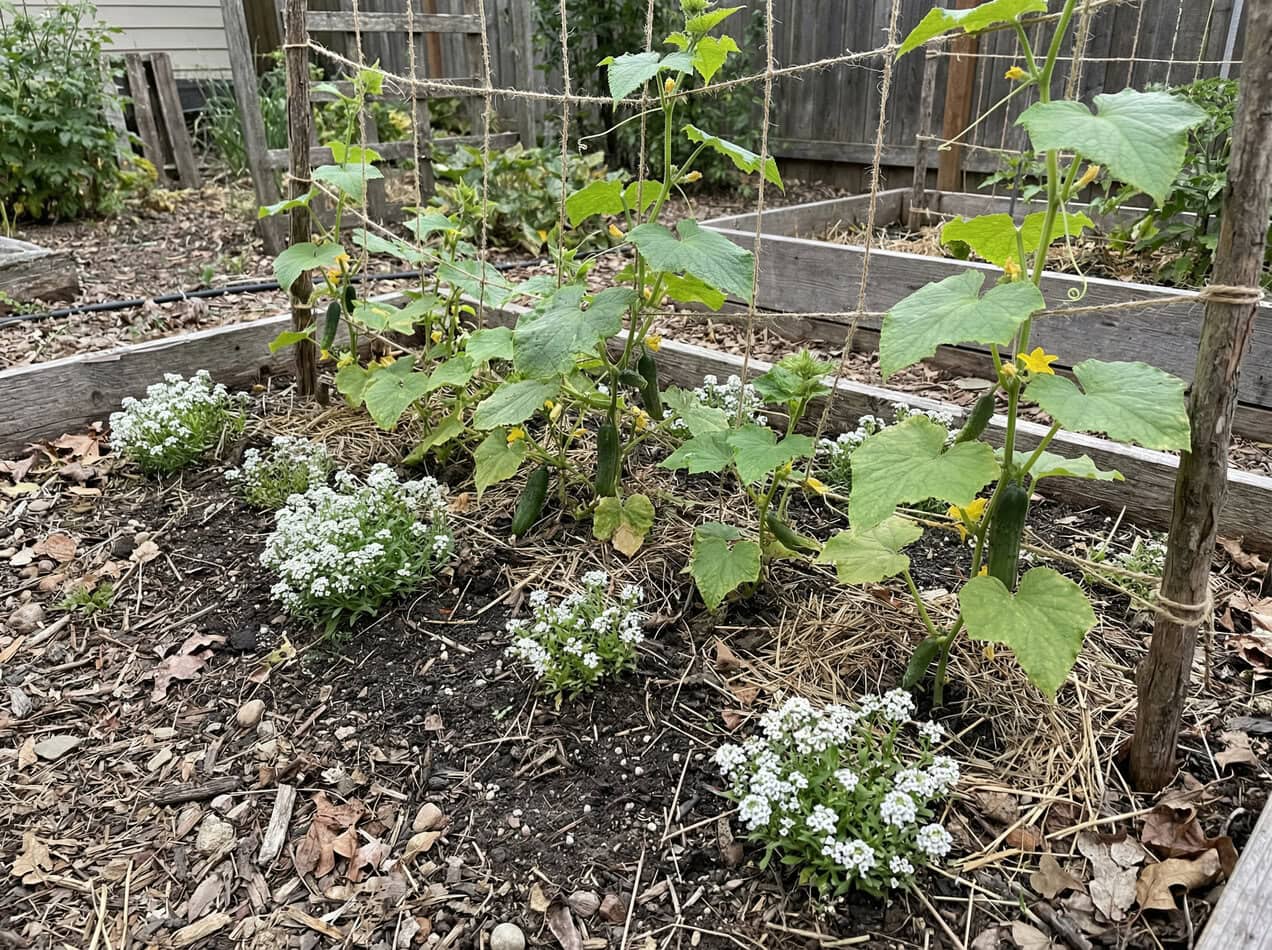
Its honey scent pulls every bee and other pollinators in the county toward your yard. Pollinators come for the flowers but they stick around and visit nearby crops like squash and tomatoes too.
More pollination usually means better fruit set and bigger harvests. It works like a little road sign for helpful insects.
I like to tuck sweet alyssum near my cucumbers, melons, squash and tomatoes whenever I’m dealing with poor fruit production and not enough bee traffic.
If you’re trying to build a garden that naturally supports itself, we also shared a list of bug-repelling plants that pair really well with companion flowers like alyssum.
4: Topsoil Manager
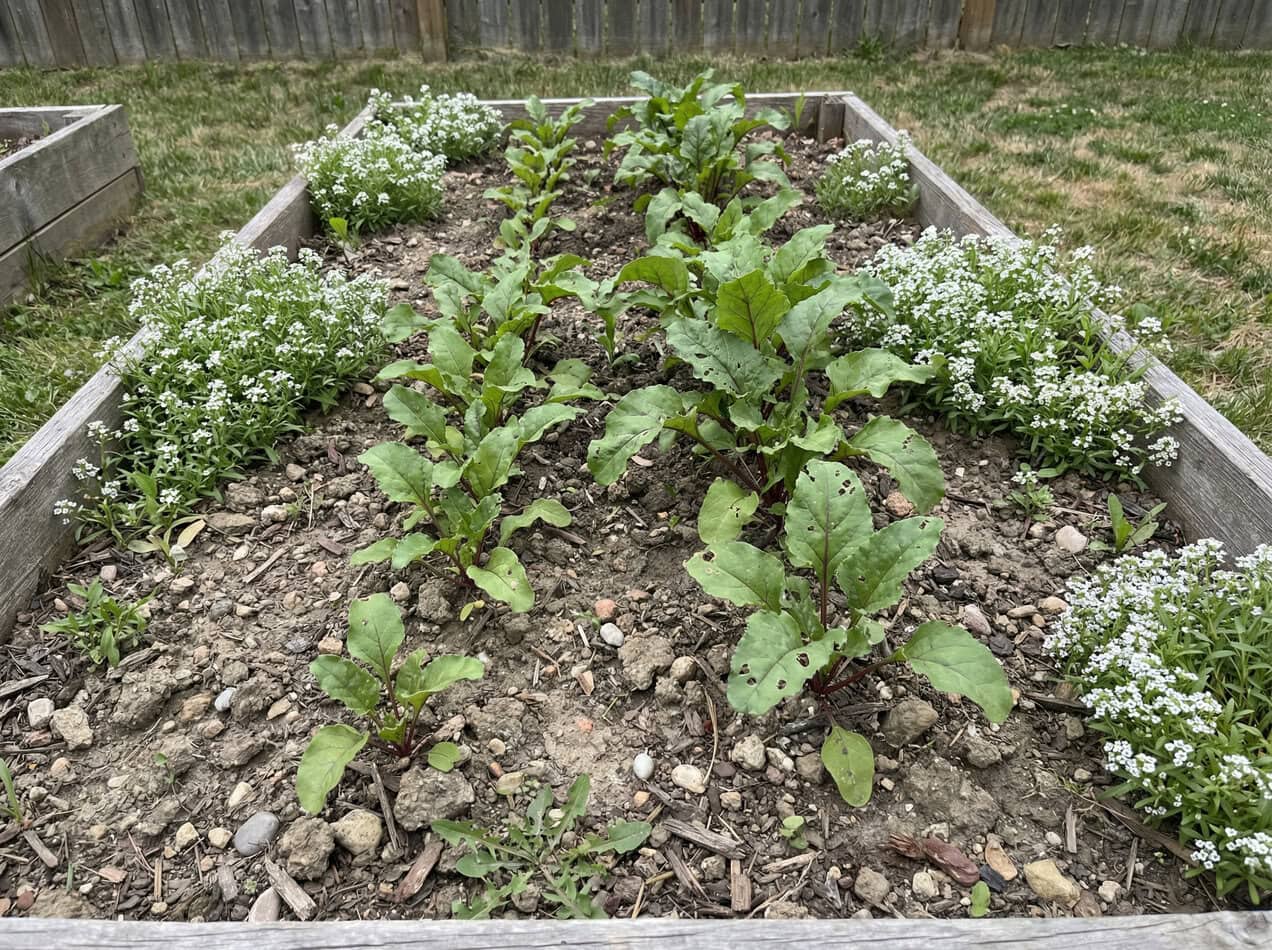
Heavy rain can wash away nutrients and topsoil fast. I’ve found sweet alyssum helps hold things together, especially when it’s growing thick along the edges of a bed, even during a storm.
It won’t stop every storm problem, but it can reduce light runoff and soil loss. I like using it as a border for raised beds or slightly sloped rows where water tends to move things around.
5: Corporate Lodging Coordinator
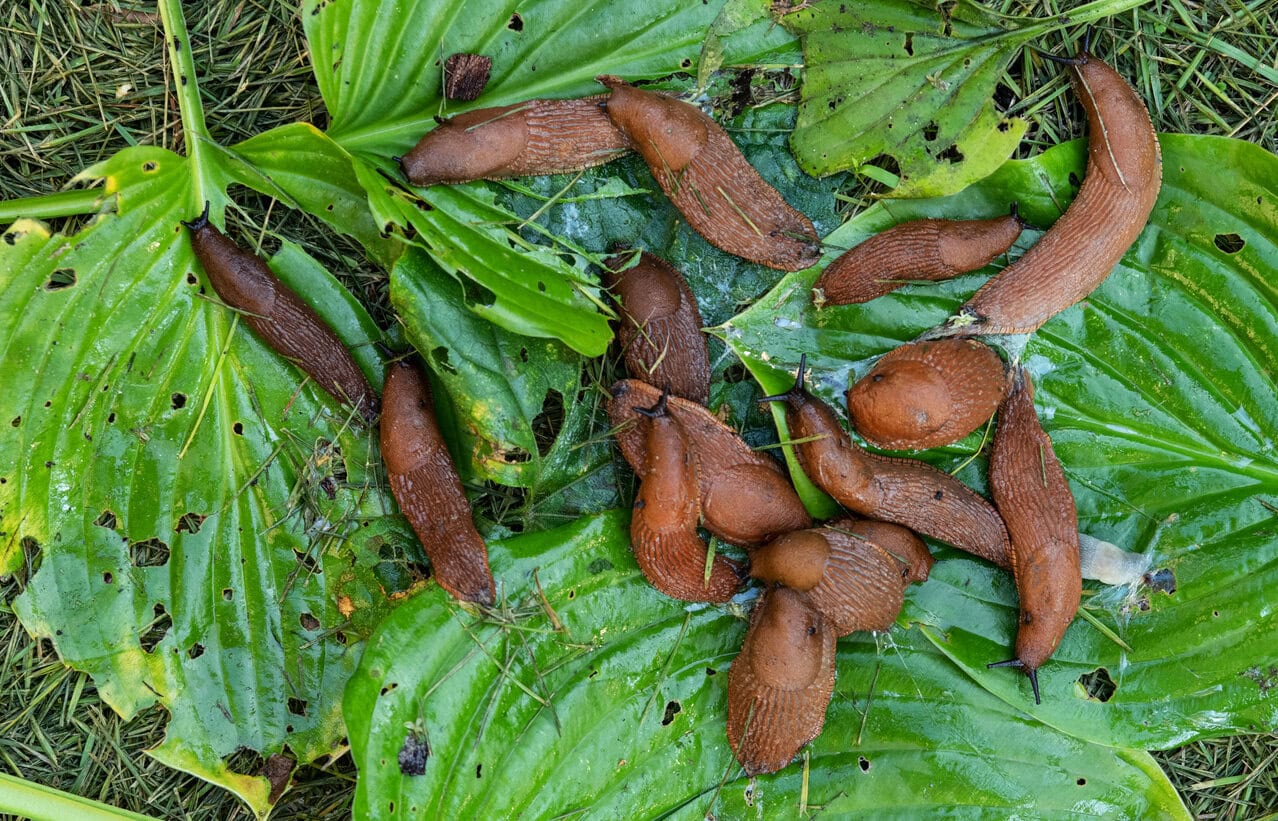
Stop playing hide-and-seek with garden pests! Instead of chasing every problem myself, I create an habitat for the good guys.
Sweet alyssum forms a low, slightly sheltered space that ground beetles and other beneficial insects can use during the day. They spend their nights eating slugs, cutworms, and other soil-level pests that chew on your plants. As a bonus, helpful insects reduce your need for pesticides.
And if slugs are one of your biggest nighttime enemies, we wrote a full guide on natural ways to keep slugs out of the garden that’s saved me a lot of frustration.
6: Backup for Your Brassicas (and Carrots Too)
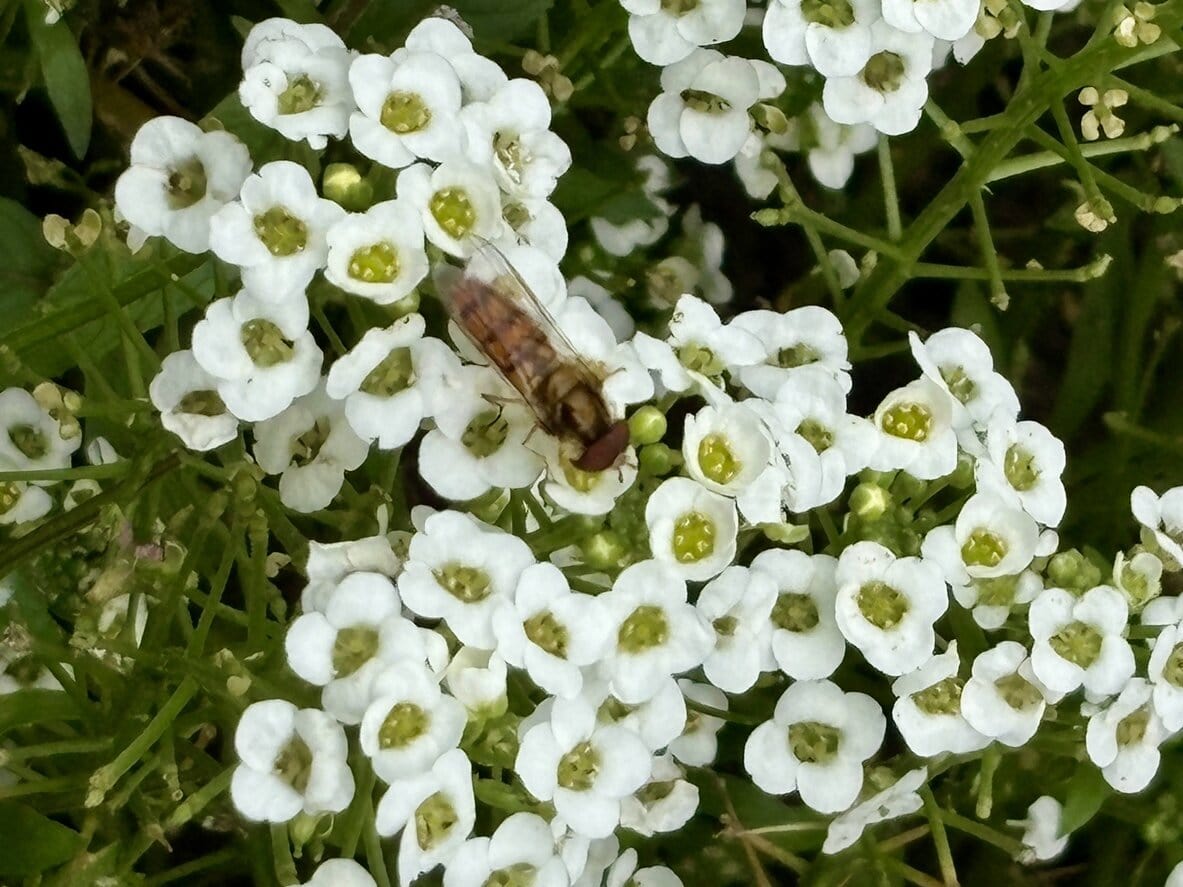
Unprotected kale, broccoli, and even carrots can look like they’ve been through a buffet by midsummer. I’ve noticed that planting sweet alyssum nearby helped shift the balance (but it still didn’t make every pest disappear).
Interplanting alyssum adds diversity to the bed and attracts beneficial insects like hoverflies and tiny parasitic wasps. Instead of letting pests take over unchecked, you’re building a garden where natural predators are already on patrol.
It’s not full stealth mode, but in my garden, it’s meant fewer leaves and roots donated to hungry invaders!
If you want more ideas for bringing these helpful insects in, we wrote an article on flowers that attract hoverflies and why they’re such underrated pest-control allies.
7: Soil Enrichment Architect

I stopped fighting the clutter and started trusting the little bits of sweet alyssum that break down over time. As it decomposes, it adds organic matter, helping the soil improve little by little.
My underground crew of earthworms happily works through the scraps, turning garden waste into richer, compost-like material that would cost a fortune at the store. It’s not magic fertilizer, but it does support healthier soil over the season!
And when the roots finally kick the bucket in December, they leave behind a tiny a network of subterranean channels that help water and air move through the ground.
8: Heat Resilience Officer

Hot sun and dry weather usually knock out lots of flowers. Yet, alyssum is tougher than it looks and just keeps blooming.
It can handle rough conditions and stay green and fragrant even when the thermometer hits record highs. In intense summer heat, it may slow down or bloom less, but it often rebounds when temperatures cool.
In warmer climates, I’d treat it more like a cool-season bloomer and replant or trim it back for a fresh flush. If you want a variety that holds up better in heat, “Snow Princess” is a great option to try.
9: Garnish and Salad Specialist
People forget their best flower guards can also be edible, but I never pass up a chance to snack on the job.
You may treat sweet alyssum like scenery, but I toss the flowers into salads for a mild, peppery kick. The leaves are edible too, though I find they’re a bit stronger and best used sparingly.
I harvest the petals constantly because the plant takes that personally and tries to spite me by blooming even harder.
And if you love companion plants that pull double-duty like this, you might also enjoy our article on why calendula is the companion plant your garden needs.
Big Harvest Energy on a Small Budget
Success smells like a carpet of white flowers doing all the hard work while your green thumb takes all the credit. One $2.00 packet of seeds delivers a season of pest control and soil protection. You save time and money, without breaking a sweat. Sweet!
When pest pressure gets heavy, I sometimes combine companion planting with gentle solutions. We explain some of the best options in our guide to natural garden sprays for pest control.
And if you’re struggling with aphids, sweet alyssum isn’t the only flower that can help. We also put together a list of flowers that attract ladybugs to keep aphids under control.