
My mom had this sort of “gardening tradition” where she and I would prune the backyard flowers in the month of August and have a refreshing sweet treat as a reward right after.
I never asked what the point of pruning in August was because I was too young at the time, but now that I’m into gardening myself, I feel like pruning in August is special in every way!
In this article, I’ll be taking you through a list of perennials you can cut back in August to achieve a neater, more vibrant garden in no time. And, like always, I’ll make sure to sprinkle in some tips and words of wisdom here and there!
Yes, You Should Cut Back Some Perennials In August!
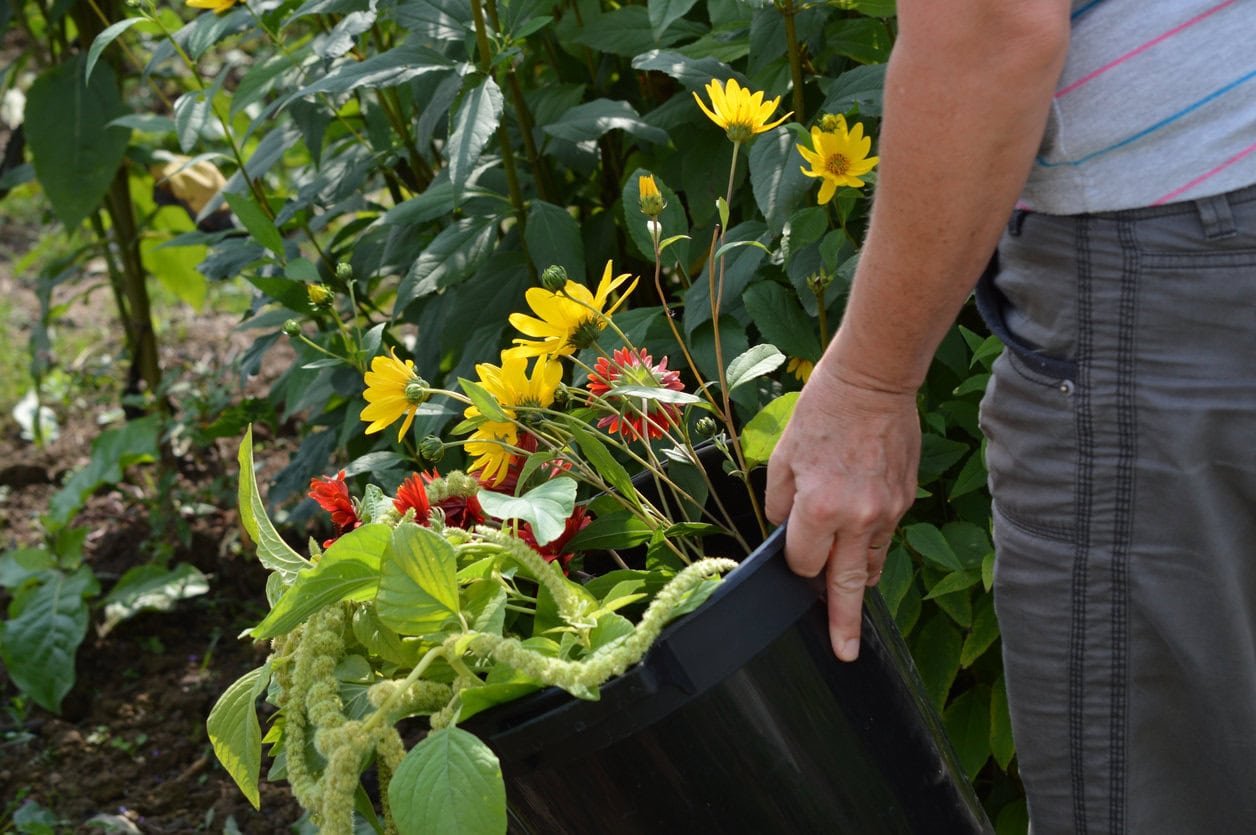
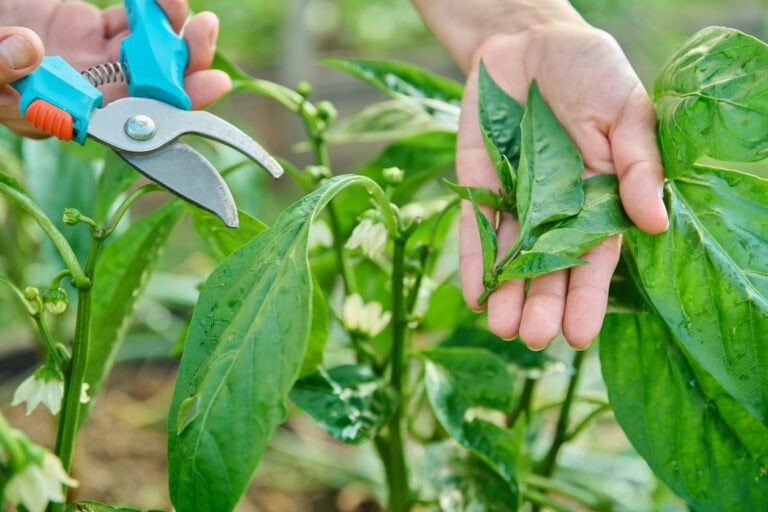
Pruning in August can actually prove to be beneficial for your perennials.
Since most perennials grow unevenly and in irregular shapes and sizes, pruning can make them look a lot neater and more aesthetically pleasing.
If your perennials are aggressive, self-seeding spreaders, pruning can bring them under control and help contain unwanted spreading. Many perennials even start reblooming after a good, hard prune!
Not sure what to cut and what to leave alone? This quick August pruning guide walks you through exactly that.
But First…How To Know When A Perennial Needs Cutting Back?

Well, since the plant won’t directly converse with you, there are some indicators you need to look out for in order to figure out whether or not cutting back is necessary. Some clear visible indicators include:
Perennials To Cut Back In August

1: Catmint (Nepeta)
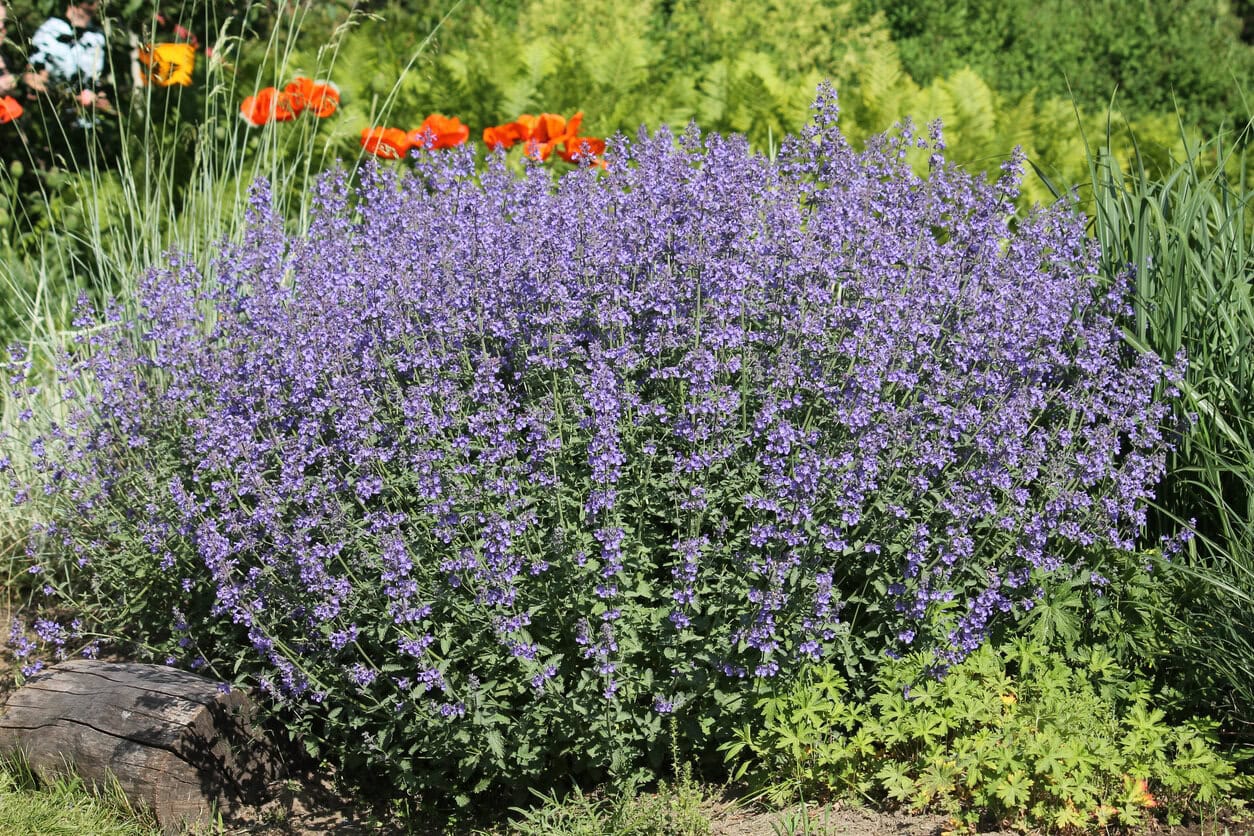
Cut back your catmint after the first flush of blooms begins to fade. Doing so will not only promote even growth and neatness, but also possibly another flush of vibrant blooms.
2: Salvia (Salvia Nemorosa Or S. Greggii)

Cut back your salvia plants by one-third in August. Spent flower spikes create unnecessary stress and burden for the perennial; therefore, removing them is ideal.
August pruning should result in bushier, healthier-looking salvias in no time.
August pruning should result in bushier, healthier-looking salvias in no time. Here’s how I keep mine blooming strong all summer long.
3: Shasta Daisy (Leucanthemum)

For Shasta daisies, you want to remove all spent flower stalks and discolored foliage early in August. Because this perennial is aggressive when it comes to self-seeding and spreading, regular pruning can help keep it in check and even encourage a short-lived reblooming effect.
4: Yarrow (Achillea)

Yarrows are typically resilient and can withstand a hard prune without any problem whatsoever.
Feel free to cut these back to basal foliage in August and enjoy a new flush of blooms if you’re in a milder region (zones 6 and up). I definitely wouldn’t recommend doing this in cooler zones!
5: Coreopsis
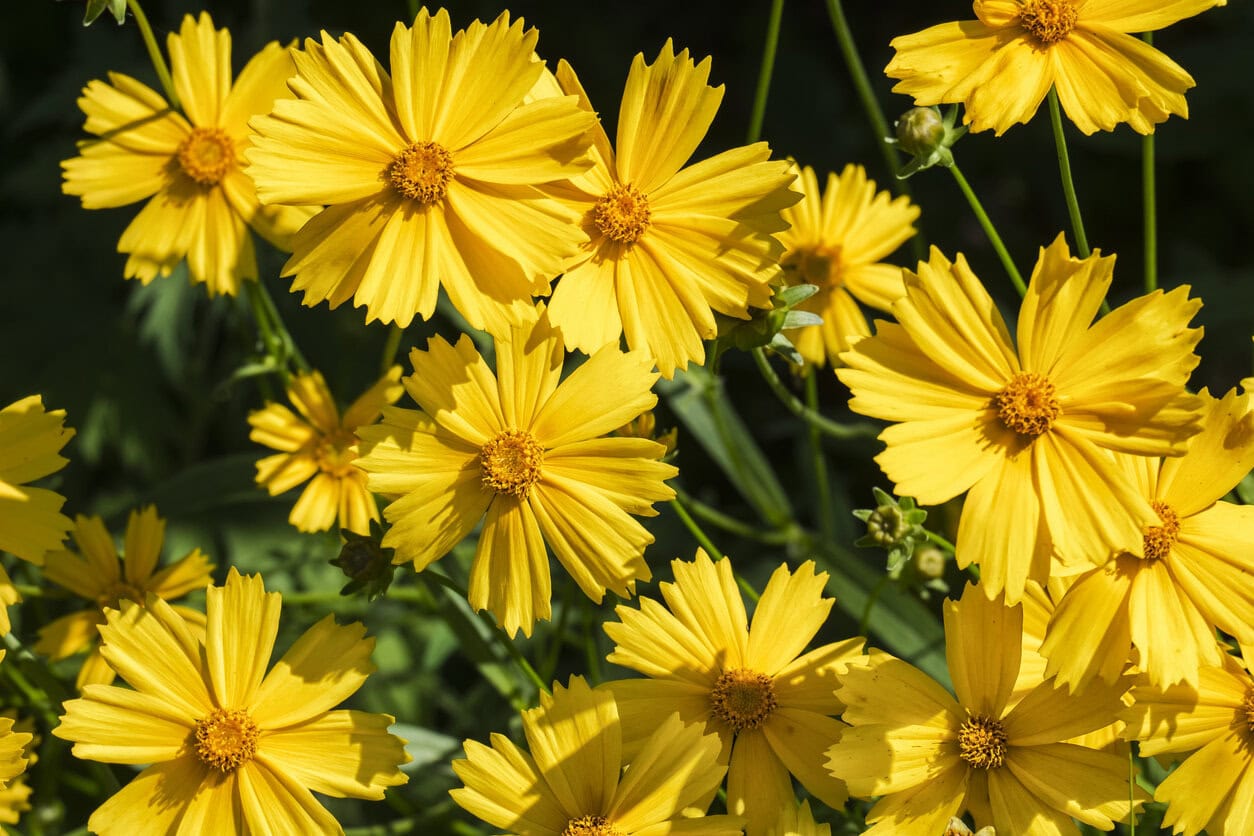
Coreopsis should simply be cut back hard whenever they display signs of stagnation. These perennials bloom rapidly after pruning and are super low-maintenance, meaning they’re perfect for beginners.
6: Garden Phlox (Phlox Paniculata)

Because garden phlox bloom in clusters, you’ll need to deadhead entire clusters in August and trim any weak, degrading stems to lighten up this spreading perennial.
The removal of brittle stems and structure allows for better airflow and can limit the risk of fungal diseases, which garden phlox are often quite susceptible to.
7: Daylilies (Hemerocallis)

Pruning daylilies in August can help limit the formation of seed pods that lead to aggressive spreading in the garden. It may also be a good idea to divide your daylilies around this time if they appear to be crowded.
Some varieties are known to bloom more than once if cared for properly, this is how I get repeat blooms from my daylilies every year.
8: Bee Balm (Monarda)

Although light pruning works, I personally prefer to cut back my bee balms to the base, which rejuvenates them and encourages them to bloom even better every time.
Also, it helps reduce the risk of powdery mildew, which you might have noticed already that this plant is notorious for (especially in humid late-summer conditions).
In some cases, a good, hard prune can also trigger a short rebloom, if conditions are right.
9: Blanket Flower (Gaillardia)

When it comes to blanket flowers, they generally don’t need much love and attention. Some hard pruning in August (cutting back by one-third ideally), with consistent watering and fertilization, is enough to keep them coming, even if it’s for a short period every time.
And while you’re out tidying up the garden, it’s also a great time to plant for next year. Here are 10 flowers you can sow in August for gorgeous spring blooms.
Let’s Conclude

While not all perennials react well to being cut back in August, there are some that actually prefer it and, for them, there’s no better reblooming catalyst than this.
Though pruning is a lot of work sometimes, it does eventually pay off. Patience and forward-looking vision are key!





I have two hibiscus and a lantana plants in pots that have gotten to large for me to pick up and store on the back porch. I would like to root a part of them to keep for next year. Any suggestions?
Hi Doris! 😊 That’s a great idea, both hibiscus and lantana root pretty easily from cuttings!
I’d take 4–6 inch softwood cuttings (non-woody stems), remove the lower leaves, and stick them in moist potting mix. I usually dip the ends in rooting hormone to speed things up, then keeps them in a bright, warm spot out of direct sun. Mist them lightly and cover with a plastic bag to hold humidity. You’ll likely have baby plants in a few weeks!
I leave mine in the ground and they come back every year I cut them back in late fall.
Can I cut back sedum at any time
Hi Yvonne! 😊 You can! I usually pinch or cut mine back in early summer to keep them from flopping, it makes them bushier too. But if it’s late in the season, I let the blooms finish and just clean them up in fall or early spring. 😊
I have a Crape Myrtal how to keep it for the winter?
Hi Barbara 🙂 It depends on whether your crape myrtle is planted in the ground or a pot and what USDA zone you live in. Avoid pruning it in fall, water before winter if conditions are dry, and mulch over the roots without piling mulch against the trunk. A potted plant needs extra protection from hard freezes.
When do you cut back lavender?
Hi Teresa 🙂 I remove the spent lavender flower stems after blooming, but save the main cutback for early spring after the risk of frost has passed. Trim about one-third from the top rather than cutting it down hard.
Rita, I have a question. What can I do to encourage my geraniums to keep blooming? They are not currently putting up any flowers. They look full and healthy. They usually bloom well into November here in the southwest. Thank you
Hi Terry 🙂 Since your geraniums look full and healthy, the intense summer heat may have temporarily paused flowering. Keep deadheading, provide morning sun with some afternoon protection, avoid high-nitrogen fertilizer, and let the soil begin drying between waterings. They should start blooming again as temperatures ease.
When do I cut Lenten Roses?
Hi Elisabeth 🙂 Cut the old Lenten rose foliage in late winter or very early spring, just as the flower buds and fresh leaves begin emerging. Remove the old leaves at the base, but leave the flower stems and new growth alone.
Great info! Thank you!
Hi Susan 🙂 Thank you! I’m so glad you found the information helpful.
HI, Rita, When can I move an apple tree it is about six years old?
Hi Frances 🙂 For a six-year-old apple tree, I’d move it while it’s dormant, ideally after leaf drop or in very early spring before new growth begins. Take as large a root ball as you reasonably can and keep it well watered after replanting, since established trees are more difficult to move successfully.
We live in the southern hemisphere. Therefore when instructions are given please indicate it applies to which region at the time of instruction if not it can be misleading
Thanks
Hi 🙂 Thanks for pointing that out. The August timing in this article is intended for U.S./Northern Hemisphere gardens. In the Southern Hemisphere, I’d follow the plant’s seasonal stage, such as cutting back after flowering or once growth starts looking spent, rather than following August literally.
My peonies were hit with terrible mildew in the spring. I’ve been babying them after blooming and trimming off the extremely damaged stems. Now they are just sitting there. They are still alive but not by much. Is it too early to cut them back for the fall in mid August (Central Pennsylvania).
Hi Ruth 🙂 Since you’re in central Pennsylvania, I wouldn’t cut the whole peony down in mid-August if there’s still healthy green foliage. Remove the worst mildew-covered leaves and stems, but leave as much green foliage as you can so the plant can keep storing energy. Then cut everything back to about 1-2 inches in fall and dispose of the diseased foliage rather than leaving it around the plants.
I live in Michigan, have a annual that has Indian mint mixed in with the annuals, can I save the Indian mint in doors?
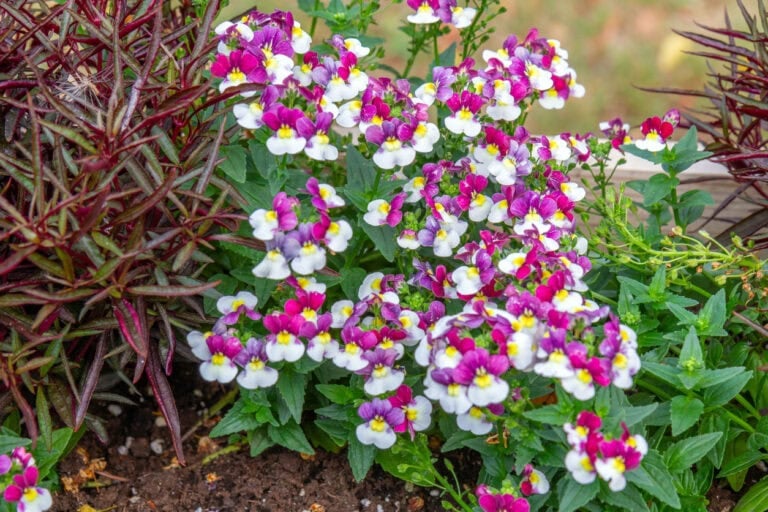
Hi Sandy 🙂 If you mean the trailing Indian mint (Satureja) that’s often mixed into annual containers, yes, you can try saving it indoors in Michigan. Bring it in before frost, give it plenty of bright light, and don’t keep the soil soggy. Taking a few cuttings as backup is a good idea too.
The Phlox paniculata how short do you cut these. Low to the ground or just the top several inches???
Hi Kathy 🙂 With Phlox paniculata, I wouldn’t cut the whole plant to the ground in August. Just remove the spent flower clusters back to the next healthy leaves or side shoots and take out any weak or damaged stems. Leave the healthy green stems and foliage for now.
We live in Michigan, currently have two lemon trees one Meyer and the other ponderosa. They both have plenty of flowers and currently have one lemon growing. The flowers fall, lemons appear than they drop. What can I do to promote more lemons?
Hi Diane 🙂 Some flower and tiny fruit drop is completely normal with citrus, but if nearly all of them are dropping, I’d focus on consistent watering, plenty of bright light, and avoiding sudden temperature changes.
Since you’re in Michigan and they’re likely indoors for part of the year, I’d also gently hand-pollinate the flowers with your finger or a small brush. Meyer and Ponderosa lemons can both fruit indoors, but conditions need to stay pretty consistent.