If I understood correctly, you want a garden, not a part-time job as a plant therapist. Some vegetables are just green heartbreaker, ready to wilt the moment you turn your back.
That’s why I’ve rounded up the nine sturdiest crops I like to grow when I want reliable results without constant fuss.
Veggies That Laugh at Cold Weather

These are the crops I reach for when the garden still feels chilly and I don’t want to overthink things. These crops are already winning at life while you are still shivering in your hoodie.
1: Radishes
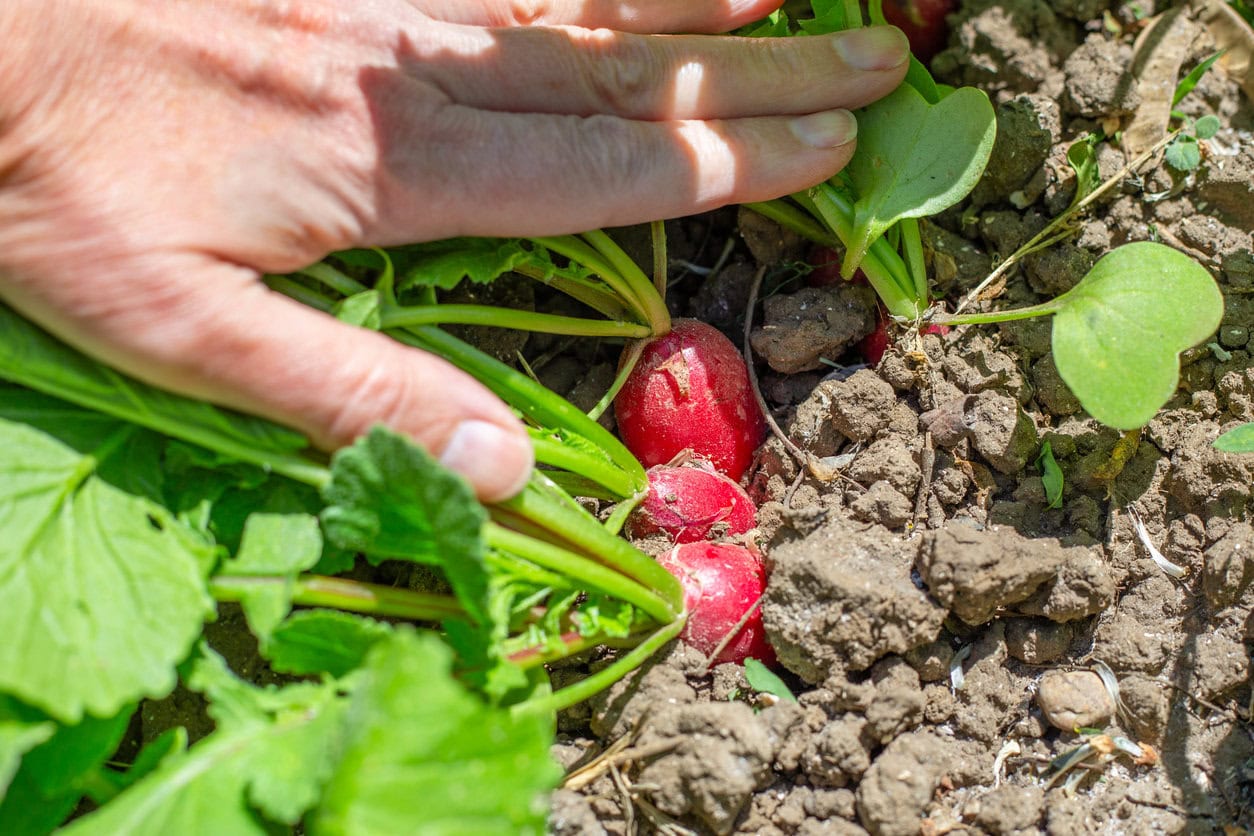
Radishes win the sprint to your dinner plate by racing from seed to crunch in merely 25 days. Such speed makes them one of my favorite vegetablesa and for beginners because the plants finish before most pests even realize a snack has sprouted.
I like to scatter the seeds directly into loose, evenly moist soil when the temperatures are between 50°F and 70°F. A chilly environment like this develops a crisp flavor that grocery stores apparently filter out.
Quick tip: I always thin the seedlings early. Crowded radishes stay small and spicy, even if everything else looks right.
If your radishes are all leaves and no roots, I break down the most common reasons (and how to fix them) in another article.
2: Lettuce

Stop overpaying for wilted bags of lettuce slime at the store. Lettuce is one of the first things I plant as soon as the soil softens, because it ignores a light frost with pure spite.
Just give it some shade when the sun starts getting intense, a bit of afternoon shade helps prevent that bitter flavor. Unless you enjoy the taste of bitter regret!
Quick tip: If you only harvest the outer leaves, the plant enters a frantic rebuilding phase that keeps your salad bowl full for weeks.
I’ve also had better results pairing lettuce with the right neighbors. We put together a full list of companion plants that help lettuce thrive all season if you want to dig deeper.
3: Carrots

Pulling a carrot out of the soil provides a rush that store-bought produce can’t touch. I always direct-sow carrots into loose, stone-free soil. Otherwise be prepared for roots that look like gnarled ginger than something you meant to grow.
The lacy greens may look pretty above ground, but the real work happens underground, where sugars slowly develop. I’ve noticed that keeping the soil consistently damp during the (agonizingly) long wait for sprouts makes all the difference. Let it dry out, and you’ll be staring at bare soil while the weeds throw a party.
Quick tip: I like to lightly press a board or piece of cardboard over the seed row until sprouts appear. It helps keep moisture in and improves germination.
If your carrots keep coming out short or twisted, I go into all the usual causes (soil texture, spacing, and watering) in more detail here.
4: Kale

You may not believe it, but kale actually tastes better after a freeze because the cold weather pushes the plant to convert starches into sugars, which takes the edge off that bitter bite. It also survives the kind of frosty nights that wipe out most greens.
Give it a little elbow room and keep the soil evenly watered, and it pretty much takes care of itself. You get a reliable backup plan that survives your busiest weeks and keeps your health on track without whining about the frost.
Quick tip: I like to harvest the outer leaves first and leave the center alone. That way, kale keeps producing instead of stalling.
I’ve also noticed kale does better when it’s planted with the right companions. We explain which plants help (and which ones don’t) in this guide.
5: Peas

Give peas a chance. I always plant them early, while the soil is still cool, before the sun decides to turn the garden into desert Sahara. Trellises are mandatory unless you prefer a mud-flavored harvest.
Once the pods start forming, timing matters. If they get fat and lumpy, they’ve already gone past their prime. I’ve learned to pick peas when they look sleek and feel crisp, and I try to harvest every ripe pod daily to keep the plants producing.
Quick tip: I soak pea seeds overnight before planting. They sprout faster and more evenly in cool soil.
If your peas stall or never really take off, we’ve covered the most common reasons for your peas not growing well in this article.
Veggies That Come Alive in the Heat
Prepare your baskets, because these heat-seeking varieties plan to take over your garden… and your entire kitchen. These are the plants I wait on until the soil actually warms up.
1: Zucchini

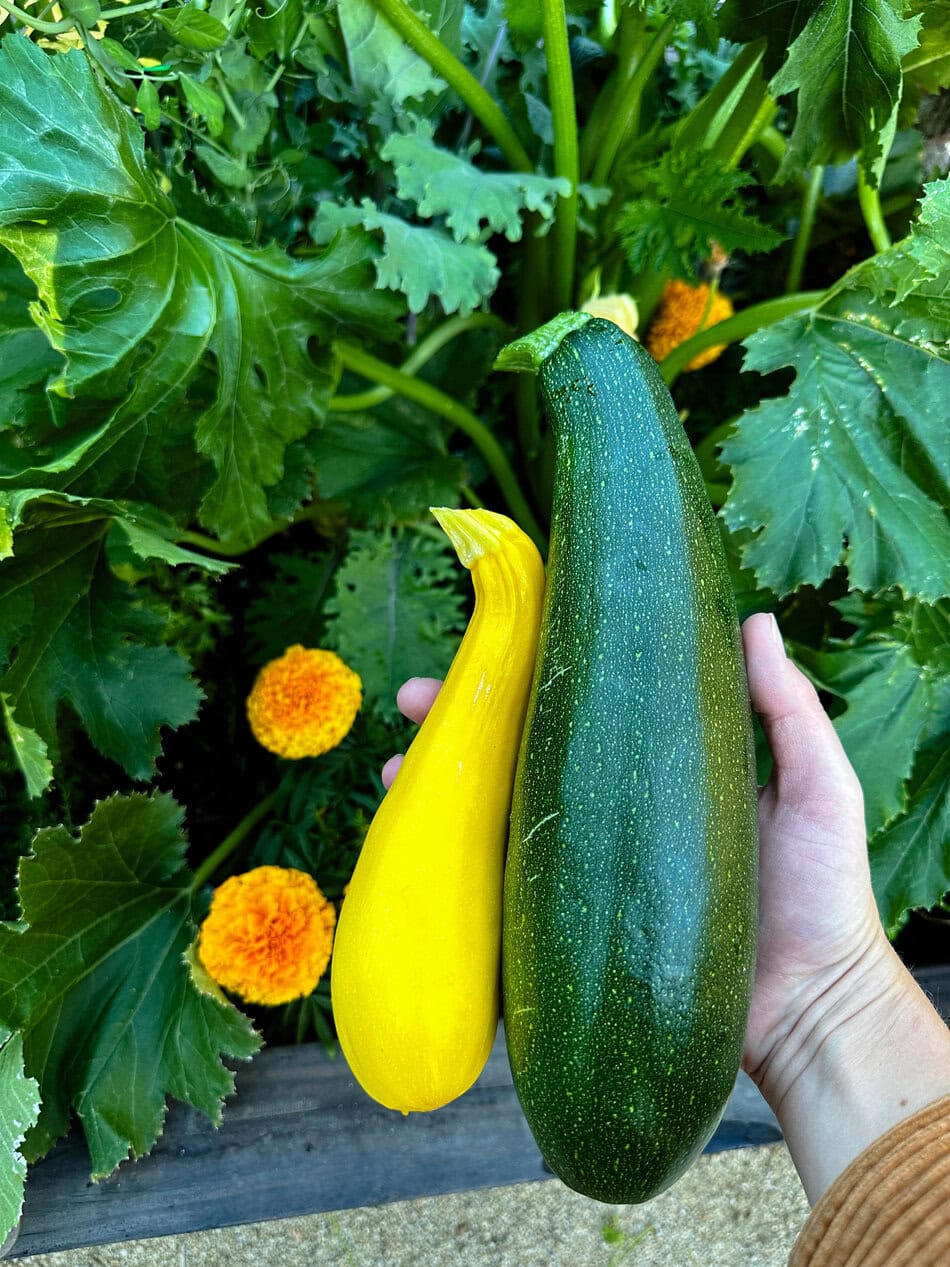
Zucchini wins the prize for the easiest warm-season vegetable because it grows itself once temperatures stay consistently warm. In my garden, as long as it gets full sun and steady water, it takes off fast and doesn’t ask for much else.
One or two plants usually produce more zucchini than most people expect, which makes it a high-reward option for anyone who enjoys free food and bragging.
Quick tip: I harvest zucchini while they’re still small to medium. Letting them get huge slows down new fruit.
Zucchini is easy, but there are a few small tweaks that make a big difference. We put all our best zucchini-growing tips together here if you want bigger harvests.
2: Cherry Tomatoes

While big slicer tomatoes can struggle with timing, cherry tomatoes tend to just get on with it. Once the heat of summer stelles in, they start pumping out fruit and usually keep going right up until frost.
Give them full sun and a tall stake or cage, because these vines grow with an aggressive ambition.
They don’t care about the most perfect soil or your careful pruning to produce well. As long as they get warmth, regular water, and a bit of support, you’ll always have a handful of sweet tomatoes ready to munch on while you ignore the more difficult chores in your yard.
Quick tip: I soak pea seeds overnight before planting. They sprout faster and more evenly in cool soil.
Cherry tomatoes don’t need heavy pruning to produce, but if you want to tidy them up or control growth, we explain exactly how and when to prune them here.
3: Bush Beans

Bush beans don’t waste time on climbing. They stay low and compact, pumping every ounce of energy into a rapid flurry of pods. You just need to give them a full sun patch and enough water.
One thing I really like about bush beans is that they help improve the soil. hrough beneficial bacteria on their roots, they fix nitrogen as they grow, which gives tired garden beds a boost.
Within weeks, you can reach into the dense canopy and snatch handfuls of snap-fresh greens with a pulse. Pick them early and often to keep the harvest coming.
Quick tip: I plant bush beans in small batches every couple of weeks so they don’t all mature at once.
If you want to push yields even further, we’ve shared the small habits that helped us harvest more beans from fewer plants here.
4: Swiss Chard

While dainty spinach faints and bolts at the first hint of a heatwave, swiss chard stands its ground. like growing it because those colorful stalks and big leaves keep going even when midsummer heat starts stressing other greens.
Cut-and-come-again? Yes. If you harvest the outer leaves and leave the center intact, it keeps producing. It also ignores the typical garden cycle by surviving through scorching July afternoons and shivering October nights without losing its edge.
Quick tip: I harvest chard when the leaves are young and tender. Bigger isn’t always better here.
Swiss chard is one of my favorite cut-and-come-again crops. If you like this style of harvesting, we put together a full list of vegetables that keep producing this way.
The No-Touchy Zone
Plants need personal space to avoid a chive-alrous duel over water rights. If roots have to re-leaf their neighbors of nutrients, nobody wins. Respect the boundaries so your crops don’t have to squash their ambitions.