Your fruit trees are your friends who need a pro stylist but insist they can do it themselves. Of course, they can’t.
By late February, their branches look like a jumbled collection of poor decisions and vertical ambition. You need to intervene. Or not, if you own a jetpack and prefer compote that tastes like a lukewarm shrug.
Tree-mendous Candidates for a Winter Prune
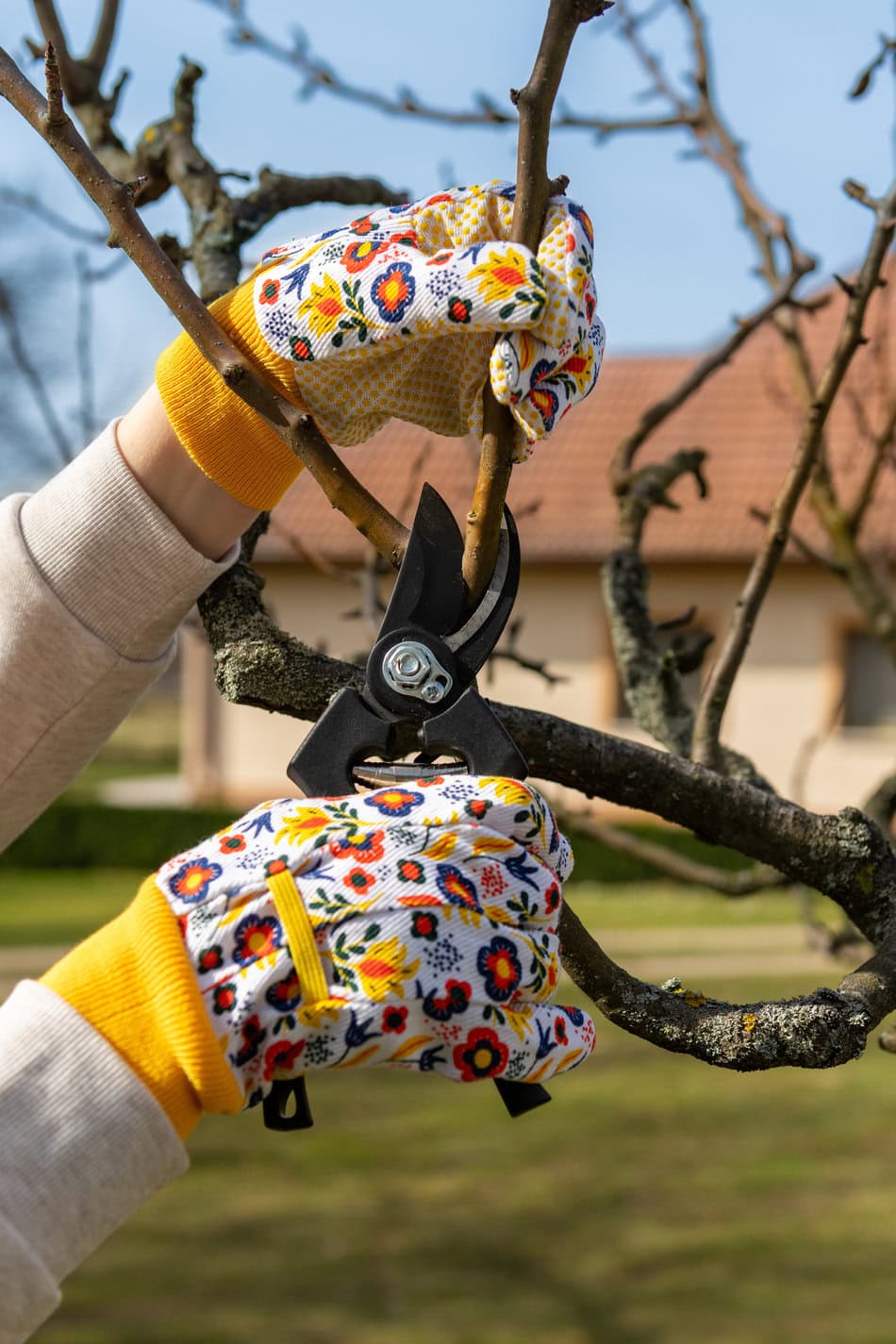
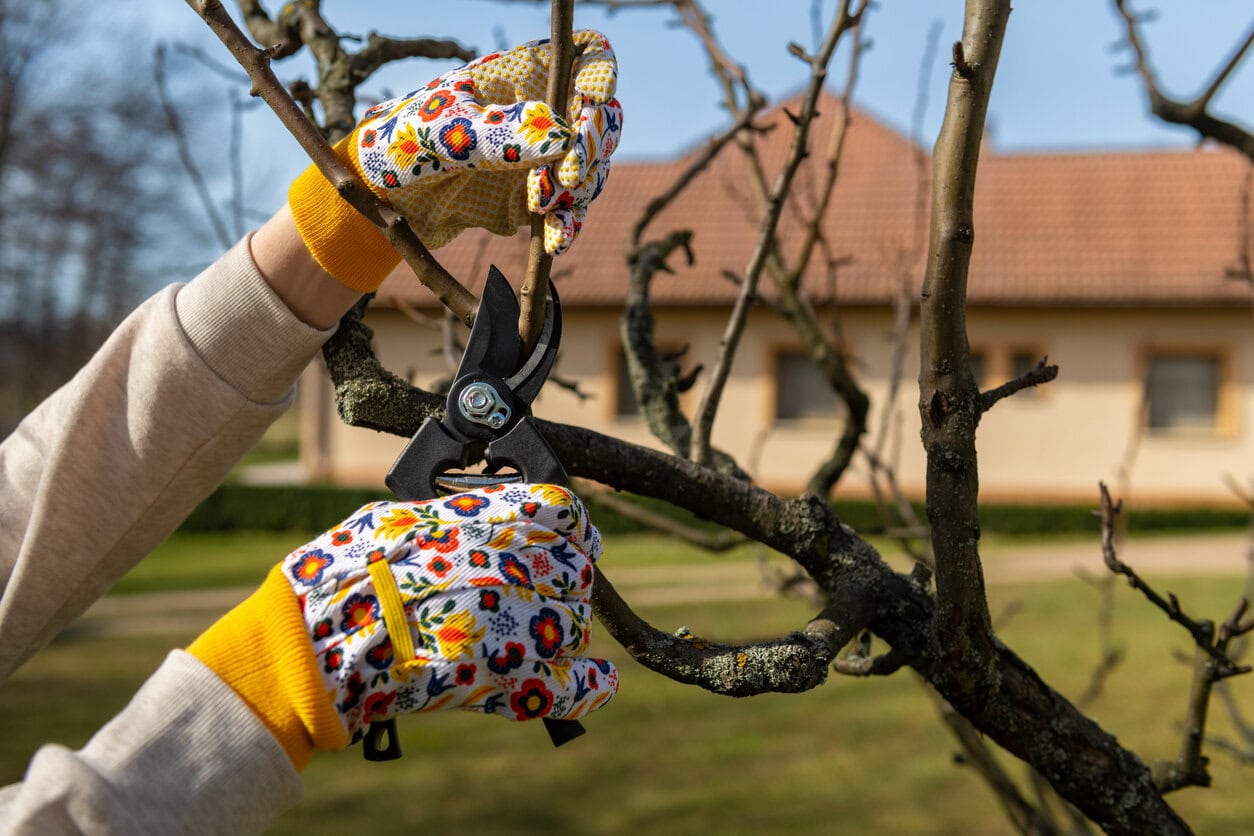
If you want a harvest that packs a punch, late February is the time you deliver a lesson in resource management with a pair of sharpened loppers.
Quick reminder: This timing works best for USDA zones 6-8, where trees are fully dormant and the worst of winter’s deep freezes are usually behind you. If you garden in colder zones, late-winter pruning often means waiting until March, once extreme cold has passed.
1: Apple Tree

Look for vertical water sprouts growing straight up from branches. These shoots pull energy from the tree but don’t produce fruit.
Snip them at the base so the tree can funnel sugar into the actual fruit. You want to keep the canopy open so a bird can fly through without an insurance claim. But don’t cut water sprouts halfway, or they’ll come back taller and more aggressive next year.
Quick tip: Don’t remove every upright shoot just because it’s vertical. On young apple trees, I sometimes keep one well-placed shoot to help build structure.
If you want to see exactly how this looks step by step, we also put together a beginner-friendly apple tree pruning guide that walks through the cuts with visuals.
2: Pear Trees
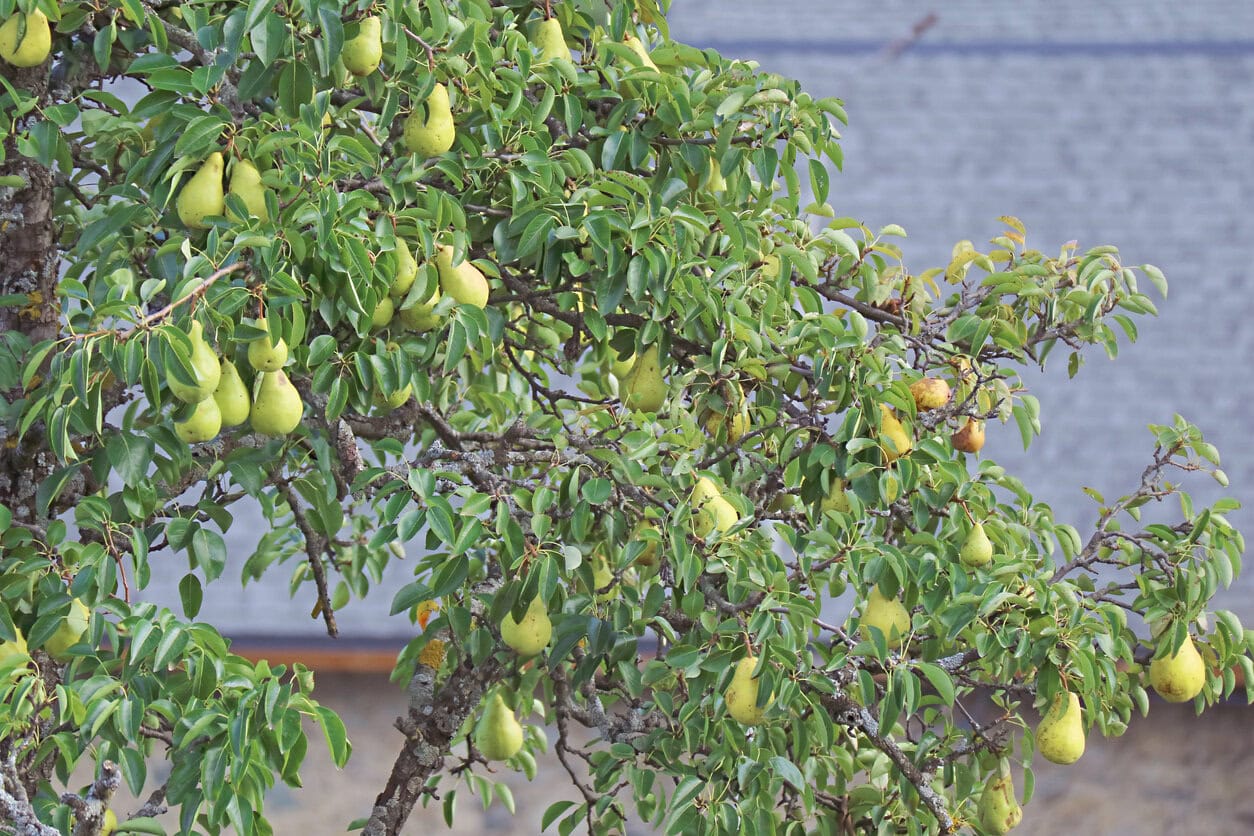
Pears possess a frantic ego and a desire to become telephone poles. Redirect this enthusiasm by cutting just above an outward-facing bud.
This simple trick forces the branch to grow more horizontally. Keeping the fruit at eye level beats a precarious encounter with a shaky ladder.
Quick tip: If a branch refuses to grow outward, I’ll sometimes tie it gently to a lower branch or a stake for a season. Pears respond incredibly well to training, and a little guidance now saves a lot of ladder work later.
Pears can be stubborn about growing upright, so if you want a clearer visual guide, our team put together a simple pear tree pruning walkthrough that shows how to train and cut them properly.
3: Peach Trees
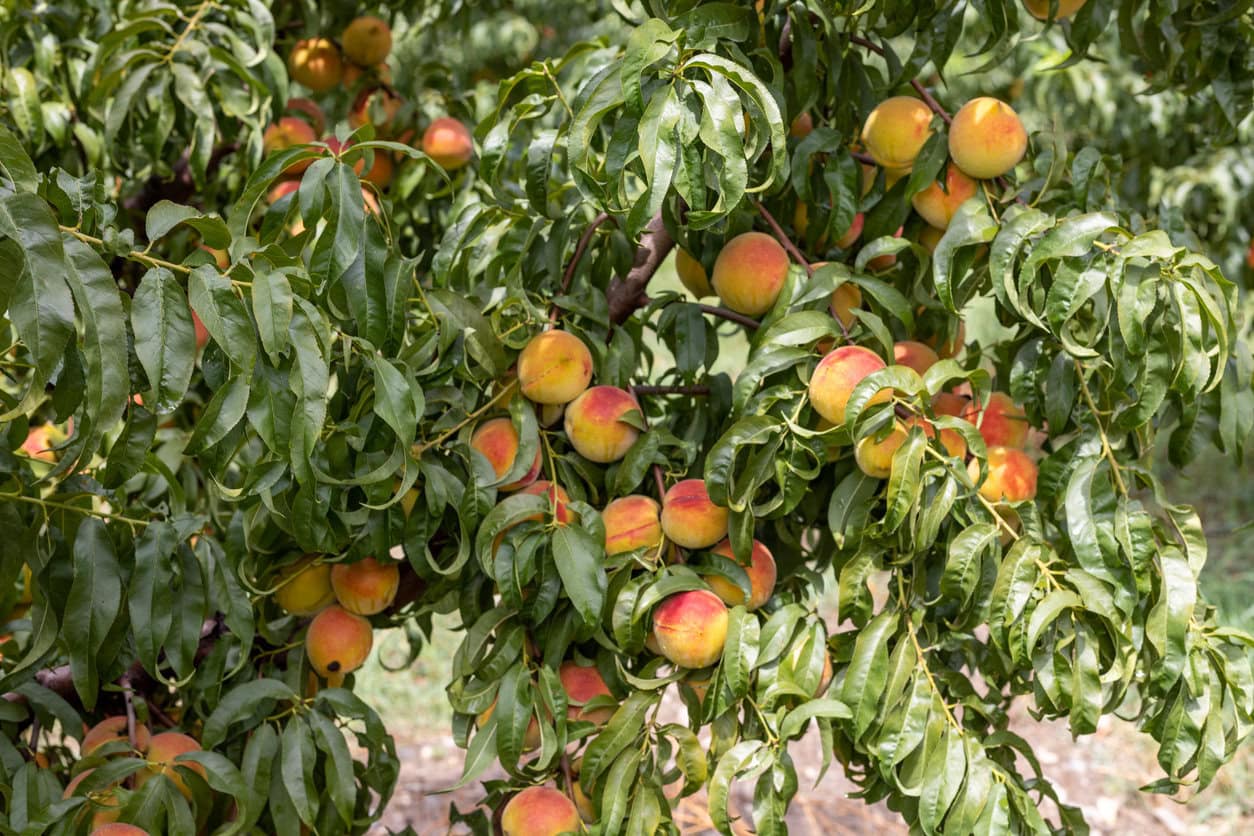
Peaches require a drastic prune as they only fruit on one-year-old wood. Let’s say you ignore the shears… Your harvest will migrate to the very tips of the limbs and cause them to snap.
Remove nearly half of last year’s growth. You are thinning the herd to ensure the remaining peaches grow larger than a golf ball.
Quick tip: When pruning peaches, I focus on keeping fruiting wood low and reachable. If most of the new growth is above head height, I cut it back harder. Peaches reward bold pruning more than timid trimming.
4: Sour Cherry Trees
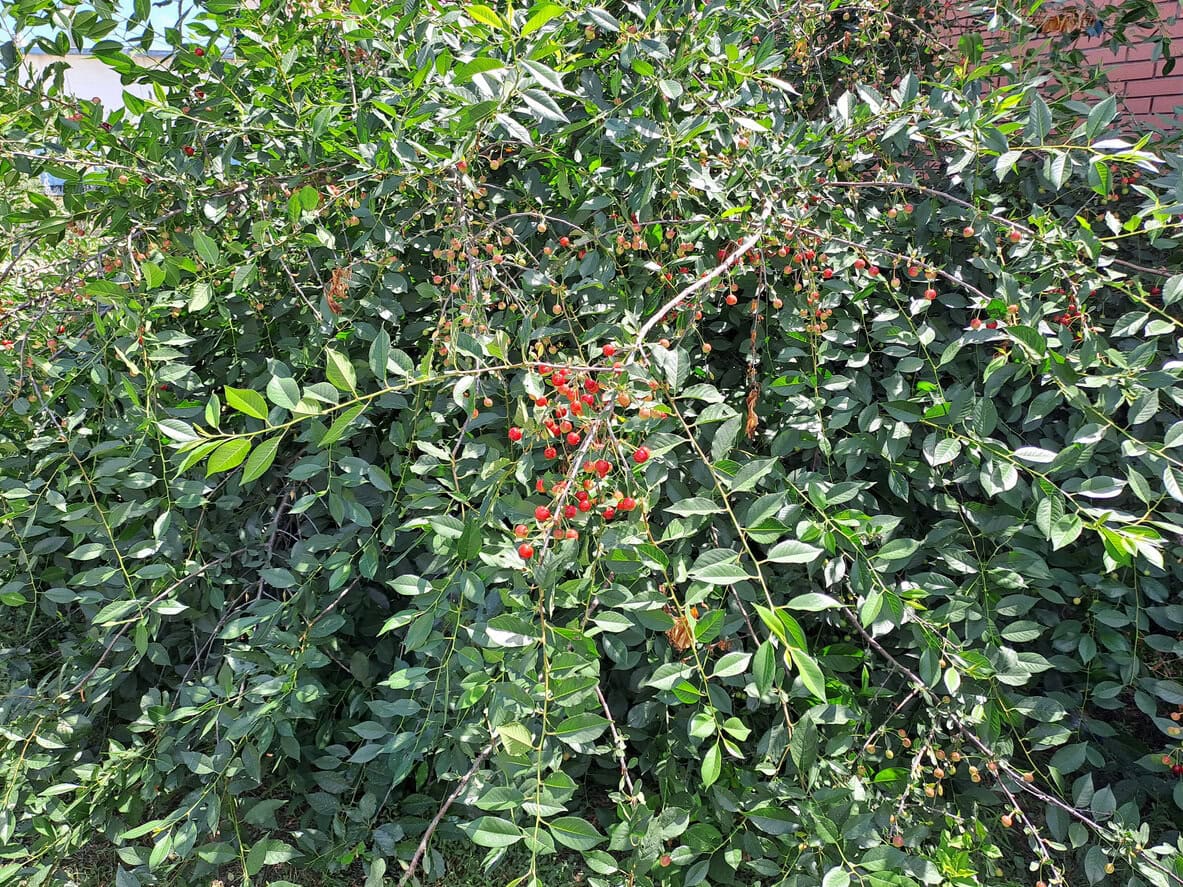
Thin out the dense clusters of twigs that trap moisture and invite fungal guests to the party. Unlike their sweet cousins, sour cherry trees handle a February trim with ease.
Remove any limbs that rub together like an awkward slow dance. Remove the weaker of two rubbing branches, even if both look healthy.
Keeping the stronger branch prevents future wounds and saves you from having to fix the same problem again next winter, because bark wounds are an open door for rot and boring insects to move in and cause trouble.
5: European Plum Trees
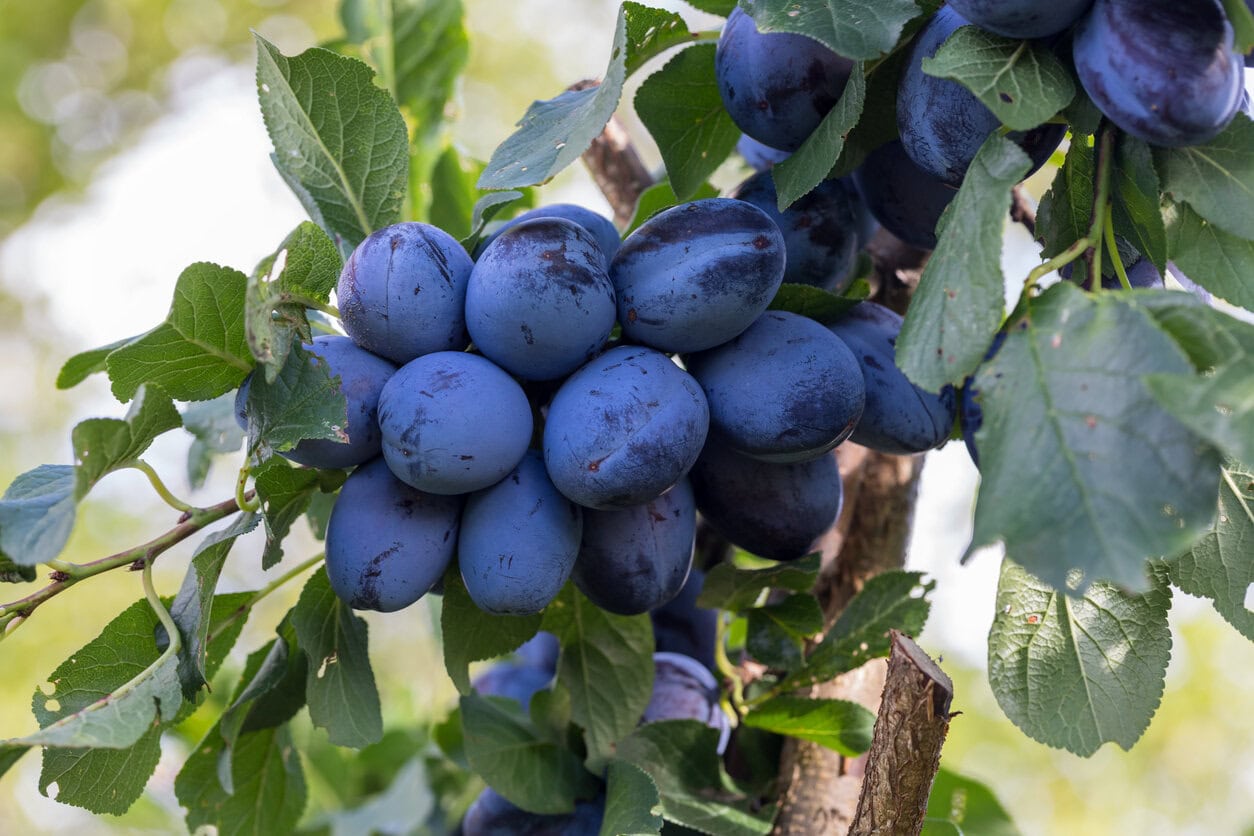
Dignity is key here, so focus on the Three Ds: dead, damaged, and diseased wood. These trees respond to heavy hacking with a burst of useless leaves.
Keep your intervention minimal. Focus on a balanced shape so the tree spends its energy on sugar rather than shoots. More sugar means better brandy, just saying.
Quick tip: If you’re unsure whether to remove a branch on a plum tree, leave it. Plums reward restraint, and you can always make a cleaner decision next season once you see how the tree responds.
6: Nectarine Trees
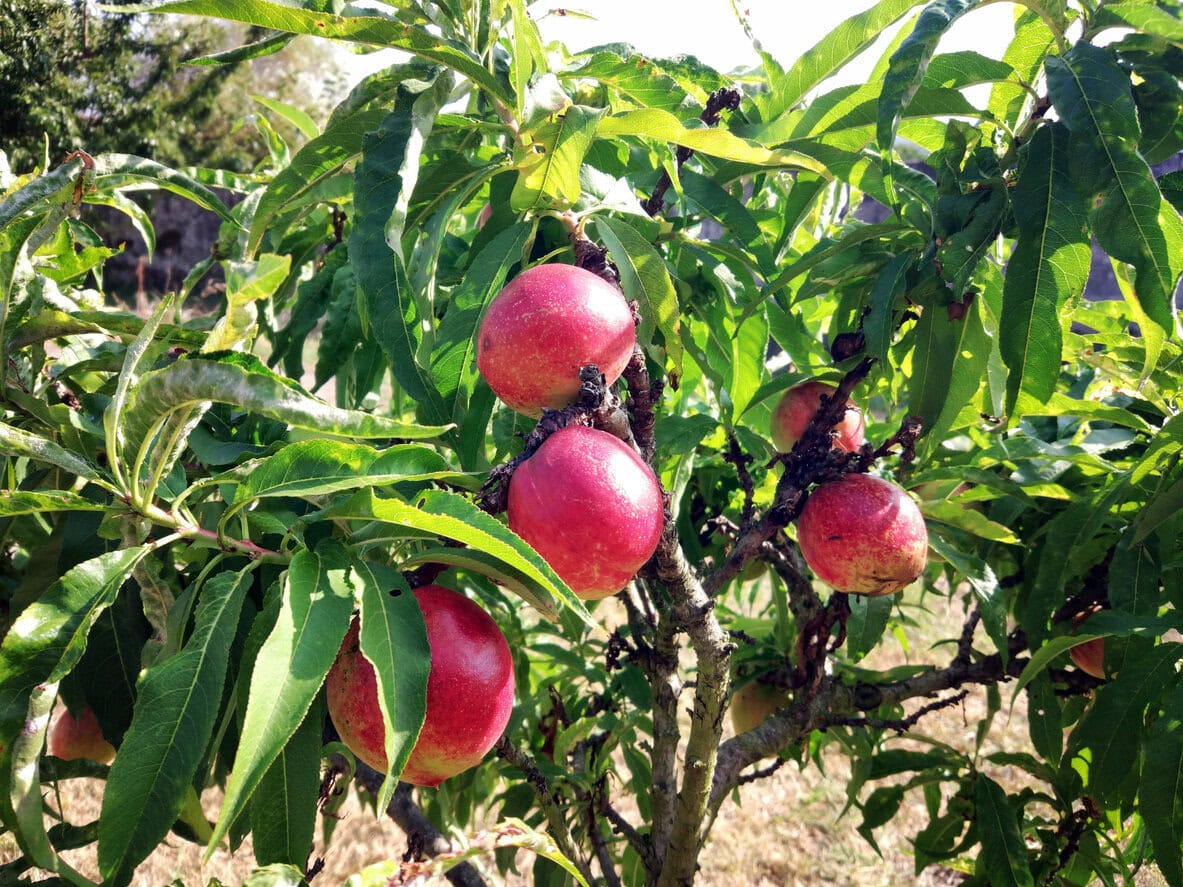
Treat these like peaches by clearing the center to create an open vase shape. This allows air and sunlight to move freely through the branches.
Good airflow is a critical defense against the rot that ruins smooth-skinned fruit. Ensure no two limbs are crossing or competing for the same space.
Quick tip: When shaping nectarine trees, I stand back and look at the tree from all sides before cutting. If the center still looks crowded from a few steps away, it probably is.
7: Fig Trees
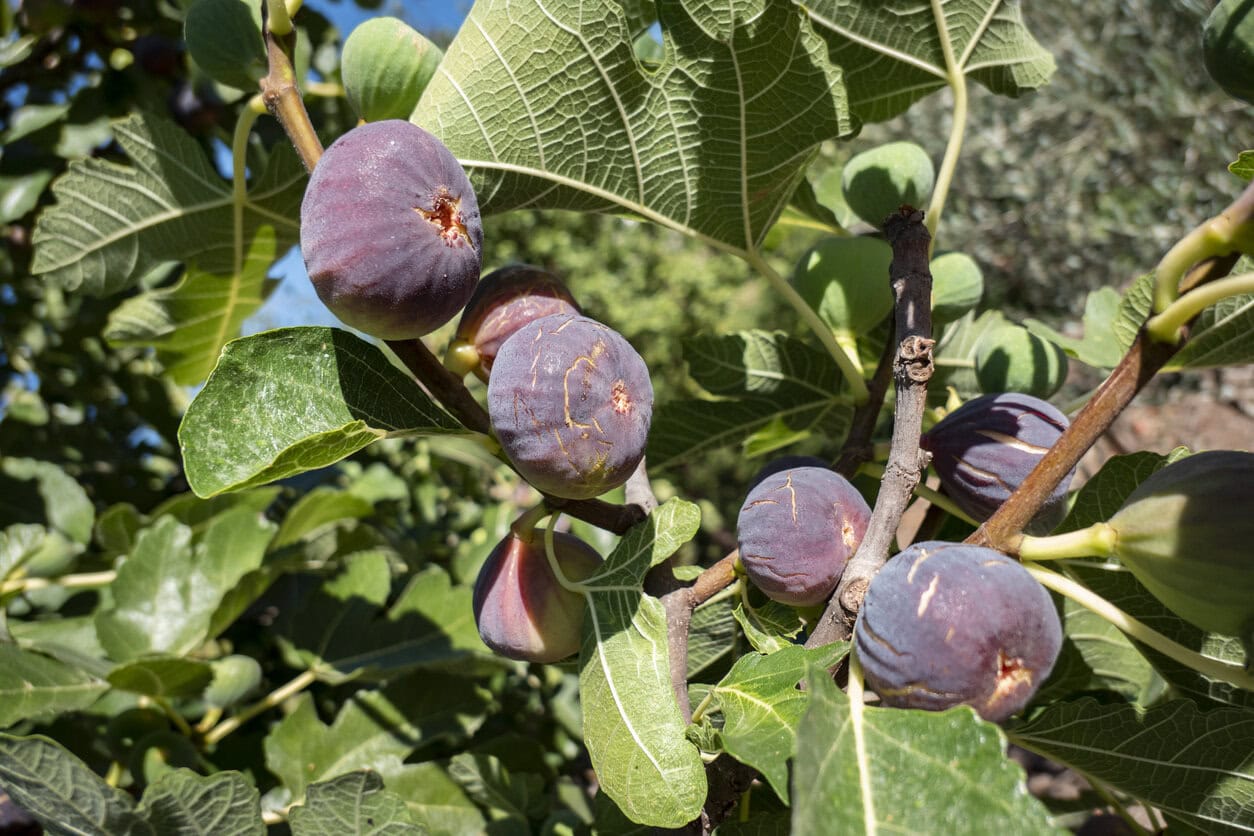
Eliminate the suckers springing from the root line to maintain a clear and singular trunk. Cut the main branches back to a sturdy side limb (unless you enjoy harvesting your lunch with a telescope).
Doing this in February helps minimize that annoying milky sap from gluing your fingers together before the thaw in March starts the plumbing, since the tree is still dormant.
Quick tip: I always wear gloves when pruning figs, even in winter. The sap can still irritate skin, and it’s much easier to prevent a rash than deal with one later.
If your fig grows like crazy but still refuses to fruit, we’ve also covered the most common reasons that happens and how to fix it in this fig tree troubleshooting guide.
8: Quince Trees
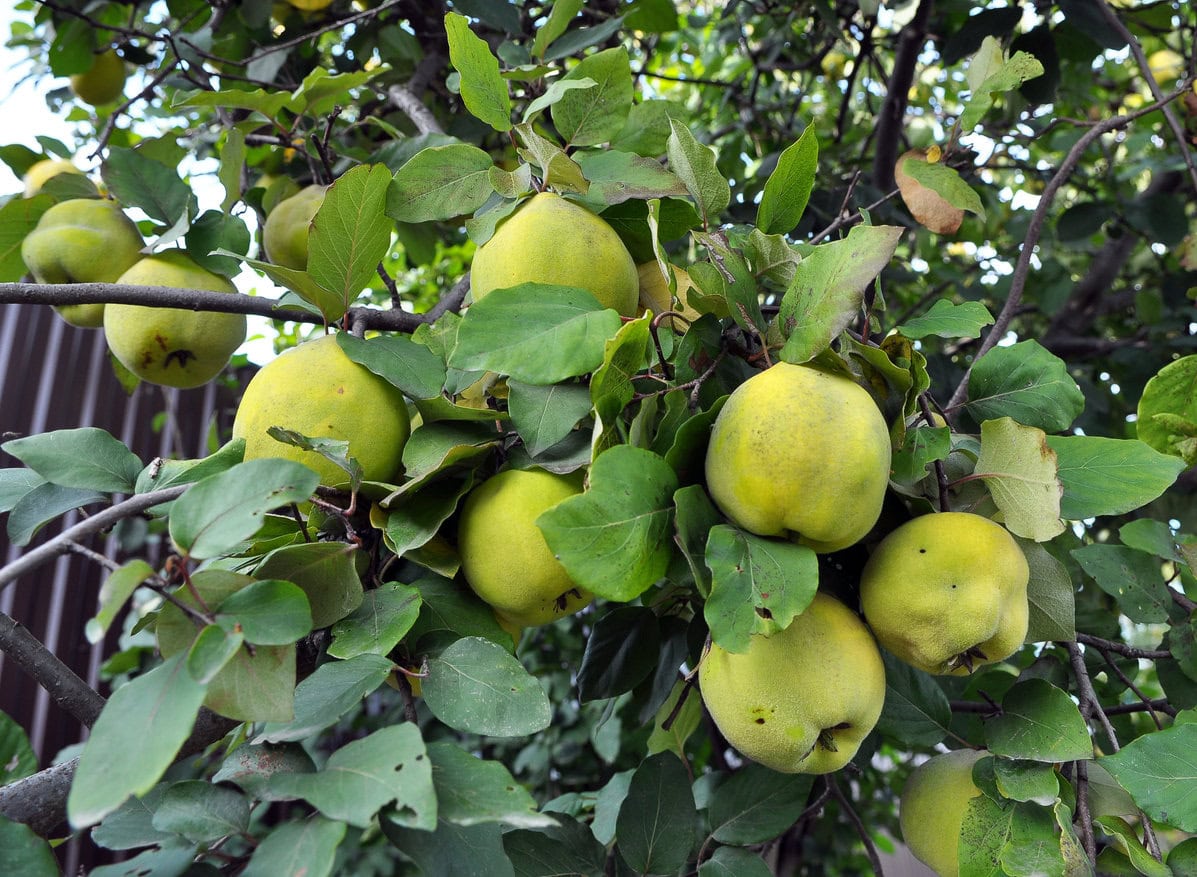
Quince fruit is surprisingly heavy and will easily break a weak or unpruned stem. Shorten its long and leggy shoots by about one-third.
Thin the center out, too, to let the sunshine in. No fruit wants to live in the shadow of its more successful siblings.
9: Mulberry Trees
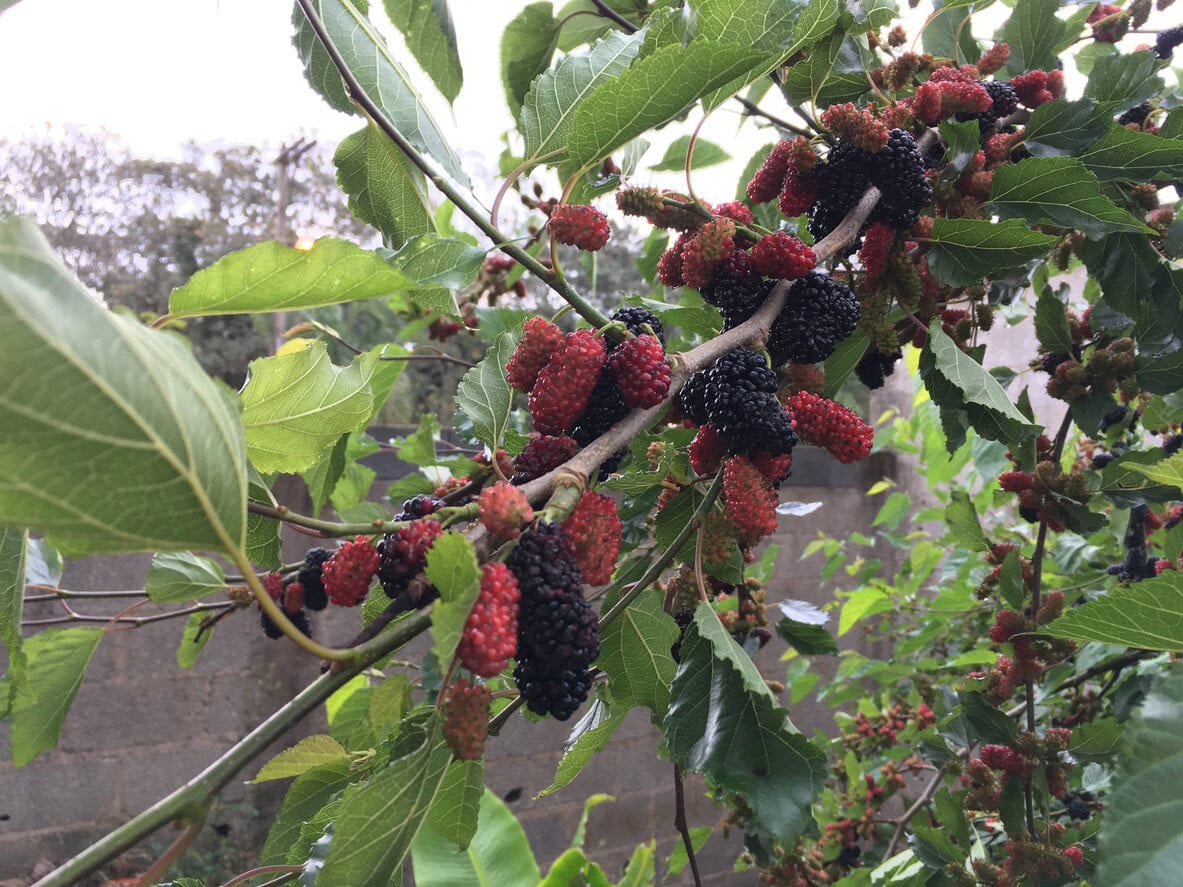
Focus on height first with mulberries. Once they get too tall, maintenance becomes a yearly battle you’ll never win!
You already know that mulberries have a caffeinated growth habit that swallows a small garden in a single season. Restrict the spread of these aggressive berry dispensers before they occupy your entire county.
Start by cutting back overly long branches to a strong side limb to control height and spread. Remove crowded or inward-growing branches so light can reach the center of the tree.
A disciplined trim in late February also reduces the heavy sap bleeding. It also keeps the berries reachable to you and not the birds with a purple, sticky, aiming problem.
Quick tip: I avoid pruning mulberries once buds start swelling. Even a small cut at that stage can bleed for days, which is messy and completely unnecessary.
10: Medlar Trees
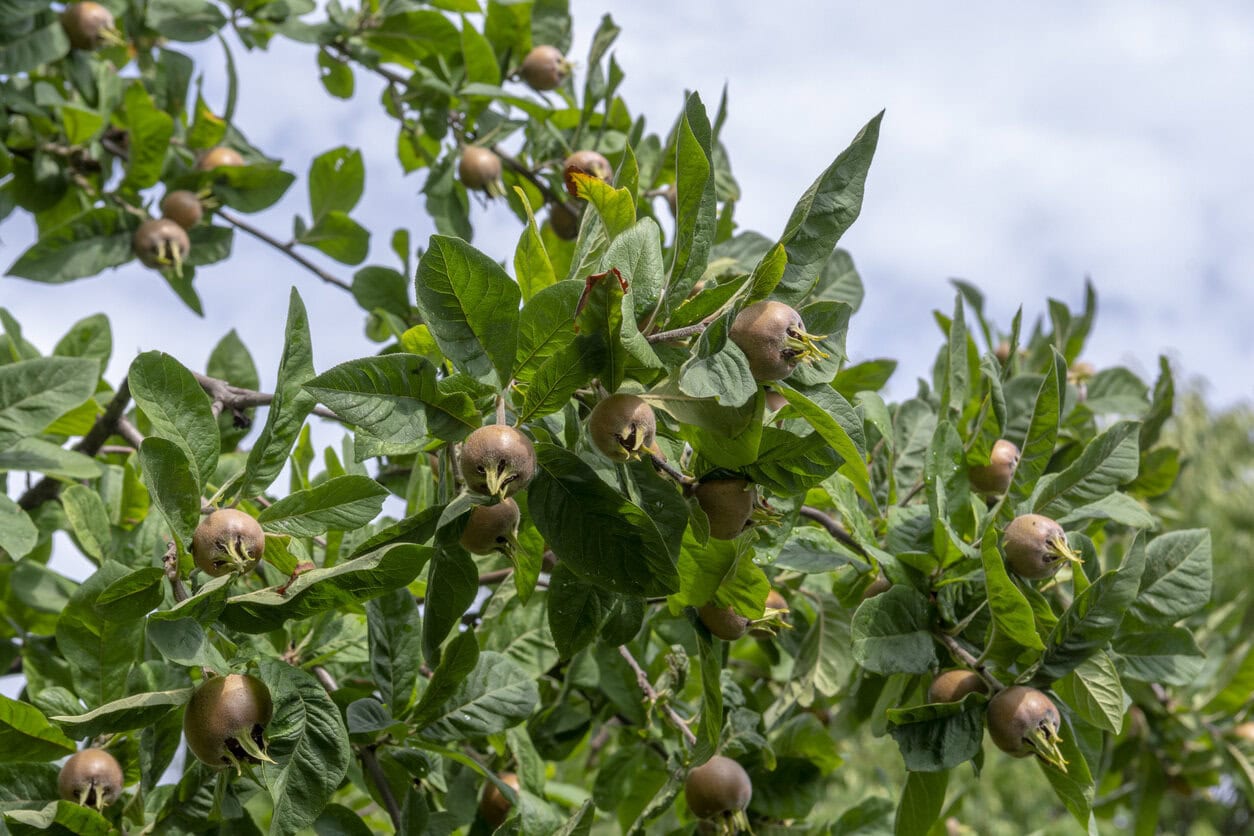
Look for crossing branches that create a tangled interior and remove the weaker of the two.
Medlar trees have a naturally sprawling habit, but you still need clear paths for air to move through the canopy. Opening up the congested center prevents the damp conditions that lead to leaf spot and rot.
11: Persimmon Trees
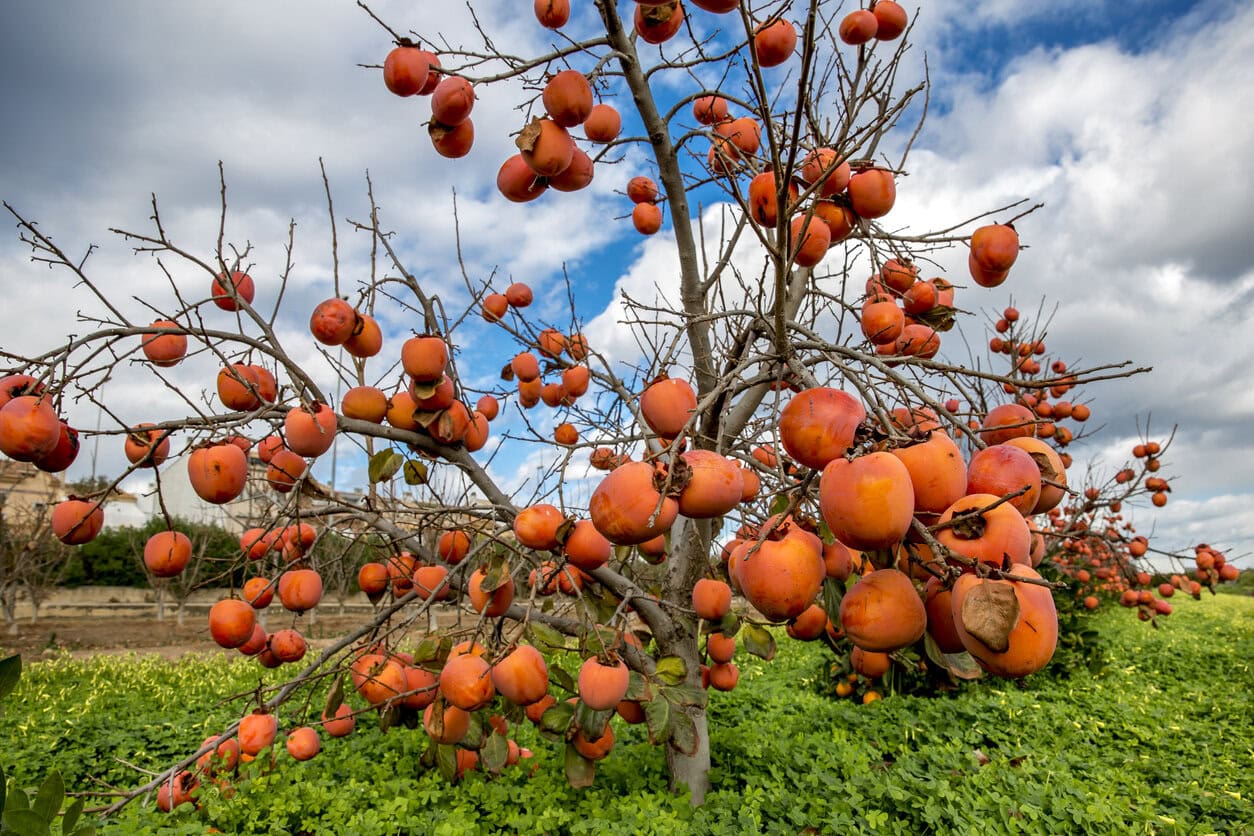
Persimmon wood is notoriously brittle, like my grandma’s porcelain horse. You can guess how I found out. Your goal here is to cut lanky branches back to a strong fork to prevent breakage.
So thin the excess shoots to make sure the remaining wood is thick enough to carry the weight of your harvest.
Quick tip: I focus on thinning persimmons more than shortening them. Fewer, stronger branches handle fruit weight better than lots of skinny ones.
The Golden Rules of the Blade
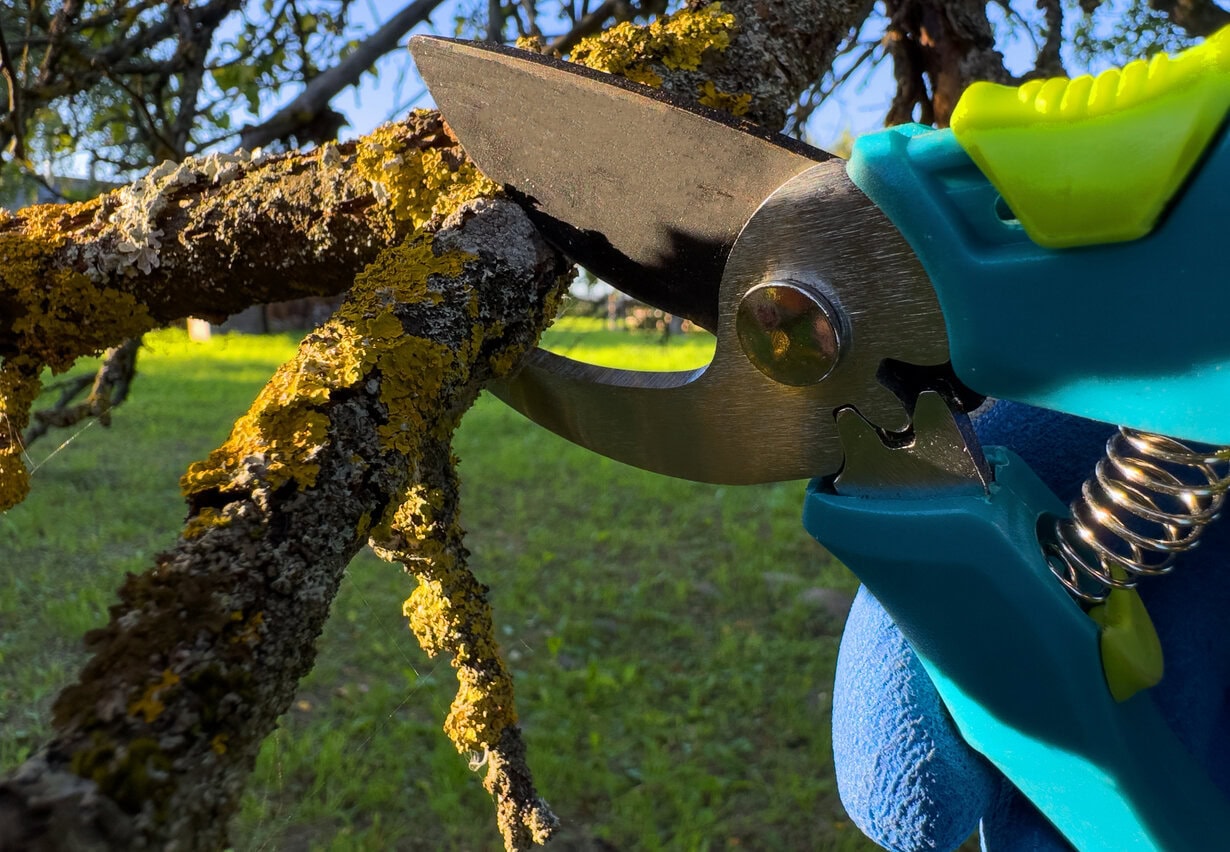
Stick To The Plan
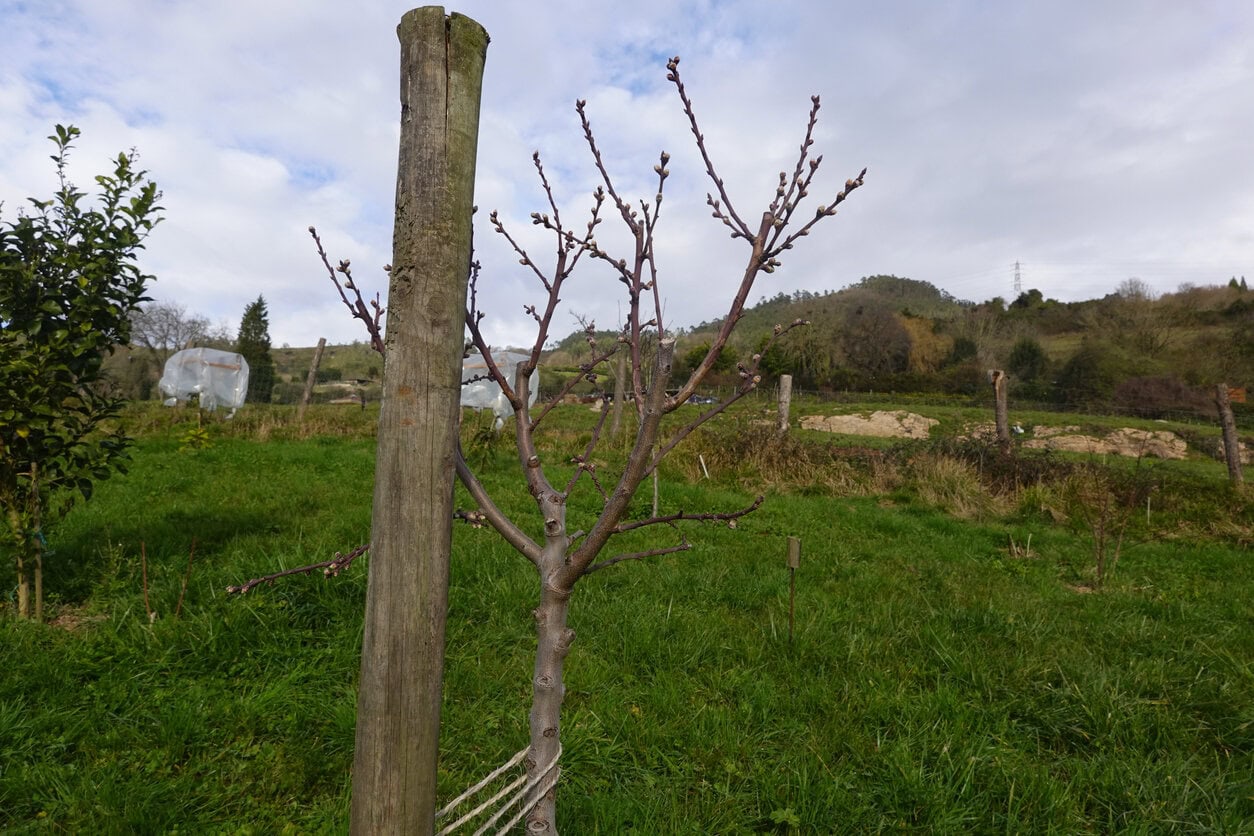
Leaf nothing to chance. You want to keep the orchard thriving? Stick to these sharp habits. because Anyone who prunes with intention is a real cut above the rest and has a massive pear of shoes to fill.
And if you’re already pruning in February, some flowers benefit from a timely cut-back too, we rounded up a list of plants that bounce back stronger after a February trim.