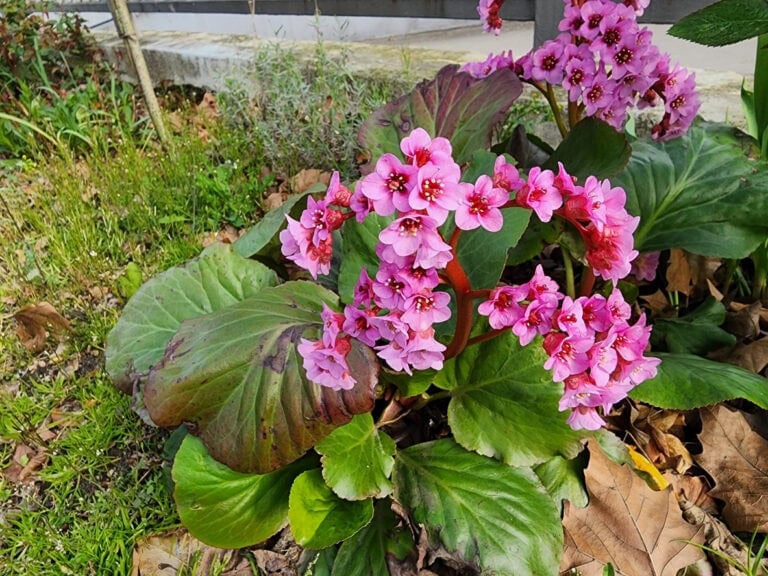
Deadheading is already as tricky as it is, and doing it in October when it’s starting to get slightly cold outside can make it twice as challenging.
I’ve heard many new gardeners complain about how their flowers didn’t rebloom the way they hoped after deadheading. This may have something to do with the flower varieties themselves and the technique used to carry out this delicate task.
In today’s article, we’ll discuss October deadheading in detail and try to figure out which flowers can potentially rebloom thanks to it. Let’s jump right into it!
First Of All, Check Your Zone!

Before we actually get to the deadheading part, it’s very important that you know what zone you’re in so that you’re able to make your approach much more deliberate and strategic, guaranteeing great results.
If you’re curious which perennials to cut back this month for a stronger spring, here’s a guide that breaks it all down: 11 Perennials To Prune In October.
Flowers That Will Often Rebloom After October Deadheading
Geraniums:
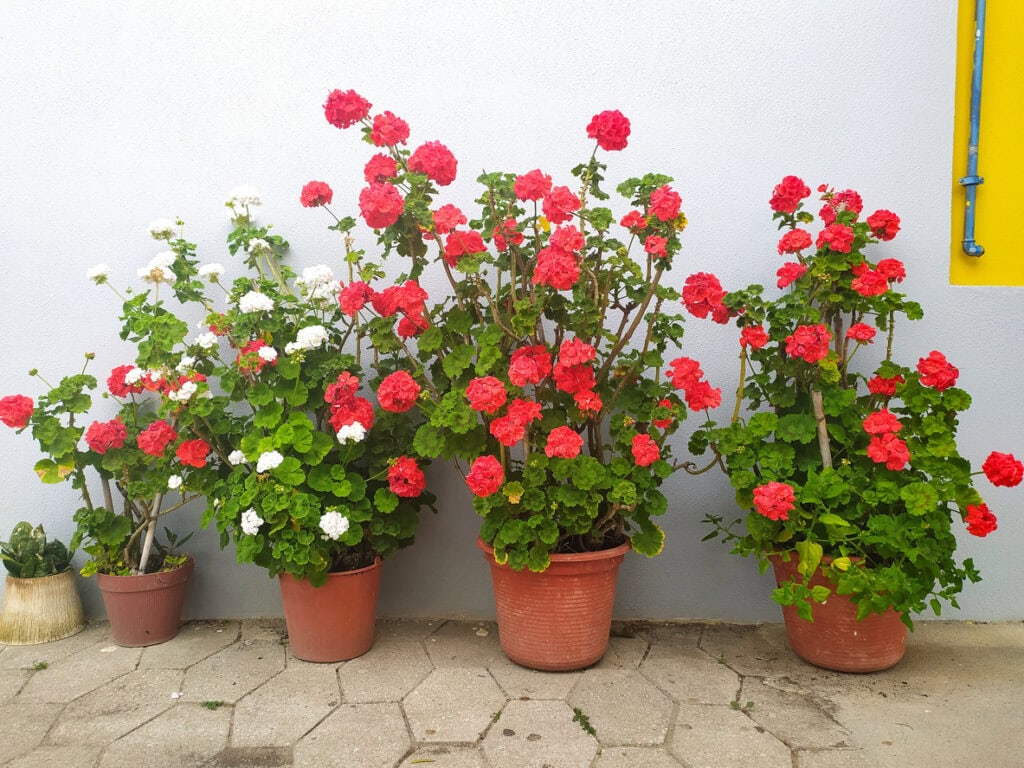
With consistent, regular deadheading, both hardy perennial geraniums and annual garden pelargoniums can pretty much bloom right up until frost kicks in. I’d suggest you pinch back faded flower clusters to encourage the development of fresh buds.
Where to cut: Snip the whole flower stem back to the base, not just the faded bloom.
Want the step-by-step details? Here’s a simple guide on how to deadhead geraniums the right way.
Salvias:

Most salvia varieties respond pretty well to fall deadheading, especially if they’re planted in mild to slightly warmer zones. You also want to cut back spent flower spikes to see fresh blooms emerge within a few weeks.
Where to cut: Cut spent spikes down to the next set of leaves.
If you’re growing salvias, here’s a full article on keeping them blooming all season long.
Roses (Repeat-Blooming Types):

Many new-school rose varieties will encourage the development of one final flush of blooms in fall as long as you remove faded blooms timely.
Where to cut: Cut just above a five-leaflet set of leaves to encourage strong regrowth.
For roses, the technique really matters, this guide on how to deadhead roses properly is worth a look.
Coreopsis:

Coreopsis plants offer vibrant daisy-like flowers that bloom well into fall with safe and consistent deadheading.
Where to cut: Pinch or cut just above the next flower bud or leaf joint.
Cosmos:

In milder conditions, cosmos plants will keep on producing flowers whenever they’re deadheaded, often right until frost arrives and kicks in full force.
Where to cut: Pinch or cut just above the next flower bud or leaf joint.
Not every plant should be cut back before winter, this article on which perennials to cut back and which to leave standing clears up the confusion.
Flowers Better Left Alone In October

Fortunately or unfortunately, not every plant benefits from deadheading in October. Sometimes not deadheading is just as important! Some are better left out for birds as a pollinator attraction or simple winter interest in the garden.
Coneflowers:

Avoid deadheading coneflowers in October; leave seedheads for finches to feed on.
Black-Eyed Susans:
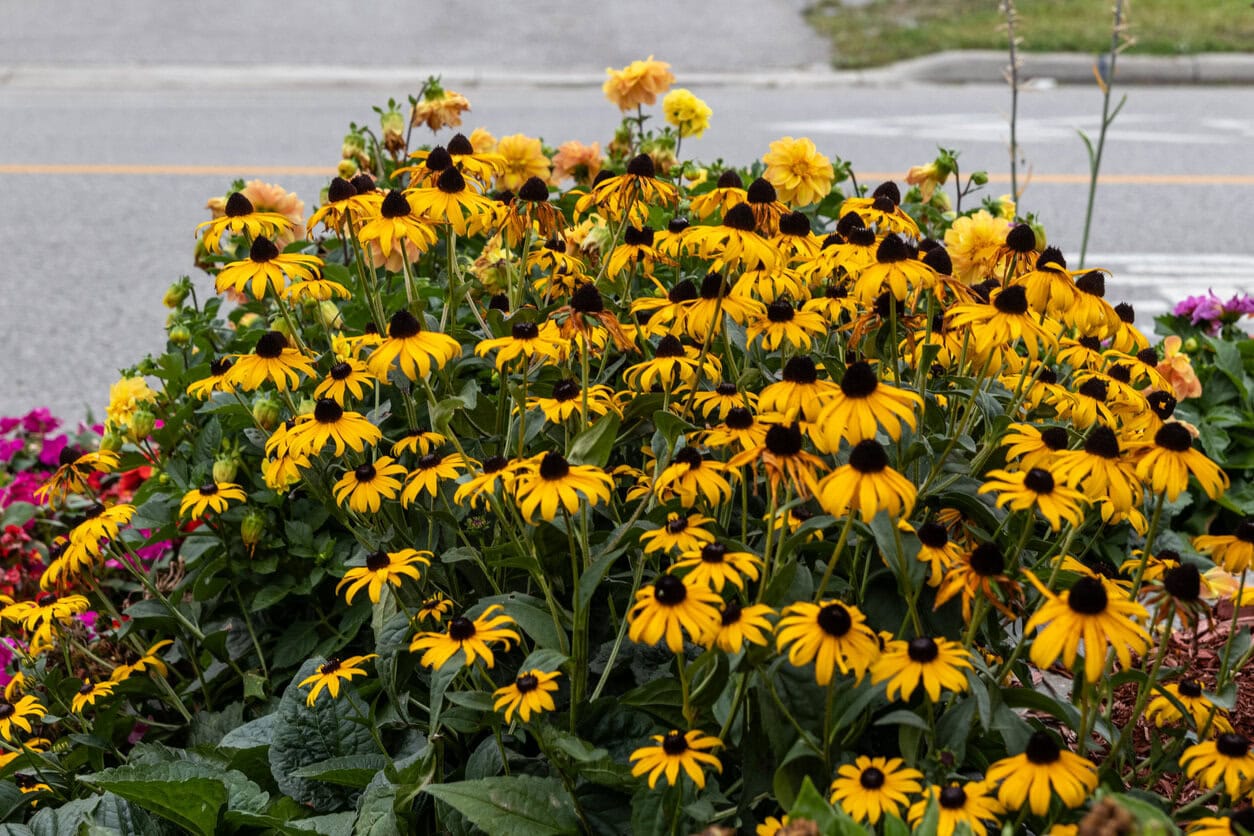
Like coneflowers, black-eyed Susans provide seeds for birds and shouldn’t be deadheaded in fall.
If you like gardening with wildlife in mind, you’ll love this list of plants to leave standing for birds in fall
Sedums:

When it comes to sedums, their dried flower heads look absolutely stunning in the frost or snow.
Ornamental Grasses:

These grasses not only bring visual interest to the garden but also provide structure and shelter for wildlife such as birds and beneficial insects.
Before You Leave, Check These Tips
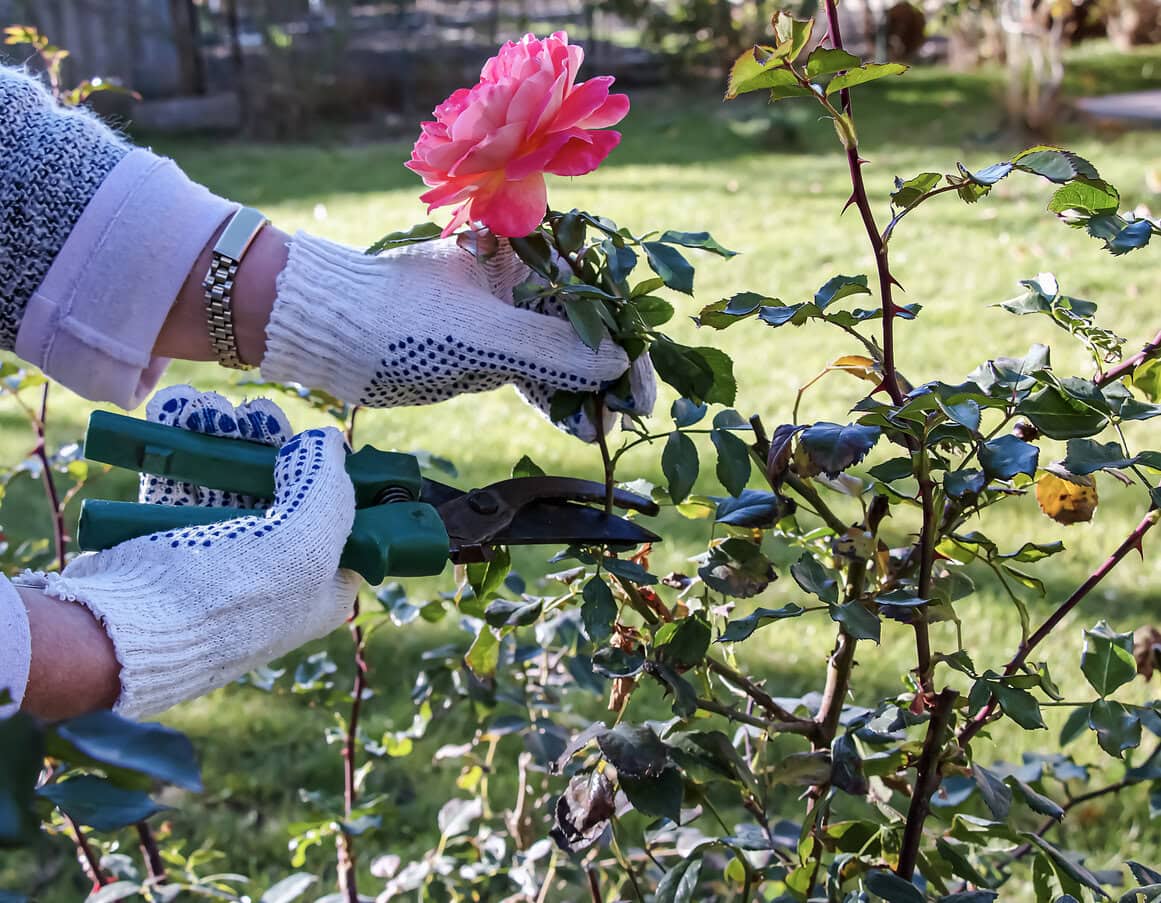
In October, focus only on encouraging rebloom in long-season annuals and repeat-blooming perennials. But, for most other plants, switch to leaving seedheads and structure for winter interest and wildlife!
Alongside deadheading, October is also a big planting month, check out this zone-by-zone planting guide to see what you can still get in the ground!
Let’s Conclude

It’s easy to grow plants by timely watering, fertilizing, and dividing them. However, one very important aspect of their maintenance is deadheading.
It may not sound as complex or challenging, but for newbies and inexperienced gardeners, deadheading can be an absolute nightmare!
I remember my first time deadheading and how I absolutely wrecked my plants due to my random, imprecise cuts and unclean, rusty tools. It was quite an heartbreaking lesson to say the least…
I hope this article provided you with some clarity on deadheading and gave you some ideas on what to deadhead this coming October. Also, let me know if the USDA zone categorization is something I should start doing more often, as I aim to make planting choices as simple for you guys as possible.