
With every emerging month in the garden comes certain tasks and responsibilities you must take care of.
October is one such month when pruning proves to be important and beneficial to promote strong growth next spring.
In today’s article, we’ll take a look at all the perennials you should be pruning in October to achieve a stronger spring garden in the near future. Let’s dive straight into it!
Why Prune Perennials In October?

Pruning certain perennials in October can be beneficial for many reasons.
All in all, improved productivity, tidiness, disease prevention, and stronger regrowth are the main reasons you should consider pruning your perennials this month.
Because most perennials will have grown quite a lot by the time October comes around, removing spent stems and foliage not only redirects energy toward stronger growth but also keeps fungal problems like mildew or botrytis from overwintering in the garden.
In most cases, pruning also tidies the crown and encourages fresh shoots once the soil warms.
If you’re also wondering what else to plant this month, this guide on what to plant in October by zone will help you line up the right crops for your garden.
Perennials To Prune In October By Zone

Zones 3-5: Cold Climate Perennials To Cut Back

For peonies, if you’re unsure how far to cut, this article on fall cut back or leave through winter, it goes into more detail.
Zones 6-7: Moderate Climates, Longer Fall Season

Zones 8-10: Mild Winters & Extended Growing

If you’d like your garden to stay beautiful and help critters through winter, take a look at which plants not to cut back in fall if you want to help the birds.
Some Perennials To Leave Alone In October

Sedums:

Sedums generally hold their shape through frost and snow pretty well. To add to that, their seedheads look absolutely stunning in an icy garden landscape.
Black-Eyed Susans:

Black-eyed Susan seedheads serve as food for finches and chickadees in the wintertime, so it’s best not to trim them down for now.
Coneflowers:

Even though I also listed coneflowers among the perennials you can prune in October, I’d rather leave them standing! Their seedheads are a winter feast for birds.
Russian Sage:

Silvery Russian sage stems and their gorgeous foliage are perfect for adding visual interest to the garden during the cold season. Trim back this dense-growing perennial in spring only.
Lenten Roses:

Evergreen lenten roses (or hellebores) foliage helps protect the crowns in winter, so you might want to consider trimming bad foliage in early spring instead.
If you’re planning ahead for more color, this list of flowers to sow in fall for spring blooms by zone is full of ideas that pair well with a tidy perennial bed.
Let’s Conclude
Now that you’ve understood your garden duties for the month of October, it’s important that you fulfill them timely and not delay pruning any later than this.
The reason I say this is because the more you wait, the deeper the trouble your perennials can potentially get into due to the emerging cold.
You want to remain agile and take quick action, especially in the month of October, when the stakes can be somewhat high compared to pruning in mild or slightly warm conditions. Good luck!




When should I cut back reed grass? Does this multiply?
Hi Katie! 😊 I cut my reed grass back in late winter or very early spring, before new growth starts. And yes, it can spread a bit over time, you can divide it every few years to keep it tidy.
I need advice for a couple large butterfly bushes in big pots, not in ground. They overwintered in my unheated garage from November-March (southeast Missouri) and I pruned some in early spring. They are quite large again. Am I caring for them correctly?? Thanks.
Hi Jane! 😊 Sounds like you’re doing great! Keeping them in the garage over winter is perfect for your zone. Just cut them back again in late winter or very early spring before new growth starts, they’ll bounce right back.
Thanks for this guide to pruning. Should I prune my Hydrangeas? Also I was given a Mother’s Day gift of hydrangeas which I planted. It seems stunted in growth. What causes this? Also it had no blooms this year except for the initial blooms when it was given to me. Can I expect blooms next year? Thanks!
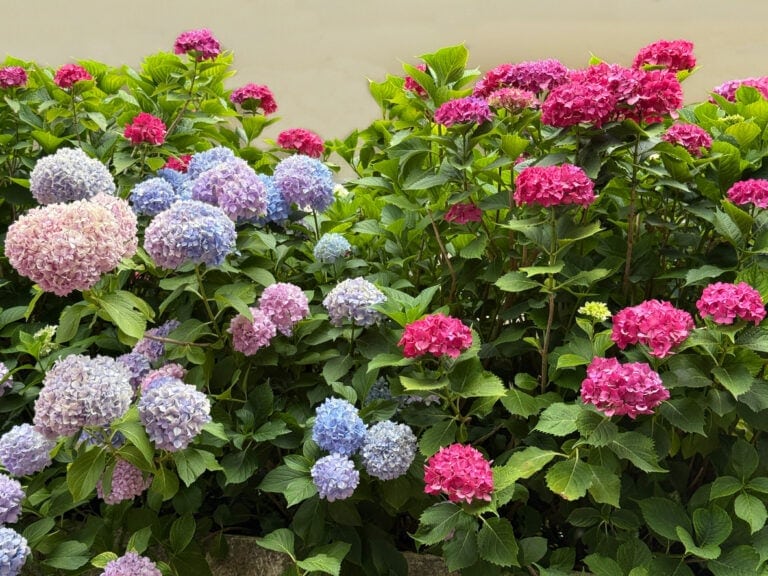
Hi Judy! 😊 It depends on the type! Some hydrangeas bloom on old wood, others on new. If yours bloomed when gifted but not after, it’s likely an old-wood type, so skip pruning this fall. Give it some compost in spring and it should bloom again next year!
I found your comments & information very helpful & interesting…. much U didn’t know. I’ve gotta look up to learn my area zone for plant care.
Hi Joyce! 😊 I’m so glad it helped! Finding your zone makes everything easier, it really changes when and how you prune or plant. You’ll love how much smoother gardening gets once you know it!
What about roses do I need to cut them back now
Hi Lori! 😊 I’d wait a bit, just remove dead or damaged stems now, but do the main prune in late winter or early spring once the hardest frosts have passed.
What about zone 8? Texas can be zone 7 or 8
Hi Melanie! 😊 In Texas, most perennials can be cut back a bit later, usually late fall or even early winter once they’ve fully gone dormant. Just hold off until the foliage dies back naturally to protect them from any early cold snaps. Salvia, coreopsis, Shasta daisy, Veronica, and coneflowers can all be trimmed in fall once blooms fade. Just leave a few inches of growth to protect the crowns through winter.
How take care lantana in a hanging basket in Colorado. Thinking of wintering in my garage. Might have room in maintenance closet with heater that comes on at 50 degrees. Want to plant in big pots come spring.
Hi Judy! 😊 Lantana can handle a bit of chill, but not freezing temps. Your heated closet at 50°F sounds perfect, cut it back lightly, water just enough to keep the soil barely moist, and it should wake back up nicely in spring for your pots.
When should cut back zebra grass?
Hi Meg! 😊 I wait until late winter or very early spring to cut back zebra grass, just before new growth starts. It adds nice winter texture and protects the crown from cold.
I love the Rio plants. So pretty, deadheads themselves, drought tolerant loves sun. Can I save them? They are annuals….
Hi Coleen! 😊 Rios are gorgeous, but sadly they’re true annuals, they won’t survive once the season ends. The best you can do is collect seeds and replant next year. They’re super easy to start again in spring!
i have all of my plants in 5gal buckets. i don’t have a garage to winter them in. i live in a RV and i’m in zone 8. what should i do to protect them this winter?
Hi Phoebe 🙂 Since they’re all in 5-gallon buckets, the roots will be more exposed to cold than they would be in the ground. In Zone 8, I’d group the buckets tightly together in the most sheltered spot you have, out of strong wind, and pack leaves, straw, or mulch around the buckets for insulation. Keep the soil from going completely dry over winter, and use frost cloth over them during hard freezes. If any of the plants are tender rather than hardy perennials, they’ll need more protection than this and may need to come indoors.
Should I prune back hibiscus bushes? If so when? Currently still blooming beautifully. I live in Southern Illinois. Thanks
Hi Jena 🙂 Since yours is still blooming beautifully, I’d leave it alone for now. If it’s a hardy perennial hibiscus, wait until frost finishes the top growth, then cut the stems back to about 3 to 4 inches. If it’s Rose of Sharon, wait until late winter or early spring to prune instead.
When should I prune my hostas if I live in zone 6?
Hi Nancy 🙂 In Zone 6, I’d wait until a hard frost has turned the hosta leaves yellow, brown, or mushy. At that point you can cut the foliage back to a couple of inches above the crown and clean away the old leaves. You can also leave healthy foliage until spring if you prefer.
I’m co fused, so in zone 7b should I ever trim the plants you mention for zones 5-6 or just let them be?
Hi Margaret 🙂 I can see why that’s confusing. Being in Zone 7b doesn’t mean you should ignore plants listed under Zones 5 or 6 if you actually grow them. Go by the individual plant and wait until it has gone dormant or been hit by frost before doing any fall cleanup. Many healthy perennials can also be left standing until spring.
If I live in zone 5, when do I prune catmint?
Hi Linda 🙂 In Zone 5, I’d leave your catmint standing through winter and do the main cleanup in late winter or early spring before fresh growth gets going. You can also shear it back by about half after flowering during the growing season to keep it tidy and encourage more blooms.
Hello and THANK YOU! I’m in Zone 7b, Nashville. I grew from seed, Hollyhock and Echinacea. They both have grown beautifully and are in ground. When do I cut them back or should I even cut them back?
Hi Debra 🙂 In Nashville, I’d leave your echinacea standing through winter if it’s healthy because the seedheads feed birds, then cut it back in late winter or early spring. With hollyhocks, you can cut the spent stalks down after flowering, especially if you’ve had any rust, but leave some seedheads if you want them to reseed.
When should I cut back my Dahlias?
Hi Peggy 🙂 Wait until frost has blackened the dahlia foliage, then cut the stems back to about 2 to 4 inches. In colder climates, that’s also the time to dig and store the tubers for winter.
Do I cut my purple salvia back in zone 7B?
Hi 🙂 In Zone 7b, I’d leave your purple salvia standing through winter and do the main pruning in early spring, especially if it’s a woody variety. Do you know which type of salvia you have?
Hello Rita. I’m Kennedy Guerra front Massachusetts and I plantes 4 linda of roses in my yard and I need dome help with. Could you oleares give me dome advires?????
Hi Kennedy 🙂 Of course! I’d be happy to help with your roses. What problems are you having with them? For basic care, make sure they get at least 6 hours of sunlight, water deeply at the base, and add some mulch around the roots. In Massachusetts, I’d also save major pruning for early spring and fertilize when new growth begins!
I really wish you could help me with my zinna problem, they have something that looks like mold on the stems the flowers are still beautiful. I save the seed and pray that it want come back, but it does. Please help!!!
Hi Janice 🙂 That sounds like powdery mildew, which is very common on zinnias. If it’s a white, powdery coating, remove infected plant debris at the end of the season and give your plants better airflow next year. Try mildew-resistant varieties too!
I have a large beautiful Chaste tree/ bush that ever year attracts monarchs. Not this year. This year in Oklahoma City we have had unusual heat for a long period of time . I water very regularly. This year the purple flowers didn’t bloom . The green shoots are there just never bloomed. Any advice would be appreciated.
I do trim every early spring to just clean it up .
Hi Zena 🙂 I’m sorry your chaste tree didn’t bloom this year, especially when the monarchs usually love it. Chaste trees generally tolerate heat quite well, so I’d also check a few other things!
Too much nitrogen fertilizer, insufficient sunlight, or constantly wet soil can affect flowering. Your early spring pruning sounds fine, since they bloom on new growth. Does yours get at least 6 hours of direct sunlight, and do you fertilize it?
I find your articles, most helpful! Thank you for taking the time to do this.
I live in zone 7B and I’m wondering when to prune my hosta. I know if I were in a Colder climate that I should prune them in October but I’m not sure about my zone. Thanks for your help.
Hi Susan 🙂 Thank you so much for your kind words! In Zone 7b, I’d wait until your hosta leaves turn yellow, brown, or collapse after frost before cutting them back. That might be late October or November, depending on your weather. There’s no need to rush while the leaves are still green! Once they’ve died back, trim them to about 2 inches above the ground. They’ll return beautifully in spring!