
Since fall is just around the corner (for some of you, it has probably already arrived), why not take advantage of it by sowing flowers that will go on to produce stunning blooms in spring?
And, don’t worry, if you’re running out of planting ideas; that’s probably why you’re here…
In today’s article, I’m going to share with you my favorite flowers to sow in fall to achieve spring blooms. To make picking easier for you, I’ll divide the flowers by their ideal planting zones, so that you know what your best bets are. Good luck!
Can You Really Plant Flower Seeds In Fall?

Yes, you absolutely can!
Many hardy annuals, biennials, and perennials actually prefer to be sown in the fall season. The slight cold really helps them germinate at the right time and leads to better, stronger spring blooms, which is what we want.
Want a head start on your fall gardening tasks? I’ve put together a handy list of pre-fall garden jobs to tackle now to help you bloom in spring, perfect for staying ahead of the chill.
Won’t The Seeds Sprout Too Early & Die In Winter?
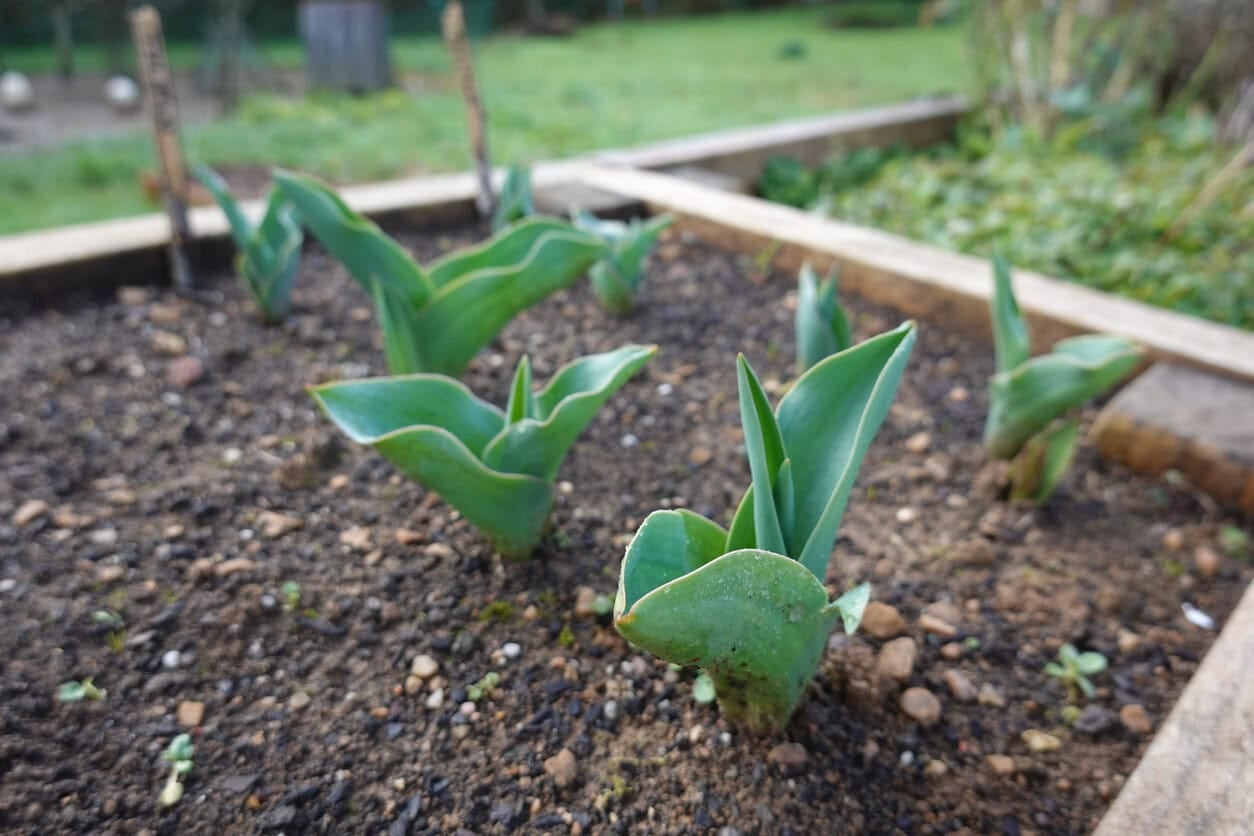
While this is 100% a real possibility, it usually won’t happen if you time the sowing right.
Ideally, in colder zones, you want to sow immediately after the first hard frost in your area so that the seeds stay dormant until springtime.
However, if you reside in milder climate zones, fall sowing just works naturally because the winters typically aren’t harsh enough to cause serious damage to the seedlings.
Need ideas for autumn cutbacks? This guide on which perennials to trim in September for a better spring show can help keep your fall beds tidy and healthy
Flowers You Can Still Sow In Fall By Zone

Zones 3-5: Cold Winters, Hardy Favorites

Tip: In extremely cold zones, sow your flower seeds immediately after the first hard frost so that the seeds don’t sprout too early.
Zones 6-7: A Long Window For Fall Sowing

Tip: Cover the bases of these plants with mulch to protect the seeds from winter heaving.
If bulbs are calling your name this fall, check out my guide on selecting and planting bulbs in fall for gorgeous spring blooms: bulbs to plant in fall for spring color.
Zones 8-10: Mild Winters, Extended Growing
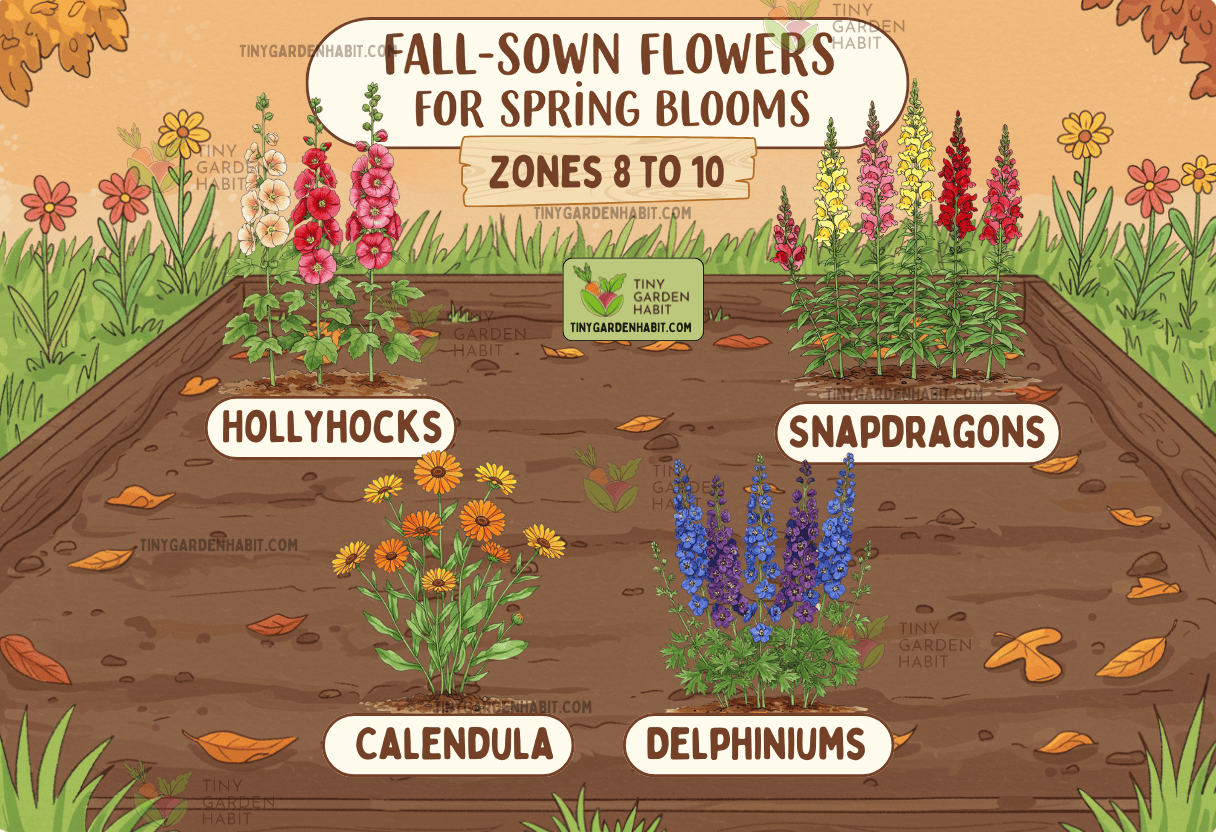
Tip: In warmer zones and regions, fall is often the best time to plant these flowers; spring sowings can get too hot too quickly, which is why I’d suggest you avoid it.
Which Flowers Are The Easiest To Sow In Fall For Beginners?

Generally speaking, classics like poppies, calendulas, cornflowers, and nigellas are some of the easiest flowers to sow in the fall, and that’s partly the reason why I made sure to include them in my list.
They germinate quite reliably and don’t create as much fuss when it comes to growth requirements.
Considering adding some herbs? Here’s a post about herbs you can direct-sow in containers in September for a spring harvest, easy and fragrant!
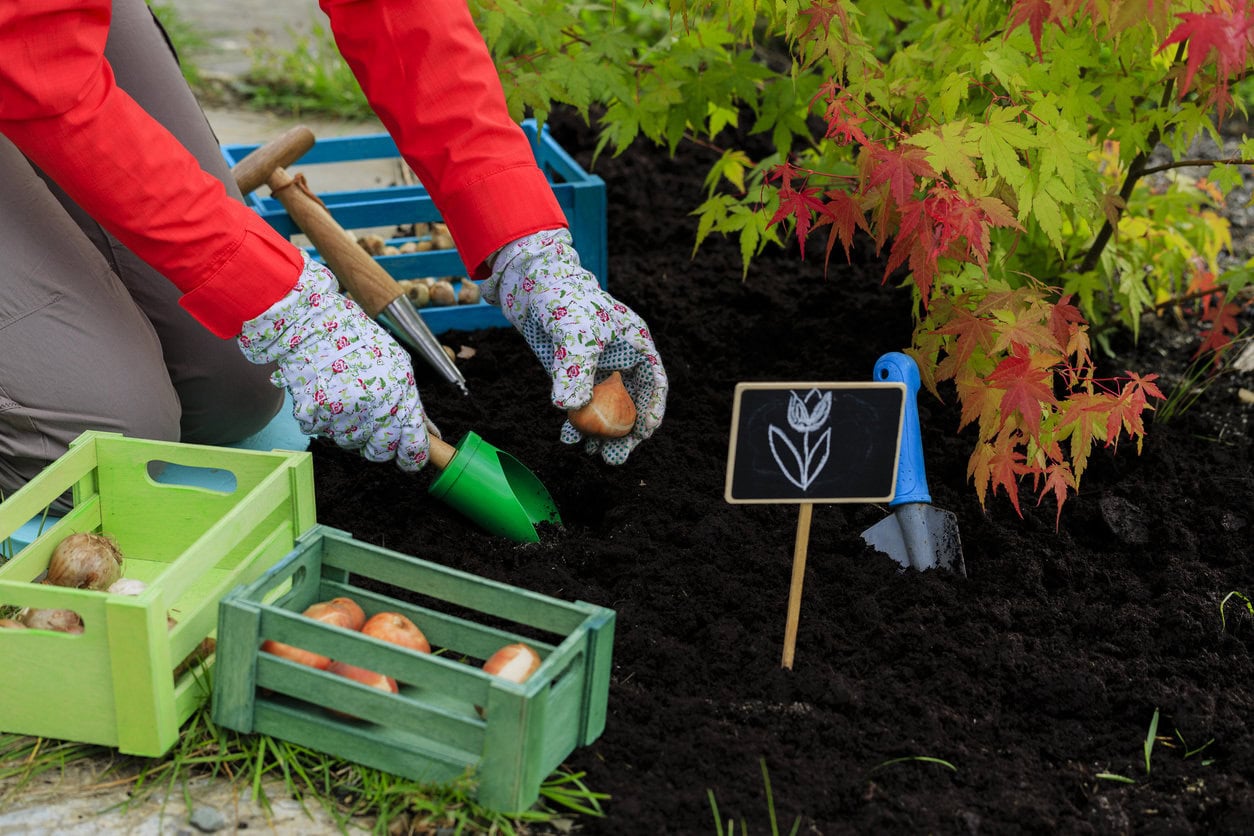
Little Tricks That Make Fall Sowing Easier
Let’s Conclude
Sowing flowers in the fall is much more strategic than you might think! It’s not just some random season that I recommend planting these flowers in; fall has characteristics that allow it to accommodate germination and seedling growth extremely well.
The slight lingering warmth transitions into cold, dry air, making the soil as well as the overall garden environment much more productive for flower varieties that can tolerate these conditions, or even better, benefit from it.



Love the tips on sowing seeds in the fall.
Hi Erica! 😊 Thank you! Fall sowing is one of my favorite tricks, it’s amazing how those seeds sprout so early once spring warmth returns.
I’m in zone 9 (95631 Northern CA). Can I sow all my bulbs (including tulips) straight in the ground without fridgeration?
Hi Lynn! 😊 In zone 9, tulips usually need a bit of chill time. I pop mine in the fridge for about 6 to 8 weeks before planting. But other bulbs like daffodils, ranunculus, and freesias can go straight in the ground without chilling.
I’m in Arkansas, what plants do you recommend for fall sowing that are resistant to deer.
Hi Sandy 🙂 In Arkansas, I’d look at poppies, larkspur, foxglove, and delphinium for fall sowing if deer are a problem. Those are generally among the less appealing choices for deer, although no plant is completely deer-proof. Arkansas now spans Zones 7a to 8b, so your exact timing will depend a little on where you are in the state.