
I’ve written many articles on different plants and flowers in the past, but I just realized that herbs are a topic I’ve been overlooking for a while now.
Since September is right around the corner, I thought why not make up for my lack of attention to herbs by curating a whole list of herbs you can direct sow this September for an early spring headstart?
Let’s jump right into it!
September Is A Great Month For Direct Sowing!
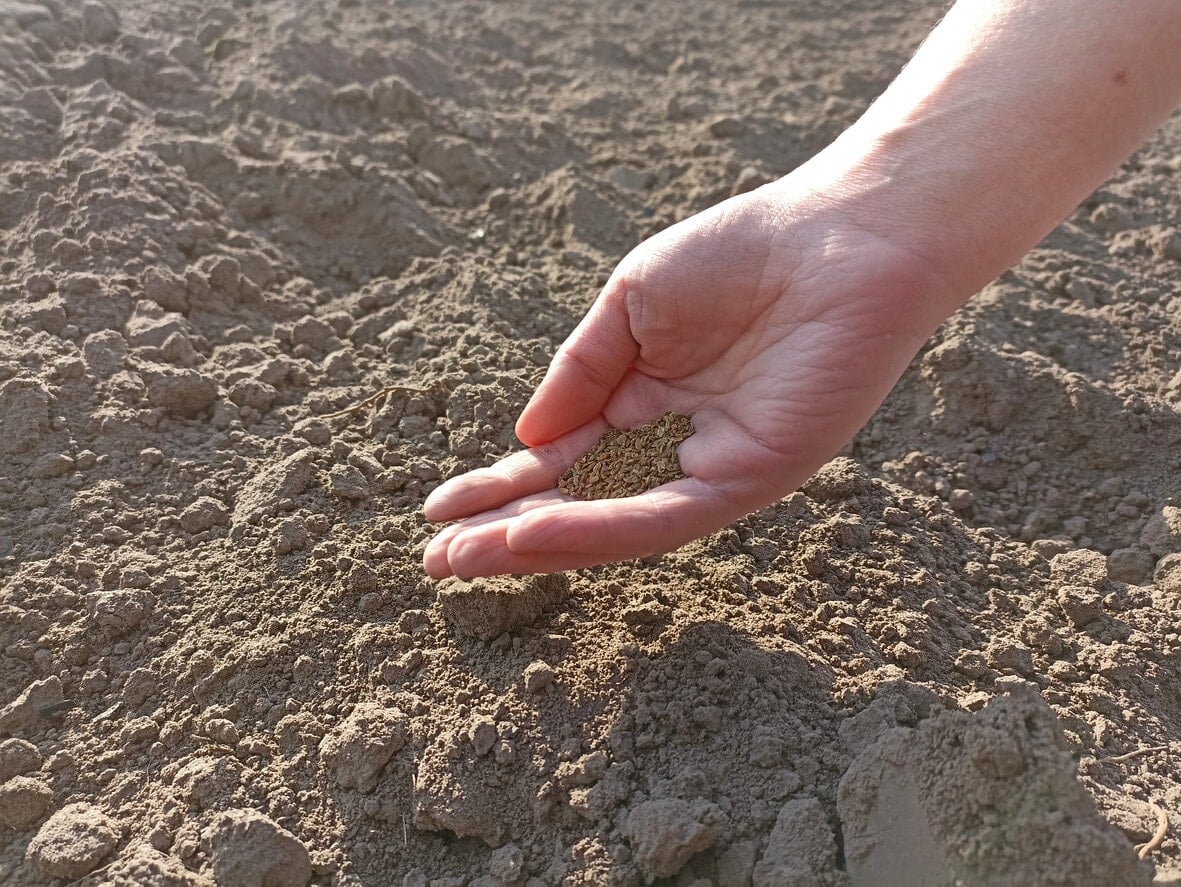
While many gardeners are hesitant to plant anything in September, my stance is that it’s pretty much a perfect time for direct sowing. The period offers cool air with lingering warm soil that supports germination extremely well.
Weed pressure and pest infestations are also noticeably lower in September, just adding to the reasons why direct sowing in this month is a literal gardening hack.
And if you’re looking beyond herbs, here are 11 flowers you can plant in September that will reward you with a breathtaking spring display.
Herbs You Can Direct Sow In September
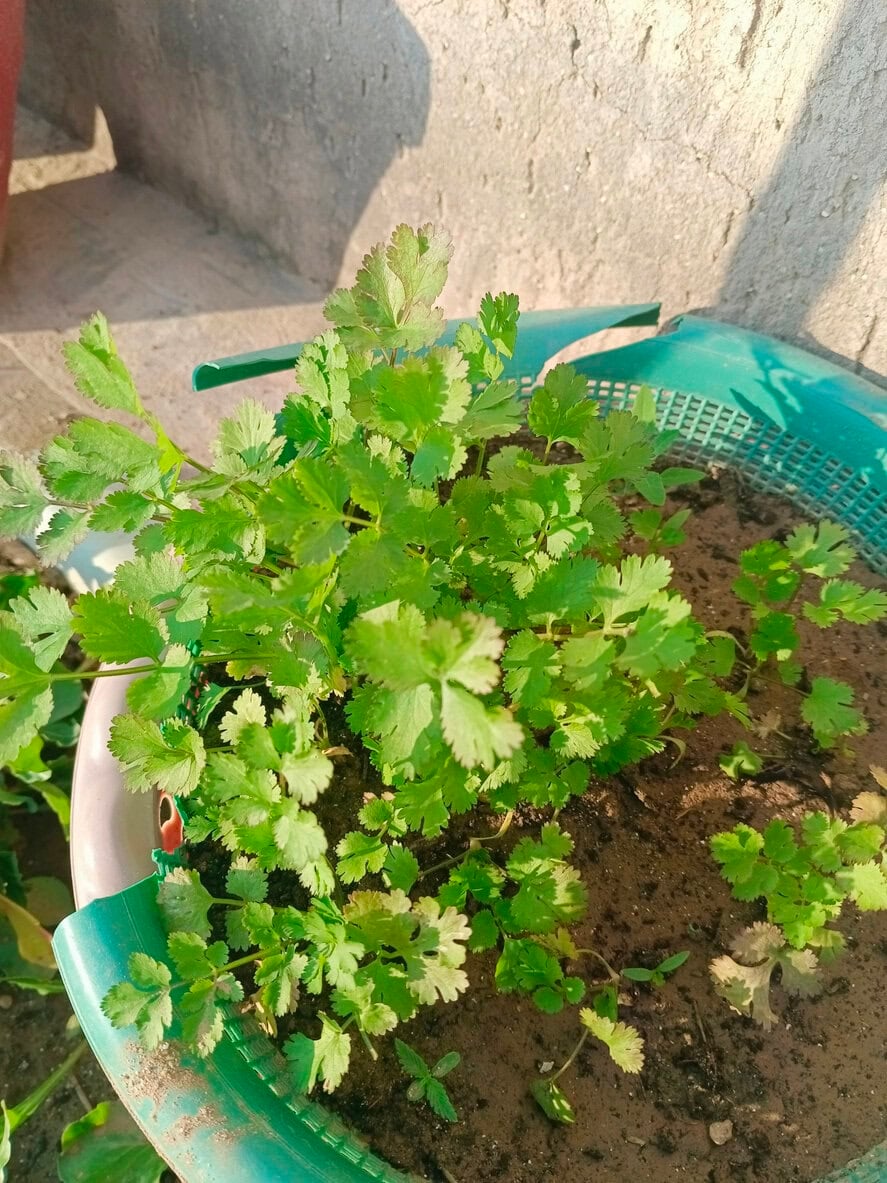
1: Parsley (Zones 4-9)

Parsley is a hardy, cold-tolerant biennial that, if sown in fall, can overwinter and regrow pretty well in spring. In zones 4-5, however, the herb may need a little protection from the cold.
Tip: Soak the seeds overnight before sowing. It helps to soften their tough seed coat and speeds up germination.
2: Cilantro (Zones 3-9)

Cilantro has a preference for cool weather and can actually thrive if planted at the right time in fall. Fresh leaves appear relatively quickly on this annual herb, and it can produce leaves once again in spring.
In colder zones like 3-5, sow your cilantro in a cold frame to protect early growth and extend the harvest.
If you’re not sure what else works in your area, this by-zone planting guide for September breaks it down so you don’t miss a window.
3: Dill (Zones 3-9)

Dill is an annual herb, meaning it won’t come back every year without being replanted. Direct sowing of dill in September works in zones 3-9.
In colder areas it may die back completely, but in mild winters it sometimes overwinters and sprouts again in spring.
Tip: Direct sow dill where you actually want it to grow. From my experience, it doesn’t transplant well (because of its long taproot).
4: Fennel (Zones 6-9)
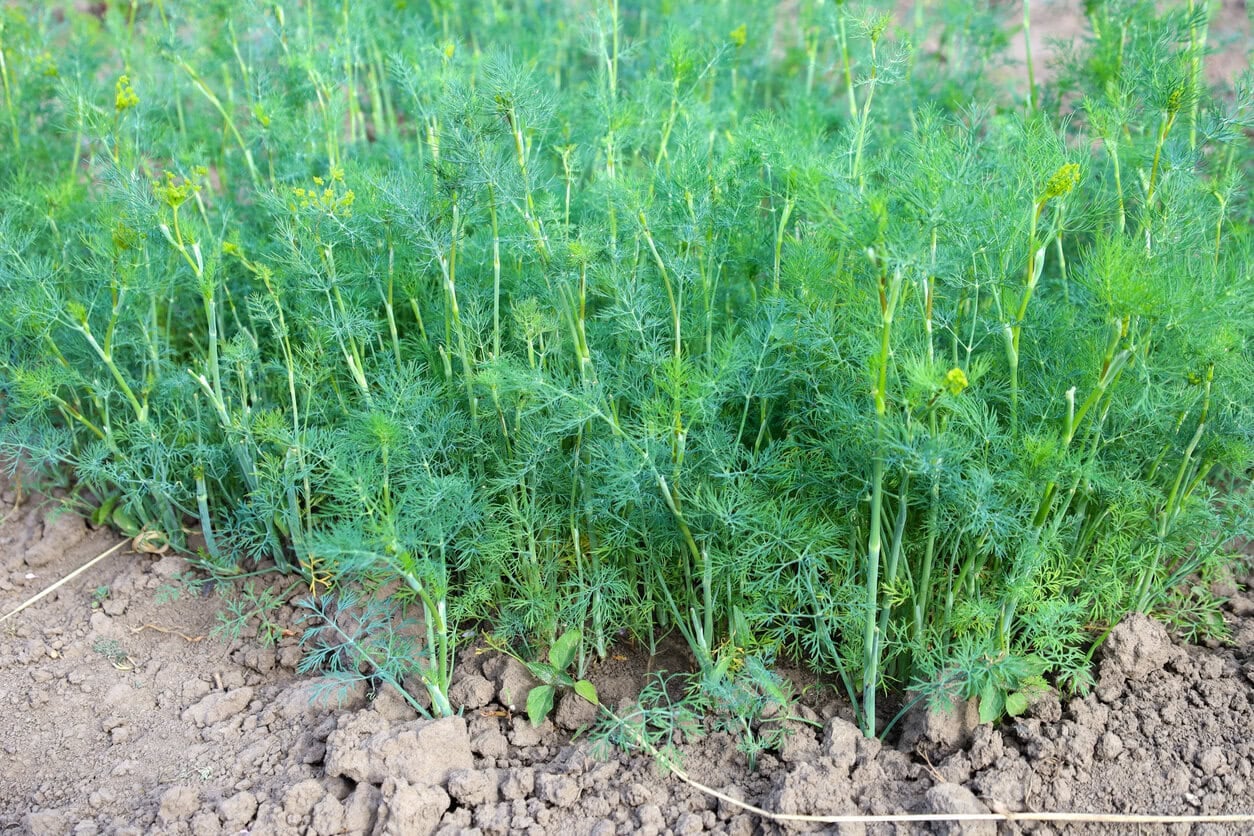
When we talk about fennel here, keep in mind that it’s the herb type and not the bulbous fennel you might be thinking of. Fennel is somewhat frost-tolerant but it’s safest to treat it as a warm-climate herb.
It’s a perennial herb in zones 7-9, so it may overwinter and return in the springtime, as long as you protect it from harsh frost using row covers or a cold frame. But in zone 6 it’s hit-or-miss (usually too cold for reliable regrowth).
Tip: Thin seedlings early to about 12 inches apart. Fennel needs good airflow and space to grow well.
5: Chives (Zones 3-10)
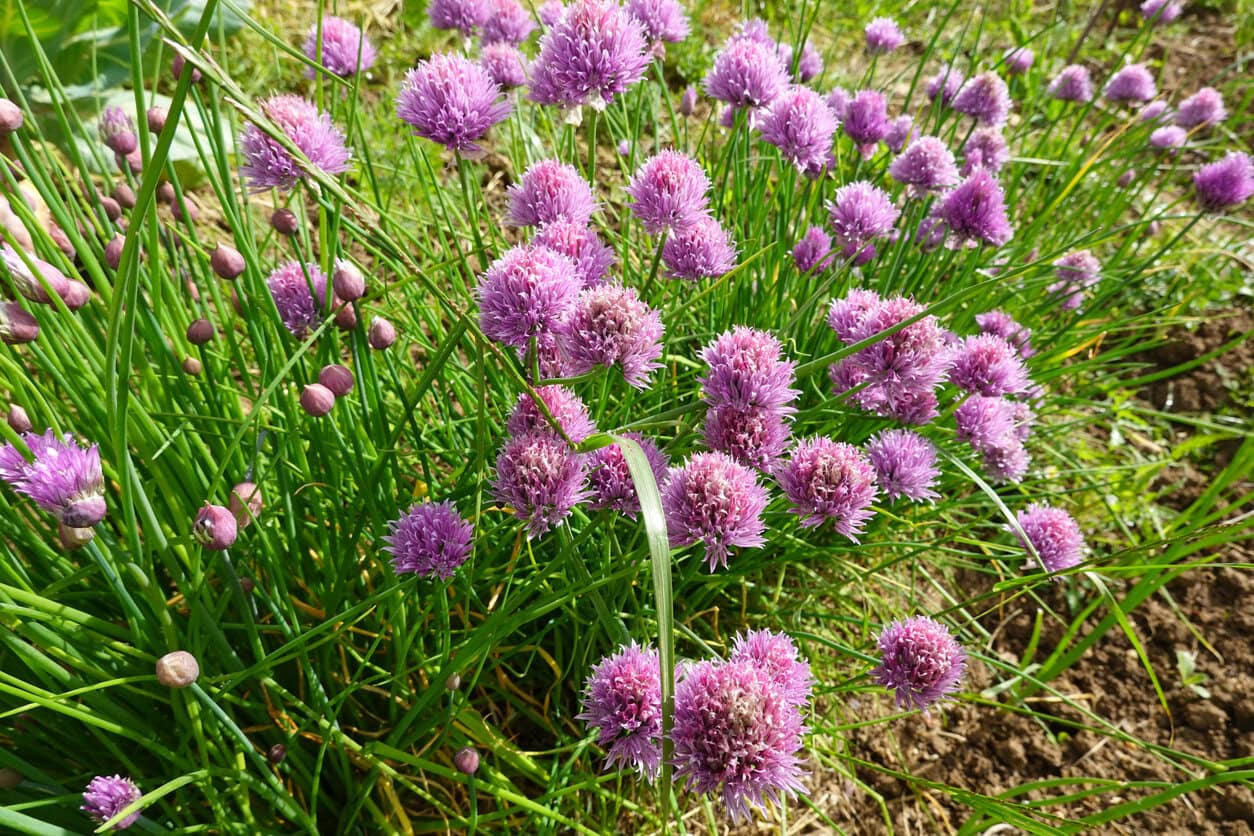
Chives are an excellent perennial choice to direct sow in the fall. You’ll probably have to mulch heavily around the herb in cooler climates, but other than that, it shouldn’t really give you much trouble.
Also, take a look at best perennials to divide in September if you want to expand your garden without spending a dime.
6: Oregano (Zones 5-10)

This woody perennial, used in many of your favorite Italian dishes, is perfect for direct sowing in September in zones 5-8.
In hotter climates like zone 9 or 10 it may struggle with humidity, while in cooler zones you’ll need to offer extra protection.
Tip: Sow oregano seeds shallowly, they need light to germinate!
7: Rosemary (Zones 7-10)

Rosemary is a perennial in zones 7-10, but can grow as an annual in cooler zones.
It’s pretty slow to germinate, so in warm climates direct sowing in fall works just fine. It can also grow in colder regions but I’d recomend sowing rosemary in containers indoors.
Tip: With rosemary you need to be patient, it can take 3 to 4 weeks to germinate. Keep the soil consistently moist but never soggy.
8: Sage (Zones 5-9)

I’ve discussed sage and its hardy nature a couple of times in other articles. It’s one of those herbs that won’t give you much trouble upon direct sowing, no matter the zone. If you live in an extremely chilly zone, only then you may have to consider protecting early seedlings or using a row cover.
If you’re sowing indoors or in containers, sage and rosemary are both great candidates. You’ll find even more inspiration in this list of herbs that thrive on a windowsill, perfect if you’re short on space or gardening in an apartment.
9: Mint (Zones 3-9)

Mint, like some of you might already know, is a very hardy and resilient perennial. It can withstand cold temperatures like no other herb and should probably be sown directly in the garden in most zones.
Only in zone 3 or below should you consider mulching around the perennial heavily or planting it in a container.
Mint is a true survivor, but it can also get pushy with its neighbors. To keep all your herbs happy, check out these herb pairings you should never grow side by side.
Tip: Sow mint in a container, it spreads aggressively in the ground and can quickly take over everything around it. Trust me… You’ll thank me later.
What About Frost? How To Protect Young Herb Seedlings?
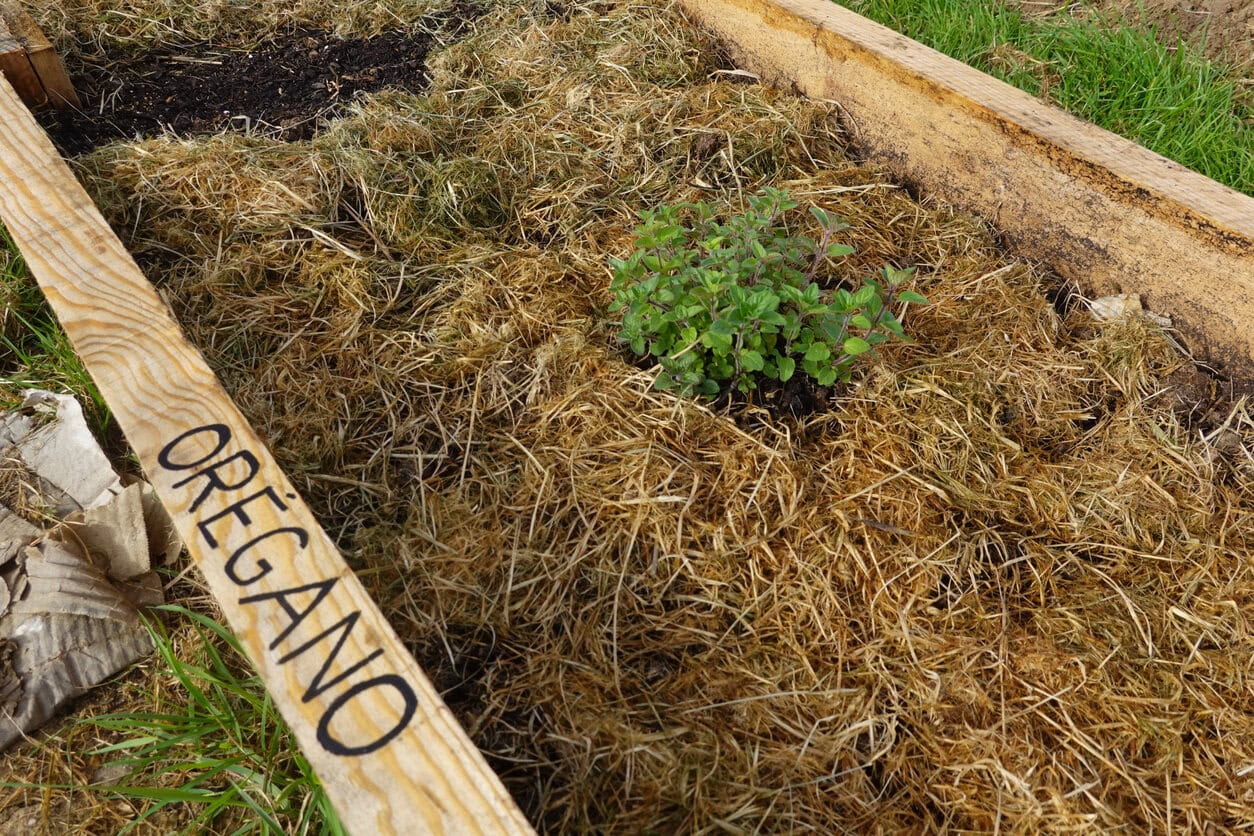
In case you live in an extremely cold zone where frost hits like nowhere else, you must have a few cold-protection tricks up your sleeve to protect young seedlings when they need it most.
Mulching around the base of your plants can help regulate soil temperature and protect the roots from frost damage. Other protection methods, like cold frames and row covers, can also come in handy depending on the circumstances.
Let’s Conclude

Many gardeners initially learn to start seeds indoors and transplant seedlings later. However, during certain times of the year, like September, direct sowing can actually be a better and more productive decision.
Now that all the potential options are laid out in front of you, it’s time for you to pick your favorites and start planting right away!




Which of these should I plant together?
Thank you!
Bridget
Hi Bridget! 😊 Here are a few combos that grow well together:
– Parsley, cilantro, and dill;
– Sage, oregano, and rosemary;
– Chives can go with almost anything;
– Mint is best grown in its own container, it spreads like crazy!
Hope that helps get your herb garden started strong! 😊
Thank you for this post. What are zones that you are mentioning? Is there an article about it? Thanks! Aleksandra
Hi Aleksandra, you’re very welcome! 😊 The zones refer to USDA Plant Hardiness Zones, which help you know what grows best in your area based on winter temperatures. You can find your zone by Googling your ZIP code + “USDA zone.”
When it says zone 3 to 9 does that include zone 9b?
Hi! Yes, it does 😊 When it says Zone 3 to 9, that includes both 9a and 9b, so you’re good to go if you’re in 9b!
Your “Mint” Photo is actually strawberry plants.
Hi Chelsea 😊 Oops, you’re totally right, thank you for catching that! 😅 We just fixed the photo. Really appreciate you letting us know!
It is mint.
I have some herbs in pots. How do I ensure their survival over winter?
Hi! 😊 For potted herbs, I usually bring the tender ones like basil, cilantro, and parsley indoors before the first frost. For tougher herbs like thyme, oregano, and sage, you can leave the pots outside if you’re in a mild zone, just group them together and tuck them in with mulch or straw. They might slow down, but they usually bounce back in spring!
I am in zone 10a I am not success in growing tomatoes-egg plant- and bell peppers any tips?
Hi 🙂 Zone 10a can actually be tricky because extreme summer heat can interfere with fruit set, especially on tomatoes and bell peppers. I’d focus on growing them during the milder part of your warm season, keep the soil evenly moist with mulch, and avoid too much nitrogen, which can give you lots of leaves but not much fruit. Eggplant likes heat more, but still needs full sun, good drainage, and consistent moisture.
I also have a lot more specific tips in my guide to growing tons of tomatoes and my guide to growing bigger peppers.