
September is just around the corner, and you’re telling me you have no idea what to plant during the month? Don’t worry pal; I’ve got you!
In today’s article, let’s take a detailed look at some flower options that can help you achieve a stunning spring display in the garden. Trust me, every single flower on the list just works!
Can I Still Plant Flowers In September?

Believe it or not, the month of September is actually ideal for planting certain kinds of flowers, especially if you’re in zones 4-8. This is because the environmental conditions are in a slow transition phase, with the air being on the slightly cooler side while the soil is still somewhat warm and workable.
In the fall, spring-blooming bulbs like tulips, daffodils, and alliums work especially well because they need to go through some chilly days before blooming.
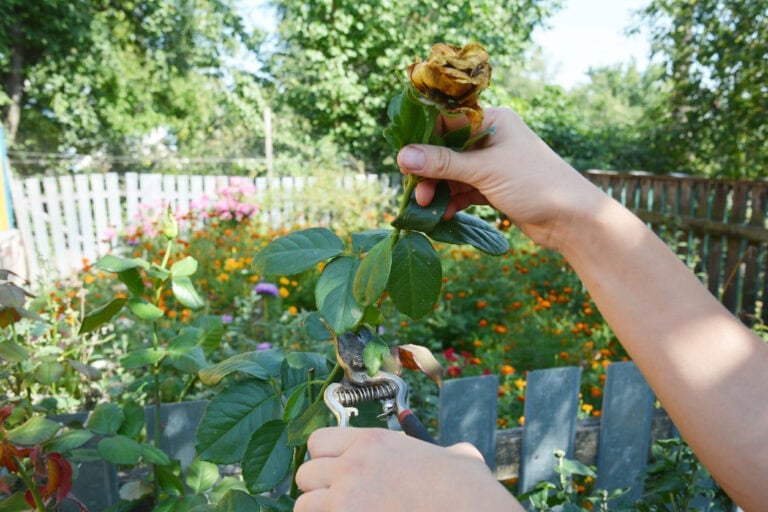
Curious about what else your garden needs this month? Here’s what to deadhead (and what to leave alone) in September.
Flowers To Plant In September

1: Tulips (Zones 3-8)

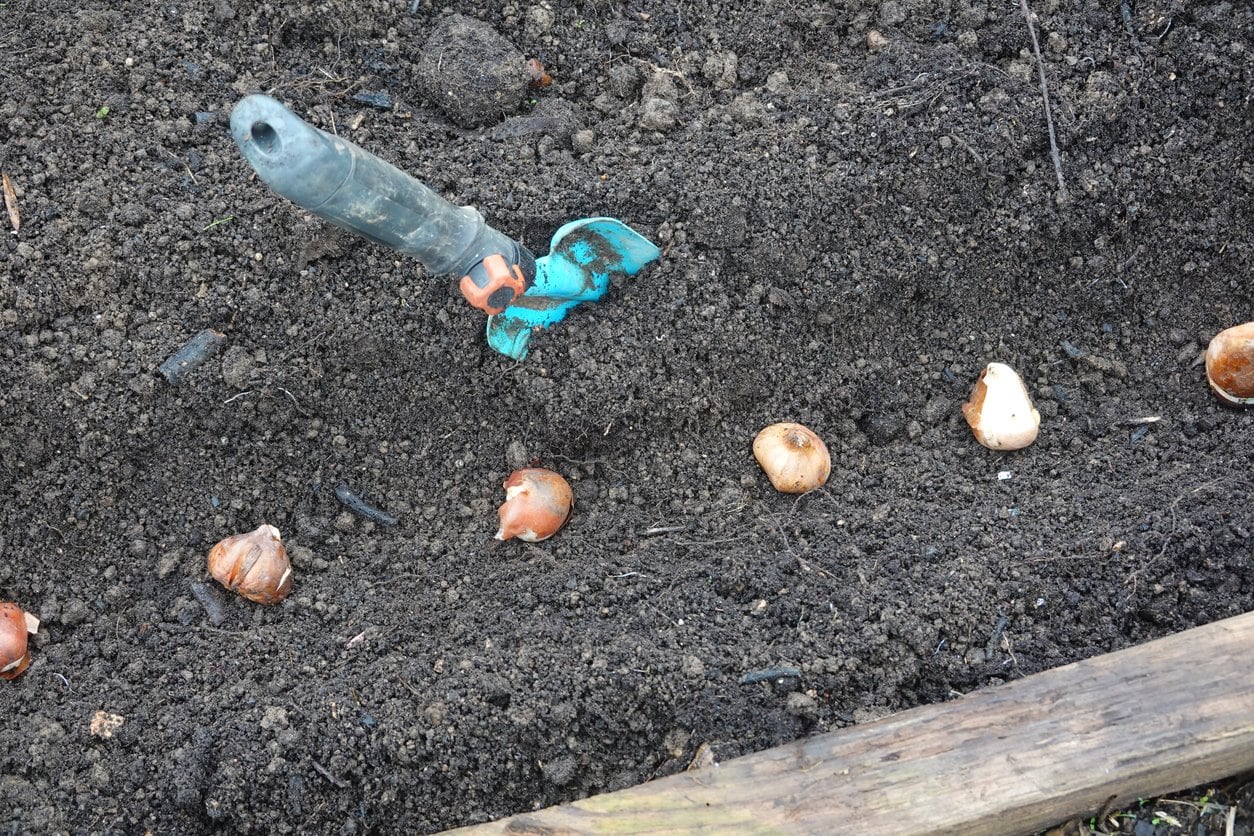
Tulips prefer to be planted in 6-8 inch deep, well-draining soil. Planting them in September is important because the bulbs need exposure to cold in order to bloom properly in mid to late spring.
If you’re in zones 7-8, you might want to wait until late September or October (depending on your frost date) so the soil cools off, tulips won’t root well in warm soil.
Quick tip: Tulips like well-draining soil, plant the bulbs pointy side up, about two to three times their height (6 to 8 inches deep). In zones 8 and above, consider pre-chilling tulip bulbs in the fridge for 6 to 8 weeks before planting to mimic winter cold.
2: Daffodils (Zones 3-8)

Not only are daffodils super cold-hardy and reliable, but they also produce abundant blooms that can light up your spring garden. If you have deer visiting your garden and ruining your plants often, daffodils can help deter them.
Quick tip: Always plant daffodil bulbs at a depth that’s two to three times their height to keep them from popping out after frost.
3: Grape Hyacinths (Zones 4-8)

Grape hyacinths offer round, fragrant blooms that bloom early and multiply super duper fast. They’ll often multiply and return stronger each spring. If you’re looking to line up your garden borders with a quick spreading flower, you just can’t go wrong with the grape hyacinth.
Quick tip: These bulbs are tiny, so planting them about 3 inches deep is usually just right.
4: Alliums (Zones 4-8)

Planting alliums in fall is ideal because they’ll eventually bloom in late spring and fill your garden with bright, globe-shaped flowers that just demand love and attention. These need cold to bloom well, so don’t skip fall planting (even in zone 8). Late October still works.
Like daffodils, alliums are also deer-resistant, and their pollinator-friendly looks and nectar-rich flowers ensure that birds, butterflies, and hummingbirds are constantly drawn to them.
Quick tip: For tall, showy blooms, plant allium bulbs in full sun and about 4 to 6 inches deep in well-draining soil
5: Sweet William (Zones 3-8)

Sow sweet William seeds directly into the ground in September if you want strong spring or early summer blooming. This short-lived perennial thrives in cooler environments and offers stunning flower clusters that just scream elegance and beauty.
Quick tip: Sow seeds directly in the soil and lightly press them in. They’ll establish quickly in the cool September temps.
6: Larkspur (Zones 3-8)

Sowing larkspur seeds in the fall is optimal because they need cold stratification to be able to germinate properly. Sow them directly in the garden and enjoy their tall, vibrant flower spikes in late spring.
Quick tip: Larkspur seeds need cold to germinate, so direct sow them early and don’t worry if you don’t see sprouts right away.
7: Shirley Poppies (Zones 4-8)

They’re surprisingly hardy and can handle colder zones like 4 and 5, especially if winters aren’t too wet
Many people ask about sowing Shirley poppies indoors and then transplanting them later on, but in my opinion, direct sowing is the way to go. Soon you’ll have delicate baby pink, red, orange, and off-white blooms beautifying the heck out of your garden.
Quick tip: Scatter poppy seeds on the surface of the garden soil and gently press them in. They need light to germinate, so don’t bury them.
8: Cornflowers (Zones 4-8)

This resilient annual thrives if sown in fall and allowed to grow through the transitional cold period. The deep blue and sometimes pale white cornflowers make for great cut flowers, and they’re fairly low-maintenance as well.
Quick tip: Direct sow in sunny spots and space seedlings to give each plant a little elbow room for strong spring growth.
9: Nigella (Zones 3-8)

Sow nigellas directly into the ground around fall time to have vibrant blooms in spring. It offers unique, decorative seed pods and is super easy to maintain for the average gardener. Also, it is one of those fuss-free flowers that actually prefers to be direct sown and left alone.
Quick tip: Sow nigella seeds where you want them to actually bloom, they don’t transplant well once they sprout.
10: Foxgloves (Zones 4-8)

Sow your foxglove seeds early in September and achieve colorful, bell-shaped flowers the following spring/early summer. Just make sure not to plant these in a sunny location, as foxgloves prefer partial shade and some “chilliness” for optimal growth.
If you want more pollinators to visit your garden often, foxgloves are also perfect for that!
Quick tip: Sprinkle foxglove seeds on moist soil in partial shade, they’ll germinate best when kept lightly damp. Just a little reminder, these biennials won’t bloom until their second spring, but they’re absolutely worth the wait.
And if vegetables are also on your mind this season, check out what to plant in September by zone (yes, you still have time!).
11: Lupine (Zones 4-7)

Lupines should be sown in sunny spots with fertile, well-drained soil. While you can start them indoors and transplant them later, it’s usually a much more demanding and time-consuming process. Sow them directly in the garden and enjoy the showy flower spikes in late spring.
Quick tip: Soak lupine seeds overnight before planting to help soften their outer shell and improve germination. Also, make sure you’re planting perennial lupines. Annual types like Texas bluebonnet don’t respond well to fall sowing.
Best USDA Zones For Fall Flower Planting
Generally speaking, fall planting works best in zones 4 to 8, where the roots are able to establish before peak winter kicks in and the winter season is cold enough to accommodate blooming in spring-flowering bulbs.
Let’s Conclude
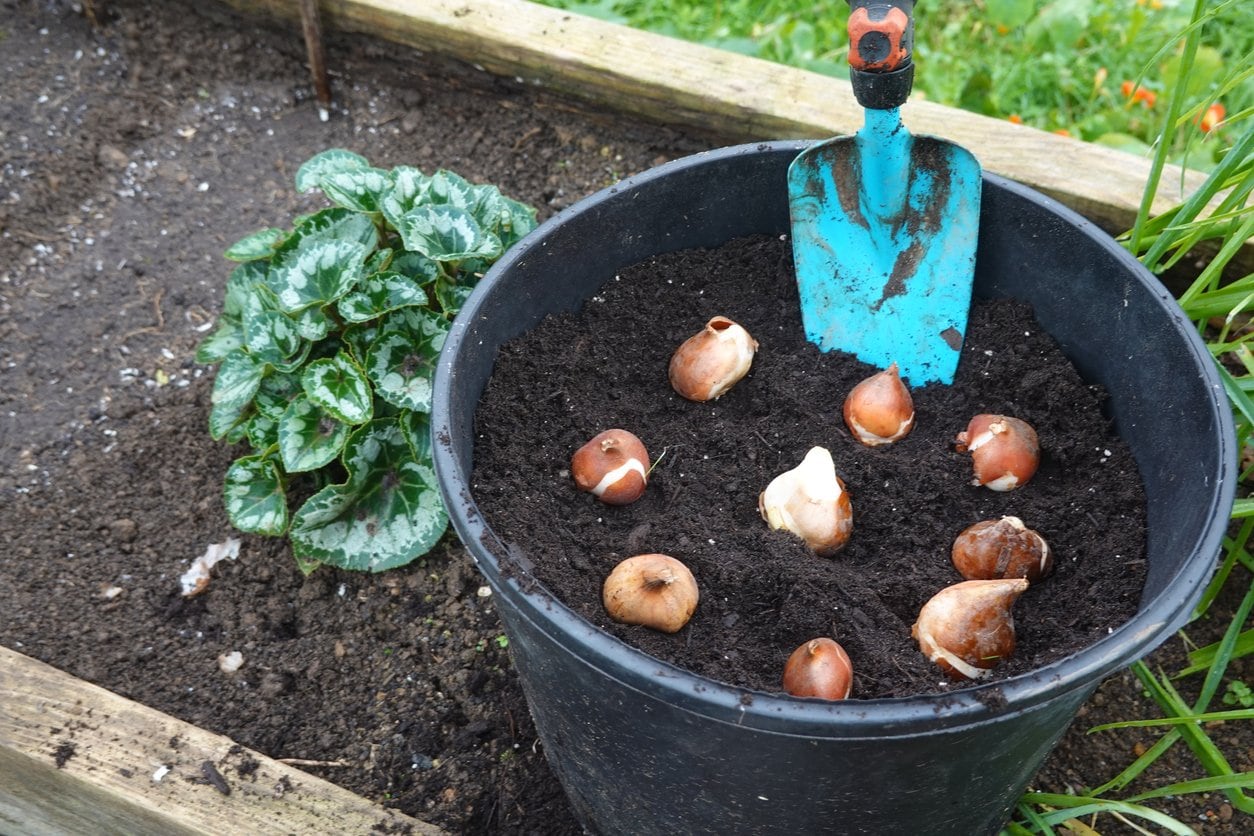
Now that you have all the potential flower options laid out in front of you, it’s time for you to pick your favorites and actually plant them this September. Knowledge is meaningless without the intent of action. Get out there and start planting!
In fact, if you’re planting now, you can also sneak in some late color, these fall-blooming flowers can still be started in August and September.



Zone 9?
Hi! 😊 Most spring-blooming bulbs do need a chill period, which is why Zone 9 often gets left out. But don’t worry, if you’re in Zone 9, you can pre-chill bulbs like tulips and hyacinths in the fridge for 10–12 weeks, then plant them in late fall. Or stick with flowers like ranunculus, anemones, or snapdragons, which do great in your zone without the chill!
I’ve seen suggestions to use egg cartons to plant tulips. Is this okay?
Hi Janet 🙂 I’ve seen that trick and I’ve tried it myself, but I still prefer planting tulips directly in the soil. The carton makes spacing easy, but it also makes it harder to control the exact depth and position of each bulb, so for me, I find direct planting works better.
I would like to know the answer, please.
How do I find what zome I am in
Hi Judy 🙂 Just search your ZIP code + USDA Zone on Google and it should show you your USDA hardiness zone right away.
Hello Judy,
You can ask Google to find what zone you’re in.
Just type in your city, state and zip code!
When would I plant my wildflower variety (mixed seeds)?
Hi Karen 🙂 It really depends on what’s included in your wildflower mix and where you live. Check the packet first because mixes often contain both annuals and perennials. Many perennial wildflowers benefit from winter cold, so late-fall sowing can work very well, but I wouldn’t use one fixed planting date for every mix.
Can we plant tulips, daffodils, muscari, and other spring bulbs together in one large hole?
I would like to combine early-, mid-, and late-spring bulbs so that they bloom at different times and provide a long-lasting display.
I would also like to know which perennial plants I can plant in front of or near the bulbs so that, once the bulbs have finished blooming, the perennial foliage can help cover the bulb leaves as they die back.
Thank you !
Hi 🙂 Yes, you can absolutely combine them in the same planting area. I’d just plant them at their proper depths rather than putting every bulb at the same level, with tulips and daffodils deeper and muscari closer to the surface.
For hiding the fading foliage later, daylilies and hardy geraniums work nicely in sunnier beds, while hostas or hellebores are good choices in part shade. Just let the bulb leaves yellow naturally before removing them.
I do like to leave the seed heads on for the birds to eat.
Hi Elizabeth 🙂 I do too! I like leaving at least some seed heads standing through fall and winter because the birds really do make good use of them.
Please tell me what zone ORLANDO,FL is in.Wanting to plant bulbs.
Hi Linda 🙂 Orlando is generally around USDA Zone 10a. For the bulbs in this article, your winters are much warmer than the Zones 3 to 8 conditions they prefer. Tulips can still bloom if you buy pre-chilled bulbs or chill them first and treat them as annuals, but for something more reliable in Orlando I’d look at bulbs suited to Central Florida, such as amaryllis, rain lilies, crinum, or society garlic.
Does any of these flowers work for the shaded side of our house. I have planted lilies there but they do not blome. We live in NC, zone 8
Hi Charles 🙂 Yes, a couple from this list can work in part shade. Foxgloves are probably your best choice, and grape hyacinths can also handle some shade. If that side of the house gets very little direct sun, though, most of the flowers on this list will bloom poorly. That may also explain why your lilies are growing but not flowering, since lilies generally need at least a few hours of sun to bloom well.
Hi Rita, I live in zone 8 and was wondering about echinacea, I can’t seem to get it to grow for me.
Hi Katherine 🙂 Echinacea should grow well in Zone 8, so I’d look more closely at the growing conditions than the zone. It really dislikes soggy soil, so give it plenty of sun and very good drainage, and avoid keeping it constantly wet, especially through winter. If you have heavy clay soil, I’d try planting it in a slightly raised spot where water drains away more easily.