
The gardening rulebook is a thick, merciless tome full of commandments. Thou shalt deadhead thy spent blossoms. Or, thou shalt not suffer a weed to live. But now, as the calendar flips to September, it feels like some of those rules are starting to sound like suggestions.
Let’s face it, a lot of what we’ve been told about late-season pruning is less about botany and more about a societal obsession with neatness.
Before you march out there with shears and a sense of duty, let’s have a chat about what’s truly worth the effort. It turns out, your wild garden might just be the best kind of garden.
The Pros and Cons of Deadheading in September

We’ve been told a good gardener never rests, that our only path to paradise is through constant vigilance and a pair of sharp pruners. Well, I’m here to offer some revolutionary advice: in September, you have my permission to be a little lazy.
The Case for Grabbing Your Pruners:
The Case for Putting Them Away:
Simply, some plants need a break, some seed heads are a feast for the birds, and a tired gardener deserves some rest. But do you know what’s worth your last burst of effort and what’s better left alone?
The “Yes” List or Plants to Deadhead in September

If you’re still feeling a budding desire to get out there and prune, let’s cut to the chase.
Dahlias:

September deadheading is a small effort for one last magnificent performance. Give your plants this simple sign of encouragement, and they will continue to produce more blooms before the frost arrives.
The method is simple: if a bloom was the last on its stem, remove the entire stem. You can see my full step-by-step on how and when to deadhead dahlias here.
Marigolds, Zinnias, and Cosmos:

Apparently, some annuals won’t acknowledge that summer is ending. A quick snip of the old flowers right above a leaf node is all it takes to get them to produce until the first frost. And if zinnias are on your list, here’s my favorite way to keep them blooming non-stop.
Roses (Repeat Bloomers Only):

A light deadheading on repeat bloomers in September can encourage a final flush of fall color. This is your last chance for blooms, so make it count.
In warmer zones (5-9) some repeat bloomers can be deadheaded into October. However, in colder zones (2-4), you must stop by the end of the month. Your roses need to put their energy into forming hips and getting ready for winter, not into one last display for you.
You can read my full breakdown on how to deadhead roses correctly here.
Salvia, Nepeta, and Coreopsis:

A quick trim in early September might surprise you with another modest round of blooms from these perennials, but don’t expect a full profusion.
Just focus on a little shaping and tidying up because this isn’t the time for a hard prune. It’s a low-risk move that works for Salvia in Zones 5–10, Nepeta in Zones 4–9, and Coreopsis in Zones 4–9. In colder zones (3–5) it might be too late depending on frost dates.
If you’re growing salvia, here’s my detailed summer care guide to keep it blooming.
Note: Deadheading these plants in September gives you the best of both worlds. A few extra weeks of color now, and then, when frost finally wins, you can leave those last blooms to dry naturally. Their seed heads will feed birds through the cold months and keep your garden looking alive even in winter.
The “No” List or Plants to Leave Standing

Your pruning shears can stand down. It’s time to turn over a new leaf and just leave the rest alone.
Sedum (Autumn Joy):

There is absolutely no reason to deadhead this plant now. Its blooms won’t turn to a depressing brown but fade to a beautiful coppery-pink, which only gets better as it dries.
Your Sedum prepares a perfect fall exhibition in zones 3–9 without any outside help. Your job is simply to leave it alone and enjoy the view.
Coneflowers and Rudbeckia:

Your work is done here, and so is theirs. Instead of cutting them back, you can leave their dried seed heads to stand like a pantry for finches and other hungry birds in zones 3–9.
Their architectural silhouette also makes for a much more interesting landscape than an empty patch of dirt. So consider it a win-win for everyone involved.
Bee Balm and Anise Hyssop:
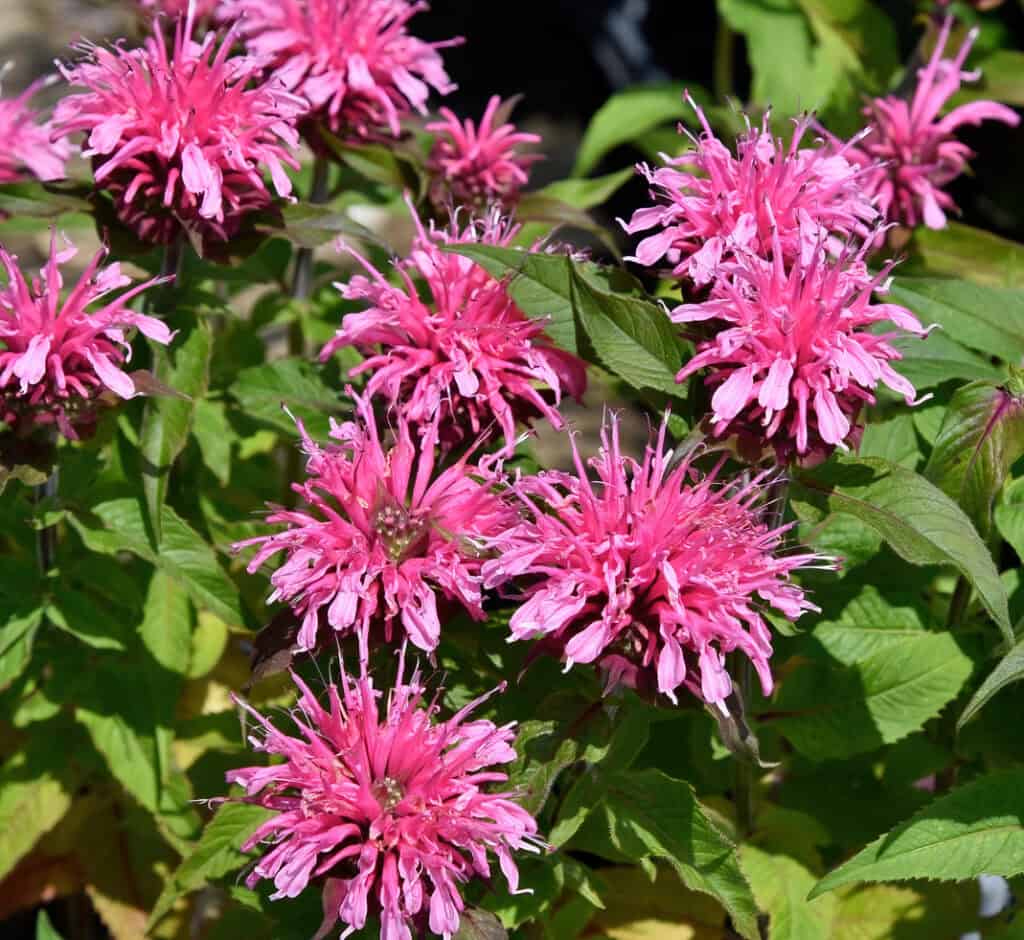
These plants are perfect for the messy gardener in all of us. They can reseed and provide food for birds and beneficial insects well into the fall.
The only reason to trim them is if you can’t stand a slightly untidy garden. Otherwise, they’re better left to do their own thing. Leave Bee Balm standing in Zones 3–9 and Anise Hyssop in Zones 4–9.
Perennials Going Dormant:

When perennials like hostas, daylilies, and peonies have decided the season is over, you shouldn’t fight them. They are actively storing energy in their roots for winter, so your deadheading efforts will be completely ignored. Hostas in Zones 3–9, Daylilies in Zones 3–10, and Peonies in Zones 3–8 will appreciate you ghosting them.
What Happens If You Skip Deadheading?

So, what happens when you ignore all the deadheading advice and let nature take its course? In the short term, your garden will likely throw in the towel a bit sooner. Certain annuals will produce fewer late-season flowers, and you’ll have to contend with a bunch of new seedlings next spring.
For those who can’t stand an unruly garden, this is a nightmare. For the rest of us, it’s just an excuse to do a little less work.
And besides, a messy garden isn’t a sign of failure. While you might see some flowers fade to a less-than-awesome brown, they will also leave a wealth of nutritious seed heads behind. Hungry finches, chickadees, and other small birds will utter words of praise for thy generous neglect.






Great info.
Hi Karen! Thank you! 😊 Glad you found it helpful, a little deadheading this time of year can go a long way!
Thanks good info!
Hi Jerry 🙂 Thank you! I’m so glad you found the information useful.
Thank you for the gardening advise.
Hi Leslee 🙂 You’re very welcome! I’m glad you found the gardening advice helpful.