If you’re a beginner, you probably don’t know what deadheading is, but it’s super duper important!
Think of it like that one chapter you skipped while preparing for your exam, which somehow ends up being the whole exam. For many plants, especially roses, deadheading is just as crucial. It helps them bloom better and grow to their fullest potential.
In today’s article, let’s go over some deadheading basics and answer a few curious questions people often have around this subject.
Why Deadheading Roses Really Matters?

I mean…what if you just don’t deadhead your roses? Does something bad happen to them? Well…yes.
Many people believe deadheading is done just to keep the plant tidy and looking well-kept, when it has many other benefits behind the scenes.
And for some simple but powerful boost tips, check out these super tips for bigger rose blooms, they go excellently hand-in-hand with your deadheading routine.
When To Deadhead Roses? Timing Is Important!

There is one element you must get right if you want to deadhead successfully – timing.
Now, why is timing important? Well, simply put, plants thrive in certain environmental conditions, and those can change depending on the season or time of the year.
The best time to deadhead roses is when all the blooms fade and petals begin to fall off the plant. You can do this throughout the entire blooming season up until 4-6 weeks before frost sets in.
Keep in mind, however, that there’s no hard and fast rule when it comes to deadheading; you can only work with guidelines. The exact timing can vary between different zones and rose varieties.
And if you’re aiming for truly spectacular flowers, these super tips for bigger rose blooms will help you make the most of your deadheading efforts.
Some Important Signs It’s Time To Deadhead

As a general rule of thumb, it’s okay to go ahead with deadheading once your rose petals begin to droop and fall off. This is also when seed pods (or rose hips) will begin to form.
I see too many people rush into deadheading when it’s not even time yet, or delay it late into the season when fall begins to set in. Having a good idea of the kind of signs you need to look for is crucial for getting the timing element right; the rest usually falls into place by itself.
And while you’re checking your roses, watch out for yellowing leaves too, it’s often a sign that something else needs attention beyond deadheading.
How To Deadhead Roses? Easy Step-By-Step Guide

Step 1: Identify spent blooms

Before you actually get to the deadheading part, first try to figure out if it’s the right time to do so by taking a good look at your rose blooms. If the petals are beginning to fade and droop, then it’s probably time.
Step 2: Cut back to the first leaf

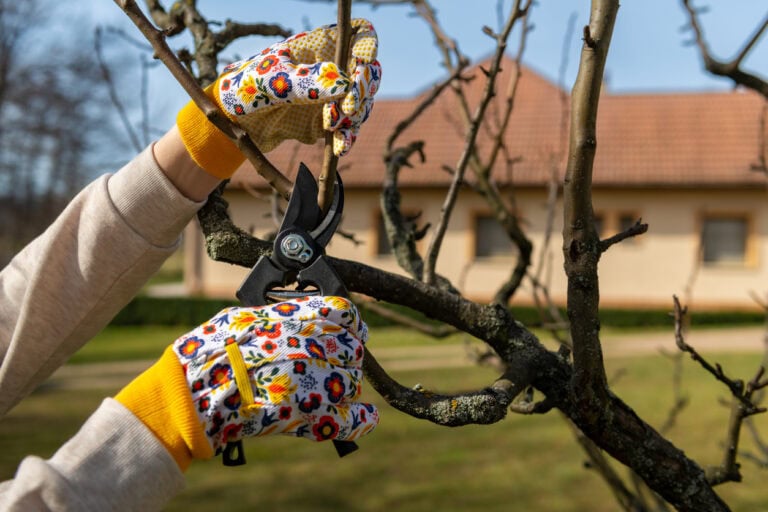
Cut your spent blooms just above the leaf with 5 leaflets. Make your cuts at an angle to enhance recovery timing and limit the chances of infection.
Step 3: Clean your tools
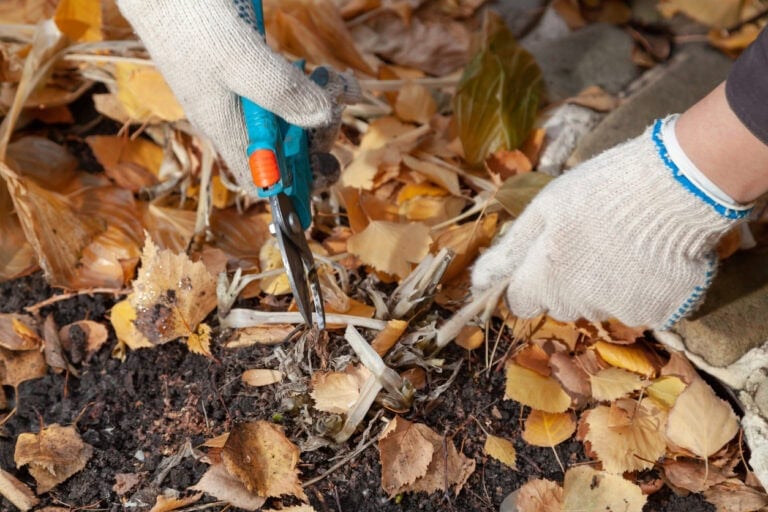
Use a pair of sharp and clean scissors/pruners to make precise cuts and avoid spreading disease.
Which Rose Types Benefit Most From Deadheading?

Best For:

- Hybrid teas;
- Floribunda;
- Grandiflora;
- Miniatures.
Not Necessary For:

- Knock out roses;
- Some shrubs and wild roses (self-cleaning varieties).
Quick Tip: Some self-cleaning rose varieties still benefit from an occasional cleanup if the plant looks messy and unkept. It’s not essential, but it definitely won’t hurt the plants if you do it.
And if you’re growing dahlias too, take a look at how and when to deadhead them to keep those blooms coming just like your roses.
What To Avoid When Deadheading Roses?

Final Tips For Healthier Blooming Roses

It’s generally a good idea to apply a balanced fertilizer to your rose plants after deadheading. A light nutrient boost can help with new buds.
If you’re a forgetful person, set up watering reminders throughout the week on your phone. This will help you stay more consistent with your watering routine.
Actively look for hints of pests and diseases in the garden while deadheading. A good close-up of your rose plants will tell you everything you need to know.
And for best results after deadheading, make sure you’re fertilizing your roses at the right time, it can make a big difference in how well they bounce back with fresh blooms.
Let’s Conclude

As much as I enjoy deadheading plants and working in the garden, I know many beginners would give up everything just to skip garden work.
This guide is for all of you who think deadheading is the most complex and challenging task on earth. It’s really not, especially if you know what you’re doing.
As a beginner, your first deadheading session may not go so well, but learning is part of the gardening game. After a couple of tries over many seasons, you’ll find that it’s not only simple but also super easy. Get the timing right, use clean tools, and be precise; the rest will usually fall into place by itself.