
I feel like one of the biggest issues in the realm of gardening today is the fact that people have become impatient and are speedrunning tasks without thought.
Fall rolls around, and suddenly secateurs are flying, but not every plant should be touched this time of year. Heavy pruning can spell disaster for certain shrubs and perennials!
In today’s article, I’ll be taking you through a curated list of plants that are best left alone until spring (or at least until after they bloom). Let’s dive right into it!
Why Is Pruning In Fall A Bad Idea For Some Plants?

Although there aren’t any specific deadlines for pruning, certain shrubs and trees do form their flower buds beforehand, often in summer or early fall, and early pruning can injure these buds and ruin flowering, as you can imagine.
In simple words, if you prune in fall, you risk cutting off flower buds and potentially losing next season’s blooms entirely.
Of course, not every plant makes this list, some perennials actually benefit from a fall cutback. Here’s a guide to perennials you can safely prune in October.
Plants You Should Never Prune In Fall
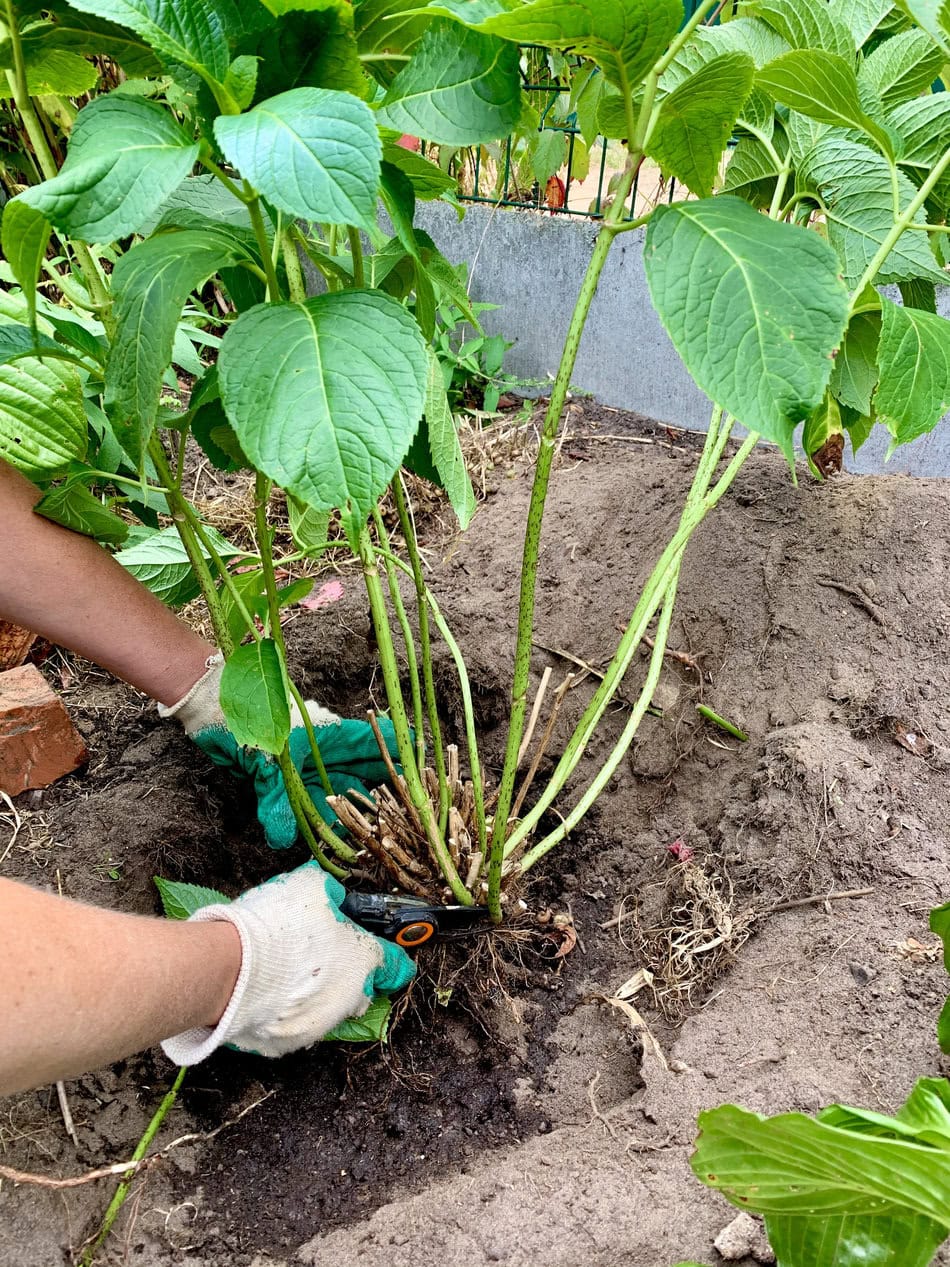
1: Hydrangeas

Bigleaf and oakleaf hydrangeas set buds at least a year before they bloom, meaning fall pruning risks you potentially cutting them off. Wait until after flowering or early spring depending on the type!
Panicle and smooth hydrangeas are the exceptions here! They bloom on new wood, so you can safely prune those in late winter or early spring without risking next year’s flowers.
For full details on pruning hydrangea types, see How and When To Prune Hydrangeas.
2: Lilacs

Lilacs surprisingly form next year’s blooms immediately after they’re done flowering. You want to prune them right after they bloom in spring, not in fall.
3: Forsythias

Pruning forsythias in fall is a recipe for cutting off spring flowers and disaster. You want to trim these flowers right after they fade in the springtime.
4: Azaleas & Rhododendrons

These woody perennials form buds in summer for next spring, so pruning in fall removes them. Hold off until after their spring display.
5: Camellias
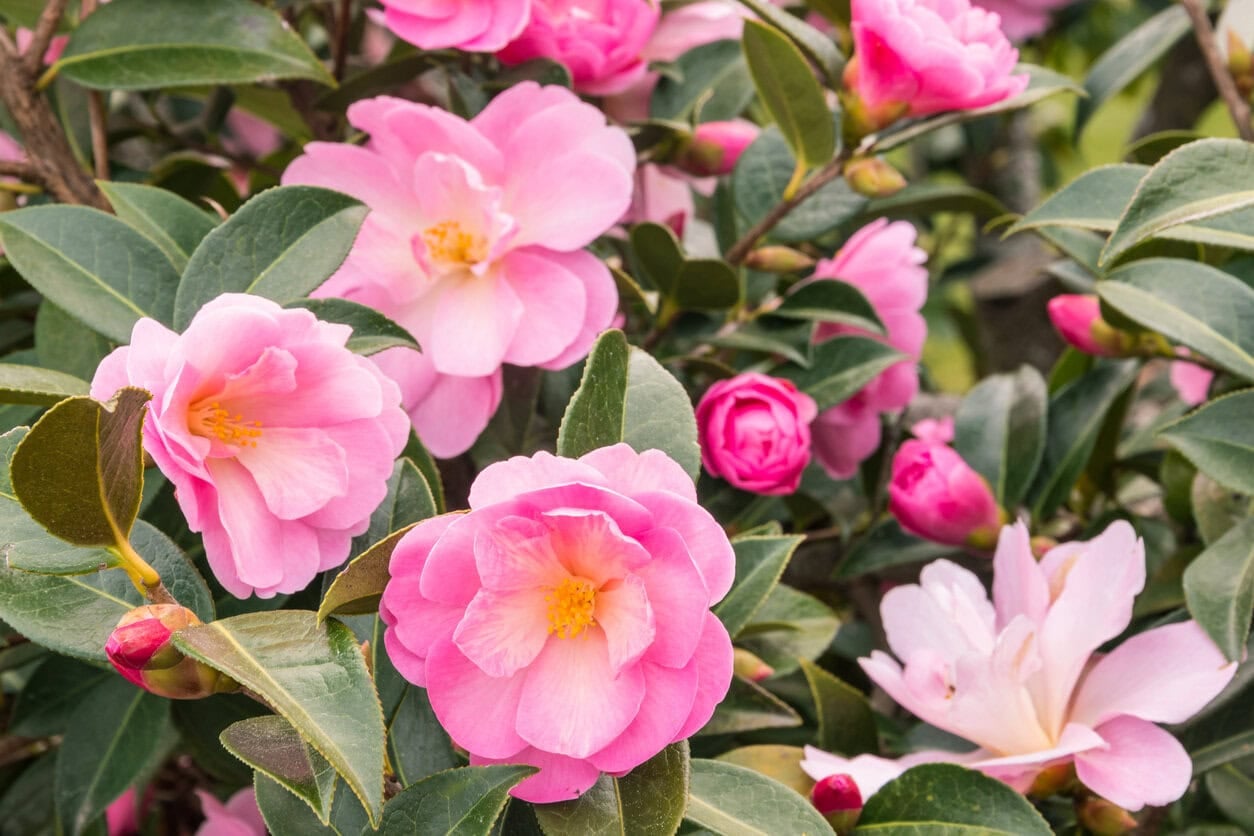
Camellias typically develop buds in fall for winter or spring flowers. So, wait until they’re done flowering to prune them.
6: Magnolias
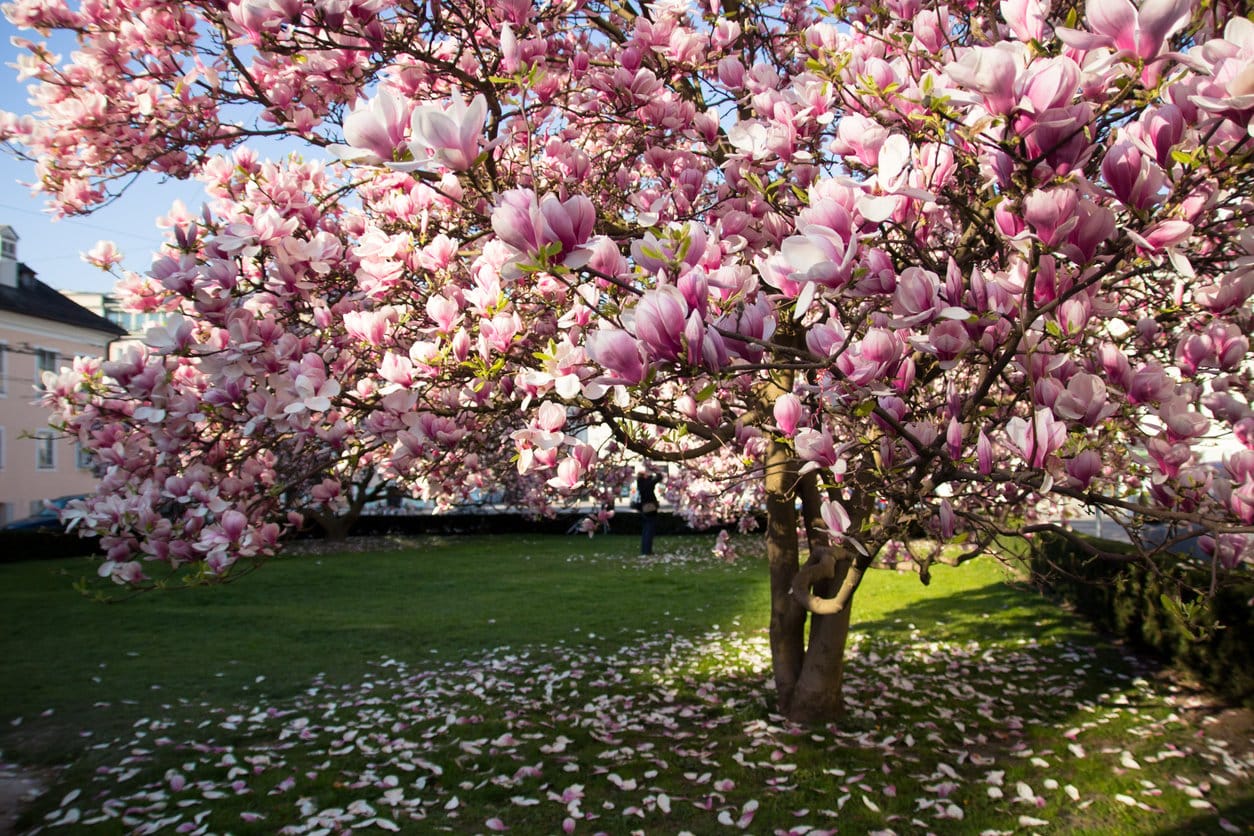
Magnolias dislike fall pruning because it damages buds and stresses the tree. If needed, prune lightly in late spring.
7: Wisterias

Wisterias are best pruned in summer or late winter. Cutting them in fall disrupts their natural growth cycle and weakens bud formation.
8: Spring-Flowering Viburnums
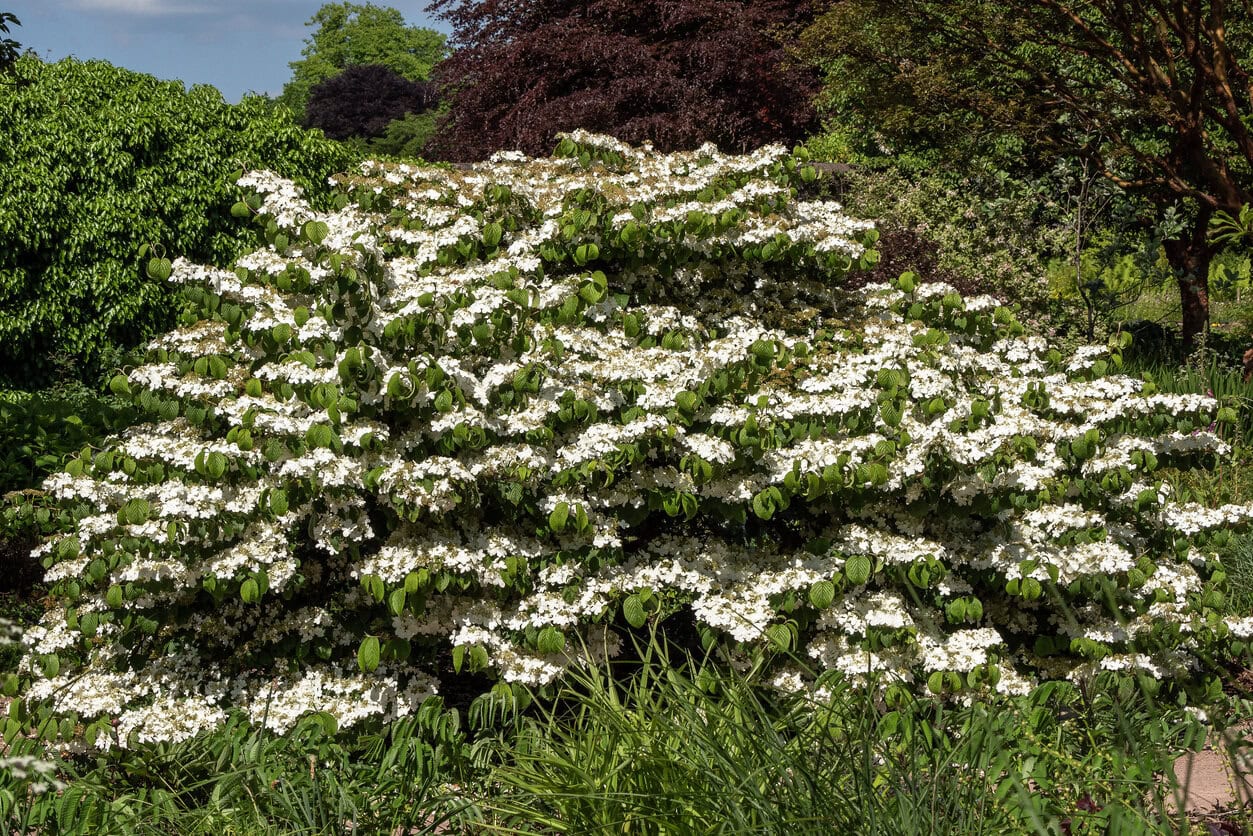
Most spring-flowering viburnums form buds in the summertime. Leave them alone until after they finish blooming.
9: Flowering Quince
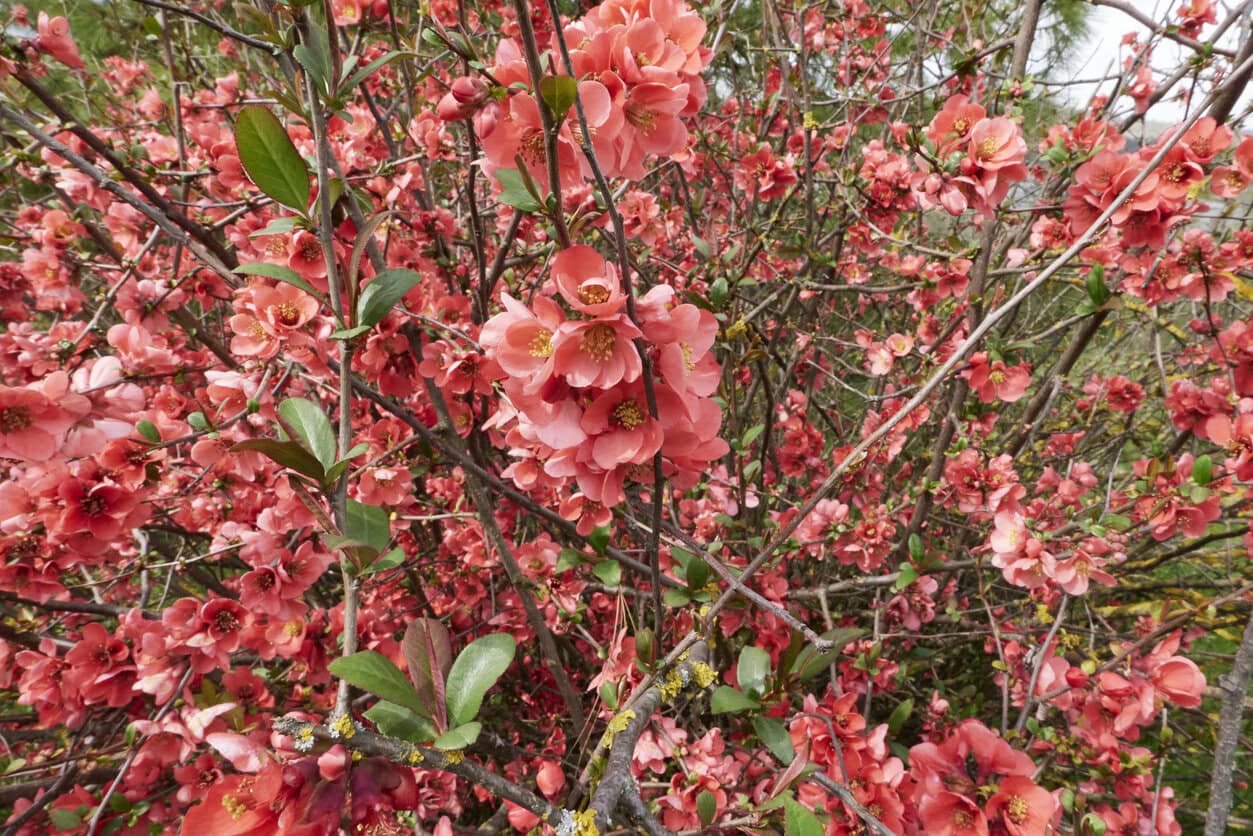
The flowering quince is a very special early-spring bloomer that sets buds on old wood. If pruning must be done, ensure it’s after flowering only.
10: Climbing Roses
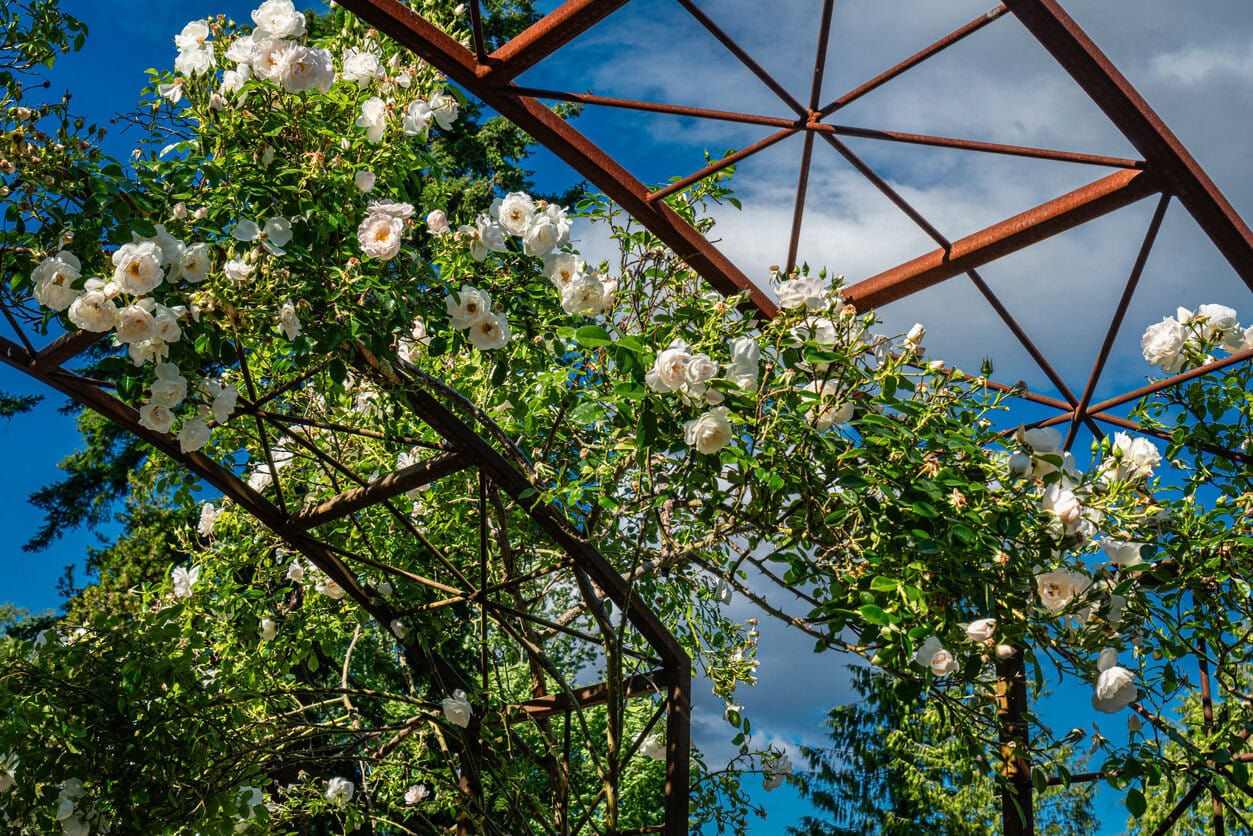
When it comes to pruning climbing roses, doing it in the fall can potentially remove stems and stalks that would produce next year’s flowers. Prune these in late spring only after they’ve finished blooming.
Shrub roses and repeat-blooming varieties are different. They can often be pruned more flexibly, while climbing roses that bloom on old wood should always be left until after flowering.
For full details on pruning rose types, see How and When To Prune Roses.
11: Clematis

Because clematis bloom on old wood, fall pruning can wipe them out entirely if you’re not careful. I’d highly recommend waiting till spring to prune this one.
Not all clematis are the same! Group 1 and Group 2 clematis bloom on old wood and shouldn’t be pruned in fall, but Group 3 varieties bloom on new growth and can actually be pruned back in late fall or early spring
For full details on pruning clematis groups, see How and When To Prune Clematis.
12: Mock Orange

This perennial shrub produces buds for its incredibly fragrant flowers in the summer. Prune them right after they bloom and avoid pruning them in fall if you want reliable blooms.
Instead of risking blooms on the wrong plants, focus your energy on shrubs that actually need pruning in fall!
What If You Already Pruned Your Hydrangeas Or Lilacs In Fall?

If you already pruned a plant or shrub that you shouldn’t have pruned in fall, don’t stress it; it’ll probably recover as long as you didn’t go all out and cut more than two-thirds of it.
There is a high chance that you might not see blooms next season though. Take that time to provide the plant with some extra care and encourage it to bounce back.
Is Light Trimming Okay In Fall?

Although I wouldn’t really recommend messing around with some of your plants in the fall, some light shaping, like removing a stray branch or deadwood here and there, is usually fine if you don’t overdo it.
That said, avoid heavy pruning and major cuts at all costs since it will likely damage buds and leave your plants flowerless next blooming season.
If you’re wondering which perennials can be safely cut back now and which should be left standing, here’s a complete guide on perennials to cut back and leave before winter.
Let’s Conclude
Now that you’re aware of what plants you shouldn’t mess around with this fall, it might be a good idea to redirect that time and energy towards doing something more productive in your garden.
Instead of cutting and pruning, maybe try watering your plants more consistently or fertilizing them so that buds can develop faster and more effectively.



Your posted cite just saved my hydrangeas life. Thanks
Hi! 😊 I’m so glad to hear that! Hydrangeas can be tricky, but saving those buds makes all the difference for next year’s blooms.
Should i trim the tops of my 3rd year apple trees now, or wait until after 1st ,hard, frost? And boxwoods, now? Thank you for any advice. L.
Hi Lisa! 😊 I’d wait until late winter or early spring to prune both, trimming now can trigger new growth that won’t harden before frost. You’ll get healthier growth next season that way!
Hi, i live in the Midlands in the UK. Can you give me some idea of a US zone that is close to sharing our weather please. Also I have inherited a very large tall and wide large leaf hydrangea that has been left to uts own devices for many years, the first 3 feet from the soil is grey woody stem. Can I do anything to give it a chance to renew ti a smaller bush. Thank you.
Hi Pauline 🙂 I looked it up, and much of the Midlands seems to fall around USDA Zones 8b to 9a. Just keep in mind that USDA zones compare winter minimum temperatures, not the whole climate. For your large-leaf hydrangea, I’d rejuvenate it gradually rather than cutting the whole thing down. In spring, remove one or two of the oldest grey woody stems right at the base, then repeat over the next few years. That should encourage fresh growth while still preserving plenty of stems for flowers.