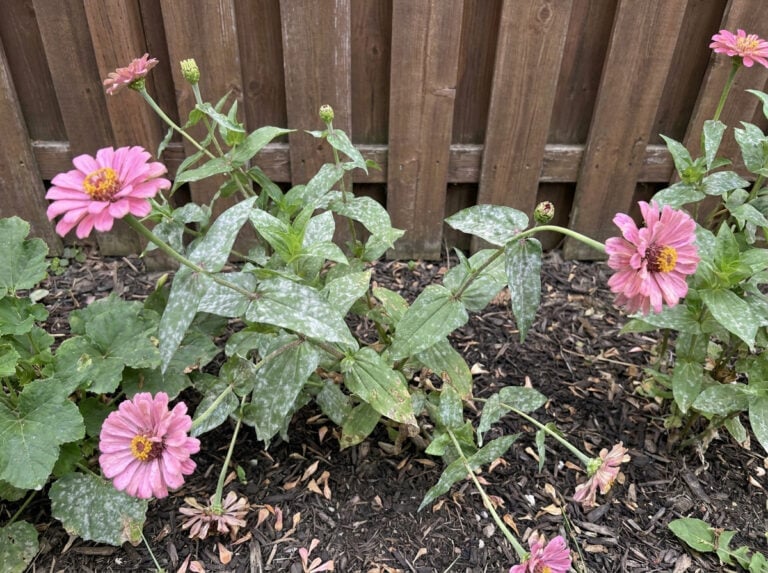
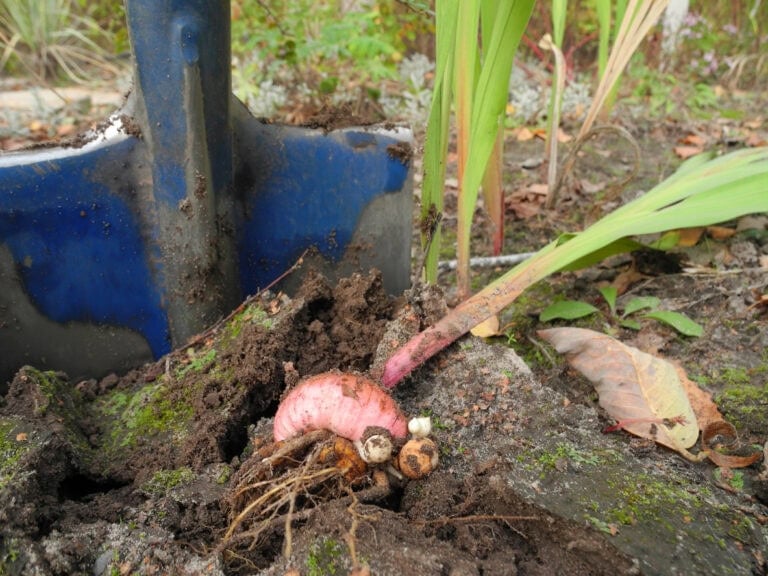
Just a few days ago, I noticed that one of our readers on Facebook asked if she should deadhead her roses after they bloom or not. Unsurprisingly, this seems to be a confusion most new gardeners have.
While we did write back to her separately, I thought I’d address this topic in a detailed article because this concern tends to bother many new rose growers. Let’s dive right into it, shall we?
First Of All, Deadhead Vs Pruning

When I was young and accompanied my mom in the garden, it never occurred to me that deadheading and pruning were two completely different things.
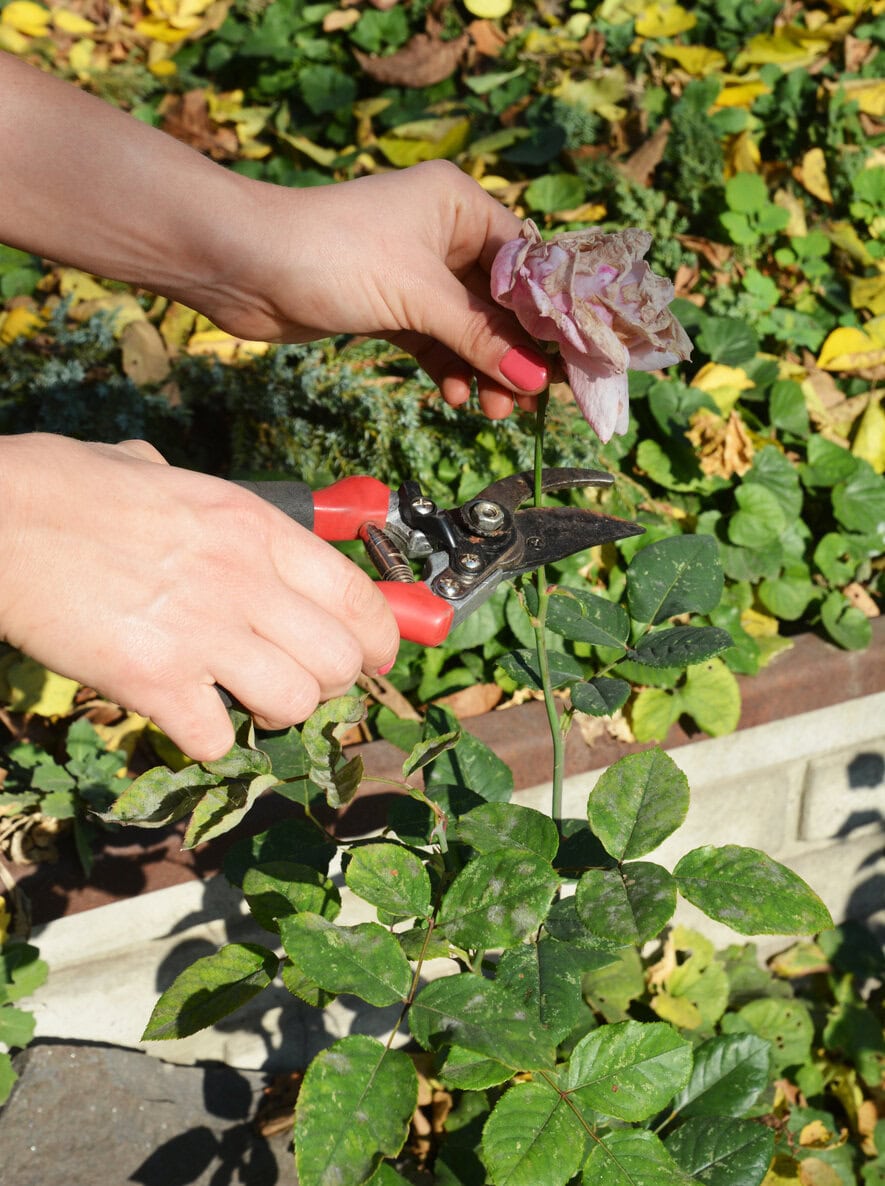
Whenever my mom said it’s time to prune, I thought we’d be trimming down the messy bits of the plants. And honestly, deadheading looks a lot like that, you’re still cutting something off… But the purpose is completely different!
Many gardeners deadhead their plants throughout the blooming season up until early fall.
In terms of timing, heavier pruning is typically done in late winter or early spring. Lighter trims are much more suitable for warmer fall conditions.
If you’d like a step-by-step walkthrough, here’s a guide on how to deadhead roses for better blooms.
Should You Cut Back Roses After They Bloom?

Well, if I’m being honest…it depends!
Repeat-blooming Roses:

If you’re working with repeat-bloomers like Hybrid Tea, Floribunda, English roses, or Knock Outs, you can and probably should deadhead spent blooms throughout summer. Doing so will encourage continuous flowering.
That said, you want to pause all deadheading by early fall so that the plant can produce rose hips and prepare for dormancy. If you keep cutting later than that your roses won’t have enough time to form hips before frost!
Friendly reminder: Leaving those last blooms to turn into hips doesn’t just help your roses harden off for winter, the hips also feed birds and add beautiful winter interest in the garden.
Once-blooming Roses:

Many rose varieties like old garden roses, ramblers, and certain climbers only need a light trim after they’re done flowering.
They bloom on old wood, so DO NOT make the mistake of pruning them too hard at once, or you’ll remove next year’s blooms as well.
Quick note: Some climbers are also repeat-blooming. So, always check your variety before cutting!
General Rules For All Roses In Late Summer / Early Fall
Just To Recap…

For tips on timing and fertilizer types that really help roses thrive, check out this guide about when and how to feeding roses for thriving blooms.
Can You Prune Roses Lightly In Late Summer?

While it isn’t something I typically recommend, you sure can prune your roses lightly in late summer…only if you feel a serious need for it. It can help tidy up the plant, control plant size, and remove diseased or weak wood.
Still, late summer pruning isn’t ideal, since roses often struggle to recover in the lingering heat, even if it’s on the milder side.
If you’d like to go all-in with your pruning and plan out your cuts, I’ve got a full rose pruning guide you can follow.
Minor Tasks To Pay Attention To

Want a little soil boost? Here’s how to use coffee grounds to help your roses grow stronger and healthier.
Let’s Conclude

To the lovely woman who posted her innocent query on our Facebook, I hope you found your answer. And, I hope all you confused rose growers learned something from this article as well.
Being an avid rose grower, I know what it’s like when you feel stuck during a certain rose-growing stage and your plant doesn’t seem to be getting any better. However, with a little intention and some focused effort on improving gardening knowledge, things will eventually start to improve.
Now, it’s time for you to practically implement what you just learned and make the decision to either deadhead or cut back your roses this coming fall!