

I’ve said this many times, and I’ll say it again, roses are perhaps the most popular flowers on this planet, with sunflowers or tulips probably coming in second and third.
If you’re looking to grow bigger and better roses this summer, you’ve come to the right place for guidance!
Today, we’ll be discussing 9 super tips that will help you achieve bigger rose blooms in the summertime. But, first…
Why Do Roses Need Extra Care To Bloom Their Best In Summer?

Well, contrary to their soft and delicate appearance, roses are actually quite hardy and reliable.
However, they don’t really appreciate blasting heat and sunlight constantly stressing them out and hindering their blooming ability.
For maximum blooms, they require specific care that will help them through common issues like leggy growth, small buds, and poor flowering.
Small adjustments in your care routine can make a big difference in terms of reenergizing your rose blooms and getting them to grow bigger in size.
9 Super Tips To Get Bigger, Healthier Rose Blooms

Tip 1: Feed Your Roses Regularly
Get your hands on a balanced, bloom-boosting fertilizer and feed your roses with it once every 4-6 weeks, ideally.
If you don’t want to spend money on specialized fertilizers, steep regular banana peels in water for 2-3 days to make a simple liquid fertilizer.
Water your roses with this once every 2-3 weeks during the blooming season for the best results.
I explain in this article how and when to fertilize roses (the right way).
Tip 2: Deadhead Spent Blooms Often

Deadheading spent blooms means getting rid of flowers that have already bloomed and wilted.
Deadheading encourages the plant to produce more flowers instead of going to seed early, potentially leading to more roses in the next blooming season.
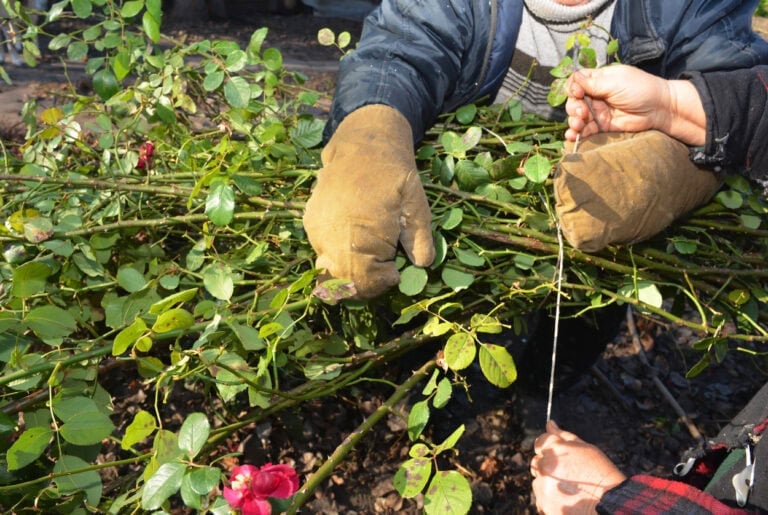
Tip 3: Prune Strategically In Early Spring

When it comes to roses, pruning should be done like any other plant out there, with great precision and care.
One bad or imprecise cut increases the risk of fungal infection exponentially. You want to remove weak or inward-growing stems to improve airflow and boost flower production.
You can learn here the right way to prune your roses.
Tip 4: Water Deeply & Consistently

Regardless of the rose variety you’re working with, water is essential for getting your plants to grow stronger and healthier like they should.
Deep watering 1-2 times per week should be sufficient. However, try your best to avoid overhead watering to reduce the chances of disease.
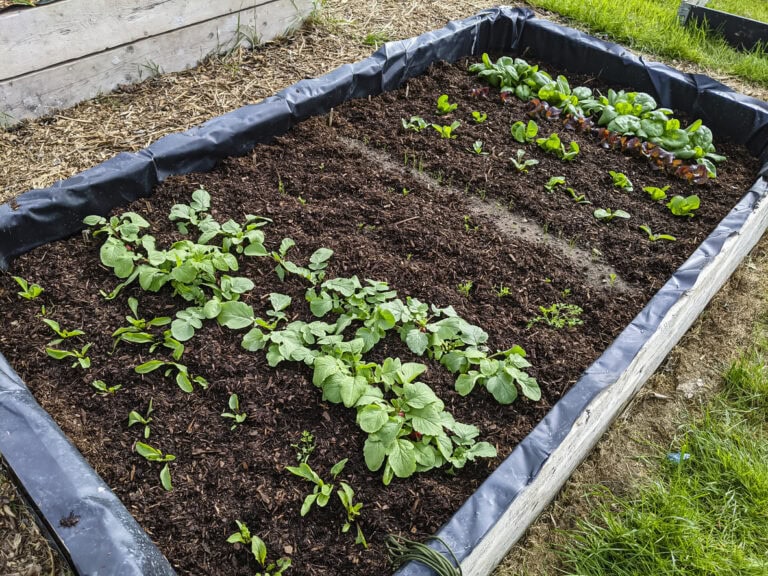
Tip 5: Mulch To Keep Roots Cool

Weeds can be a real danger to stable rose plant growth. They suck resources and nutrients away from the soil, leaving your rose plants drained and miserable.
Use organic mulch around the base of your plants to retain moisture and reduce weed competition.
Tip 6: Ensure They Get Enough Sun
Roses thrive in warmth and sunlight.
A good 6 to 8 hours of full sun exposure on a regular basis should get the ball rolling towards healthier plant growth and eventually bigger, more vibrant blooms.
Remember, no sun = no blooms!
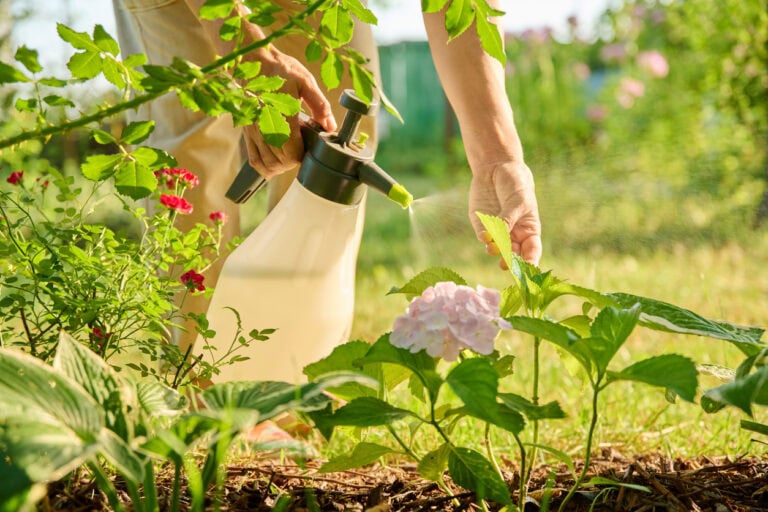
Tip 7: Watch For Pests & Disease Early

If you find your rose plants dealing with aphid infestation, black spot, or powdery mildew, which are some very common issues with roses, take immediate action and treat these issues as a priority, as they could potentially lead to severe bloom loss.
Tip 8: Choose The Right Rose Variety For Your Climate
Always choose the rose variety for your garden in accordance with your region’s climate and overall temperature conditions in different seasons.
There are tons of different varieties to choose from; some hybrids bloom better in certain zones.
For summers, consider going with repeat bloomers.
Tip 9: Add A Midsummer Boost
If you want to give your rose plants that extra extra boost for the summertime, consider doing so around mid-season by applying either liquid seaweed or compost tea to give the roses a gentle push during peak bloom season.
Before you leave, also check these companion plants for roses.
Conclusion
So, there you have it, nine super-duper useful tips that can help take your rose blooms to another level in terms of size and overall perkiness.
Now, the only thing that matters is how well you execute these tips to improve your roses because, frankly, execution is everything in the garden.
Think it through, time it right, and handle everything with a touch of gentleness, and you’ll do just fine!




I have knock out roses. Do I follow the same care for them as listed above in your very informative article here! 🌹
Hi Rory! 😊 Yes, Knock Out roses follow similar care, but they’re a bit more low-maintenance. Still:
🌹 Prune in early spring to shape and remove dead wood;
☀️ Give them full sun for the best blooms;
🌿 Use a balanced fertilizer regularly during the growing season;
💧 Water deeply, but not too often.
They’re tough and bloom like champs with just a little love! ✨
Hi Rita, great tips here. I’m having a bit of an aphid overload. Trying not to use big spray as I have a lot of birds visiting. How do I get rid of them safely, any tips?
Hi Jane! 😊 So glad the tips helped, and I hear you on the aphids! If you’re avoiding sprays (totally get it with the birds around), here are a few safe options:
🌿 Blast them off with water. A strong spray from the hose can knock them off without harm;
🐞 Attract ladybugs or lacewings, they’ll feast on aphids naturally;
🌱 Use a mild soap spray (like a few drops of dish soap in water) just test it on one leaf first;
🌼 Plant companion herbs like dill or fennel nearby, they attract aphid predators.
Hope your roses bounce back soon! 🌹✨ Let me know if you need help mixing a safe spray!
my rose bushes were covered with japanesse beetles this summer. how should i get rid of them??
Hi Cheryl! Ugh, those beetles are the worst 😣 I’ve had luck knocking them into a bucket of soapy water early in the morning when they’re sluggish. Also, planting garlic or chives nearby seems to help a bit! Just skip the traps, they attract even more. 😅
Mine leaves have black spots what is the best thing to do not seeing any bugs
Hi April 🙂 Black spots without bugs usually points more to a fungal issue like black spot, especially on roses. I’d remove the worst affected leaves, clean up any fallen leaves under the plant, water at the base instead of over the leaves, and improve airflow if you can. If it keeps spreading, a rose-safe fungicide may help more than pest sprays.
Hello Rita,
I throughly appreciate all your tips on all plants.
I’m having trouble with my roses. Big dark spots and yellowing leaves. I’ve sprayed with need oil. I use banana water for fertilizer. Living in the deep south, you never know about the rain. I hope you can help me. Thank you
Hi Terry 🙂 Thank you, I’m glad you enjoyed it!
That sounds a lot like black spot, which is very common on roses in humid, rainy areas. I’d remove the worst spotted leaves, clean up any fallen leaves under the plant, water at the base, and keep as much airflow as you can. Neem oil can help with some pests, but it usually isn’t enough once black spot gets going. I’d also use a proper rose fertilizer instead of relying only on banana water, since roses need steady, balanced feeding to keep blooming well.