Most gardeners buy plants. Smart gardeners rip leaves off and build forests. It feels wrong, but growth requires a little trauma. Not yours, thankfully!
These are some of the easiest plants to propagate from a leaf, perfect for beginners or a surprisingly fun project with kids.
Socially Acceptable Cloning
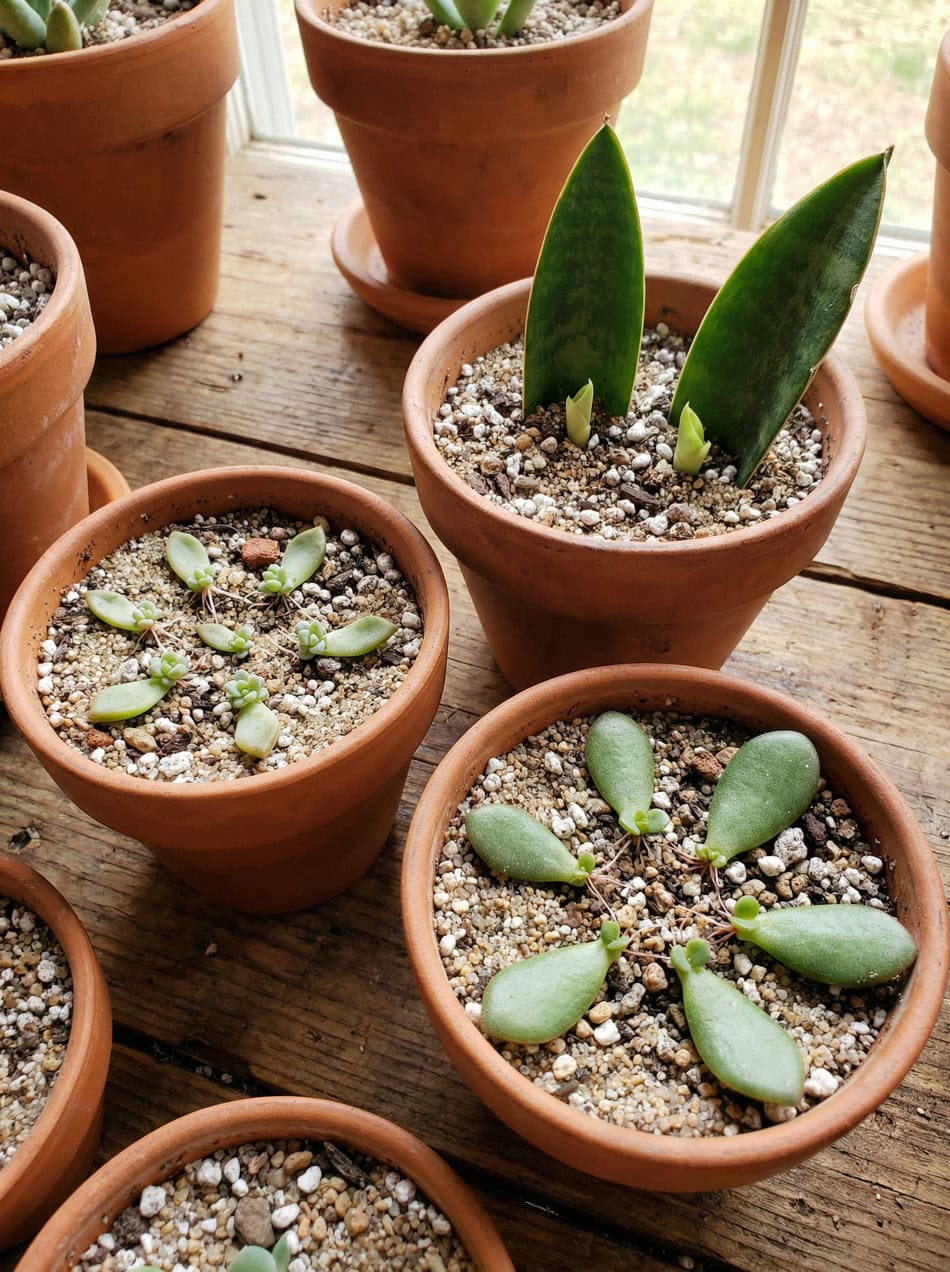
Plant parenthood gets a whole lot easier with these unbe-leaf-able replicas that flourish without a single seed or expensive nursery trip.
Most of these plants can be propagated indoors year-round, regardless of your USDA zone. Just aim for warm temperatures, bright indirect light, and patience.
1: Sedum (Stonecrop)
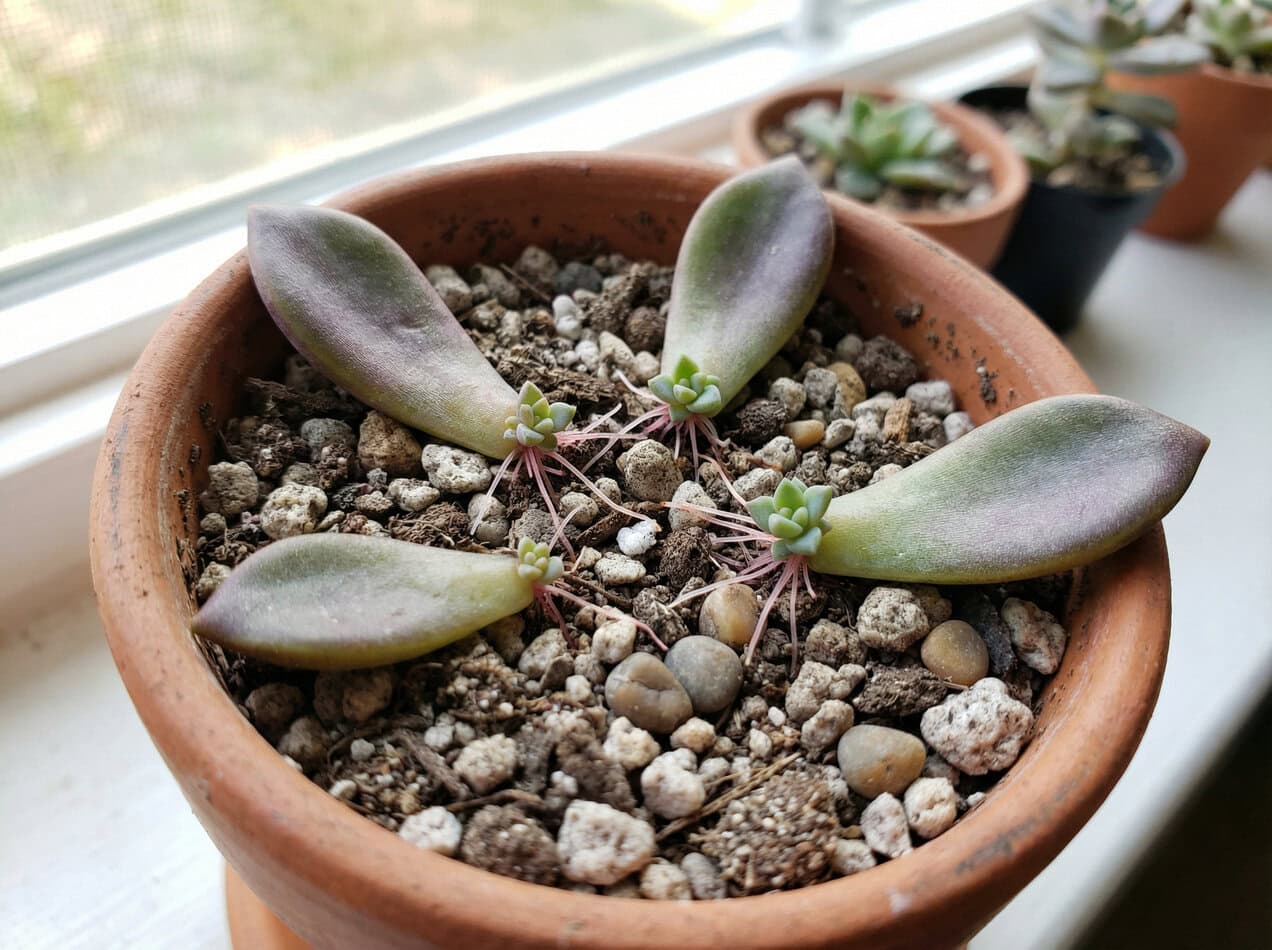
Propagating sedum from a single leaf is almost suspiciously easy.
Gently twist or pull a healthy leaf from the stem, making sure it comes off clean. Let it dry for a day or two to form a callus, then scatter it over gritty soil and leave it alone.
Tiny roots will emerge from the base, followed by miniature rosettes that look like perfect copies. No effort required, just a little patience.
How long to wait: 1-3 weeks for roots, with rosettes forming soon after
2: Violet
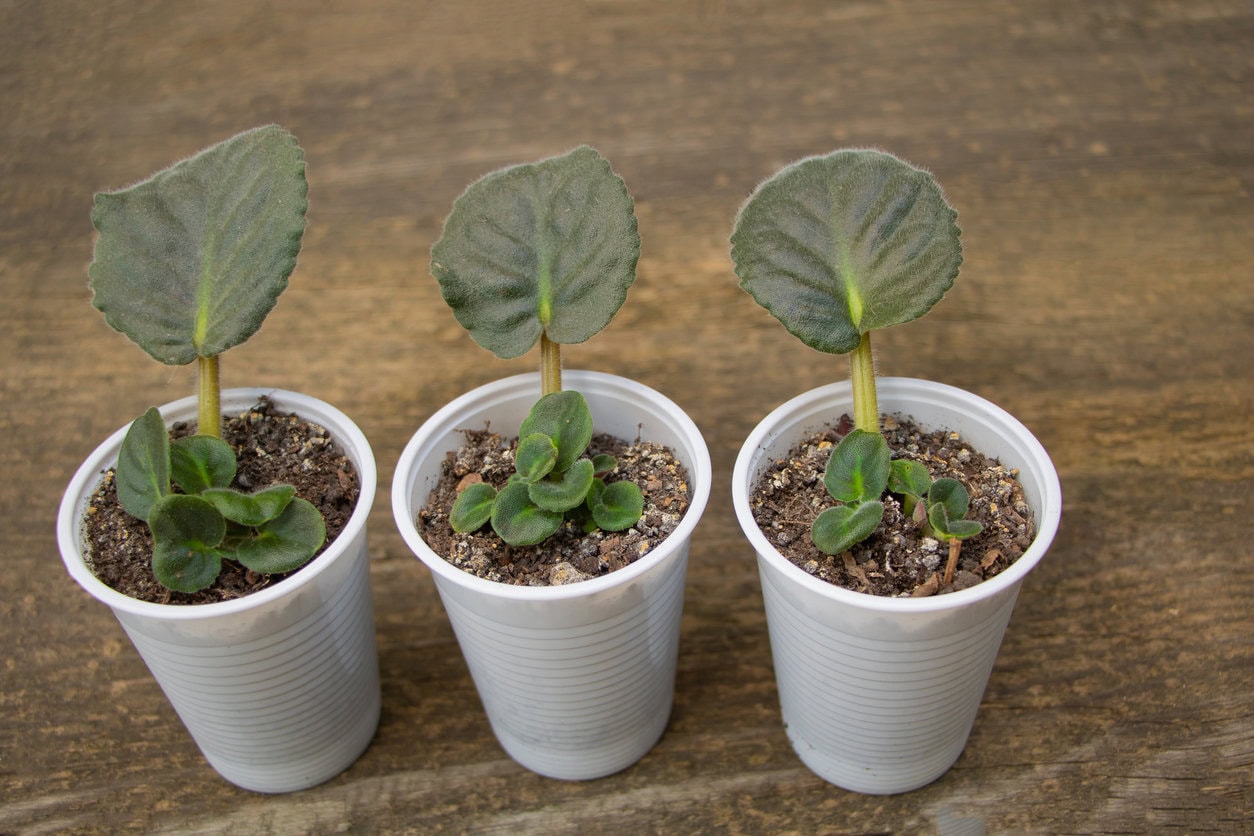
Choose a strong leaf from the secondary row, then trim its stalk to a half-inch nub. Firm the potting mix around the cutting to hold it in place.
Dirt-covered fingernails are the first sign of progress, but miniature leaves will appear only after a few weeks.
How long to wait: 3-6 weeks for new growth
3: Snake Plant
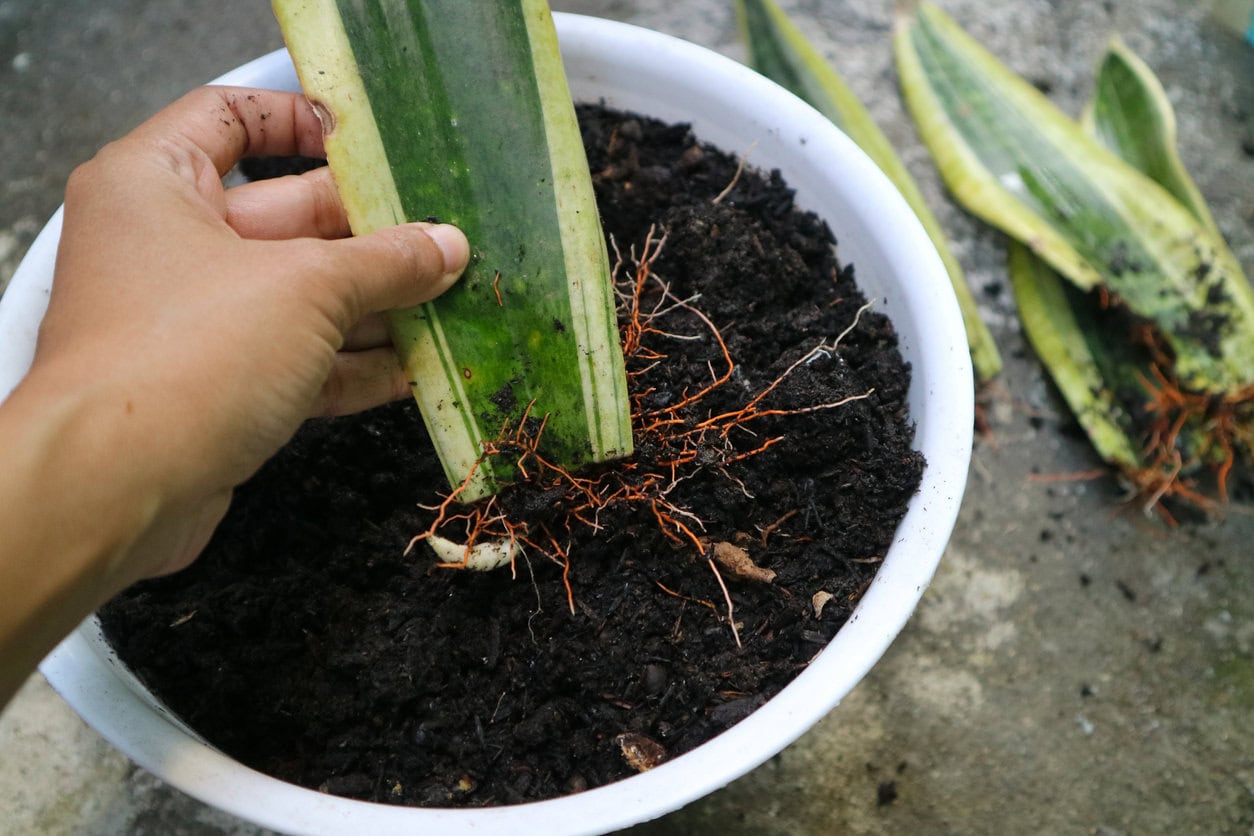
Vertical spikes survive even after a horizontal chop. Slice one long leaf into three-inch segments, keeping track of which end is the bottom, then wedge the pieces into sandy grit.
Roots will emerge from the cut edge, eventually sending up a brand new spear. If a segment tips over, secure with small stakes.
How long to wait: 4-8 weeks for roots, 2-4 months for new shoots
If you want to try a few different methods, we wrote a full guide on how to propagate snake plants.
4: Peperomia
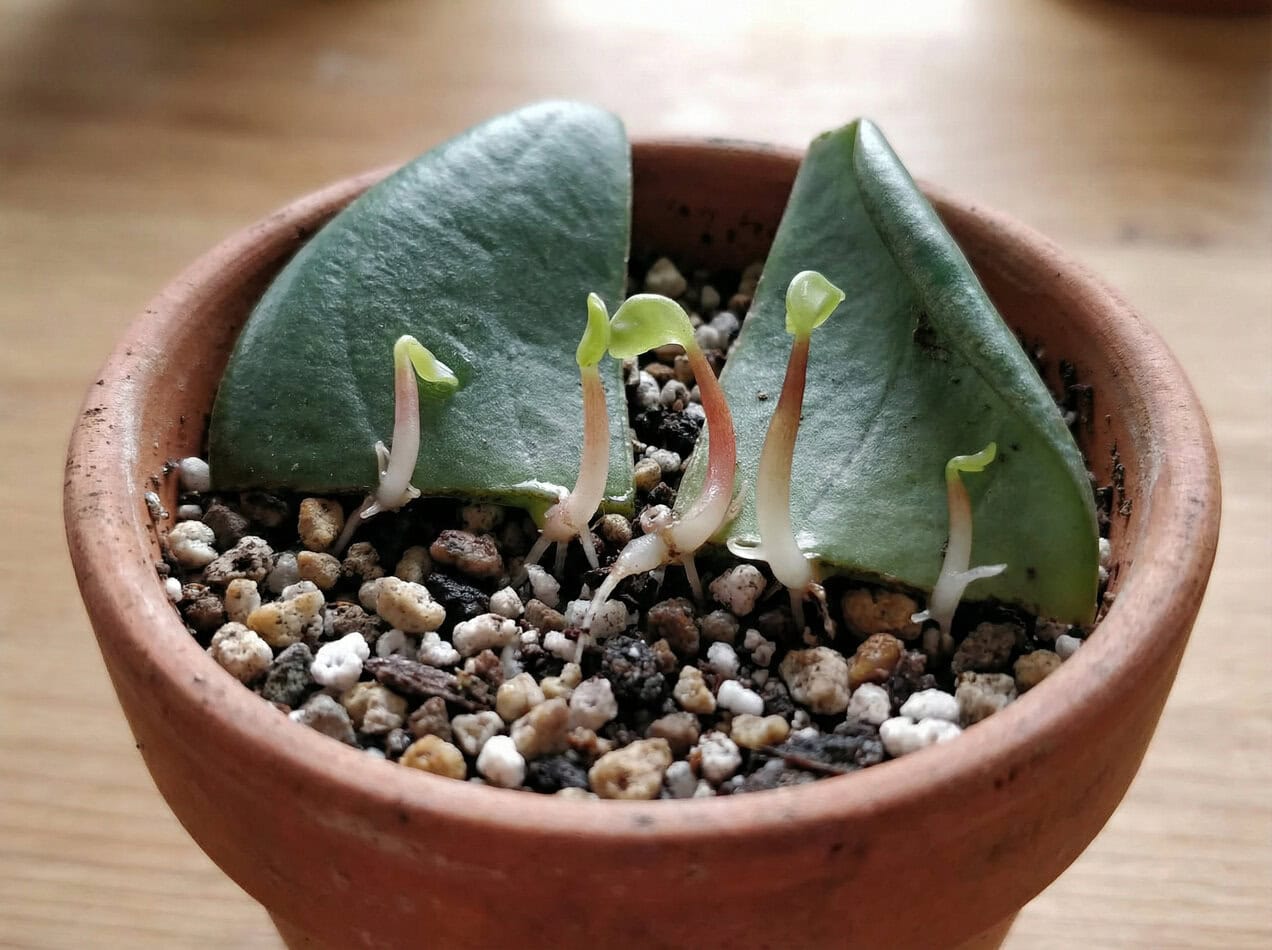
Split a thick leaf down the center to double your chances. Plant each half cut-side down and give them time to settle in.
In about four to six weeks, the surface will start to crowd. Once the new plants grow a couple pairs of proper leaves, move the strongest ones to their own pots.
How long to wait: 4-6 weeks for new growth
5: Jade Plant

Fleshy ovals hold enough moisture to survive a long journey toward independence. Gently twist a plump leaf off the stem, making sure the base remains intact, then let it rest on dry soil for a few days to callus.
A miniature succulent sprout will eventually draw energy from the parent leaf as it grows. It’s cannibalism, but at least the inheritance tax is zero. Don’t worry if the original leaf starts to shrivel, that just means it’s doing its job.
How long to wait: 2-4 weeks for roots, with growth following soon after
6: Begonia Rex
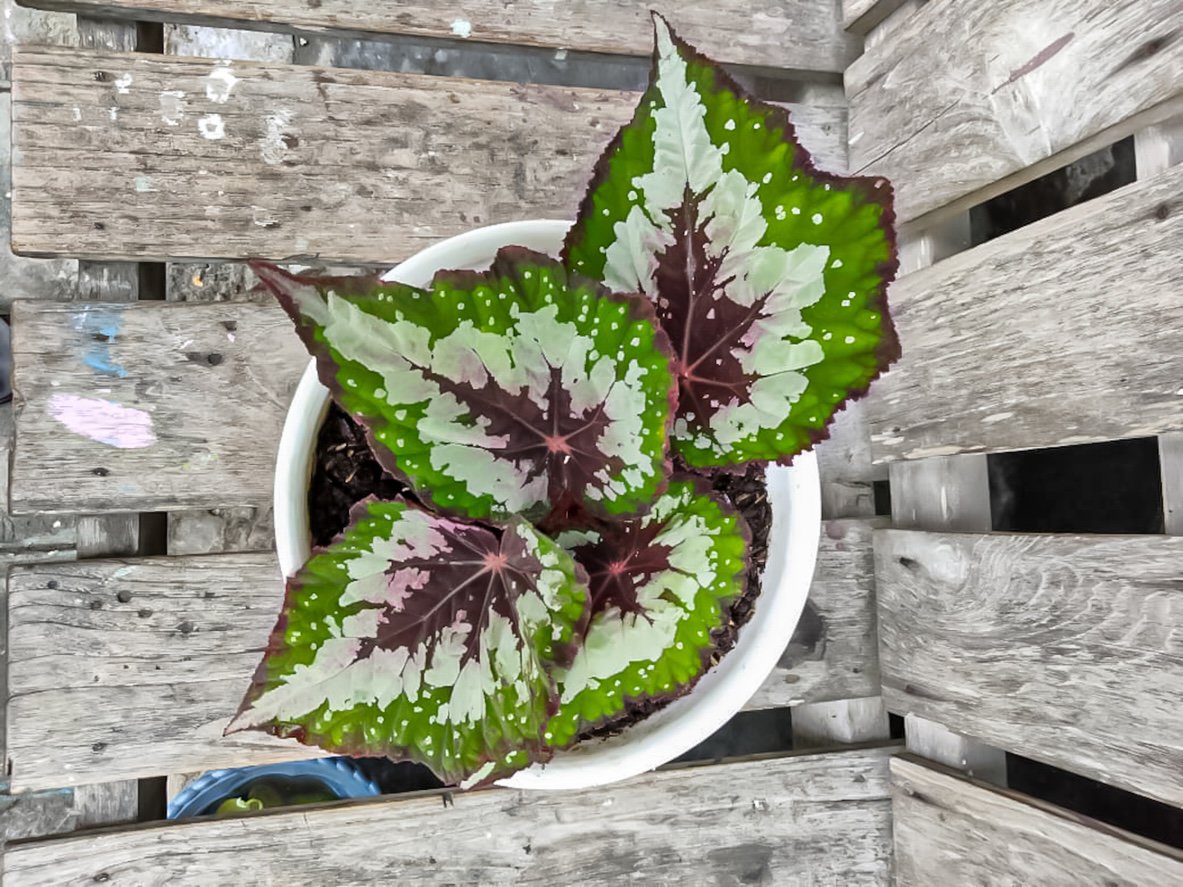
Flip a leaf over and slit the thick veins every inch, then pin it flat against moist peat using bent paperclips. Every cut can produce a new plantlet, as long as the tray sits in a warm, bright spot.
How long to wait: 4-6 weeks for plantlets
7: Kalanchoe
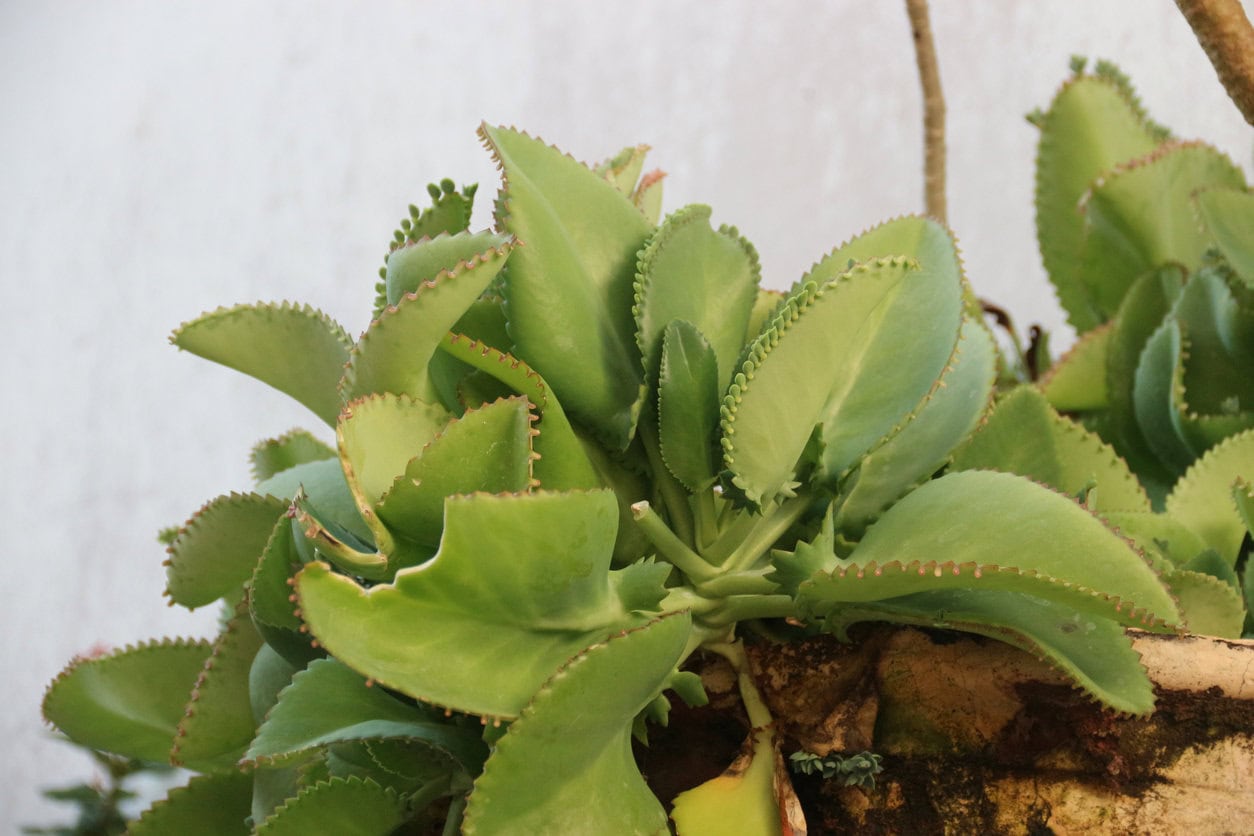
Why is no one surprised by the nickname Mother of Thousands? Tiny, fully formed plantlets line every single jagged leaf edge, ready to drop and root on their own.
Gently move these ambitious babies into a new, separate pot if they start crowding others. They’re invasive, much like my Great Aunt.
How long to wait: 1-2 weeks for plantlets
8: ZZ Plant
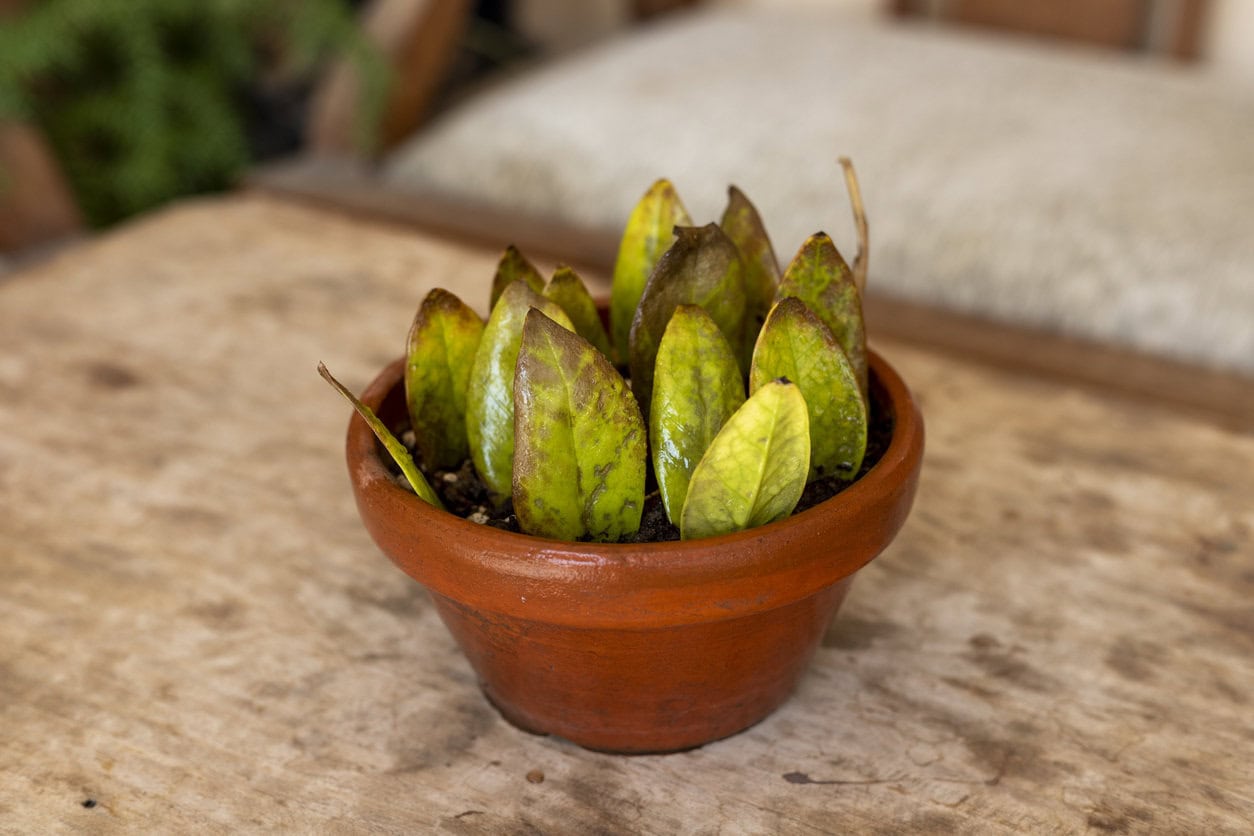
Plucking a single leaf from a ZZ stem starts a slow-motion marathon.
Insert it directly into a lightly damp mix of perlite and peat, then wait. It takes several months for the leaf base to swell into a small, potato-like bulb. Yes, you read that right.…
Your success depends on indirect light and a strict “less is more” watering schedule.
How long to wait: 3-9 months for noticeable growth
9: Donkey Tail
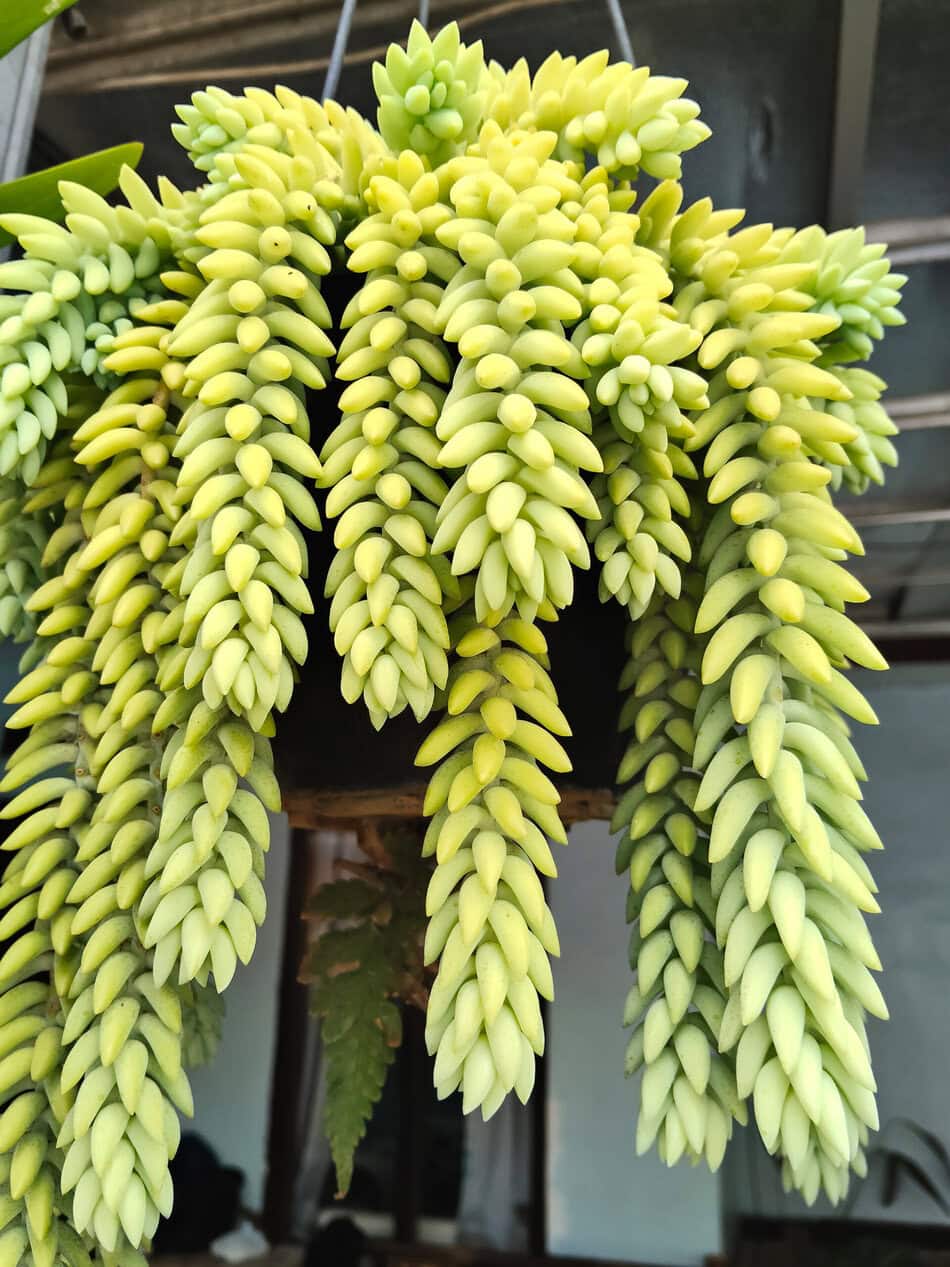
Accidental bumps turn into opportunities when blue-green beads of Sedum morganianum hit the floor. Every fallen piece is a standalone kit for a trailing vine.
Scatter them over a tray of succulent grit and lightly mist only when the soil is completely dry. Just don’t touch them. These pearls are as fragile and bruise easily.
How long to wait: 2-4 weeks for roots, longer for trailing growth
10: Echeveria
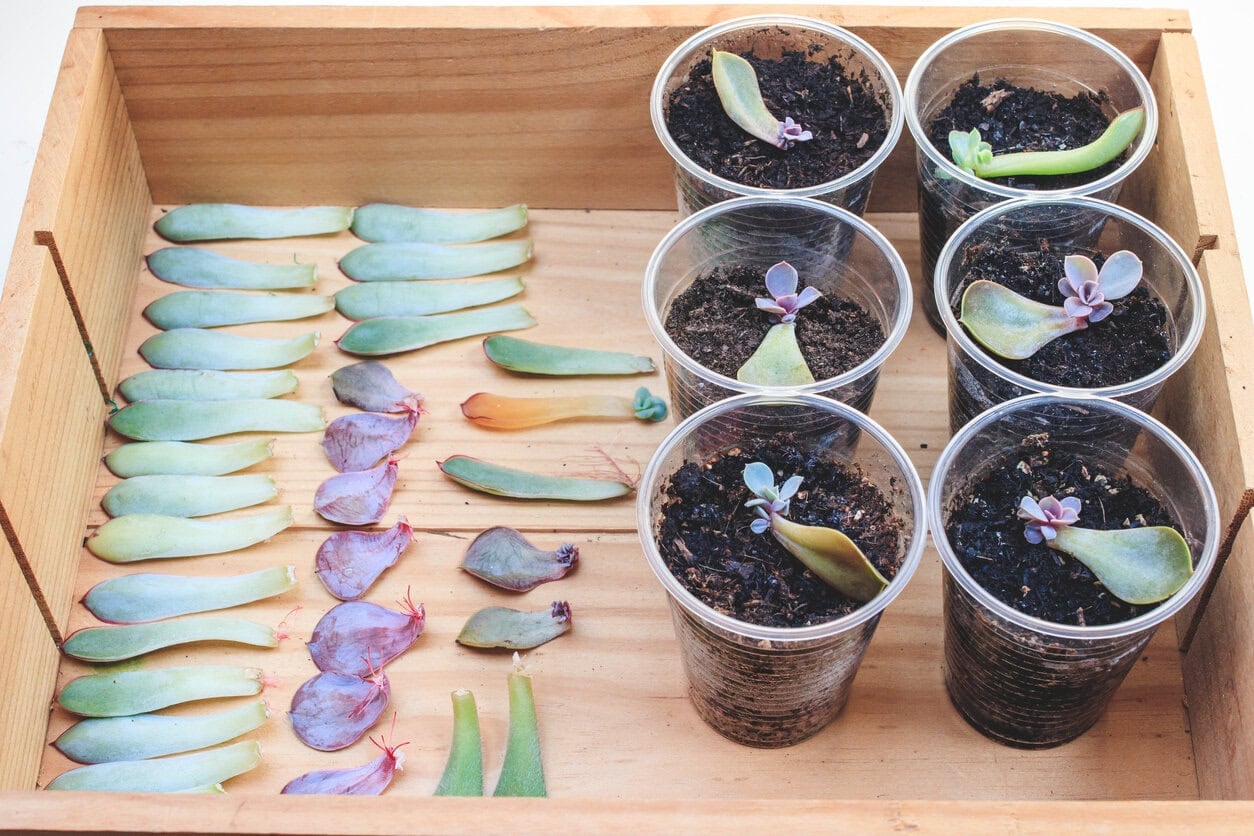
Petal-like leaves from these desert plants make cloning feel like a magic trick. Gently pull a leaf with a clean break (no jagged edges allowed!), then let it rest on gritty soil on a sunny windowsill.
Tiny roots will emerge, followed by a miniature rosette forming at the base. Keep it sitting on the surface. This rebirth rivals any mythical bird story.
How long to wait: 2-3 weeks for roots, with rosettes forming after
11: Cape Primrose
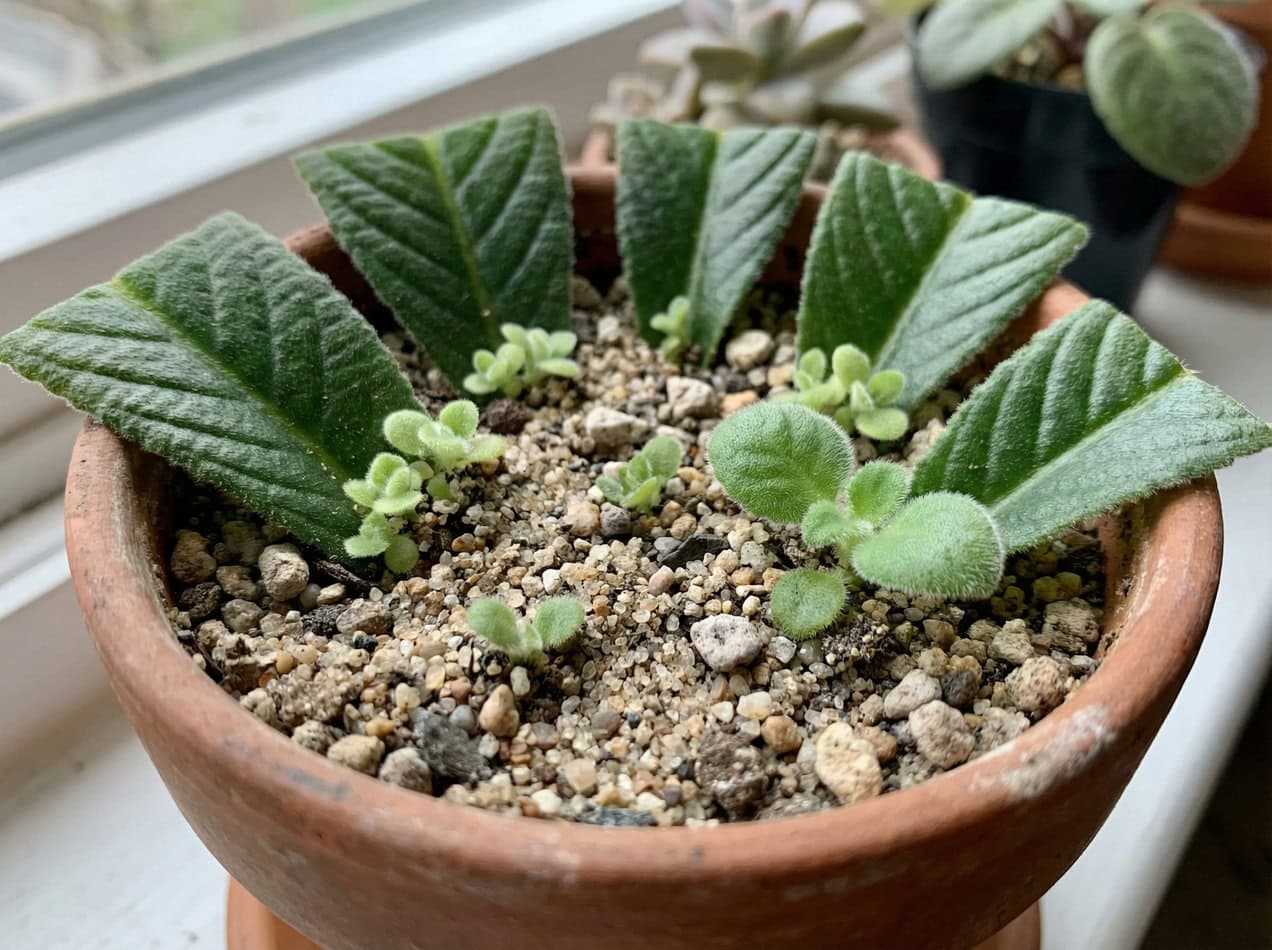
Long, strap-shaped leaves can be split down the middle to double your chances. Remove the thick center vein, then plant each half upright in moist vermiculite.
New plantlets will form along the cut edges. Once they’re about an inch tall, gently separate and pot them up.
How long to wait: 3-6 weeks for plantlets
12: Haworthia
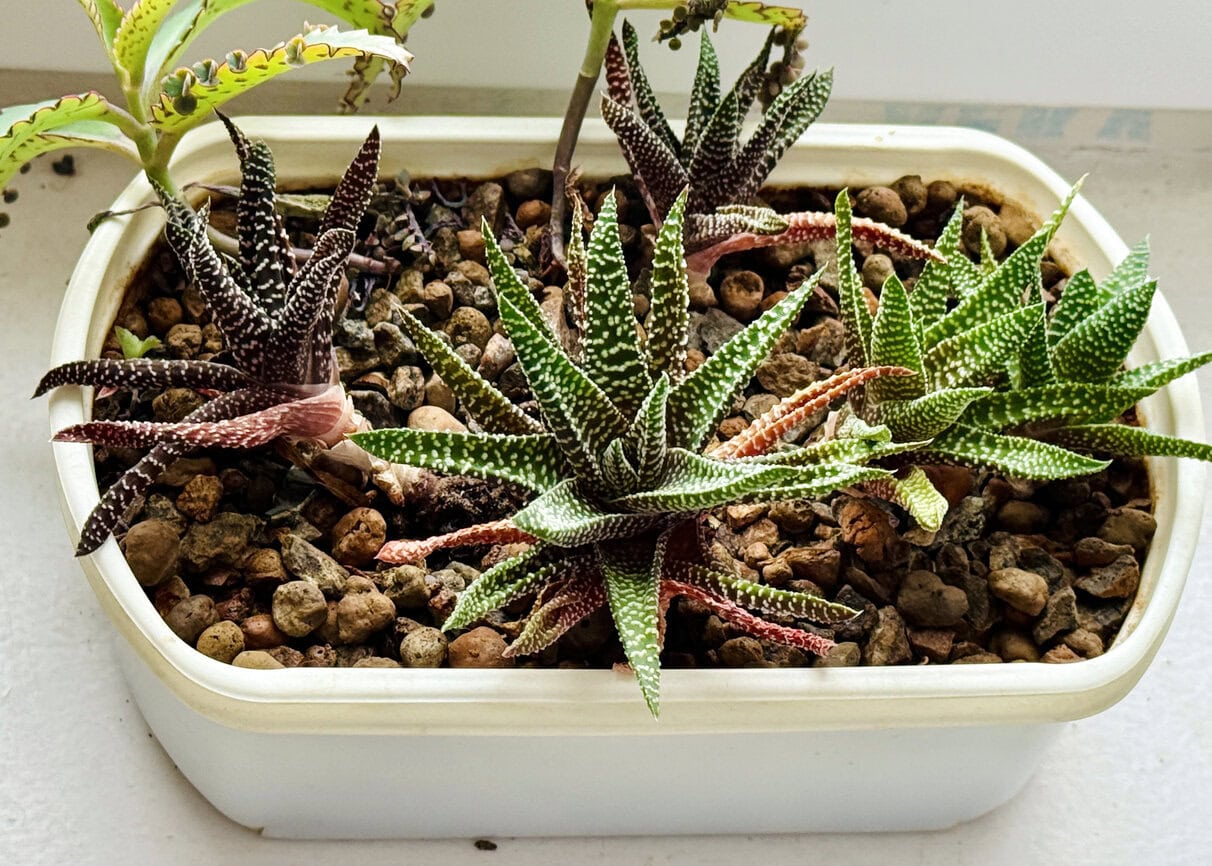
Zebra cactus rarely tolerates leaf propagation, preferring to grow from offsets instead. But if you insist, pull a leaf with a slight sideways tug to ensure the white, crescent-shaped base remains intact.
Let it dry on a shelf for about ten days. Then, place the calloused end on dry cactus soil. After that, settle in, it can take months before anything happens.
How long to wait: 3-6 months or longer
13: Ghost Plant
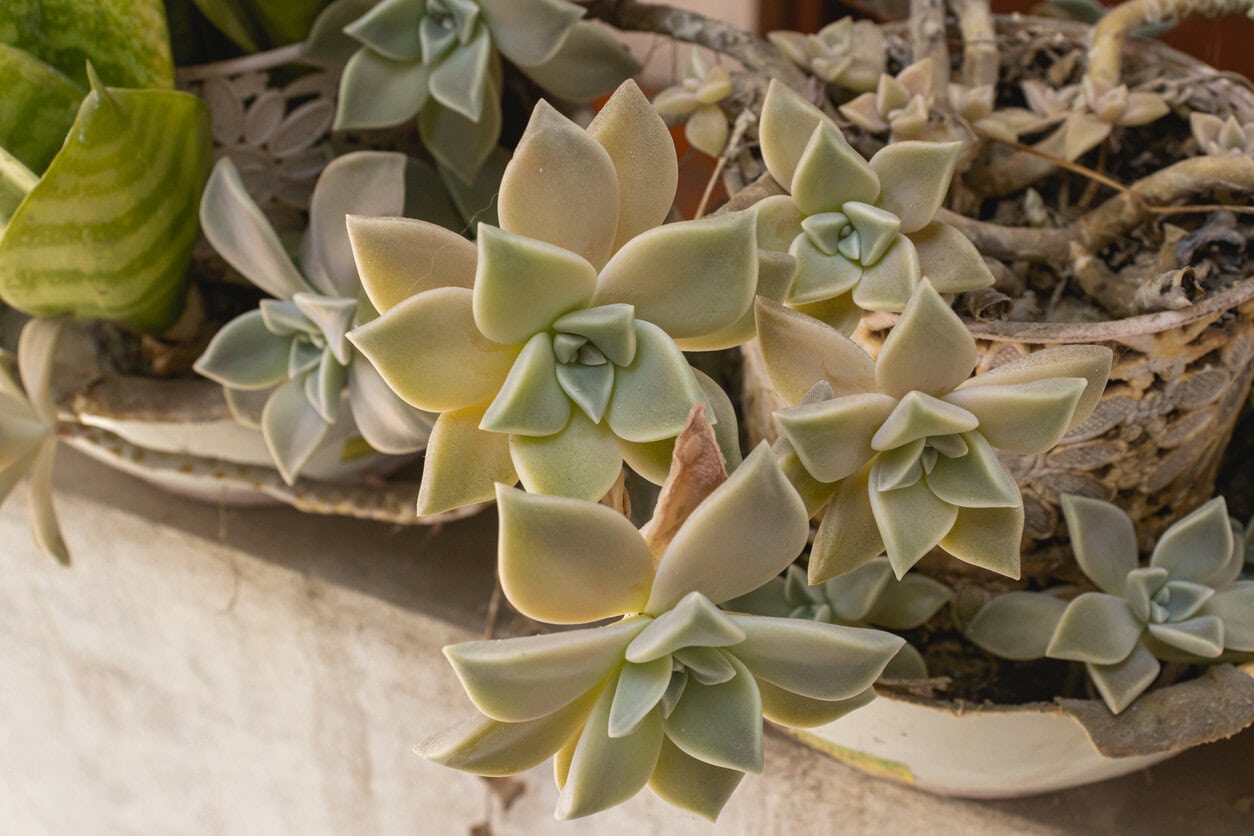
These iridescent rosettes practically beg to be replicated in a sunny spot. Leaves drop at the slightest touch and often root where they fall, no human intervention required whatsoever.
Propagate them intentionally by lining a tray with the fallen leaves and let them do their thing. You can move them to their own pots once you see small rosettes forming.
How long to wait: 1-2 weeks for roots, with rosettes forming soon after
14: Hoya Kerrii
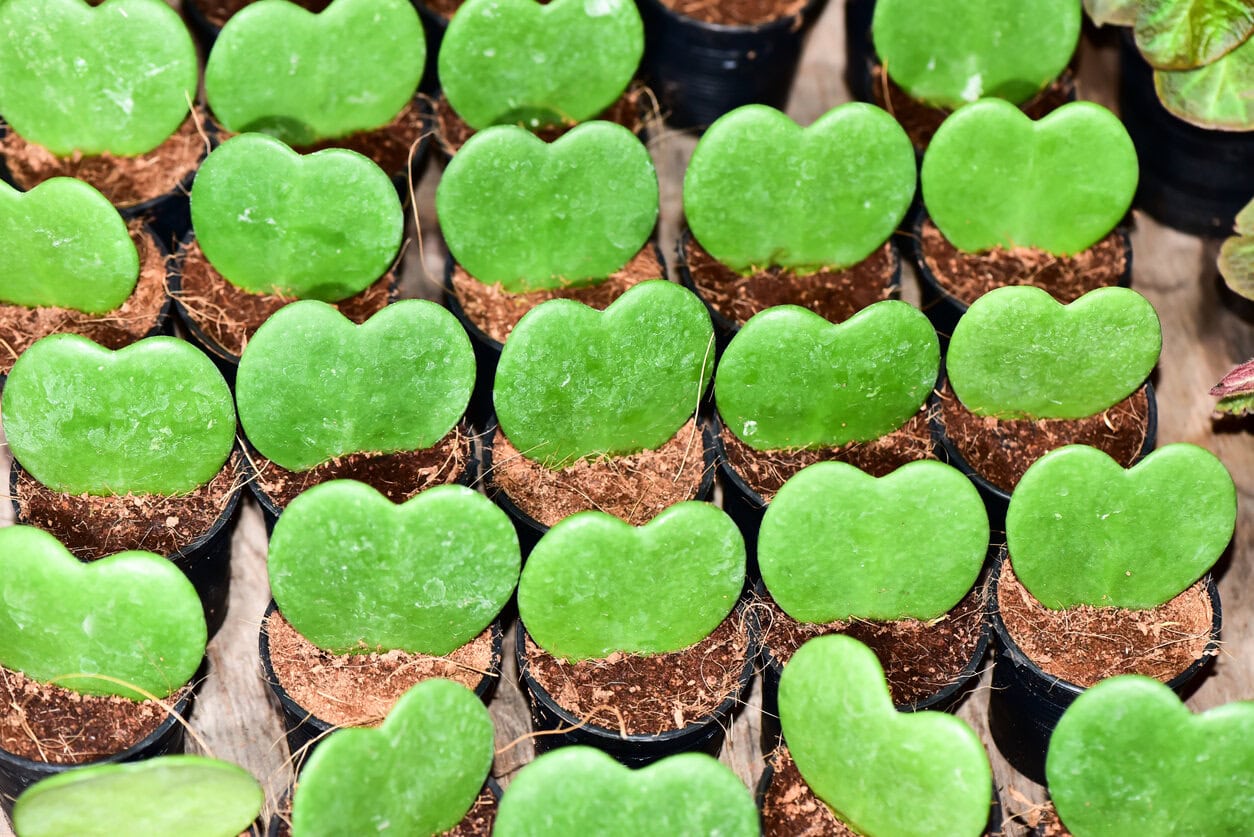
Single green hearts often sit in pots, looking adorable but going nowhere. To grow an actual vine, ensure your leaf includes a tiny piece of stem attached.
Keep the node submerged in moist moss or soil because, without it, you just have a leaf. With it, you get a climbing tropical beauty.
How long to wait: 4-8 weeks for roots, much longer for vine growth
Propagation Tips for Success
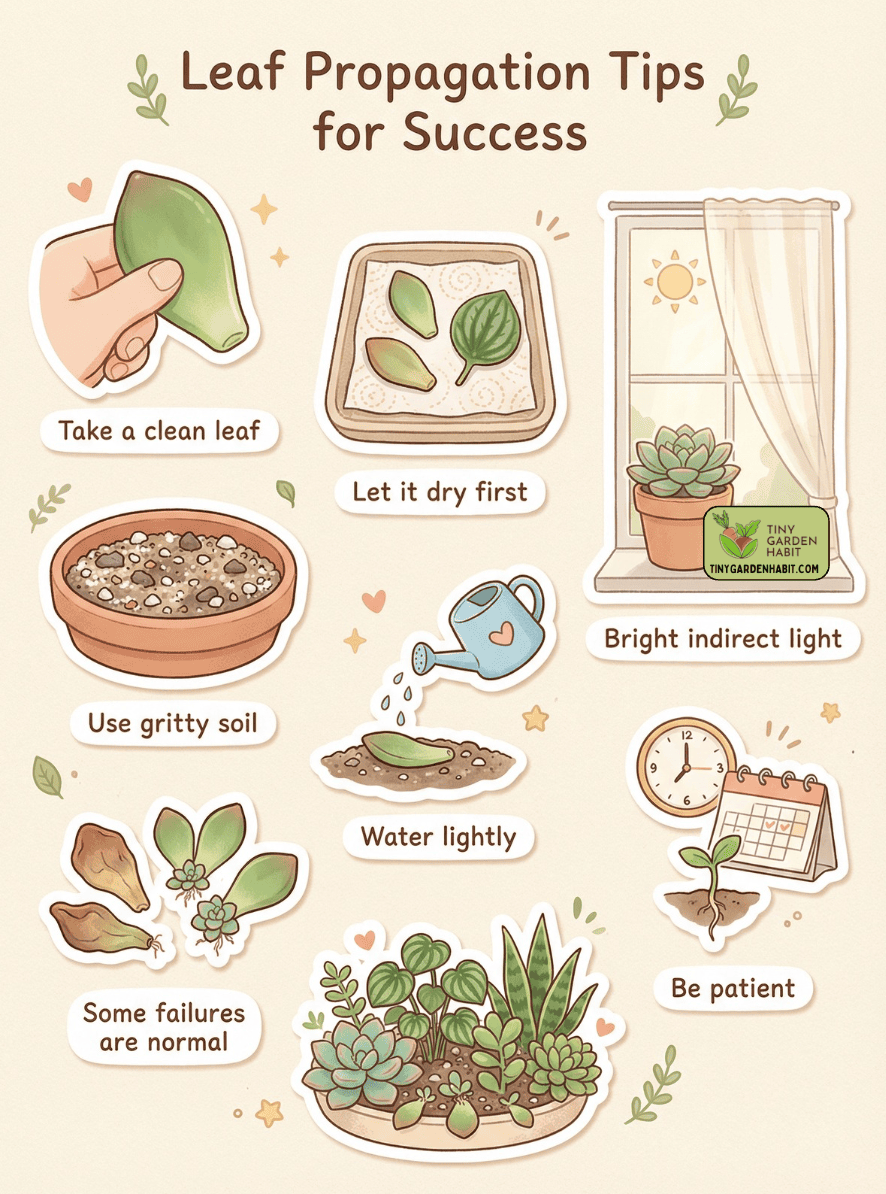
Leaf propagation isn’t difficult, but it does reward a little restraint and a lot of patience.
If you keep things simple and don’t rush the process, you’ll go from one plant to a small army before you even notice.
Perfect Mirrors of Their Parents
Leaf propagation is nothing but horticultural copy-pasting. You skip the genetic chaos of pollination to create a stable, although identical population. While cloning limits diversity, it guarantees your new sprouts do not fall far from the tree, like at all.
If you’re curious about water propagation, we also put together a guide on houseplants that grow faster in water than soil, it’s a fun way to speed things up with the right plants.