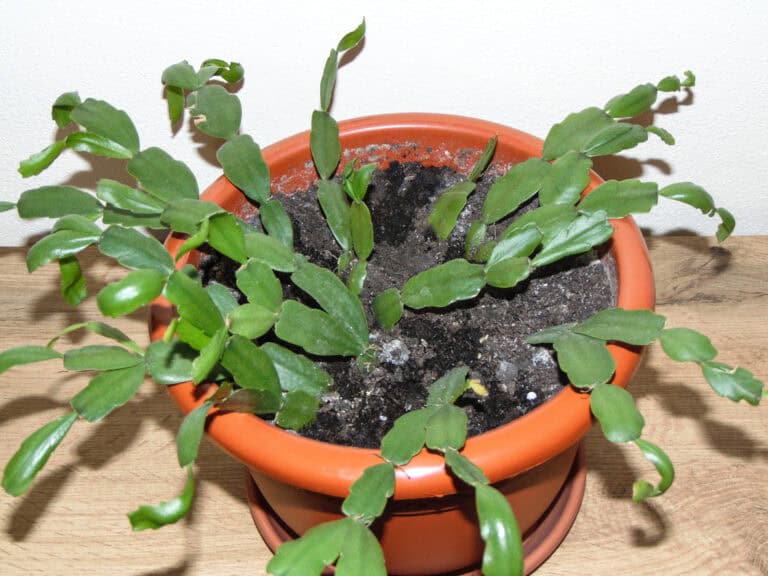
One concept I wish I had learned early on in my gardening journey is the value of growing plants that naturally fertilize the soil as they grow.
It might sound crazy, but some plants really do fertilize the soil for you!
In today’s article, we’ll be taking a look at these magical, productive plants in detail and trying to understand what makes them so special. Without any further ado, let’s dive right into the good stuff!
How Do Plants Fertilize The Soil Naturally?

Although I’m no botanist or scientist, I’ll try my best to make you understand the process in the simplest terms.
You see, certain plants out there, like peas and legumes, form a sort of connection or partnership with the soil bacteria that’s responsible for absorbing nitrogen from the air and making it available to the plants. As this happens, the surrounding soil gets fertilized too!
And if you’re working with tough ground, don’t worry, some vegetables thrive even in poor soil.
Plants That Basically Fertilize The Soil For You
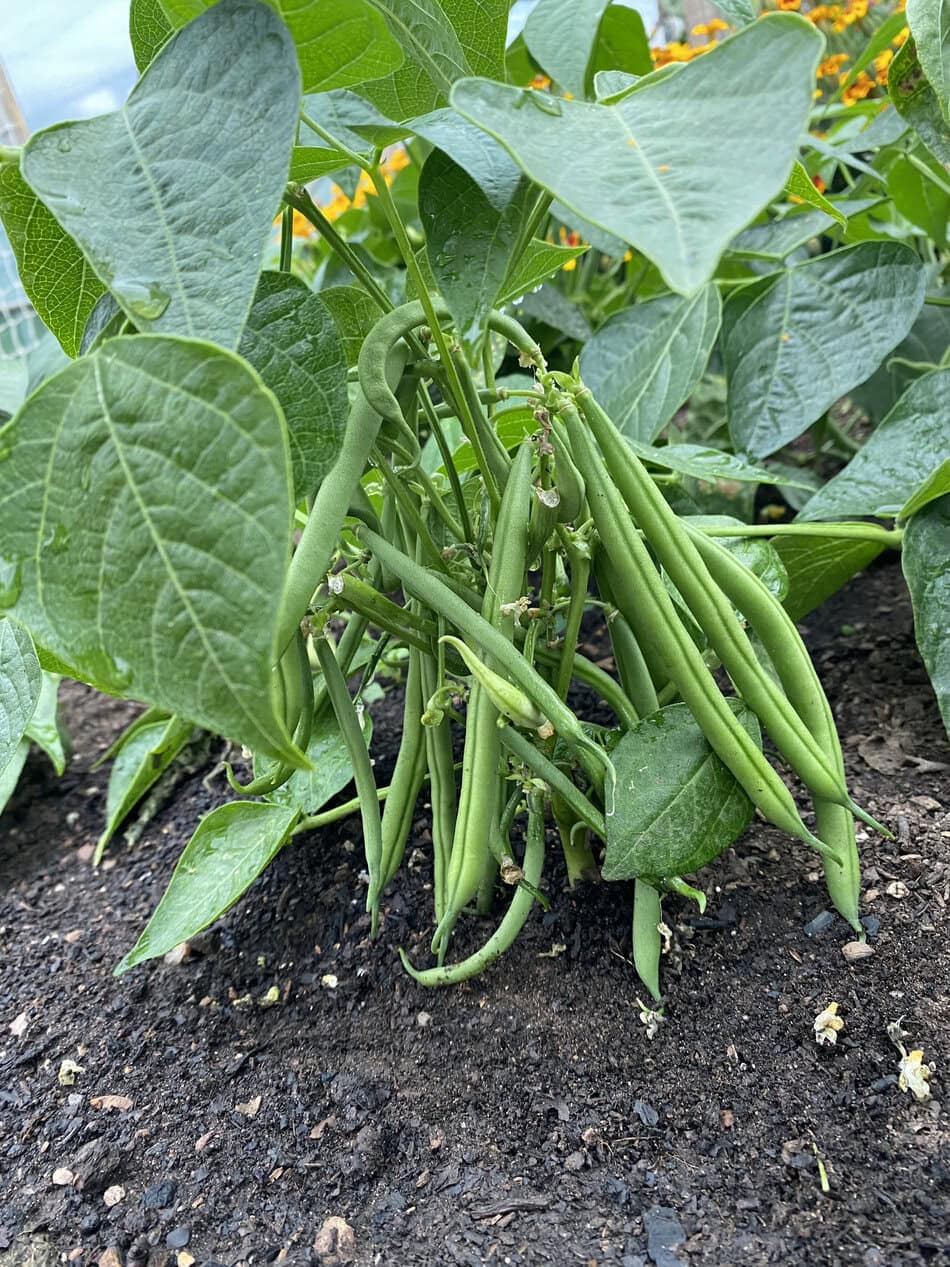
1: Clover
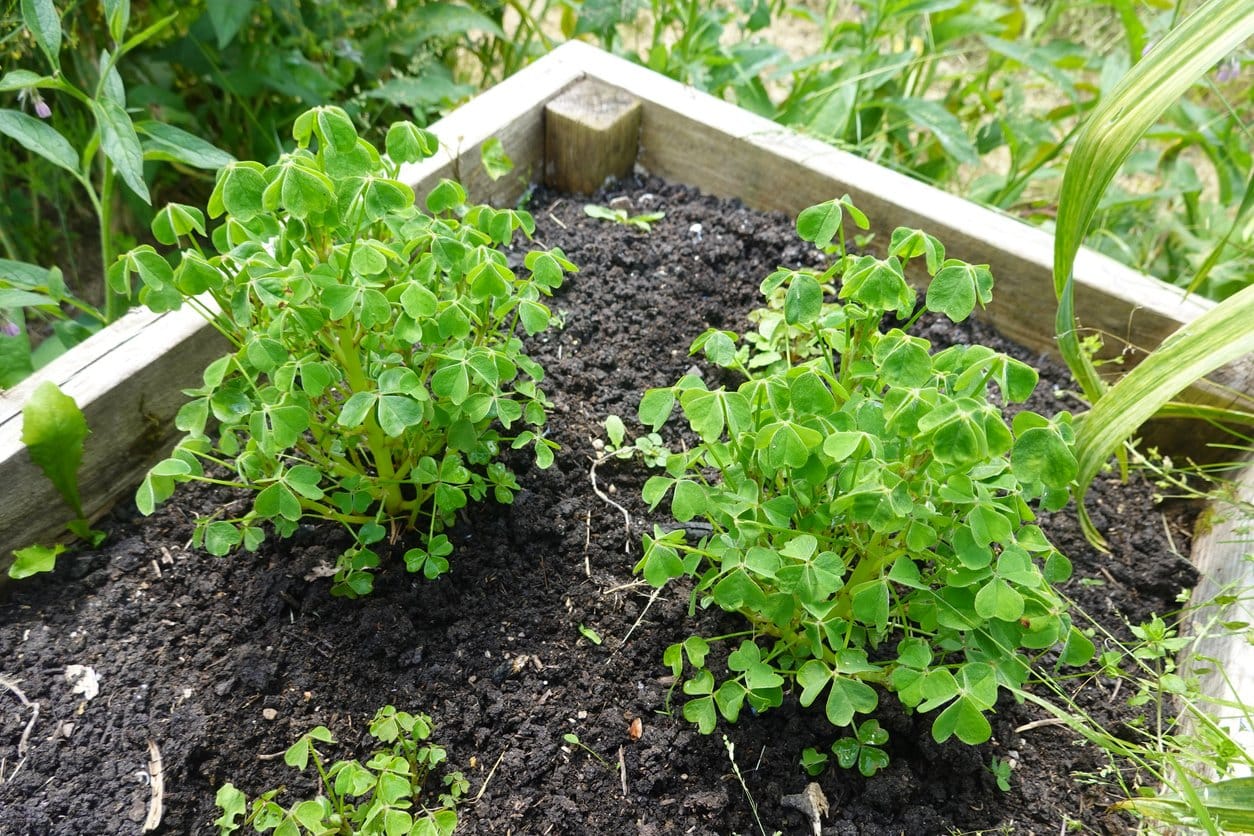
Clover works as an excellent groundcover with nitrogen-fixing properties as well as the ability to limit excessive soil erosion.
If you’re gardening in raised beds, you might also like my guide on plants that improve soil in raised beds.
2: Alfalfa
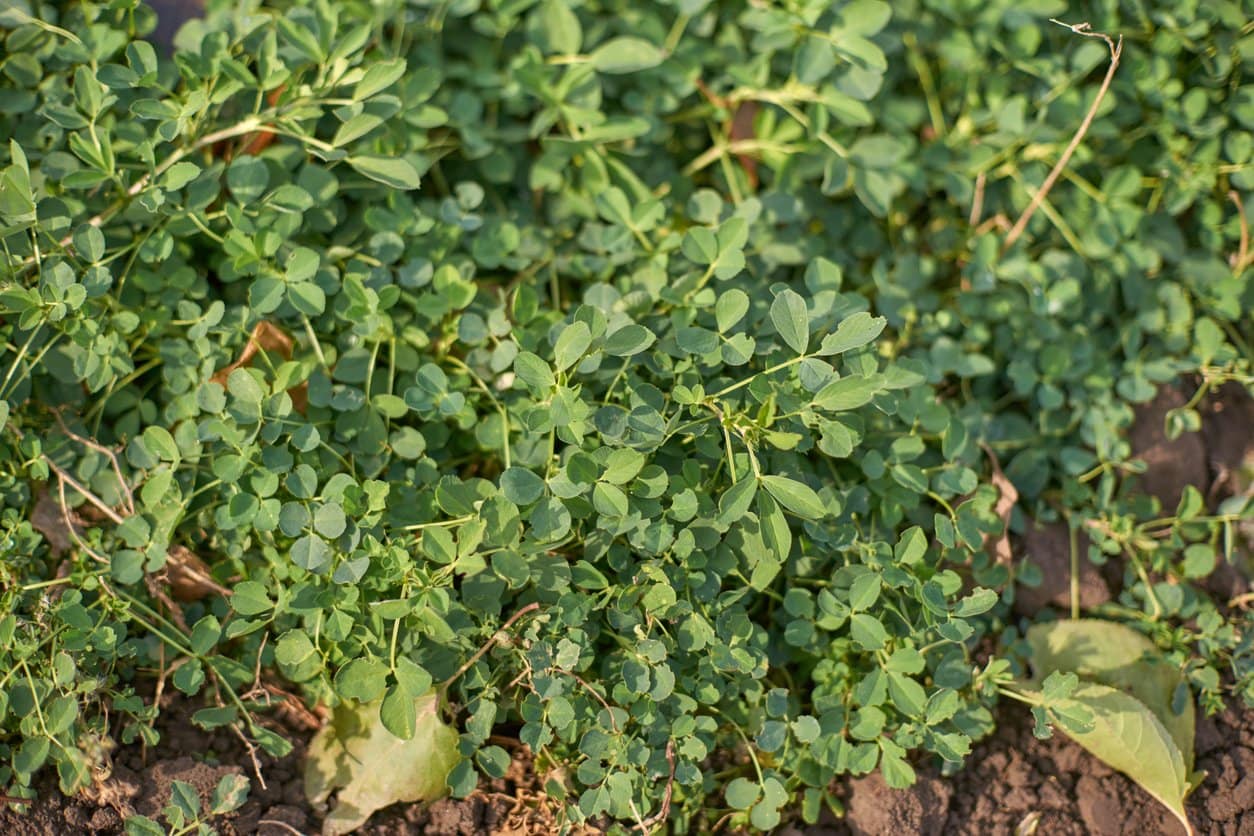
This plant has deep roots that not only take up nutrients but also fix nitrogen. Many gardeners even consider alfalfa as green manure because of how nutritious they are for the soil.
3: Peas

Peas are a soil-fixing classic. They’re super easy to grow, add productive nitrogen content to the soil, and the best part – they provide you with delicious harvests.
4: Beans

Another classic nitrogen-fixing plant. Beans, like peas, enrich the soil by introducing plenty of quality nitrogen while producing edible harvests at the same time.
I’ve also shared ideas for making organic fertilizers from kitchen scraps if you want to recycle food waste into plant food!
5: Vetch
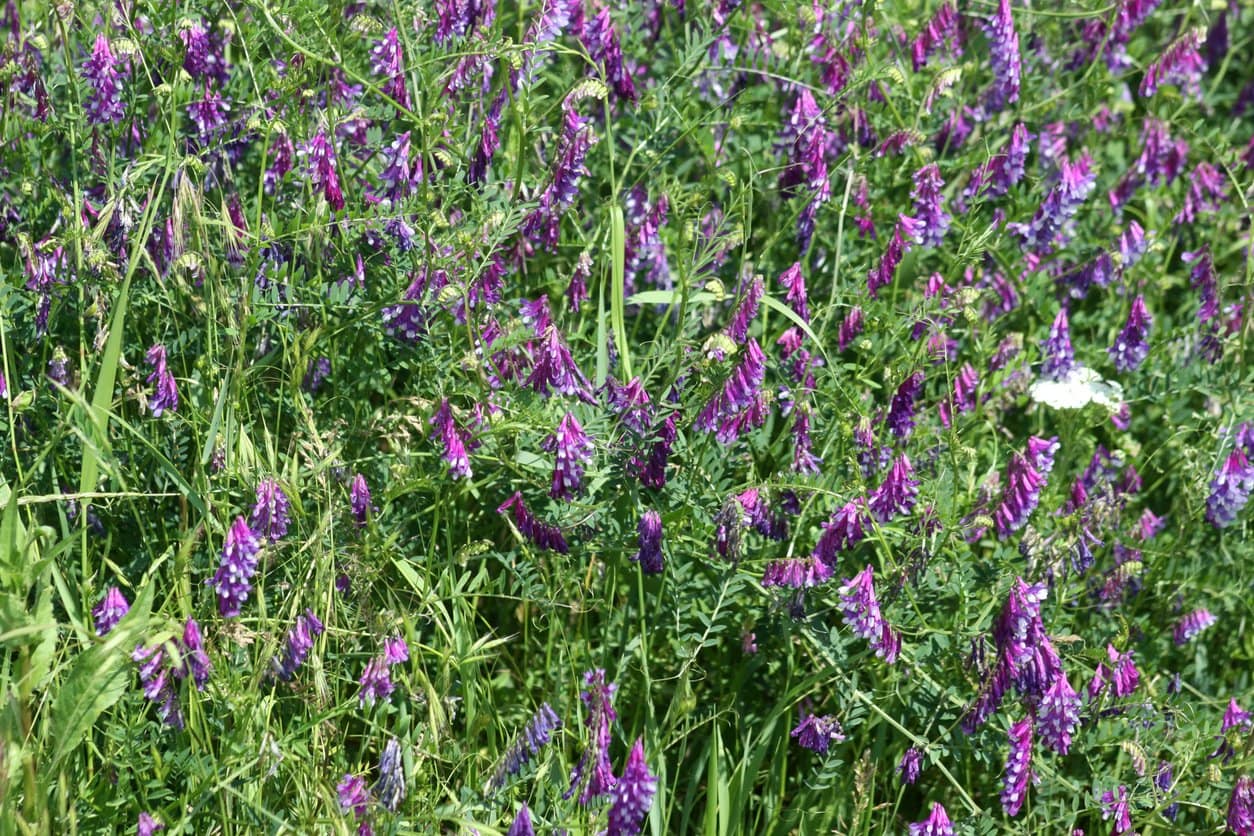
Vetch is grown as an old-school cover crop that spreads fast, suppresses weeds in the ground, and can fix nitrogen in the soil, making the land incredibly fertile.
Dynamic Accumulators / Soil Enrichers
Many gardeners swear by so-called ‘dynamic accumulators’ like comfrey and yarrow, though it’s worth noting that while their benefits are widely observed in practice, not all of the claims are fully backed by science!
6: Comfrey
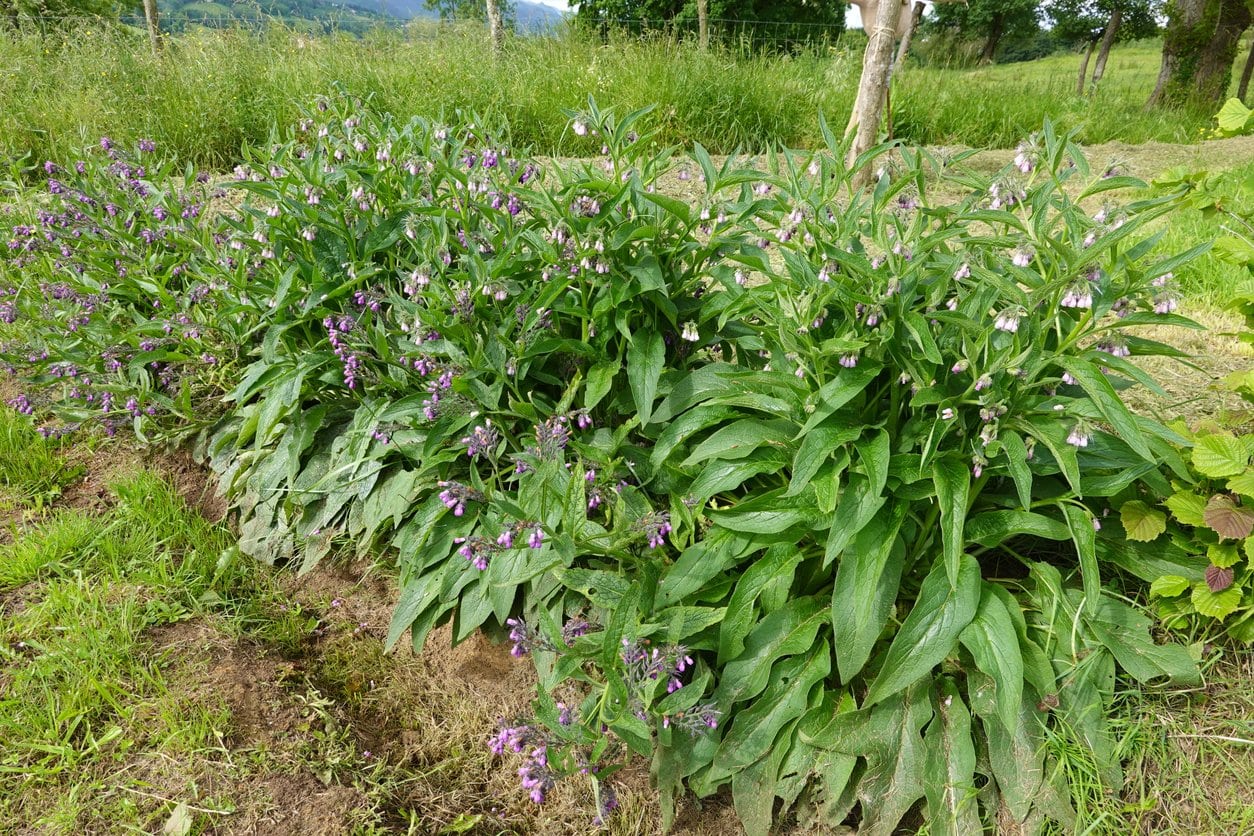
Comfrey’s deep roots pull up nutrients like potassium, calcium, and magnesium from the subsoil. The leaves, fortunately, make for fertile, nutrient-dense mulch.
7: Yarrows

Yarrow absorbs nutrients from deep in the soil and brings them closer to the surface. They’re perfect for drawing in pollinators like bees and butterflies to the garden and can potentially even improve compost quality.
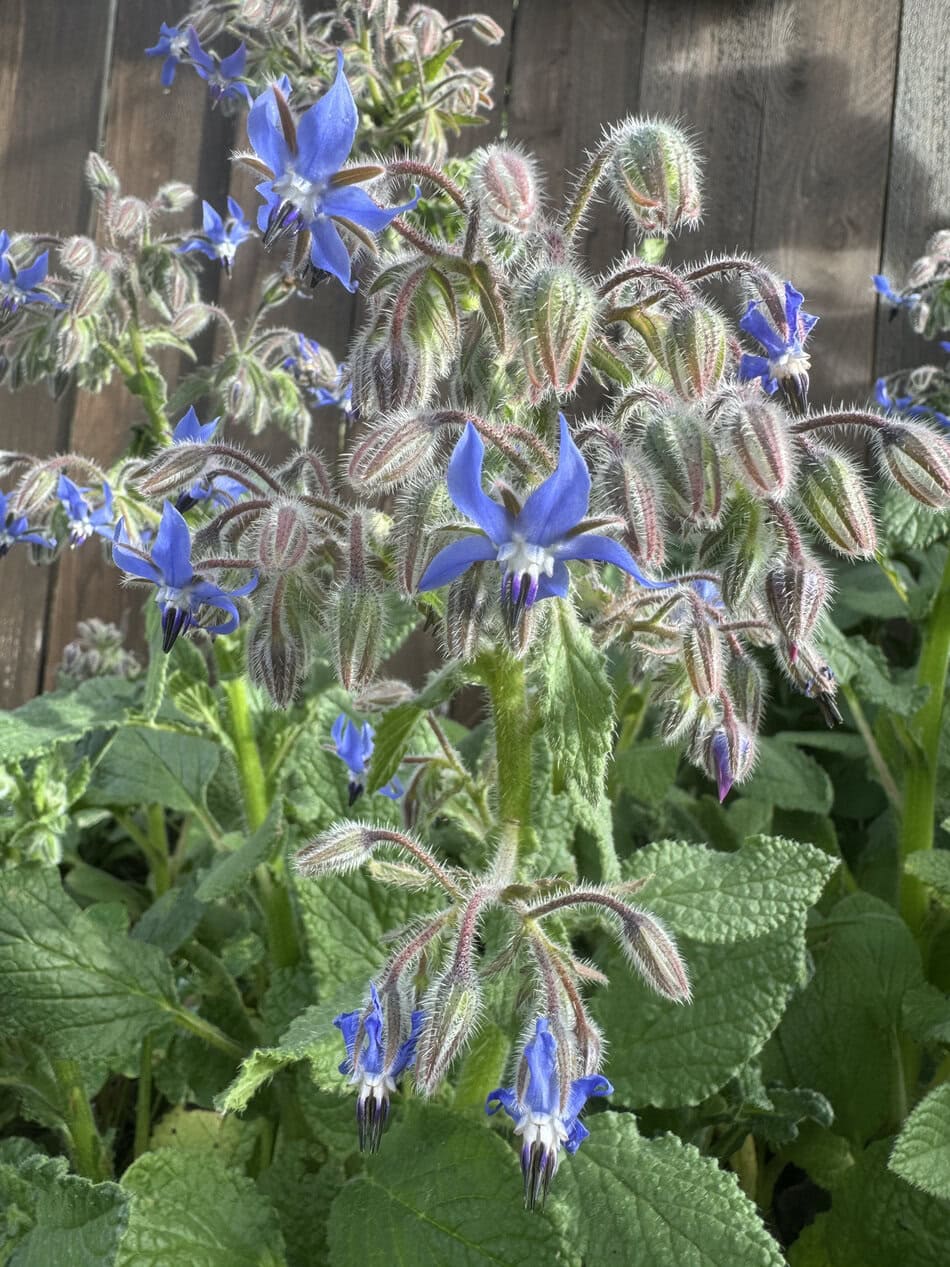
8: Borage

Borage plants surface nutrients and minerals when their leaves are cut and dropped as mulch in the garden.
9: Dandelion
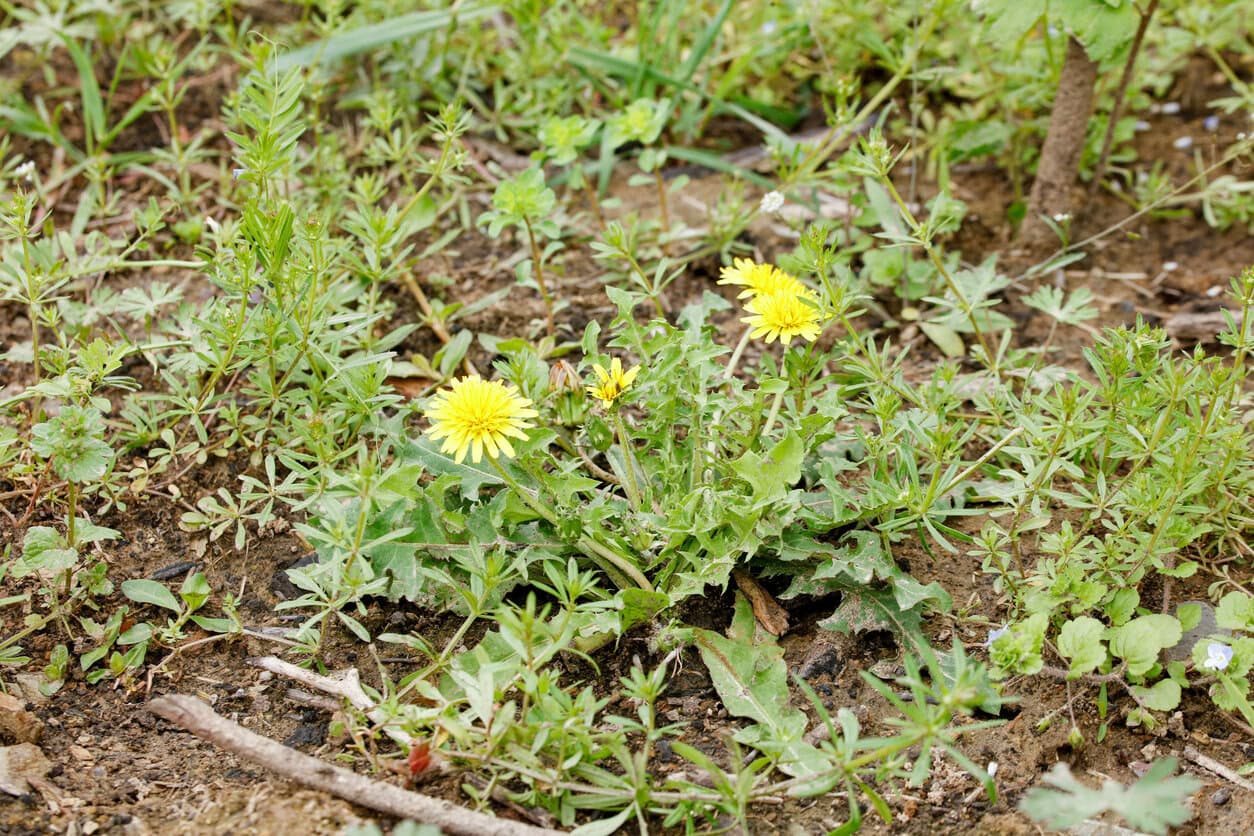
While the dandelion are often dismissed as weeds, the truth is that its long taproots can break compacted soil and accumulate calcium in the soil incredibly well.
10: Chicory
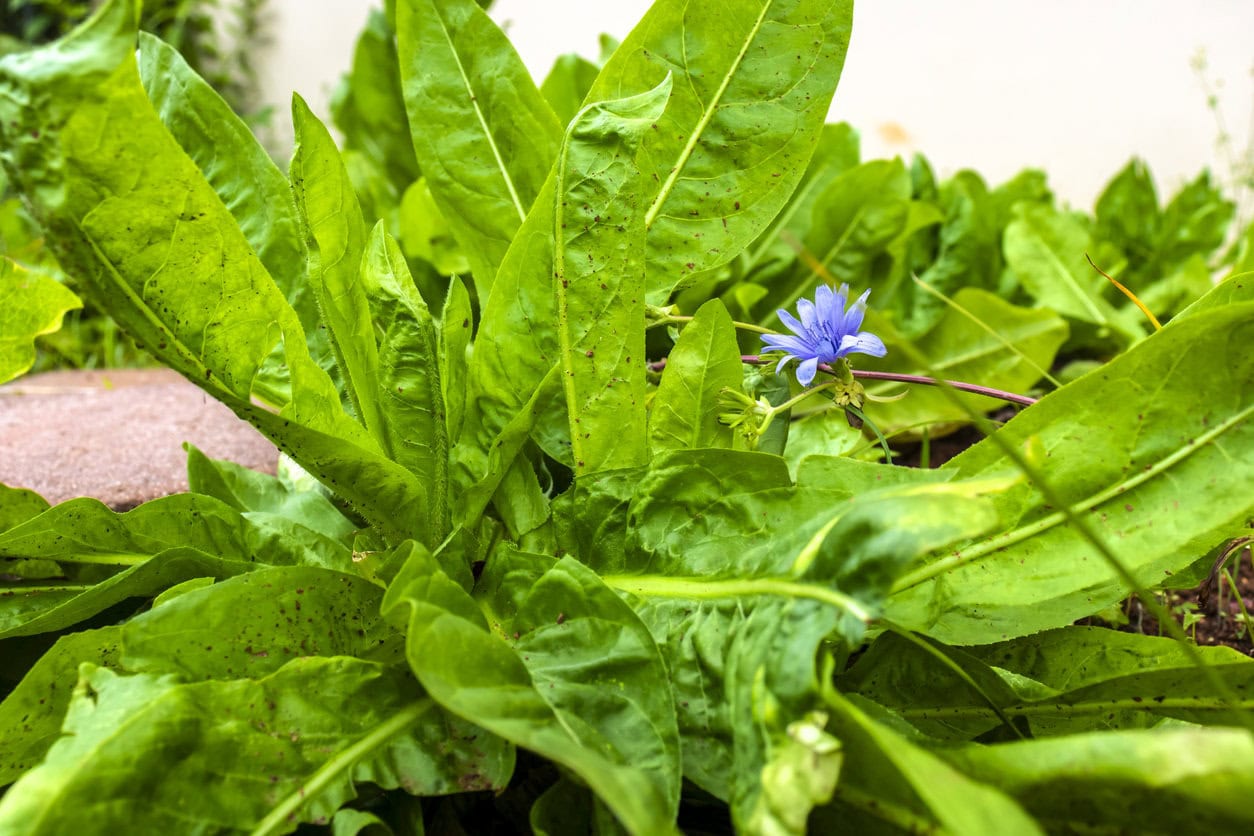
Chicory is deep-rooted, has the ability to bring up nutrients and minerals, and can be productively used as mulch too.
11: Lupines

Though it may sound a little odd to add lupines to a list like this, they’re actually excellent nitrogen-fixers and can feed and enrich the soil as they grow! As a bonus, they attract pollinators and can aid in improving your garden’s ecosystem.
Do You Still Need Fertilizers To Grow These Plants?

Well, to be completely frank, you still need some manual fertilization, but I can assure you it’s far less than usual!
Fortunately, nitrogen-fixers and nutrient-accumulating plant varieties will probably be able to supply a large portion of your soil’s needs without trouble.
Heavy feeders like corn or tomatoes may be a challenge, but you can always supplement a little compost or organic fertilizer to optimize their growth.
To learn more about pairing these plants with the right organic boosters, check out my natural fertilizer guide.
How Long Does It Take To See Results?
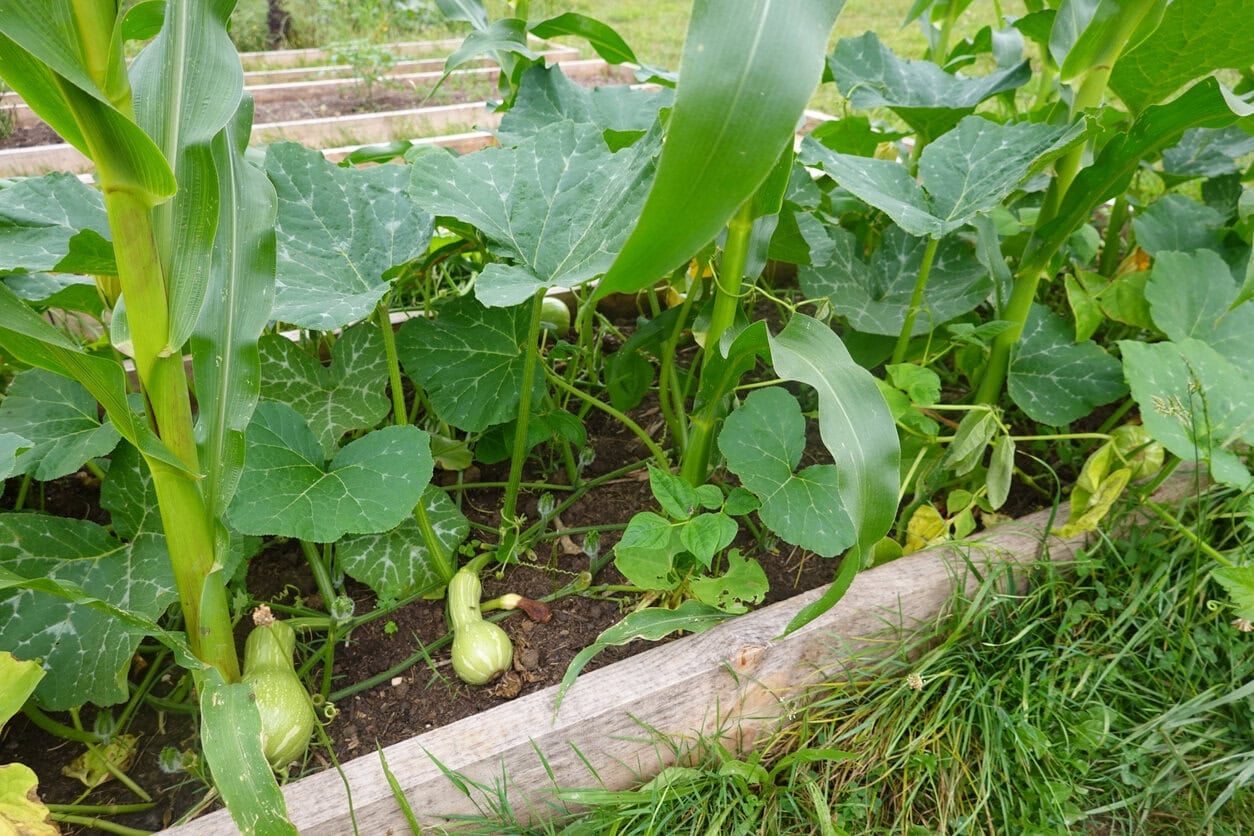
Well, believe it or not, some benefits of growing plants that naturally fertilize the soil are evident pretty much right away. I noticed how much better my soil became after growing peas and beans.
Other benefits, like meaningful improvement in soil structure and added nutrients, take time to show effect and are typically noticeable by the next growing year. Therefore, patience will be key here.
Even something as simple as potato peels can be turned into fertilizer, another easy way to enrich your soil.
Let’s Conclude
Now that you have some basic understanding of how certain plants can influence soil fertility, it’s time you develop some skin in the game and plant your favorite picks from the list. This way, you’ll be able to get a feel for what works best in your garden, and it will open you up to more productive experimentation. Good luck!