
If gardening feels like a competition to you, you’re about to win the fall round. Summer being the grand finale? That’s for amateurs. The real pros know that August is the perfect time for a power play.
While everyone else is mourning the end-of-summer slump, you’ll be secretly plotting a second act for your garden. Your neighbors will be so confused when your yard starts showing off just as theirs gives up!
Is There Still Time to Plant Flowers?
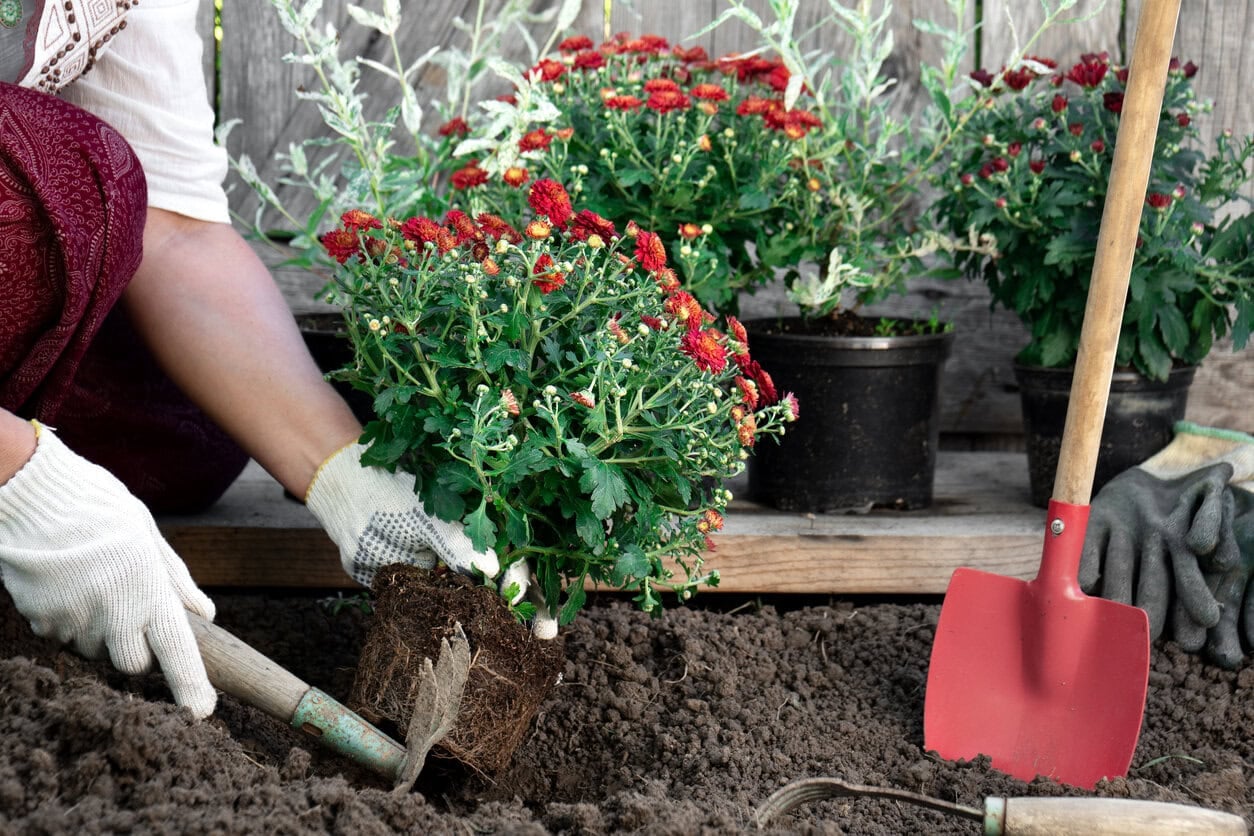
While it’s true that you’re probably not going to have much luck planting seeds and seeing them bloom before the first frost, you’re not out of the game just yet.
August is actually the perfect time for a gardening cheat code: nursery starts. These are plants that have already done the hard work of germinating and establishing a solid root system. All you have to do is get them in the ground, and they’ll take it from there.
You get to skip the part where Frodo spends forever getting out of the Shire and go straight to the adventure. (Lord of the Rings reference, for those who felt a bit lost here, hehe!)
And remember, plenty of plants you already have might surprise you with a second round of color. Here’s my list of flowers you shouldn’t pull yet because they’ll bloom again in fall.
9 Fall-Blooming Flowers to Plant from Starts in August
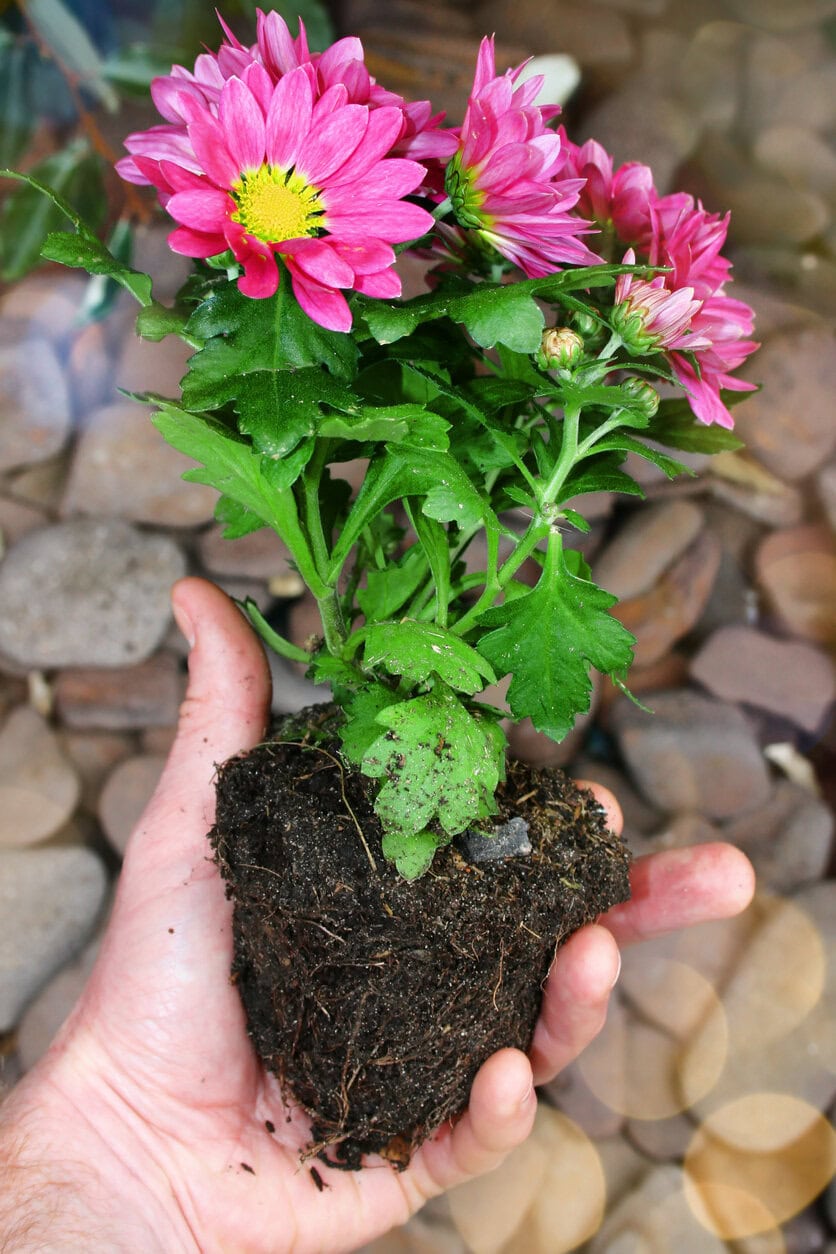
Don’t let the end of summer be a fall from grace for your garden. With these nine flowers, your yard will get a gorgeous second wind just as others are winding down.
1. Japanese Anemone
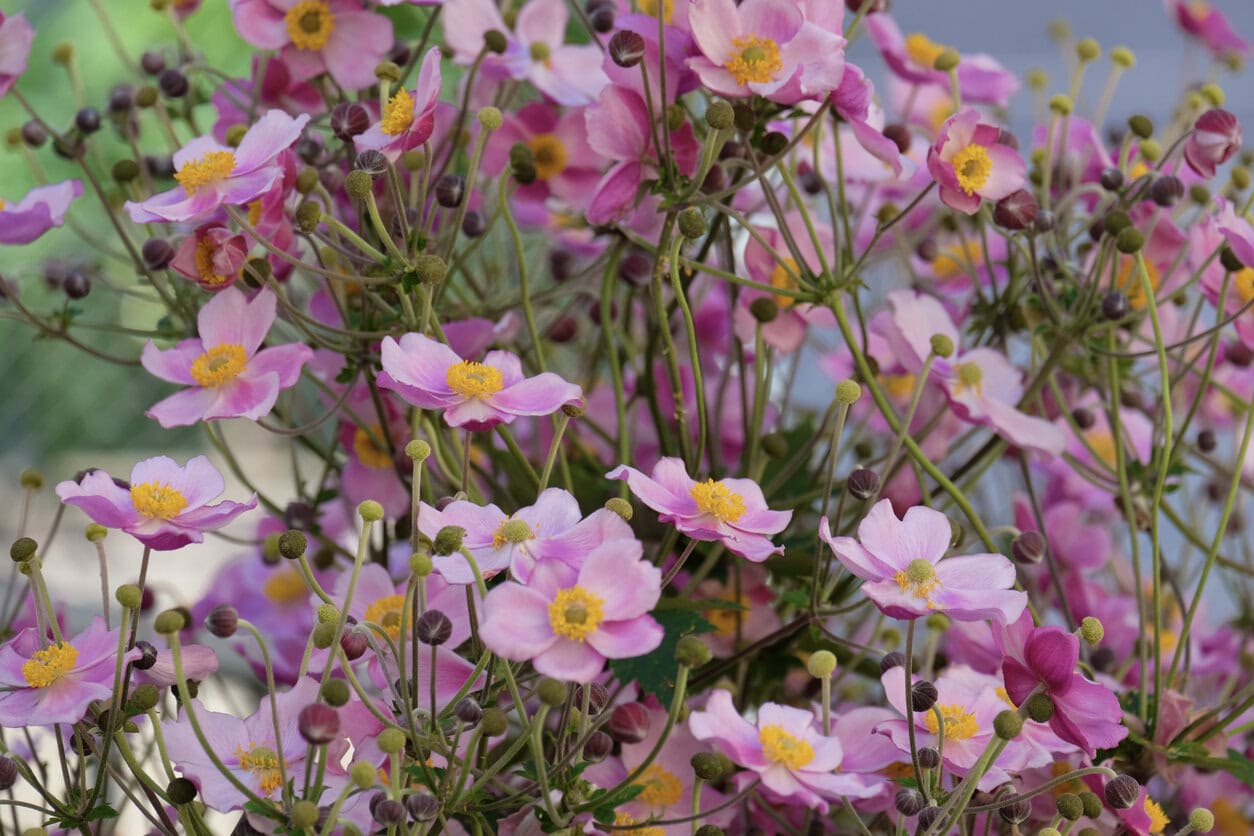
The Japanese anemone refuses to let summer in zones 5–8 have all the fun. It’s an elegant perennial that will keep the party going from late August right into the heart of autumn.
Grow a healthy nursery start in a partly shaded spot, in damp but not soggy ground. It might take a moment to get comfortable, though. But once it does, it will reliably supply its poppy-like blooms.
If you’re planting new starts, it’s also a good time to look around indoors, some of your houseplants might benefit from a refresh. Here’s my guide to which houseplants to repot in late summer.
2. Coreopsis (perennial types)

If you’re tired of flowers that quit on you, coreopsis is the defiant one you need. Long-blooming perennials like C. verticillata and C. grandiflora are ideal for gardeners in zones 4–9. It isn’t fussy, but it does have two firm rules.
It demands a spot in full sun. It also prefers well-drained soil. Arrange for that, and you get a tireless late bloomer that provides a continuous parade of color well into the fall.
3. Hardy Chrysanthemums (Garden Mums)

The classic potted mum you see outside the grocery store is a beautiful lie. The truth is, if you’re in zones 5–9 and you want a chrysanthemum that returns next year, you need to be a little more strategic about your investment.
Plant a hardy variety in August and give it about six weeks to get its roots in order before the cold sets in. A spot in full sun and a nice layer of mulch for the winter is all it takes to guarantee they’ll be back.
If you go the chrysanthemum route, give them a little extra attention. Here’s exactly how to deadhead mums for the most beautiful fall blooms.
4. Helenium (Sneezeweed)
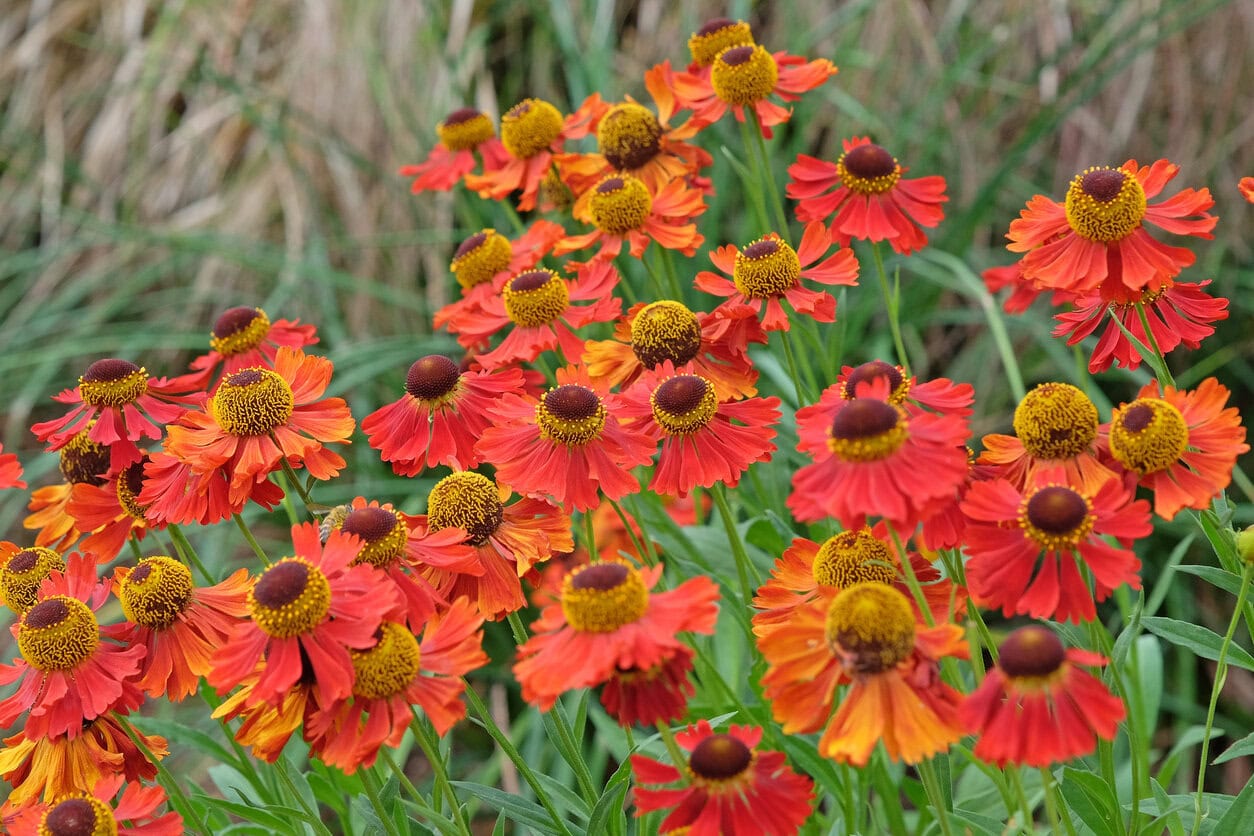
Some flowers prefer to be coddled. Helenium, on the other hand, just wants to get to work. It is about as low-maintenance as it gets and won’t make you sneeze. All it needs is full sun and a spot with consistently damp soil.
This late-summer to fall bloomer is ready for its close-up, so a healthy nursery start planted now in zones 4–8 will give you a stunning show of sunset-colored flowers.
5. Sedum ‘Autumn Joy’

If you’ve ever wanted a plant that couldn’t care less about your busy schedule, Sedum ‘Autumn Joy’ is the confident slacker of the 3–9 zone garden. While other plants are stressing about water and shade, this one is perfectly happy to soak up the sun and deal with a little drought.
Sedum flowers will show up in late summer, but their color will get richer with every chilly night. If you get a jump on things now with a nursery start, you’ll be set. It’s also pollinator-friendly in late season!
If you love flowers that keep going across the seasons, you might also enjoy my list of perennial flowers that bloom from spring to fall.
6. Coneflower (Echinacea purpurea)

The coneflower is a true investment plant for gardeners in zones 3–9. It might not give you a full-blown performance this year, but it’s setting the stage for a serious show next season. Get a head start with a nursery start now in a spot with full sun to part shade.
You might get fewer blooms this fall, but its real magic happens next year. Make your garden even more popular and leave the seed heads intact for the goldfinches. They will gladly come to collect their winnings.
7. New England Aster (Symphyotrichum novae-angliae)

Your new New England Aster will happily challenge the notion that fall in zones 4–8 is only about pumpkins. This late bloomer is a native U.S. show-off and a hero to pollinators.
Just give your nursery start full August sun and average to moist soil, and it will reward your faith with lovely September-to-October blooms. The summer party’s over. But you are going to the aster-party.
And if you want even more color next year, now’s the time to sow flowers in August for spring blooms (by zone).
8. Rudbeckia (‘Goldsturm’)

Rudbeckia, or Black-Eyed Susan, is the ultimate overachiever for zones 4–9. This plant doesn’t care about your fancy soil; it’s perfectly happy in full sun and average-to-poor soil.
For a chance at fall blooms, choose a well-established potted start. Its real gift, however, is the promise of an even better bloom next season, so think of this as a down payment on a beautiful future. And, just like coneflower, you might get fewer blooms this fall.
9. Montauk Daisy (Nipponanthemum nipponicum)
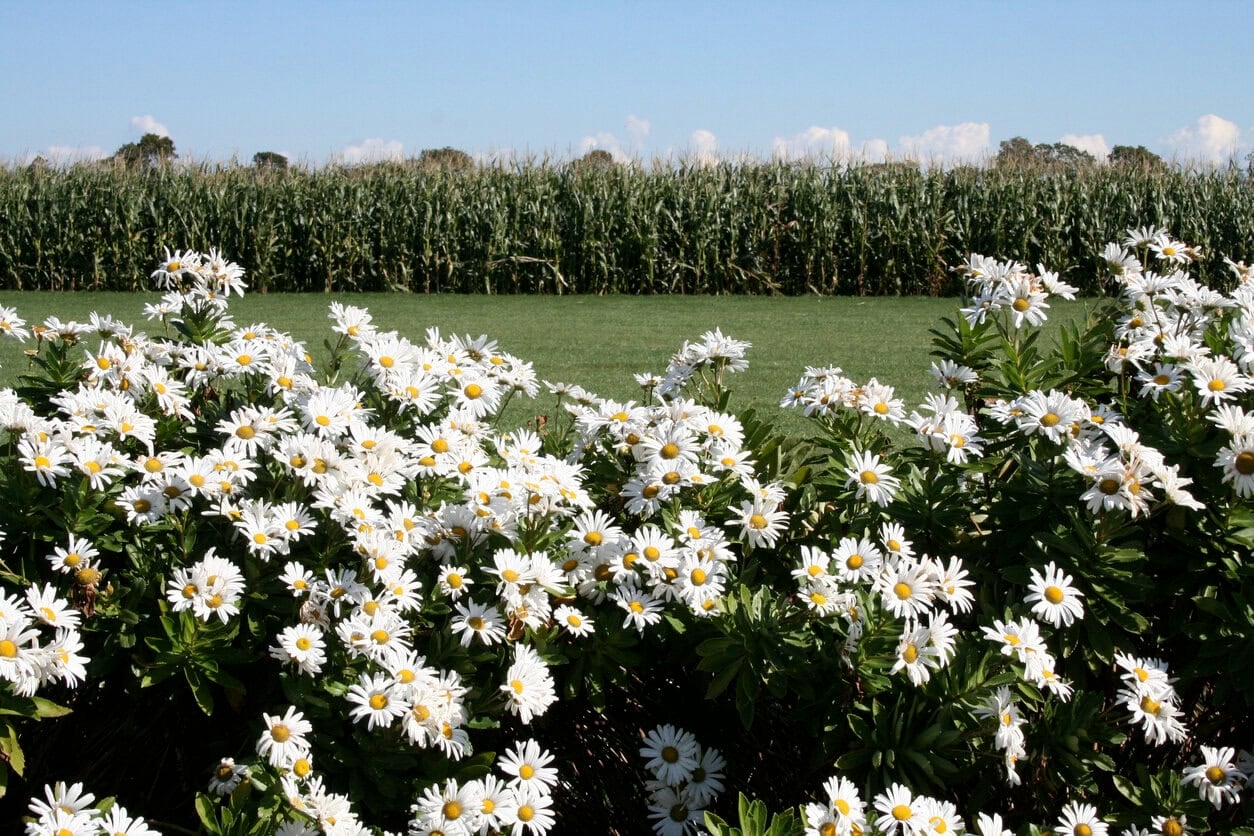
This daisy is a little different, even for those in zones 5–9. It may be native to coastal regions of Japan, but it acts like it’s from a much colder climate. This perennial is tough as nails, but it has one firm rule: no soggy feet.
Give it a spot in full sun with excellent drainage. It’s worth the specific care. It will grace you with a fresh display of white blooms from late September right into October, long after other flowers said Sayōnara.
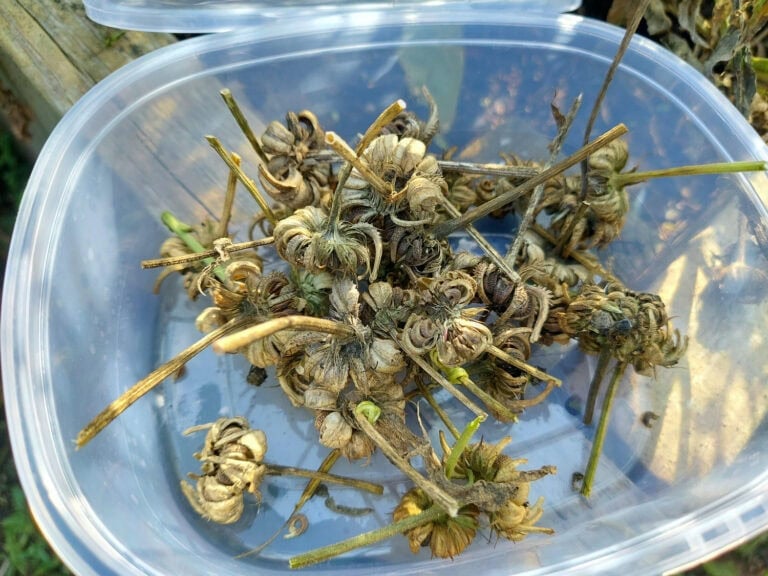
Late summer is also prime time to collect seeds from your favorites. Here’s which flower seeds to harvest in August.
The Fine Print You Can’t Outsmart
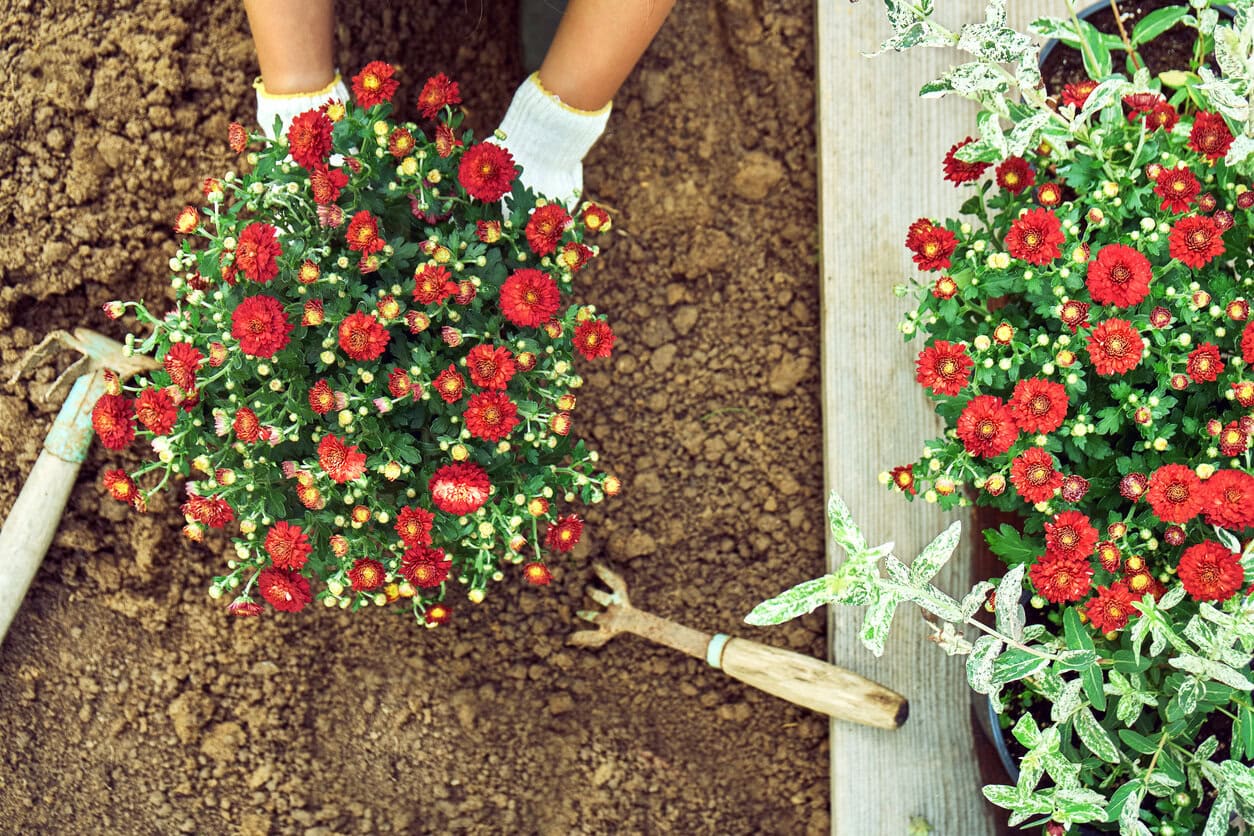
If your garden’s getting crowded, August is perfect for splitting up certain perennials. Here’s my guide on which perennials to divide this month.
Before you go out and buy a truckload of flowers, there’s one last, very serious piece of advice: know your USDA Zone. We’ve told you which flowers are tough, but they’re only tough in their happy place. So take a moment to check your zone before you plant, because a garden is no place to be zoning out.



How do you know what zone you’re in?
Hi Lorraine! Great question! 😊 You can find your zone by searching “USDA Plant Hardiness Zone Map” and typing in your ZIP code. It’ll tell you what zone you’re in based on your area’s average low winter temps, super helpful for timing your planting!
Hi, I live in the UK west coast, but I follow you, as most of the flowers you speak of are found here. I’m especially interested in the vehicle side of growing as it’s something I am only just learning about.my question is what American zones would be close to my equivalent . My area tends to me coastal, lots of rain and at times windy. Regards Chris.
Hi Chris 🙂 I did a little searching because I don’t have firsthand experience gardening in the UK, and it looks like your west-coast climate would roughly compare to USDA Zone 8b-9a, possibly a little milder in some coastal areas.
It’s not a perfect comparison though, since USDA zones are based mainly on winter minimum temperatures and don’t account for your rain, wind, or cooler summers. For vegetables especially, I’d pay more attention to your local frost dates and growing-season temperatures.