
What do you call a plant that blooms better after you starve it, bake it, and chop it back? Core-op-success.
Coreopsis is weirdly easy to ruin by being too nice to it. Let’s fix your bootleg tickseed routine before you compost your wallet, even if my dad jokes are already trash.
Tip 1: Starve the Soil
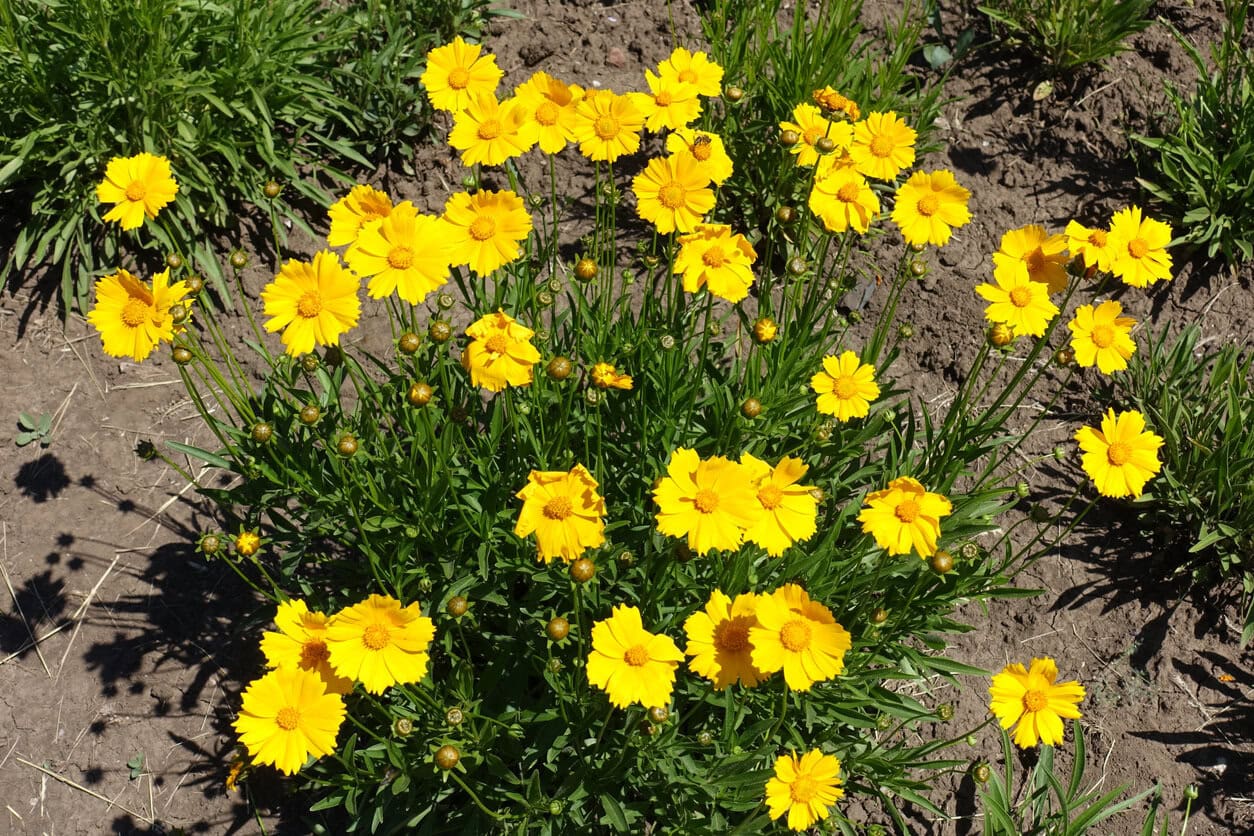
Tickseed fantasizes about a trashy gravel parking lot. It blooms best in lean, well-drained soil because too much fertility pushes soft, floppy green growth instead of sturdy stems and flowers.
Their dream soil? Sandy, rocky, average, or slightly dry dirt that doesn’t stay wet after rain. Got heavy clay? Plant it on a slight mound, loosen the bed deeply, or pick the fastest-draining spot you have. Soggy crowns are where the rot drama starts!
Skip the compost blanket and step away from the fertilizer. If you pamper coreopsis, it just gets lazy, floppy, and annoyed.
If you have more ugly, lean soil than patience, we also wrote a guide on flowers that grow in poor soil and still look amazing.
Tip 2: Bake Them in Full Sun
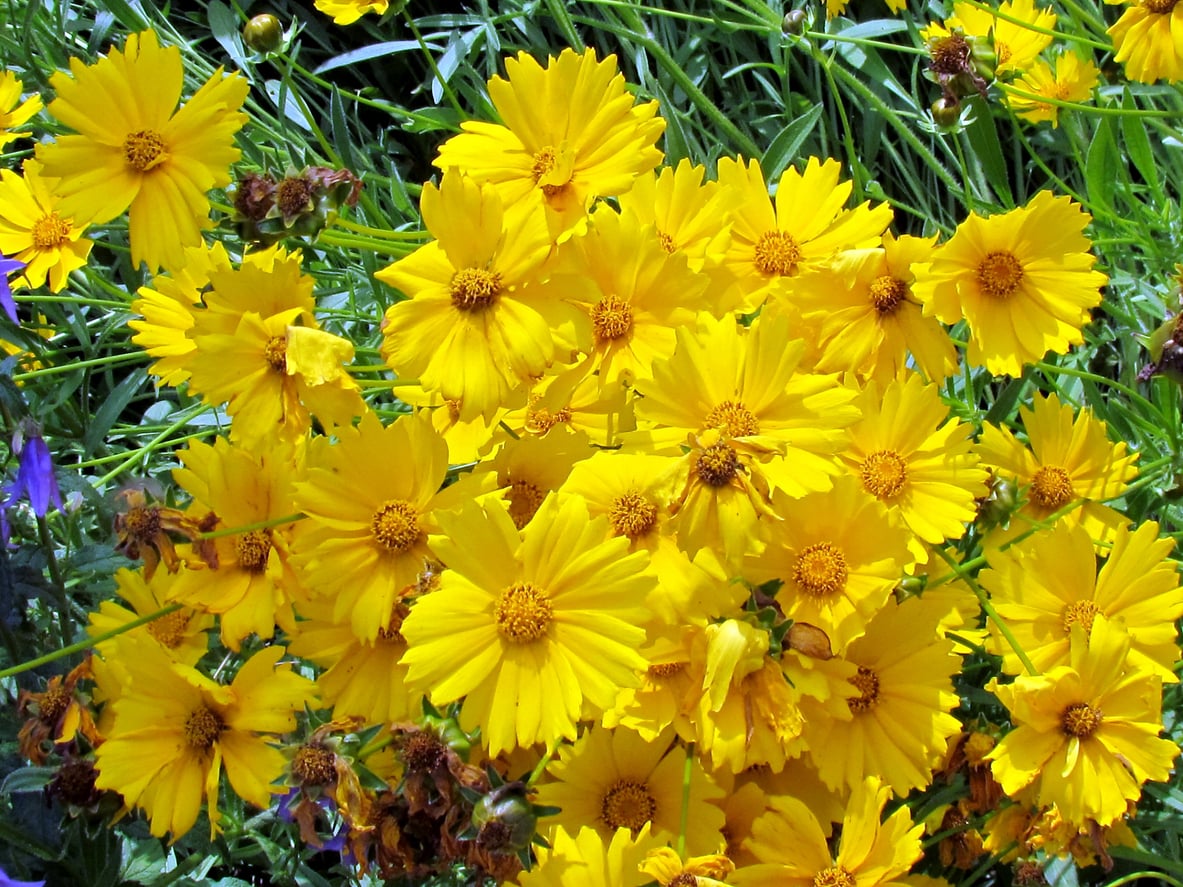
Tuck coreopsis into a dim corner, and it will start prioritizing survival over beauty. You get pale, stretched-out stems, fewer flowers, and a plant that looks like it’s reaching for help.
A spot with six to eight hours of direct sun is non-negotiable for strong blooms. I plant mine in the hot, exposed parts of the garden. If you don’t regret standing there in July, it’s probably not sunny enough.
All that sun serves another purpose, too. It dries morning moisture off the leaves faster, which makes it harder for powdery mildew and other fungal problems to settle in.
If that hot border still has empty spots, we also put together a guide on full-sun border plants that stay pretty when summer gets brutal.
Tip 3: Starve Them of Water
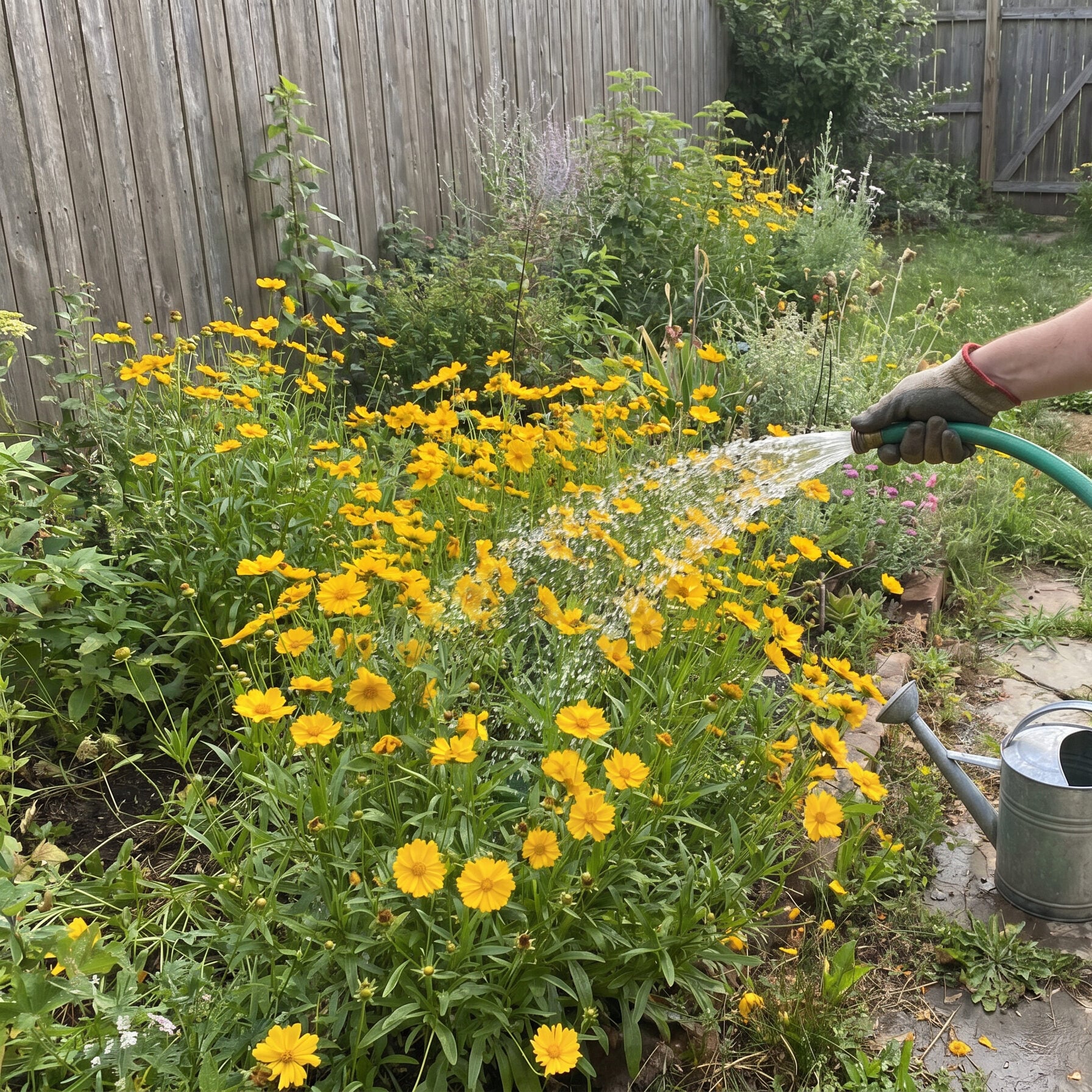
You aim the garden hose at coreopsis too often, and it surrenders. Once the roots are anchored in, your watering chores drop way down because tickseed would rather dry out a little than sit with wet feet.
The only time I baby mine is right after planting. New coreopsis needs regular water while it settles in, but established plants can turn yellow, weak, or rotten if the soil stays damp for days.
Let the soil dry before you drag the hose over. Established coreopsis usually only needs a deep drink during long dry spells, especially when summer heat shows up and rain disappears for a couple of weeks.
Tip 4: Shear for a Mid-Summer Reset
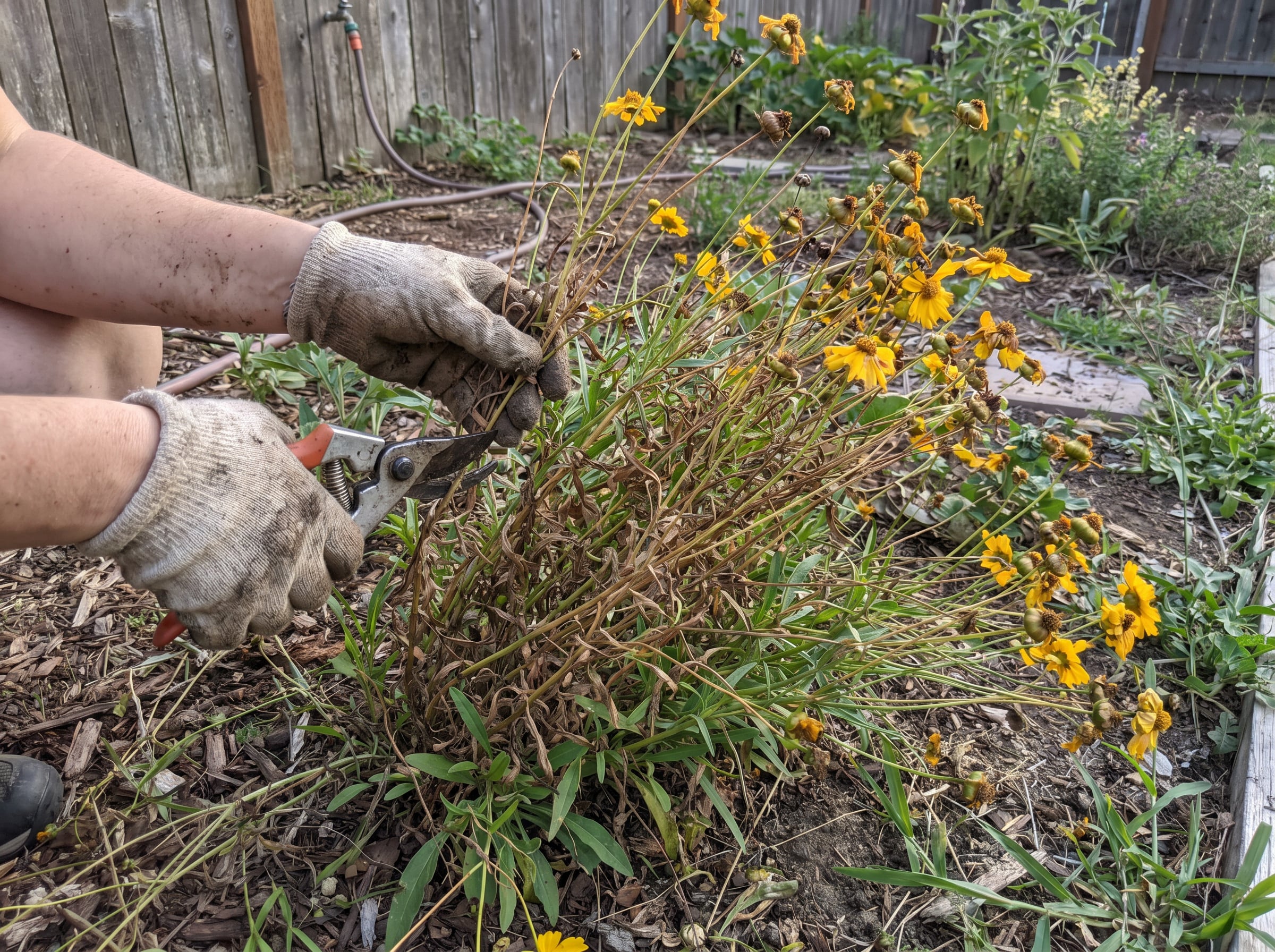
Leaving crusty, dead blooms on the stem tells coreopsis to start wasting energy on seed pods instead of fresh flowers. Just like my SIL, your plant thinks its job of being pretty is done, so it stops producing and goes ugly…
Around July, when the first big bloom flush looks ragged and brown-tipped, grab your shears. I gather the clump like a ponytail and cut the whole thing back by about one-third.
It feels dramatic, but that midsummer haircut pushes out cleaner foliage. And more importantly, a second burst of late-summer buds. Water it once after shearing if the soil is bone-dry, then let coreopsis get back to being ignored.
Coreopsis is not the only plant that rewards a scary haircut, either. We explain more perennials that bloom again after a mid-summer cutback in this guide.
Tip 5: Divide to Prevent the Inner Bald Spot
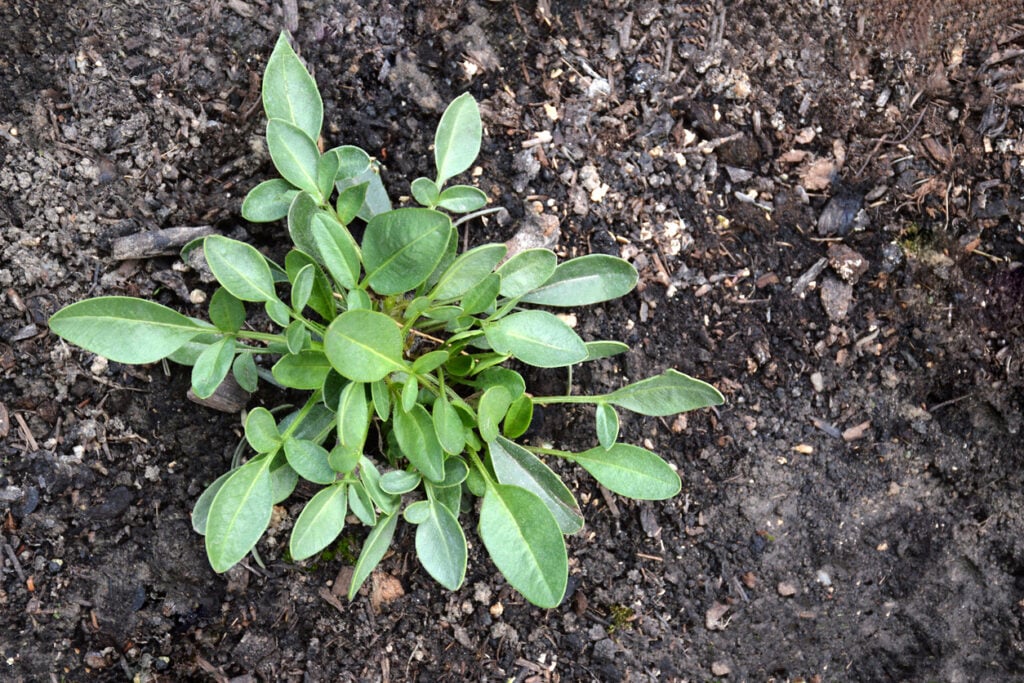
After a few years in the same spot, coreopsis throws a midlife crisis. The center of the clump gets crowded, woody, and suddenly your cute little plant looks like a hollow doughnut.
In early spring, before the new green shoots really stretch, dig up the whole clump. Take a sharp spade or garden knife and split the crown into three or four solid chunks, making sure each piece has healthy roots and fresh growth.
Toss that dead, woody center into the bin and replant the stronger outer pieces only. Where? Into lean, well-drained soil, of course. You’ve basically reset the lifespan clock for another three seasons.
Tip 6: Leave Late-Fall Stems for Winter Protection
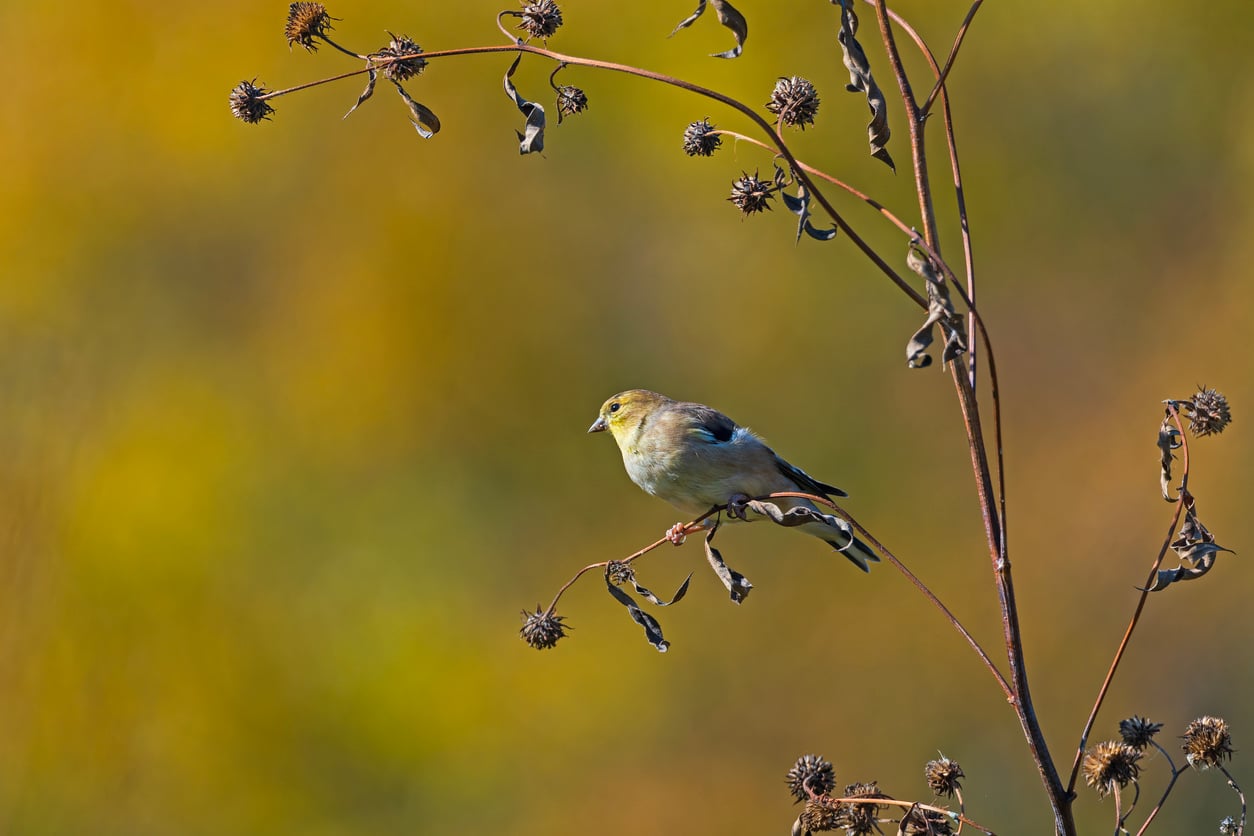
When frost turns coreopsis crunchy, don’t sprint outside with pruners like the garden police are coming. Those dead stems help catch leaves and snow around the crown, which gives the plant a little extra winter protection.
The local wildlife also needs you to leave your obsessive neatness in the shed. Those dried seed heads are a winter snack bar for neighborhood finches.
Clear out the wreckage in late winter or early spring, once the worst freezes have passed and you see fresh green nubs starting near the base. Let the eyesore sit there through the winter. You left that orange couch for far longer.
If you like the excuse to delay cleanup, we also wrote a guide on plants not to cut in fall because birds need them through winter.
Tip 7: Pick the Right Variety for Your Ground Goal
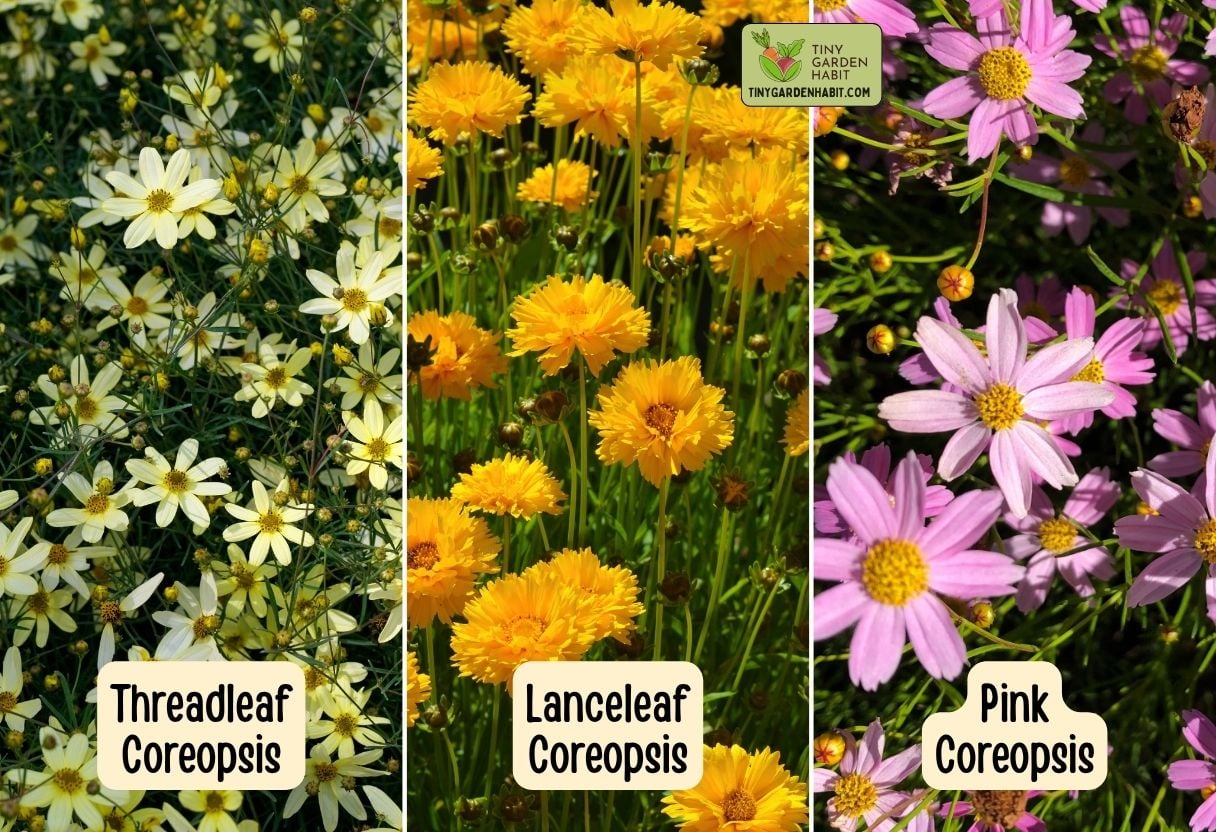
The coreopsis family has different factions, so don’t just grab whatever generic yellow coreopsis is on clearance and pray. Match the plant to the soil you actually have:
Coreopsis is tough, but even tough plants have limits. Pick the variety that matches your actual backyard dumpster fire, not the fantasy soil profile in your head.
Loving the One That Ticks You Off
My uncle asked my aunt why she spent forty bucks on tickseed just to shove them in gravel and ignore them. She told him she had finally found a relationship that thrives on low effort and personal space.. What I meant is, if those two can grow a gorgeous garden together, so can you.


