While I’ve written many articles on the topic of cutting plants in fall, there are certain plants out there that you probably shouldn’t cut since birds will need them during the wintertime.
In today’s article, we’ll go over a long list of these plants together and try to understand just why birds tend to rely on them so much in winter. Let’s jump straight into it!
Should You Really Leave Some Plants For The Birds?

Well…YES, you definitely should!
Birds such as finches, cardinals, and sparrows feed on seed heads from plants like coneflowers, black-eyed Susans, and even some ornamental grasses. Stems of these plants also act as a shelter for certain overwintering insects that become nutritious bird food later on.
Additionally, frost on seed heads and certain grasses can look immensely stunning in the wintertime!
Oh, and if you ever do want display space, here’s a smart list of fall flowers that shine in containers.
The 9 Plants Birds Need You To Leave

1: Coneflowers (Echinacea)
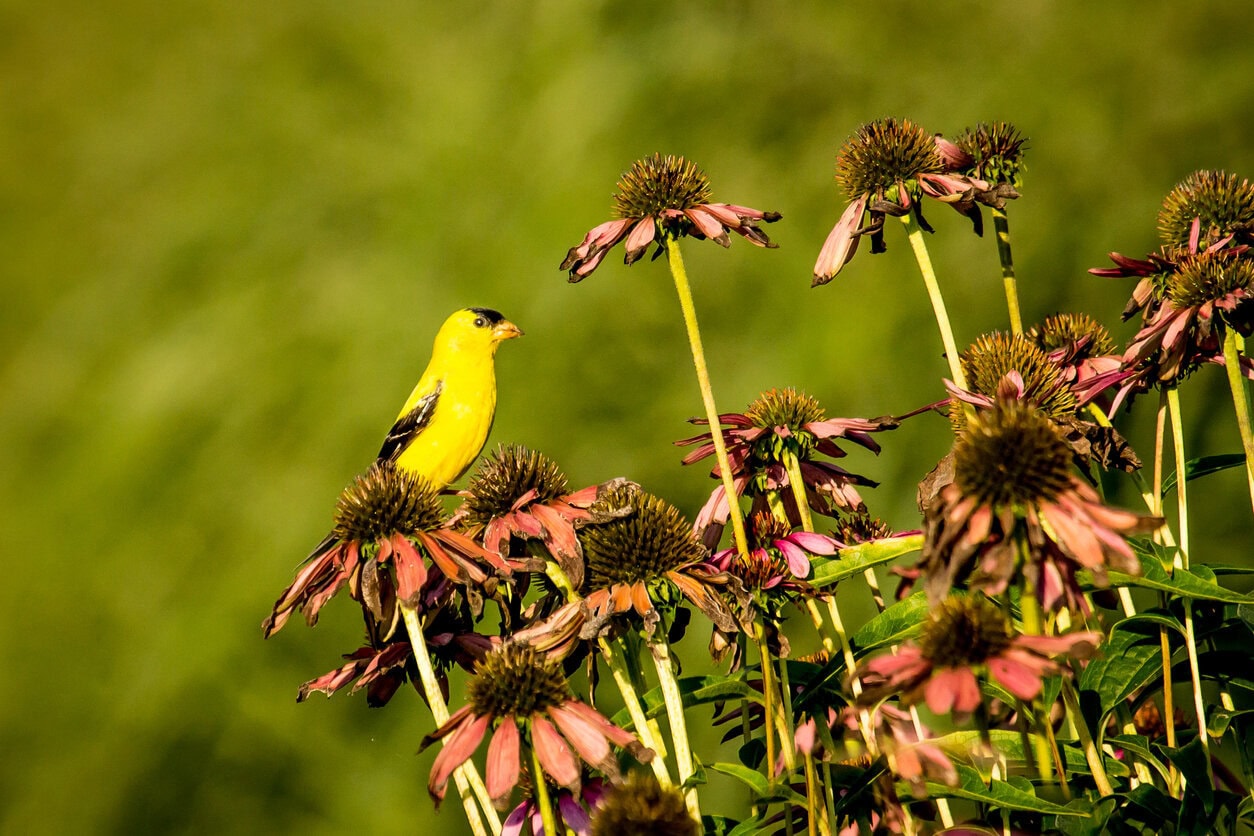
Seed heads from coneflowers are a winter feat for finches. You want to leave behind as many tall coneflower stems as possible and trim them only in early spring.
Tip: I usually leave the tall stems standing even if they look scrappy. Finches love balancing on them, and it saves me cleanup work until spring.
By the way, these beauties are also great for dividing in early fall, if you want to multiply your plantings, this is the perfect time! How to divide perennials in early fall
2: Black-Eyed Susans (Rudbeckia)
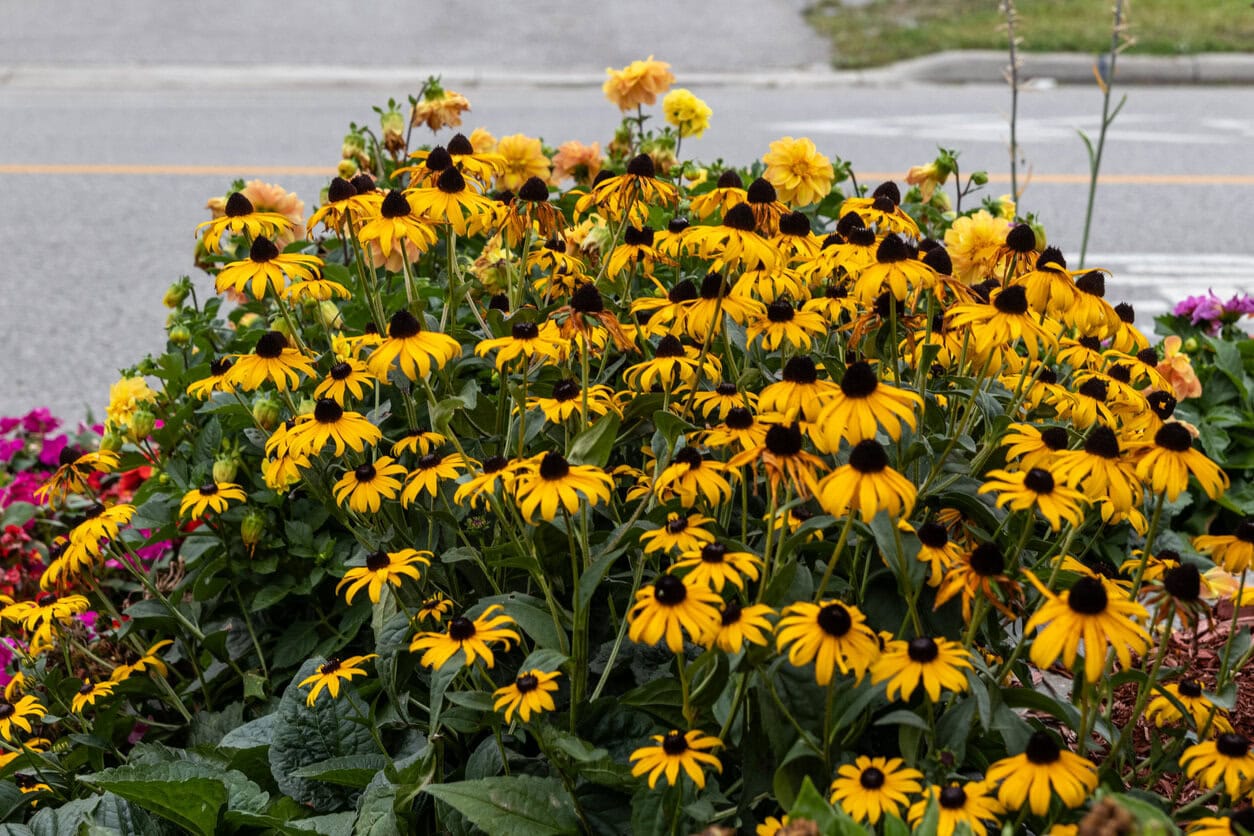
Black-eyed Susans produce dark seed heads well into frost and tend to attract goldfinches and chickadees a lot. Avoid trimming this stunning perennial until late winter.
3: Sunflowers (Helianthus)

Because sunflowers already produce large seed heads, they’re natural bird feeders right off the bat. Just cut and lay their stalks on the ground if the stems appear to be flopping over, giving the birds easy access to their food.
Tip: If you don’t want to lay the stalks on the ground, you can prop them on a fence, like I do. The birds love it and it actually looks pretty cute!
4: Joe-Pye Weed (Eutrochium)

Tall Joe-pye weed seed heads tend to attract small seed-eating birds quite rapidly. Their dense foliage can also provide cover in harsh snow.
And if you’re collecting seeds as well, check out my guide on flower seeds you can still collect in September.
5: Goldenrod (Solidago)

Goldenrod seeds typically attract specific birds like sparrows and juncos. Their large stems and dense, colorful growth shelter beneficial insects, making them good for the garden ecosystem as well.
Not only does goldenrod feed birds but if you’re sorting through what to snip or keep around, this cut-or-leave-for-wildlife guide is a good read.
6: Ornamental Grasses (Miscanthus, Panicum, Etc.)

Many ornamental grass varieties offer seed plumes as food for birds, while their dense clumps act as shelter. You should leave them in the wintertime for both birds and cool-season interest in the garden.
Tip: I never cut mine until spring. The clumps give birds shelter, and on frosty mornings they look magical swaying in the wind.
7: Sedum (Autumn Joy)

Sedums offer flat flower heads that dry stunningly in the cool season, attracting foraging birds as well as adding unique texture in frost.
8: Asters

Although aster seeds are quite tiny, birds actually love them in fall and winter! Just avoid cutting this hardy perennial back until spring growth kicks off.
9: Native Shrubs With Berries (Viburnum, Dogwood, Elderberry)

Berries from most of these shrubs persist into winter, and birds search for them as they’re a vital winter food source.
If you plan on pruning these fruiting shrubs, make sure you’re only removing the weak and infected wood. Leave the berries as they are!
Tip: I always check for berries before pruning, more than once I’ve caught cedar waxwings stripping the branches clean.
If you also want to plan for spring blooms, here’s a list of flowers to plant in September that reward you in spring.
When Is The Best Time To Cut Them Back? Are There Any Exceptions?

Yes, there are exceptions to the ‘no-cutting in fall’ rule, and these include weak or diseased plants that are visibly struggling to progress.
Powdery mildew, black spot, and mushy, soggy stems require you to take action no matter what, as, in most of these circumstances, the plant’s life is on the line.
You must also remove any invasive plant species before their seeds spread.
As a general rule of thumb, always ask yourself, “Is the plant visibly healthy with seeds?” If the answer is a clear yes, leave it alone. If it’s infected or invasive, it’s probably better to remove it immediately.
Let’s Conclude

As much as I enjoy cutting plants in the fall and making major changes in the garden, I will admit that even I leave behind some plants for birds because my love for animals probably wouldn’t let my sanity prevail without this gesture.
The birds absolutely love it! They storm my mom’s garden even in the peak wintertime because they know the place is stocked with nutritious and filling seed heads. The view? Ah…don’t even get me started. It’s absolutely stunning, thanks to the happy chirping birds!
Now that you know all the plants you shouldn’t be cutting back, it’s time you put this newly acquired knowledge into practice and make a conscious decision to leave behind at least one plant to make birds happy this fall.