
While many people don’t really care about collecting flower seeds these days, it’s actually something I believe more gardeners should actively start doing.
In today’s article, I’ll take you through all there is to learn about flower seeds and discuss a few flower seeds in particular that you can collect this September.
Let’s dive right into it, shall we?
Before You Even Start, Here Are Some Important Tips
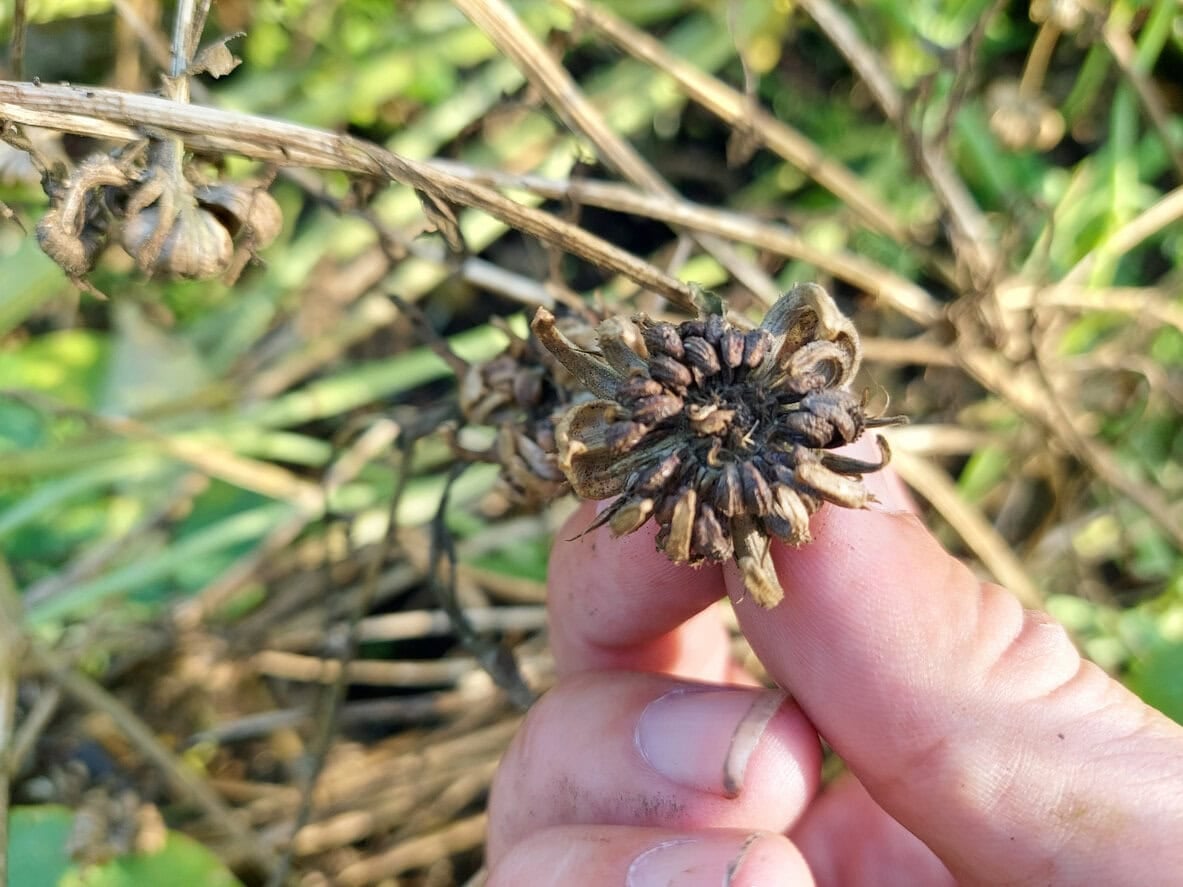
Friendly reminder: Collect a few seeds for yourself but always leave plenty behind for the birds and pollinators that rely on them. They’ll thank you for it!
If you’re curious about what else to plant right now, here’s a guide on herbs you can still direct sow in September
Flower Seeds To Collect This September
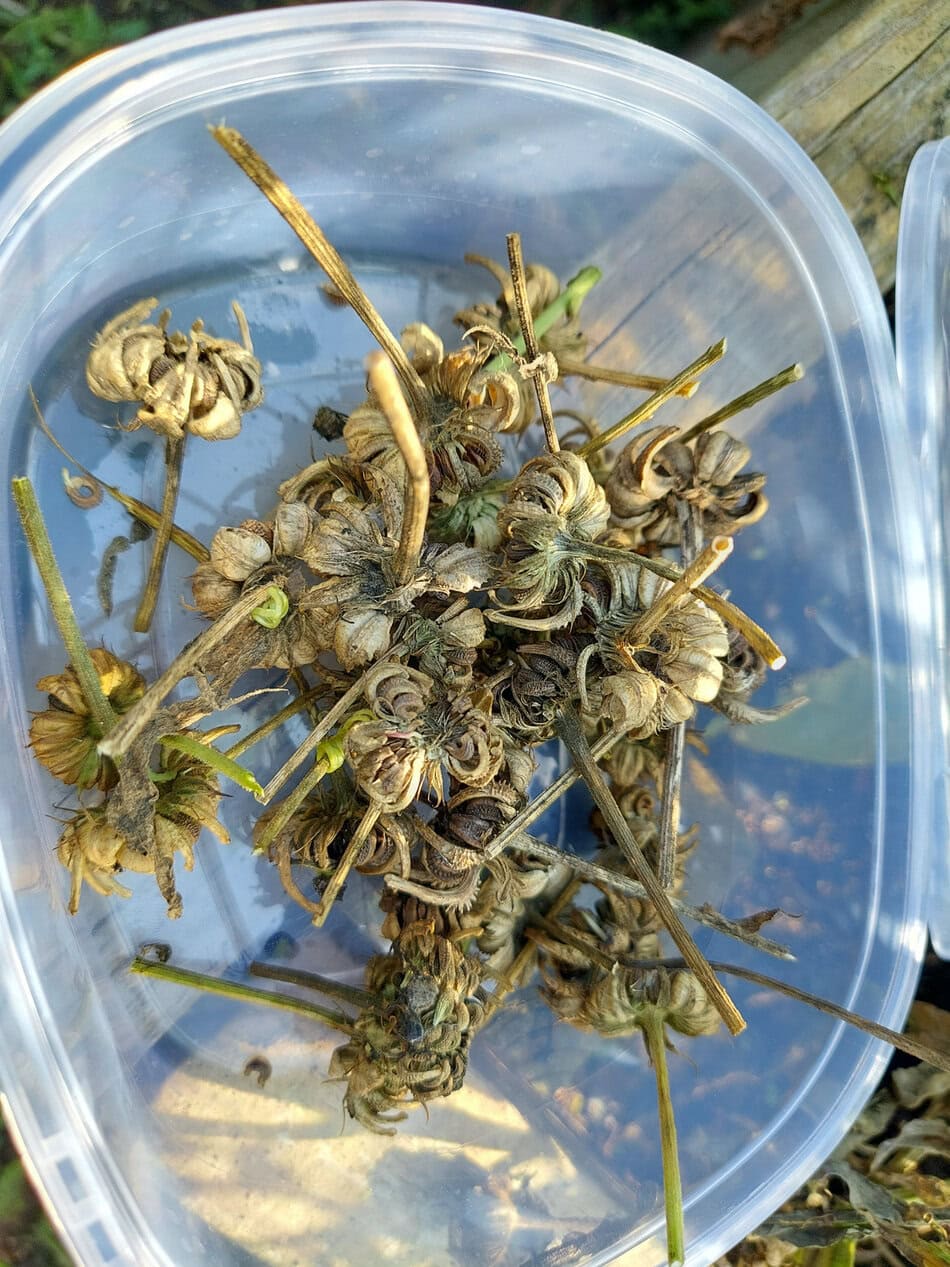
1: Marigolds (Zones 2-11)

Once marigolds are done blooming, allow their heads to fully turn brown and dry. Once you pull apart their delicate yellow and orange petals, black spear-shaped seeds will reveal themselves.
Also, take a look at fall flowers that thrive in containers if you’d like to keep marigolds going in pots.
2: Zinnias (Zones 3-10)

Instead of pruning zinnias immediately after blooming, let the flower heads stay on the plants until they’re dark brown and crisp. The seeds are usually in the center of the cone and should ideally be saved from open-pollinated varieties.
3: Cosmos (Zones 2-11)

Cosmos seeds can be harvested when the seed heads are visibly dry and curved. Gently take the seed heads and crumble them in a large tray to reveal thin, dark seeds.
If you’re handling multiple seeds at a time, it’s probably a good idea to label them by color or variety.
4: Sunflowers (Zones 3-9)

Before harvesting sunflower seeds, you must let the seed heads completely dry first. Then, remove the heads, and you can basically just rub off the seeds without putting in much effort.
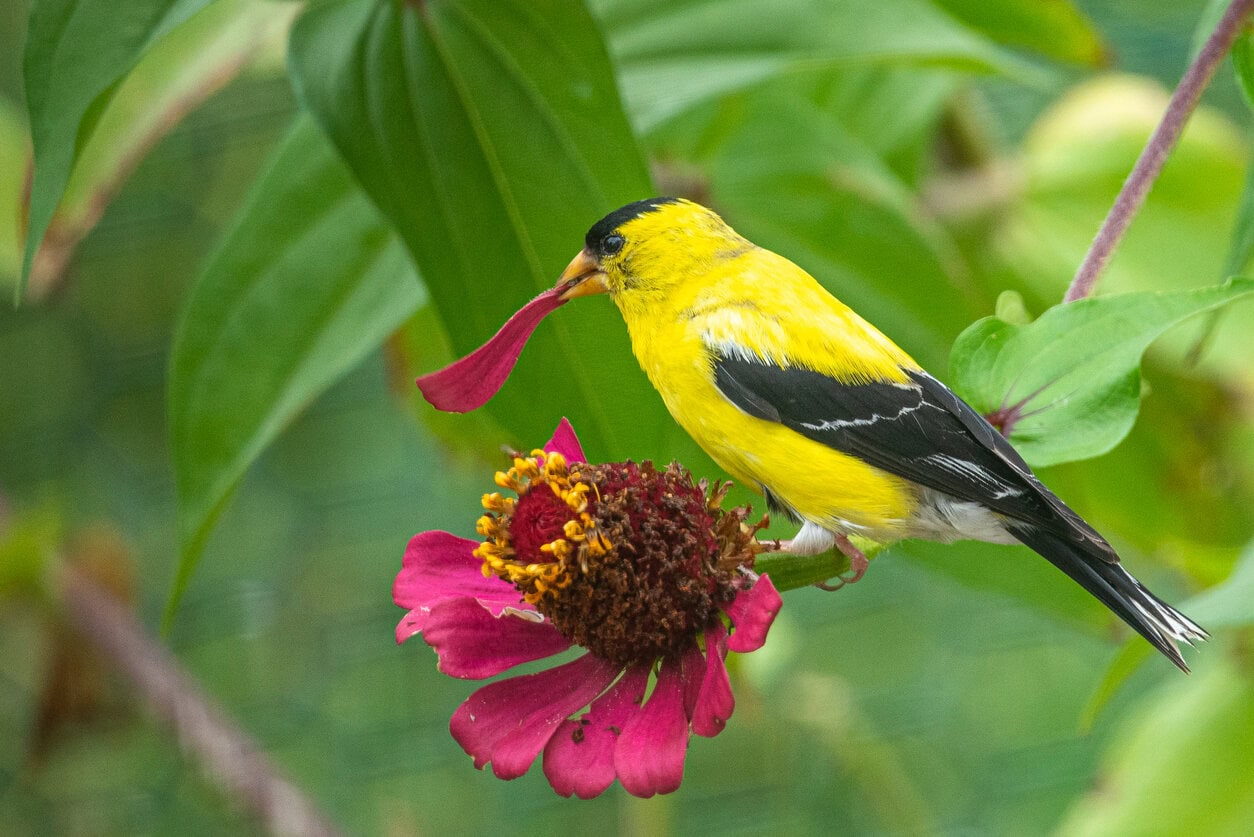
You can use the seeds to replant sunflowers an share a few with the birds, who will happily take care of cleanup for you. In fact, leaving whole heads for goldfinches is one of my favorite garden sights.
5: Nigella (Zones 4-9)

Nigellas produce seed pods that have a hard outer texture and a balloon-like shape. You can crack open these pods once they’ve darkened enough and turned almost papery.
Not sure whether to cut them back or leave the seed heads? Here’s a helpful September pruning guide.
6: Calendula (Zones 3-10)

Calendula seed heads are ready to harvest when they turn into a C shape. You can gently rub them off the annual with light hands. But, even if you don’t harvest them, calendulas will self-seed pretty easily if left in the garden long enough.
7: Coneflowers (Zones 3-9)

Coneflowers require you to have a little patience and let the seed heads turn dark and spiky. You can harvest them and dry them inside a paper bag, but keep in mind that the seeds are often very sharp and will cut you if you don’t handle them with gloves.
Also, take a look at this deadheading guide for September to see what else should be snipped or left for wildlife.
8: Black-Eyed Susans (Zones 3-9)

Collecting black-eyed Susan seeds has to be the simplest gardening task ever. You simply take the seed heads and tap them over a tray to reveal the dark and tiny seeds.
Just remember to let the seed heads fully dry on the plant before you actually try to get any seeds out of them.
Note: Hybrid varieties may not grow back true to type, but you’ll still get plenty of cheerful blooms
9: Snapdragons (Zones 5-10)

While the rest of the aspects of collecting seeds remain the same, something quite unique about snapdragons is that the seed pods actually form where flowers once bloomed. When the heads are dry enough, you can simply give them a shake, and the seeds should easily release.
10: Sweet Peas (Zones 5-9)

Let sweet pea pods darken in color and turn crispy. Once they appear dry enough, open them gently and remove the seeds. The thing about sweet peas is that many seed varieties can actually look similar, so labelling them properly isn’t a bad idea.
For even more fall color, check out flowers that keep blooming through frost.
Let’s Conclude
Gardening always sparks plenty of opinions, but when it comes to seed saving, it’s really just about timing and technique. September is one of the easiest months to get started!
So, the next time somebody tells you that you shouldn’t be experimenting in your garden or undertaking meaningful tasks in September, just ask them “why?” and rest assured, they’ll be clueless.
Since fall tends to be a rather moderate period, it’s ideal for harvesting seed pods and collecting seeds from them. With children, this activity can be even more fun and productive. Just don’t forget to leave some seeds for the birds! And if you’re dividing plants this month, here’s a look at perennials you can divide in September.



Great tips many thanks
Hi Lesley 🙂 You’re very welcome! I’m glad the tips were helpful, and I hope you get a nice little collection of seeds saved for next season.
What do I do with the sunflower seeds I’ve collected?
Hi Leisa 🙂 Make sure your sunflower seeds are thoroughly dry, then store the ones you want to plant in a labeled paper envelope somewhere cool and dry. Sow them next spring after the danger of frost has passed, and you can always save a few for the birds too.
Hi I have lots of aliens which are now finished but have what look like seed pods from the flowers. Am I right?
Hi Amanda 🙂 Yes, those sound like allium seed pods. Let the flower heads dry on the plant, then you can collect the little black seeds inside. Just keep in mind that some ornamental alliums may not come true from seed and can take a few years to reach flowering size.
Can i sow seeds in trays now . We gave mild conditions up to Christmas
Hi Jacqui 🙂 It depends on which seeds you’re sowing. If you have mild weather until Christmas, I’d be careful with outdoor trays because a warm spell can trigger germination and the young seedlings may then be damaged by colder weather. For many of the seeds in this article, I’d dry and store them now and sow them at the appropriate time for that particular flower.
just spent an hour just reading so many great tips for my little garden. Thank you for all the time & photos you have posted. At 81 years young, the photos are so helpful.
Hi Jessie 🙂 This absolutely made my day. 😍 Thank you for spending so much time reading through the articles, and I’m especially happy to hear the photos are helpful. I hope your little garden gives you lots of joy for many more years!
Are the seeds from the 4 ‘oclock the big black seed in the center.
The cosmos , what do the seeds look like . My flowers dried and i dont see any seeds
Hi Sandy 🙂 Yes, four o’clocks make those fairly large, hard black seeds where each flower was. Cosmos are very different. Their seeds are long, thin, dark brown to black, and slightly pointed, almost like little needles. After the petals fall, look closely at the center as it dries. The seeds form in a little cluster and can be easy to miss at first.
I appreciate the reminder about seed-saving. 😊. I also want to mention how much I like the photo of the finch plucking petals. I know that they do this, but I never catch them to take a picture! 🐦
Hi Sue 🙂 Thank you! And I know exactly what you mean about the finches. They always seem to do it when there’s no camera around! I love watching them work through the flowers. 😍