As complex and challenging as container planting seems, it can actually help narrow down things for you if you know what you’re doing.
The fall season, for example, is an excellent time to plant flowers in containers, and some flowers would appreciate this opportunity much more than others. In today’s article, let’s discuss them in detail.
What Makes A Flower Ideal For Fall Containers?

Generally speaking, a variety of factors contribute to a flower being fall container-friendly. The most prominent of which include: compact growth, high cold tolerance, and low maintenance requirements.
The flowers below all fit these criteria, making them ideal for fall planting in pots and containers.
If you love planning ahead, there’s also a fantastic guide to bulbs you can plant this fall for early spring blooms, it’s amazing for pairing with your container displays.
Fall Flowers That Love Containers
1: Pansies (Zones 4-9)

Pansies are a classic cool-season staple. They’re surprisingly able to bloom through frost in many zones and come in vibrant shades of blue, purple, orange, and yellow.
You can plant them in both part shade and full sun, as long as they have consistently moist soil.
And if you’d like something that keeps blooming even through frost, here’s a collection of fall-blooming flowers that push right through winter chill
2: Violas (Zones 4-9)

Many consider violas to be the smaller cousins of pansies, and I completely agree with that take! If anything, they’re just a little more cold-tolerant. They thrive in mild zones and are perfect for hanging baskets and shallow containers.
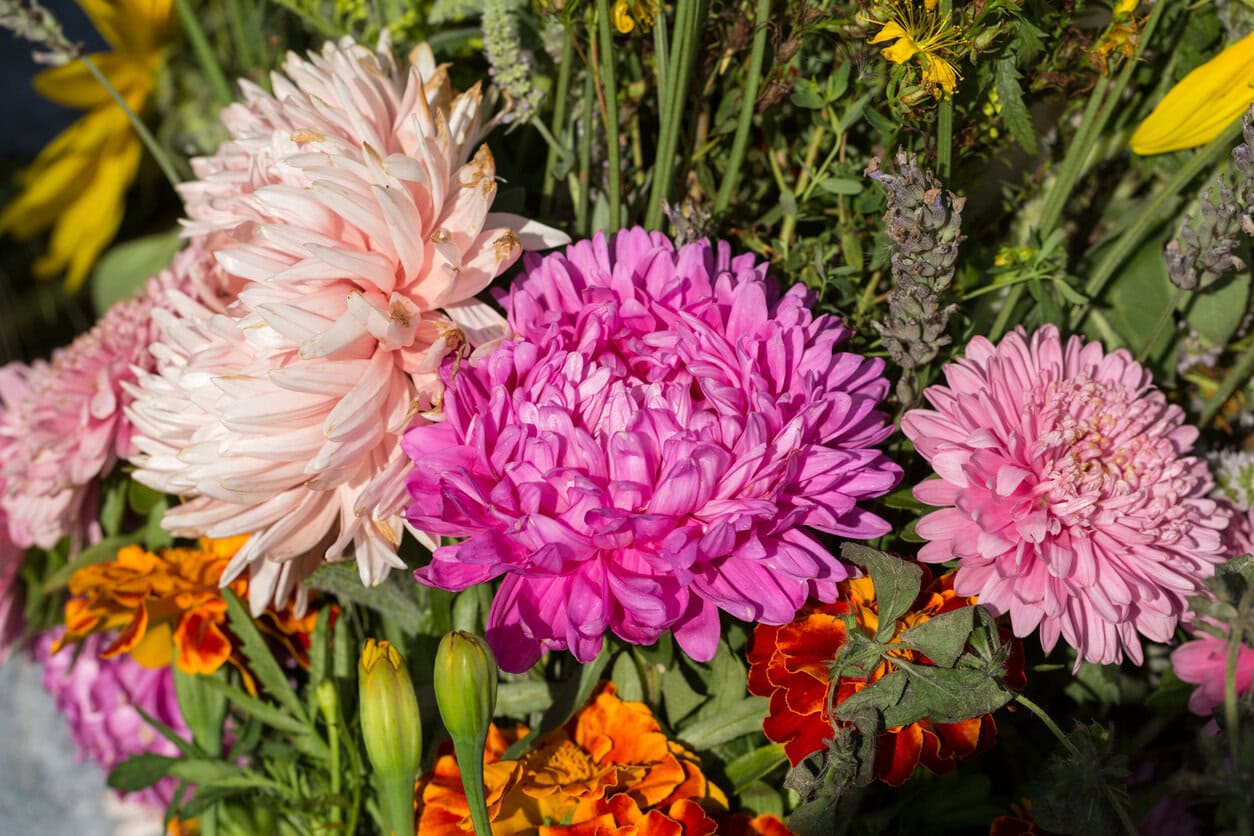
3: Chrysanthemums (Zones 5-9)

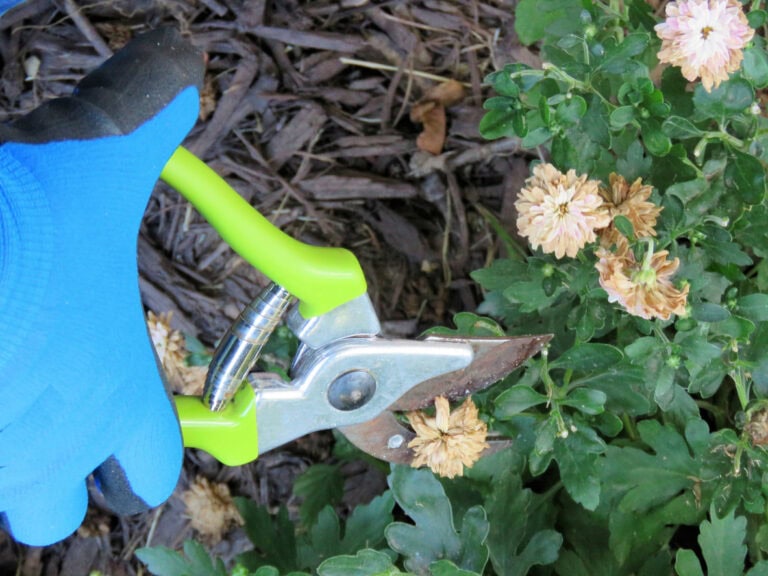
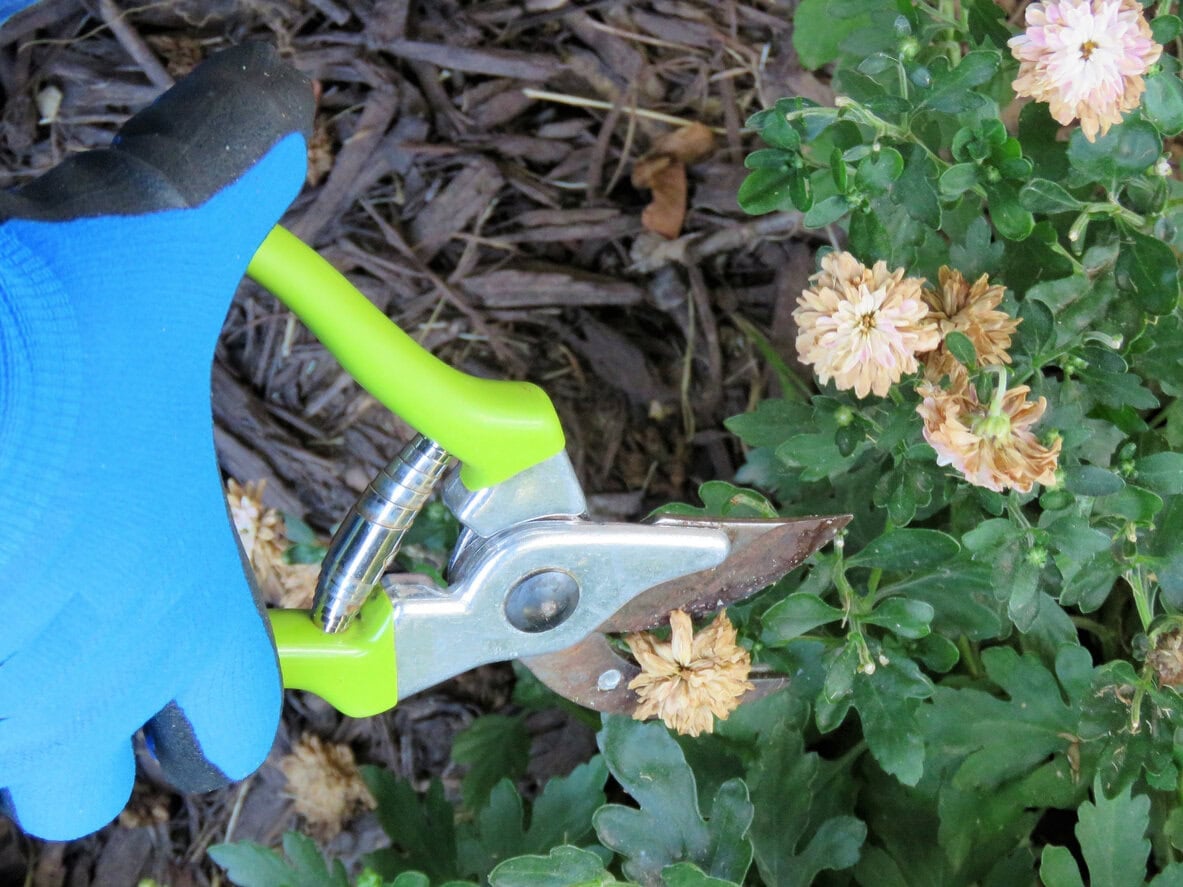
Chrysanthemums, or mums in short, are the go-to fall flower for pots and containers. If you want vigorous growth and sufficient longevity, opt for hardy mum varieties (these will overwinter in containers if protected). Florist mums usually won’t survive frost!
But, you still need to manage them correctly for lasting color. This helpful article on deadheading mums for beautiful autumn blooms offers step-by-step care tips.
4: Ornamental Kale & Cabbage (Zones 2-9)
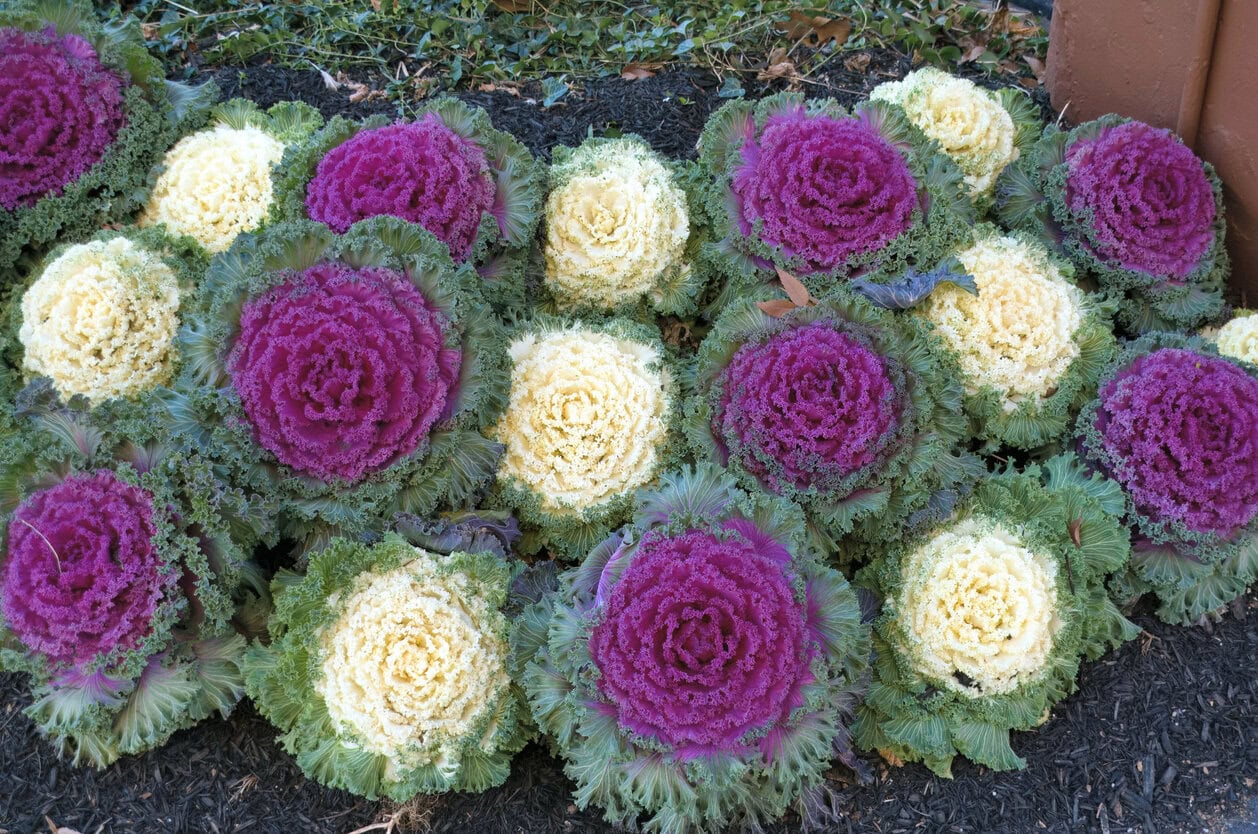
Most ornamental kale and cabbage varieties are grown for visual effect and dramatic foliage rather than the intent of harvest. In cooler temperature conditions, the color of these ornamental leafy greens can turn deeper and richer, making them the perfect decorative plant.
5: Dusty Miller (Zones 7-10 Or Annual Elsewhere)

Dusty millers offer a silvery, soft foliage that looks pretty interesting against contrasting backgrounds and blooms. They’re hardy, drought-tolerant once established, and love full sun for optimal growth.
Once you plant dusty millers, make sure you place the container outdoors in a sunny location.
6: Snapdragons (Zones 7-10, Annual In Colder Zones)

Snapdragons produce tall, fragrant spikes that capture interest in many ways. If you’re working with 5-gallon buckets or slightly taller pots, snapdragons can be a solid choice.
They love the cold season and should be deadheaded immediately after blooming to encourage a second flush of colorful flower spikes. If you don’t know how to do it, this snapdragon deadheading guide walks you through how and when to trim.
7: Asters (Zones 4-8)

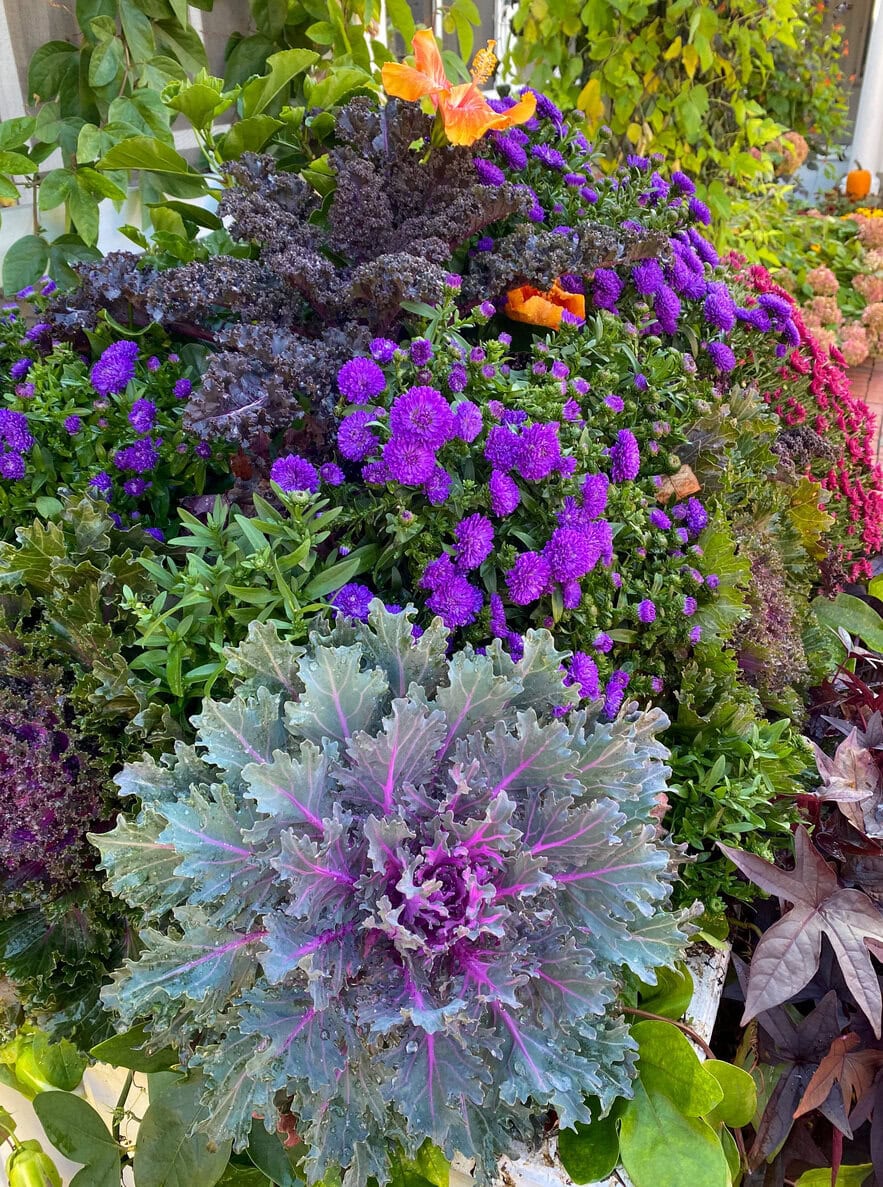
To me, asters resemble daisies with their cheerful star-shaped blooms. They’re loved by pollinators thanks to their vibrant color offerings and nectar-rich blooms.
For small pots and containers, it’s better to opt for compact/dwarf aster varieties. Also, deadhead spent blooms to extend the display into late fall.
8: Marigolds (Zones 3-9, Annual)

Marigolds are one of the few annuals that keep blooming in early fall, especially in slightly warmer USDA zones. Their only requirement is sufficient sunlight; besides that, they’re pretty low-maintenance.
Many gardeners prefer to grow marigolds as a colorful filler before the harsh frost kicks in. Just like most of the plants in this article, regular deadheading keeps them flowering until frost!
9: Coral Bells (Zones 4-9)
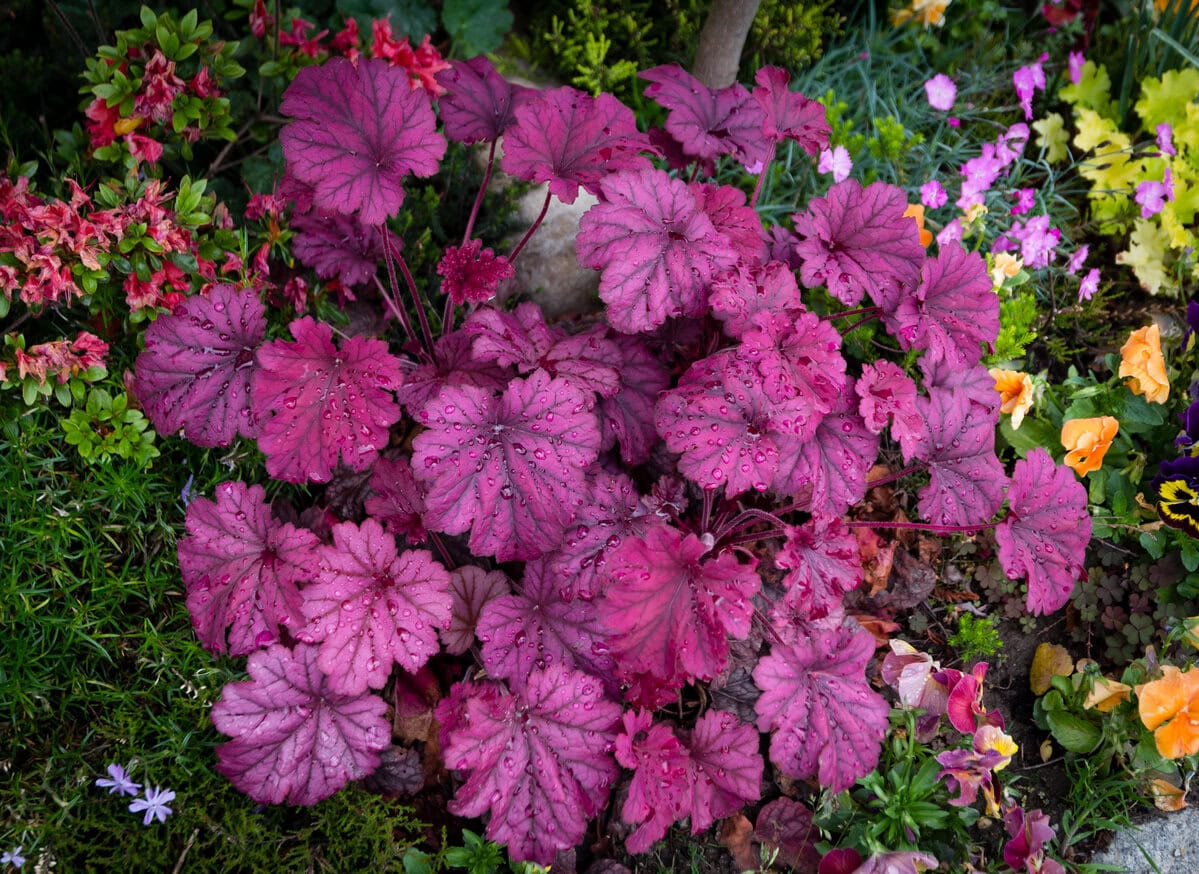
Coral bells are best known for their ruffled foliage that’s hard to look at and not admire. They come in a wide range of colors and patterns!
Their blooms usually only show up in late spring or summer BUT their foliage is the real star, lasting year-round and adding rich texture to fall containers. They make an excellent base plant and pair beautifully with pansies or dusty miller
And if you’re curious what else you can plant in fall for a gorgeous spring display, this list of flowers to plant in September has plenty of lush ideas
Can These Fall Flowers Survive A Light Frost?
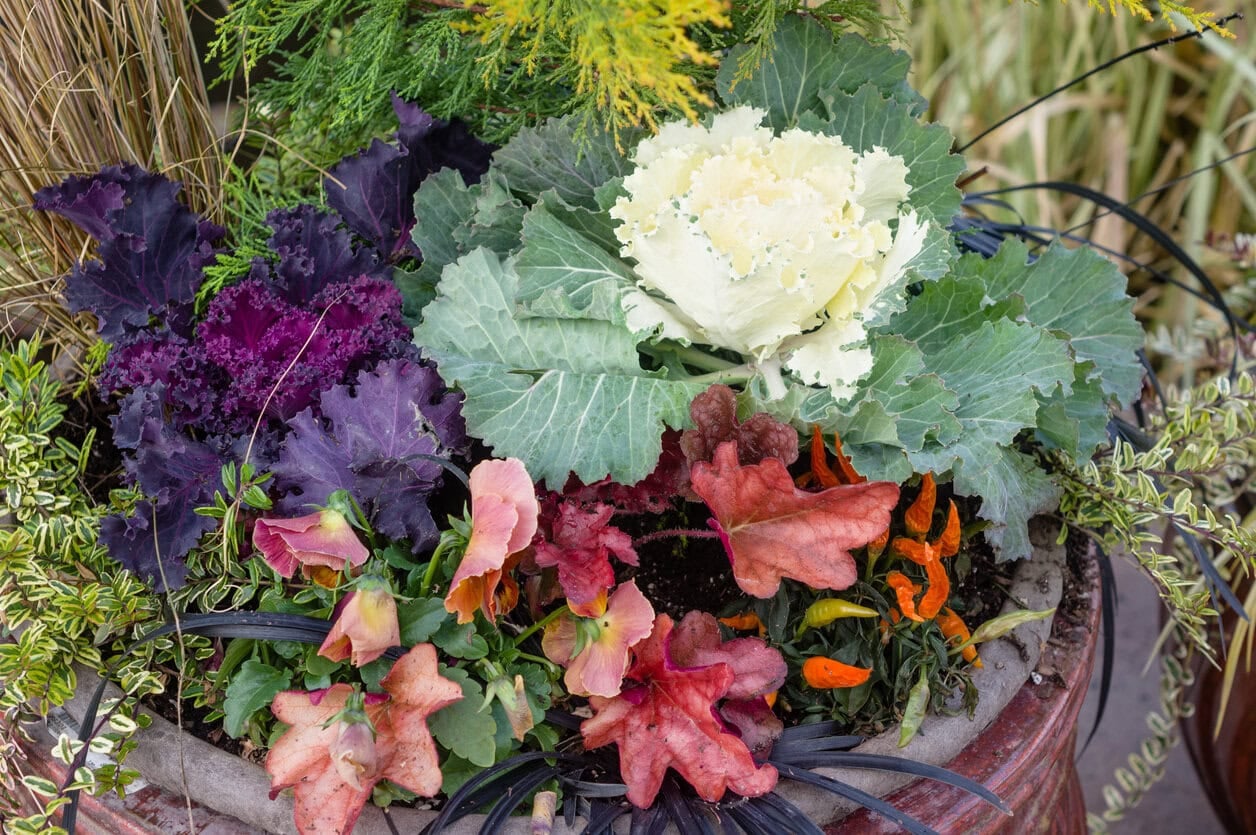
Since I’ve personally experimented with most of these flowers, I can assure you that they’ll easily handle a light frost, as long as you give them sufficient time to establish and mature.
Plants that are specially bred for cool-season potential, like pansies, violas, ornamental kale, and snapdragons, will stand out most for their continuous growth even during long cold spells.
Tips To Keep Your Fall Containers Blooming Longer
Let’s Conclude
While you might be tempted to, please DO NOT plant any flower of your choice in a container, especially in the fall when temperature conditions and other variables can be tricky to navigate around.
Be selective, work with a strategy, and execute with the right knowledge. That’s the only way you can make something meaningful out of container planting.