
Stop planting annuals, and start planting perennials! Wait. Stop planting annuals, and start planting annuals that act like perennials!
You’ll love vegetables and herbs that take matters into their own hands. A self-seeding garden is the ultimate gardening trick for anyone who loves fresh produce but secretly (or openly) hates dirt under their nails.
What Is a Self-Seeding Garden and Why You’ll Love It?

Can you imagine a garden with entirely independent plants? That’s what you get with self-seeders.
You can easily build a home for veggies and herbs that flower, drop their seeds, and let Mother Nature do the rest. What does it mean for you?
What does it mean for the local ecosystem? Your little garden will become more resilient. It will attract and support more beneficial insects. With a self-seeding garden, you will find that the results (of a little bit of neglect) are sow good.
If you like the idea of plants that reseed themselves for continuous seasonal color, these self-seeding flowers are full of inspiration.
Self-Seeding Herbs for Effortless Harvest
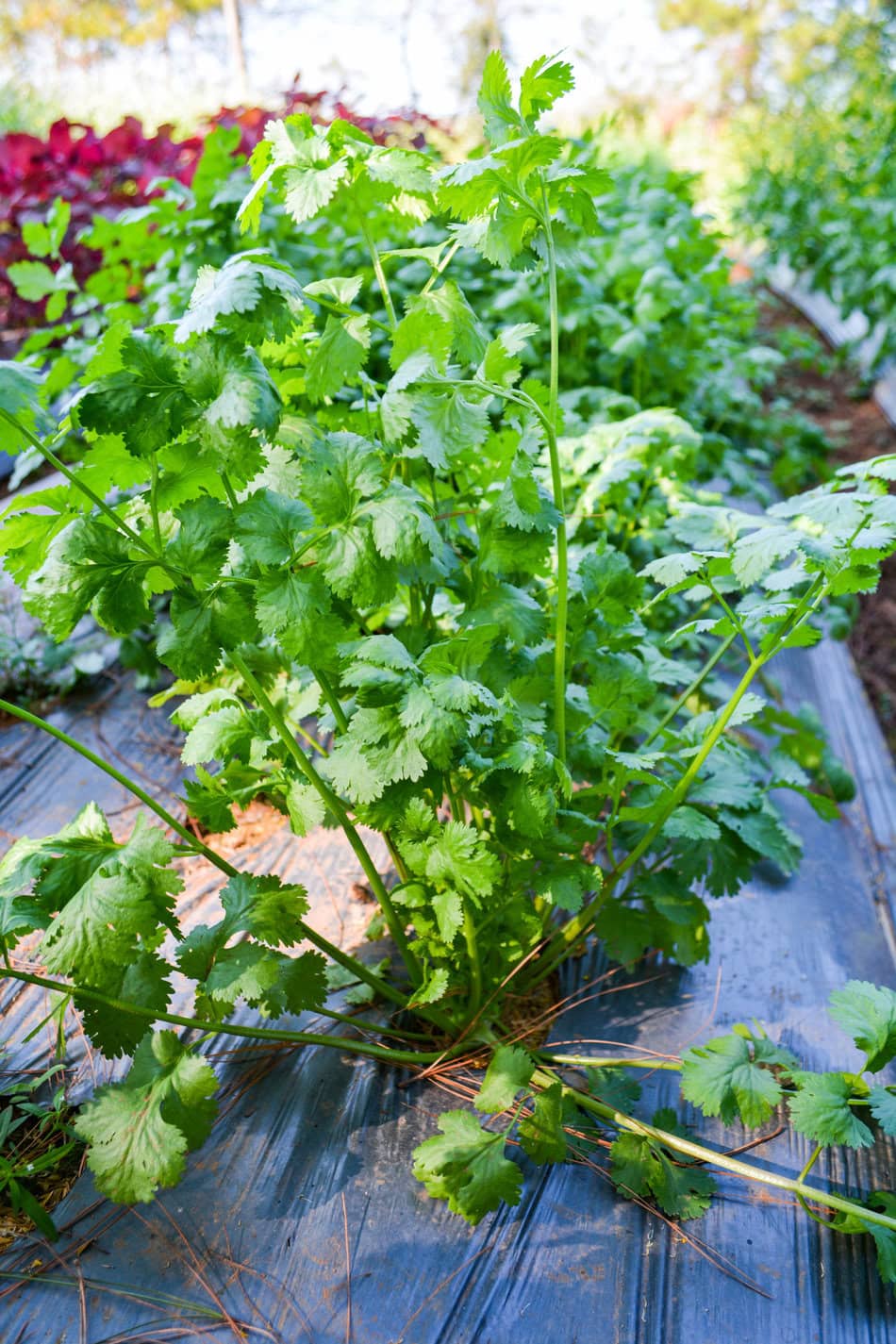
With these five herbs decidedly taking a more proactive approach to propagation, you can only sit back and reap the benefits. Just let them dill with it.
The USDA zones listed for each plant show where they’ll reseed most reliably, so you’ll know exactly which ones will keep coming back in your garden
1: Dill (Zones 2-11)
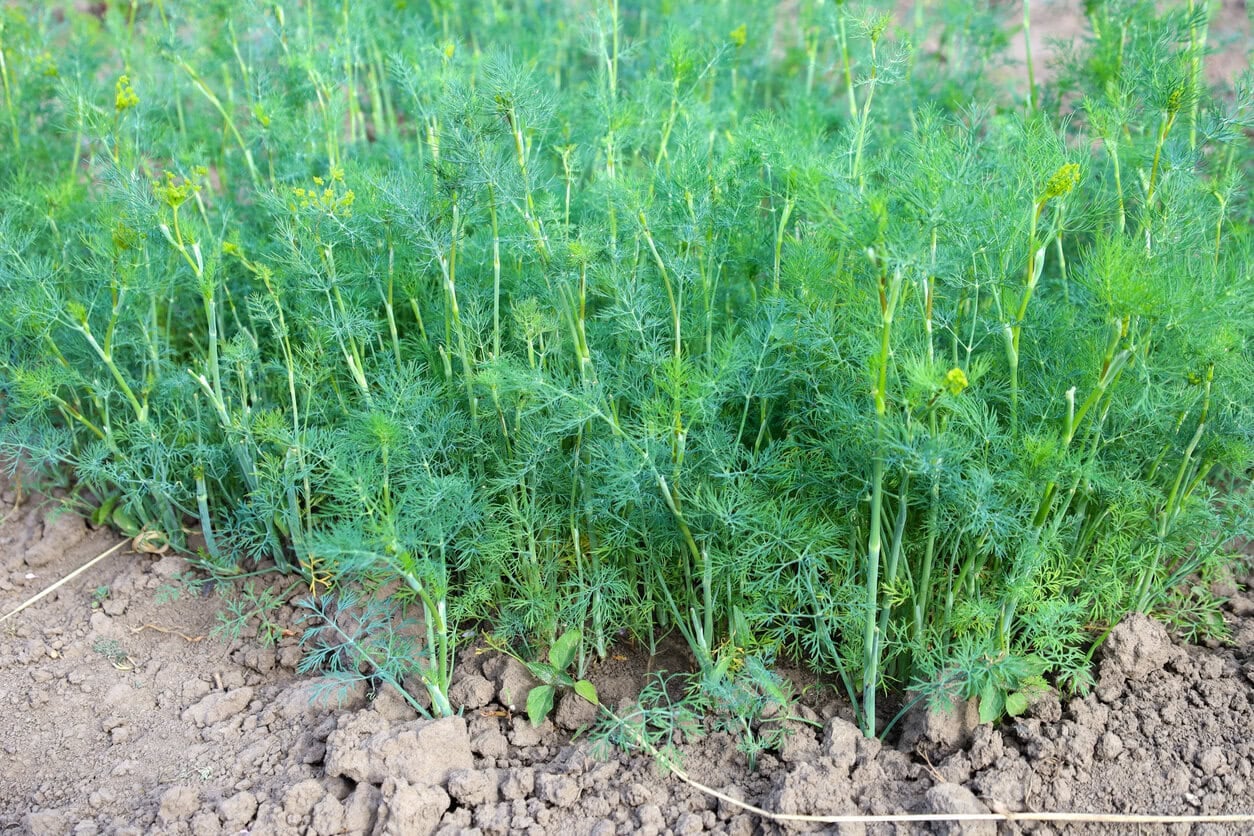
Dill is notorious for spreading far and wide like sand in a bathing suit, becoming a delightfully unreliable guest in your garden.
Just leave a few of its feathery heads to dry, and next year you’ll find little dill plants in all sorts of new places. A bonus? It will attract ladybugs and predatory wasps, always on a pest-eliminating mission.
2: Cilantro (Zones 3-11)

Cilantro prefers bolting in the heat and will shoot up a stalk and flowers instead of producing leaves. But don’t take it personally. It’s just getting ready to bless your garden with a new crop of its seeds, which we know as coriander.
Wait until next season and you’ll get a fresh crop of cilantro. It’s a win-win for anyone who loves both the fresh leaves and the dried seeds.
And for basil lovers: learn more about how basil regrows once cut, similar idea of letting plants surprise you.
3: Arugula (Zones 3-11)

The great thing about arugula is that it’s a bit of a commitment-phobe. It bolts at the first sign of a hot day, but that’s just its way of telling you it’s time to set up for the next season.
Simply leave a few of the plants that go to seed, and they will gladly drop a new generation of spicy little greens for you.
4: Parsley (Zones 4-9)

This one’s a bit of a commitment. Parsley is a biennial, which means it takes its sweet time. It fully focuses on growing delicious greens for an entire year before it even thinks about producing seeds.
But patience is a virtue, and with parsley, it pays off. In its second year, it will finally go to seed, preparing a free crop of baby parsley plants popping up for seasons to come. You just have to wait for it.
5: Mint (Zones 3-11)

If you want a plant determined to stick around, know that mint spreads by both underground runners and by seed. It’s a reliable returner just like a Terminator.
Quick note: Be sure to plant it in a pot or a contained area, though, unless you want it to become your entire garden.
Self-Seeding Vegetables for a Bountiful Garden
Enjoy a radishing veggie harvest with a fraction of the work.
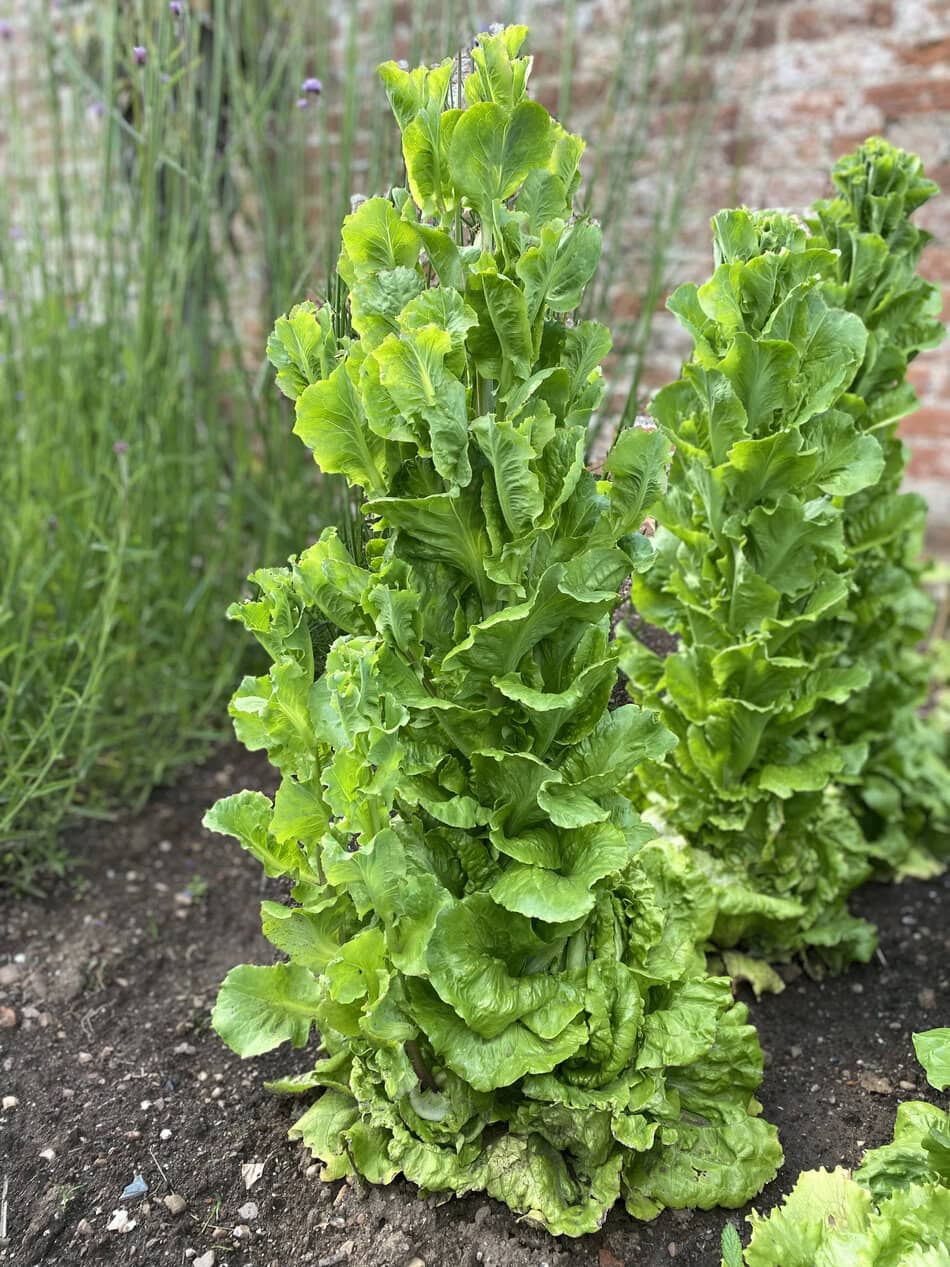
1: Lettuce (Zones 4-9)

Don’t be so quick to pull out lettuce plants that have gone leggy and bitter. This is actually their master plan in action!
Let a couple of your favorite loose-leaf varieties like Oakleaf or Black-Seeded Simpson go to seed. They’ll shoot up a stalk and produce seeds that will drop, giving you a fresh, free crop of salad greens on the house.
Curious about different ways to harvest lettuce so it keeps coming back? Here’s a guide on lettuce regrowth once cut.
2: Fennel (Zones 5-10)
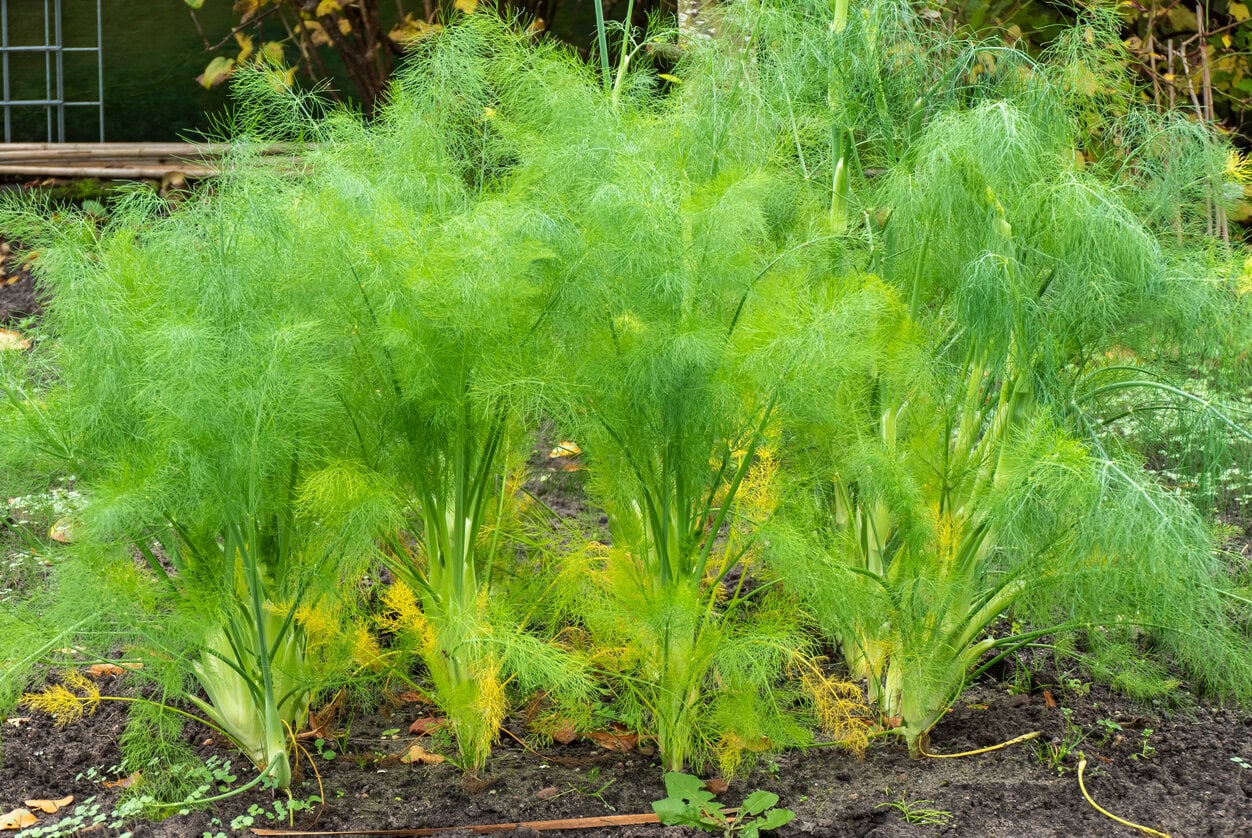
Fennel is a bit of a slow burn, but it’s worth the wait. It spends its first year perfecting its licorice-flavored bulb.
Then, in its sophomore season, it finally decides to send up a tall stalk of flowers and seeds. If you leave it be, you’ll be treated to a surprise garden full of baby fennel plants, a new crop for the taking.
Quick note: Just keep in mind that fennel can be a bit of a wanderer. In some areas it reseeds so freely that it’s considered invasive, so give it a spot where it won’t take over.
3: Radish (Zones 2-11)

Ever forgotten a radish in the garden and found it looking a bit wild? Congratulations! You’ve just unlocked its second life.
If left alone, radishes produce edible seed pods and then drop seeds for the next season. It’s a genius way to get a bonus crop of crunchy pods and a fresh batch of new radishes the following year.
You can also get more from what you already have, here’s some vegetables that regrow from kitchen scraps in water.
4: Swiss Chard (Zones 3-10)

All hail the MVP of the biennial team. Swiss chard will happily overwinter in many climates and, in its second year, it will produce a generous amount of seeds. Simply leave a plant or two in the ground, and you’re pretty much guaranteed a fresh crop come spring.
5: Kale (Zones 4-9)

Like Swiss chard, kale is a biennial that’s not in any hurry to say goodbye. Most varieties will stick around through winter, only to flower and go to seed the following year.
Oh btw, what’s the only thing that smells worse than a teen’s bedroom? Kale cooking.
If you’ve ever wondered whether bigger brassicas act like self-seeders, we also wrote an article about whether cauliflower regrows or not after you cut it.
The Joy of Reaping What You Didn’t Sow

A resilient self-seeding garden requires minimal work and saves you money with just a little attention to thinning, letting plants go to seed, minimizing soil disturbance, and weed management.
With just a little neglect, your dill-ightful harvests are mint to be, and will keep your kale-endar full of fresh produce all season long!


