
Bulbous plants and perennials are often the highlight of spring. They bring this sort of blissful and cozy energy that’s hard for other plants to beat.
In today’s article, we’re going to discuss bulbs in detail and take a look at some bulbous plant options you can sow this fall to achieve stunning blooms right away in spring.
Trust me, this is going to be way more interesting than you think. You’ll be surprised how rewarding fall bulb planting can be!
Bulbs To Plant This Fall For Spring Blooms
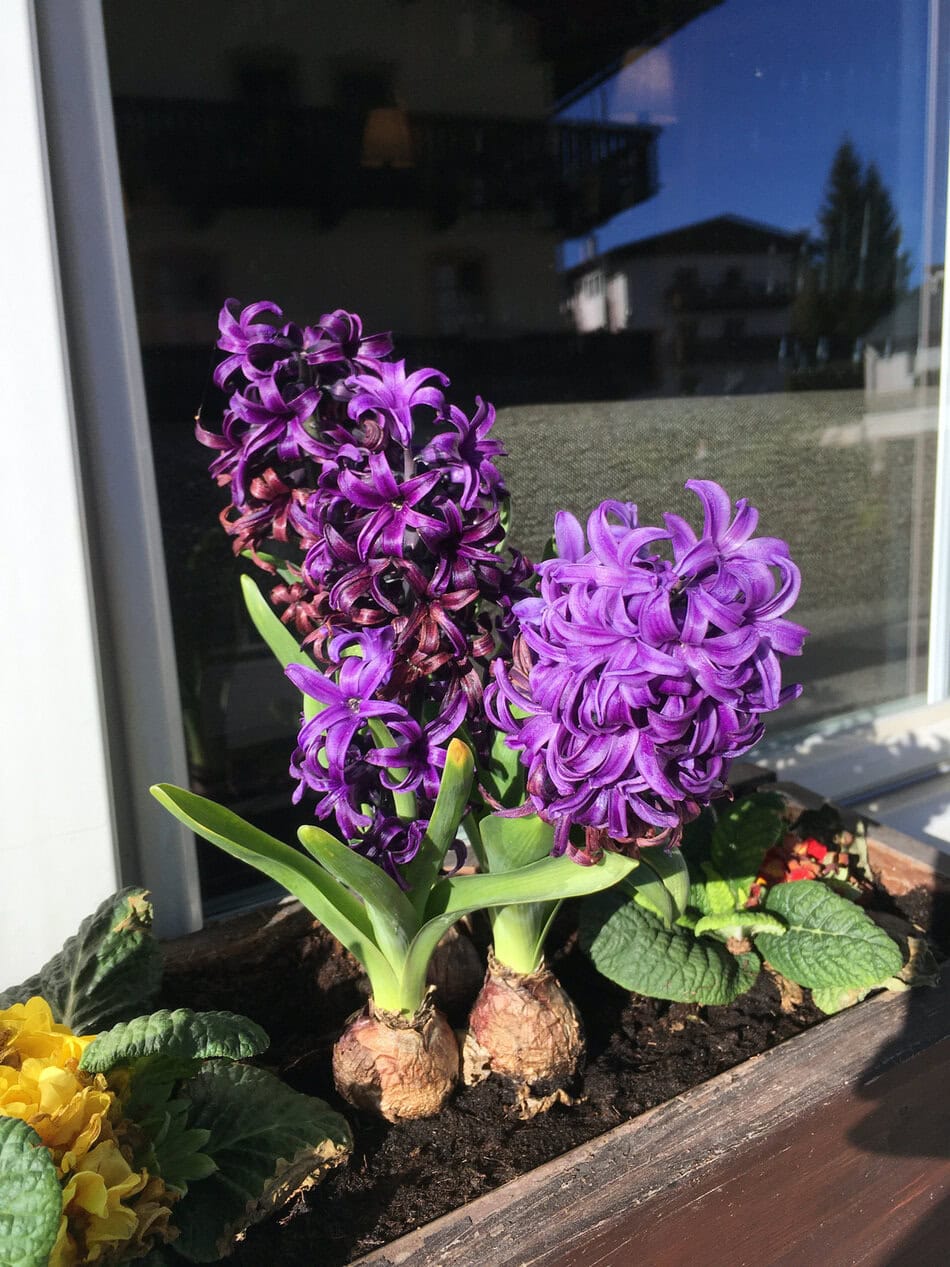
1: Snowdrops (Galanthus) – Zones 3-8

Snowdrops are a very early spring staple, and they’re often the first perennial to bloom around late February. Plant them in the fall and in part shade for the best results. If you want, you can even plant them under deciduous trees for some extra shade.
2: Crocus (Crocus tommasinianus or vernus) – Zones 3-8

Crocuses can be seen blooming in early March, even when it’s actively snowing. ‘Tommy’ crocuses are the best naturalizing, as long as you plant them in a suitable location with either full sun or part shade (depending on how hot your region is).
While you wait for these bulbs to show off next year, you can still enjoy color now with fall-blooming flowers that push right through frost, they’re perfect for bridging the seasons.
3: Dwarf Iris (Iris reticulata) – Zones 4-8
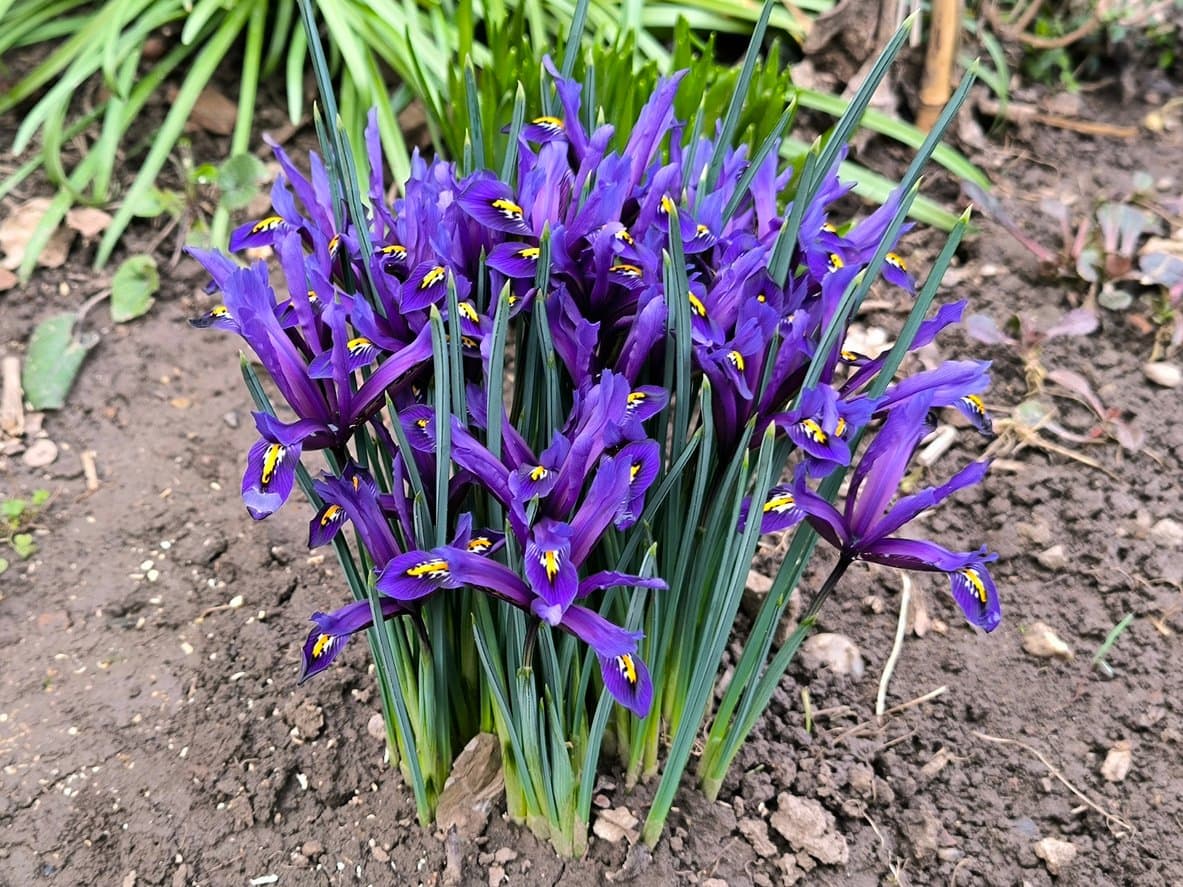
Dwarf iris varieties offer petite but vivid blooms in early spring. These do not need to be planted in shade and should be given plenty of sun and well-draining soil for ideal blooming.
4: Glory-Of-The-Snow (Chionodoxa) – Zones 3-8
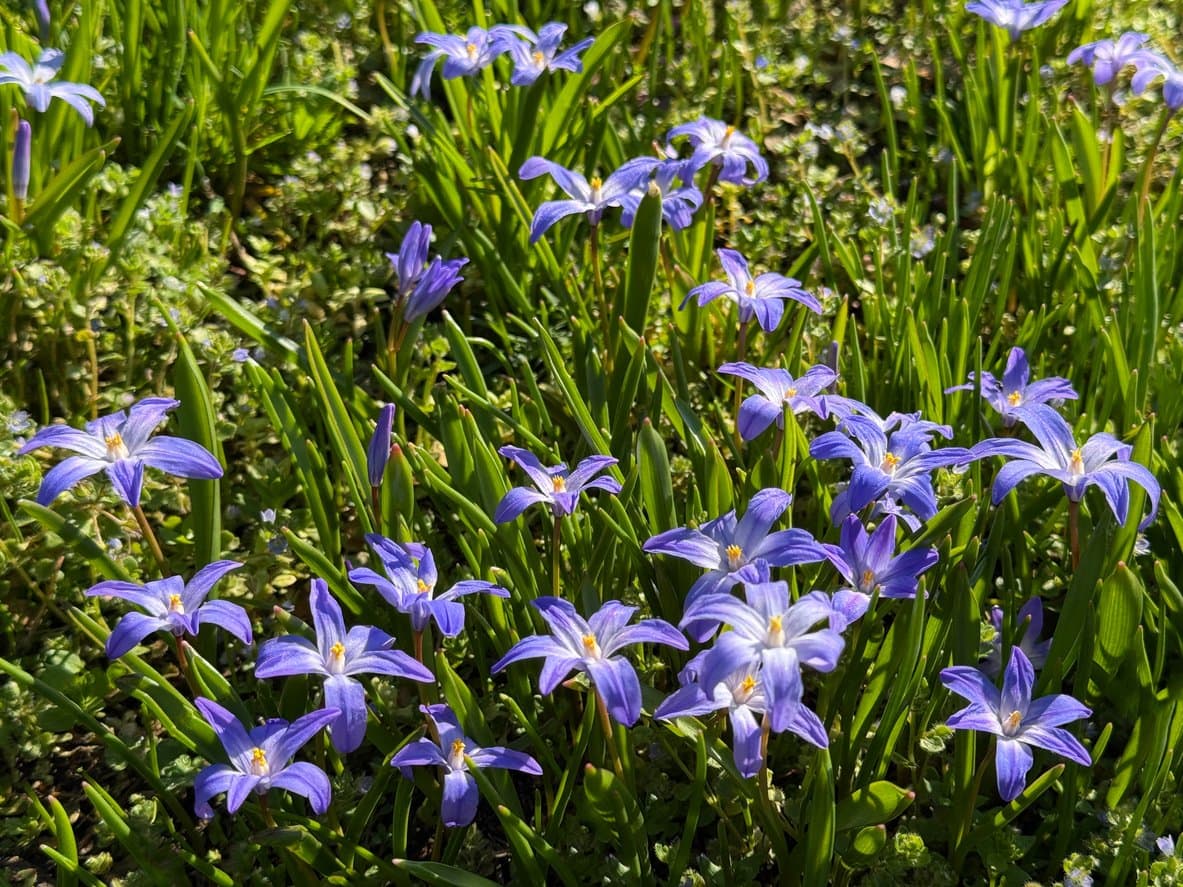
Like the name suggests, glory-of-the-snow are amongst the earliest naturalizers, often blooming with crocuses near the beginning of March. They offer vibrant blue and pink flowers, serving as a stunning attraction in lawns, driveways, and even hanging baskets.
5: Winter Aconite (Eranthis hyemalis) – Zones 3-7

Winter aconites bloom with yellow cup-shaped flowers in late winter or very early spring (often showing up just before the snow fully melts). Plant them in the fall in rich, fertile soil and try to soak the bulbs before planting, as they tend to be extremely dry.
6: Early Daffodil Varieties – Zones 3-8

Varieties like ‘February Gold’ or ‘Rijnveld’s Early Sensation’ are often among the first daffodils to bloom in early spring. They’re easily naturalizing, deer-resistant, and can be planted deep in both sunny spots and shade. But, be careful because too much shade can reduce the amount of blooms.
Want even more spring color? Here’s a list of flowers to plant in September that will give you a gorgeous burst when the season turns.
7: Siberian Squill (Scilla siberica) – Zones 2-8

Siberian squills produce deep blue flowers in early spring and are able to naturalize elegantly in gardens and under large trees. Unsurprisingly, they’re also very cold-hardy and can withstand long cold spells without a problem.
8: Striped Squill (Puschkinia scilloides) – Zones 4-8
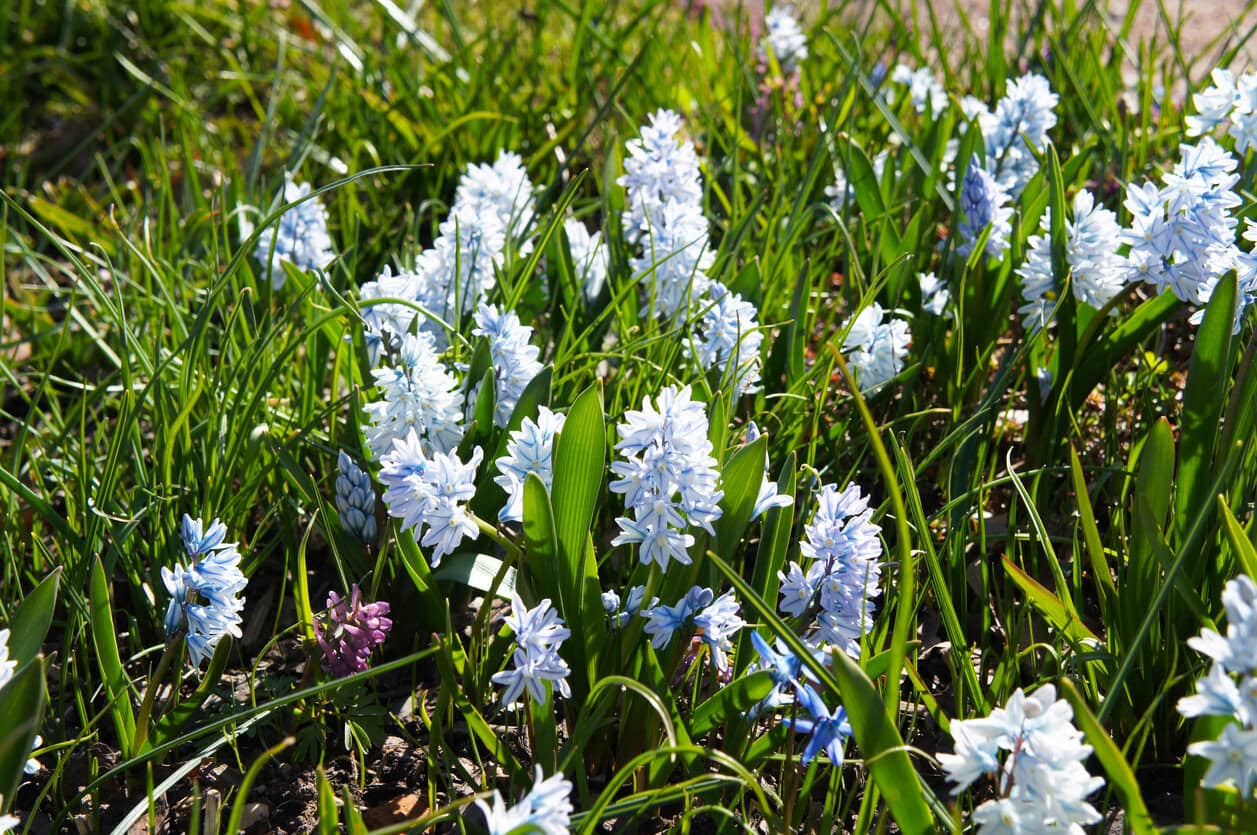
These blue and white striped flowers come in around early spring, but must be planted in fall. They can be a perfect addition to rock gardens or for lining borders, considering their tidy and compact habit growth. You want to plant these at least 3 inches deep in the ground, ideally in well-drained soil.
9: Dwarf Hyacinth – Zones 4-8
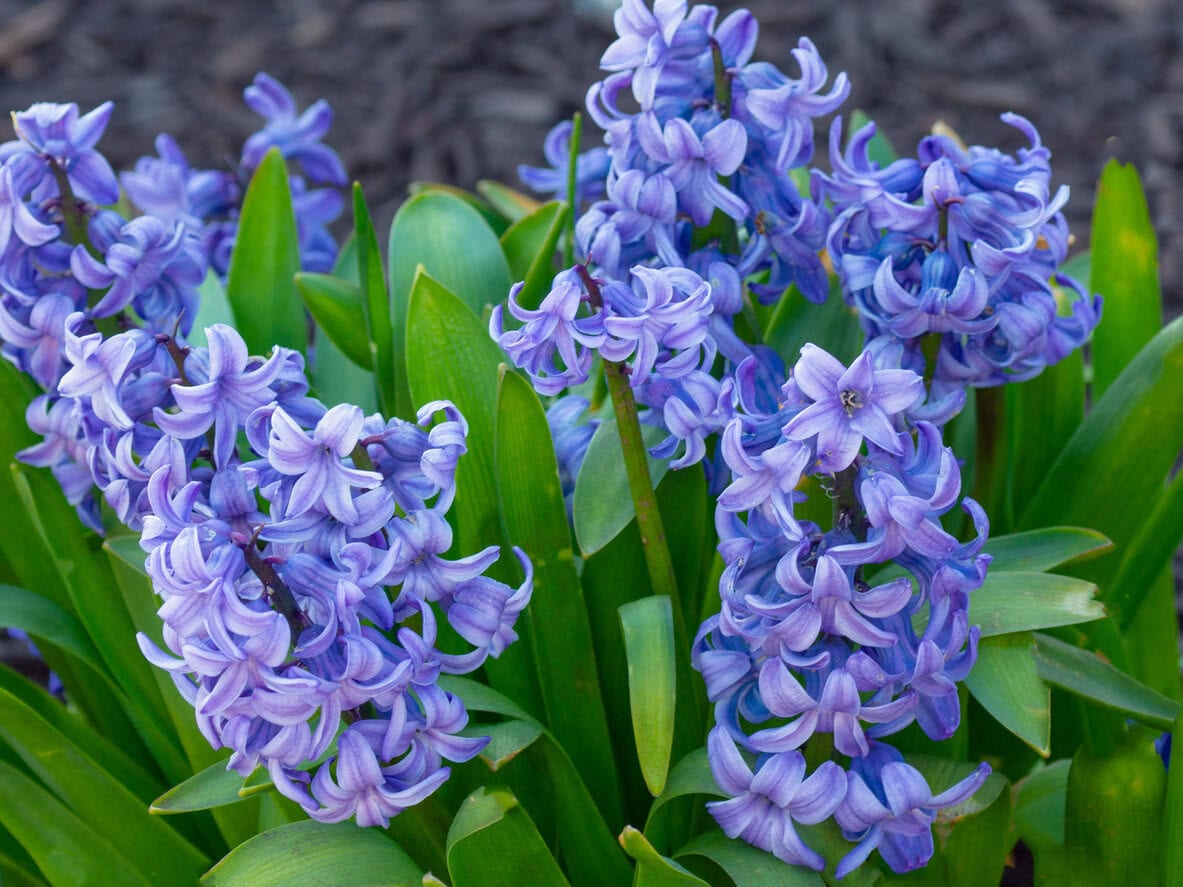
Dwarf hyacinth varieties like ‘Blue Pearl’ not only provide relatively more compact growth compared to regular hyacinths but also bloom up to 3 weeks earlier! The flowers produce a sweet, floral fragrance that can really bring up the whole vibe of the garden in spring.
Just be sure to plant these hyacinths in full sun and at least 4-5 inches deep in the ground.
10: Anemone Blanda (Grecian windflower) – Zones 5-8
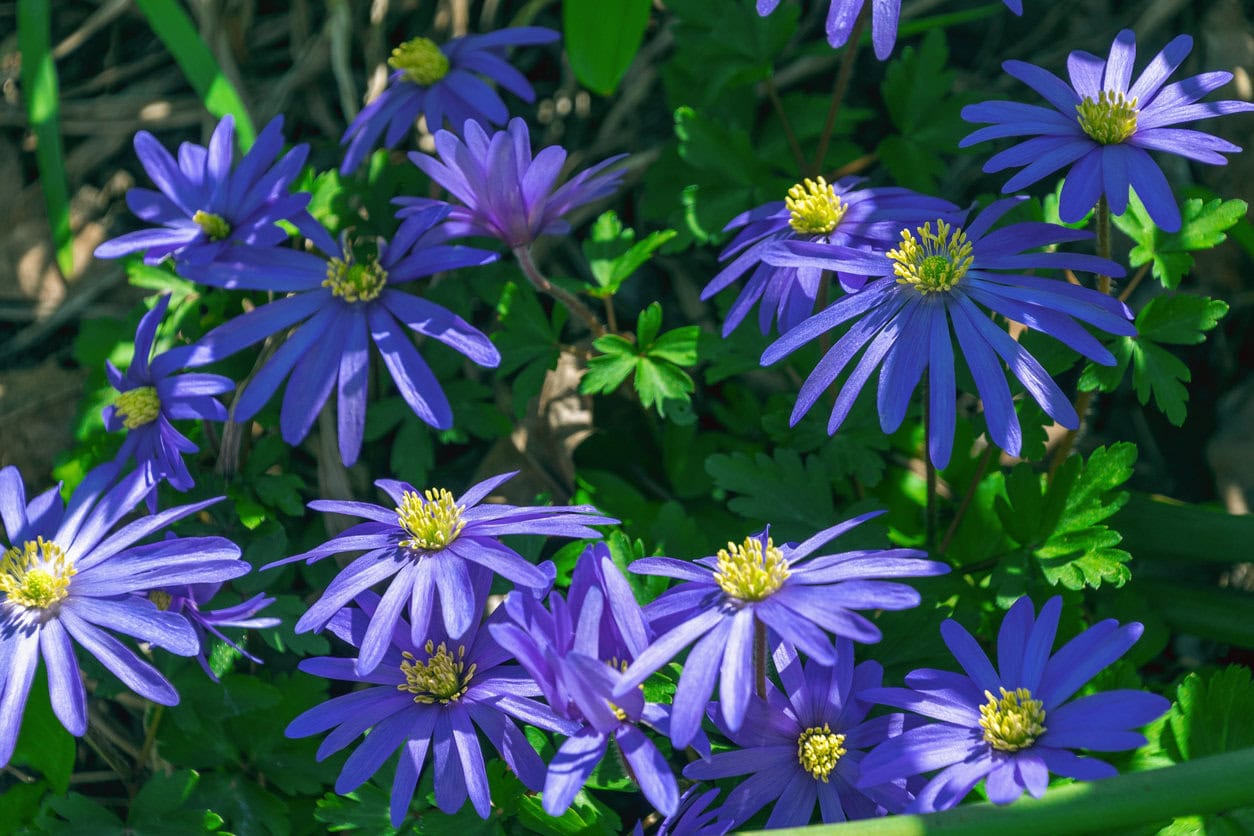
Grecian wildflowers produce daisy-like pink, blue, purple, and white blooms that bloom vigorously in mid-spring. Depending on your zone, they may flower a little early or late for you in spring.
Many experienced gardeners suggest soaking Grecian wildflower tubers before planting to achieve better results.
Can You Grow These Bulbs In Pots?

Absolutely!
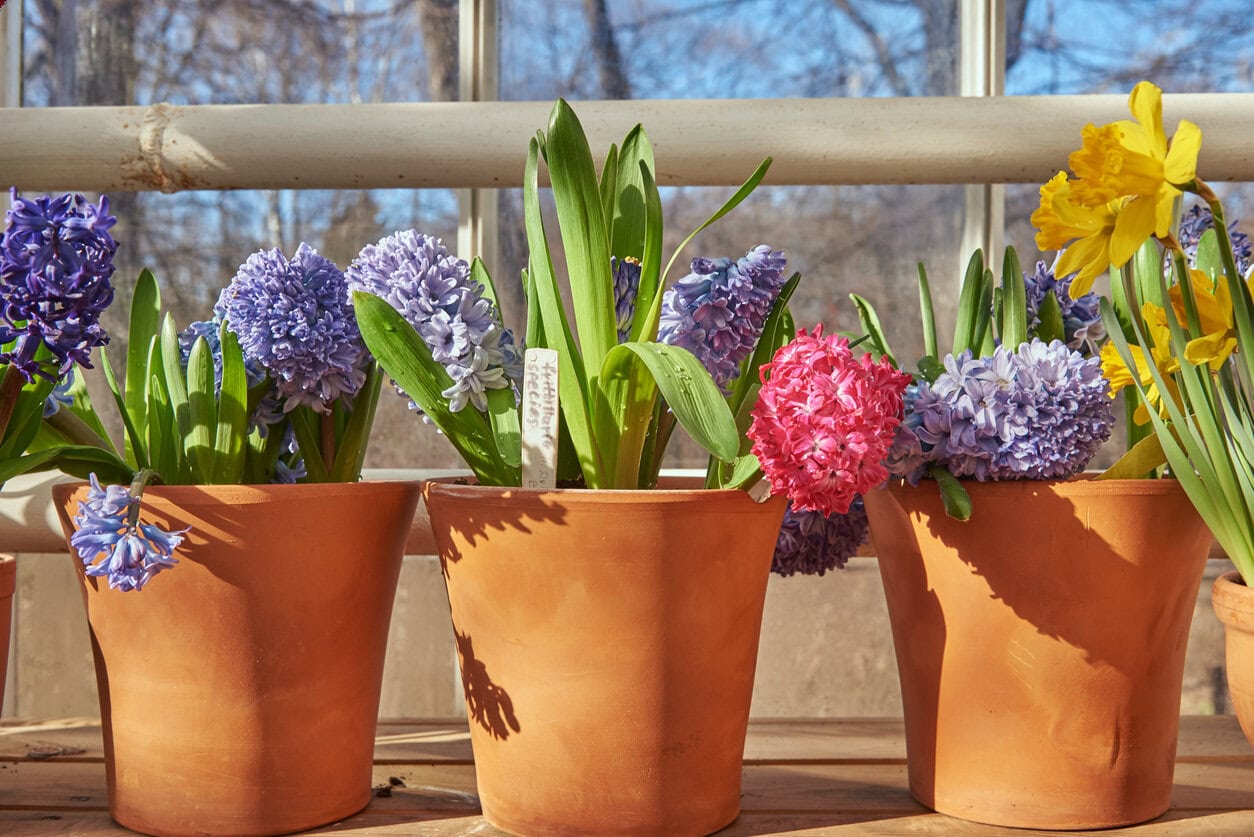
While many of these bulbs would suit the garden more and potentially look more stunning in open landscapes, you can still grow them just as well in pots and containers. Just make sure the pots are large enough to accommodate root growth and spreading, as root-bound bulbs will leave you disappointed.
If you’re already in fall garden mode, you might also want to divide a few perennials now, it’s an easy way to multiply your color show for next year.
How Deep Should You Plant Fall Bulbs?
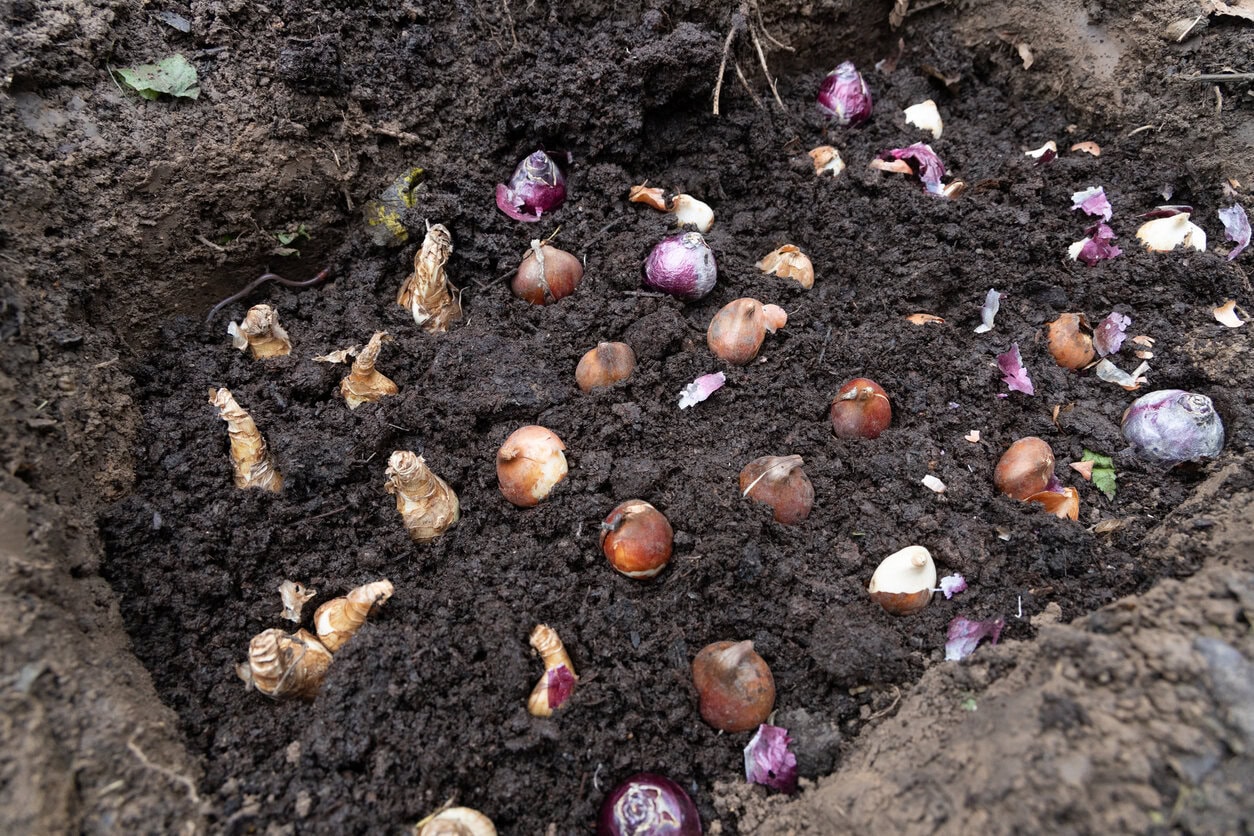
Like I mentioned frequently, many fall bulbs need to be planted slightly more deeply compared to regular plants.
As a general rule of thumb, bulbs should be planted twice or thrice as deep if they’re on the taller side. As an example, if a bulb is 2 inches tall, plant it 4-6 inches deep.
Let’s Conclude
Now that you’re well-equipped with the knowledge of planting bulbs, it’s time you take action and plant something before fall goes by. Consider factors like your USDA zone, regional temperature conditions, and free space when deciding which bulb will work best for you. Good luck!
Not sure which will thrive in your area? Here’s a by-zone guide to flowers you can sow in August or September so you can pick the perfect match for your climate.




Noticed none of these bulbs are for zone 9
Hi Susan 🙂 You’re right, this particular list is mostly aimed at gardeners in colder zones, and I should have made that clearer. In Zone 9, I’d look more toward bulbs like paperwhites and other warm-climate narcissus, freesia, and ranunculus, depending on your local winter conditions. Some of the bulbs in this article can still be grown in Zone 9, but they often need extra chilling and may not come back reliably year after year.