Garden pests treat your soil like a wild west saloon, but one leafy sidekick recruits a mercenary army of beneficial bugs. Don’t view it as a mere garnish!
Parsley may be small and unassuming but it is surprisingly effective. Let me show you how it quietly carries the entire vegetable patch on its tiny green shoulders.
Parsley Sunny with a Chance of Pestslaughter

Parsley runs the witness protection program for the nine crops most likely to be eaten by Tuesday. If you want parsley to keep pulling its weight in the garden, we wrote a full guide on how to prune parsley the right way so it keeps growing back without weakening the plant.
1: Asparagus (USDA Zones 3-10)
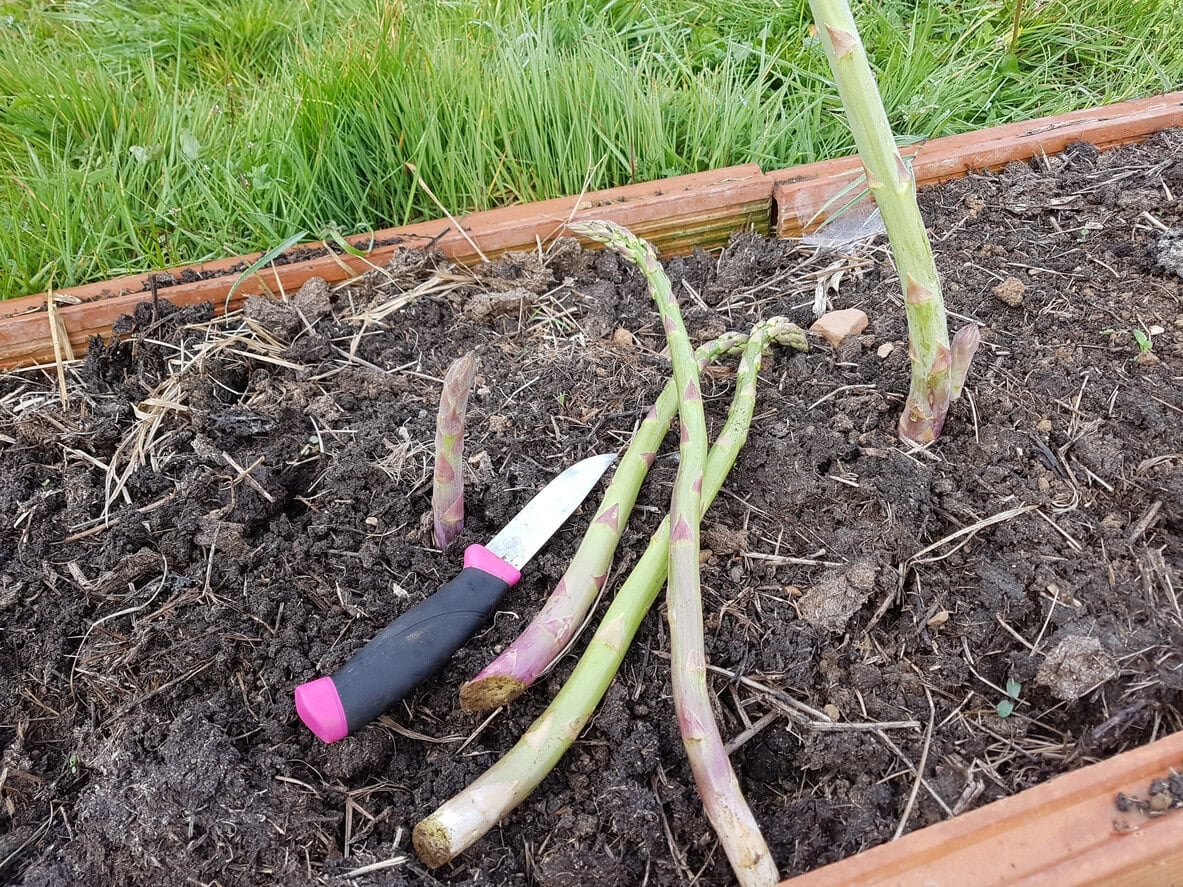
Asparagus is a brutal waiting game. You spend years tending the crowns, only to watch asparagus beetles show up and wreck everything in a single weekend. Planting parsley nearby helps by attracting tiny parasitic wasps that target those beetles before populations explode.
These wasps aren’t interested in your plants at all. They just want to lay eggs inside the beetles and end the infestation from the inside. It is a bit cruel, but it’s one of the most effective natural ways to ensure your harvest has a spear-ited defense.
Quick tip: I like to plant parsley along the edge of the asparagus bed and let at least one plant flower. That’s when the beneficial wasps really start showing up.
2: Tomatoes (USDA Zones 2-11)

Aphids treat tomato stems like a free tap until parsley brings in the hoverflies. Their larvae feed heavily on aphids and will clear them out surprisingly fast once they move in.
Beyond biological warfare, it also helps shade the soil a bit, which slows down moisture loss around shallow tomato roots. It’s not a replacement for mulch, but every bit helps during hot, dry stretches. Unless you plant them together, your slow-growing vines will never ketchup to the rest.
Quick tip: I plant parsley on the sunny side of the tomato bed and let one plant flower early. That’s usually when I start seeing fewer aphids on the stems.
If you’re planning a full tomato bed, we also put together a guide on companion plants for tomatoes that work well in garden beds, pots, and containers.
3: Peppers (USDA Zones 2-11)

Whiteflies love pepper plants, coating the underside of the foliage in a layer of sugary filth. Unfortunately for them, parsley attracts beneficial insects that prey on soft-bodied pests like whiteflies and aphids. Place the two together, and you invite predatory flies to patrol the area.
Parsley’s also helps cover bare soil, protecting the pepper plants from the scorching afternoon sun. It’s not a magic shield, but it can reduce stress, so your peppers can focus on building flavor and heat instead of fighting off a swarm.
Quick tip: I tuck parsley near peppers but leave a little space for airflow. If whiteflies show up early, I knock them back with a quick rinse and let the beneficial insects handle the rest.
Parsley is just one option. We explain in this guide other companion plants for peppers that help improve growth and reduce pest pressure.
4: Onions (USDA Zones 3-9)

Onions are the hardy introverts of the garden, but even they attract their fair share of trouble from onion flies. Parsley’s role here is of a cloaking device, interfering with how pests locate onion plants, especially in mixed beds where strong scents overlap.
As the flies deal with total confusion, the herb invites beneficial insects that live and hunt at soil level, including ground beetles that feed on eat the larvae before they can tunnel into your crop. It’s a tear-jerking success story.
Quick tip: I plant parsley along onion rows but still use row cover early in the season. Once the onions are established, the extra insect activity really helps keep damage down.
If onions are a staple in your garden, we wrote an article about companion plants for onions that work well in both beds and containers.
5: Corn (USDA Zones 3-11)

Corn stalks are tall, delicious targets for earworms and armyworms looking for a sugar fix. Parsley stays low to the ground, which can help by attracting tachinid flies, which parasitize many common caterpillar pests.
hile parsley won’t replace weeding, it does help cover bare soil and supports the insects that keep worm populations from getting out of hand. Your stalks will finally have an ear-replaceable advantage.
Quick tip: I plant parsley at the edges of corn beds where it won’t compete for light. It’s low effort, and I’ve noticed fewer caterpillars later in the season.
6: Beans (USDA Zones 3-10)

Growing these legumes without a bodyguard is an un-bean-lievable faux mistake.
Bush beans (and pole beans alike) are the Mexican bean beetle’s favorite snack. It can turn a leaf into lace in hours! Your fresh green parsley helps by attracting ladybugs and lacewings that hunt those beetles with ruthless efficiency.
Parsley doesn’t stop every pest, but it supports the kind of insect activity that keeps damage from spiraling out of control. When the pressure stays lower, beans can keep producing instead of constantly trying to recover.
Quick tip: I plant parsley a short distance from my beans so it doesn’t crowd them, and I let one plant flower. Once the ladybugs show up, leaf damage usually slows way down.
Parsley plays defense, but there are other plants that support beans too. We explain more in our guide to companion plants for beans that help increase yields.
7: Peas (USDA Zones 3-9)
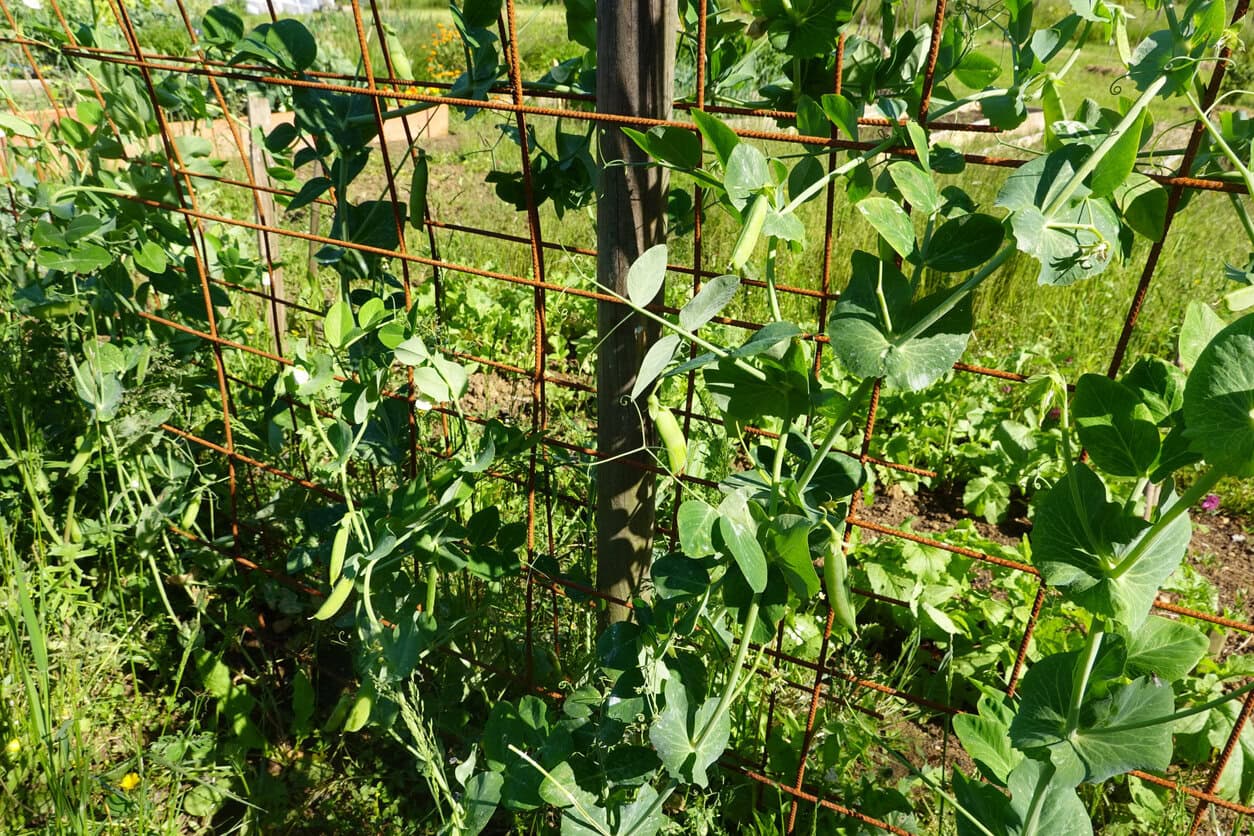
Peas and parsley are a perfect team because they don’t fight for space. Parsley stays low and lush while the peas climb upward. Together, they create a thick canopy, and makes it harder for weeds to take over.
This arrangement also attracts hoverflies, whose larvae feed on aphids known for spreading pea enation mosaic virus. The herb also keeps the soil cool, so your legume doesn’t shrivel up in a heatwave and can grow in peas.
Quick tip: I plant parsley just in front of my pea rows and let it fill in naturally. When aphids show up, they usually don’t stick around for long.
If you’re growing peas in a small space, we explain more companion plants for peas that boost growth and make better use of vertical space.
8: Brassicas (USDA Zones 3-10)

Broccoli and kale pairing are massive targets for cabbage worms that leave your harvest looking like Swiss cheese. Parsley helps helps by attracting beneficial wasps and ensures your dinner is not stalked by invaders.
Parsley also adds some light ground cover around brassicas, helping shade the soil during warm spells.
Quick tip: I let one parsley plant flower near my brassicas and keep the rest trimmed. That way I get pest control benefits without crowding the plants.
We also put together a guide on companion plants for kale, including what to plant nearby and what to avoid if cabbage worms are a recurring problem.
9: Cucumbers (USDA Zones 3-11)

Ready to hear something gross? Cucumber beetles carry a bacterial wilt inside their gut. When they take a bite of a leaf or stem, they… vomit… that bacteria right into the plant’s system. It can turn a healthy crop into brown mush in a few days.
Set parsley right against the roots won’t make cucumbers invisible but it disrupt how pests move through the bed so the insects cannot locate the main vine and attract beneficial insects at the same time. It’s a low-effort move that keeps your cucumbers crisp and hydrated. Anything else is a pickle you want no part of.
Quick tip: I plant parsley close to cucumber vines but not directly against the stems, and I check leaves often early on. Catching beetles early makes a huge difference.
If cucumber beetles are a yearly issue, we explain more companion plants for cucumbers that help boost growth and reduce pest pressure in this article.
There’s No Plot Twist Without Parsley

Bugs follow a predictable path to your produce, and parsley glitches their entire system. Plan(t) the defense on time and watch the hunters become the hunted in your backyard.
Also, if parsley sparked your interest, we also explain other companion plants that naturally repel garden pests and work across multiple crops. But when pests get out of hand, companion planting helps, but it’s not the only tool. We share several natural garden sprays for pest control that don’t rely on chemicals in this guide.