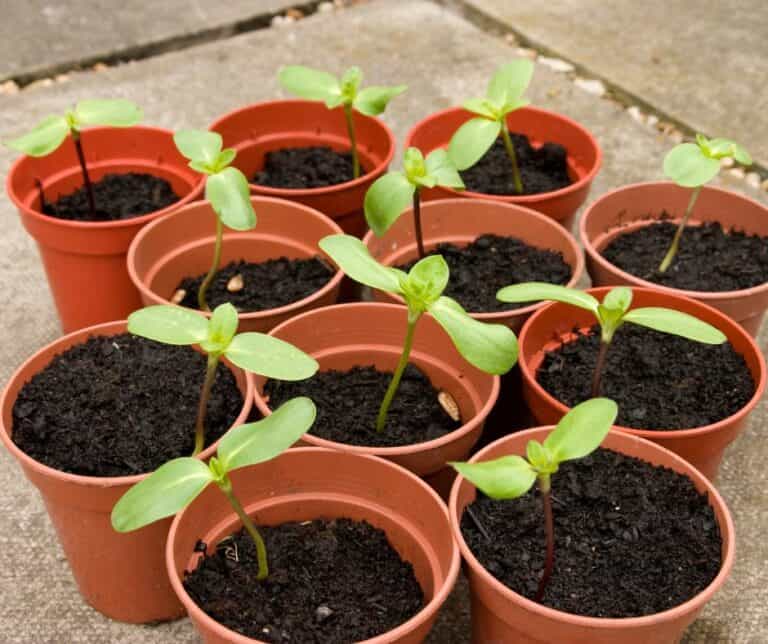
Spring waits for no one, my fellow gardeners, especially those staring at empty flower beds. Your shovel is lonely; so give it some real work.
Your outdoor space could use a personality upgrade immediately, and these seven shrubs deliver the color and life your yard’s been missing.
If privacy is part of the mission too, we wrote an article about fast-growing privacy shrubs that are worth a look.
Don’t Be A Bush League Gardener

Feast your eyes on the shrubbery that will finally make your yard look lived-in and give your curb appeal a serious upgrade.
Quick note: These shrubs can be planted in USDA Zones 5-8 once the soil is workable. Just keep in mind that while April planting gets them established, the best blooms usually show up next spring unless you grab plants already in bud.
1. Forsythia (USDA Zones 5-8)

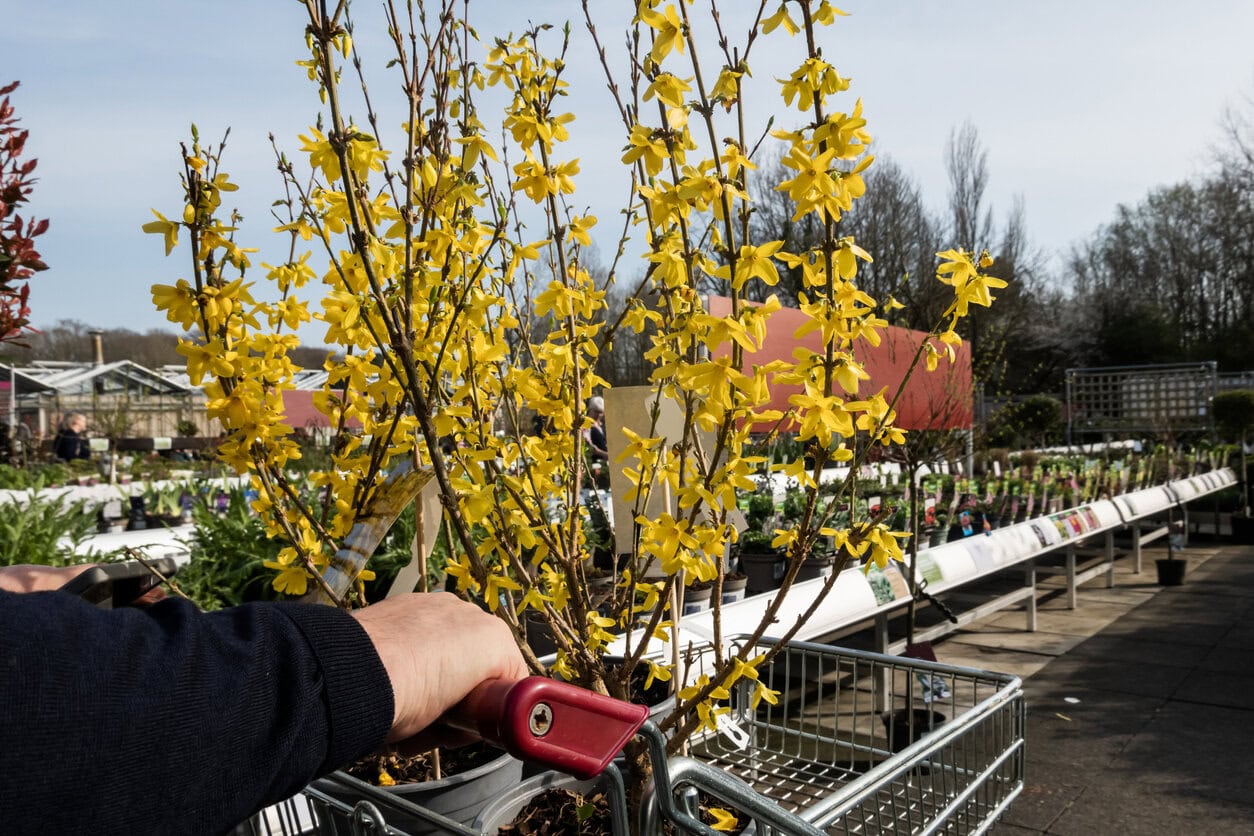
Its yellow bells will explode across every twig to signal that winter is officially dead before a single leaf dares to appear.
This golden legend, known to science as Forsythia x intermedia, grows with such frantic energy that you might actually hear it stretching. Use it to create a living wall of sunshine that blocks out your neighbor’s questionable lawn ornaments.
Quick tip: It handles a heavy prune like a champ, so do not fear the shears once the bloom finishes. As for upkeep, this plant performs best full sun; otherwise, you can turn into a leggy stick.
2. Flowering Quince (USDA Zones 5-9)
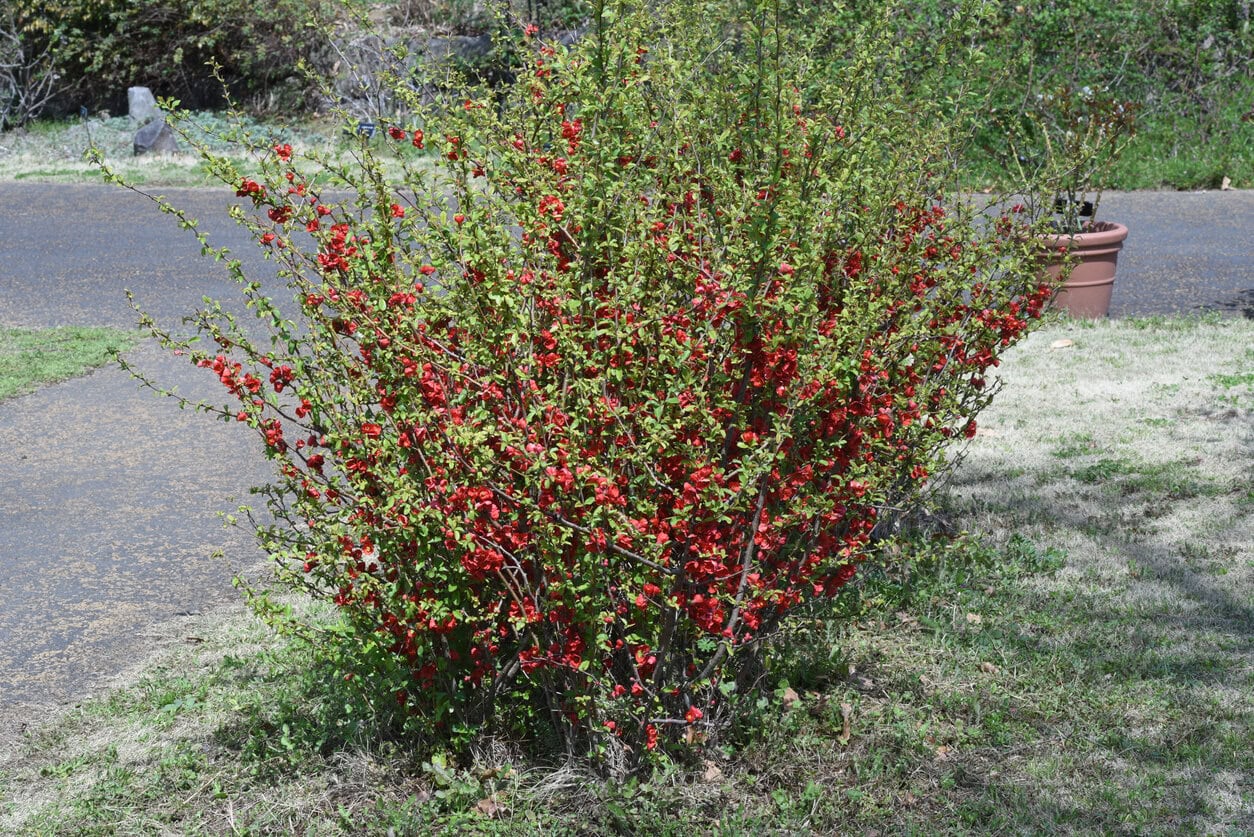
Why wait for May to see signs of life? Chaenomeles speciosa erupts in a coral or red riot early in the season, often before most plants wake up.
Its thorny branches offer a sharp architectural edge, proving you actually know what you’re doing. Plant it in full sun for maximum floral output.
Quick tip: It laughs at poor soil and tolerates drought once established. Just watch those thorns during your pruning sessions, or you’ll end up needing a box of bandages.
3. Serviceberry (USDA Zones 4-9)

Consider Amelanchier arborea the ultimate multitasker, offering sweet berries that birds fight over; clearly, they have excellent taste.
Brilliant orange to red autumn foliage arrives later, mocking your neighbor’s tired hedge. One might say it really serve looks all year.
Quick tip: This shrub prefers full sun, though partial shade works just fine. Keep the soil consistently moist, especially while it’s getting established.
If you like plants that do more than just sit there looking pretty, I wrote an article about edible fence ideas that combine beauty and function.
4. Pieris Japonica (USDA Zones 5-8)
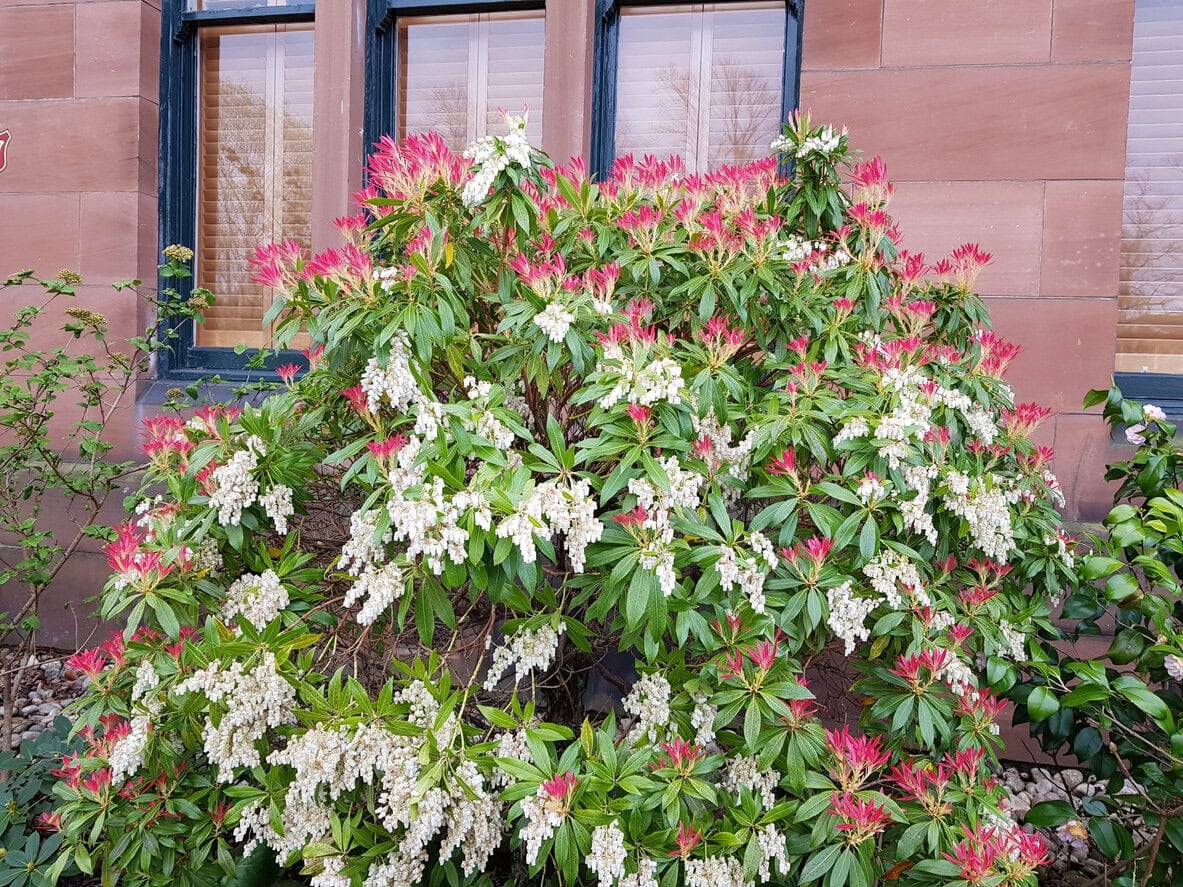
Why settle for late spring when you can have flowers this early? Pieris japonica shows up with cascading clusters of bell-shaped blooms just as the season gets going.
New growth often emerges in fiery shades of red or bronze, giving you a bonus color show before settling into glossy green. It’s basically doing the most without asking for much in return.
Quick tip: Give it acidic, well-drained soil and partial shade. Keep it evenly moist while establishing, and avoid harsh afternoon sun unless you enjoy crispy leaves.
If you want more shrubs that keep your yard looking alive beyond spring, we also put together a guide on small evergreen shrubs for year-round color.
5. Azalea (USDA Zones 5-9)
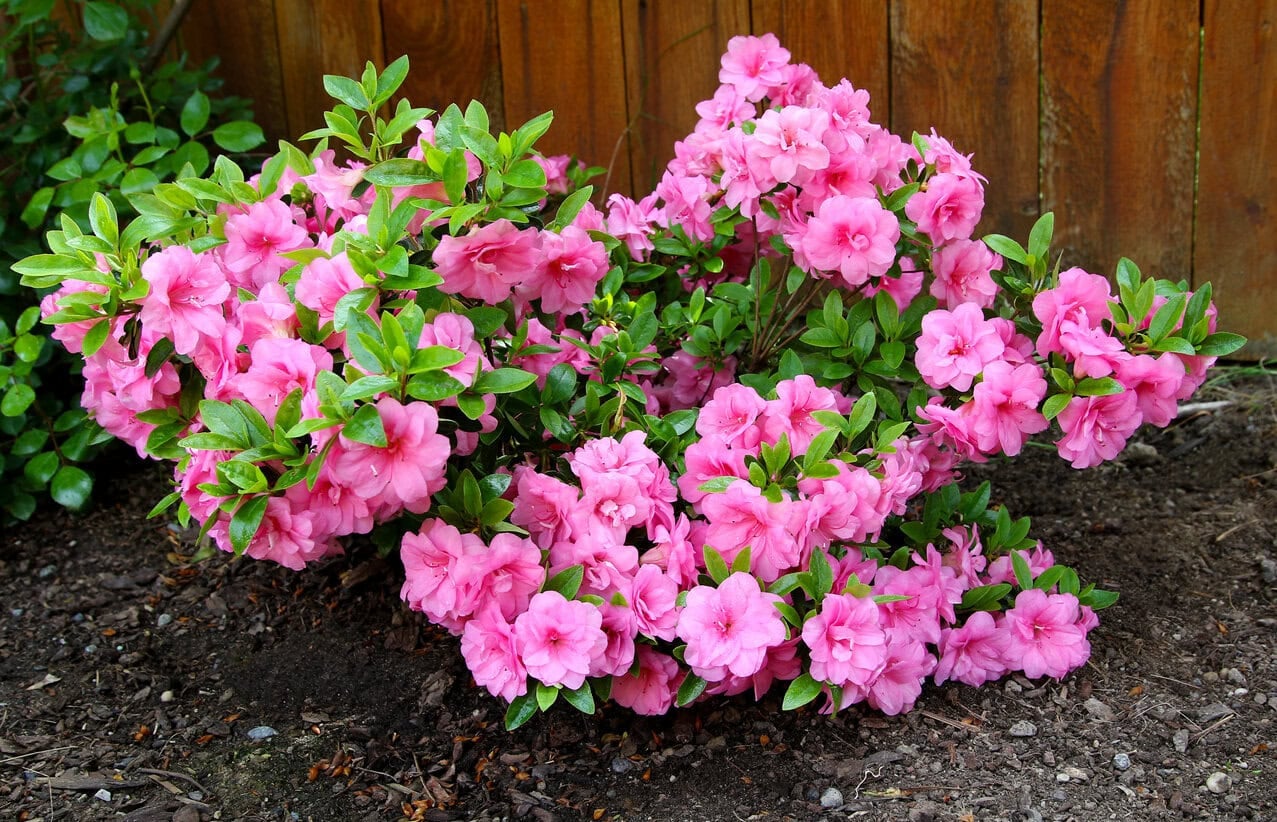
To get that classic Rhododendron glow, you have to play by their rules when it comes to soil and light. If the pH is too high, growth slows down and the foliage turns a sad shade of yellow.
Stick to dappled shade for the best blooms, as harsh afternoon sun can crisp the petals faster than a Dutch tourist gets a sunburn.
Quick tip: When planting, keep the crown slightly above soil level. They also hate sitting in soggy soil, so make sure the soil drains well.
6. Lilac (USDA Zones 3-7)
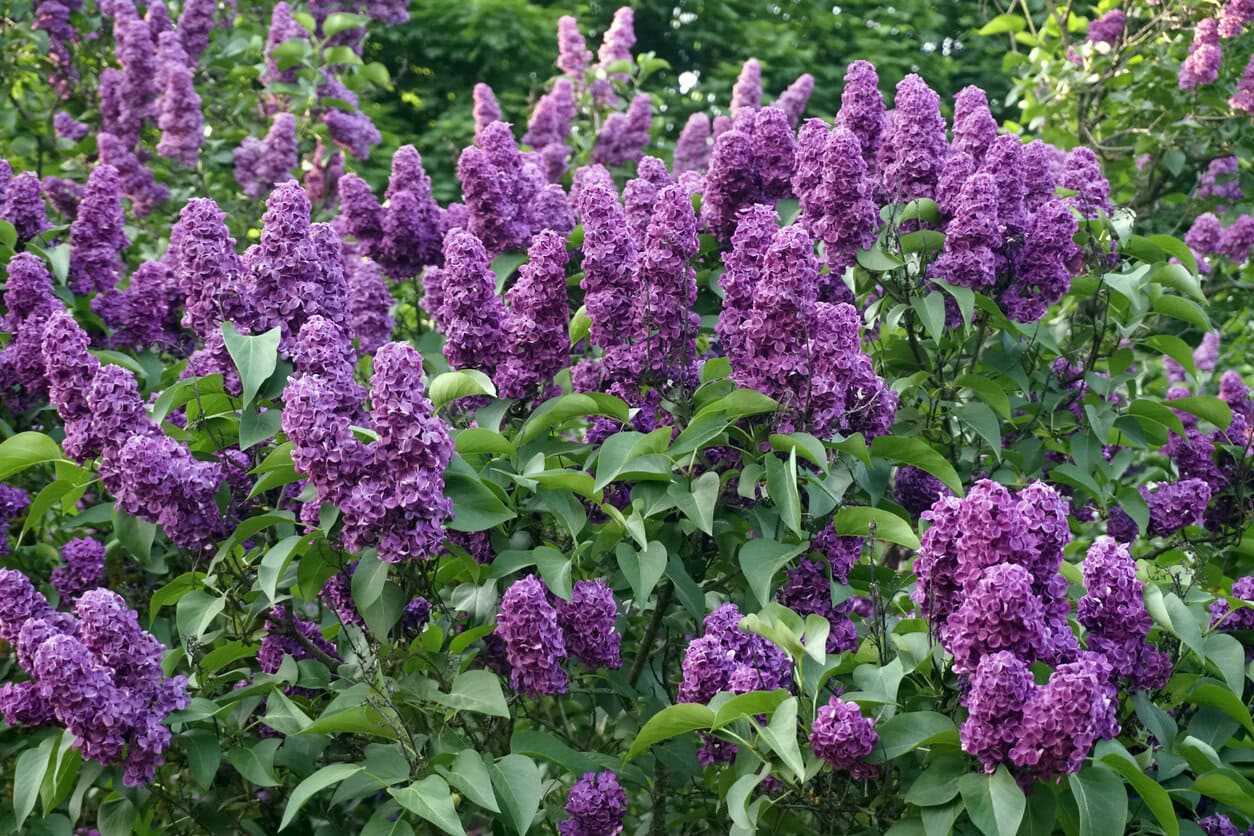
Your lilac tells the whole zip code you finally decided to garden. Local butterflies will flock to its spring blooms like teens to a TikTok trend.
In my experience, shady spots lead straight to mildew, so don’t bother using it to fill the dark depths beneath a giant oak. Plant your Syringa vulgaris where it can soak up at least six hours of direct sun.
Quick tip: For the best long-term performance, lilacs prefer neutral to slightly alkaline soil (around pH 6.5 to 7.5), so test your soil and add lime only if needed (don’t apply it randomly or you could throw things out of balance!)
If you’re trying to build a more pollinator-friendly yard, we also wrote an article about flowering shrubs that attract bumblebees from spring to fall.
7. Spirea (USDA Zones 4-8)

If you want reliable color without the drama, spirea shows up right on cue.
These easygoing shrubs burst into clusters of pink or white blooms in mid to late spring, filling out your garden just as early bloomers start to fade.
They stay neat, respond well to pruning, and don’t demand much attention once established. Basically, they’re the low-maintenance friend every garden needs.
Quick tip: Plant in full sun for the best flower show, though they’ll tolerate a bit of light shade. Give them a trim after the first round of blooms, and you might even get a second flush later in the season.
And if you’re already planning ahead for year-round interest, we also wrote an article about shrubs that bloom in the dead of winter.
Planting Shrubs in April (Don’t Mess This Up)

April is prime time to plant in most of the U.S., but if you rush it or cut corners, don’t be surprised when your “dream shrubs” turn into sad sticks.
Believe it or not, it all starts at your local nursery. Pick sturdy, healthy plants, not sad twigs! Skip anything root-bound, with circling roots, or showing spots and damage, since weak roots lead to weak shrubs. A few more tips that make a big difference:
Get this part right, and your shrubs will settle in fast and actually reward you next season. Skip it, and you’ll be back at the nursery buying replacements.
I Leaf the Rest to You
Every gardener makes mistakes, but these shrubs are fairly foolproof for anyone willing to get their hands a little bit dirty this weekend. You have the knowledge now, so let your ambition sprout and give those lonely garden tools some long-overdue exercise.