Many times in our Facebook group, people have asked whether growing shrubs in the peak of winter is a good idea. And, my answer has always been: it depends on the shrub.
In today’s article, allow me to share with you a careful selection of shrubs that bring color to the garden even in the dead of winter. And, fortunately for you, they’re super easy to grow and maintain!
Let’s jump right into the shrub universe, shall we?
Do Winter Blooming Shrubs Really Flower In Freezing Weather?
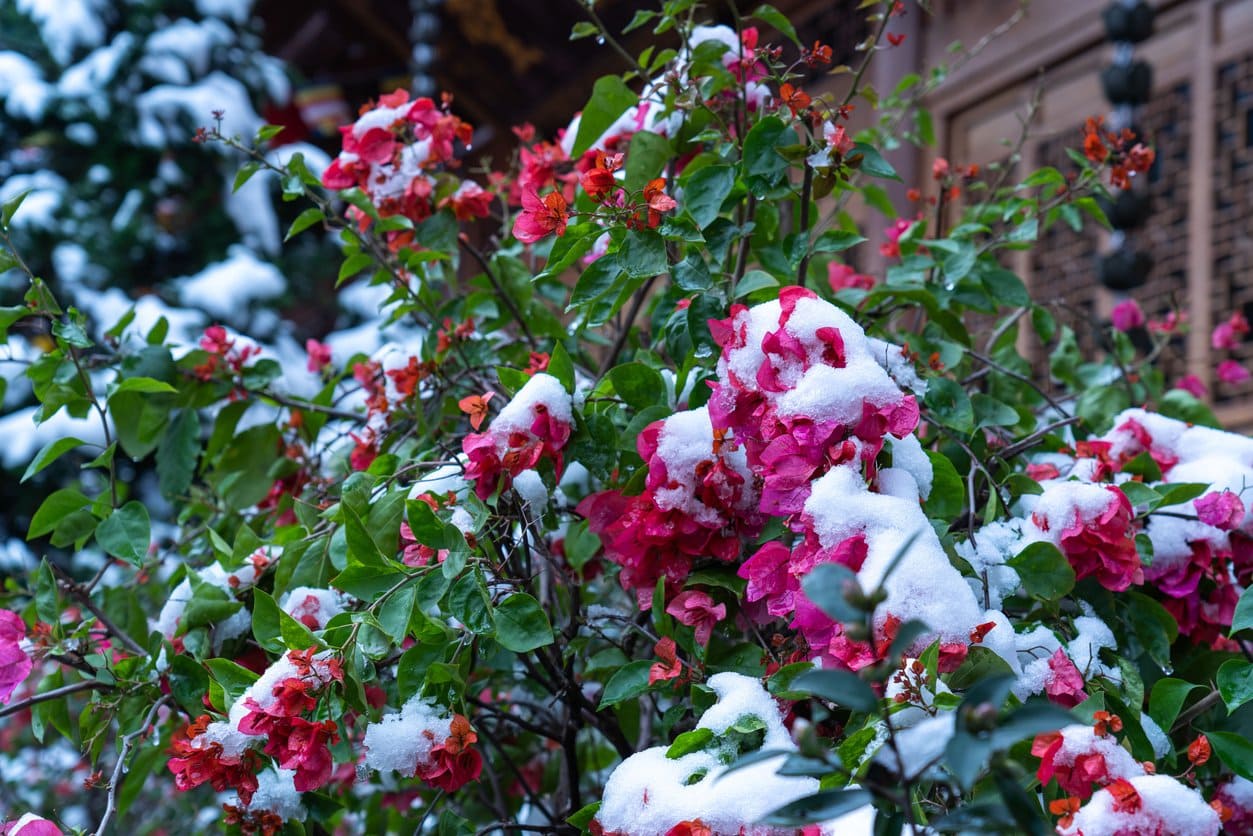
Yes! Though it may feel a little strange to see a plant or shrub bloom in the freezing cold, some are totally capable of that and can bring incredible vibrant color to your garden in the winter season.
Many shrub species have adapted to blooming in cooler periods, and it’s typically not unusual for them to go all out. Most of them are frost-tolerant and emit a strong fragrance that can attract any active pollinators nearby.
Don’t make the same mistake I did my first winter and rush into planting without prepping the garden. This November checklist for preparing your garden for winter will save you a lot of work (and a few frozen surprises later on).
Shrubs That Bloom In The Peak Wintertime
1: Witch Hazel (Zones 3-9)

If you’re not familiar with witch hazels, they produce these tiny clusters of spidery flowers in unique hues of yellow, orange, and sometimes red on bare branches, typically blooming from mid to late winter.
Before you pick your favorite winter shrubs, you might also want to check out these winter-flowering plants that bloom beautifully in cold weather, they pair perfectly with the shrubs on this list.
2: Winter Jasmine (Zones 6-10)
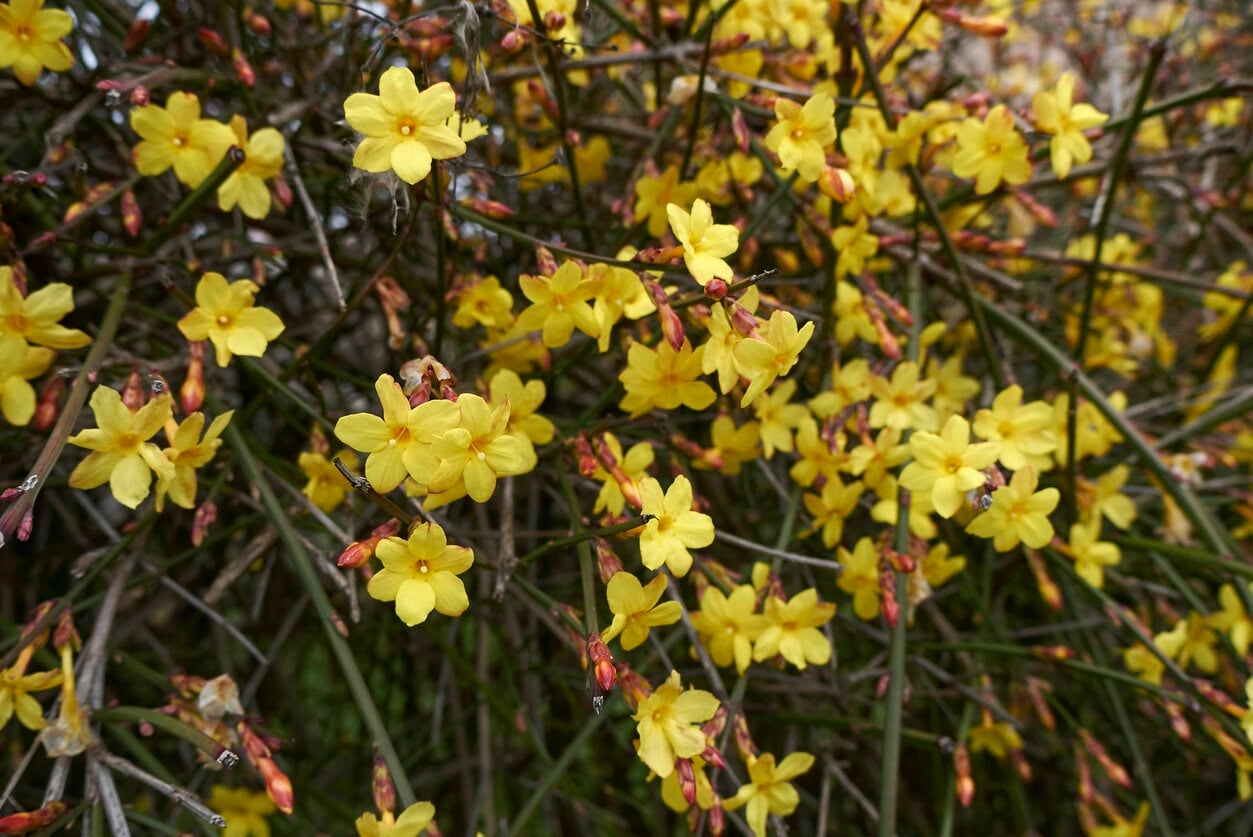
Winter jasmine shrubs offer vibrant yellow flowers on large, arching stems, often appearing from early to midwinter and lasting through late February or March when almost nothing else is in bloom.
Quick reminder: It loves to spill over walls and fences, so give it space to arch naturally.
3: Camellia (Zones 7-10)

This dense-growing shrub produces deep, glossy evergreen foliage and large, bright flowers that resemble roses and bloom through winter into early spring.
Quick tip: Keep it sheltered from cold winds, frost can brown the buds before they open.
4: Wintersweet (Zones 7-9)
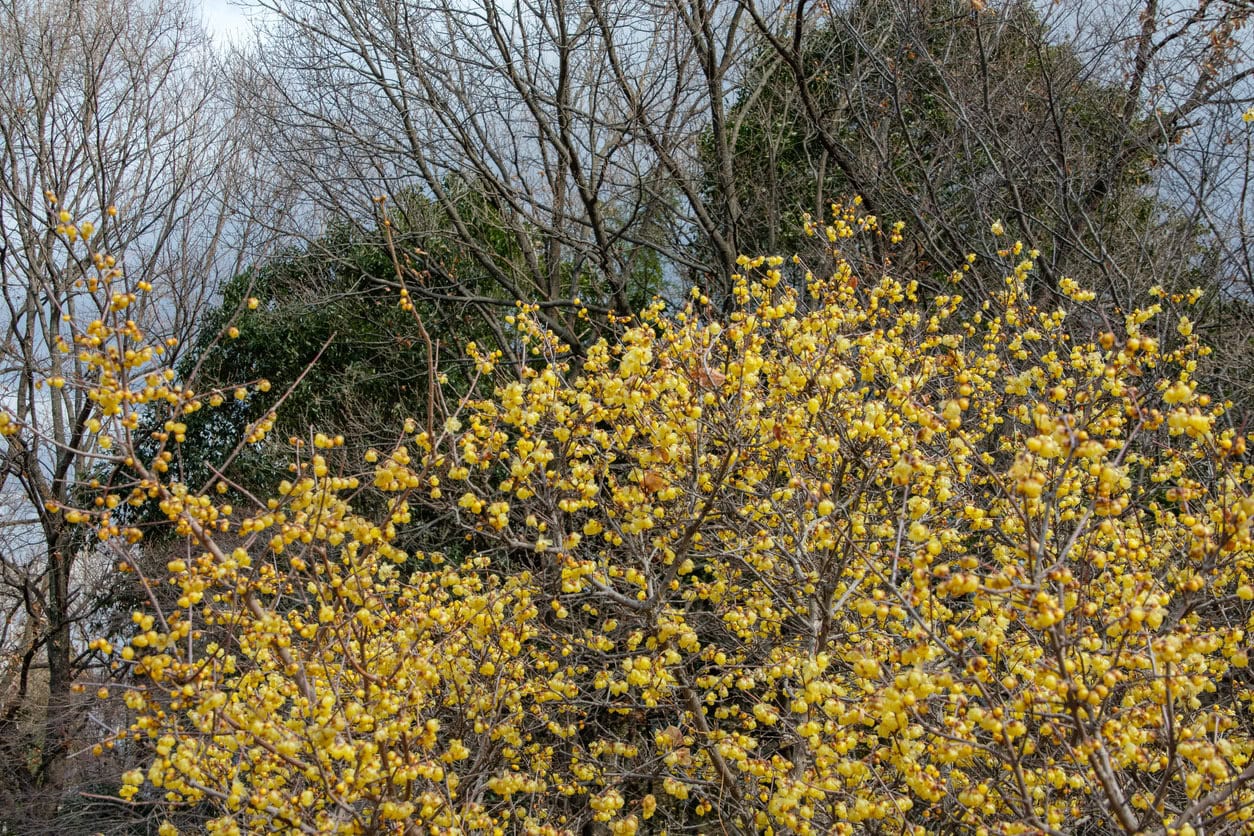
Wintersweet shrubs are incredibly fragrant and offer pale yellow flowers from mid to late winter, just when most gardens are still bare. Their fragrance allows them to attract pollinators even during unfavorable periods.
5: Mahonia (Zones 5-9)
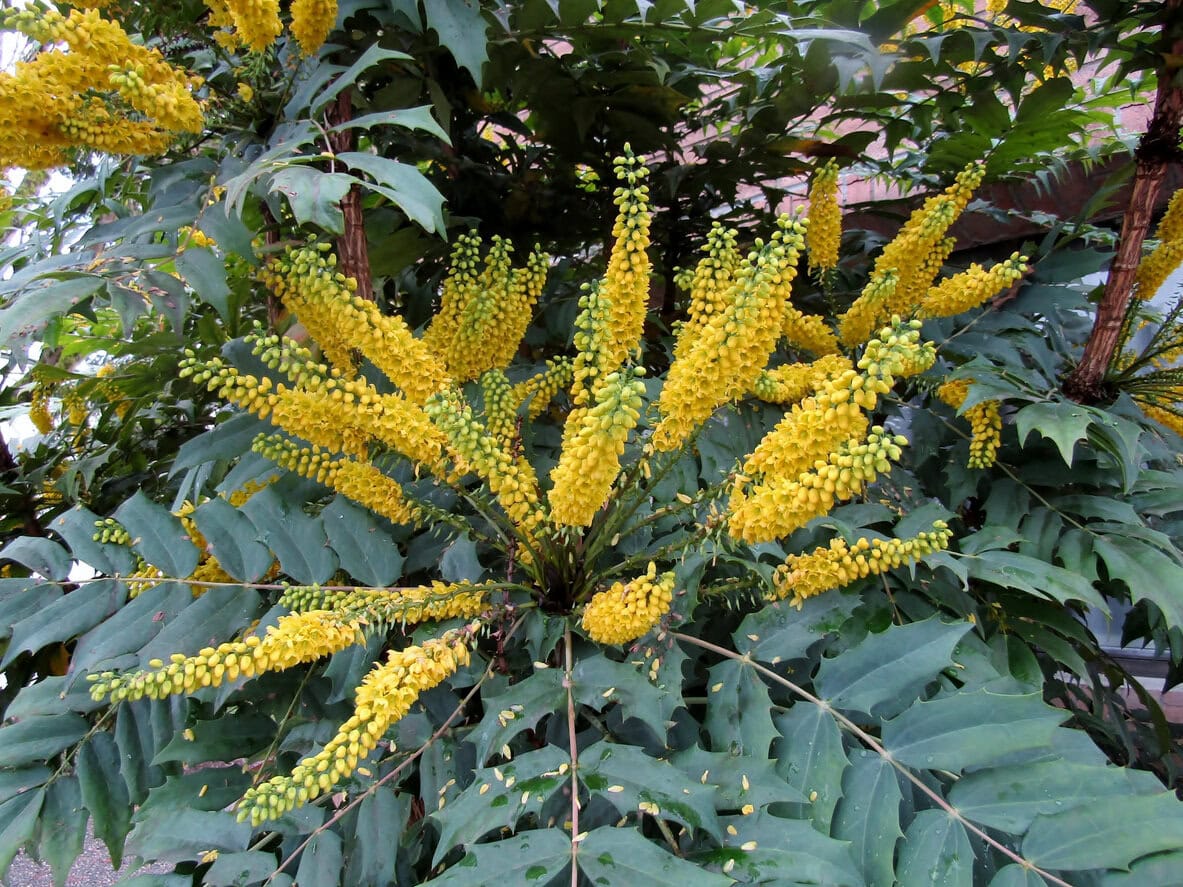
This evergreen shrub not only produces beautiful spiky foliage but also clusters of tiny yellow blooms from late fall to early spring that can make winter garden landscapes incredibly soothing to look at.
Quick reminder: Those leaves are spiky! I always wear gloves when pruning.
I’ve always loved how evergreen shrubs keep the garden from looking bare when everything else fades. If you want more ideas that stay green long after the holidays, take a look at these small evergreen shrubs that bring color all year round, they pair perfectly with winter bloomers like mahonia.
6: Winter Daphne (Zones 7-9)
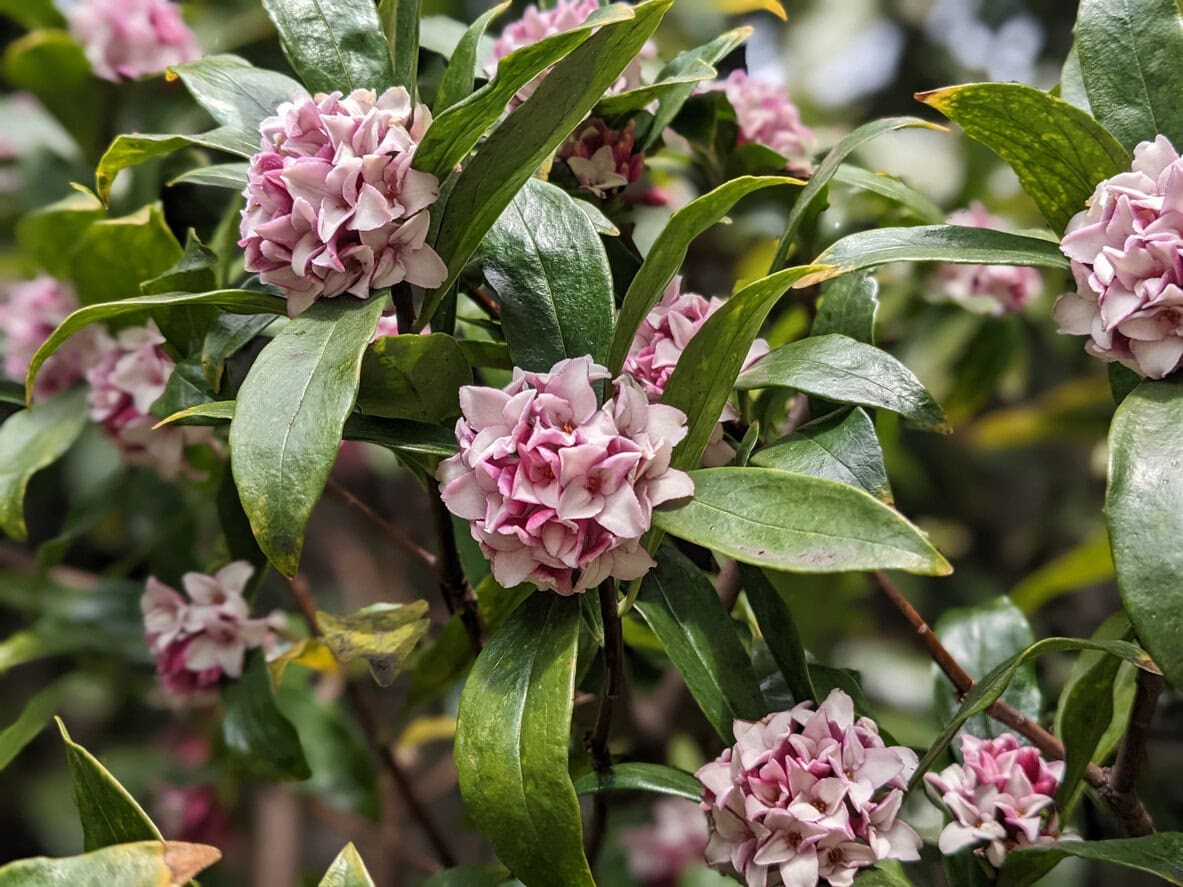
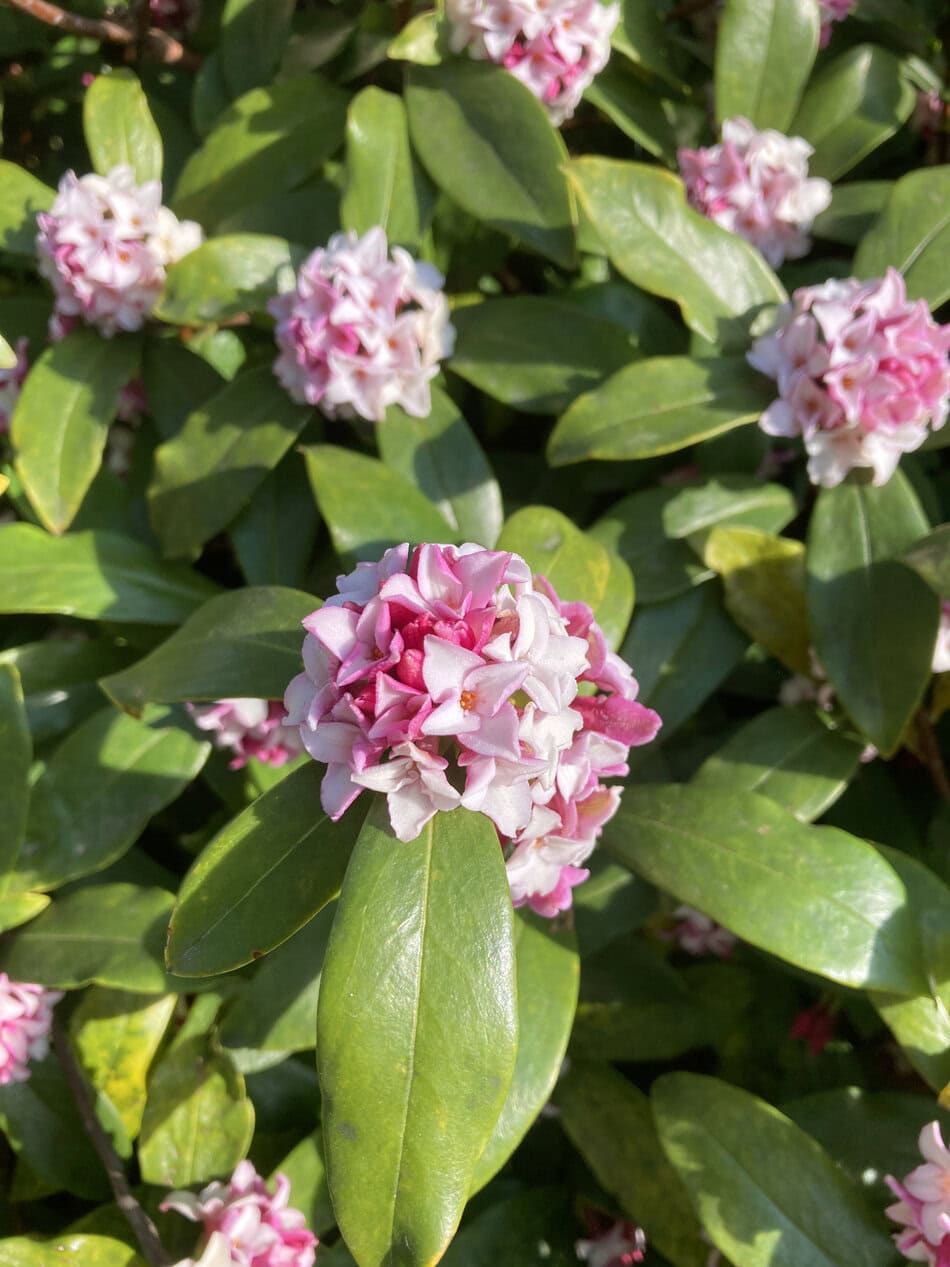
Another pollinator favorite shrub is the winter daphne. As the name suggests, it produces fragrant white and pink flowers that perfume the entire garden blooms from late winter to early spring.
Quick tip: Pick its spot carefully, daphne hates being moved once established.
7: Edgeworthia (Zones 7-9)
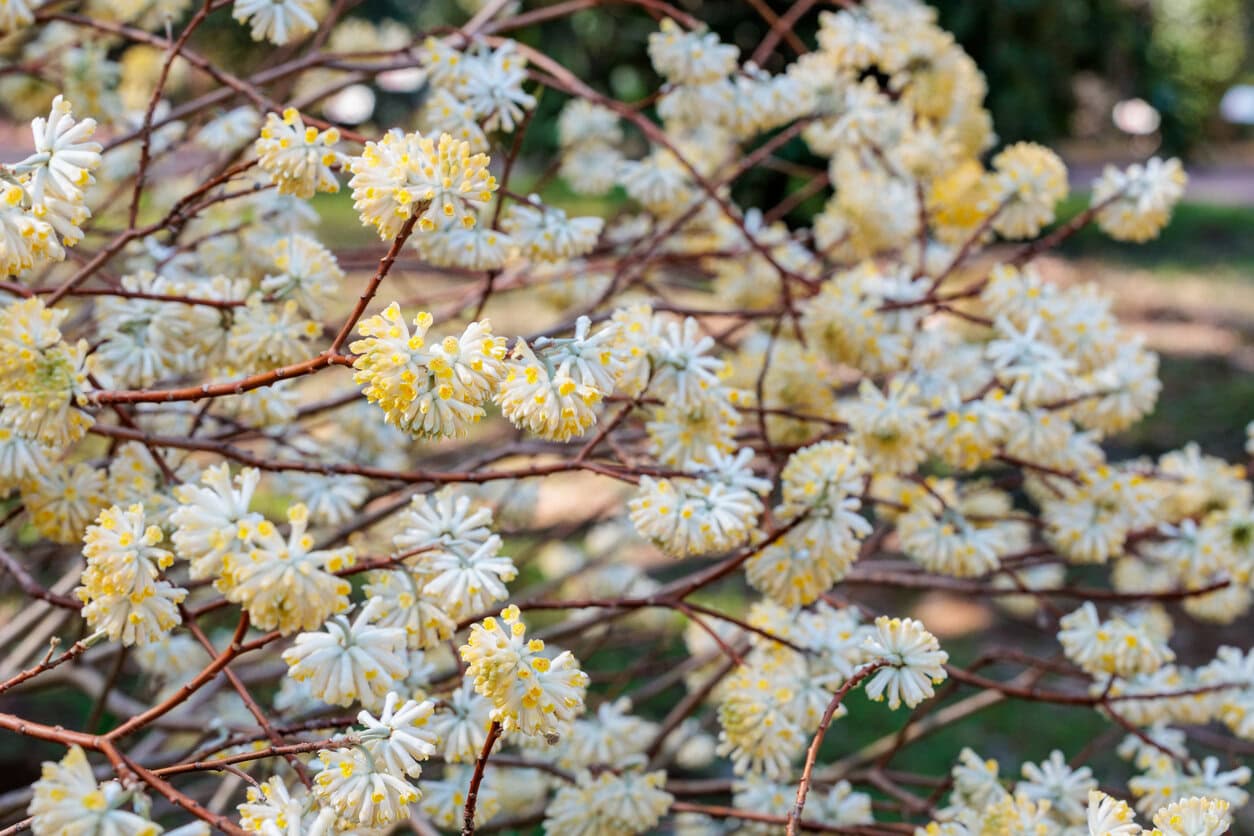
Although edgeworthias usually fly under the radar, they offer a very unique look in the garden with clusters of yellow tubular flowers that open from late winter to early spring.
8: Japanese Pieris (Zones 5-8)
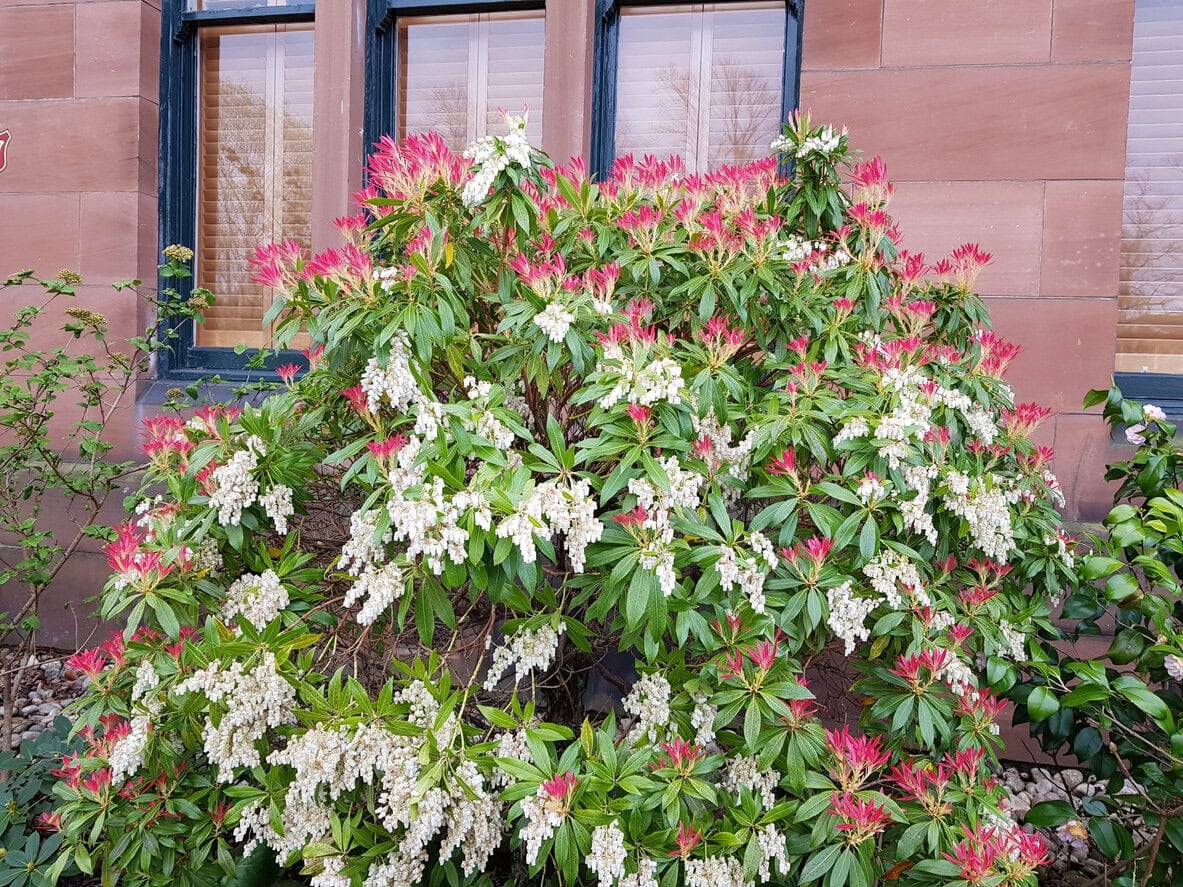
This evergreen shrub puts on a charming display of dangling white or pink bell-shaped flowers from late winter through early spring. Its glossy leaves often start bronze before turning deep green, adding a soft hint of color to an otherwise sleepy garden.
Quick tip: It prefers partial shade, mine looks best where it’s shielded from hot afternoon sun.
9: Heather (Zones 5-8)
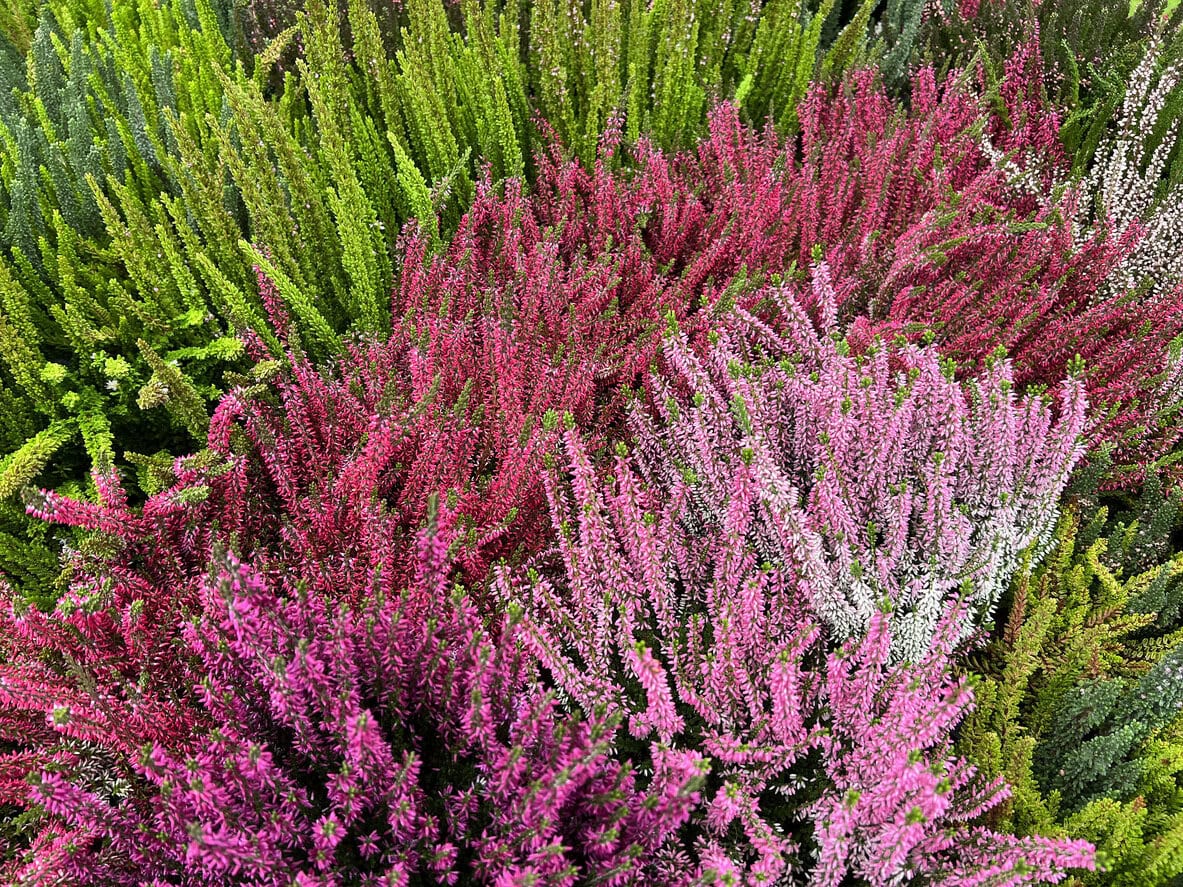
This carpet-like shrub offers a large number of small pink and purple flower spikes that bloom from December through March. If you want some unique visual interest and compact structure in your garden, the heather is the perfect shrub for that!
10: Sarcococca (Zones 6-9)
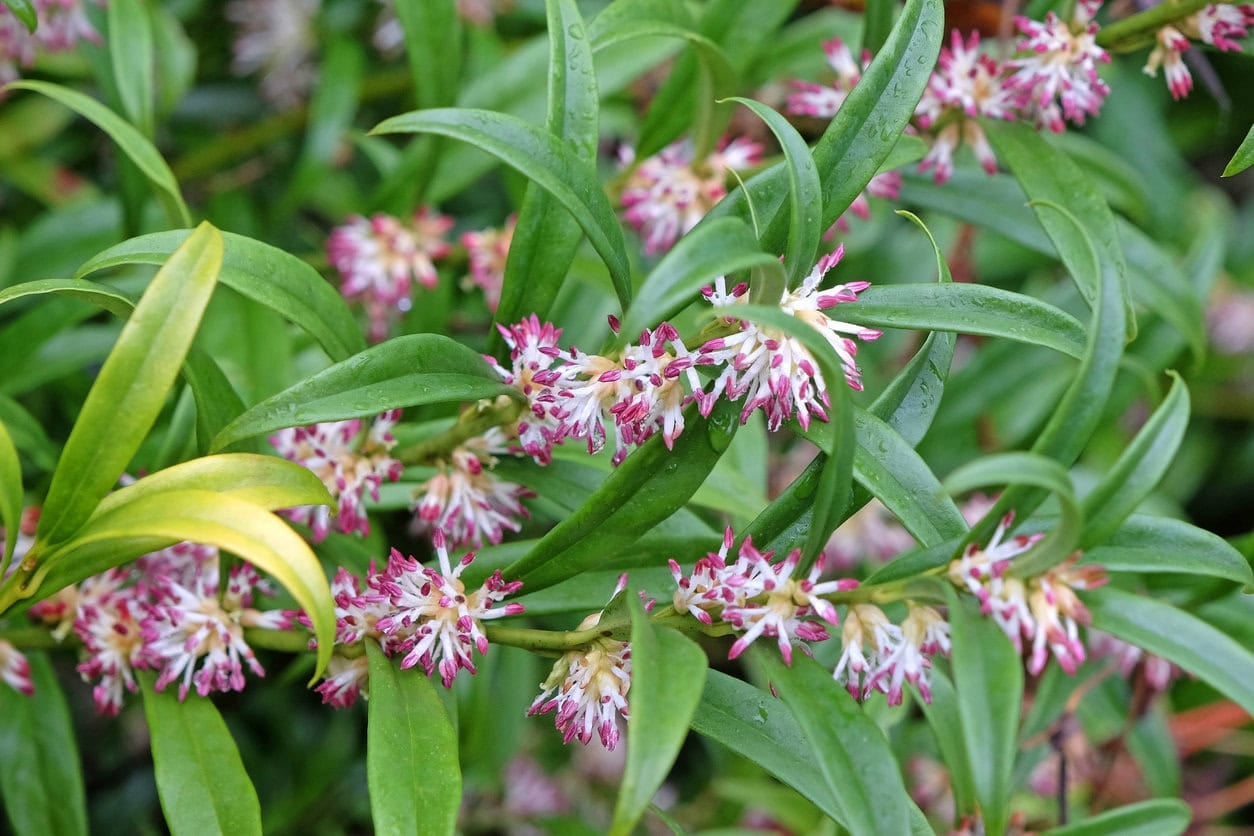
While this evergreen shrub might appear to be fairly typical at first glance, its pearly white flowers bloom from mid to late winter, filling the garden with a sweet fragrance on mild days.
11: Viburnum (Zones 5-9)
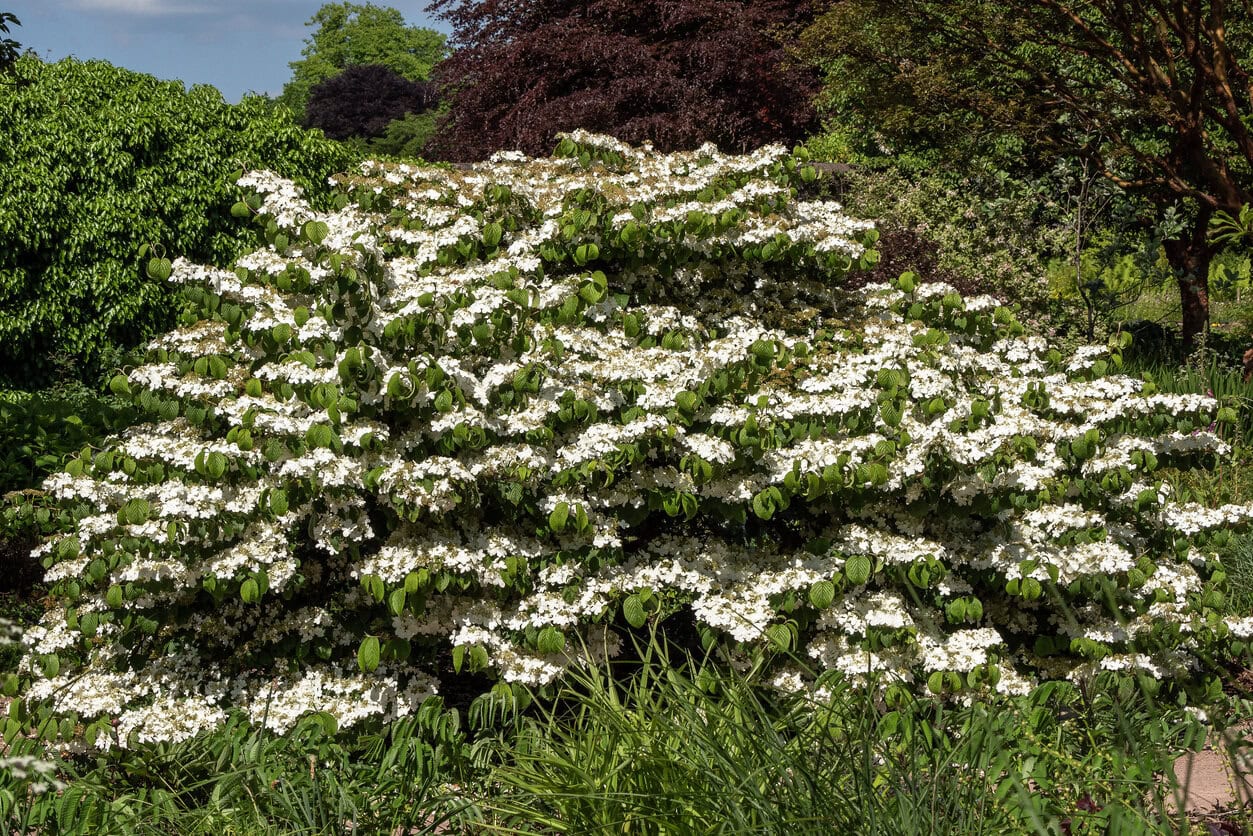
Viburnum shrubs produce clusters of small pink flowers on bare stems from late winter into early spring. The blooms not only look mesmerizing but also add a soft, spicy fragrance to the air.
Which Winter-Blooming Shrubs Are Easiest For Beginners?
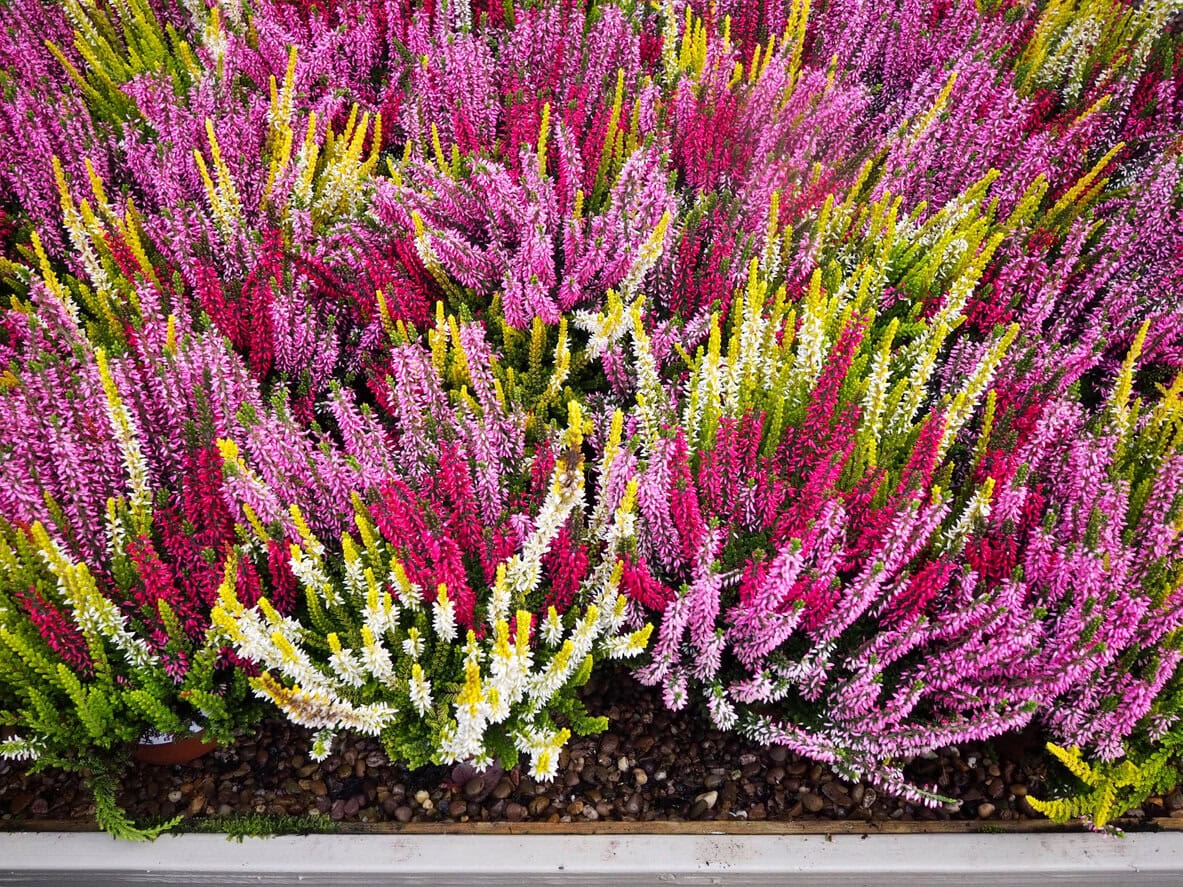
Although most winter shrubs are pretty hardy and low-maintenance. Classics like winter jasmine, witch hazel, sarcococca, and heather work beautifully for beginners. As a matter of fact, these were my first winter shrubs too!
As a newbie in this category, keep your choices simple and focus on evergreen varieties that stay lively through the cold months.
Tip: Just be sure to check the zone range before planting, some of the more tender ones, like edgeworthia or winter daphne, prefer milder winters.
Do These Shrubs Need Special Winter Care?
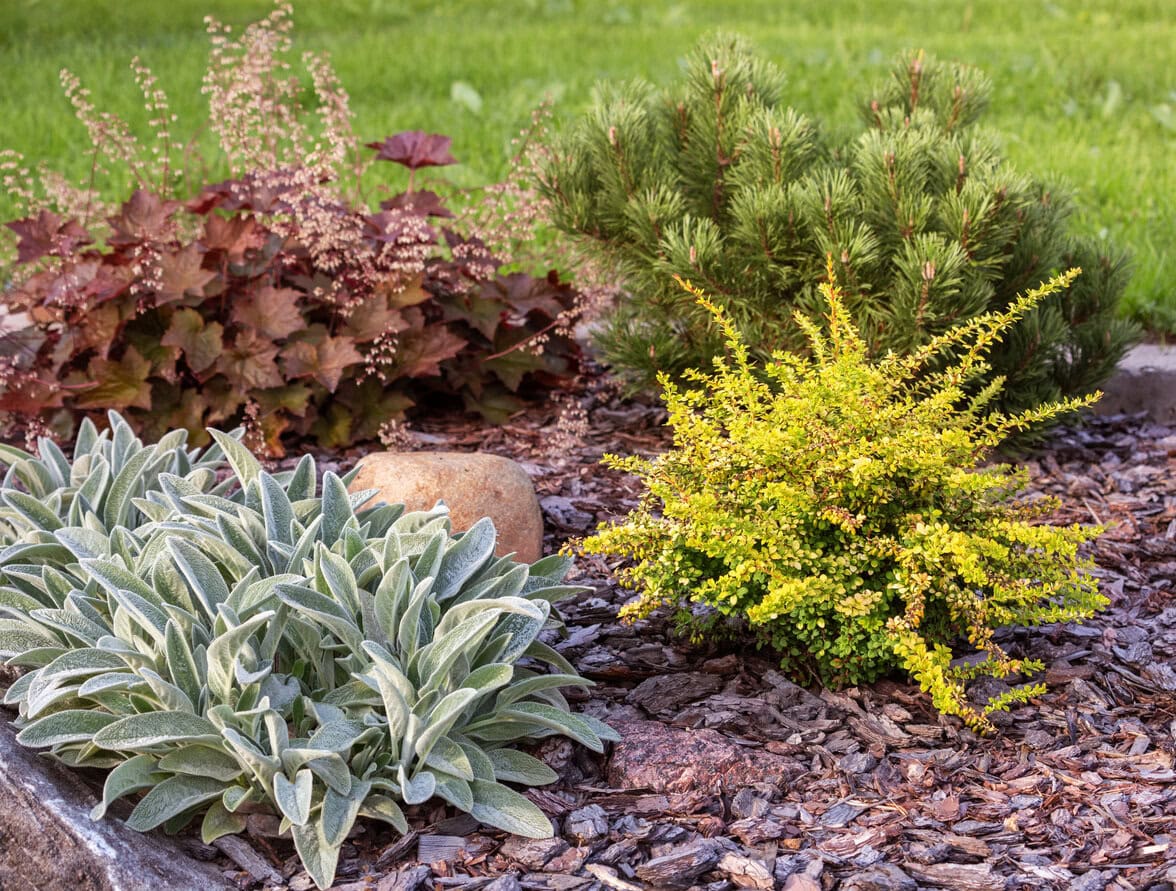
Well, believe it or not, most of these shrubs are incredibly resilient and can survive pretty well on their own in cold weather.
If anything, they may need good drainage and occasional mulching during extreme cold spells.
I used to think everything needed a thick layer of mulch, but some plants actually hate it. Here’s a quick guide on which plants to mulch before winter and which ones to skip, so you don’t smother anything by accident.
If you reside in a windy area, you should protect them from harsh winter winds. I’ve lost a few young shrubs over the years to icy winds because I thought they were “hardy enough.”
If you’re not sure which ones really need it, here’s a list of shrubs worth wrapping or protecting before winter, trust me, it’s worth the extra five minutes.
However, none of these is “special winter care” but more like precautionary measures to protect your shrubs just in case the cold gets worse than you might anticipate.
Let’s Conclude
And while you’re getting your garden ready for winter, don’t go cutting everything down too soon, I used to do that every year. Here’s how to tell which perennials to cut back before winter and which ones to leave standing so you don’t lose next year’s growth.
Now that you know plants and shrubs can thrive even in the dead of winter, there’s no reason for your garden to stay dull or lifeless.
With this new knowledge you’ve acquired, make thoughtful choices for your garden this winter and enjoy the color it brings that will leave you proud of your efforts. Best of luck, folks!