
Believe me when I say this: having gardened for more than 8 years, I still find picking and planting seeds to be the most challenging and strategic part of the job.
Whenever a new season would come around, I’d get all up in my head about what to plant this time around and what would suit my garden best.
Today, let’s take a breather from all the overthinking and take a look at this specially curated list of annual flower seeds you can plant this fall. Trust me, all you fall lovers are going to love this one!
Annual Flower Seeds To Plant This Fall

Fall sowing gives hardy annuals a natural head start. Seeds experience winter chill, then sprout as soon as soil warms in spring, often blooming weeks earlier than spring-sown ones.
These zones cover areas mild enough for seedlings to survive the winter. If you live somewhere colder, don’t worry! You can still grow all of these by starting them indoors or waiting for spring.
1: Sweet Peas (Zones 7-10)
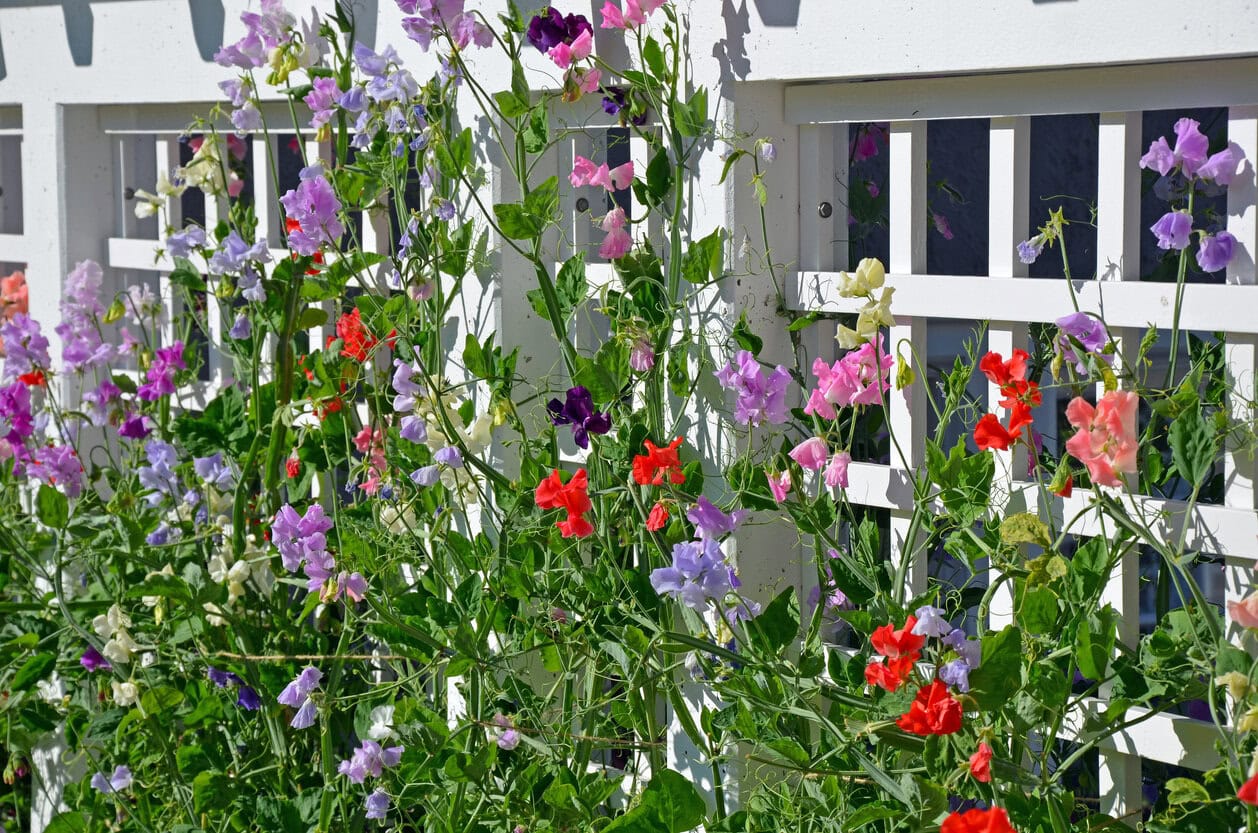
Sweet peas are an awesome choice for fall sowing since they typically prefer to sprout in cold soil and emerge in early spring. This annual is famed for its fragrant flowers that also climb.
Quick tip: I always soak my sweet pea seeds overnight before planting, it softens their hard shells and helps them sprout faster once the soil cools down.
2: Nasturtiums (Zones 9-11)

In frost-free climates, many gardeners prefer to sow nasturtiums in the fall as companions for other plants. They have this very unique quality of being able to lure pests and insects away from vegetable crops and serving as a “sacrificial plant”.
3: California Poppies (Zones 7-10)

Sowing California poppy seeds in fall makes sense because after winter rains is generally when they prefer to begin sprouting. These poppies are known for their striking yellow and orange blooms and low-maintenance growth.
4: Calendulas (Zones 7-10)

Since calendulas prefer slightly cool conditions and bloom mostly through wintertime, sowing their seeds in the ground around fall is a good idea. Calendulas offer these stunning bowl-shaped, orange flowers and bloom consistently for long periods if deadheaded.
Quick tip: I like to sow calendulas in fall because they bloom nonstop through winter here, and the bees absolutely love them when everything else is still waking up.
I usually plant a few cool-season vegetables alongside my fall flowers. if you want ideas that fit small spaces, here’s a list of fall vegetables that grow well in 5-gallon buckets
5: Pansies (Zones 6-9)

Pansies are perfect for fall sowing since they prefer cooler conditions and are even hardy enough to survive light frosts. To many, pansies are classic annuals that are not only beautiful but also familiar-looking, even if they haven’t planted any before.
In colder zones, pansies are usually transplanted in fall rather than directly sown.
6: Larkspur (Zones 7-10)

This stunning annual is known for its tall spikes of flower clusters in colors like white, blue, purple, and often lilac. Larkspur seeds need cool conditions to sprout, meaning late fall is a good time to sow them.
Quick tip: I’ve learned not to move larkspur seedlings once they sprout! They hate root disturbance, so I just sow them directly where I want tall spring color.
If you’re not sure which flowers suit your region best, take a look at flowers to sow in fall for spring blooms (by zone), it breaks things down by zone so you can plan even better.
7: Snapdragons (Zones 8-10)

Sowing snapdragon seeds in fall is a good way to strengthen their roots and achieve early spring blooms. This annual can be a bit finicky! Plant it in a spot that receives full sun, fertilize occasionally, and keep the soil evenly moist.
8: Baby Blue Eyes (Zones 7-10)
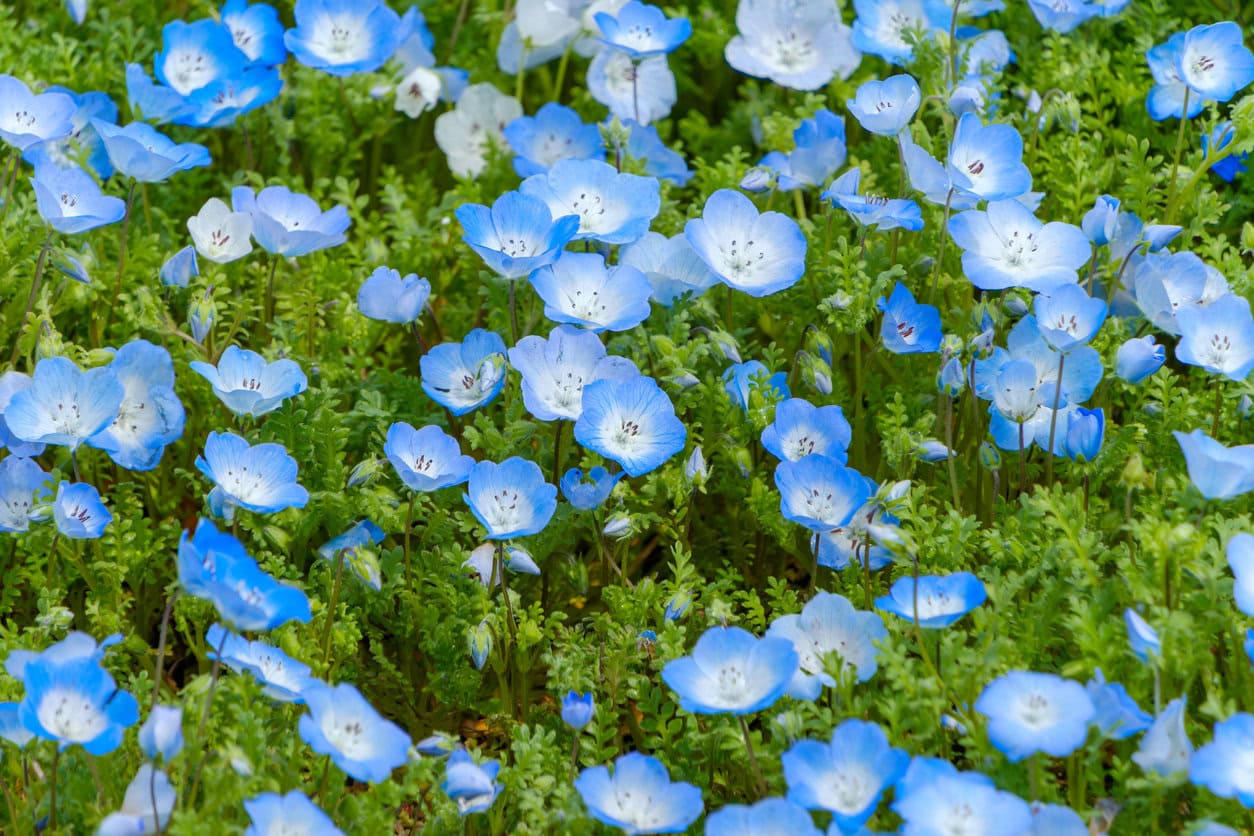
Baby blue eyes are early spring bloomers and benefit the most from fall planting. As their name suggests, they produce baby blue blooms that look stunning when paired with deep green, leafy backgrounds in the garden.
9: Sweet Alyssums (Zones 8-10)

Sweet alyssums thrive when sown in cooler soil temperatures and bloom rather quickly in ideal conditions. Their sweet, floral fragrance is both enticing and familiar to many.
Keep the soil evenly moist but never waterlogged to keep your sweet alyssums lush and happy.
If you love planning ahead for spring, you’ll also enjoy my guide on wild flowers to sow in fall for next spring.
10: Morning Glories (Zones 10-11)

Although morning glories can handle a variety of different environmental conditions, fall sowing only works in warm, frost-free zones.
What makes these annuals pretty unique is that they produce these trumpet-shaped flowers that open beautifully around dawn and close later on as the afternoon approaches.
11: Cosmos (Zones 10-11)

Cosmos seeds should only be sown in fall in very mild or frost-free areas, since they need warm soil to germinate. They’re pretty adaptable annuals and can even thrive in poor soil conditions, producing their popular daisy-like, light blooms as they go.
12: Sweet Williams (Zones 6-9)

Sweet William seeds sown in fall form roots before winter arrives and bloom beautifully the next spring. If you want, you can even extend their blooming period by trimming spent blooms right away.
Technically a biennial, but often grown like an annual for its spring blooms.
13: Bachelor Buttons (Zones 7-10)

Bachelor buttons seeds can handle cool weather extremely well and bloom early in spring thanks to it. They’re known for their majestic blueish-purple flowers that bloom on tall, complementing stems.
And if you’re already planning ahead for spring color, don’t forget your bulbs, this guides will help you time them just right: bulbs to plant in november for gorgeous spring blooms.
14: Flax (Zones 7-10)

If you sow your flax seeds in the ground in fall instead of eating them with your morning oats, you’ll get stunning blue, red, and crimson flowers. Fall sowing is ideal for flax seeds since they germinate much quicker in the cold.
Can Any Annual Be Sown In Fall?
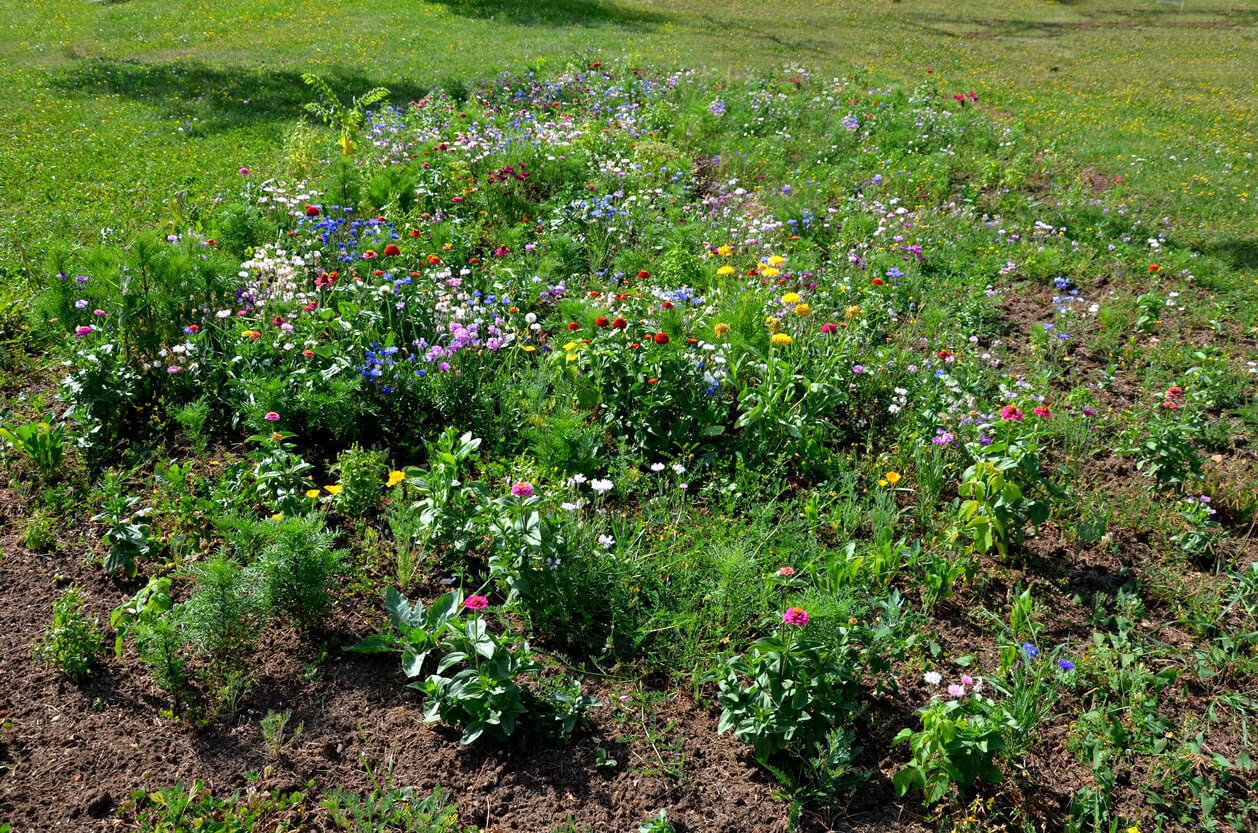
Not really… Different annual seeds have different preferences for what conditions they like to be sown in and what temperatures will make them germinate faster.
Many of the annuals we discussed today are well adapted to mild and cool weather, but any varieties that prefer warm soil for germination will probably not do very well in the fall.
How To Care For Fall Sown Annual Flowers?
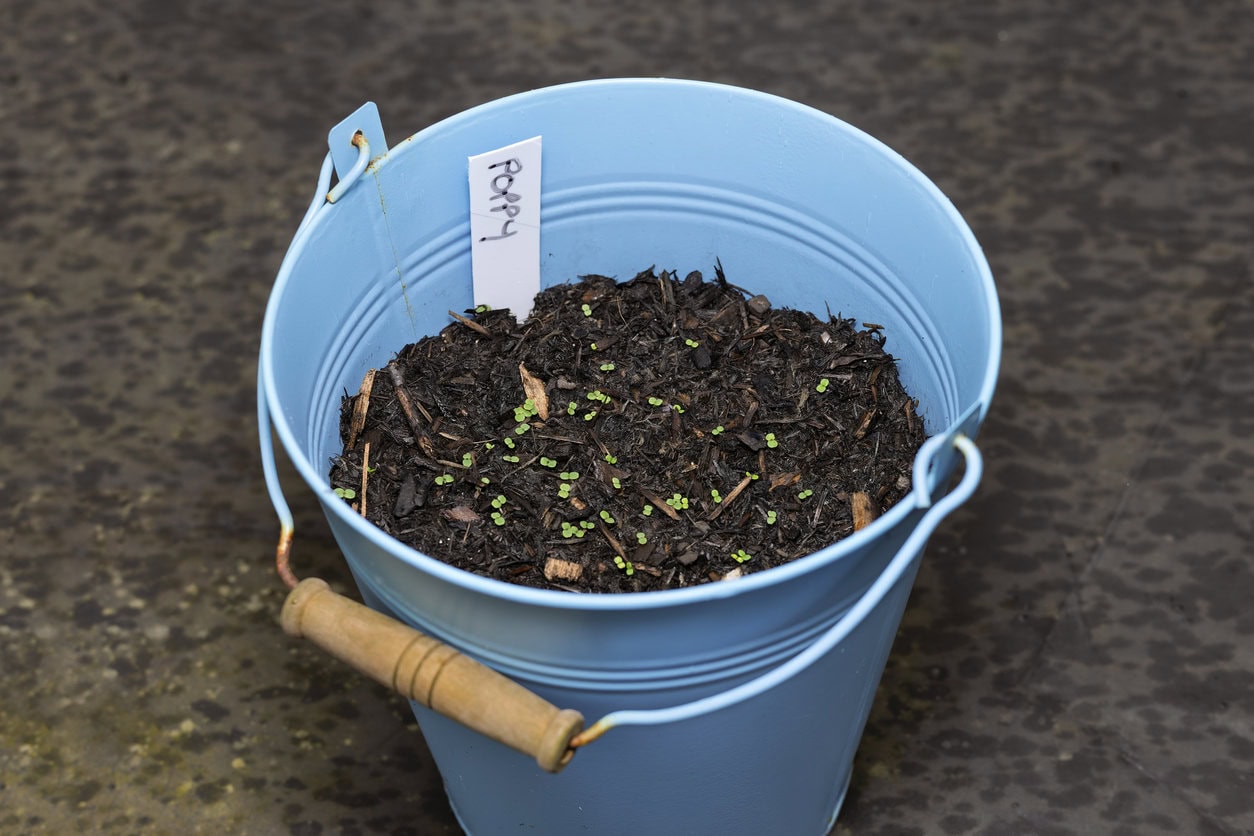
Sow your annual flower seeds in cool, well-drained soil, ideally in partial to full sun for quick germination and sprouting in spring.
While it may be tempting to flood your newly sown seeds with water in the dry wintertime, hold off on that temptation and avoid overwatering. Just keeping the soil consistently moist is good enough.
If the fall season is expected to be rough (risk of frost or heavy rains) in your area, lightly mulching around the seeds to protect them is never a bad idea.
I always label where I’ve sown my seeds and add a light layer of compost or mulch right after planting. It keeps the soil moist, stops heavy rain from washing them away, and saves me from guessing later where I actually planted things!
If you’re layering your garden for early color, you can also check out my guide on bulbs to plant this fall that will bloom first in spring.
Let’s Conclude
Every fall, I remind myself that even a handful of seeds can turn into something magical by spring. Just plant what you can, stay patient, and let nature do the rest, it always pays you back with color.
Sowing annual flowers is for everyone, and I mean everyone, be it beginners or experienced gardeners! If you go about it strategically and sow at the right time in fall, depending on the type of annual of course, things will go your way and you’ll experience your garden taking on a new, more stunning form as spring approaches.


Ready to plant
I love your articles. I get excited and go by plants, seeds, and bulbs about every time ! Haha! But I do appreciate your guidance and the abundance of good info!! Thank you !
Hi Rachel 🙂 Haha, I know that feeling! It’s very easy for “just looking” to turn into coming home with another plant or a packet of seeds. 😂 I’m so glad you’re enjoying the articles and finding the guidance helpful!
Can you help me find out which zone I am in? I live in Parkersburg West Virginia.
Hi Pam 🙂 Parkersburg, West Virginia is generally USDA Zone 6b. If you want to be completely sure, enter your ZIP code into the USDA Plant Hardiness Zone Map.