Winter is a gray pause button on gardening joy, but the cold is good, and your wildflower seeds love it.
Rather than sticking tiny things in your refrigerator, simply scatter them onto the chilly ground right now. And come spring, get ready to shock your neighbors with more than your choice of underwear on a drying rack.
The Golden Rules of Sneaky Fall Sowing
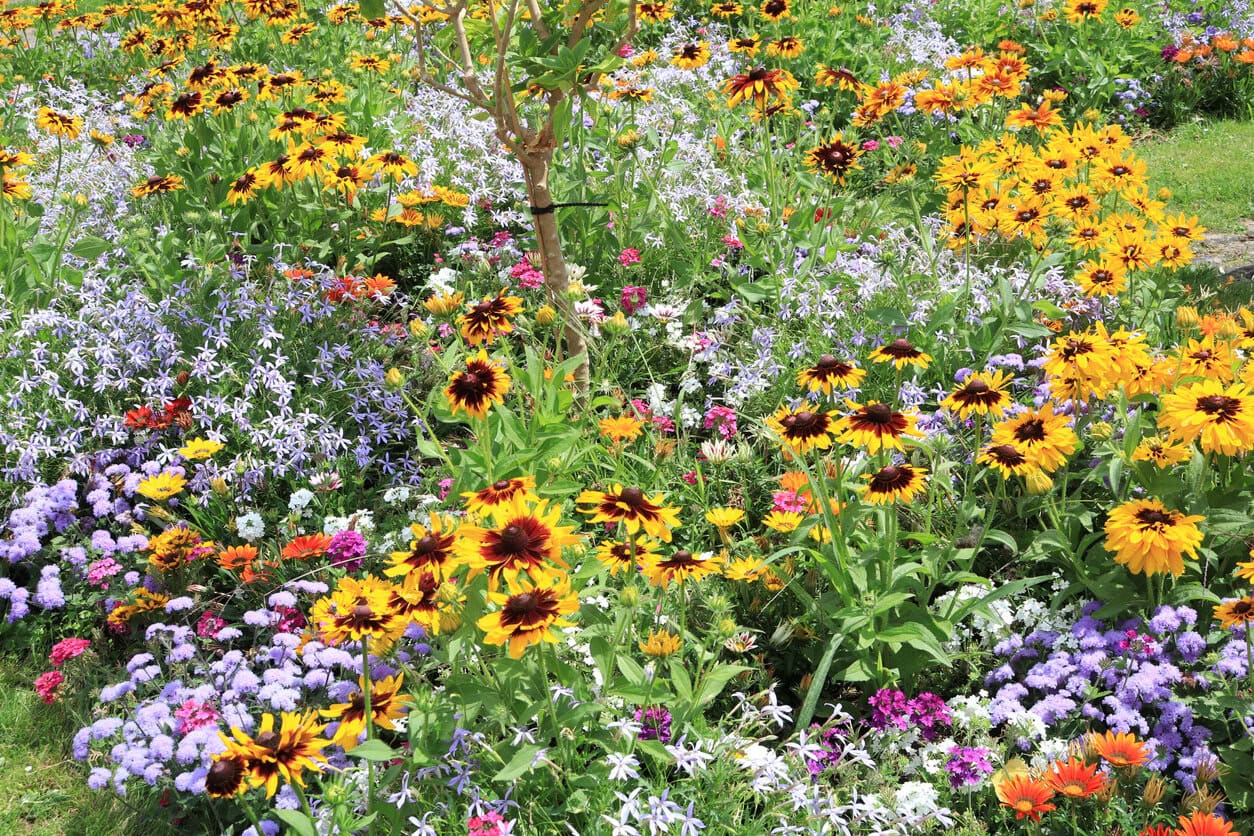
Timing this right is like playing chicken with the elements. You want to sow the little guys when the cold has set in enough to signal naptime. Your window closes right when the soil gets too stubborn and hard to work with. If a gentle scratch still reveals pliable earth, then you are ready to roll.
Now, for the technical part: do not dig. Just clear away any leaves and lightly scratch the ground’s surface. That is all the soil preparation required because your wildflower seeds need light exposure.
Once you sprinkle them down, press the seeds firmly into the earth. You can use your foot for a satisfying stomp or recruit the lawn roller for a wide-area firming. Follow this with a big drink of water, and then tell your hose it is taking the winter off. No need to micromanage!
Tiny note: In very cold regions (Zones 3-5), watering might be skipped if the ground is already moist or snow is imminent.
If you’re already thinking ahead to spring color, here’s a quick look at which bulbs to plant in November for gorgeous spring blooms.
The Four Early Birds
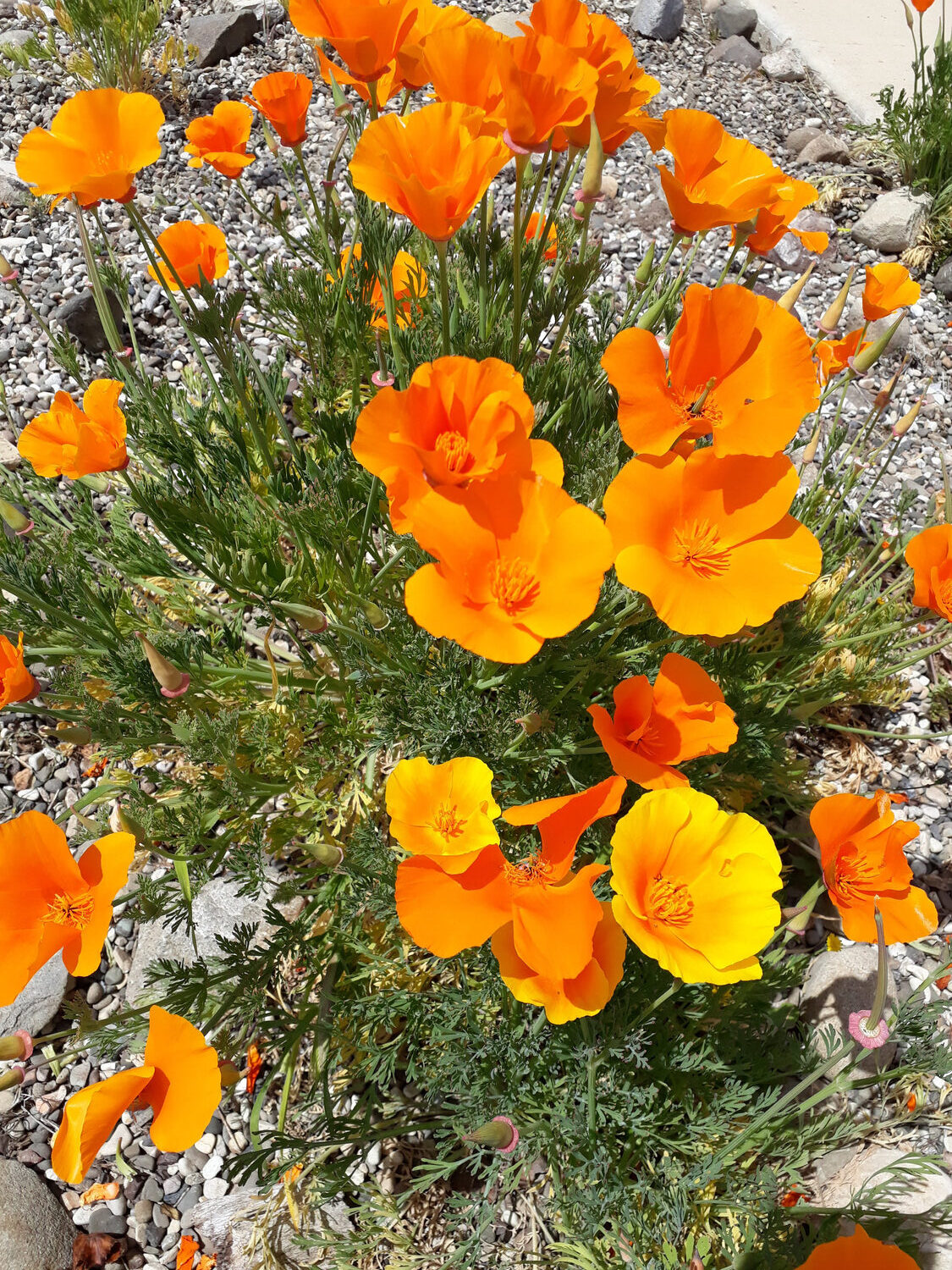
If you want a full list of flowers that love a chilly start, check out this guide on what to sow in fall for spring blooms by zone.
Not all seeds are patient like kids in a Disney queue for a two-minute thrill. Some require a healthy dose of winter’s worst behavior (the chill) to wake up properly. Plant them now and pre-order next spring’s visual adrenaline shot:
California Poppy (Zones 6-10):

This is the official state flower of California, but it couldn’t care less about it. They demand sun, they demand dormancy, and they absolutely demand zero transplanting.
Forget-Me-Nots (Zones 3-8):

Their name is a beautiful lie. Being such incredible self-sowers, they won’t let you forget them. Plant them where you want them, or find them everywhere.
Virginia Bluebells (Zones 3-8):

The true masters of disguise. Their buds start off looking suspiciously pink before shifting into their signature blue. Plant them now because they disappear completely by summer, and do not stick around for the sequel.
Plains Coreopsis (Zones 3-9):

It’s an annual that knows how to use its time wisely. The cold jump-starts its roots, ensures a robust early growth, and delivers non-stop color right out of the gate.
If you love slumber parties, these are your soul flowers. They spend months trading garden gossip and charging up for next year’s early reveal.
And if bulbs are your thing too, here’s a guide to the best fall bulbs to plant for a bright spring display.
The Mid-Spring Main Event

The rookies are done showing off, moving on to the heavy hitters. They use a chilly head start to develop almighty roots, quite necessary for a massive flowering season. These mighty four perennials don’t merely participate in a garden summit, but plan its domination:
Purple Coneflower (Zones 3-9):

Extremely picky, requires a decent cold period to break its seed dormancy. Fail to give them the chill, and you’ll get nothing but soil, which you already have. Fall sowing yields large and sturdy blooms that look suspiciously impressive.
Black-Eyed Susan (Zones 3-9):
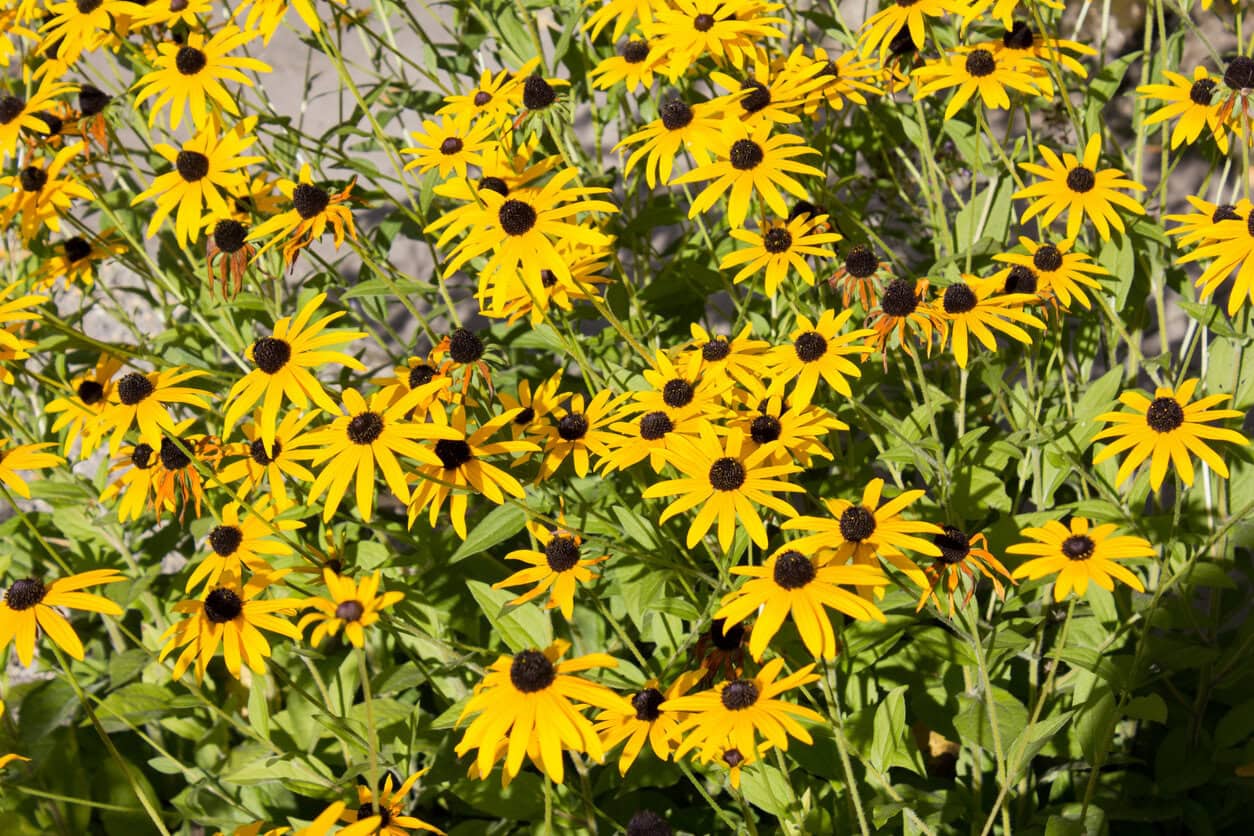
Often a biennial, fall planting allows it to spend the entire winter forming a robust rosette of leaves. Pre-game prep guarantees a brassy display of gold and brown blooms, which can’t go unnoticed.
Wild Columbine (Zones 3-9):

May be a delicate-looking flower, but it’s one of the species that demands the freeze-thaw cycle of winter for consistent germination. They are not flexible with their beauty routine.
Lupine (Zones 4-8):

Their seeds are encased in a ridiculously tough coating. Winter’s icy, abrasive weather is nature’s way of sandpapering the seed coat smooth. The cold treatment is essential for them to finally surrender and sprout quickly when the mood strikes them. In spring.
Lupines like their personal space and despise wet feet, give them loose, sandy soil, and they’ll repay you with roots deep enough to anchor a small shed.
Just give them the chill. Their massive root system is a soil-id proof of their long-term commitment to next season’s color.
If you’re wondering when exactly to plant bulbs across different zones, check out this timing guide for planting bulbs.
The Summer Sustainers

If your garden looks great in May but immediately breaks up with you when the thermostat hits 90 degrees on the confusing scale, these are your secret weapons:
Butterfly Milkweed (Zones 3-9):

Develops a famously sensitive taproot. Trying to transplant it later is horticultural suicide; hence, fall sowing is the easiest way to enjoy this monarch magnet. The butterflies. Not princes.
Smooth Blue Aster (Zones 4-8):

A naturally late bloomer, fall sowing grants it maximum time to build a hardy foundation. That results in the biggest, bushiest plant ever for a stylishly late show of blue and purple.
Clarkia/Godetia (Zones 6-10):

The annual performs well when you plant it in the fall, especially in areas with mild winters. A cold start makes it handle the early-season competition much better and lasts longer.
Scarlet Flax (Zones 6-9):

Cold stratification softens its seed’s tough outer shell. It results in a much earlier and longer bloom time of its delicate but enthusiastic red flowers. That chilly weather isn’t torture; it’s a homecoming. The cold stratification mimics the wild Mediterranean winters these seeds were born for, tough love and all.
They are the dependable friends you need, like your boy cat. Planting these now means you get to enjoy continuous color well into the dog days of summer.
Before you call it a day, it’s worth checking out your pre-fall garden jobs to set up a strong spring start.
The Only Way Being Lazy Can Help Save the Planet

As you scatter these seeds in the fall, you establish a critical ecosystem. You plant native species, you support local pollinators, they help us grow food. Besides, wildflowers require so little care once they establish, it’s the best kind of gardening: passive-productive.