
Similar to how you would upskill yourself to meet a client/employer’s requirement criteria, a strong spring start has some criteria of its own. Certain tasks must be taken care of in early fall before you can navigate around springtime confidently.
In today’s article, let’s go over each of these tasks in detail and try to understand why they’re important from a springtime perspective. Trust me, this can actually be fun!
12 Pre-Fall Garden Jobs To Secure A Strong Spring Start

1: Divide Overcrowded Perennials
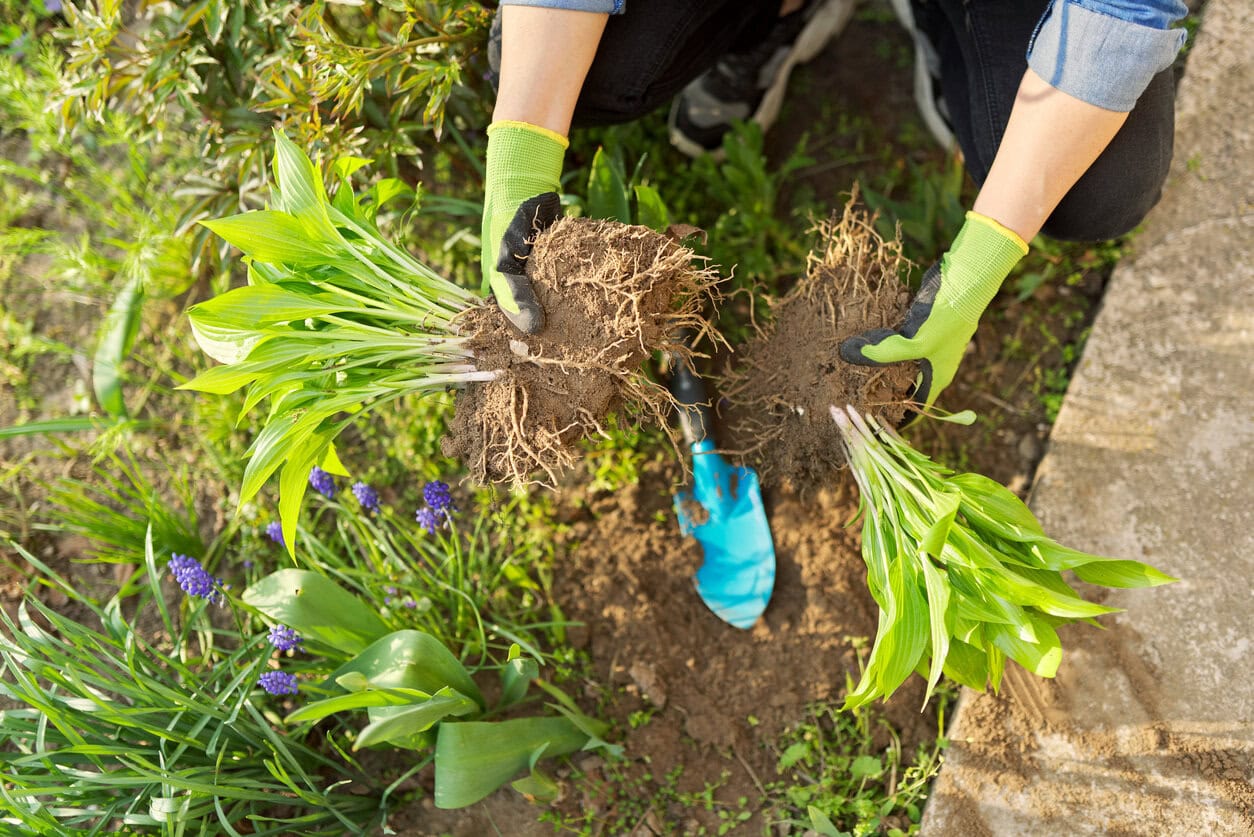
Dividing overcrowded perennials pre-fall is very important for rejuvenating weak, tired clumps and multiplying plants quickly. Some perennials you should consider dividing include:
This keeps your plants vigorous and ensures they’ll keep blooming strongly year after year. After you’ve divided and replanted the perennials, water them deeply so the roots can establish before frost.
Quick tip: In colder zones (3 to 4), try to do this earlier in fall so the roots have enough time to settle before the ground freezes.
If you’re deciding what to split this month, take a look at perennials you should divide in early fall.
2: Plant Spring-Flowering Bulbs
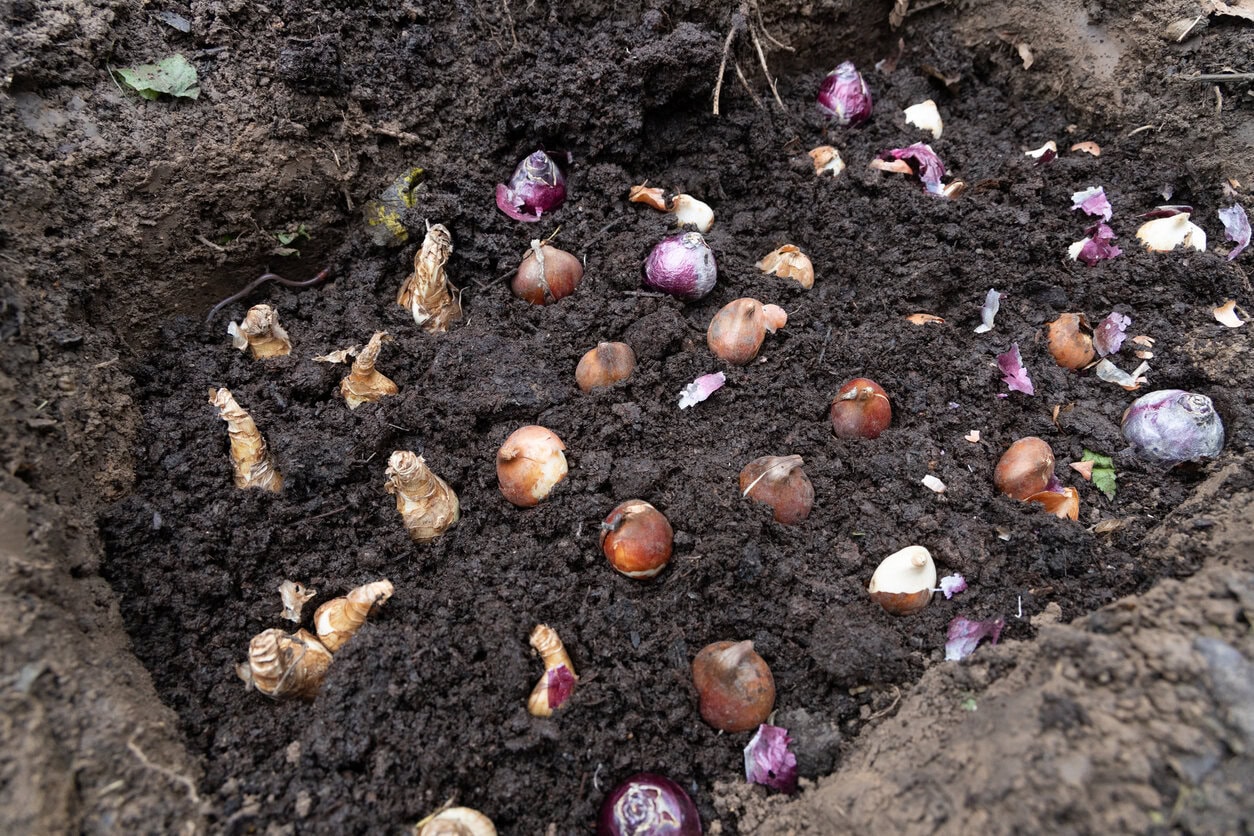
Planting spring-flowering bulbs in the fall guarantees stunning spring blooms that will add great color and depth to your garden. Examples include:
Getting them in the ground now gives the bulbs plenty of time to root before winter, so they can explode with color in spring! Also, remember to plant the bulb two to three times as deep as their height, otherwise they won’t bloom properly… Trust me, I’ve made that mistake before!
Not sure which ones pay off best? Here are the bulbs to plant in fall for spring bloom!
Quick tip: If you’re in a warmer zone (8 to 9), bulbs like tulips and hyacinths may need a few weeks of chilling in the fridge before planting, since they rely on cold to bloom well.
3: Clean Out Garden Beds

Pull out spent flowers and infected plants from garden beds (e.g. tomatoes with blight or peonies that are visibly affected by powdery mildew). As you clear the beds, add some compost to the soil for a nutrient boost on the go.
Quick tip: Healthy seed heads should be left behind for birds.
Replanting those cleared spots? Consider these flowers to plant in September for a spring display.
4: Mulch For Winter Protection

Apply at least 2-3 inches of mulch around the base of your perennials and shrubs to protect the roots from frost damage in the wintertime.
Mulch can also help with moisture retention and prevent wild weed growth. Shredded leaves, straw, and composted bark are the perfect mulch materials for winter.
5: Sow A Fall Cover Crop

Sowing a special cover crop in the fall can add important nutrients to the soil while preventing erosion at the same time. Some good options include clovers, winter rye, and hairy vetch.
Quick tip: In very cold zones (3 to 4), you need to plant cover crops early in fall so they can establish before frost. But, if you’re in a warmer zone (7 to 9) you can sow them a little later without any issues!
Also, take a look at these herbs you can direct-sow in September for a spring harvest.
6: Plant Fall Veggies
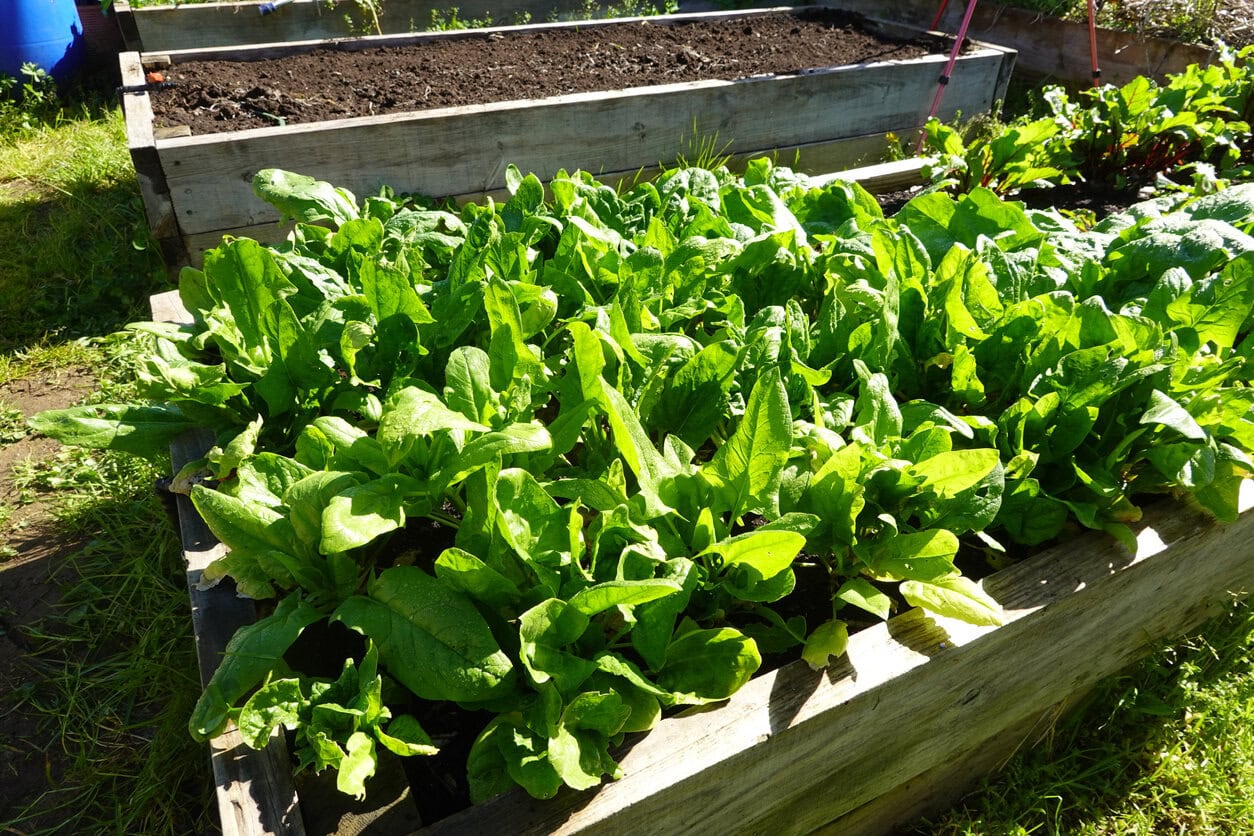
Spinach, kale, lettuce, radishes, carrots, and beets are the perfect candidates for fall planting. They are hardy enough to survive even the harshest of winters, and you can easily extend their harvest with the help of row covers and cold frames.
Quick tip: What you can grow depends mostly on your climate. If you live in a colder zone, I’d recommend sticking with quick-growing greens under protection. But, if you’re in a warmer zone, you can overwinter hardy crops for an extended harvest.
If timing depends on your climate, this guide shows what to plant in September by zone.
7: Prune Select Shrubs & Perennials

Spent summer blooming shrubs like spireas, abelias, and weigelas are safe to prune in the fall. Avoid pruning spring-blooming shrubs like lilacs and forsythias, as you risk cutting off next year’s buds.
Quick tip: In colder zones (3 to 5), it’s best to avoid pruning too late in fall because frost can damage fresh cuts, so either prune earlier in fall or wait until spring! For warmer zones (7 to 10), fall pruning is generally safer.
If you’re weighing cuts, this breaks down what to cut and what to leave in September.
8: Refresh Lawn Areas

Using a garden spade or shovel, loosen up compacted soil and aerate it. Overseed bare spots in the garden and fertilize with a light, slow-release mix to slowly strengthen plant roots.
9: Add Compost Or Organic Matter

Get your hands dirty and spread a decently thick layer of compost or other organic matter over garden beds. It will break down over winter and improve soil texture as well as fertility as conditions change in spring.
Homemade compost, well-rotted manure, and leaf mold work very well for this.
10: Pot Up Bulbs For Early Indoor Blooms

Move bulbous plants like hyacinths, tulips, and paperwhites indoors. Pot them in containers, let them chill for 8-10 weeks, and then bring them indoors for protection and winter color.
Quick tip: If you live in a warmer zone (8 to 10), keep in mind that most bulbs will still need a chilling period indoors. Since your winters aren’t cold enough, they may not flower properly in spring.
11: Protect Tender Plants

For tender plants like cannas, dahlias, and gladiolus, dig up their tubers using a small spade right before frost and store them in a cool, dry place.
If you’re growing citrus or figs in pots, move them indoors. Vulnerable shrubs like young roses should be covered in burlap if winters are overbearing and extreme.
Quick tip: Again, this mostly depends on your zone. For colder zones (3 to 5) tender plants should be dug up or moved indoors. But for warmer zones (7 to 9) a light cover is usually enough.
If dahlias are on your list, here’s exactly how to overwinter dahlias (dig, store, and replant them).
12: Tidy Tools & Structures
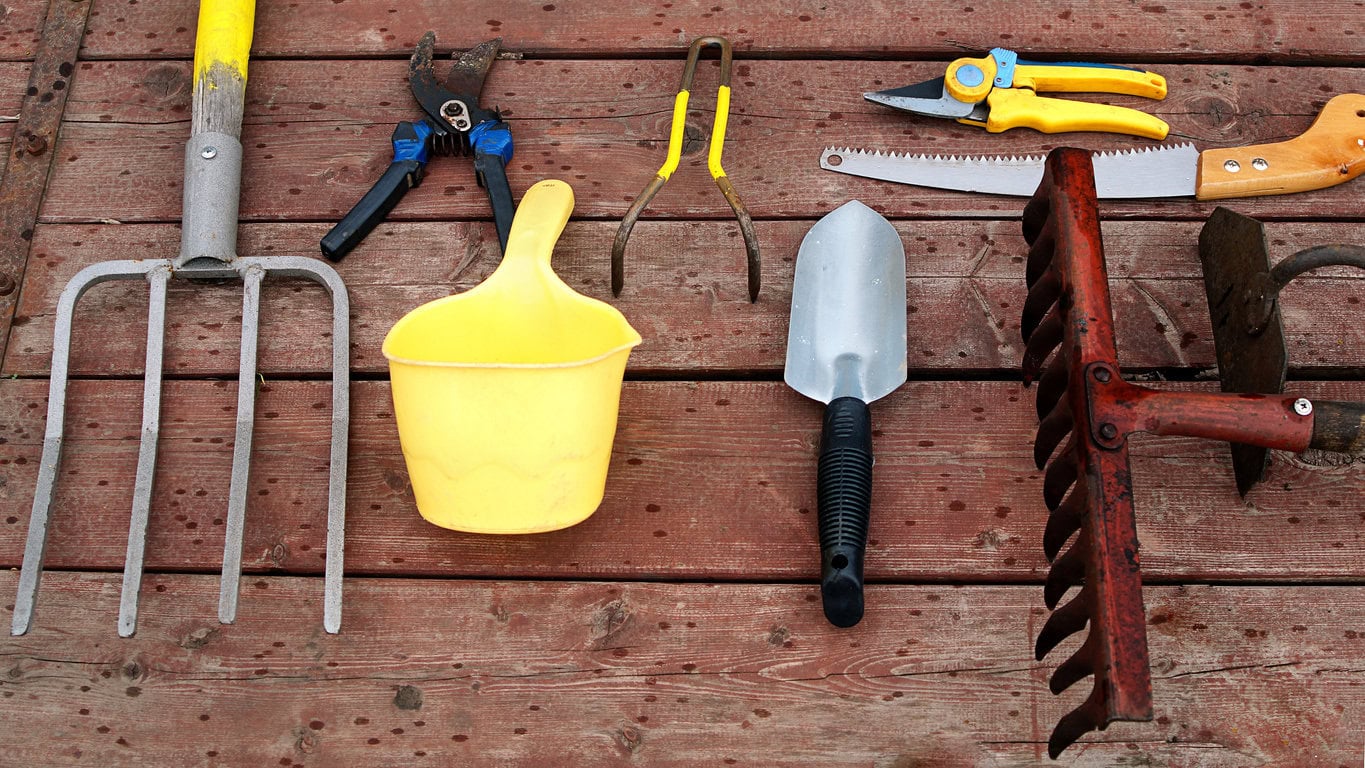
While this might sound like a minor point, using clean, sharp tools is crucial when it comes to taking on gardening tasks, especially ones that involve cutting and pruning. Pruners, hoses, and spades should be cleaned thoroughly before and after use.
Other tools, like stakes, plant cages, and trellises, should be stored in a place where they won’t catch rust or grime.
Let’s Conclude
While you might want to sit back this fall season and just take things slow, making a few tweaks to your garden routine will be necessary if you wish to secure a strong start to spring.
Start by taking on one task at a time and completing it to the best of your abilities. This will ensure you have fun and view garden work as more than just a chore.




Thank you for this great information!
You’re so welcome! 😊 Wishing you a smooth transition into fall and an even better spring garden ahead!
Thank you
Hi Margie 🙂 You’re very welcome! I’m so glad you found it helpful, and I hope it makes your fall garden prep a little easier.