
For years, gardeners in my Facebook community have asked for my opinion on transplanting perennials in October. Today, I thought I’d finally answer that question…but in more detail.
In this article, we’ll be taking a look at perennials you can transplant in October and how you can go about it in the safest way possible.
Let’s jump right into the fun stuff, shall we?
But First, Is October Too Late to Transplant Perennials?

Well, if you think about some of the most common USDA zones between 4-8, October in those regions is still relatively warm enough to expedite root growth.
Cooler zones, however, can be a little tough to navigate around, and you’ll probably need to transplant a little early in October for the best and safest results.
The best indicator isn’t just your zone, but soil temperature. If your soil is still above 50°F (10°C), roots will keep growing and transplants can establish safely. Once it consistently drops below that, it’s too late to move perennials.
Perennials You Can Safely Transplant In October

1: Hostas

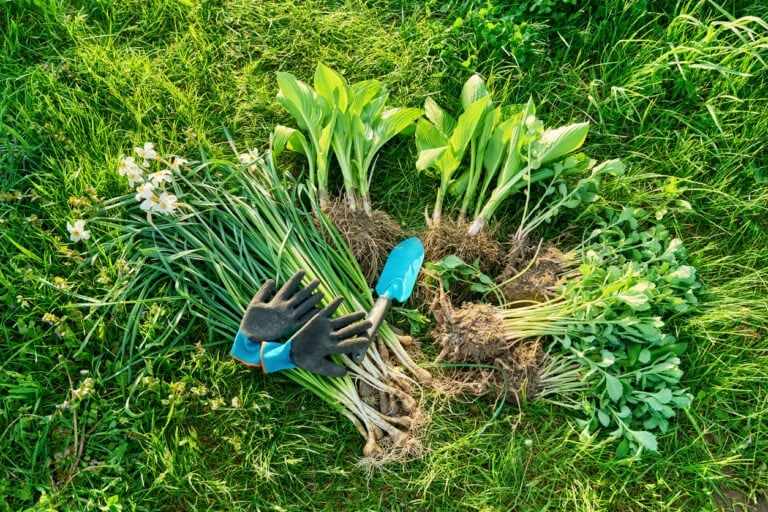
Hostas are super easy to dig out of the ground and divide into sections once the dense foliage has died back. Transplanting can help protect the roots and keep them moist.
How to do it: I like to dig up the whole clump with a spade, slice it into smaller chunks with at least a few eyes, then replant them at the same depth.
Since I already have them out of the ground, I also take the opportunity to divide if needed, here’s exactly how I divide my hostas in fall.
2: Daylilies

Daylilies are tough and hardy plants that establish pretty quickly in the fall season. When replanting, consider sowing divisions at the same depth as before.
How to do it: I shake off excess soil, pull apart fans by hand, and make sure each new clump has a healthy root mass before dropping them back in.
3: Peonies

Peonies should ideally be transplanted or divided in the fall. At the time of replanting, ensure you don’t bury their eyes too deeply, or else the plant might display poor, stunted growth.
How to do it: I lift the root crown carefully with a fork, slice with a clean knife, and replant so the eyes sit no deeper than 2 inches (5 cm) below the surface.
4: Irises

Iris divisions can root incredibly well if the soil is cool enough. Cut off unwanted fans and stems to reduce the stress on these perennials.
How to do it: I trim foliage back to about 6 inches, cut the rhizomes apart, and lay them shallow so the top of the rhizome is just above soil level.
5: Phlox
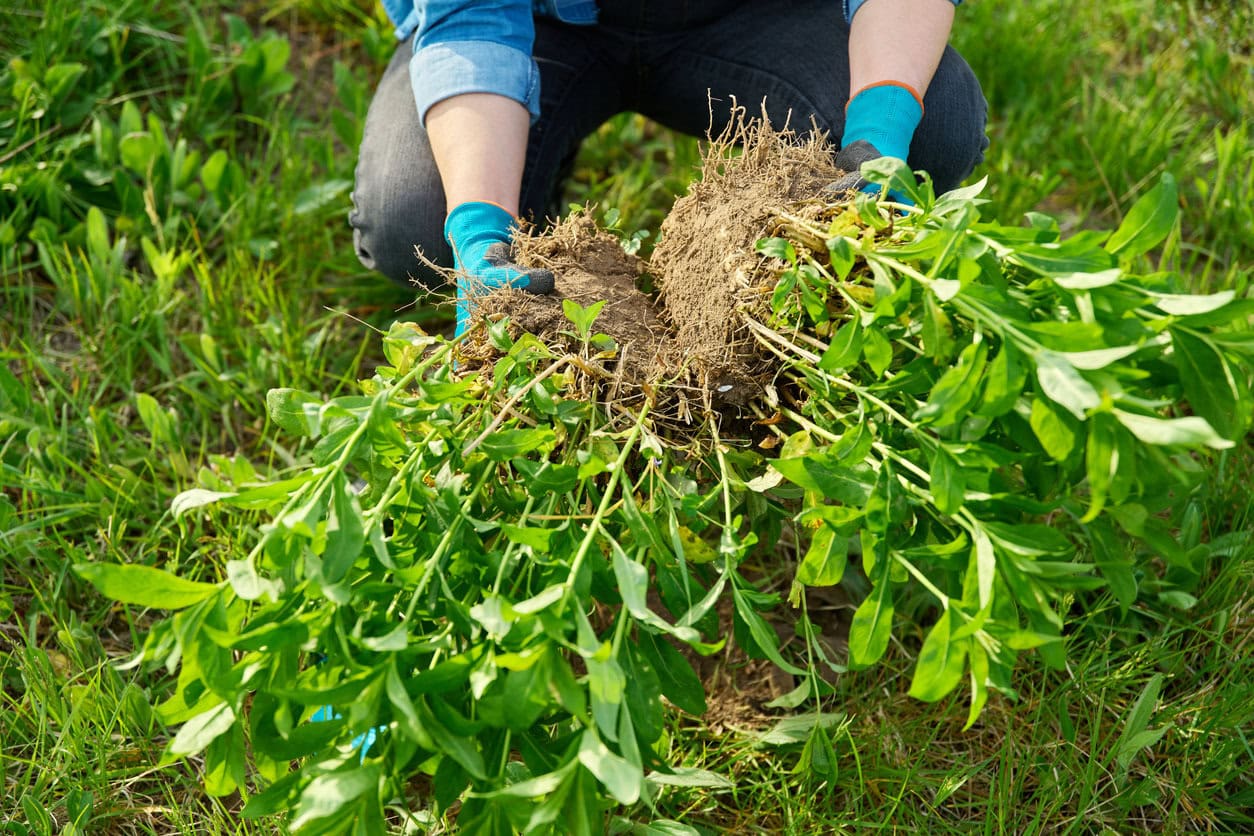
Consistently divide and move phlox around to control its invasive tendencies. If you can, also consider fertilizing and enriching the soil before replanting.
How to do it: I like to split dense clumps into sections with strong roots, then replant them with plenty of space for airflow to prevent mildew.
And like hostas, since they’re already up, I usually take the time to divide them properly. Also take a loot at the full list of perennials I like divide in early fall.
6: Coneflowers
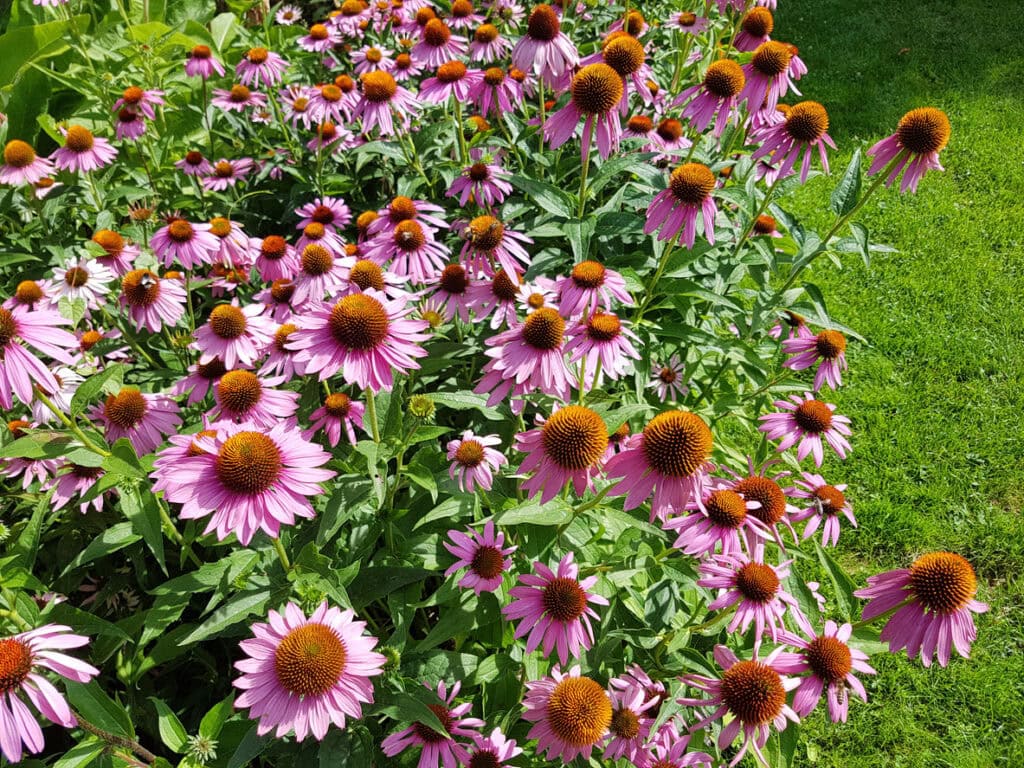
Coneflowers offer strong root systems that adapt very well to different conditions. After transplanting, ensure you provide them with sufficient water since they can dry out fast.
How to do it: I dig wide to capture their deep roots, reset the clump at the same depth, and soak the soil immediately after.
7: Black-Eyed Susans
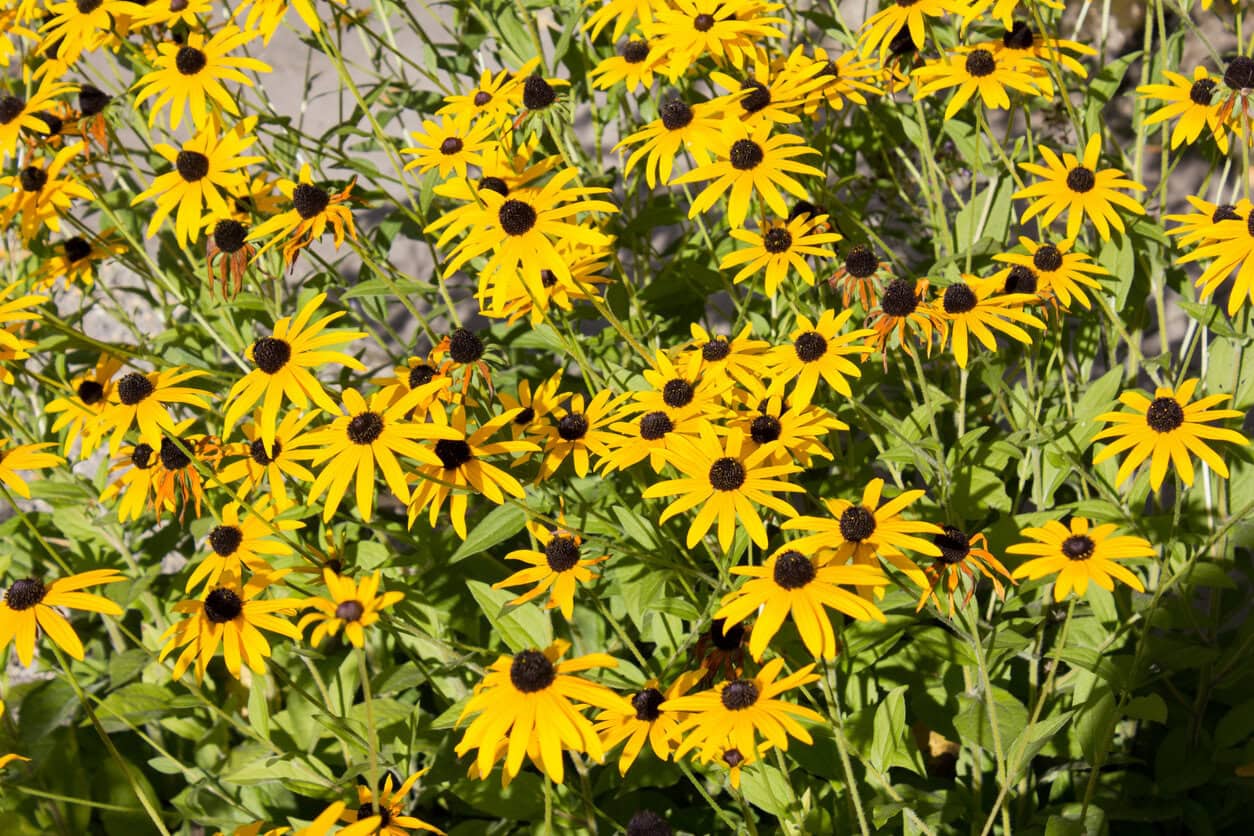
For black-eyed Susans, fall transplanting can rejuvenate and reignite the fire in crowded clumps. Cut back as many old stems as possible and let new growth come in.
How to do it: I chop old stems down to a few inches, divide clumps by hand or spade, and water deeply once replanted.
8: Sedums

Of all the plants and flowers on this list, sedums have been the simplest to lift and divide in my experience. They’re also quite resilient to heat and dryness thanks to their drought-tolerant nature.
How to do it: I simply slice through a clump with a sharp spade, lift a piece, and tuck it back into soil, they root almost instantly!
9: Bee Balms

Bee balms also benefit from division every 2 to 3 years, as it can protect them from fungal diseases like powdery mildew. That said, every time you replant them, be sure to give them plenty of space.
How to do it: I like to break clumps apart into smaller sections, spread them well apart, and water at the base to keep the leaves dry.
10: Shasta Daisy

Divide and reset your shasta daisy clumps every 1 to 2 years to maintain their vigorous growth and strong blooming.
How to do it: I dig up the clump, slice into quarters, and replant with fresh compost in the hole for a strong restart.
Keeping up with transplanting is just one of many pre-fall garden jobs that set you up for spring.
Should You Cut Back Perennials Before Moving Them?

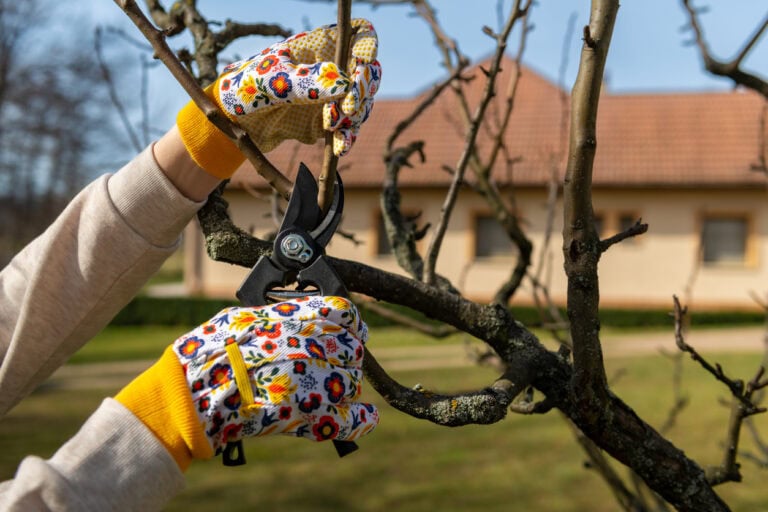
Although it isn’t exactly “necessary” to cut back your perennials before transplanting them, it’s something I’ve always done, and it tends to make everything twice as easy.
So, yes, cut the foliage back by at least one-third to reduce unwanted stress and help the perennials direct energy towards root establishment.
For any perennials that are dying back just naturally, cut dead wood and spent stems off of them entirely.
If you’re not sure which plants to also cut back now, here’s a guide to perennials you should prune in October.
Do You Need To Water Transplanted Perennials?
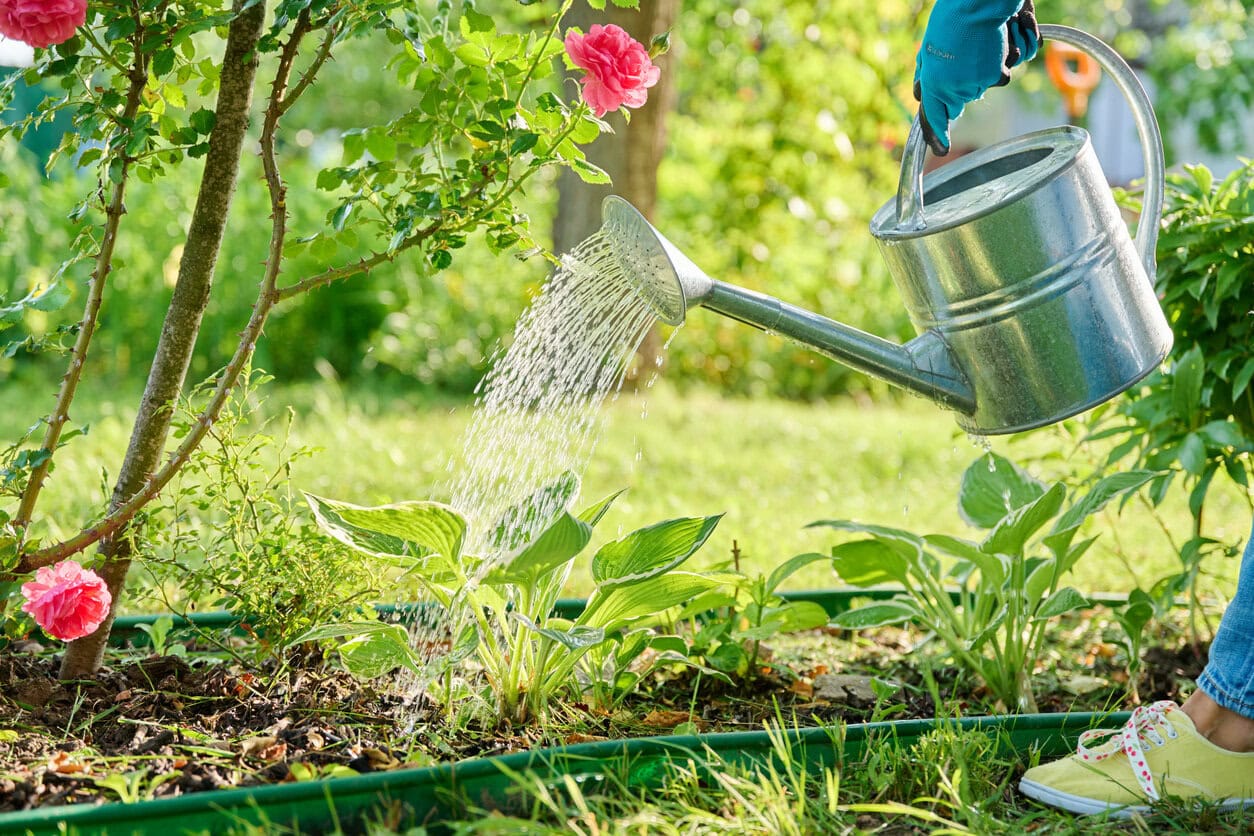
Yes! Water newly transplanted perennials deeply and evenly, as the entire transplanting process can be extremely stressful for them, leaving them dry and vulnerable.
Another useful tip I’d like to share here is to keep the soil constantly moist until the ground freezes. This will help the roots establish properly and anchor in the ground before winter dormancy kicks in.
Do Transplanted Perennials Need Fertilizer Right Away?
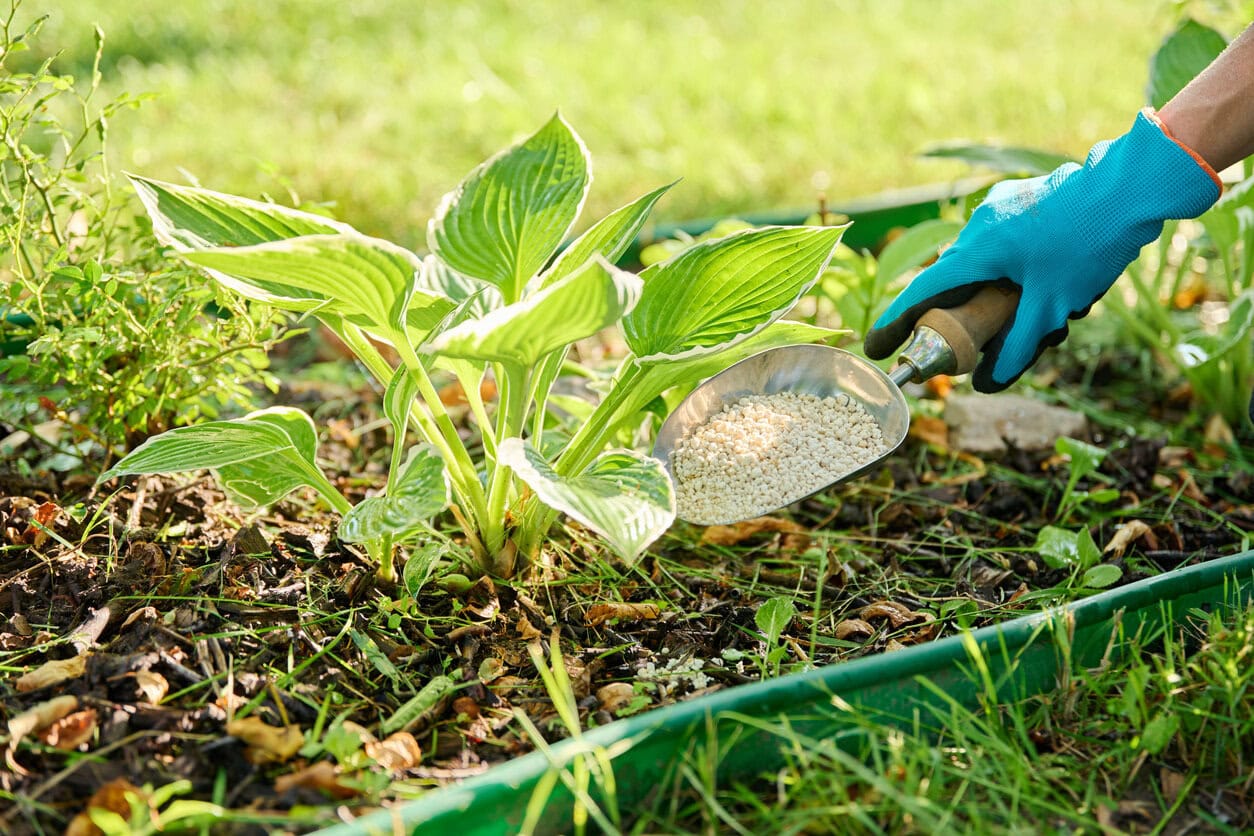
Not really…
I’d suggest holding off on the fertilizer use at least until spring, since it tends to encourage new, tender growth that won’t survive the harsh winter in many regions.
Once spring arrives, you’re free to use a balanced fertilizer or compost to nourish the perennials however you want.
Let’s Conclude
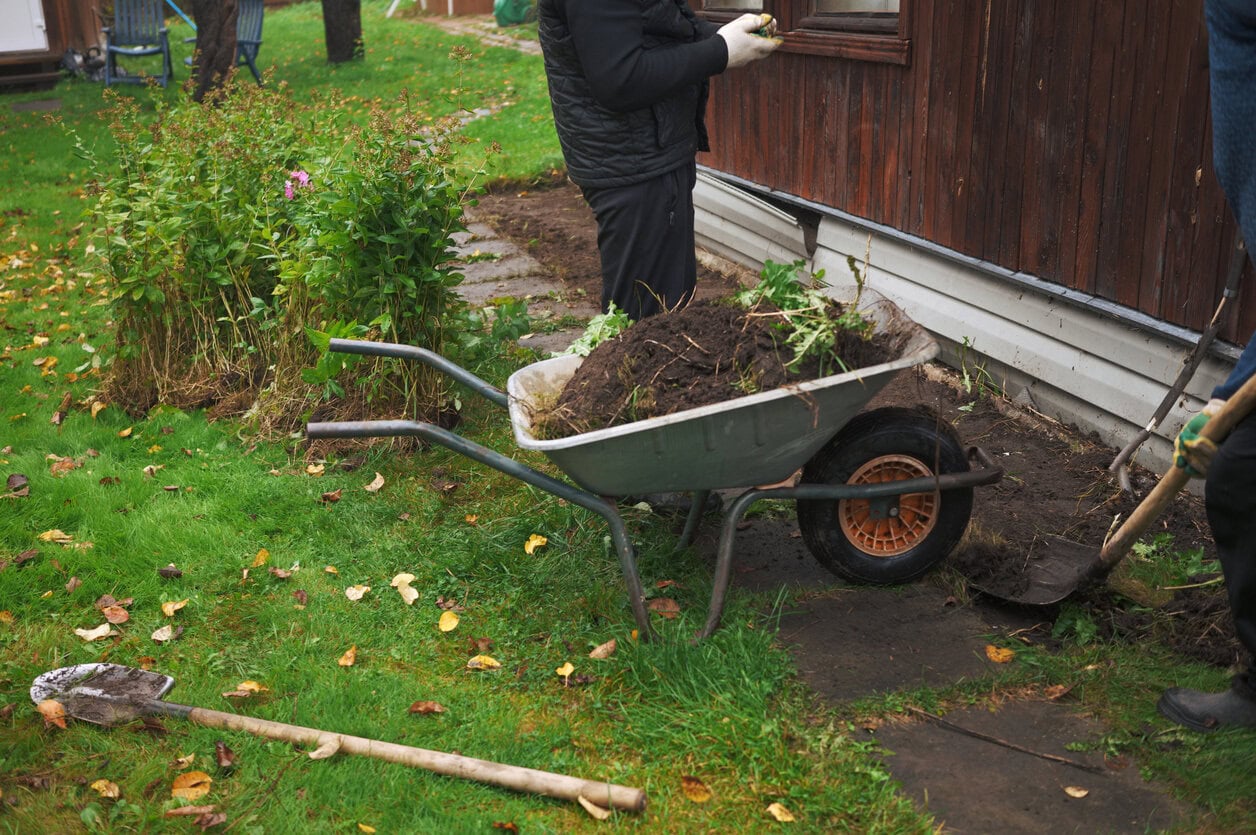
As much as I enjoy the process of transplanting perennials and moving them from one spot to another, the truth is, it’s a lot of work and it needs a purpose – otherwise, your plants will surely suffer.
Decide which plants in your garden need to be moved this October, then take action with proper guidance, a clear strategy, and a touch of creativity. Best of luck!





Very interesting and informative articles
Easy to follow and understand
I shall follow your advise for replanting two gardens to get the best display and reduce watering now we’re having these heatwaves.
Thank you 😊
Hi Wendy 🙂 Thank you so much! I’m really glad you’re finding the articles easy to follow. 🫶 Reworking those beds with more heat-tolerant perennials should make a big difference, especially with how tough these heatwaves have been. I hope the replanting goes beautifully for you!