Your yard deserves a curated vibe rather than a chaotic silhouette that scares the neighbors or harbors suspicious squirrels.
Late winter offers a clear view of each plant’s framework, making it the ideal time to prune before new growth begins. And besides, a lean plant is usually a happy plant, and a happy plant won’t attempt to annex your patio furniture by June.
Hedge Your Bets on All Seven

Fortune favors the bold, especially when the bold possess clean and sharp tools and a contempt for unruly twigs. Now let me share the shrubs I’ve been pruning at this time for years, with consistently good results.
Quick note: If your area still has heavy snow or hard freezes ahead, wait until conditions settle so fresh cuts aren’t exposed to damage.
1: Spirea (USDA Zones 3-8)

Summer-blooming spirea only grows flowers on new wood.
How I do it: I cut it back to about 4-6 inches above the ground and still get a full show later. If the plant is older or woody, I leave it closer to 8 inches instead of cutting it flat.
I know, cutting that deep feels a bit brutal, but it pushes the shrub to grow back thicker and more compact.
Those stumps will sit looking sad for a short while, but healthy leaves burst out as soon as the weather warms up. You end up with a tight and intentional shape that actually behaves itself until winter returns.
2: Hydrangea (USDA Zones 3-8)

Focus strictly on panicle or smooth varieties like “Limelight” and “Annabelle” to ensure flowers this summer. These types bloom on new growth, making late winter the perfect window for a structural reset.
How I do it: I snip off old, dried flower heads and remove weak branches that are thinner than a pencil. Then I cut the remaining stems back by about one-third to create a strong, balanced frame.
This helps the plant support heavy blooms instead of flopping over. Just don’t cut everything to the ground! A solid structure will keep large blooms upright and dignified.
If you want to go a step further, we break down everything we do for hydrangeas in early spring in this March hydrangea care guide, from pruning to feeding and cleanup.
3: Potentilla (USDA Zones 2-7)
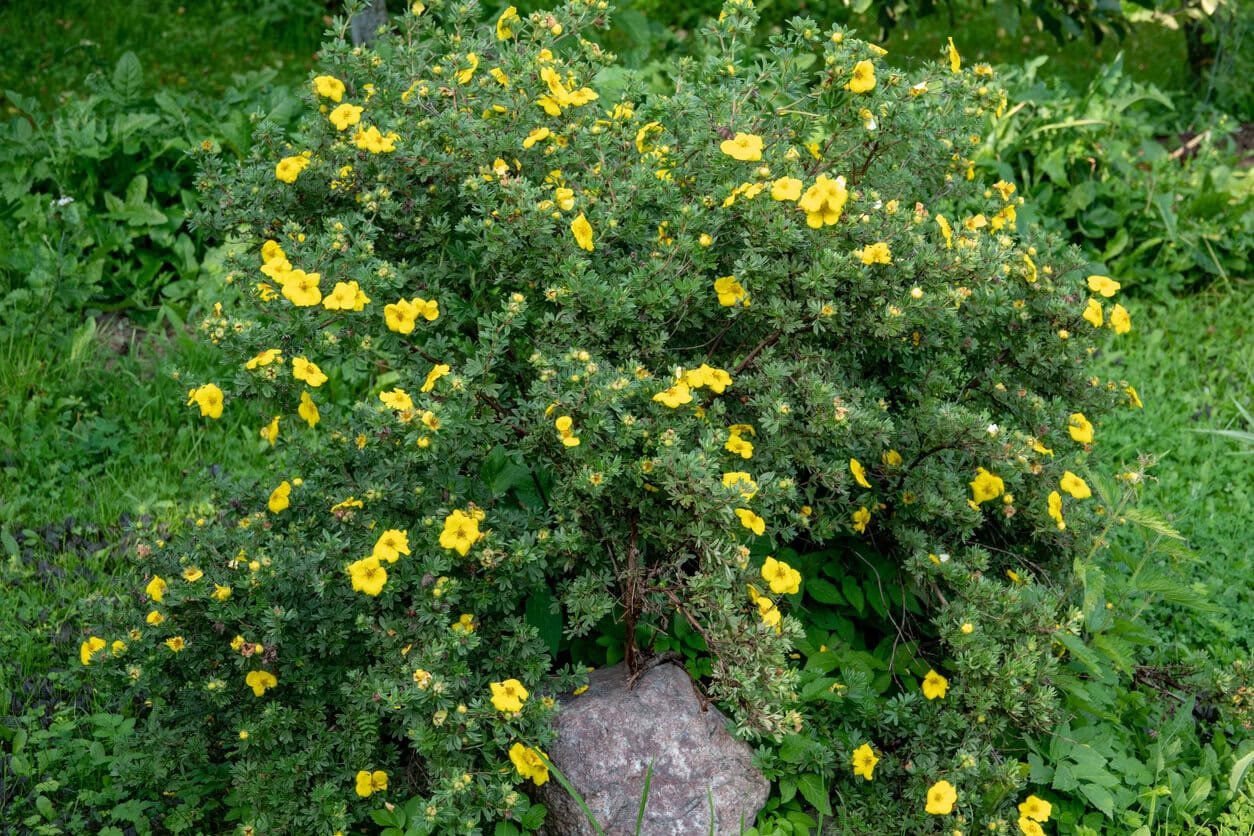
Neglect bothers this shrub very little, but it benefits from regular thinning to prevent it from turning into a tangled chaos.
How I do it: I cut out about one-third of the oldest, woodiest stems right at ground level. This opens up the center of the plant and encourages fresh, more productive growth.
Letting light and air reach the middle helps the shrub stay healthy, while older gray stems are phased out naturally. The payoff is steady butter-yellow blooms from June until the first frost.
4: Rose of Sharon (USDA Zones 5-9)

Expect a late start with this hibiscus relative. It wakes up much later than the rest of the garden, which grants you a massive window to prune before any leaves arrive.
How I do it: I either remove the lower branches to train it into a small tree, or lightly head back the top to keep it in a classic shrub shape. Whichever form I choose, I keep the center open so air can move through and reduce the risk of powdery mildew.
For bigger blooms, I snip each branch back so only two or three healthy buds remain. This helps the plant to focus its energy toward massive flowers later in summer.
5: Butterfly Bush (USDA Zones 5-9)

Left alone, this shrub turns tall and gangly fast. Cutting it back hard keeps it from taking over more space than it should.
How I do it: I cut it back to about 12 inches tall in late winter. It looks drastic, but this forces the plant to stay compact and push energy into fresh, vigorous stems instead of weak, woody growth.
All the flowers form on new growth, so those strong new stems produce the big, showy flower spikes that butterflies love all summer.
6: Beautyberry (USDA Zones 6-10)

Amethyst berries look fantastic in autumn, but the shrub turns into a chaotic sight by winter. Pruning during dormancy helps reset its shape before new buds appear.
How I do it: I cut the stems back to about 10-12 inches above the ground to encourage a graceful, fountain-like form. This looks drastic at first, but beautyberry responds very well to a hard cut.
A heavy prune leads to a much better berry display later in the season, since beautyberries bloom on new wood. Taking a little off the top now leads to a true berrytale ending later in the season.
7: Bluebeard (USDA Zones 5-9)

Azure blooms bring a rare pop of late-season color, but winter often kills off the branch tips. Pruning before spring growth begins helps clean things up and reset the plant.
How I do it: I cut the entire plant back to about 6-8 inches above the ground in late winter. This removes any dead wood and encourages strong, fresh growth from the base.
Early cutback removes dead wood and ensures a flush of silvery-green foliage. Since flowers only appear on the tips of new growth, your timing guarantees a sea of blue later in summer.
And just as important as knowing what to cut back is knowing what to leave alone. I covered that in detail in another article about perennials you should not cut back in February, because timing really does matter.
The Aftermath

Don’t finish pruning and walk away just yet! Taking a few extra minutes now helps your shrubs recover faster and avoid problems later.
If you’re tackling winter pruning right now, I put together another guide that covers other plants you should cut back before March, along with a few that surprise people.
Shearing is Caring
Gardeners who brave the cold with a pair of loppers always end up with the best-looking yards on the block. Trust the process and the ‘new wood’ rule to deliver a sea of color later. Your plants are now ready to perform, your outdoor furniture is safe, and you finally have a yard that reflects your vision.