February knocks, you do not open the shed doors. Ignore the siren song of the garden tools. Drop the clippers, don the slippers!
Although the stalks of your loving perennials may look tattered, crunchy brown layers blanket the roots and protect the next generation of blossoms. Relax, the garden’s fine.
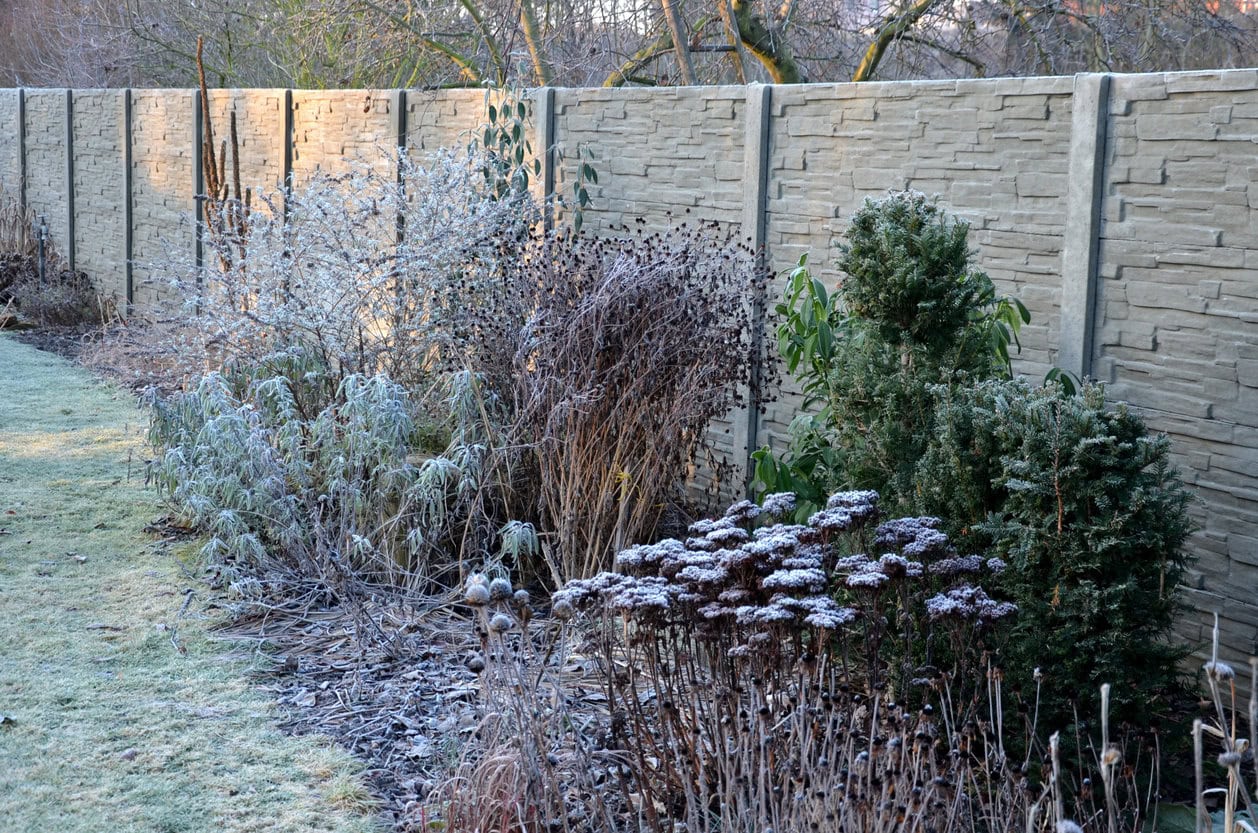
These are the plants I leave standing every winter because I’ve seen firsthand how much stronger they return when February cleanups wait.
Why Lazy is the New Gold Medal
I stand corrected. It’s not laziness. A lack of ambition for a perennial cutback in February is a sophisticated land-management strategy. These ten approve.
If you’re craving signs of life while everything else waits, I put together a list of early-spring perennials you can plant in February that bloom without needing a cleanup crew.
1: Joe Pye Weed

Joe’s a windbreak for the more fragile neighbors huddling at its feet like Blanket Flower. Nature uses these hollow stalks to hide tiny, helpful guests from the ice.
Give the garden a break and keep the clippers in the drawer until fresh shoots emerge from the dirt. Your local pollinators appreciate the dry nap. Let the Pye stay high!
2: Chrysanthemums

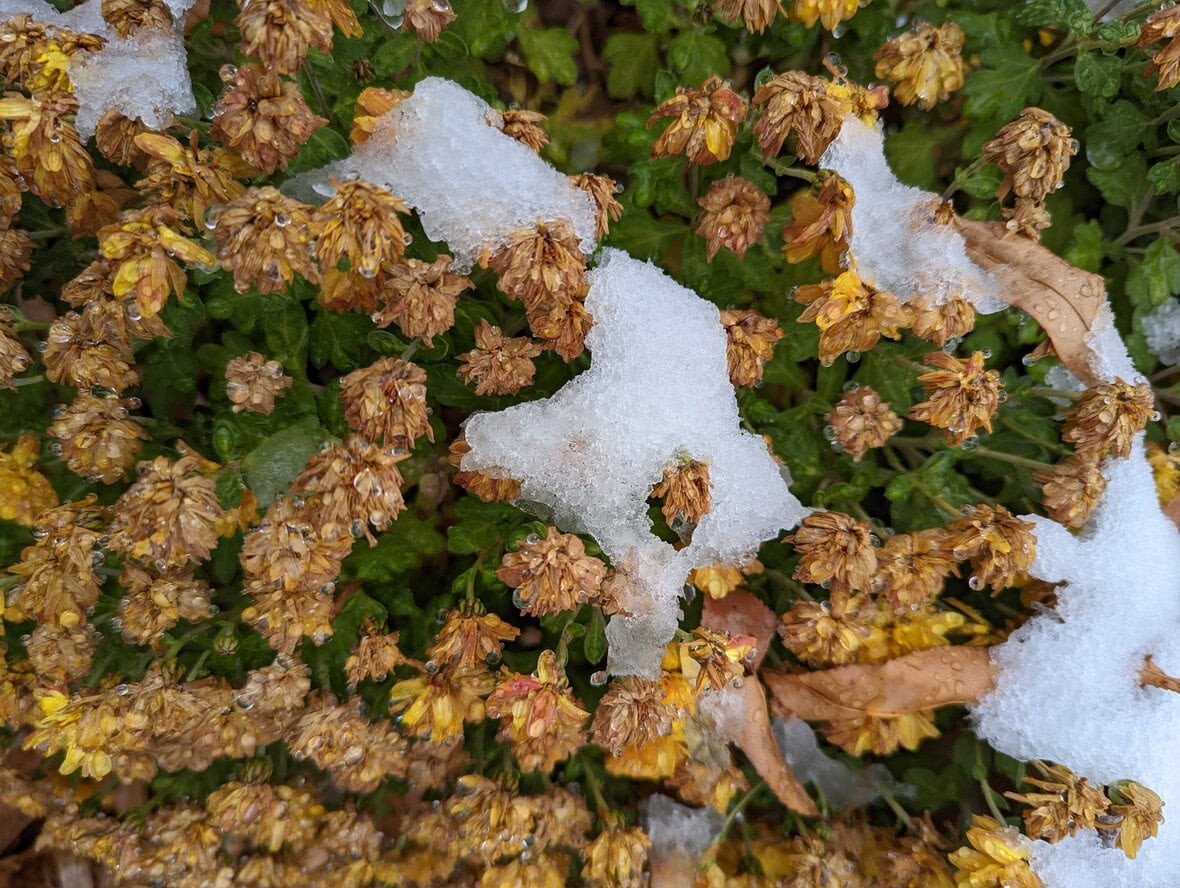
Mums survive the winter by leaning on their own dead weight. The brittle top growth alone creates a natural insulation layer that traps warmth around the roots.
Remove it, and you expose the shallow crown to the brutal cycle of freezing and thawing, which will eventually heave the plant right out. Ground remains frozen for a reason, and those dead stalks ensure it stays that way. Resist the urge to tidy up until green shoots signal a real spring.
Quick reminder: It’s worth noting that not all mums overwinter equally. Hardy garden mums usually handle this treatment, but florist mums rarely survive winter outdoors.
If mums are a staple in your garden, I go into much more detail about overwintering them properly in this guide on chrysanthemum care after blooming.
3: Japanese Anemone
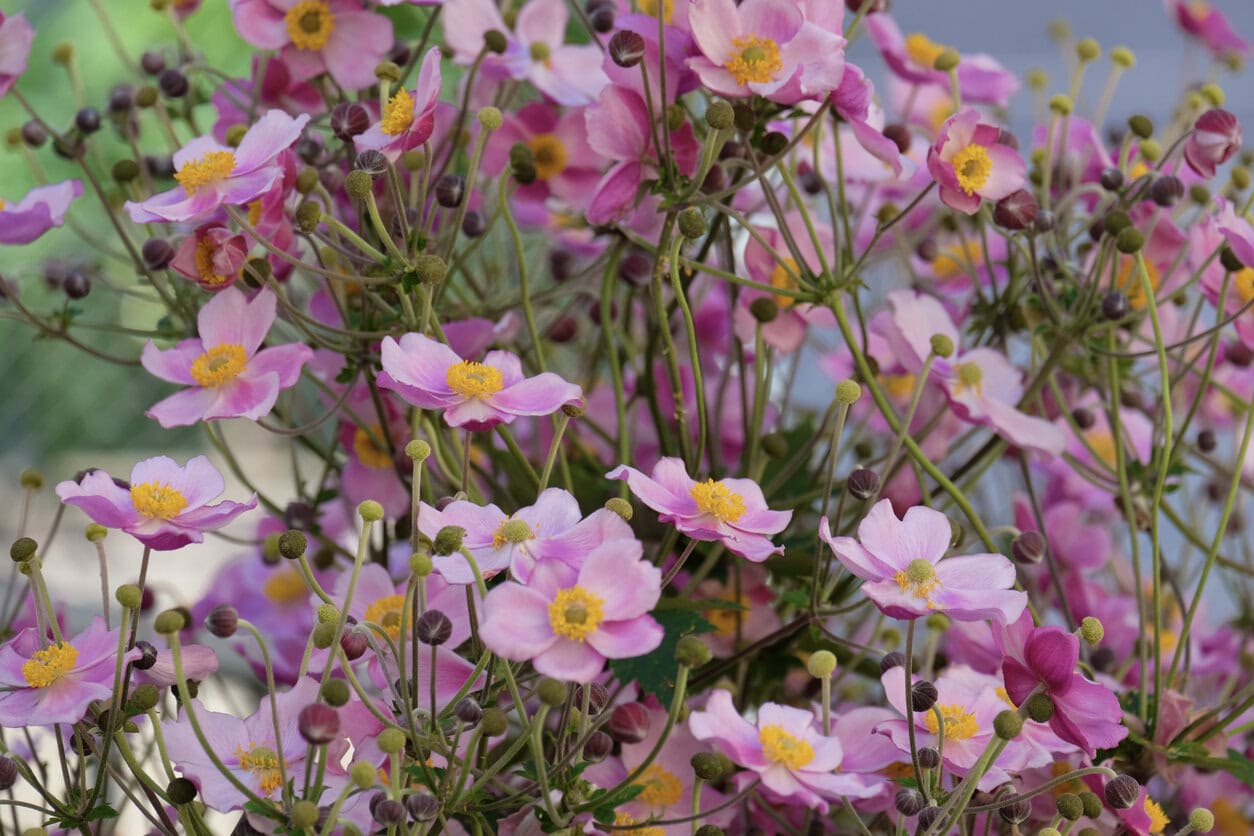
Japanese Anemone spends the winter tossing a feathery snack to local goldfinches. Its fluffy heads will stay upright long after the petals vanish, providing a soft pantry for birds during late winter, when food is hardest to find.
Do not remove their primary food source and leave the base exposed to biting winds. Wait for the fluff to fly before reaching for the clippers.
Quick tip: I leave Japanese anemones standing until the seed heads start breaking apart on their own. Cutting earlier costs both winter protection and a surprising amount of bird activity.
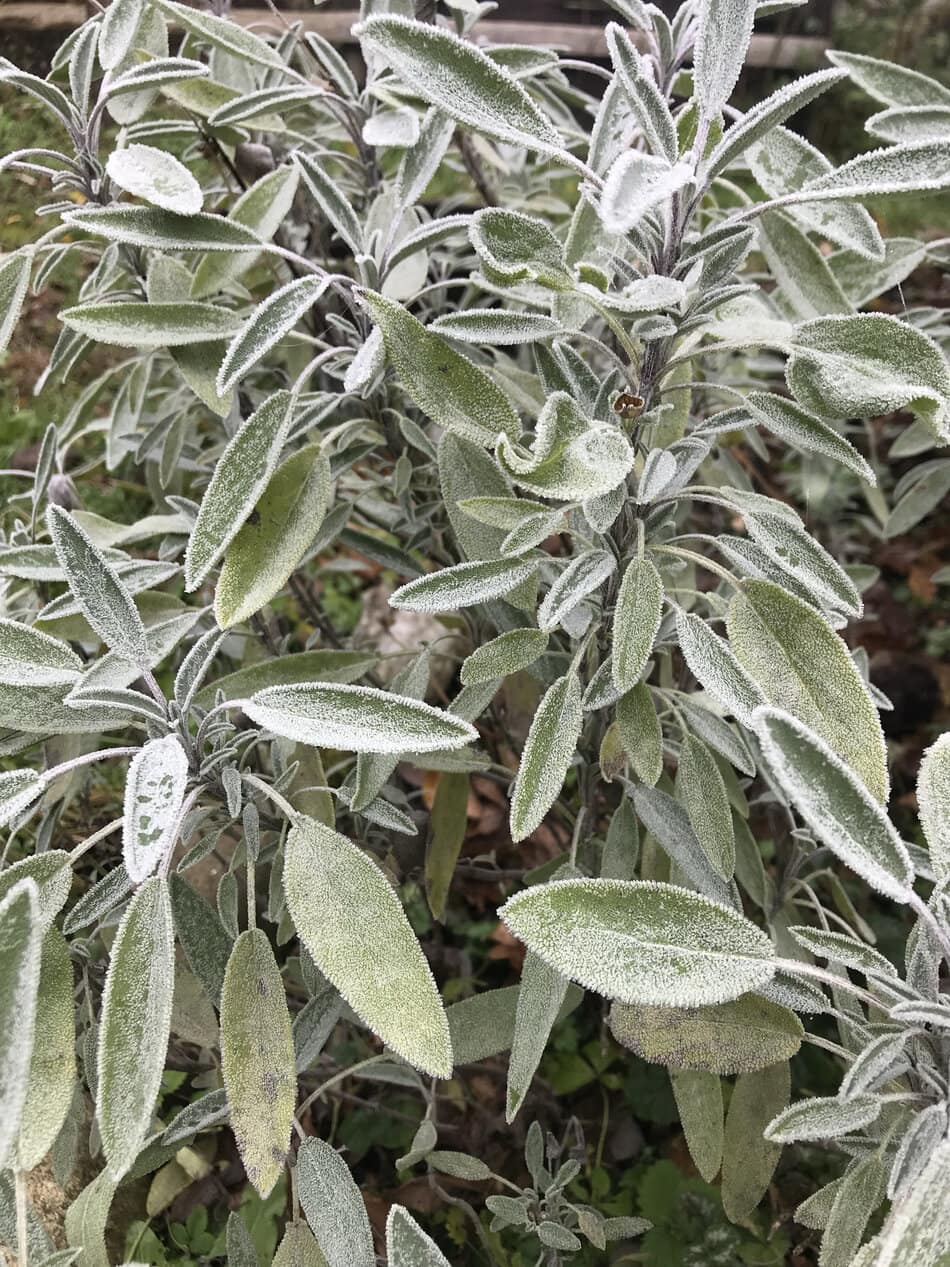
4: Culinary Sage

Culinary Sage keeps its fuzzy leaves all winter to shield the stems from a deep freeze. The evergreen habit provides an essential windbreak for the tender wood at its base.
Let’s say you prune during a cold stretch. It will force the herb to wake up and produce fresh growth that the next frost will instantly kill. Keep the cover, garden lover!
Quick tip: I only trim sage once I see steady new growth in spring! Cutting it earlier never made the plant stronger, just shorter-lived.
5: Agastache
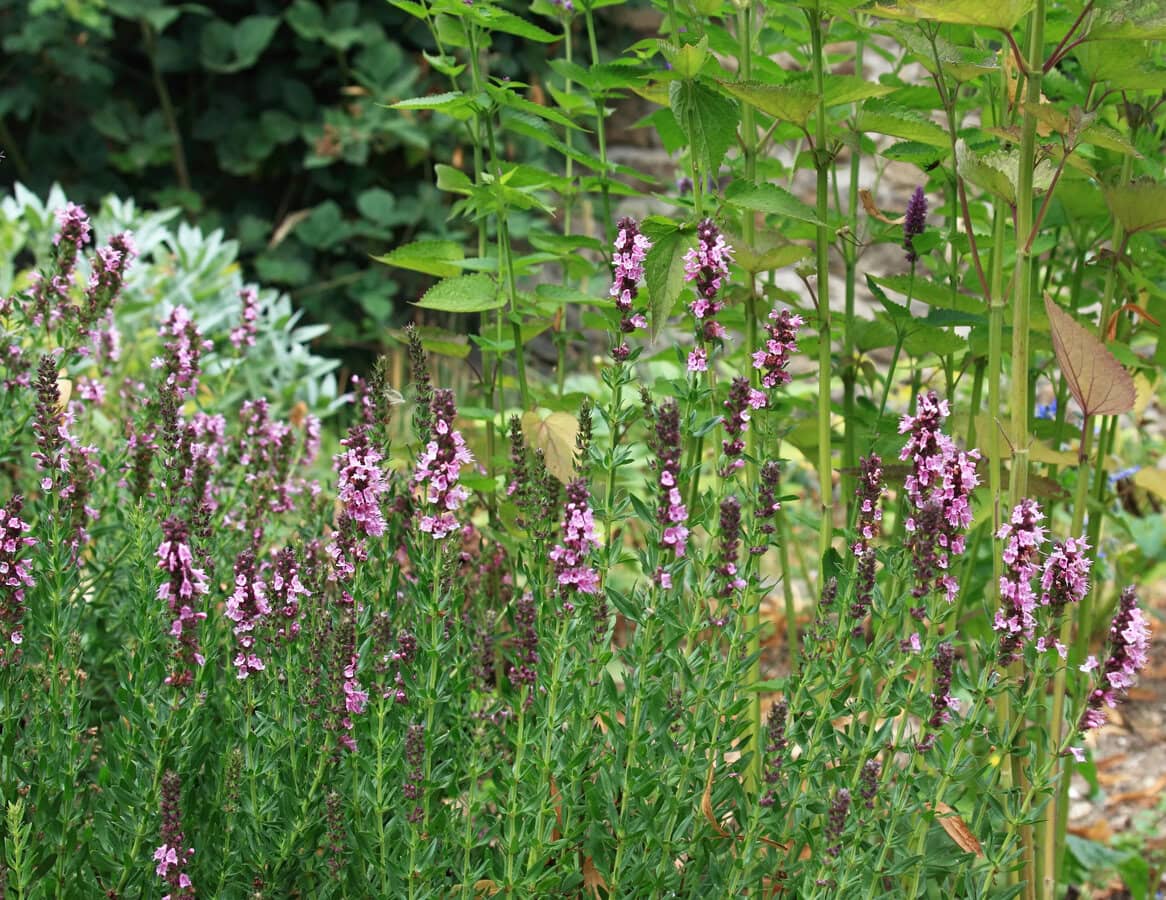
Aromatic Hyssop stalks shatter the force of icy gusts. A calm pocket of air then settles around the base to preserve stored soil heat. That warmth further protects the hollow interior of each stem, where solitary bees find a dry sanctuary.
Cutting these towers to the ground in February destroys this thermal shield and a vital insect neighborhood in one swipe. Let the minty spires rattle until the spring sun holds its ground.
6: Baptisia

Baptisia mimics a collection of charcoal maracas rattling a rhythmic warning against the wind. Hard pods stay locked tight to keep the cargo dry while frost thickens. Such a seal ensures the seeds don’t rot before they have a chance to hit the spring soil.
Meanwhile, its rigid structure will stand guard over the crown and deflect the crushing weight of a snowdrift. It keeps the plant’s delicate growth point from being flattened into a pancake.
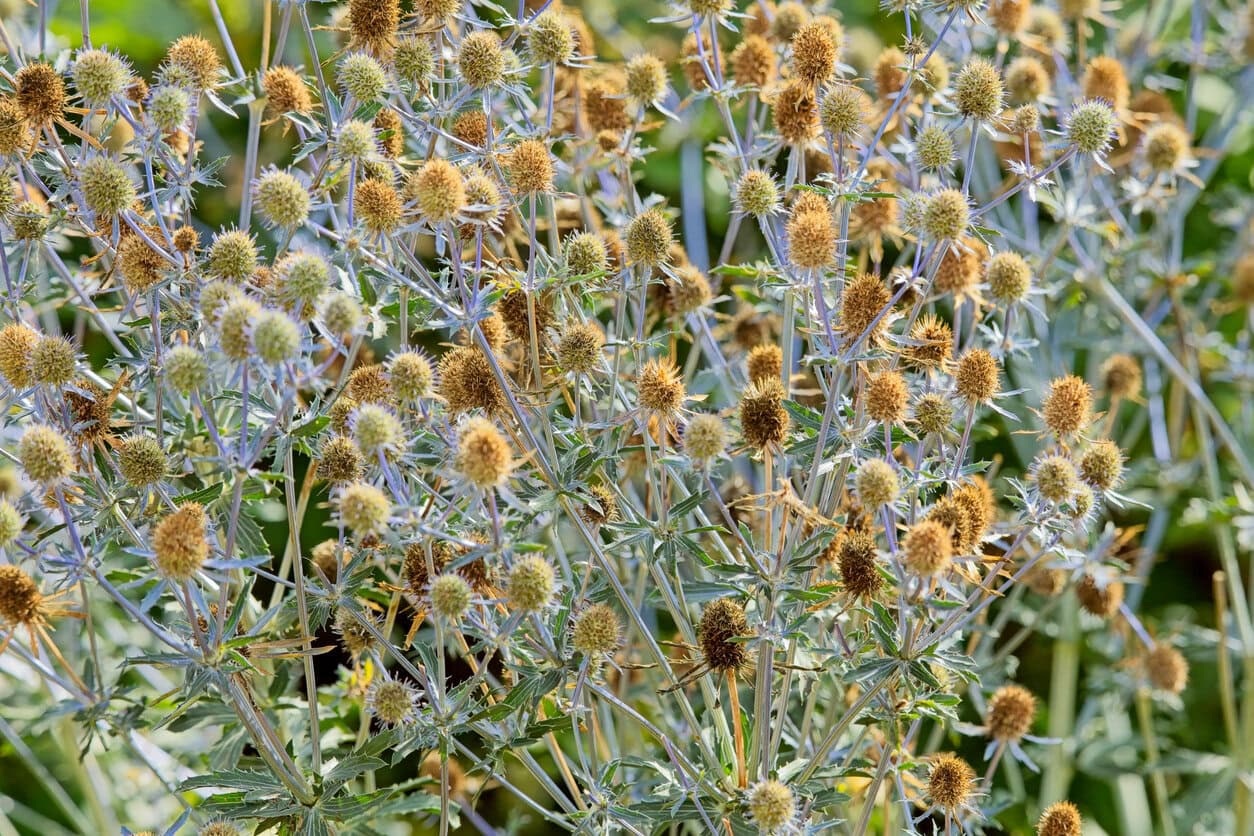
7: Sea Holly

Metallic spikes of Sea Holly aren’t just for show when the temperature drops. The plant’s architecture cleverly funnels freezing rain outward.
Each stem serves as a solid barrier that keeps the root system dry and functional through the spring thaw. Slicing its structural supports in February turns the plant into a rot sponge. In other words, ditch the shears, calm your fears.
Quick tip: I learned not to rush sea holly. Every time I cut it too early, winter moisture did more damage than cold ever did.
8: Lamb’s Ear

Ever wondered why Lamb’s Ear looks like a soggy sweater by January? Woolly and silver foliage creates a thick carpet that traps a layer of air against the soil. Lamb’s fuzzy insulation barrier keeps shallow roots safely tucked away from a sudden thaw.
At the same time, the thick hairs on each leaf shed freezing rain so the plant’s crown doesn’t turn into a popsicle. Leave the silver felt on until the new ears push through the slush. Then shear it.
9: Blanket Flower

Rain and ice are the arch-nemeses of a happy Blanket Flower. It uses a built-in poncho of old leaves to deflect February slush away from its sensitive center.
One quick snip with the shears invites rot to move into the roots, and good luck with the eviction. Postpone the cut until the soil feels warm. Leave the brown, save the crown.
10: Penstemon

Each Beardtongue’s seed head is a tiny yet gravity-defying weight that keeps the stem under tension so the plant does not snap, coated in a heavy glaze of ice. These masts also function as a biological GPS for the local ecosystem.
They mark the exact territory of the root zone so you don’t accidentally stomp on the dormant crown during a mid-winter “inspection”. Give the clippers a rest and let these dark wands provide the winter interest they worked so hard to grow.
The Cleanup Queue
Follow our “first-in, first-out” schedule and feel the thrill of micromanagement.
Now that you have a PhD in doing nothing, let’s talk about what happens when you finally decide to put those fingers to work.
And when it finally is time to cut, some plants genuinely benefit from it. We covered those in our guide to flowers that come back strong after a February cut-back.
The Master Class in Productive Slacking
The only things better than doing no work are finding a way to make the work do itself, playing detective without a crime, and kicking the tenants out without actually being a jerk.
This is the approach I’ve settled into over time: watching first, cutting later, and letting the garden tell me when it’s actually ready.
The Chop and Drop
Why haul all that protective brown matter to the curb? Instead of a clean sweep when the right time comes, snip the stalks into two-inch pieces and leave them right on the soil.
Keep carbon in the local economy. Turn “trash” into a moisture-retaining mulch that disappears under new growth by May.
Forensic Gardening
February is the only time the garden’s true architecture is visible. Before the clippers come out, look for the dead zones where snow didn’t collect or where the wind flattened everything.
These are the clues for where to plant a sturdier Baptisia next year and create better windbreaks for its neighbors.
The Soft Eviction
Since those hollow stalks are full of solitary bees, a sudden February pruning is often a death sentence. Use a “soft-release” strategy for your pollinators.
If the itch to tidy is too strong, bundle the cut stalks and lean them against a fence in a sunny spot. This honors the “dry nap” while satisfying the urge to see bare dirt.
If you’re wondering whether anything should be cut this month, we’ve got a separate list of plants that actually benefit from February pruning.
Stem Your Productivity in February
Ignore the haters. You are an ecological genius. A kindhearted landlord for the fuzzy and flighty. A GSI (garden scene investigator). A master of the long game. Retire your clippers for the time being and go find a snack. The bees have the late shift covered.