Deer eat anything when famished (like me), but they loathe fuzzy textures, bitter sap, prickly stems, and intense aromatic oils (exactly like me!).
Want a summer bed that stacks the odds against my doe-eyed brethren and still keeps the color loud? These are the heavy hitters I’d start with.
Stink Out the Free-Loaders
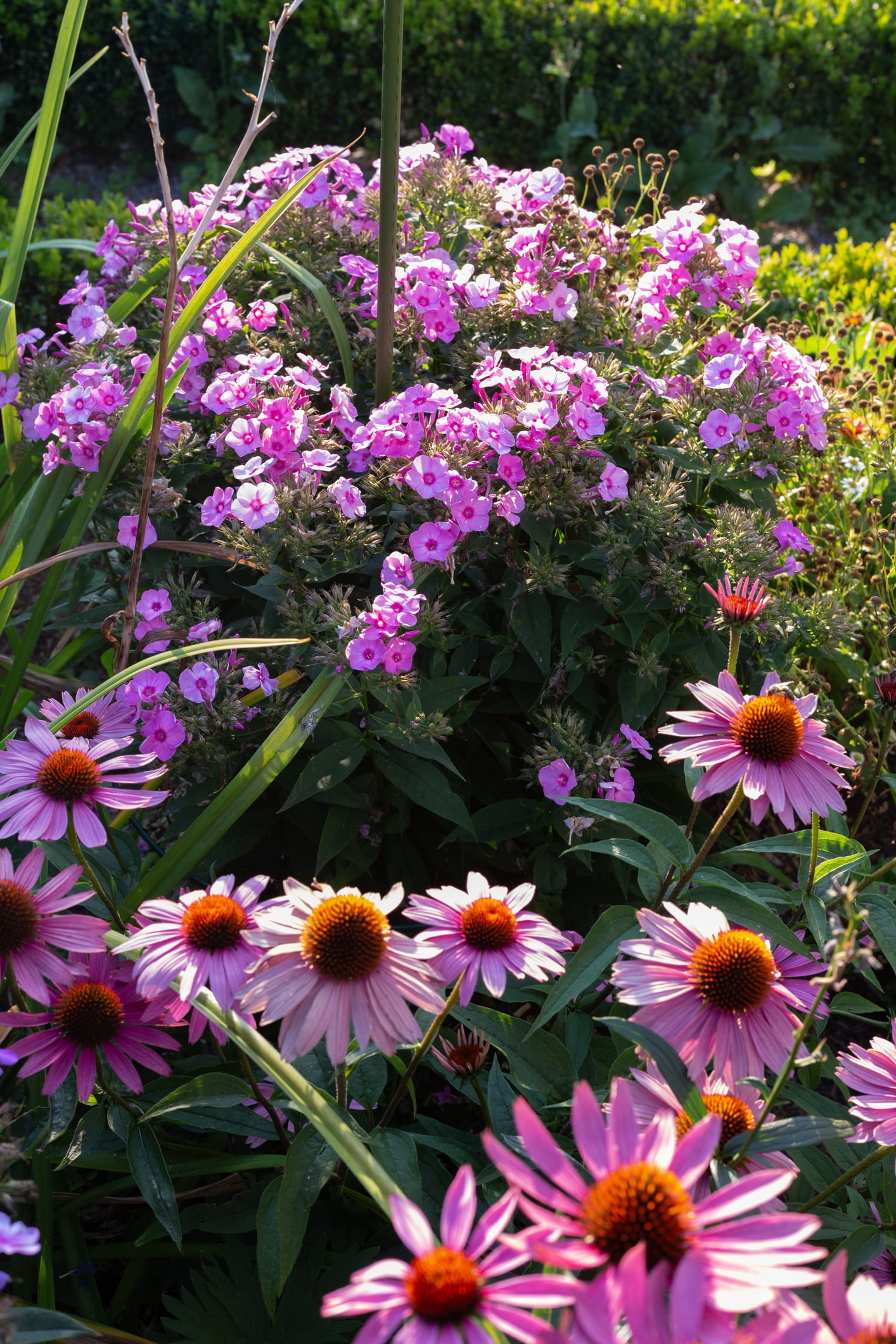
Deer have ridiculously good noses. They use that sense of smell to track what’s safe, what’s tender, and what might be trouble. So I like to weaponize that sensitivity with plants that smell strong before a deer even gets close enough to sample them!
1: Salvia (USDA Zones 4-8)

People buy Salvia nemorosa because those violet-purple spikes look incredible baking in July heat. I plant it because deer hate the foliage that smells like a medicine cabinet turned inside out.
Its pungent leaves trigger a quick nope from most local browsers. Once established in full sun and well-drained soil, it’s a tough perennial that handles dry spells and lean soil without much drama.
If you want those purple spikes to keep showing off past the first flush, we also wrote a guide on keeping salvia blooming through summer.
2: Bee Balm (USDA Zones 4-8)

Bee balm is a shaggy explosion of hot pinks, electric reds, and purples. It belongs to the mint family, nature’s way of quoting a famous gardener, M.C. Hammer.
The leaves carry a strong, peppery, oregano-citrus scent that makes human noses happy and dees usually hate. Monarda can spread when it’s happy, and rocks the mid-summer border with “You can’t touch this.”
3: Hummingbird Mint (USDA Zones 4-10)
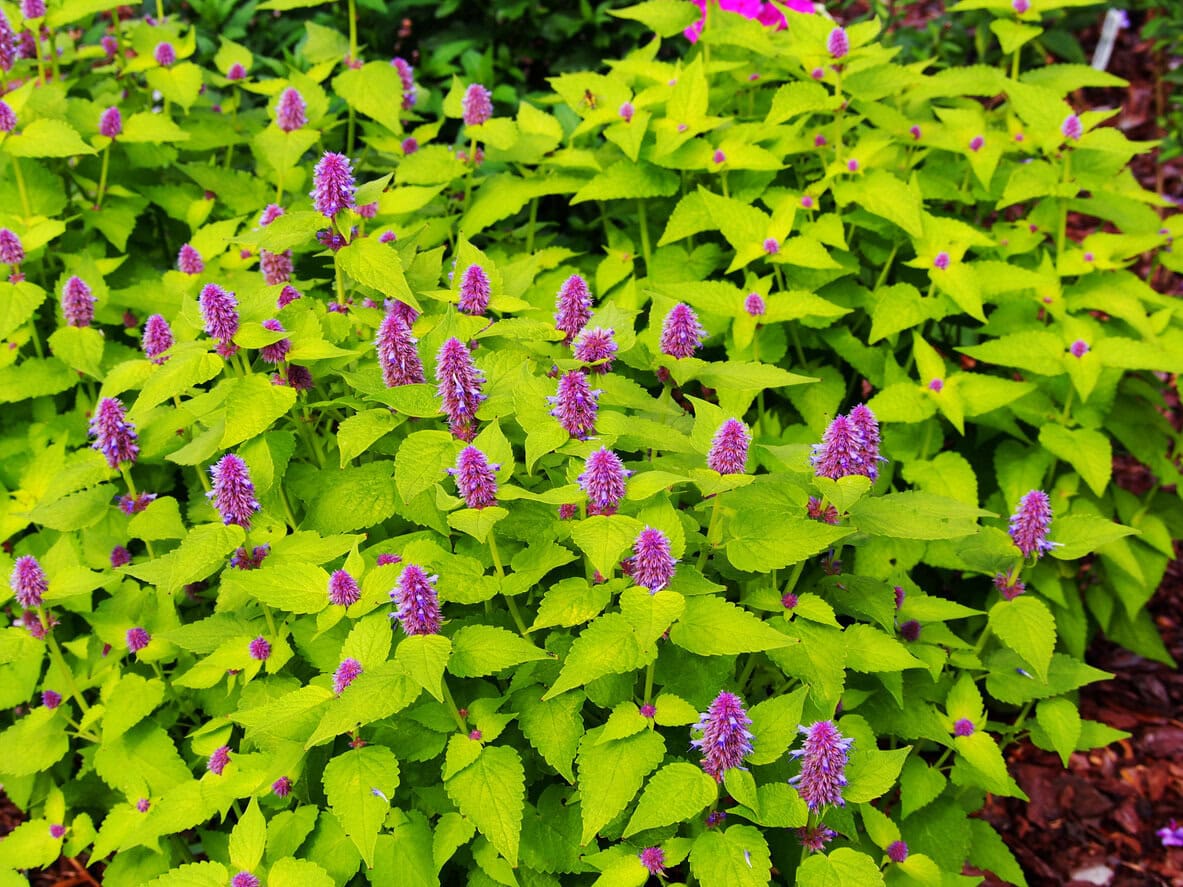
Touch the foliage, and you get hit with a wave of black licorice and anise. Deer usually don’t love that blast, but bees and hummingbirds absolutely do.
Apart from the friendly bugs, Agastache prefers to be ignored like an INFJ. Give it baking sun, sharp drainage, and don’t baby it. It will pump out spikes of orange, pink, purple, or yellow through summer and into fall.
If your goal is to make the deer sulk and the bees throw a garden party, we also have a guide on flowers that attract bees to the garden.
4: Marigolds (Annual in Most Zones)
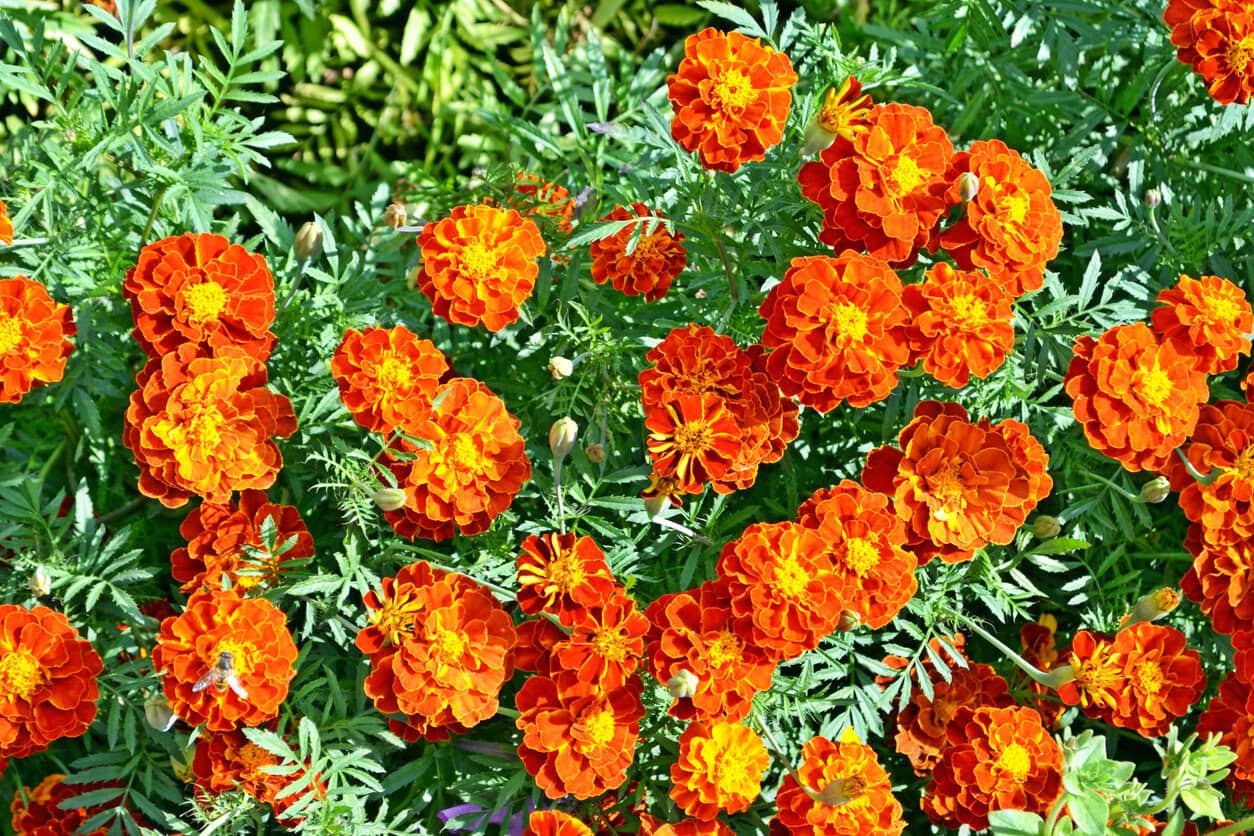
Marigolds are a classic, cheap, and dirty solution for a reason. They don’t do subtlety. They offer screaming yellows and burning oranges wrapped in a scent that can only be described as aggressively pungent.
The musk from a patch of Tagetes is strong enough to make a border less tempting. I tuck them around bed edges as a smelly, high-visibility warning sign that tells passing white-tailed deer to keep moving.
If your marigolds start looking tired, leggy, or stingy with flowers, we also put together a guide with simple tips for healthier marigold blooms.
Mouthfuls of Friction
Deer have sensitive tongues and lips, so rough leaves, bristly stems, and prickly flower heads can make a plant a lot less fun to sample. These picks bring the color, but they also bring the texture. Imagine a sandwich made of low-grade sandpaper and tiny wire brushes.
5: Coneflower (USDA Zones 3-8)

We love purple coneflowers because they handle brutal summer like they’re lounging on vacation, looking pretty and refusing to panic.
Deer often pass them by once the stems get tougher and that central cone matures. Echinacea purpurea is a rugged native that gives you weeks of pink-purple color while offering the local herd very little culinary comfort.
We also have a full guide on growing and caring for coneflowers if you want them sturdy, blooming, and not flopping around like they gave up emotionally.
6: Lavender (USDA Zones 5-9)
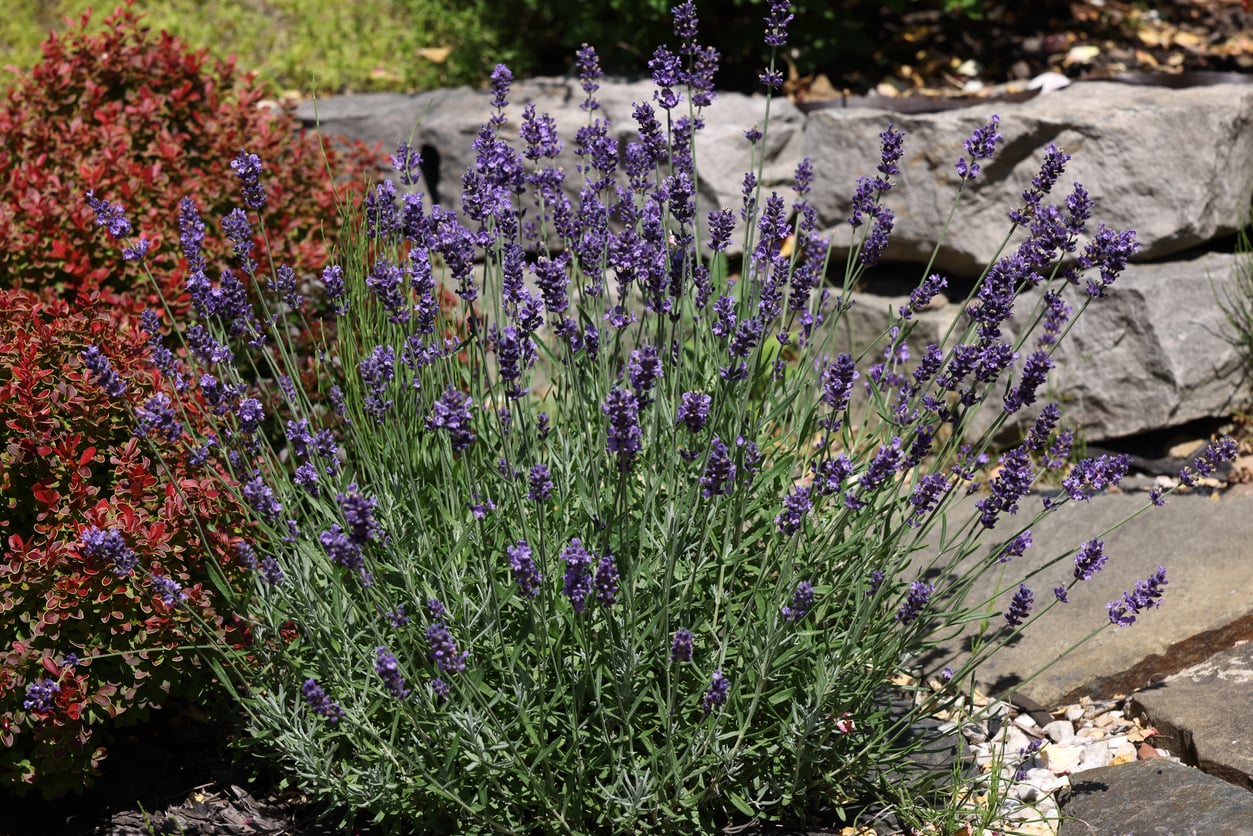
Lavender doesn’t scream in neon, but it earns its spot with smoky purple blooms, silver-green foliage, and that clean, herbal scent people pay candle money for.
Deer usually want no part of those intense aromatic oils. Give Lavandula full sun, sharp drainage, and don’t smother it with rich, wet soil. It handles heat and dry spells like a tiny Mediterranean bodyguard for the border.
7: Catmint (USDA Zones 4-8)

Catmint throws soft blue-purple clouds over the edge of a sunny border and somehow makes the whole bed look intentional.
Deer usually skip Nepeta because the minty, herbal foliage is not their idea of fine dining. I use it where it can flop, sprawl, bloom hard, and still act like a low-maintenance bouncer for the rest of the bed.
If you’re thinking of using it as more than a one-off plant, we also wrote about why a lavender border earns its keep in the garden.
8: Globe Thistle (USDA Zones 3-8)

Echinops bannaticus throws up freakish, metallic-blue spheres on tall, silvery stalks. The leaves are deeply divided, jagged, and rude enough to make bare hands regret being involved.
It gives a border incredible contrast, looks entirely alien, and brings enough prickly texture that deer usually decide the snack math is not worth it.
Chemical Plantfare
Some plants don’t bother with bad smells or sharp hairs. They play defense with bitter, irritating, or toxic chemistry instead.
9: Lantana (USDA Zones 9-11, Annual Elsewhere)
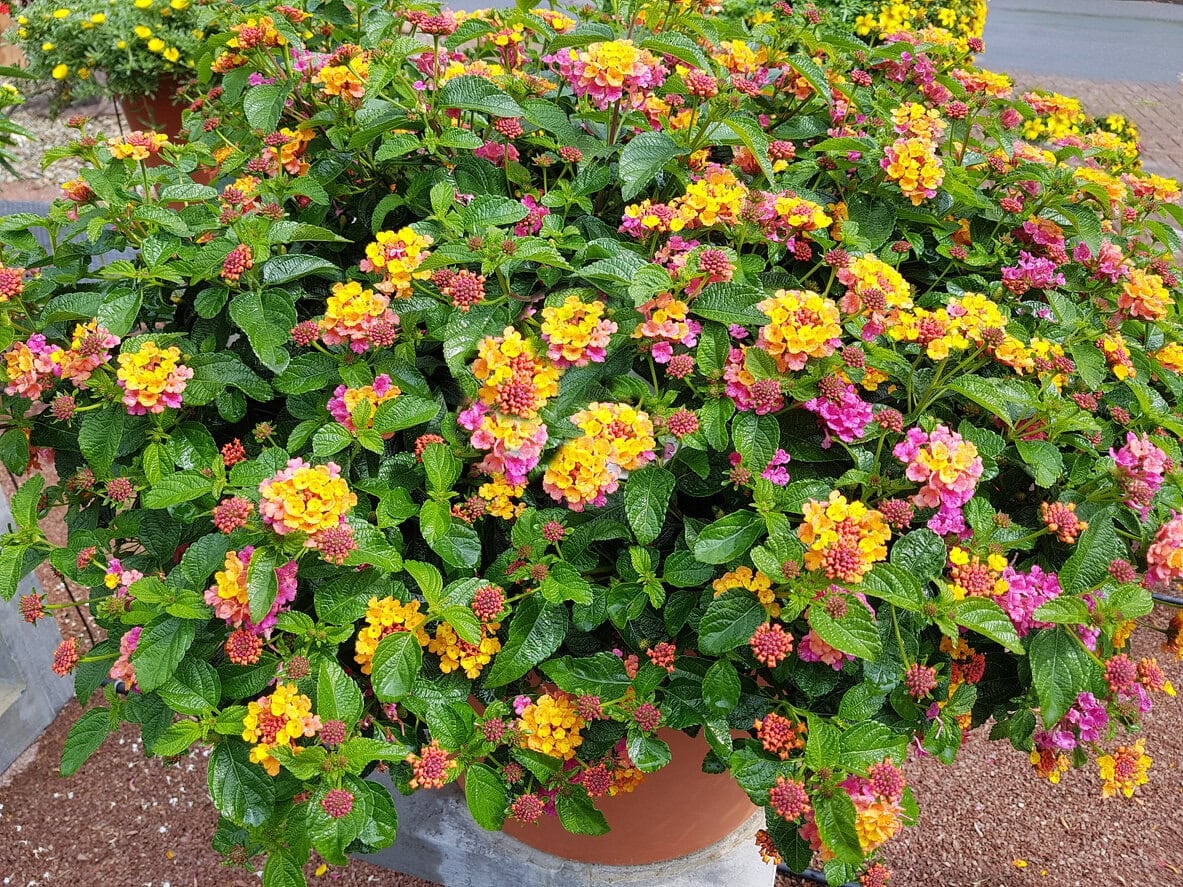
Lantana handles baking brick-kiln heat like a champ, exploding into dense clusters of yellow, hot pink, orange, and red.
Deer usually back off because the rough, strongly scented leaves are not exactly salad-bar material. Lantana also contains toxic compounds, so consider it a hot-border color bomb for the eyes, not for anyone’s mouth.
10: Foxglove (USDA Zones 4-9)

Digitalis purpurea does not play around. It throws up massive, dramatic towers of speckled purple bells that look straight out of a fairy tale. It’s also highly poisonous if eaten.
Every part of the plant contains cardiac glycosides, which is exactly why deer usually leave it alone and why I keep it away from curious kids, pets, and anyone who snacks first and asks questions later.
11: Yarrow (USDA Zones 3-9)
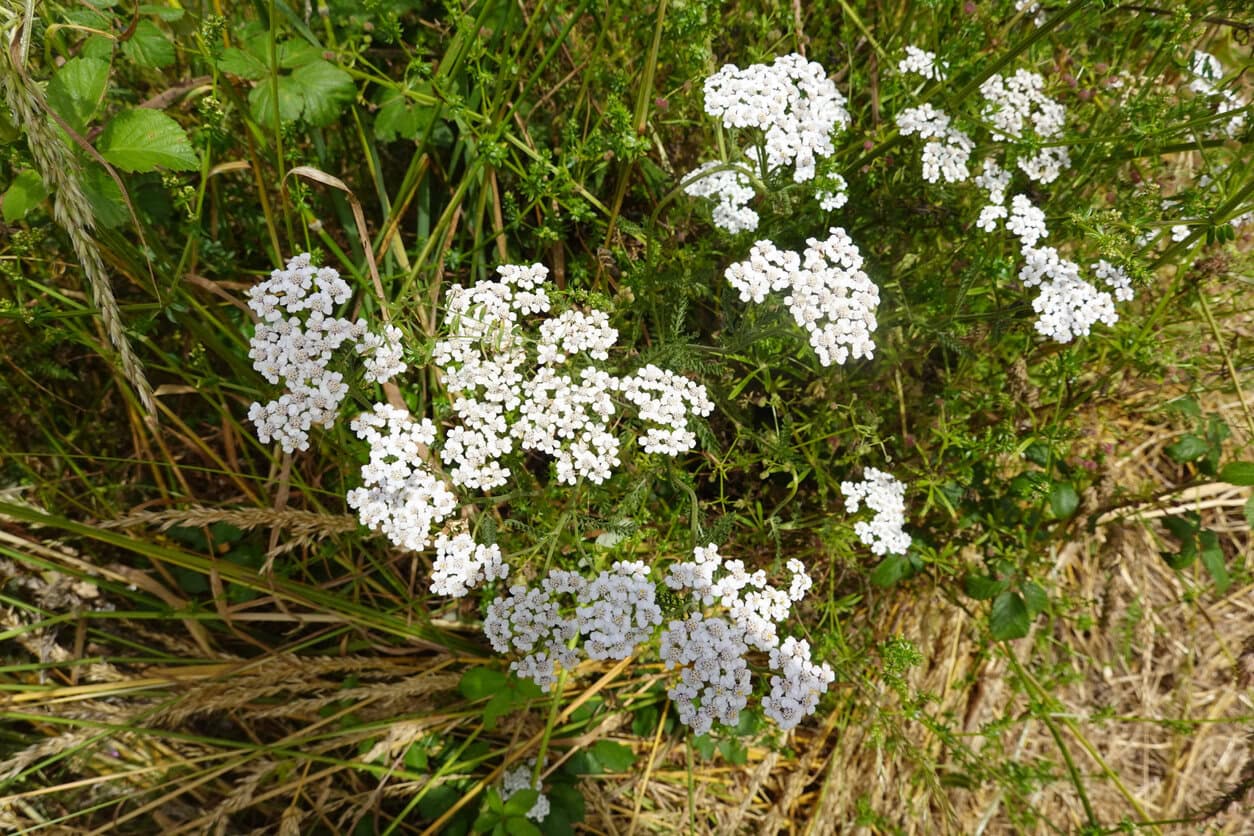
Yarrow looks delicate with feathery leaves and flat, sunny flower heads in yellow, white, pink, or red. What a lovely lie.
Inside those stems? Bitter, aromatic compounds deer usually want nothing to do with. It’s a low-profile color bomb that handles dry spells beautifully once established and tastes like regret to most browsers.
Plant Achillea millefolium in lean soil, give it full sun, forget to fuss over it, and it still acts offended by how easy your job is.
Much Less Fawning Over This Garden
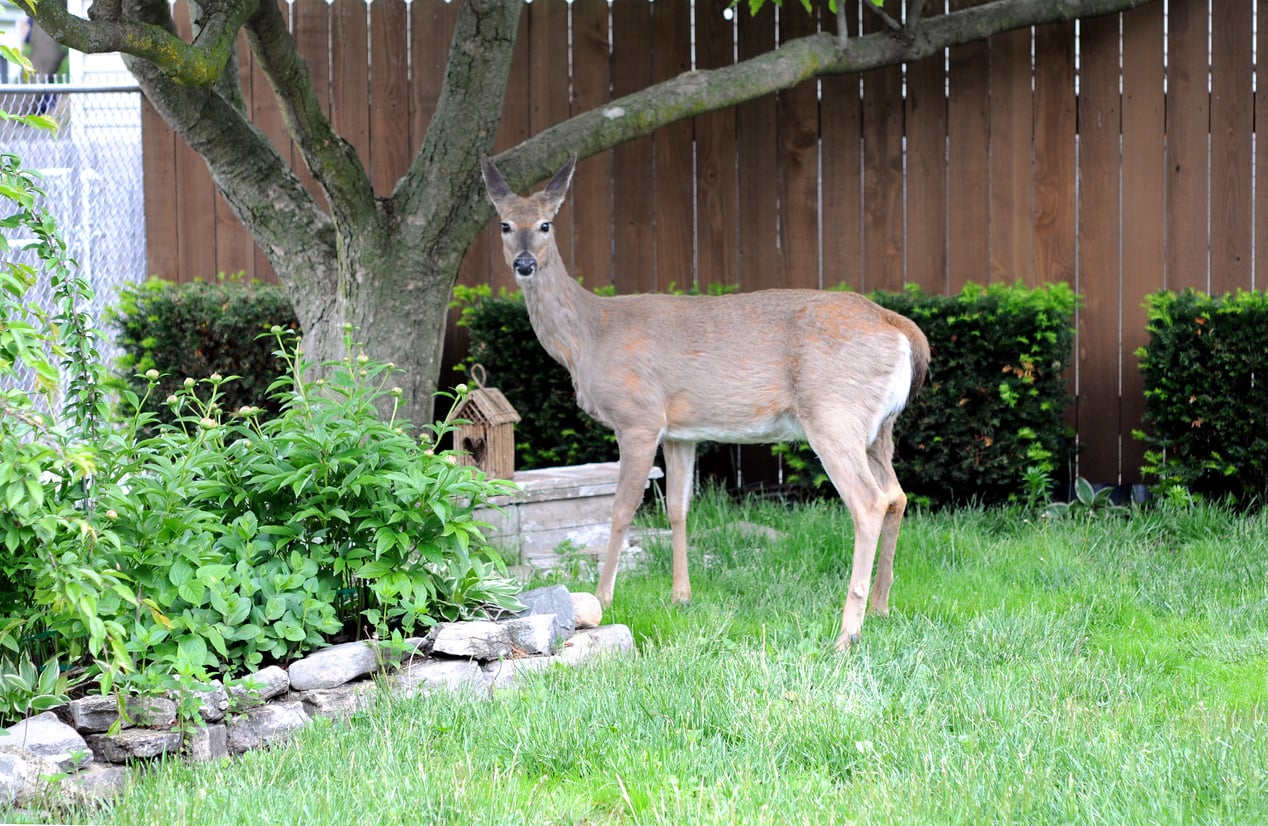
Oh deer, it’s disclaimer time! Starving, stressed herds lose all their table manners. I’ve seen deer sample plants they’re “supposed” to hate. They will try chewing even on your plastic patio set.
You’re just tilting the odds in your favor by stuffing the yard with foul aromatics, spikes, and toxic chemistry. No lies here, deer-resistant never equals deer-proof.