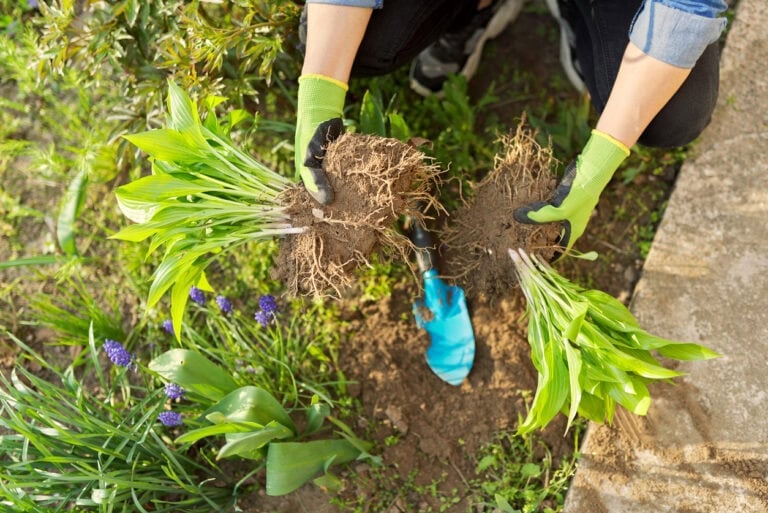
The first rule of the garden club? Always talk about the club. The second rule? The planting season never truly ends. While most people sip cocoa and cry in seasonal shopping lines, we know December is a surprisingly busy planting window.
Forget about a fancy greenhouse. Forget about waiting until spring, too. Before you test your best holiday spirit(s) and don your warmest gloves, explore which veggies deserve a place on your naughty-but-nice list.
Wait, I Thought Winter Was Nap Time?

I know, I know… I’d recommend setting your trowel down and enjoying some seasonal cheer, believe me. But the USDA Zone Map is not just a tool for summer planning. It’s a golden ticket for mild-winter gardeners, too good a chance to ignore.
When I talk about December planting, I address directly Zones 7, 8, 9, and 10. Unless the plant is truly cold-hardy, which I will mention.
Those few zones experience an average annual minimum temperature that is just warm enough for cool-season crops to establish roots slowly. For everyone else, December planting means protection like cold frames or tunnels. The zone is the boss of your winter garden dreams. Listen to it.
And if you’re not interested in going outside, I got you. Oh, you thought you were about to sit on the couch all winter? No, no! Here’s a list of herbs you can grow indoors instead.
And if you want something even faster, here’s a list of microgreens you can grow indoors and harvest in under two weeks. Winter break is canceled!
1: Onions (Zones 6-10)

The secret to dinner plate-sized onions in Zones 7 through 10 is aggressive winter planting. Zone 6 can also work if you use protection like row covers or cloches, otherwise it’s too cold for December planting!
Onions require short day lengths to establish roots, then long summer days to swell.
So get those sets in the ground now and plant them 1/2 inch deep. Don’t forget that the neck of the set must peek above the soil line. Any deeper and you risk delayed growth and neck rot, which is just as bad as it sounds.
2: Carrots (Zones 7-10)

You want sweet carrots? You earn them. Plant seeds now across Zones 7 through 10, for the cold is their natural sweetener. And stop treating your soil like a dump. Carrots are such snobs about obstruction.
Therefore, prepare the bed to a 12-inch depth. Use only sifted, fine soil and mix it heavily with sand.
Quick tip: Skip nitrogen-rich manure and any fresh, unfinished compost. Fail, and the roots will fork like Lady Gaga’s hair. Might look fun, won’t taste good.
3: Broad Beans (Zones 7-11)

Fava beans are tough like The Sopranos. They laugh off temperatures down to 14°F (-10°C). Before you plant, give the tough seeds a quick dip in a Rhizobium inoculant as the ultimate fertilizer hack. Then drop them 2 inches deep and 6 inches apart in double rows.
They do not need fuss, just respect. Plant them across Zones 7 through 10 (and in Zone 11 only where winter nights stay cool) and they’ll work for the family by fixing nitrogen in your dirt. And no one else, hopefully.
4: Garlic (Zones 3-10)

Garlic planting is a contractual obligation with winter. You must plant individual cloves now, a rule that holds true for nearly all regions (Zones 3 through 10). The clove needs a long, cold snooze (you remember vernalization) to divide into a proper bulb. No winter chill, no bulb.
Plant the largest cloves you have two inches deep and six apart in a way that the root end faces down. Also, apply four inches of straw mulch immediately after planting. No mulch and the ground will heave panicked cloves out like tiny torpedoes.
Quick tip: In Zone 10, hardneck types will need a quick pre-chill in the fridge to get the memo.
Mulching can make or break your winter garden, and this guide breaks down exactly which plants actually need it before the deep cold arrives.
5: Winter Lettuce (Zones 7-11)

Lettuce be honest, you are only here for the instant gratification. So be it. Arctic King thrives from Zones 7-9. But in Zones 10-11 you’ll get better December results with heat-tolerant lettuces like Buttercrunch, Jericho, or Salad Bowl.
You’ll see returns in weeks if you plant the seeds densely and press them firmly into the soil. A simple, low, plastic hoop provides necessary asset protection.
Quick tip: Regarding harvesting, it is based on the celebrity reality show schedule: cut and come again. In other words, take only 1/3 of the leaves at any time. No scalping.
6: Collard Greens (Zones 7-10)

Collard Greens offer continuous winter dividends, provided you invest in spacing. Plant transplants now across Zones 7 through 10. Collards, like introverts, require an 18-inch moat of separation from their neighbors to ensure air flow and peace of mind.
Lack of spacing guarantees a humidity tax and fungal losses. Harvest only the outer leaves and never touch the central growth bud, AKA a leafy ATM. Withdraw cash, but don’t raid the bank.
7: Broccoli (Zones 7-10)

The maturity window for Broccoli is terrifyingly small, and it will bolt if you miss it. Plant transplants this month across Zones 7 through 10 to ensure the head forms during the perfect temperatures of early spring.
Broccoli is a 100% nitrogen hog, so boost the soil heavily before you plant. It’s not a secret anymore, but its head is actually an edible flower. Once you cut it, the plant will redirect its energy and hormones into producing smaller, but delicious, continuous side shoots. Leave the base, though.
Quick tip: If you’re in Zone 7, use a simple row cover on colder nights to keep young transplants from freezing.
And if you’re prepping the rest of your garden for winter, here’s a guide on which plants to fertilize now and which ones you should skip completely.
Don’t Leaf Yet
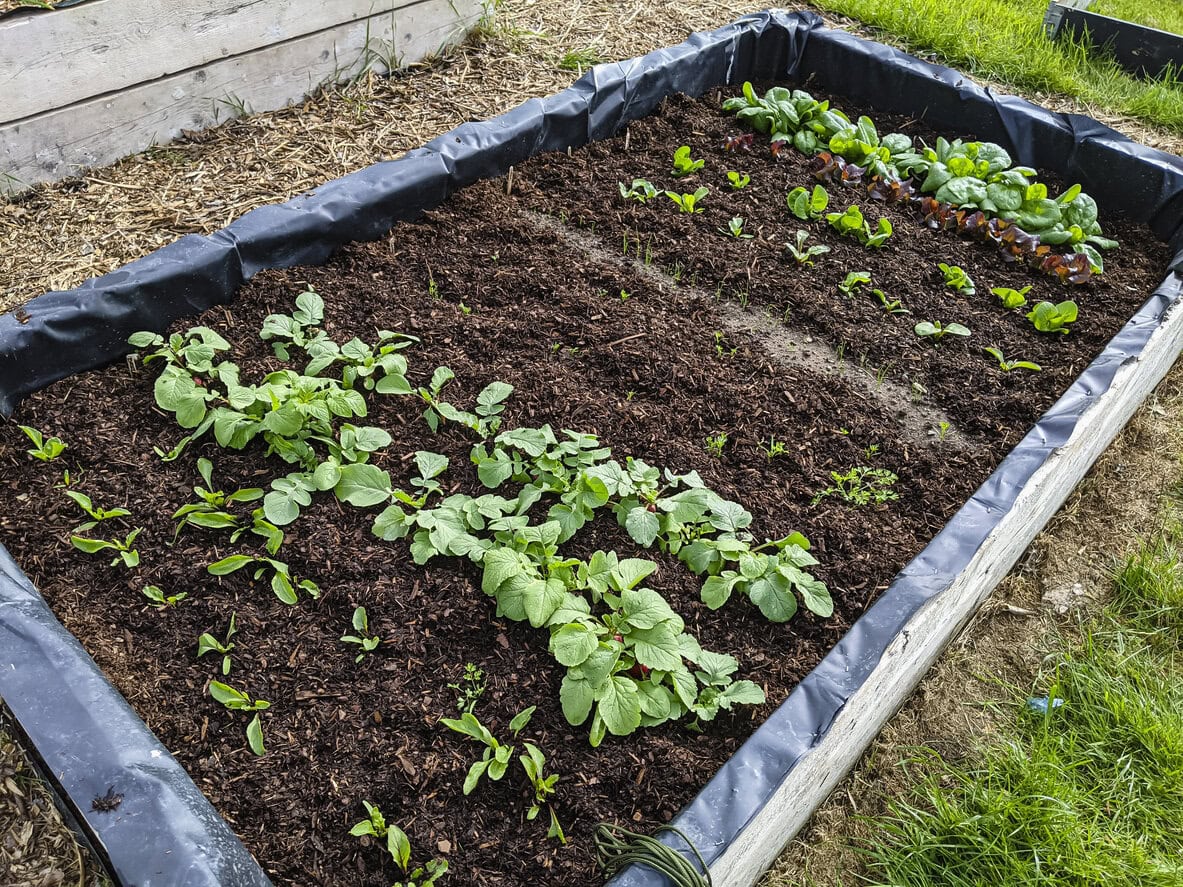
When everyone else is dusting off their carol songbooks, you are preparing your trowel and cursing the seed packets you forgot to order in October. That’s the reality of December planting. And the list of greens you can plant never seems to end!
If you are determined to keep planting, try the herbs!
So, stop stressing about the holiday rush. Your biggest crop-portunity is happening right now. And if winter sowing has you hooked, here’s a full list of flowers you can also sow in winter for a spring head start.